Rust can be a common enemy for pocket knife enthusiasts, potentially compromising both functionality and aesthetics. Whether your pocket knife is a trusted companion during outdoor adventures or a handy tool for everyday tasks, removing rust is essential to maintaining its performance and longevity. In this guide, we’ll explore effective restoration tips that not only revive your blade but also empower you as a responsible gear owner. With approachable techniques anyone can master, you’ll ensure your knife is always ready for action, providing peace of mind as you navigate the great outdoors or tackle daily challenges. Read on to discover how to breathe new life into your tools and keep them in top condition for years to come.
Understanding Rust and Its Causes on Pocket Knives
Rust is more than just an unsightly blemish on your pocket knife; it signifies a reaction that occurs when iron, moisture, and oxygen converge. The primary culprit behind this deterioration is iron oxide, commonly known as rust, which can lead to significant damage if not addressed promptly. Pocket knives, depending on their material composition, can be particularly vulnerable to rust if they are not stored and maintained properly. Understanding how rust forms helps knife owners take crucial steps in both preventing and removing it effectively.
The formation of rust is often exacerbated by environmental conditions. For instance, exposure to humid weather or water can hasten the oxidation process. Pocket knives that are frequently used in outdoor settings may come into contact with moisture or corrosive substances like saltwater, further increasing the risk of rust. Moreover, storage practices play a significant role; knives left in damp conditions or enclosed cases without proper ventilation are likely to develop rust more quickly. Knowing these risk factors allows knife owners to implement better care routines.
To mitigate rust formation, consider the knife’s materials. Stainless steel blades are designed to resist corrosion better than carbon steel by including elements like chromium that hinder rust growth. However, even stainless steel can rust under extreme conditions or when not cared for properly. Regular cleaning and drying after use, along with occasional oiling of the blade and pivot points, are essential practices that can significantly extend the life of any knife and reduce the likelihood of rust developing.
In summary, being aware of how rust occurs on pocket knives empowers users to take proactive steps in maintenance and care, ultimately preserving the functionality and aesthetics of their cherished tools. Whether you’re a casual user or an outdoor enthusiast, understanding these principles can enhance your everyday carry experience and ensure your knife remains in excellent condition.
Essential Tools for Rust Removal
To effectively remove rust from your pocket knife, having the right tools is essential for ensuring a thorough and safe restoration process. Using proper equipment not only simplifies the task but also minimizes the risk of damaging your knife. Here’s a breakdown of the essential tools you need to tackle rust removal.
Start with a rust removal product specifically designed for metal surfaces. There are numerous options available, such as specialized rust eraser pads or rust cleaners that can dissolve rust effectively. Look for products that are safe for use on the specific steel type of your knife to avoid compromising its integrity.
Additionally, a sturdy set of abrasive materials will be beneficial.
- Fine-grit sandpaper: This is ideal for light rust, allowing you to gently sand away the oxidized layers without scratching the blade.
- Steel wool: A fine-grade steel wool (0000) can help remove rust while polishing the blade, providing a cleaner finish.
Don’t forget about the importance of lubricants. A good pocket knife lubricant not only helps during the rust removal process but also protects the metal after cleaning. Choose a product with corrosion inhibitors for long-lasting protection against future rust.
For physical handling, a soft cloth or microfiber towel plays a vital role. Use it to apply rust removers, dry the blade after cleaning, and remove any remaining particles or debris. Make sure to have a clean, dry rag on hand after rust removal to give your knife a final polish.
Lastly, having protective gear such as gloves and safety glasses is strongly advised. Protecting your hands and eyes is crucial when using chemical rust removers or abrasives. Ensuring your safety will allow you to focus on the task at hand without risks of injury.
By assembling these essential tools, you’ll be well-equipped to restore your pocket knife and extend its life, keeping it ready for whatever adventure lies ahead.
Step-by-Step Guide: Removing Rust from Your Knife
To revive your pocket knife from the clutches of rust, follow this step-by-step guide that not only ensures effective rust removal but also protects the integrity of your blade. As you begin, remember that accumulation of rust can compromise functionality and aesthetics, so timely intervention is key.
Start by preparing your work area-ensure it’s well-lit and clean. Gather the essential tools that you previously assembled, including your rust remover, fine-grit sandpaper, steel wool, lubricants, and a soft cloth. Once your workspace is set, inspect the knife to gauge the extent of the rust. If it’s light surface rust, the removal process will be straightforward; deeper pitting may require a more careful approach.
Step 1: Apply Rust Remover
Begin by applying your chosen rust removal product according to the manufacturer’s instructions. Whether it’s a spray or a gel, ensure that it covers the rusted areas adequately. For natural solutions, white vinegar or lemon juice can be applied with a cloth. Let the product sit for the recommended time to allow it to penetrate the rust.
Step 2: Scrub Away the Rust
Once the rust remover has set, use fine-grit sandpaper or steel wool to gently scrub the affected areas. Be cautious: too much pressure can scratch the metal. For pitting or tough spots, a back-and-forth motion rather than a circular one can help bring up more rust without damaging the blade. For precision, a soft-bristled toothbrush can also be effective for hard-to-reach areas.
Step 3: Clean the Residue
After you’ve scrubbed the rust away, wipe the blade with a soft, clean cloth to remove any residue from the rust remover and loose particles. If necessary, repeat the application and scrubbing process until all the rust is removed.
Step 4: Protect the Blade
Once the restoration is complete and the knife is clean, apply a corrosion-resistant lubricant to the blade. This step not only protects it from future rust but also helps maintain the smooth operation of the knife’s mechanisms. Wipe off any excess lubricant with your soft cloth.
Step 5: Final Check and Maintenance
Lastly, perform a thorough visual check of the blade. Ensure no rust remains, and if you notice any stubborn spots, you can repeat the previous steps. Finally, store your knife in a dry, cool place and consider regular maintenance checks to keep rust at bay.
By utilizing these systematic steps, you not only restore your knife’s condition but also extend its longevity, ensuring it remains a trusty companion for all your outdoor and daily tasks. Following up with proper storage and regular maintenance will keep potential rust at bay, allowing you to make the most of your pocket knife for years to come.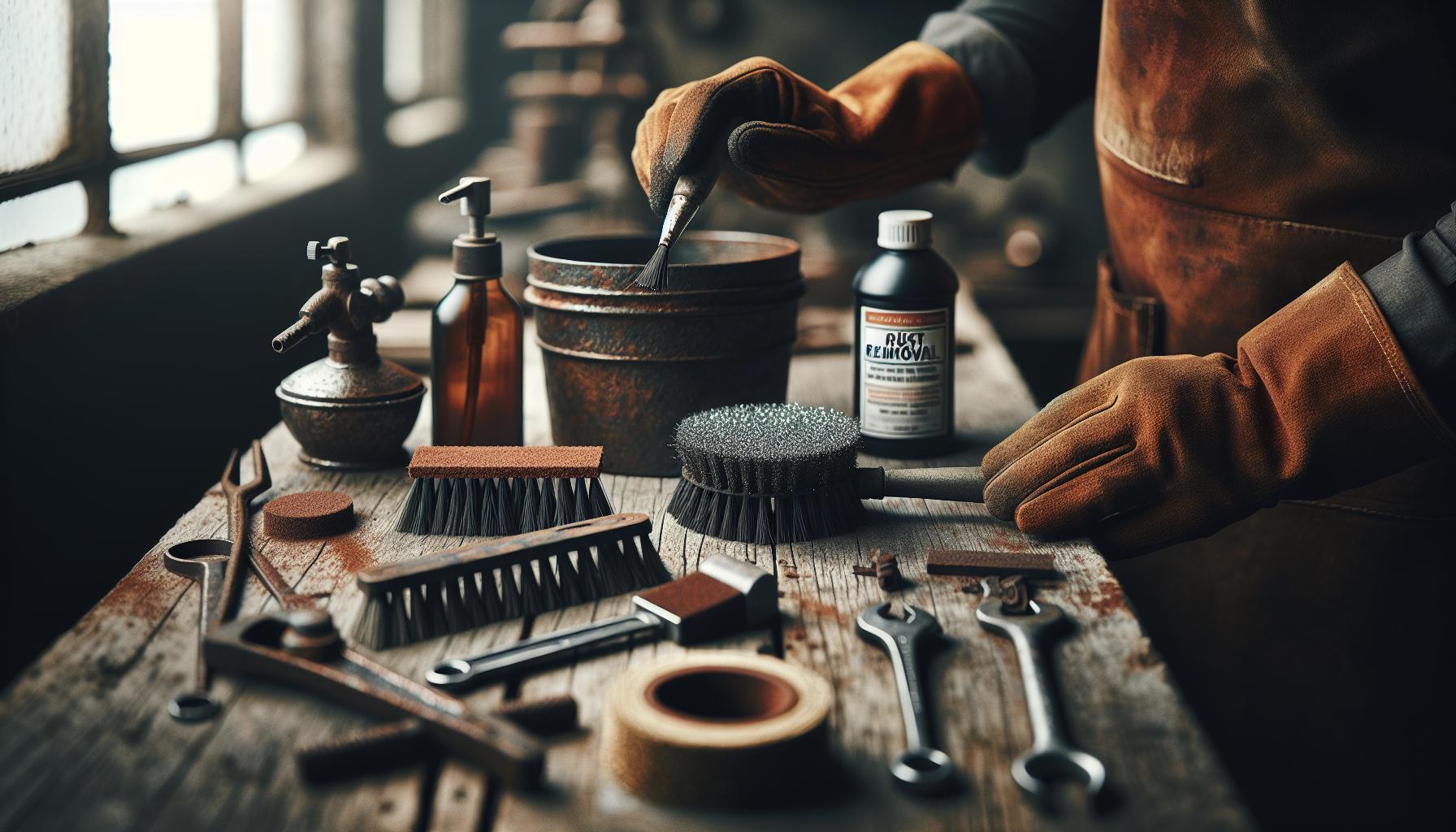
Effective Rust Removal Techniques: Pros and Cons
Rust can be a fierce enemy of pocket knives, transforming a reliable tool into a mere shadow of its former self. Understanding the various techniques available for rust removal not only helps you restore functionality but also enables you to make informed choices about longevity and maintenance. Here’s a breakdown of popular rust removal methods, helping you weigh their pros and cons effectively.
Among the most common rust removal techniques, chemical rust removers stand out for their potency. These products often contain acids or powerful solvents that can dissolve rust quickly. The major advantage is their effectiveness on heavy rust, saving time and effort. However, they can be harsh on your blade, especially if left on too long, potentially causing corrosion or damage to metals. Always follow the manufacturer’s guidelines, and consider using them in a well-ventilated area.
On the natural front, household items like vinegar and baking soda offer gentler alternatives. These solutions are not only safer for the blade but also environmentally friendly. For example, vinegar’s acetic acid effectively loosens rust without damaging the metal. However, they may require longer soaking times and multiple applications, making them less ideal for severe rust cases.
Mechanical methods, such as using fine-grit sandpaper or steel wool, present another option. These techniques allow for direct control over the rust removal process, and they can be very effective for surface rust. Nonetheless, they pose the risk of scratching or damaging the blade if not used with care. Be mindful to apply light, even pressure and avoid circular motions that could create uneven surfaces.
Lastly, consider the electrolytic rust removal method, which employs a power source and an electrolyte solution to rust. This technique has the notable benefit of being able to restore the knife without abrasion, thus preserving its original finish. However, it requires some technical knowledge and equipment to set up effectively, which might not be accessible to all users.
In summary, the choice of rust removal technique often depends on the rust’s condition and your willingness to handle different tools and chemical agents. By understanding the strengths and weaknesses of each method, you can create a tailored approach that conserves your pocket knife’s integrity while effectively removing rust.
Preventing Rust: Maintenance Tips for Pocket Knives
To keep your pocket knife in prime condition and prevent rust from becoming a persistent problem, adopting a strategy of proactive maintenance is essential. Many enthusiasts believe that a well-cared-for knife can last a lifetime, and regular upkeep is crucial to achieving that longevity. One of the first and most effective preventive measures is to ensure that your knife is properly cleaned and dried after each use, especially if it has been exposed to moisture or food substances. A simple wipe down with a soft cloth to remove any residue and moisture can make a significant difference in rust prevention.
Another powerful step in safeguarding against rust is applying a light coat of protective oil to the blade. Food-grade mineral oil or specialized knife oils create a barrier that inhibits moisture and oxidization. Using a few drops on a clean cloth, gently wipe the blade, ensuring that the entire surface is covered. This routine not only prevents rust formation but also enhances the knife’s performance, making for smoother cuts and less friction during use.
Storage Matters
The way you store your pocket knife can greatly affect its susceptibility to rust. Avoid damp environments or storage in leather sheaths, as leather can trap moisture. Instead, consider using moisture-absorbing products, such as silica gel packs, when storing your knife in a toolbox or drawer. For those who frequently carry a pocket knife, consider investing in a dedicated pouch or case made of breathable material that allows airflow while protecting the blade.
Regular Inspections
Adapt a habit of regularly inspecting your knife for any signs of rust or wear. Early detection can be key to addressing minor issues before they escalate. If you spot any signs of rust, don’t wait-act quickly to remove them using appropriate rust removal techniques discussed earlier. Engaging in this routine helps not only in keeping rust at bay but also in ensuring your pocket knife remains functional and ready for action.
By integrating these simple yet effective maintenance practices into your knife care routine, you can significantly extend the life of your pocket knife, keeping it sharp, shiny, and ready for any task that comes your way. Rust may be a fearsome adversary, but with the right approach, it can be kept at bay.
Restoring Your Knife: Polishing and Sharpening
Restoring a pocket knife doesn’t just involve eliminating rust; polishing and sharpening play crucial roles in returning your blade to its original state. A well-maintained knife is not only visually appealing but also ensures optimal performance. A polished blade reduces friction, facilitates smoother cuts, and even enhances rust prevention by minimizing rough surfaces where moisture can cling. Given the multifaceted needs of pocket knife restoration, here’s how you can effectively polish and sharpen your cherished tool.
To begin with, selecting the right polishing method is essential. You can choose from a variety of materials, including metal polish, polishing compounds, or even natural options like baking soda mixed with water. For an effective polish, apply your chosen compound with a clean, soft cloth, using a circular motion to create a shine on the blade. A small rotary tool fitted with a soft buffing wheel works excellently for more extensive restoration projects. Remember, the key is to apply gentle pressure to avoid scratching the blade.
Once your knife is polished to a gleaming finish, the next step is sharpening. A dull blade not only performs poorly but can be dangerous due to the excessive force needed during use. There are several options for sharpening: whetstones, honing rods, and pull-through sharpeners. Whetstones provide great precision and should be paired with water or oil, while honing rods are effective for regular maintenance. Pull-through sharpeners offer convenience for those who prefer a quicker approach, but they may not provide as refined an edge. When sharpening, focus on maintaining a consistent angle-typically around 20 degrees for most pocket knives-to ensure an effective cut.
Lastly, always consider the blade material when restoring your knife. Different types of steel may require specific care and maintenance methods, particularly regarding sharpening. Stainless steel blades, for instance, may benefit from lighter treatments compared to carbon steel, which is more prone to wear. By adopting a careful and informed approach to polishing and sharpening, you can keep your pocket knife not just functioning but thriving, ensuring that it remains a reliable companion for years to come.
When to Seek Professional Help for Rust Damage
When dealing with rust on your pocket knife, there comes a time when DIY methods may just not cut it. Knowing when to seek professional help can save you from potentially damaging your knife further, especially if it holds sentimental value or is a high-quality piece. While some rust spots might seem minor at first, they can weaken the blade or attack critical components like the pivot system or locking mechanism. If you’ve already attempted rust removal and the results are less than satisfactory, consider consulting a professional.
Professional knife restorers possess specialized tools and techniques that can revive even the most corroded blades. For instance, they can perform advanced rust removal methods such as electrolysis or use abrasive techniques that ensure no further damage occurs. Additionally, if your knife features intricate designs or materials like Damascus steel, a professional’s expertise can help maintain its aesthetic qualities while restoring functionality.
It’s also wise to reach out for help if the rust has spread significantly or if you notice pitting-a deeper corrosion that can compromise the integrity of the blade. Pitting can sometimes be mistaken for surface rust, but it requires a much finer approach and skill to remedy without rendering the knife unusable. If you’re uncertain, there’s no harm in getting an assessment from a professional; it can offer you peace of mind and clarity on the best course of action for your knife’s restoration.
Involving a professional can also enhance the longevity of your knife. They can not only restore its original condition but also advise on proper maintenance to prevent future rust development. Ultimately, seeking expert help when necessary ensures that your tool remains a reliable companion, preserving both its functionality and sentimental value.
Long-Term Care: Keeping Your Pocket Knife in Top Shape
Keeping your pocket knife in peak condition ensures that it remains a reliable tool for years to come. Regular maintenance not only enhances its performance but also prevents the onset of rust and corrosion that can arise from neglect. Did you know that a clean, well-oiled knife is more likely to last a lifetime, especially if it has sentimental value? To help you achieve this, here are several practical strategies for maintaining your pocket knife.
Regular Cleaning
Frequent cleaning is vital for preventing rust buildup. After each use, especially in moist or dirty environments, wipe the blade with a soft, dry cloth to remove dirt, moisture, and oils. For deeper cleans, use warm, soapy water and a soft brush. However, be careful to avoid soaking the knife, particularly if it has pivot points or other mechanisms that could trap water and lead to rust.
Lubrication
Applying appropriate lubricants not only keeps the moving parts functioning smoothly but also acts as a barrier against moisture. Choose a food-safe oil if you plan to use the knife for food prep, or a specialized knife oil that adheres well and resists dirt for general use. Apply the oil sparingly to the pivot and any contact points, then work the blade open and closed to distribute it evenly.
Proper Storage
How and where you store your pocket knife can significantly impact its longevity. Opt for a dry, cool environment. Avoid leaving it in damp areas, like a bathroom or kitchen drawer, where humidity can accelerate rust formation. Consider using a protective pouch or case to shield the blade from dust and moisture, especially if your knife features an intricate design or high-quality materials.
Humidity Control
If you live in a particularly humid area, consider investing in a silica gel packet or a dehumidifier for your storage space. These can help absorb excess moisture and create an inhospitable environment for rust.
Maintaining your pocket knife is not just about regular upkeep; it’s a practice that connects you with the tool’s history and purpose. By following these simple practices, you can ensure your knife remains functional and aesthetically pleasing, elevating both its utility and the bond you share with it as an essential part of your everyday carry.
Choosing the Right Pocket Knife: Rust-Resistant Options
Choosing the right pocket knife can significantly impact your overall satisfaction and longevity of the tool, especially regarding its resistance to rust. For those who frequently engage in outdoor activities or simply want a reliable everyday carry (EDC) option, rust resistance should be a top priority. Knife manufacturers utilize various materials and coatings to enhance corrosion resistance, allowing you to choose a knife that best fits your lifestyle and environment.
When selecting a pocket knife, consider blades made from stainless steel, which typically contains chromium, providing a protective layer against moisture and oxidization. Among the stainless steel options, 440C and S30V are popular choices due to their balance of edge retention and resistance to rust. While no metal is entirely rust-proof, these alloys offer better durability than traditional carbon steels, making them suitable for humid environments or frequent use in wet conditions.
Additionally, coating treatments like black oxide or titanium nitride can further enhance rust resistance by adding an extra barrier between the blade and moisture. Knives with these coatings not only offer aesthetic appeal but also reduce friction, improving performance during cuts. Consider the framing of the knife as well; titanium handles, for example, are highly resistant to rust, making them a great match for stainless or coated blades.
Furthermore, regularly checking for signs of wear and tear, even on rust-resistant materials, can extend the lifespan of your pocket knife. A little proactive maintenance can go a long way in preserving both the functionality and appearance of your tool. Investing time in preventive care such as cleaning, lubricating, and proper storage can ensure that your pocket knife remains in top shape, ready for any task you present it with. By choosing the right materials and staying vigilant with maintenance, you can enjoy a pocket knife that stands the test of time and resists the inevitable battle against rust.
Addressing Common Rust Myths and Misconceptions
Myths about rust can lead to misconceptions that affect how you care for your pocket knife. One of the most pervasive myths is that rust can only affect low-quality knives. In reality, any knife, regardless of its cost or materials, can succumb to rust if not properly maintained. Even high-quality stainless steel can develop corrosion if exposed to moisture, acids, or prolonged neglect. Understanding that rust is not limited to budget options but can affect all types of knives emphasizes the importance of regular maintenance.
Another prevalent misconception is that all stainless steel is completely rust-proof. While stainless steel does offer a degree of resistance due to the chromium content that forms a protective layer, it is not immune to rust. Factors such as exposure to saltwater, humidity, and improper storage can still lead to corrosion. Regular cleaning and drying, particularly after exposure to moisture, are critical steps in preserving your knife’s integrity. The belief that it’s sufficient to select stainless steel is only part of the solution; ongoing care is essential.
Some enthusiasts believe that abrasive cleaning methods are the best way to deal with rust, thinking that scrubbing will completely eliminate corrosion. However, using overly harsh tools can scratch and damage the blade, potentially compromising its performance. Instead, opting for gentler cleaning agents and methods-such as using a rust eraser, fine steel wool, or mild acid solutions like vinegar-can effectively remove rust while protecting the blade’s surface. Understanding proper techniques fosters better preservation of your knife’s finish and functionality.
Finally, there’s a myth that rust is harmless and won’t affect performance. In reality, rust not only affects the aesthetic quality of your knife but can also compromise its structural integrity. Over time, rust can lead to pitting and weakening of the metal, resulting in a knife that may break or fail during use. Therefore, timely attention to rust issues is crucial to maintain both the functionality and safety of your pocket knife. Embracing correct information about rust helps every owner ensure that their tool remains effective and long-lasting.
The Environmental Impact of Rust: Why It Matters
Rust isn’t just a cosmetic issue; it reflects a broader environmental concern. The process of rusting, or oxidation, involves the interaction of metal with oxygen and moisture, leading to an expansive degradation that can have both literal and metaphorical implications. When rust accumulates, it often ends up in landfill sites or the environment, contributing to metal waste. This degradation process releases heavy metals and other contaminants that can leach into soil and waterways, potentially harming local ecosystems.
Understanding how rust impacts the longevity of your pocket knife is essential not only for maintaining your tool but also for considering your ecological footprint. Every knife you maintain prolongs its life cycle, which means less waste and fewer resources consumed in manufacturing a replacement. Here are several aspects to consider:
- Waste Reduction: Each knife restored represents a reduction in metal waste. By investing time and effort into rust removal and maintenance, you’re making a conscious decision to extend the life of your tools.
- Pollution Mitigation: Rust can cause the degradation of metal structures, leading to pollution from metal particles. Keeping your knives and other metal tools clean helps to reduce potential leaching into the environment.
- Resource Conservation: By preventing rust, you conserve the resources and energy that would otherwise be needed for the manufacturing of new knives, such as mining metals and processing materials.
- Health Hazard Awareness: Rust can harbor bacteria and pathogens, especially in kitchen settings. Maintaining rust-free knives contributes to a safer cooking environment.
In conclusion, the battle against rust not only preserves your pocket knife’s functionality but also resonates with a larger commitment to environmental stewardship. Regular care and restoration efforts can minimize waste and hold back the tide of pollution, fostering a more sustainable approach to everyday gear maintenance. Every small effort counts towards a collective impact, demonstrating that responsible tool ownership directly contributes to a healthier planet.
User Reviews: Best Products for Knife Restoration
When it comes to restoring a pocket knife and eliminating rust, selecting the right products can significantly enhance your efforts. With a plethora of rust removers and maintenance tools available, user reviews often serve as a valuable guide to finding the most effective solutions. Here’s a look at some top-rated products that hobbyists and professionals alike recommend for knife restoration.
One popular choice among knife enthusiasts is WD-40 Specialist Rust Remover Soak. Users praise it for its effectiveness in penetrating rust and displacing moisture, ensuring a rust-free surface without excessive scrubbing. Customers report that soaking rusted knives in this solution can dramatically reduce rust markings within a matter of hours. However, it’s essential to rinse the blade thoroughly after use to prevent any residue from affecting the metal.
Another highly regarded product is Evapo-Rust Rust Remover, which stands out due to its environmentally friendly, non-toxic formula. Many users appreciate its ability to remove rust without scrubbing or damaging the underlying metal. Reviews frequently highlight its ease of use and effectiveness on intricate designs or micro-etched blades that might be compromised by harsher chemicals. Users also appreciate that it’s reusable, making it a cost-effective option for ongoing maintenance.
For those looking to perform more hands-on restoration, the Flitz Metal Polish has garnered considerable acclaim. This polish not only removes rust but also restores the knife’s shine and can be used on various metallic surfaces. Consumers have reported excellent results with its application, noting how it rejuvenates knives that have seen years of neglect. However, some reviews recommend pairing it with a soft cloth to avoid scratching the finish.
While these products can be effective, many users also emphasize the importance of preventive care. Regular maintenance using a leather or synthetic knife sheath helps protect against moisture, while a light application of mineral oil can create a barrier that deters rust formation. Consider investing in products that include a quick wipe-down formula for everyday use to keep your knife in top condition.
In conclusion, based on user feedback, the effectiveness of rust removal largely depends on choosing the right products tailored to your specific needs. Each of these recommended tools has its unique strengths, and investing in a combination of them can help maintain your pocket knife’s functionality and appearance for years to come.
Faq
Q: How do I know if my pocket knife is too rusty to restore?
A: If the rust on your pocket knife covers more than 50% of the blade or has deeply pitted areas, it may be too damaged to restore effectively. Inspect the blade closely for surface integrity before proceeding with rust removal techniques.
Q: What household items can I use to remove rust from my pocket knife?
A: You can use items like baking soda, vinegar, or lemon juice combined with salt for rust removal. Create a paste, apply it to the rusted areas, and let it sit for a while before scrubbing with a soft cloth or brush.
Q: Can I prevent rust on my pocket knife by using oil?
A: Yes, regularly applying mineral oil or specific knife care oil can create a protective barrier on the blade, preventing moisture from causing rust. This maintenance step is essential, especially in humid environments.
Q: Is it safe to use sandpaper on my pocket knife to remove rust?
A: While sandpaper can effectively remove rust, it may scratch the blade. If you choose this method, opt for fine grit and use it gently to minimize damage. Always follow up with polishing to restore the finish.
Q: How often should I clean and maintain my pocket knife to prevent rust?
A: Cleaning and maintaining your pocket knife after every use is ideal, especially if it has been exposed to moisture. Regularly oiling the knife every few months can also help prevent rust buildup.
Q: What is the difference between rust and patina on my knife blade?
A: Rust is a form of corrosion that typically appears as orange or brown spots and can weaken the metal. Patina, however, is a protective layer that forms on carbon steel and can be desirable, enhancing appearance and preventing further rust.
Q: How can I tell if the rust on my pocket knife is surface rust or deep corrosion?
A: Surface rust appears as a thin layer on the top of the metal and can often be removed easily. Deep corrosion may involve pitting and discoloration beneath the surface. A close inspection will reveal the extent of the damage.
Q: When should I consider professional help for my rusty pocket knife?
A: If the knife shows extensive pitting or deep rust that affects its functionality or aesthetic, or if you’re unsure about restoring it safely, seek professional help. They have the tools and expertise to restore blades without causing further damage.
Key Takeaways
Now that you’ve learned effective tips for removing rust from your pocket knife, it’s time to take action! Don’t let rust diminish your favorite tool’s performance-apply these restoration techniques today and enjoy your knife to its fullest potential. For additional resources, check out our guides on maintaining Swiss Army knives and the best practices for caring for your karambits.
If you’re interested in more gear maintenance tips or need personal recommendations, consider subscribing to our newsletter for exclusive insights! Remember, taking care of your tools enhances their longevity and performance, so don’t hesitate to dive deeper into our content. Share your own restoration experiences in the comments below; we love hearing from fellow enthusiasts! Happy restoring!