Rust can be a real challenge for Swiss Army knife owners, often turning a beloved tool into a frustrating project. Did you know that even the highest-quality knives can fall victim to corrosion if not properly maintained? In this guide, we’ll explore effective methods to remove rust and restore your Swiss Army knife to its original glory. Whether you’re an outdoor enthusiast who depends on your knife for everyday tasks or a collector wanting to preserve its condition, knowing how to tackle rust is essential. Not only will this process extend the lifespan of your tool, but it will also enhance its functionality and aesthetic appeal. Get ready to reclaim your knife and ensure it’s ready for whatever adventure lies ahead!
Understanding Rust: Causes and Prevention Techniques
Rust can be a Swiss Army knife owner’s worst nightmare, slowly eating away at the metal and diminishing the tool’s functionality and appearance. Understanding the causes of rust is the first step toward effective prevention and maintenance. The core culprit behind rust formation is moisture; when metal is exposed to moisture and oxygen, chemical reactions occur that lead to rust. This is particularly crucial for knives that may be used outdoors or stored in a humid environment.
To combat rust, it’s essential to consider practical prevention techniques. Regularly cleaning your knife after use can significantly reduce the chances of rust developing. Wiping the blade with a dry cloth removes moisture and prevents the formation of rust. Additionally, applying a light coat of oil can act as a barrier, keeping both moisture and oxygen at bay. Using lubricants specifically designed for knife care ensures optimal protection and may enhance the blade’s smooth functionality during use.
Remember, rust not only affects aesthetics but can also lead to performance issues. Implementing routine inspections helps catch early signs of rust before they escalate. Look for any discoloration on the blade or around moving parts, which can signal moisture accumulation. Utilizing a silica gel packet or other moisture-absorbing materials in your storage can also help maintain a dry environment, hindering rust’s development and prolonging the lifespan of your beloved Swiss Army knife.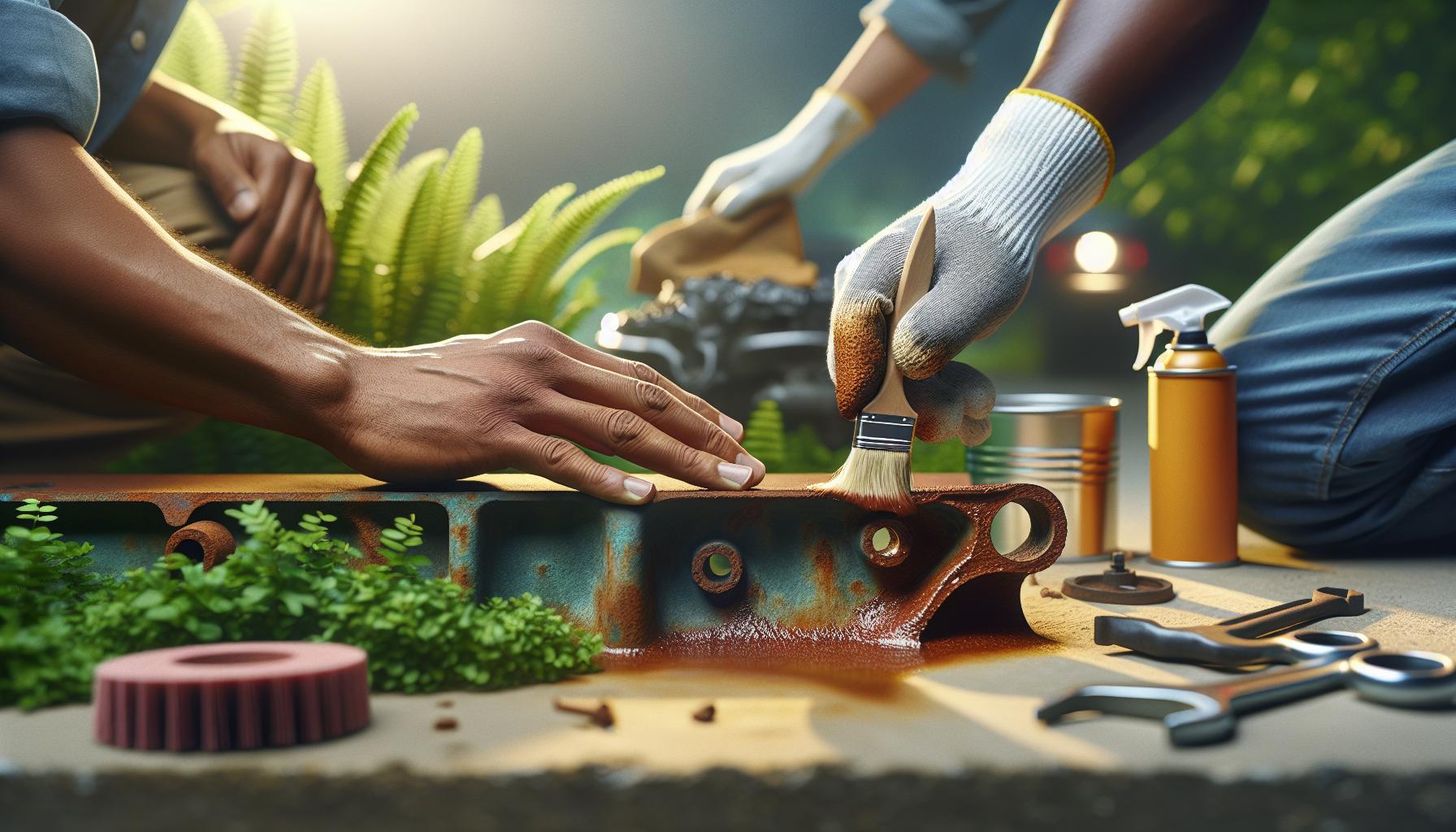
Essential Tools for Rust Removal on Swiss Army Knives
To effectively remove rust from your Swiss Army knife, having the right tools on hand is essential for a successful restoration. A combination of simple household items and specialized tools can help you tackle rust efficiently, restoring your knife’s functionality and appearance.
Essential Tools for Rust Removal
Start with the basics, such as fine-grit sandpaper or a filing tool. These are crucial for gently sanding down rust spots without damaging the underlying metal. When using sandpaper, opt for 400 to 600 grit for delicate work. If rust is more stubborn, consider a rust eraser or a soft wire brush to carefully scrub affected areas. These tools can remove oxidation without scratching the surface of the knife, preserving its finish.
In addition to mechanical tools, household items can also be remarkably effective. White vinegar or baking soda solutions can be used as more gentle rust removers. Simply soak the rusty parts in vinegar for several hours or create a paste with water and baking soda, then apply it to the rust. Another surprising tool is aluminum foil; crumpled foil can be used with water to scrub away light rust spots effectively.
Lastly, don’t overlook the importance of protective gear. Wearing gloves and safety goggles can protect your skin and eyes from rust particles and chemicals during the cleaning process. After rust removal, a polishing cloth can help restore the blade to its former luster, while a good-quality lubricant will keep it functioning smoothly and help prevent future rust development.
By equipping yourself with these tools and materials, you’ll be well-prepared to tackle rust on your Swiss Army knife, ensuring it remains a reliable companion for years to come.
Step-by-Step Guide to Safely Remove Rust
To effectively restore your Swiss Army knife and give it a new lease on life, following a precise and detailed rust removal process is crucial. Rust, which can compromise the integrity and functionality of your knife, is often manageable with the right techniques. Here’s a straightforward and safe approach to removing rust and reviving your trusty multi-tool’s performance.
Begin by preparing your workspace and gathering your essential tools and materials. A clean and well-lit area will help keep the process efficient and safe. Wear safety goggles and gloves to protect against both rust dust and any cleaning solutions you’ll use. Ensure your knife is completely closed to prevent any accidental cuts. With your tools ready, inspect the rusted areas carefully to determine their severity.
Start the cleaning process using fine-grit sandpaper (400 to 600 grit), gently sanding the rusted spots in a circular motion. Be patient-take your time to avoid scratching the metal beneath. For more stubborn rust, a soft wire brush or a rust eraser can effectively remove the oxidation without damaging the finish. This gentle approach will help you maintain your knife’s aesthetic appeal while addressing the rust issue.
If the rust persists, you can create a natural rust remover. Mix equal parts of white vinegar and water in a bowl, and soak a cloth in the solution. Apply the cloth directly onto the rusted areas and let it sit for 30 minutes. After soaking, scrub the area gently with the cloth or a soft-bristled brush. Vinegar’s acidity helps break down rust while also being less abrasive than harsh chemical solutions. For added effectiveness, you can sprinkle a bit of baking soda on the cloth before scrubbing to form a mild abrasive paste.
Once the rust is removed, rinse the knife with water to wash away any remaining vinegar or baking soda residue and then dry it thoroughly with a soft towel. Finally, apply a light coat of lubricant on the hinges and blades to protect against future rust and enhance functionality. Regular inspection and maintenance following this guide will keep your Swiss Army knife in peak condition and ready for any adventure ahead.
Advanced Techniques for Stubborn Rust Removal
Removing stubborn rust from your Swiss Army knife can be a challenging process, especially if conventional methods have failed. However, there are some advanced techniques that can cut through the most persistent corrosion, ensuring your knife not only looks better but also functions optimally.
One effective method involves using electrolysis. This approach utilizes a simple setup with a battery charger, a container filled with water and washing soda (sodium carbonate), and your rusted knife. By submerging the knife in the solution and connecting it to the charger, the rust will be drawn away from the metal. This technique works well for intricate parts, preserving their shape and finish. Always remember to follow safety guidelines when working with electric currents and ensure proper ventilation.
If electrolysis seems too complex, consider leveraging commercial rust removal products that contain phosphoric acid. These solutions can convert rust into a more manageable form that can be scrubbed off easily. Apply the product according to the manufacturer’s instructions, typically allowing it to sit for several minutes before scrubbing with a non-abrasive pad. This method is particularly good for areas where rust is very thick or layered.
For minor rust spots, using a specialized rust eraser can also work wonders. These erasers function similarly to soft sandpaper but are formulated to be more effective without scratching the metal beneath. Gently rub the eraser over the rusted area, and it will gradually lift the rust without compromising the integrity of your knife’s finish.
Ultimately, choose a combination of methods tailored to the situation. Whether it’s electrolysis for heavy rust, commercial solutions for easy applications, or a rust eraser for precise touch-ups, employing the right technique will breathe new life into your Swiss Army knife and keep it rust-free for years to come. Regular maintenance and proper storage will further prevent rust from returning, ensuring your trusty tool is always ready for action.
Polishing and Restoring Your Knife Blades
Restoring your Swiss Army knife to its former glory isn’t just about removing rust; it also involves polishing and rejuvenating the blades, which can enhance both their functionality and appearance. A well-polished knife blade not only looks appealing but can also reduce friction when cutting, improving performance in various tasks, from everyday carry to outdoor adventures.
Begin the polishing process by ensuring that the knife is completely clean and free from any rust or dirt. A gentle wash with warm, soapy water can help remove loose debris. After drying, you can use fine-grade steel wool or a non-abrasive pad specifically designed for metal surfaces. Carefully rub the blade in a linear motion to avoid scratching the surface. For improved shine, consider using a metal polish that is safe for stainless steel, applying it with a soft cloth. This not only adds a sheen but also creates a protective layer against future corrosion.
Another effective polishing method is to utilize baking soda paste. Mix baking soda with a small amount of water to create a thick paste, then apply it to the blade with a cloth. Allow it to sit for a few minutes before buffing it away. This natural remedy is gentler on the metal and can effectively restore its shine without harsh chemicals. For intricate parts of the knife, a toothbrush can be used to reach tighter spaces, ensuring every nook and cranny is polished effectively.
To maintain the restored shine and functionality, regularly inspect your knife blades for any signs of rust or wear. After each use, wipe down the blades with an oil-treated cloth. This not only removes moisture but also deposits a light film of lubricant that will protect your knife from the elements. By integrating these polishing practices into your knife care routine, you can ensure that your Swiss Army knife remains a reliable tool for years to come, always ready for your next adventure.
Maintaining Your Swiss Army Knife After Restoration
is crucial to ensure it remains functional and visually appealing for years to come. Regular care not only keeps the blades sharp and corrosion-free but also enhances the overall user experience during crafting, camping, or everyday tasks. A well-maintained knife not only reflects your care but also performs optimally when it’s needed most.
To start, make it a habit to clean your knife after each use. A simple wipe down with a dry cloth can remove moisture and debris that may cause rust over time. For deeper cleans, disassemble the knife-if it’s designed for easy maintenance-and wash the components in warm, soapy water. Be sure to dry every part thoroughly, as moisture is a leading cause of rust. For stubborn dirt, a soft-bristled toothbrush or a cotton swab can help reach into tighter spaces, ensuring that all crevices are properly cleaned.
Applying a suitable lubricant is another important step in maintenance. After cleaning, a few drops of mineral oil or a specialized knife lubricant should be applied to the pivot points and blade surfaces. This not only helps in keeping the knife operating smoothly but also provides a protective layer against moisture and environmental factors. It’s essential to wipe away any excess to prevent dust and grime buildup.
Finally, store your Swiss Army knife in a cool, dry place. Avoid damp areas or places where it could be exposed to moisture. Keeping the knife in a case or pouch can also offer added protection from accidental bumps, scratches, or exposure to harsh elements. By committing to this routine maintenance regimen, your knife will not only look as good as new but also serve as a reliable companion, ready for any task you undertake in your day-to-day life or outdoor adventures.
Choosing the Right Lubricants and Care Products
Maintaining the longevity and functionality of your Swiss Army knife goes beyond mere cleaning; it requires the right lubricants and care products to keep the metal components operating smoothly and rust-free. The right products not only enhance the performance of your knife but also provide a protective barrier against moisture and environmental damage, which are major contributors to rust.
When selecting lubricants, consider using food-safe mineral oil or specialized knife oils, such as those from reputable brands like Benchmade or SOG. These products protect against rust and corrosion while ensuring safe contact with food surfaces. For a more traditional approach, olive oil can serve as an adequate lubricant, although it may require more frequent application due to its organic nature. Always apply lubricant sparingly, focusing on pivot points and any areas that experience friction. Remember to wipe away any excess to avoid attracting dust and debris that could interfere with the mechanism of your knife.
It’s also beneficial to keep proper cleaning supplies on hand. Use a soft cloth for wiping down the knife after use, a soft-bristled toothbrush for cleaning intricate areas, and cotton swabs for spots that are hard to reach. An effective rust preventative spray can further enhance care – look for options containing a corrosion inhibitor like WD-40 Specialist or CRC Marine formulations, which create a protective layer on metal surfaces.
To ensure effective care, make it a habit to examine your knife for signs of wear or rust on a regular basis. Prompt attention to any emerging issues can save you time and effort in deeper maintenance later on. Stick to these guidelines, and your Swiss Army knife will not only remain functional but also look good as new for years to come.
Caring for Other Metal Components of Your Knife
Maintaining the metal components of your Swiss Army knife is essential not just for aesthetics but also for functionality and longevity. While the blades often receive the most attention, don’t overlook the other metal parts like springs, pivots, and tools. These components can also be susceptible to rust and corrosion if left unprotected, particularly after exposure to moisture, chemicals, or humidity.
To effectively care for these metal components, start with regular inspections. Look out for any signs of rust or degradation at the joints and pivot points, as these areas tend to retain moisture. If you spot early signs of rust, address them immediately using a soft cloth or a soft-bristled toothbrush with a gentle abrasive cleaner. This can help remove any surface rust and prevent it from spreading further. For deeper rust, consider using a rust remover or penetrating oil, making sure to thoroughly clean the area afterward to eliminate any residue.
Another crucial aspect is lubrication. Ensuring that pivot points and springs are adequately lubricated will not only keep your knife operating smoothly but also form a protective barrier against moisture. Food-safe mineral oils are excellent for this purpose as they are safe yet effective; just a small amount applied to the moving parts will go a long way. Remember to wipe away excess lubricant to prevent dust and debris from accumulating, which can lead to grime and malfunction.
When using, cleaning, or storing your Swiss Army knife, prioritize a dry environment. After exposure to water or damp conditions, immediately dry all components thoroughly. Consider storing your knife in a moisture-free environment, such as a leather or nylon sheath, which can provide protection while allowing ventilation. Additionally, placing desiccants in your storage area can help absorb humidity.
Taking these steps will not only ensure that your Swiss Army knife remains functional over the years but will also preserve its value and appearance. Regular care and attention to the metal components are key for a reliable tool that can serve you faithfully in every adventure.
How to Store Your Knife to Prevent Future Rust
To keep your Swiss Army knife in pristine condition and prevent the onset of rust, storage plays a crucial role that often goes overlooked. The environment in which you store your knife can significantly affect its longevity. For instance, a damp or humid space can foster conditions that are ripe for corrosion. Therefore, ensuring that your storage method effectively shields your knife from moisture is fundamental.
Utilizing a moisture-absorbing storage solution is advisable. Consider the following methods for optimal knife storage:
- Sheaths and Cases: A leather or synthetic sheath not only protects your knife from accidental damage but also allows for airflow, which is essential in preventing moisture buildup.
- Desiccants: Placing silica gel packets or other moisture-absorbing products in your storage container can significantly reduce humidity levels, further guarding against rust.
- Avoiding Plastic: While plastic bags may seem convenient, they often trap moisture, leading to rust formation. Instead, opt for breathable materials.
- Climate Control: If possible, store your knife in a climate-controlled environment where the temperature and humidity levels are consistent. A dry, room-temperature area is ideal.
Additionally, periodic checks on your storage area can alert you to any changes in humidity or temperature that may pose a risk to your tools. Regularly inspect the blade and other metal components of your knife even when it is stored, as this can help catch early signs of rust and address them before they escalate into more significant issues. By maintaining an informed approach to storage, you set the foundation for the longevity and functionality of your Swiss Army knife, ready to serve you well in every adventure.
Inspecting Your Knife: Identifying Early Signs of Rust
Spotting rust at its earliest stages can save you a lot of trouble and potentially restore your Swiss Army knife to its former glory. Regular inspections aren’t just about maintaining aesthetics; they protect the functionality and lifespan of your beloved tool. Rust often appears as small reddish-brown spots, and if left unaddressed, those spots can spread and lead to severe damage.
When you examine your knife, take the time to assess both the blade and the handle. Look closely at joint areas, as moisture can accumulate there more easily. Use a soft cloth or a microfiber towel to gently wipe down the surfaces, which allows you to spot any fine dust or moisture that could promote rust. Pay special attention to the areas around the rivets and any seams where water might seep in. If you notice a change in texture, such as a roughness on the blade or an unusual sheen, these can be early indicators of rust.
As you inspect your knife, don’t forget to check the pivot points where the tools fold into the handle. Moisture can often linger here, particularly if the knife has seen frequent use in wet conditions. Lightly scratching the surface with your fingernail can help identify soft spots associated with rust development. If it feels different, it’s time to take action.
Establish a routine for your inspections, ideally after every outdoor adventure or use in damp conditions. Keeping a small maintenance kit that includes a soft bristle brush, cloth, and rust remover can be immensely helpful. Addressing any signs of rust promptly can keep your Swiss Army knife performing at its best and looking great for years to come.
Expert Tips for Long-Lasting Knife Maintenance
Regular maintenance can significantly extend the life and performance of your Swiss Army knife, ensuring it remains a reliable companion for all your adventures. One of the best practices is to establish a consistent cleaning routine. After every use, especially in wet or muddy conditions, take a moment to wipe down your knife with a soft cloth. This simple act can prevent moisture buildup, which is a leading cause of rust formation.
Additionally, consider storing your knife in a cool, dry place rather than in a damp environment. A protective sheath or case can also be a wise investment, as it shields the knife from exposure to moisture and other elements. While it’s important to keep the knife clean, you should also focus on lubrication. Periodically applying a light mineral oil to the moving parts and joint areas can help keep them functioning smoothly and prevent rust buildup. Use a cotton swab or a small brush to reach tighter spaces, ensuring that the oil penetrates well.
Another essential aspect is paying attention to the materials in your knife. Stainless steel blades resist rust better than carbon steel, but they are not immune. If you have a carbon steel blade, be particularly vigilant about maintenance. Consider using a rust inhibitor or a specialized knife oil to provide extra protection against corrosion.
Finally, don’t overlook the importance of inspecting your knife regularly. This proactive approach allows you to catch any potential issues early, addressing them before they develop into significant problems. If you spot rust or corrosion, treat it immediately with appropriate rust removal techniques, as discussed in earlier sections. By integrating these tips into your maintenance routine, you’ll ensure that your Swiss Army knife remains a trusty tool, ready to handle whatever challenges come your way.
Faq
Q: How can I prevent rust from forming on my Swiss Army Knife?
A: To prevent rust, regularly clean and dry your Swiss Army Knife after use. Apply a light coat of oil to protect against moisture, and store it in a dry place. For detailed tips, refer to the “Understanding Rust: Causes and Prevention Techniques” section of the article.
Q: What household items can I use to remove rust from my Swiss Army Knife?
A: You can use white vinegar or baking soda mixed with water to create a paste for rust removal. Apply it to the rusted area, let it sit, and scrub gently. This method is discussed in the “Step-by-Step Guide to Safely Remove Rust” section.
Q: Are there special tools needed for rust removal on a Swiss Army Knife?
A: Yes, essential tools include fine-grit sandpaper, rust erasers, and non-abrasive scrubbing pads. These are outlined in the “Essential Tools for Rust Removal on Swiss Army Knives” section of the article for effective restoration.
Q: How long does it take to restore a rusty Swiss Army Knife?
A: The time depends on the level of rust. Minor rust may take about 30 minutes, while stubborn rust can require several hours. Refer to the “Advanced Techniques for Stubborn Rust Removal” section for more insights.
Q: What should I do if my Swiss Army Knife has deep rust damage?
A: For deep rust damage, sanding or using a rust eraser may help. If extensive corrosion is present, consider professional restoration. Review the “Advanced Techniques for Stubborn Rust Removal” section for additional methods.
Q: Is it safe to use abrasive materials on my Swiss Army Knife?
A: While some abrasives can effectively remove rust, overusing them can scratch the knife’s surface. It’s best to use them sparingly and follow with polishing. Check the “Polishing and Restoring Your Knife Blades” section for safe techniques.
Q: Can WD-40 be used for rust removal on Swiss Army Knives?
A: Yes, WD-40 can help loosen rust and protect metal from moisture. Apply it, let it penetrate for a few minutes, and scrub gently. This tip aligns with maintaining your knife, as discussed in the “Choosing the Right Lubricants and Care Products” section.
Q: How often should I maintain my Swiss Army Knife to avoid rust?
A: Regular maintenance every few months is ideal, especially if frequently used outdoors. Include cleaning, drying, and lubricating in your routine. For thorough guidance, refer to the “Expert Tips for Long-Lasting Knife Maintenance” section of the article.
Final Thoughts
Now that you’ve learned how to effectively remove rust from your Swiss Army Knife, it’s time to put that knowledge into action! Remember, a well-maintained knife not only preserves its functionality but also enhances its longevity. If you found this guide helpful, consider exploring our detailed articles on everyday carry essentials, such as pocket knives and outdoor gear maintenance.
Don’t hesitate to check out our tips on the best tools for restoring various types of knives or the legal considerations when carrying your gear. Join our community by signing up for our newsletter to receive expert advice and exclusive insights directly in your inbox. Your Swiss Army Knife deserves the best-take action today and restore it to its former glory! Share your restoration journey in the comments below, and encourage others by spreading the word.