
Choosing the right backpack as a healthcare worker is essential for navigating the demands of your job effectively. With long shifts, essential gear, and patient care on the line, a well-suited backpack can enhance your organization and comfort. Did you know that the right backpack can reduce strain and fatigue, helping you perform better at work? Whether you’re a nurse, paramedic, or any healthcare professional, finding a bag that safely holds your tools, personal items, and even a snack can significantly improve your daily routine. In this guide, we’ll explore the top picks for 2025 that balance durability, functionality, and style, ensuring you’re well equipped for the challenges of healthcare work. Get ready to discover which backpacks can meet your needs and elevate your everyday experience in the demanding field of healthcare.
What to Look for in a Healthcare Worker Backpack
When choosing a backpack for your role as a healthcare worker, it’s essential to focus on several key factors that ensure both functionality and comfort throughout your demanding day. A great healthcare worker backpack should accommodate not just your personal items but also essential tools and supplies necessary for patient care. Look for backpacks with padded straps and breathable material to handle long hours of wear, as comfort significantly impacts your mobility and effectiveness on the job.
One of the most critical features is organizational space. A well-structured backpack with designated compartments allows you to easily access medical tools like thermometers, stethoscopes, and nursing supplies without fumbling when time is crucial. Additionally, consider weight distribution; backpacks with multiple carrying options (like cross-body or traditional backpack style) often provide relief to your back and shoulders. Additionally, water-resistant materials can help protect your gear from spills or outdoor elements, which can be a frequent occurrence in healthcare environments.
Don’t overlook the importance of durability. Given the demanding nature of healthcare work, your backpack should withstand daily wear and tear. Reinforced stitching, quality zippers, and robust material can extend the life of your backpack, ensuring it remains reliable as you move through dynamic hospital environments. Lastly, consider any safety features such as reflective strips for visibility in low-light conditions, which can be vital for nighttime shifts or outdoor scenarios.
By prioritizing these features, you can confidently select a backpack that will enhance your daily workflow and provide the support you need to focus on delivering top-notch healthcare.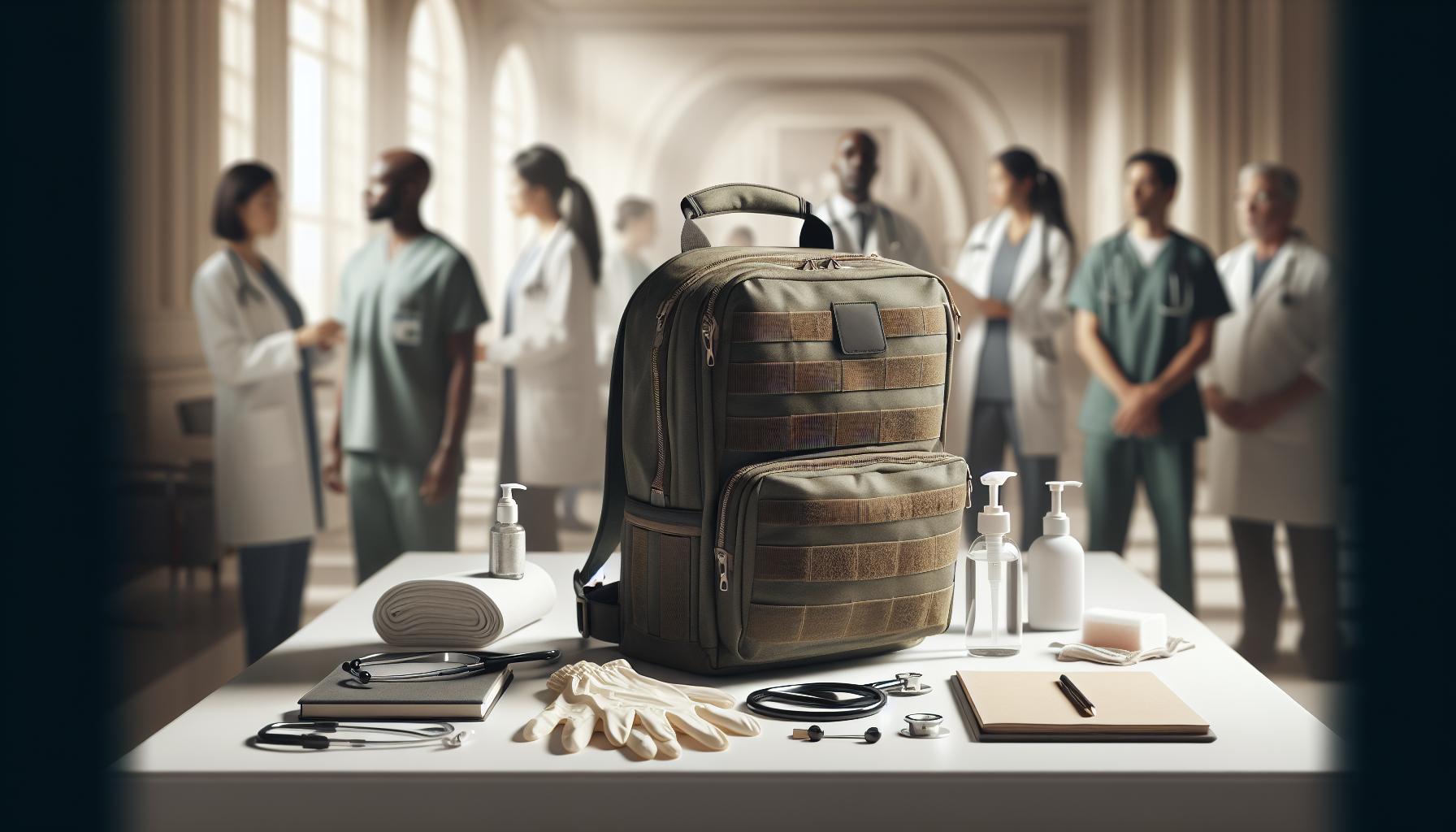
Top Features for Functionality and Comfort
For healthcare workers, a well-designed backpack can make all the difference during long shifts spent on their feet. Comfort and functionality are paramount when selecting a backpack, as these workers must efficiently carry both personal items and essential medical supplies. The ideal backpack not only caters to the physical demands of a busy healthcare environment but also facilitates access to tools and necessities when every second counts.
One of the most significant features to consider is ergonomic design. Look for backpacks that feature padded shoulder straps and adjustable chest or waist straps, which help distribute weight evenly and reduce strain on the back and shoulders. A breathable back panel made from mesh or similar materials can provide essential ventilation, preventing overheating during hectic shifts. Additionally, consider backpacks with multiple carrying options-such as cross-body or standard backpack styles-which offer versatility and may help alleviate discomfort during long periods of use.
Organizational capabilities are equally crucial. A well-structured backpack should boast distinct compartments for various items, allowing healthcare workers to quickly find stethoscopes, thermometers, gloves, and personal belongings without unnecessary delay. Integrated pockets for small items like pens, notepads, or identification cards can save precious time and ensure everything is in its place. Depending on the specific role, look for specialized features such as insulated pockets for medications or tech compartments for devices like tablets and laptops.
Lastly, durability cannot be overlooked. By choosing backpacks made from high-quality materials with reinforced stitching and sturdy zippers, healthcare professionals ensure their gear withstands the rigors of daily use. Investing in a backpack with water-resistant or easy-to-clean fabrics can also provide peace of mind, especially in environments where spills are inevitable. Safety features, like reflective strips or accents, can enhance visibility during low-light conditions, making the backpack not just functional but also safer for night shifts or outdoor tasks.
In summary, prioritizing comfort, organization, and durability will significantly enhance the daily experience for healthcare workers, allowing them to focus on what truly matters-their patients.
Best Backpacks for Nurses and Caregivers
When it comes to navigating the fast-paced and often unpredictable environment of healthcare, investing in the right backpack can significantly enhance a nurse or caregiver’s ability to perform their job effectively. Not all backpacks are created equal, especially in a field where functionality, organization, and comfort are paramount. Here are some top picks for 2025 that cater specifically to the varied needs of healthcare professionals.
One standout option is the Cherokee Nursing Backpack, designed with nurses in mind. It features multiple compartments, including insulated pockets for medication storage and easy-access front pockets for quick retrieval of essentials like pens and scissors. Made from durable, water-resistant material, this backpack not only withstands daily wear and tear but also ensures that your belongings remain dry in case of spills. The padded shoulder straps provide comfort during long shifts, making it a reliable choice for any healthcare worker on the go.
For those who prefer a more rugged look, the Timbuk2 Spire Backpack is an excellent choice. This backpack boasts a sleek design, extensive organizational features, and a large central compartment that can accommodate larger items, such as laptops or medical supplies. Its waterproof exterior, combined with reflective accents, offers added safety for healthcare workers commuting at night. The adjustable, padded straps and a ventilated back panel add to the overall comfort, allowing for extended wear without discomfort.
Additionally, the Mancro Anti-Theft Backpack targets both protection and functionality. Designed with healthcare workers in mind, it includes a hidden zipper to easily secure valuables while on the job. The backpack is fitted with various compartments, offering ample storage for personal items, medical tools, and portable tech devices. The ergonomic design with thick shoulder pads ensures comfortable wear throughout long shifts, making it a smart and safe choice for caregivers.
In summary, when choosing the best backpack for nursing or caregiving, look for durability, comfort, and organization to handle the demands of your role. Options like the Cherokee Nursing Backpack, Timbuk2 Spire, and Mancro Anti-Theft Backpack provide solid choices that align with the practical needs and challenges faced by healthcare workers today.
Affordable Options: Budget-Friendly Backpacks
In a world where healthcare workers are often on the go and juggling multiple responsibilities, finding a backpack that harmonizes quality with affordability is crucial. The right budget-friendly backpack can provide essential features without breaking the bank, facilitating both efficiency and comfort during long shifts. Fortunately, many excellent options exist that cater specifically to the needs of healthcare professionals without compromising on functionality or style.
One of the standout budget-friendly options is the Amazon Basics Large Backpack. It offers a spacious interior with multiple compartments, making it easy to organize medical supplies, personal items, and even a laptop. This backpack is made from durable materials, ensuring it can withstand daily wear while remaining lightweight for comfort. The adjustable straps provide additional comfort, allowing for a personalized fit that can accommodate long hours on the job.
Another noteworthy choice is the Matein Travel Laptop Backpack, known for its versatility and functional design. While it is marketed primarily for travel, its features-such as the USB charging port, anti-theft pocket, and water-resistant exterior-make it an ideal companion for healthcare workers. With a variety of compartments, this backpack allows for effective organization of essential tools and personal items. Plus, its affordability ensures that you get great value without sacrificing quality.
For healthcare workers looking for something more compact, the Targus CitySmart EVA Pro Backpack emerges as a practical choice. This model combines style and utility with dedicated pockets for gear such as stethoscopes and medical tools, alongside a padded shoulder strap for comfort. The smooth matte finish and simple design keep it professional while proving affordable and functional.
When choosing a budget-friendly backpack, prioritize features like durability, organization, and comfort. Investing in a quality backpack, even at a lower price point, can provide the support and efficiency required in the demanding healthcare environment. By considering options like the Amazon Basics, Matein, and Targus backpacks, healthcare workers can find affordable solutions that meet their everyday needs effectively.
High-End Picks: Premium Healthcare Backpacks
Investing in a premium backpack can significantly enhance the everyday experience of healthcare workers, providing essential features tailored for their unique needs. High-end options are not just about luxury; they often incorporate advanced materials, thoughtful designs, and specialized compartments that can make a world of difference during long shifts in demanding environments. These backpacks are built to last and can withstand the rigors of daily use while maintaining their aesthetic appeal.
One standout option is the Krunner Medical Backpack, designed specifically for healthcare professionals. This backpack features a durable, water-resistant exterior and multiple compartments, including padded sections for laptops and tablets, as well as designated pockets for medical gear like stethoscopes and notebooks. The ergonomic design includes an adjustable back panel and padded shoulder straps, ensuring comfort during long hours on the go. The addition of reflective strips enhances safety, especially for those who may work late shifts or need to commute in low-light conditions.
For those who appreciate a touch of style along with functionality, the Timbuk2 Rogue Backpack offers a sleek design without sacrificing utility. Made with high-quality, weather-resistant materials, this backpack comes with a spacious main compartment and internal organizers for easy access to supplies. Features such as an adjustable sternum strap add extra support, while the clever external pocket design allows for quick access to essential items, minimizing time spent rummaging through bags.
Moreover, the Osprey Nebula Backpack is another excellent premium pick. Known for its lightweight yet durable construction, it provides ample storage and organizational features tailored for the medical professional. Its laptop sleeve, side water bottle pockets, and easy-to-reach external zippered pockets ensure that all essentials are conveniently located. Osprey’s commitment to sustainability also makes this backpack a conscientious choice for eco-friendly healthcare workers.
When selecting a high-end backpack, consider features that prioritize both comfort and organization. Look for adjustable straps, waterproof materials, and compartments dedicated to specific medical tools. A quality backpack not only enhances daily convenience but also supports a healthcare worker’s overall well-being, allowing them to focus on providing the best care possible. Investing in a top-tier backpack can lead to improved efficiency and a more enjoyable work experience overall.
Durability Matters: Materials and Build Quality
Choosing the right materials for a backpack can profoundly impact its performance and longevity, especially for healthcare workers who face the daily wear and tear of hectic environments. Durability is not just a luxury-it’s a necessity. High-quality fabrics and construction methods ensure that your backpack stands up to the rigors of frequent use, from accidental spills to rough handling. For instance, materials like ripstop nylon and reinforced polyester are often favored in the best healthcare backpacks for their ability to resist tears and abrasions, providing a robust defense against the typical challenges faced on the job.
Water resistance is another critical feature to consider when assessing the build quality of healthcare backpacks. Look for backpacks with a water-repellent finish or those crafted from waterproof materials. This becomes especially important in medical settings where spills can occur or during inclement weather. A water-resistant or waterproof exterior will protect sensitive equipment like laptops, and medical supplies, and keep everything dry during unexpected rain.
Manufacturers today also incorporate innovative design elements that enhance a backpack’s durability. Features such as heavy-duty zippers and reinforced stitching at stress points significantly prolong the life of the bag. For example, many premium models now come equipped with YKK zippers, renowned for their strength and reliability. Additionally, thoughtfully designed back panels, often featuring breathable mesh and padding, ensure that these backpacks not only resist wear but also keep the user comfortable during long shifts.
Ultimately, investing in a backpack made from high-quality materials is an investment in your daily efficiency and comfort. Regularly choosing brands that prioritize ethical manufacturing processes and sustainability can also add an extra layer of satisfaction to your purchase. Prioritize these elements when selecting a backpack, and you’ll find a reliable companion that supports your demanding profession without compromising style or functionality.
Organizational Needs: Compartments and Pockets
In a bustling healthcare environment, the chaos of shifting priorities and urgent tasks can often leave professionals feeling overwhelmed. A well-organized backpack can act as a lifeline, streamlining daily operations and ensuring that everything is readily accessible. When choosing a backpack, consider the intricacies of compartmentalization-it’s not merely about having space but having the right space to enhance your efficiency.
Look for backpacks equipped with dedicated pockets that cater specifically to healthcare needs. For instance, a designated compartment for medical tools (such as stethoscopes, pens, and scissors) allows quick access without rummaging through the main pouch. Insulated pockets can keep important medications or samples at a controlled temperature, a feature particularly vital in roles like nursing or pharmacy. Furthermore, separate laptop or tablet sleeves can protect electronic devices, ensuring that they’re easily accessible while staying safe from potential damage.
Many backpacks also incorporate hidden pockets for personal items like keys, wallets, or IDs, which help maintain a neat and professional appearance. When you can reach for your essentials without sifting through clutter, you create a more focused approach during high-pressure moments. In addition, zippered or mesh pockets on the outside provide quick storage for frequently used items, facilitating seamless organization and reducing time spent searching for tools.
Ultimately, investing in a backpack with thoughtfully designed compartments not only elevates your organizational capabilities but can also enhance your overall professional experience. By aligning your carry method with the unique demands of the healthcare environment, you position yourself for greater effectiveness and reduced stress on the job.
Stylish vs. Functional: Finding the Right Balance
In the world of healthcare, where rapid-paced environments collide with personal expression, finding the right backpack often poses the dilemma of balancing fashion with functionality. While practicality is crucial for carrying medical tools and daily essentials, the desire to maintain a professional yet stylish appearance remains equally important. This tug-of-war can result in confusion for many healthcare workers faced with an array of options.
A well-rounded selection of backpacks should guide you in making an informed choice that meets both style and utility needs. Look for designs that incorporate practical features such as multiple compartments and ergonomic support while also showcasing modern aesthetics. Materials like durable nylon or canvas can be complemented by chic colors or patterns, allowing you to express your individuality without sacrificing performance. Notably, backpacks that feature sleek lines or minimalist designs tend to offer versatility, making them suitable for both healthcare settings and personal outings.
It’s also wise to consider how the backpack will align with your day-to-day usage. For instance, a backpack with padded straps and a breathable back panel will keep you comfortable during long shifts and will likely be available in fashionable designs. Some brands are now crafting backpacks specifically tailored for healthcare professionals, combining functional elements-like reinforced pockets for stethoscopes and adapters-with attractive exteriors that reflect contemporary style trends. By prioritizing both form and function, you can ensure that your choice supports your career demands while still allowing you to feel confident in your appearance.
In conclusion, choosing a backpack as a healthcare worker doesn’t have to be an ‘either/or’ situation. Seek a balance where stylish features enhance rather than distract from functionality. Investing in a backpack that meets your professional requirements while catering to your style can invigorate your daily grind, encouraging an uplifted mindset as you tackle the challenges of your demanding role.
Backpack Safety Features for Healthcare Workers
A reliable backpack for healthcare workers should do more than merely hold supplies; it must also ensure safety in various ways. When working in bustling environments such as hospitals or clinics, the right safety features can significantly enhance a healthcare worker’s daily efficiency and peace of mind.
Consider incorporating backpacks that feature reflective strips or bright colors. These elements are not only functional by making you more visible in low-light situations but can also foster a sense of safety during late-night shifts or in crowded hallways. Additionally, many modern backpacks come equipped with locking zippers and RFID-blocking pockets, adding a layer of security for personal belongings and sensitive information, which is particularly vital in healthcare settings where privacy is paramount.
Ergonomics and Weight Distribution
The strain of heavy loads can lead to injuries, especially when carrying medical supplies for extended periods. Look for backpacks designed with ergonomic principles that include padded shoulder straps, chest straps, and waist belts. These features help distribute weight evenly across the body, reducing back strain and fatigue. A well-structured backpack not only improves physical comfort but also encourages better posture, which is essential during long hours on your feet.
Durability and Material Safety
Finally, durability in materials plays a crucial role in the safety of your backpack. Opt for bags made from high-quality, water-resistant fabrics such as Nylon or Cordura, which can withstand spills and accidents common in health care settings. These materials should be easy to clean, helping prevent the spread of germs and ensuring that your backpack maintains its professional appearance over time. Both safety and hygiene are enhanced when your backpack is robust enough to handle the rigors of daily use without compromising its contents.
By focusing on these safety features, healthcare professionals can choose a backpack that not only suits their organizational needs but also provides peace of mind in a fast-paced environment.
User Reviews: What Real Healthcare Workers Say
Feedback from healthcare workers can illuminate the vital attributes needed in a backpack, guiding future buyers towards the most practical choices. Many users emphasize the importance of comfort and stability, noting that a well-designed backpack makes a significant difference during long shifts. For instance, one nurse states, “The padded shoulder straps and waist belt on my backpack have changed how I carry my supplies. I no longer feel the strain in my back, even after a 12-hour shift.” This kind of ergonomic support helps healthcare professionals maintain their physical health while performing their demanding jobs.
Additionally, organizational features are a hot topic among users. Healthcare workers often carry various tools and supplies, so compartments and pockets are essential. A physical therapist shared their experience, stating, “The many pockets in my backpack make it easy to separate medical supplies from personal items. I can quickly grab what I need without rummaging through everything.” Such functionality allows for better efficiency, which is crucial in fast-paced environments like hospitals.
Another critical discussion point is durability. Healthcare workers frequently express how vital it is for their backpacks to withstand wear and tear from their demanding roles. A comment from an EMT highlights this aspect perfectly: “I’ve had my backpack for over a year now, and it still looks brand new. It’s resistant to stains and easy to clean, which is indispensable in my line of work.” This durability not only ensures longevity but also upholds hygiene standards, essential in healthcare settings.
In terms of safety features, many healthcare workers appreciate elements like reflective strips and RFID-blocking technology, which enhance visibility and protect sensitive information. One healthcare aide noted, “Having reflective strips on my backpack makes me feel safer when I work late shifts. Others can see me from a distance, which adds an extra layer of security.” This feedback underscores the importance of finding a backpack that combines visibility with practicality, reinforcing the notion that choosing the right backpack can enhance both functionality and safety for healthcare professionals.
Caring for Your Backpack: Maintenance Tips
To maximize the lifespan and performance of your healthcare backpack, regular maintenance is essential. Many healthcare workers overlook this vital aspect, but taking a proactive approach can prevent wear and tear, ensuring that your backpack remains a reliable companion during long shifts. A clean and well-maintained backpack not only looks better but can also safeguard your assets inside, enhancing both organization and efficiency.
Start with routine cleaning to keep your backpack looking new and hygienic. Depending on the materials used, most backpacks can benefit from a simple wipe-down with a damp cloth and mild soap. For fabrics that are more resilient, like nylon or polyester, consider throwing them in the washing machine on a gentle cycle (be sure to check the care label first!). If stains occur-particularly from medical supplies or other liquids-treat them promptly with stain removers suitable for the backpack’s material. As one nurse pointed out, “I learned the hard way that not cleaning my backpack regularly led to persistent odors. After I started washing it every month, it felt brand new!”
In addition to cleaning, proper storage is crucial for maintaining the structural integrity of your backpack. Avoid overloading it beyond capacity, which can cause seams to stress and zippers to malfunction. When not in use, store your backpack in a cool, dry location away from direct sunlight to prevent fading and material degradation. Investing in a backpack protector or a dust cover can also keep it safe from dust and debris, ensuring it’s ready for your next shift.
Lastly, regularly inspect your backpack for any signs of damage or wear. Check the stitching, zippers, and straps; small repairs can often be done at home and will prolong the life of your backpack. For instance, a simple application of fabric glue can mend minor tears, and most zippers can be fixed with some basic lubrication. As one EMT shared, “Just a monthly check helps me catch issues before they become serious. A little effort goes a long way!”
By incorporating these maintenance tips into your routine, you can ensure that your backpack remains functional, stylish, and ready to support you in your vital healthcare role for years to come.
Where to Buy: Trusted Retailers for Healthcare Backpacks
Finding the right retailer for healthcare backpacks is crucial for ensuring you get a product that meets your needs in both functionality and style. Several trusted sources are known for their quality selections, and exploring these can help you make an informed choice. Whether you prefer shopping online or in-store, several options cater specifically to the demands of healthcare professionals.
Online giants like Amazon and Walmart offer a wide range of backpacks specifically designed for healthcare workers, featuring user reviews that can help you gauge the durability and comfort of different models. Additionally, websites such as AllHeart and Scrubs & Beyond specialize in medical apparel and accessories, providing a curated selection of backpacks that blend practicality with a professional look. Don’t forget about dedicated outdoor retailers like REI or Patagonia, which often stock durable backpacks that can withstand the rigors of healthcare environments while offering excellent organization features.
If you prefer to see the product in person, consider visiting local stores like Dick’s Sporting Goods or Target, where you can typically find a good selection of versatile backpacks. Specialty medical supply stores may also carry options tailored directly to the needs of nurses and caregivers.
Ultimately, when choosing where to buy, consider looking for retailers that provide flexible return policies and warranties, ensuring that you can easily return or exchange a backpack if it doesn’t meet your expectations. Prioritize retailers that focus on quality, comfort, and specialized features suitable for healthcare professionals to ensure your investment is both functional and durable.
Frequently asked questions
Q: What features should I prioritize when choosing a backpack as a healthcare worker?
A: When selecting a backpack, prioritize comfort, durability, organizational compartments, and safety features. Look for adjustable straps, breathable materials, and multiple pockets to easily segregate medical supplies and personal items. Ensure it suits your daily needs and work environment.
Q: Are there specific brands known for quality healthcare worker backpacks?
A: Yes, brands like Patagonia, North Face, and Osprey are recognized for their quality backpacks suitable for healthcare workers. They offer ergonomic designs and durable materials, making them ideal for carrying essential supplies. Check reviews for specific models tailored to healthcare needs.
Q: How can I maintain my healthcare backpack?
A: To maintain your backpack, regularly clean it according to the manufacturer’s instructions, checking for stains and odors. Store it in a dry place and inspect for wear and tear, particularly on zippers and straps. Proper care extends its lifespan significantly.
Q: What size backpack is best for healthcare workers?
A: A medium-sized backpack is often ideal, typically ranging from 20 to 30 liters. This size provides ample storage for medical supplies without being overly bulky, allowing for easy maneuverability in crowded environments like hospitals or clinics.
Q: How do I choose a backpack that is both stylish and functional?
A: Opt for backpacks that have a sleek, professional design yet include practical features like multiple compartments and lightweight materials. Look for customizable options such as color and style to ensure that it suits your personal aesthetic while meeting functional needs.
Q: What are the best backpack safety features for healthcare workers?
A: Effective safety features include reflective strips for visibility, zippers that can lock, and water-resistant materials. Additionally, ergonomic designs help reduce strain, ensuring safety and comfort during long shifts. Always consider backpacks designed specifically for healthcare environments.
Q: Can I use a regular backpack for healthcare purposes?
A: While you can use a regular backpack, it may lack specialized compartments, durability, and ergonomic features necessary for healthcare work. Choosing a backpack designed for medical professionals ensures better organization, comfort, and longevity under the demands of a healthcare environment.
Q: Where can I find the best reviews for healthcare backpacks?
A: Check online marketplaces like Amazon and specialized sites like Allnurses or medical supply retailers. User reviews often provide insights into real-world performance. Additionally, browsing forums and discussion boards for healthcare workers can guide you to popular and highly rated backpack options.
In Summary
Choosing the right backpack as a healthcare worker is essential for comfort and functionality. To recap, consider durability, organization, and capacity as critical factors for your selection. Don’t wait until you’re overwhelmed at work-make your choice today to enhance your daily efficiency! For more insights, check out our guides on choosing the best everyday carry gear and exploring essential outdoor tools.
If you have any remaining questions or need personalized recommendations, feel free to reach out-we’re here to help! Don’t forget to subscribe to our newsletter for the latest tips and trends tailored just for you. Dive deeper into our content to discover everything from pocket knife comparisons to comprehensive gear maintenance tutorials. Explore more and seize the opportunity to optimize your healthcare journey with the right tools!