The Swiss Army Knife is more than just a multi-tool; it symbolizes ingenuity and practicality, making it a staple for adventurers and everyday users alike. However, closing it safely is crucial for preventing accidents and ensuring the longevity of this versatile tool. Many users grapple with the right techniques, which can lead to frustration or even harm. In this guide, you’ll discover step-by-step methods that empower you to close your Swiss Army Knife confidently and securely every time. Whether you’re a seasoned enthusiast or a beginner, understanding proper usage not only enhances your safety but also deepens your appreciation for this iconic tool. Read on to master the art of closing your Swiss Army Knife with ease and precision, turning a simple task into a reliable practice.
Understanding the Swiss Army Knife Mechanism for Safe Closure
The Swiss Army Knife is not just a multi-tool; it embodies ingenious design with a safety mechanism that ensures your fingers stay clear of the blade as you close it. Understanding how this mechanism functions can significantly enhance your user experience and prevent potential accidents. At the heart of the Swiss Army Knife’s safe closure is a robust locking system that combines both mechanical prowess and user-friendly operation. When you open a blade, a simple mechanism engages a lock to prevent accidental closure. This system typically uses a spring-loaded back lock; when the blade is pushed into a closed position, the lock disengages, allowing the blade to fold back into the handle safely.
When closing your knife, it is essential to follow a specific sequence to ensure both safety and proper operation. First, hold the handle firmly to maintain control. Use your thumb to press the lock release, which will allow you to guide the blade back into its slot. This design minimizes the risk of slipping and cutting yourself. Familiarizing yourself with the feel of the mechanism will help you develop muscle memory, making the closing process instinctive over time.
Almost every model in the Swiss Army Knife range has this locking mechanism, but they may vary slightly in their design. It’s beneficial to read the specific manual or instructions that come with your knife model, as these will provide tailored advice on both operation and maintenance. Regular care and inspection can help ensure the locking mechanism remains functional over time, so pay attention to any wear and tear that might impede its operation.
By understanding how the blade closure mechanism works and employing careful techniques, you can confidently use your Swiss Army Knife, knowing you’re minimizing risks while enjoying the full functionality of this iconic tool. Always remember: safety first, then versatility!
Essential Safety Tips for Using a Swiss Army Knife
Using a Swiss Army Knife can be an incredibly rewarding experience, offering versatility and practicality in one compact tool. However, with great utility comes the need for responsibility. Properly handling and closing your knife is essential for ensuring safety not just for yourself, but also for those around you. The following tips will help you navigate safe usage of this iconic tool, whether you’re camped in the woods or simply cutting a piece of fruit in your kitchen.
First and foremost, always keep the blade pointed away from your body and any other individuals when operating your knife. Maintaining a keen awareness of your surroundings is crucial. When using the knife in confined spaces or crowded areas, find a stable platform and ensure no one is within reach of the blade’s path. This is particularly important during the closing process; don’t rush it-take your time to ensure other people and your own fingers are clear of the blade.
Another key safety tip is to ensure your knife is clean and well-maintained. A dirty or rusted blade may not close properly, increasing the risk of injury. Regularly inspect your Swiss Army Knife for signs of wear, particularly around the locking mechanism and joints. If you notice any significant damage or if the knife feels unsteady when in use, it might be time for a professional service or to consider replacement.
Basic Closing Techniques
When closing your Swiss Army Knife, always follow a consistent sequence:
- Grip the handle firmly to maintain control.
- Use your thumb to press the lock release gently.
- Guide the blade back into the handle with the other hand, ensuring your fingers stay clear of the path.
By incorporating these fundamental strategies, you’ll keep safety at the forefront of your Swiss Army Knife experience. Remember, responsible tool use enhances not just your personal enjoyment but also the safety of your environment. Stay vigilant, respect the tool, and enjoy the myriad functions your Swiss Army Knife provides!
Common Mistakes to Avoid When Closing Your Knife
Many enthusiasts of the Swiss Army Knife make the mistake of treating it like any other tool, underestimating the unique closing mechanism that ensures safety and functionality. A frequent oversight is to close the knife hastily, often leading to mishaps. Rushing can cause fingers to slip into the blade’s path, resulting in injuries that could have been avoided with a more mindful approach. Keep in mind that taking a moment to assess your surroundings and positioning can make all the difference.
Another common error is neglecting the locking mechanism. Users may forget to disengage the lock properly before attempting to fold the blade back into the handle. This can not only cause damage to the knife but also pose a serious safety risk. Always be sure to locate and briefly check the lock before initiating the closing process. It’s worth noting that using excessive force on a locked blade can result in added wear and instability, preventing the knife from functioning optimally.
Improper grip is yet another mistake many make. A firm grip on the handle is essential for control, yet some users attempt to close the knife with a loose or awkward hold. This lack of control can lead to awkward slips and unwanted accidents. Ensure you’re using your thumb to guide the lock release while keeping your other hand clear of the blade’s path. This balance is key for a smooth and safe closing experience.
Lastly, overlooking regular maintenance can lead to major problems when closing your Swiss Army Knife. Failing to keep the knife clean and lubricated can result in harder manipulation of the blades and locking mechanisms. A well-maintained knife is not only safer but also enhances your overall user experience. Regular checks for dirt and rust, especially around the pivot point and locking mechanism, will help ensure that your Swiss Army Knife operates smoothly and safely when you need it most.
Step-by-Step Guide: Safely Closing Your Swiss Army Knife
When handling a Swiss Army Knife, understanding the safe closure of its blades is essential not only for your safety but also for the longevity of the tool itself. Each model may have slight variances, but the basic steps for closing these multi-functional tools remain consistent, providing both new users and seasoned pros with the knowledge they need to operate confidently.
Begin by ensuring that the knife is on a stable surface, ideally at a height that allows you to maintain control without raising your arms too high. Using your dominant hand, grip the handle firmly; this will give you the control you need to navigate the closing mechanism. If your knife features a locking blade, locate the release mechanism-usually a small lever or button positioned near the base of the blade-and gently disengage it. This action is crucial as it allows the blade to fold back safely.
Now, with the lock disengaged, use your thumb to guide the blade towards the handle, all the while keeping your other fingers away from the blade’s path. Engage your grip to keep the handle stable, ensuring that the blade folds smoothly without obstruction. If at any point you feel resistance, stop and reassess: there may be dirt or debris affecting the mechanism, or you could be applying too much force, which can damage both your knife and potentially cause injury.
For added safety, it’s a good practice to visually inspect the knife before you close it. Look for any misalignment, rust, or dirt that may have accumulated around the pivot point or locking mechanism. Regular maintenance, such as cleaning and lubrication, can greatly enhance the operation of the locking system, making closure fewer hesitations and smoother overall. Once the blade is nestled securely back into the handle, double-check to ensure it is fully closed and locked in place, preventing accidental openings while you carry it.
In summary, the process of safely closing your Swiss Army Knife can be simple with the right techniques. By understanding the locking mechanism, maintaining a secure grip, and performing regular checks and maintenance, you not only protect yourself from potential injuries but also ensure that your beloved tool remains in excellent working condition for years to come.
Best Practices for Maintaining Your Swiss Army Knife
To ensure your Swiss Army Knife remains in excellent working condition, adhering to best maintenance practices is crucial. Proper care not only enhances the safety features of the knife, making closure smoother and more reliable, but also extends the overall life of the tool. A well-maintained Swiss Army Knife can serve you faithfully for decades, a testament to its quality craftsmanship and your diligence.
Regular cleaning is essential. After each use, wipe down the knife, especially the blades and moving parts. For deeper cleans, disassemble the knife if the model allows and use warm, soapy water to remove any debris or dirt. Make sure to dry all parts thoroughly before reassembling to prevent rust and corrosion. It’s also advisable to apply a few drops of mineral oil to the pivot points to lubricate the moving parts, ensuring a smoother operation and longevity of both the blades and locking mechanisms.
Storage plays a significant role in maintenance as well. Whether you’re stowing your Swiss Army Knife in a drawer or carrying it on your adventures, keep it in a protective sheath or pouch to prevent scratches and damage. Avoid leaving it in damp environments or direct sunlight for prolonged periods, as moisture and heat can lead to deterioration of the materials.
For those who use their knives for heavy-duty tasks, like camping or construction, check the integrity of the locking mechanism and blades regularly. If you notice any signs of wear, such as misalignment or difficulty in locking and unlocking, take the time to address these issues before they lead to potential accidents during use. Additionally, keep an eye on the cleanliness of the tool’s surfaces-not just for performance, but also for hygiene.
By incorporating these maintenance practices, you ensure that your Swiss Army Knife will not only close safely every time but also continue to serve as an invaluable tool in your everyday carry or outdoor adventures. Remember, a little care goes a long way in protecting your investment and enhancing your confidence during every use.
How to Troubleshoot Closing Issues with Your Knife
If your Swiss Army Knife isn’t closing smoothly, it can be frustrating and even hazardous. Understanding how to troubleshoot these issues is essential for safe and effective use. A common cause of closing problems is dirt or debris that has accumulated in the hinge or locking mechanism. This can often be resolved with a thorough cleaning. Use a soft brush or a can of compressed air to clear any particles, followed by a careful wipe-down of the moving parts. Regular maintenance, including lubrication with a few drops of mineral oil on the pivot points, will also help ensure smooth operation.
Another issue that might prevent a knife from closing is misalignment of the blade or tools. This often happens after excessive use or if the knife has been subjected to impact. To address misalignment, examine the tool closely when it’s deployed. If you notice it’s off-center or not locking properly, gently adjust the alignment by holding the tool in one hand while applying slight pressure to reposition it. If you frequently encounter this problem, it may suggest excessive wear, indicating it’s time for a more in-depth inspection of your knife’s mechanisms.
If closing issues persist, consider checking the locking mechanism itself. For example, some models feature a liner lock that can become damaged or stuck. Ensure that you are fully pressing the locking bar to release the blade. If the lock feels overly stiff or does not engage properly, it may need tightening or replacement. Consulting the manufacturer’s guidelines or user manual can provide additional insights into specific repair or maintenance recommendations.
Safety should remain your top priority. If, after troubleshooting, you’re still unable to resolve the closing issue, it may be wise to consult a professional for repair or consider investing in a new knife. A well-functioning knife is not only safer to use but also enhances your confidence in utilizing this versatile tool effectively.
Scenario-Based Tips: Closing Your Knife in Different Environments
In the ever-changing landscape of environments we encounter daily, knowing how to safely close your Swiss Army Knife can make a significant difference in maintaining both your safety and the longevity of your tool. Different settings can present unique challenges; thus, adjusting your approach to closing your knife based on your surroundings is crucial. For instance, when you’re in a crowded public space, such as a park or a subway, it’s important to prioritize safety by ensuring all blades and tools are fully retracted and locked before putting the knife away to prevent accidental injuries.
When out in nature, a common situation arises when closing your knife might be complicated by factors such as dirt, moisture, or uneven terrain. For instance, a windy day might cause branches or leaves to interfere with your ability to manipulate the knife, making it essential to find a stable surface to work on. Using your knee or a flat rock can help provide a steady platform, allowing you to securely close the knife without mishaps. Additionally, always ensure you’re holding the knife away from your body while closing it to prevent injuries from accidental slips.
In a more confined space, like your kitchen or workshop, it’s best practice to clear your workspace of clutter before proceeding to close your knife. An organized environment minimizes distractions and allows for a focus on the task at hand. When closing the knife, ensure that you utilize both hands if necessary-using one hand to hold the handle while the other engages the closing mechanism. This technique allows for better control and reduces the risk of pinching fingers or jamming.
Finally, when you’re traveling, especially in places where regulations may vary about carrying knives, it’s prudent to be mindful of your surroundings when closing your knife. Places like airports or public transportation may have strict guidelines regarding knife use. Make sure to close your knife completely when moving through security checks or in other restricted areas. By being aware of your environment and adapting your technique accordingly, you can continue to enjoy the versatility of your Swiss Army Knife while prioritizing safety and compliance.
Legal Considerations When Carrying a Swiss Army Knife
Carrying a Swiss Army Knife can be an incredibly useful tool for everyday tasks, but it also comes with its own set of legal considerations that you should be aware of. Laws regarding knife ownership, carry, and use can vary significantly depending on your location-what’s acceptable in one area could land you in legal trouble in another. For example, in some states or countries, the blade length, type of locking mechanism, or even the mere possession of a folding knife can have legal restrictions. Being informed is not just about following the law; it’s about ensuring your peace of mind while using a versatile tool.
When considering carrying a Swiss Army Knife, it’s essential to research and understand local laws. In many places, items like the Swiss Army Knife are categorized as “tools” rather than weapons, which can exempt them from certain regulations. However, even these classifications can differ between jurisdictions. Carrying your knife in your pocket may be acceptable, whereas having it displayed openly may not be. Additionally, specific public spaces-such as schools, government buildings, or transportation hubs-often have stricter rules around what types of knives are allowed. Understanding these norms will help you avoid potential fines or worse, legal action.
Another critical consideration is the manner in which you carry and utilize your Swiss Army Knife. Regular use and demonstrating a clear intention to utilize it as a tool can provide context in case you encounter any legal scrutiny. For instance, using your knife in an outdoor setting for meal preparation or repairs is less likely to raise legal eyebrows than carrying it during a protest or without a clear purpose. Engaging in responsible ownership also means ensuring that your knife is securely closed when not in use, as a poorly maintained knife can lead to accidents that could attract unwanted attention or legal challenges.
Finally, consider educational resources and community programs that promote responsible knife use. Many local outdoor groups and organizations provide workshops on proper knife handling and legal responsibilities. Engaging in these activities not only enhances your skills but may also provide valuable insights into the legal landscape surrounding knife ownership in your area. By staying informed and proactive, you can enjoy the multifunctional benefits of your Swiss Army Knife while respecting the legal considerations that come with it.
Travel Safety: Using Your Knife on the Go
When you’re on the go, whether hiking through rugged terrain or just handling day-to-day tasks during travel, having a Swiss Army Knife can be a game-changer. However, using it safely is paramount to prevent accidents. The manner in which you close your Swiss Army Knife is just as important as its operation during use. A securely closed knife not only ensures your safety but also extends the life of the tool.
While traveling, always pay attention to your surroundings. Before closing your knife, ensure you aren’t in a crowded area or around other travelers. A swift, practiced motion, combined with situational awareness, helps reduce the chances of mishaps. When you’re ready to close the knife, make sure that your fingers are a safe distance from the blade. An easy way to do this is to hold the knife by its handle with your thumb positioned properly on a designated grip area, if available. This method minimizes the risk of cutting yourself while retracting the blade.
Moreover, remember to familiarize yourself with your knife’s specific locking mechanisms. Different models have various designs-some require you to press a button, while others might have a liner lock or back lock. Understanding these nuances is crucial, especially when you need to close the knife quickly and efficiently. If traveling with family, educate younger or less experienced users about how to handle and close the knife safely. Consider purchasing models with safety features that prevent accidental closure, which might be a better option for novice users or those handling the tool in dynamic environments.
In terms of legal considerations, always check the regulations about carrying knives in your travel destination. While the Swiss Army Knife is often legally regarded as a tool, there may be restrictions on carrying it in certain places, such as airports or some public venues. Being cautious about how you display and use the knife ensures not only your safety but also aligns with local laws, preventing any misunderstandings with authorities during your travels. A little preparation goes a long way in making your adventure both enjoyable and secure.
Expert Recommendations for Choosing the Right Swiss Army Knife
When selecting the right Swiss Army Knife, it’s crucial to consider both functionality and safety features to ensure a seamless experience, especially when it comes to safely closing the knife. Not all Swiss Army Knives are created equal, and understanding what to look for can enhance your overall usage and safety. A knife with a reliable locking mechanism is essential; consider models with integrated safety features, such as a lock that requires deliberate action to disengage before folding the blade. This ensures that the blade won’t accidentally snap shut while in use, reducing the risk of injury during the closing process.
Key Features to Consider
- Blade Locking Mechanisms: Familiarize yourself with various locking types-liner locks, back locks, or a simple slip joint. The right choice can provide more confidence when closing the knife.
- Size and Weight: Ensure that the knife is easy to handle. A lighter, compact design may be more manageable, particularly for younger or inexperienced users.
- Safety Features: Look for models equipped with safety locks that prevent accidental closures, which can be vital in dynamic environments.
- Ergonomics: A well-designed handle that fits comfortably in your hand can improve grip security and control, particularly when closing the knife swiftly.
Additionally, consider how your knife will be used. Are you an avid camper, a frequent traveler, or someone who enjoys DIY projects at home? Different activities may require different tools. Some models come with specialized tools that may be beneficial for specific tasks. For instance, if you often find yourself in scenarios that require cutting rope or packaging, a model with a serrated blade or scissors might be advantageous.
Lastly, always check user reviews and insights from fellow enthusiasts. Online communities and forums provide valuable feedback on how well a particular knife performs in everyday situations, including how easy it is to close safely. Investing time in research can help in choosing a Swiss Army Knife that not only meets your functional needs but also promotes safe and responsible handling during use and closing.
Comparative Analysis: Swiss Army Knife Brands and Models
When it comes to choosing a Swiss Army Knife, discerning between brands and models is essential for ensuring not just functionality but also safety during closing and usage. The most renowned brand in this niche is Victorinox, which has long been synonymous with quality and dependability. Their knives come equipped with various locking mechanisms designed to enhance safety. For example, models like the Victorinox Swiss Army Classic feature a slip joint design, which allows for easy closure while minimizing the risk of accidental blade release when it’s time to put your knife away.
While Victorinox holds a steadfast position in the market, there are other brands worth considering that offer unique features and advantages. Brands such as Wenger, which was known for its own line of Swiss Army knives, often emphasize user-centric designs. Their knives typically incorporate a distinctive locking system that provides extra confidence when closing. For those interested in compact or multi-functional tools, the Leatherman line might attract attention. Leatherman focuses more on multi-tools with integrated knife features, which often include advanced blade locking systems conducive to safely closing with one hand.
In choosing the right model, consider the blade type and construction. Specialty blades such as serrated or straight-edge options can be found in various models. For instance, if you plan to use the knife for heavy-duty tasks like camping or outdoor activities, a model with a robust locking mechanism that can handle greater pressure is advisable. Additionally, the ergonomic design should not be overlooked. Brands like SOG offer knives with a focus on comfortable grip, which helps in handling and closing the knife more safely.
Ultimately, the best choice is a product that fits your particular needs while ensuring maximum safety during use. Thorough research through user reviews and product comparisons can provide invaluable insight into models that function well in real-life situations. The blend of good design, user satisfaction, and advanced safety features can make a significant difference, giving you peace of mind when it’s time to close your knife.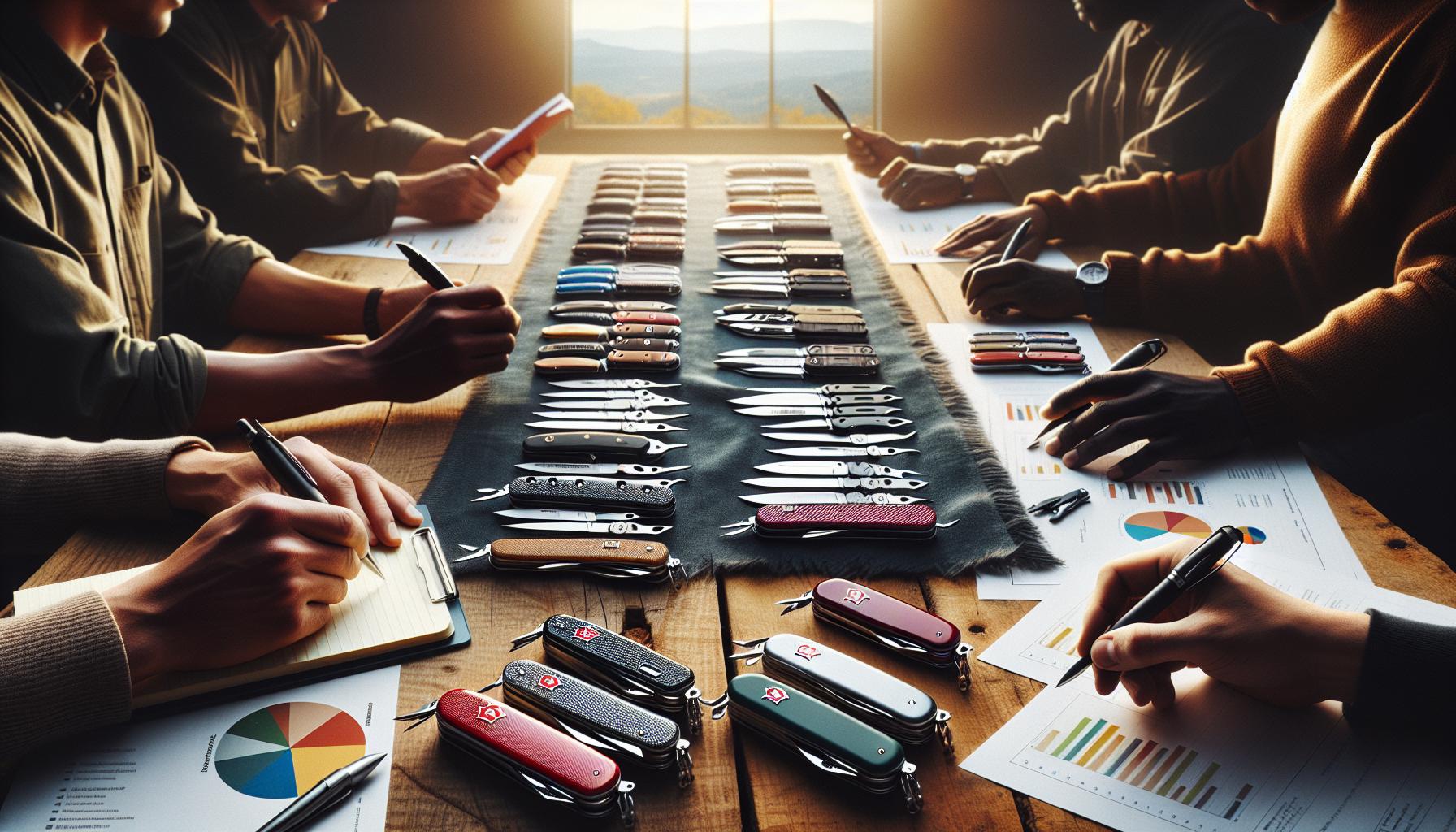
Frequently asked questions
Q: How do you properly close a Swiss Army Knife without injury?
A: To safely close a Swiss Army Knife, ensure that all tools are fully extended, then press the locking mechanism (if equipped) before folding the tools back into the handle. Always keep your fingers clear of the blade path to avoid injury. For more safety tips, see our section on essential safety tips.
Q: What should I do if my Swiss Army Knife gets stuck while closing?
A: If your Swiss Army Knife sticks, check for dirt or debris in the hinge area. Clean it gently with a soft cloth. If it’s still stuck, carefully apply a lubricant specifically designed for tools. Refer to our troubleshooting guide for detailed steps.
Q: Can you close a Swiss Army Knife with one hand?
A: Yes, many Swiss Army Knives are designed for one-handed operation. To do this safely, hold the knife in your dominant hand, securely press the locking mechanism, and fold the tool with your other fingers keeping clear of the blade.
Q: What’s the best time to close a Swiss Army Knife?
A: Close your Swiss Army Knife immediately after use to prevent accidental injuries and to protect the tools. Always ensure that the knife is clean and dry before closing, as moisture can lead to corrosion over time.
Q: How do I maintain my Swiss Army Knife mechanism for smooth closure?
A: Regular maintenance, including cleaning the hinge and applying suitable lubricants, keeps the closure mechanism smooth. Check our best practices section for comprehensive maintenance tips to ensure long-lasting functionality.
Q: Is it safe to close a Swiss Army Knife in the dark?
A: Closing a Swiss Army Knife in the dark is not recommended due to the risk of injury. If you must, use your other senses to identify the tools and cautiously feel your way as you close the knife, but ideally, find a well-lit area first.
Q: Why does my Swiss Army Knife not close properly?
A: A Swiss Army Knife may fail to close properly due to dirt buildup, misalignment of tools, or damage. Check for any obstructions, clean the knife, or realign the tools carefully. For more troubleshooting tips, see our dedicated section on closing issues.
Q: What types of Swiss Army Knives are easier to close?
A: Generally, Swiss Army Knives with simpler mechanisms and fewer tools are easier to close safely. Look for models specifically designed for easy one-handed operation. For comparisons, explore our section on expert recommendations for choosing the right Swiss Army Knife.
Final Thoughts
By mastering the technique of closing your Swiss Army knife safely, you not only protect yourself but also extend the life of your essential gear. Remember, a well-cared-for knife is a reliable companion for any adventure. If you’re looking for more tips on everyday carry gear, check out our guides on pocket knives and outdoor essentials. Ready to enhance your skills further? Subscribe to our newsletter for exclusive content and expert insights or explore our gear reviews for the best tool comparisons.
Don’t hesitate to drop your thoughts or questions in the comments below; we love hearing from you! Your journey into responsible tool use starts here-ensure you’re equipped with knowledge and confidence for every scenario ahead. Explore more now, and transform your outdoor experiences today!