
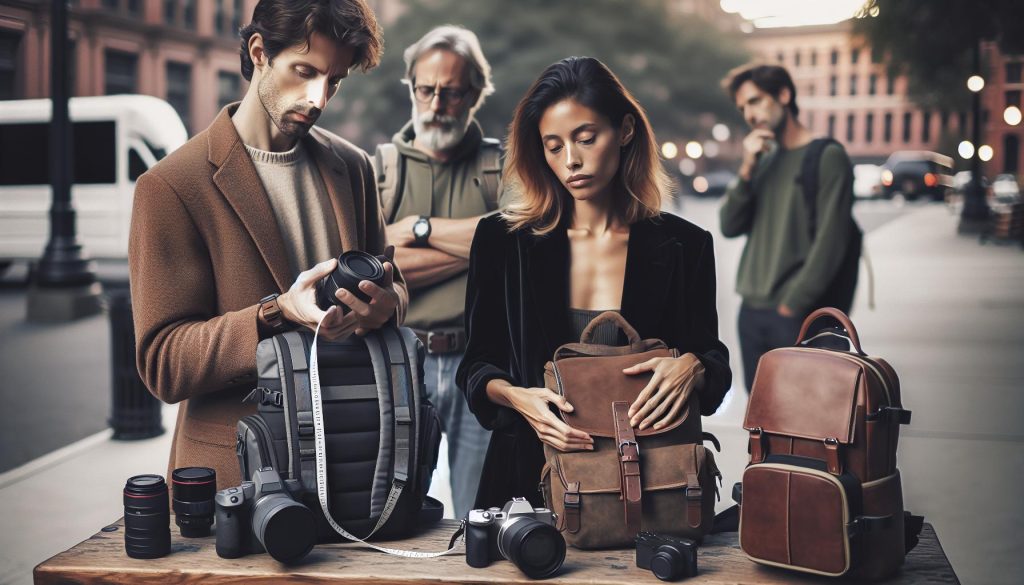
Choosing the right size backpack for everyday carry (EDC) can significantly enhance your daily experience, whether you’re commuting to work, heading to school, or enjoying outdoor adventures. Did you know that the average person spends about 90 minutes daily searching for items? A well-sized backpack not only helps organize your essentials but also ensures comfort and mobility.
As you consider your options, think about your daily needs-what you carry, how you like to carry it, and the environments you navigate. Will you be frequently accessing your gear, or do you prefer a sleeker, more minimalist approach? By understanding the balance between functionality and size, you can empower yourself with the ideal backpack that suits your lifestyle and enhances your efficiency. This guide will provide you with practical advice on selecting the perfect EDC backpack tailored to your needs, helping you move confidently through your day-without the hassle of searching endlessly for misplaced items. Let’s dive into the details and find your perfect match!
Choosing the Right Size Backpack for EDC
Choosing the right size backpack for everyday carry (EDC) is crucial to ensuring you have everything you need while keeping comfort and accessibility at the forefront. The ideal EDC backpack strikes a balance between capacity and portability, ensuring that it can accommodate your daily essentials without overwhelming you. A general rule of thumb is to opt for a bag that ranges between 20 to 30 liters in capacity. This size is typically sufficient for daily items like electronics, water bottles, snacks, and personal safety gear without becoming unwieldy.
When selecting a backpack size, it’s important to consider the duration and nature of your activities. For day-to-day urban adventures, a smaller pack (around 20 liters) can suffice, providing just enough space for essentials while being lightweight and easy to carry. However, if you’re preparing for a longer outing-be it a hike, weekend trip, or an emergency kit-a larger option around 30 liters would be more appropriate. This additional space can accommodate extra clothing, food, and other necessary supplies without compromising on comfort.
Another vital factor in your decision should be the bag’s dimensions. Keep in mind that a backpack’s shape can impact how it fits your frame and distributes weight. A narrow design may allow for better ease of movement in crowded spaces, while a bulkier backpack may offer more versatility for packing various items. Test different models if possible, checking how they rest on your back, if they cause any strain when loaded, and how easy they are to access while still being worn.
Ultimately, the right size backpack for EDC will be one that enhances your daily routine and fits seamlessly into your lifestyle. By evaluating your carrying needs alongside comfort and practicality, you’ll find a pack that not only works for your everyday requirements but also adapts to unforeseen challenges.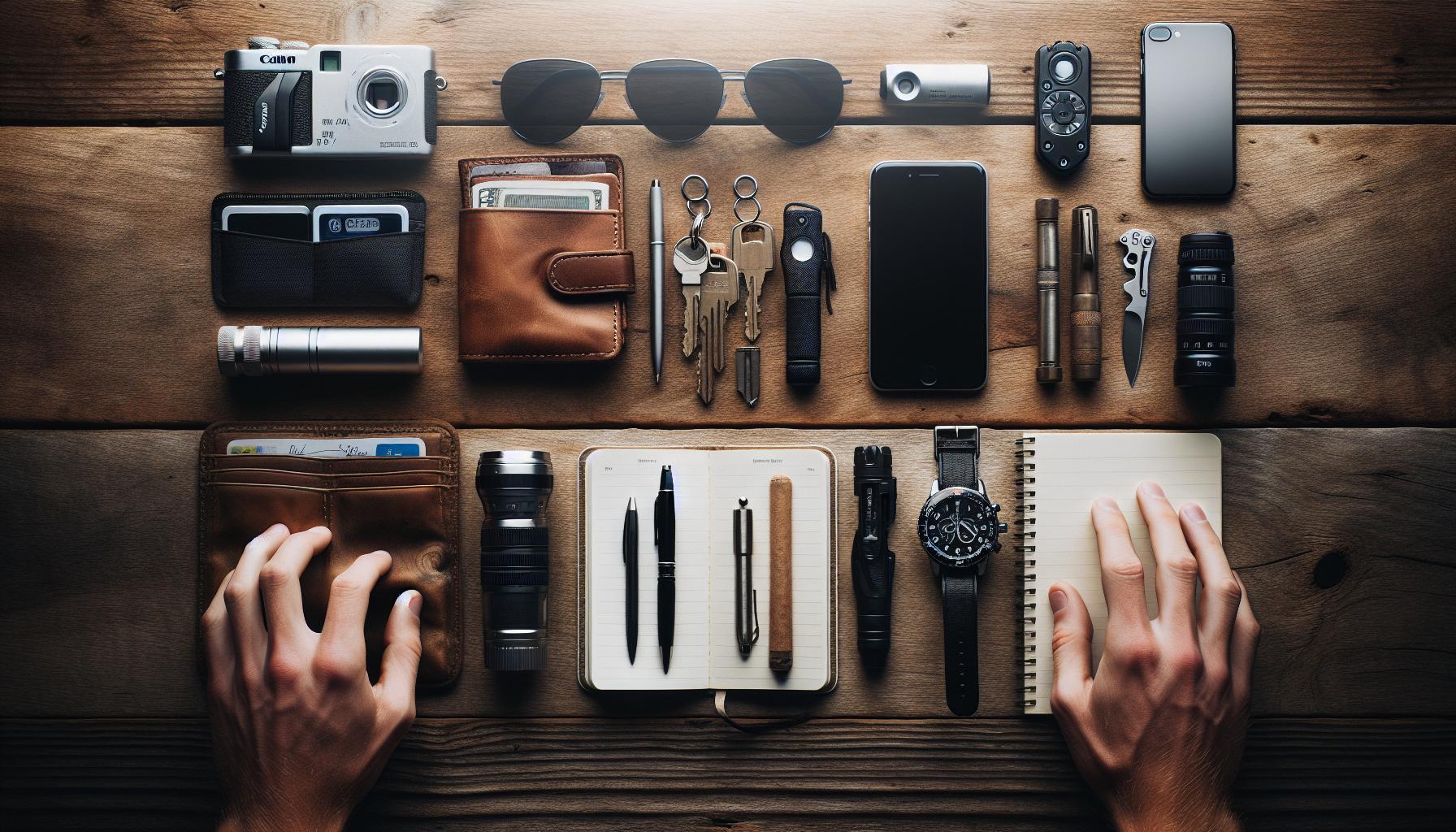
Understanding Everyday Carry Essentials
Everyday carry (EDC) refers to the collection of items that people routinely carry to help them navigate daily activities and unexpected situations. The essence of EDC lies in preparation and practicality, allowing for convenience without compromising on essential tools. Whether it’s a busy workday, a trip to the gym, or a weekend adventure, having the right items at hand can make a significant difference. Understanding what constitutes EDC essentials involves evaluating your daily routines and anticipating various scenarios you may encounter.
At its core, EDC items can vary greatly from one individual to another, but most people find a common set of essentials that suit their needs. This often includes a reliable multi-tool or pocket knife, a flashlight for visibility in dark conditions, and a portable charger to keep devices powered on the go. Additionally, personal safety items such as pepper spray or a whistle, along with organizational tools like an EDC organizer or pouch, can be invaluable. Consider creating a versatile kit that covers the spectrum of daily challenges, ensuring you’re well-equipped without being burdened by unnecessary items.
When curating your EDC gear, prioritize quality over quantity. It’s better to invest in a few durable, multi-functional tools that you can rely on rather than a plethora of cheap gadgets that may fail when you need them most. Brands that focus on durability and user-friendliness are key. Look for items made from high-quality materials that can withstand the wear and tear of daily use while fitting comfortably within your backpack. This is particularly important when selecting gear that will see frequent handling, ensuring not only function but also ease of access.
As you assess your EDC essentials, keep in mind the specific environments you frequent. For city dwellers, items might skew more towards tech essentials and personal safety, while those who adventure in nature may prioritize survival tools and first aid kits. Ultimately, understanding your everyday carry essentials is about tailoring your gear to fit your life, allowing you to face daily challenges confidently and effectively.
Key Features of an EDC Backpack
In the world of everyday carry (EDC), choosing a backpack is more than just selecting a bag to hold your essentials; it’s about finding the perfect balance between functionality, comfort, and personal style. The right EDC backpack can significantly elevate your preparedness for daily tasks, whether you’re commuting to work, heading to the gym, or embarking on an adventure. Understanding the key features that make an EDC backpack effective is essential for anyone looking to refine their everyday carry setup.
One of the most crucial aspects of a good EDC backpack is storage organization. Look for backpacks with multiple compartments, pockets, and dividers that allow you to keep your gear orderly and easily accessible. Features like admin compartments can help organize smaller items such as pens, chargers, and tools, preventing the dreaded “bottom of the bag” chaos. Additionally, consider a backpack with external pockets, which offer quick access to frequently used items like water bottles or snacks.
Equally important is the durability of the materials used in the backpack’s construction. High-quality fabrics such as nylon with a ripstop design or polyester can withstand the rigors of everyday use while providing resistance against weather elements. Water-resistant or waterproof materials can be a game changer, especially during unexpected rain showers, ensuring your valuables remain dry. Look for reinforced stitching and quality zippers, as these small details can significantly impact the longevity of your backpack.
Comfort is another vital characteristic, particularly if you plan to carry your EDC pack for extended periods. Pay attention to features like padded shoulder straps, adjustable chest and hip straps, and back panels designed for breathability. A well-structured backpack can distribute weight evenly and reduce strain on your shoulders and back, making your daily commute or outdoor excursion much more enjoyable.
Finally, while functionality and comfort are key, don’t overlook the style aspect of your backpack. Many brands now offer customizable options or a variety of colors and designs, allowing you to express your personal taste while still having an efficient EDC solution. Consider how the backpack fits into your lifestyle and wardrobe, and choose a style that complements your overall look. Balancing these key features will help you identify the ideal EDC backpack that suits your daily needs.
Deciding Between Daypacks and Backpacks
When choosing between daypacks and traditional backpacks, it’s essential to consider the specific activities you’ll engage in and the amount of gear you need to carry. Daypacks are designed for short trips, typically offering 20 to 30 liters of capacity. They are lightweight, compact, and ideal for quick hikes, daily commutes, or gym sessions, allowing you to easily pack your essentials without overloading yourself.
On the other hand, traditional backpacks often feature larger capacities, ranging from 30 to 70 liters or more, making them suitable for day-long excursions or even weekend getaways. These backpacks usually provide extra space for more complex gear needs, such as hiking equipment or camping supplies. They also come equipped with additional features like hydration reservoirs, more advanced organizational pockets, and often enhanced comfort systems, like padded hip belts, making them more suitable for carrying heavier loads over extended periods.
Ultimately, your decision should revolve around your lifestyle and how you envision using the bag. If you’re primarily commuting or running errands, a daypack may meet your needs while staying light and unobtrusive. However, if you anticipate requiring more space for varied activities, a traditional backpack can be a versatile choice that accommodates both everyday carry and occasional adventures.
A practical tip when deciding is to consider the nature of your routine. If you find yourself needing to carry a laptop, gym gear, and a change of clothes regularly, a daypack with organizational features may suffice. Conversely, if outdoor activities are part of your week, splurging on a more spacious backpack could prove invaluable in the long run, providing the flexibility to adapt to your changing needs. Choose based on your primary use, and remember, it’s always easier to downsize an over-capacity pack than to make a small one work for too much gear.
Top Materials for Durability and Comfort
Choosing the right materials for your everyday carry (EDC) backpack can significantly enhance its durability and comfort, ensuring it meets your daily demands while standing the test of time. The materials used can determine how well your backpack handles wear and tear, environmental factors, and the overall comfort during usage. Given the variety of activities encountered in daily life-from commuting to spontaneous outdoor adventures-it’s crucial to select the appropriate fabric and components.
One of the most popular materials for EDC backpacks is Nylon. Known for its exceptional strength and resistance to abrasion, nylon offers a lightweight option that doesn’t compromise on durability. Options like 500D Cordura nylon or ripstop nylon are favorites among enthusiasts due to their robust performance and water-resistant properties. This type of nylon can withstand rugged conditions and daily urban wear, making it ideal for a variety of environments.
Another great option is Polyester, which is often treated to be water-resistant or even waterproof, depending on the manufacturer. Polyester backpacks can be more affordable than nylon ones, and modern advancements have improved their strength and UV resistance. They are available in numerous colors and styles, making it easier to find a backpack that reflects your personal aesthetic while still providing functionality.
For premium protection and comfort, consider leather or synthetic alternatives. Though typically heavier and more expensive, leather backpacks can offer a classic, stylish look along with natural weatherproofing. Newer synthetic leathers provide the aesthetic appeal of leather with greater resilience against scratches and stains. Furthermore, check for padded compartments and ergonomic designs using breathable mesh materials, which enhance comfort during extended wear, especially when carrying heavier loads.
When selecting an EDC backpack material, ensure it incorporates elements like reinforced stitching, quality zippers, and padded straps. These features all contribute to the overall longevity and usability of your backpack, making it a vital piece of your daily gear. Overall, the right choice of materials not only enhances functionality but also represents your personal style and ensures your backpack is ready for any challenge.
How to Organize Your EDC Gear Effectively
Effectively organizing your gear in an everyday carry (EDC) backpack can transform a chaotic jumble into a streamlined setup, enhancing both accessibility and functionality. The key to a well-organized backpack lies in categorizing your items based on usage frequency and type. For instance, daily essentials like your wallet, phone, and keys should be easily reachable, while less frequently used items, such as emergency tools or backup chargers, can be stored in deeper compartments.
Utilizing compartments and pouches is a great way to maintain order within your backpack. Many EDC backpacks come equipped with various pockets, including mesh compartments, zippered sections, and side pockets specifically designed for quick access. To maximize space, consider using specific pouches for different categories of gear-like a first aid kit, tech accessories, or even snacks. This not only protects your items but also makes it easy to find exactly what you need without rummaging through your bag.
Another effective strategy is to adopt a modular approach. Look for backpacks that allow you to attach additional accessories such as MOLLE (Modular Lightweight Load-carrying Equipment) pouches or external clips. This way, you can carry items like water bottles, flashlights, or multi-tools and adjust your setup based on the day’s activities. Remember to keep your load balanced and distribute weight evenly to maintain comfort and prevent strain on your back during extended wear.
Finally, it’s crucial to regularly review and update what you carry. Your needs may change depending on your routine or the seasons, so reassess your gear periodically to ensure your organization aligns with current requirements. By taking the time to organize your gear effectively, you not only enhance efficiency but also create a system that supports your daily adventures, making your EDC experience far more enjoyable and practical.
Adjustable Straps: Finding the Perfect Fit
Finding the right fit for your backpack can make all the difference in your everyday carry (EDC) experience. Adjustable straps are one of the key features that allow you to customize the fit of your backpack, ensuring it hugs your body comfortably while distributing weight evenly. This is particularly important during extended wear, as an ill-fitting backpack can lead to discomfort or even injuries, particularly in the shoulders and back.
When selecting a backpack, pay attention to the strap design. Ideally, you want straps that are adjustable not just in length but also in width and padding. Wider straps help to distribute weight across a larger area, reducing pressure on any single point on your shoulder. Look for features such as contoured shoulder straps that mirror the shape of your body, which can enhance comfort and ergonomics. Additionally, consider backpacks that include a sternum strap or hip belt. These elements not only stabilize the load but also prevent excessive movement, which is crucial for maintaining comfort while carrying heavy items.
Another important factor is the material and construction of the straps. Opt for padded straps made from breathable mesh or foam to improve ventilation and comfort. In hot weather, this can make a significant difference in how pleasant your EDC experience is. Some backpacks even have moisture-wicking properties to keep you dry. Remember that adjustable straps should glide smoothly; a tangled or stiff adjustment system can be frustrating during your daily routine. Regularly check that the strap adjusters are functioning well, as wear and tear can affect your ability to achieve the perfect fit over time.
In practice, the best approach to finding the ideal fit is to try on different backpacks with your EDC items loaded inside. Walk around for a few minutes to assess weight distribution and comfort. This real-world testing can confirm whether the adjustable straps allow you to find that sweet spot where the pack feels secure without causing discomfort, both during a commute and on longer outings. By paying attention to these details, you can elevate your EDC experience and tackle your day with confidence and comfort.
Backpack Brands That Excel in EDC Gear
When it comes to selecting the right backpack for everyday carry (EDC), the brand can make a significant difference in functionality and user experience. Numerous brands have earned a reputation for their commitment to quality, innovation, and style, catering specifically to those who prioritize both practicality and aesthetics in their daily gear.
One of the standout names in the EDC backpack market is Maxpedition. Known for their durable construction and tactical design, Maxpedition backpacks are favorites among outdoor enthusiasts and urban dwellers alike. Their bags often feature robust materials like nylon, reinforced stitching, and multiple attachment points, allowing you to customize your pack with additional pouches or tools. For those who demand high utility, the Maxpedition Falcon-II is a versatile option that offers ample space and organization.
Another leading brand, Timbuk2, focuses on urban functionality combined with stylish designs. Their EDC backpacks are particularly recognized for their comfort and ergonomic features, such as padded straps and ventilated back panels. The Timbuk2 Spire is ideal for commuters, offering a dedicated laptop compartment and weather-resistant materials, making it both stylish and practical for daily use.
Durable Yet Stylish Options
For those who lean towards a more minimalist design without sacrificing durability, North Face is an excellent choice. Their backpacks, such as the North Face Recon, are designed with outdoor adventures in mind but are equally suited for everyday tasks. They provide a blend of organizational features and comfort, ensuring you can carry your essentials with ease.
Patagonia is also notable for its environmentally friendly practices and high-quality materials. The Patagonia Black Hole Pack features a water-repellent finish and ample storage, making it suitable for various EDC scenarios, from hiking to daily commuting.
Innovative Design Meets Functionality
Lastly, emerging brands such as Nomatic are making waves with their sleek, tech-friendly designs. The Nomatic Backpack is tailored for modern professionals and travelers, equipped with RFID-blocking pockets, a laptop compartment, and dedicated spaces for tech gear. This focus on organization and security addresses many contemporary needs for EDC users.
When selecting an EDC backpack, consider factors such as material quality, storage capacity, and organizational features. Investing in a reputable brand ensures that your backpack not only meets your everyday needs but also withstands the rigors of daily carry, allowing you to focus on what matters most in your day-to-day adventures.
Customizing Your Backpack for Personal Style
Customizing your backpack can enhance your everyday carry (EDC) experience, making it not only functional but also a reflection of your personal style. Whether you prefer a vibrant look or a more subdued aesthetic, several options allow you to transform your backpack into a unique extension of yourself.
Start with patches and pins to add personality to your pack. A collection of your favorite designs or meaningful symbols can instantly convey your interests and affiliations. Look for Velcro patches or pin badges that can be switched out depending on your mood or the occasion. Additionally, consider customizing zipper pulls with colorful cords or unique shapes that can help in quickly identifying your bag and add a touch of flair.
Furthermore, accessorizing your backpack can enhance its versatility. Consider adding modular attachments, such as additional pouches or carabiners, which not only provide extra storage solutions but also allow you to personalize the look of your pack. Brands like Maxpedition offer various accessories that are compatible with their backpacks, allowing you to create an arrangement that works best for your EDC needs while showcasing your style.
Color and Fabric Choices
Selecting the right colors can also play a significant role in customizing your backpack. While some may prefer traditional colors such as black, navy, or olive, others might lean towards brighter shades or unique patterns. This not only sets your bag apart but can also represent your personality. Explore options such as camouflage patterns or vibrant floral designs to make a statement.
Lastly, fabric and material choice can influence both style and function. Opt for weather-resistant materials for practicality, but don’t shy away from considering textiles with interesting textures or colors. Look for eco-friendly materials if sustainability is a priority for you, as many brands are now offering stylish options made from recycled materials, blending your environmental values with your personal aesthetics.
By utilizing these customization options, you can effectively create a backpack that not only serves your EDC needs but also showcases your personal style every day.
Real-Life EDC Backpack Use Cases
Incorporating an EDC backpack into your daily routine can redefine how you manage everyday challenges. Whether you’re commuting, hiking, or simply looking for a stylish and functional way to carry your essentials, real-life use cases of EDC backpacks demonstrate their versatility and convenience. Imagine starting your day with a well-organized backpack that holds everything from your laptop, water bottle, and snacks, to tactical gear for unexpected emergencies.
Consider the commuter: navigating city streets, public transportation, and sudden weather changes requires a reliable backpack. By choosing a size that accommodates a laptop compartment, easy-access pockets, and a rain cover, city dwellers can face daily unpredictability with confidence. Proper organization can transform a chaotic journey into a smooth experience, as having everything from charging cables to personal items sorted in dedicated compartments allows for quick retrieval, saving valuable time.
For outdoor enthusiasts, an EDC backpack serves not just as a carry-all, but also as a survival kit. A well-designed backpack containing essential items like a first aid kit, water purification tools, snacks, and even a compact multi-tool prepares adventurers for anything nature throws their way. Opportunities to showcase practicality can arise unexpectedly-like a sudden change in weather during a hike-where having a lightweight yet durable backpack that fits all the necessary gear becomes invaluable.
In emergency preparedness scenarios, an EDC backpack can serve as a comprehensive survival solution. By tailoring your backpack to include tools like flashlights, a portable phone charger, and basic survival gear, it’s easy to be ready for natural disasters or power outages. By always keeping it packed with essentials, you’re not just prepared for the expected but also equipped to handle the unexpected. This mindset not only empowers users in everyday situations but also fosters a culture of readiness and adaptability.
Ultimately, choosing the right EDC backpack is about personalizing it to suit your lifestyle-be it urban, outdoor, or emergency preparedness. From students to freelancers, the significance of an EDC backpack expands beyond function; it becomes an indispensable part of daily life, blending convenience with the peace of mind that comes from being prepared for whatever your day may hold.
Tips for Maintaining and Caring for Your Backpack
Maintaining your EDC backpack effectively can extend its lifespan, keep your gear organized, and ensure that it performs at its best when you need it the most. Regular maintenance not only preserves the materials but also ensures you’re always prepared for whatever your day throws at you. Here are several actionable tips to help you care for your backpack.
First and foremost, regular cleaning is essential. Depending on your usage, aim to clean your backpack every few months. Start by emptying all pockets and compartments, shaking it out to remove debris. Use a soft brush or cloth to wipe down surfaces and remove any dirt. For deeper cleaning, check the care label; many backpacks are machine washable, but some may require spot cleaning with mild soap and water. Avoid using harsh chemicals that can damage the fabric.
Storage is another crucial aspect of maintenance. When not in use, store your backpack in a cool, dry place. Avoid folding it too tightly or cramming it into limited spaces, as this can distort the shape and affect the functionality of zippers and straps. Instead, hang it or keep it loosely packed to help maintain its structure.
To keep your backpack’s straps and zippers functioning smoothly, regularly check for fraying or wear. Adjust and tighten the straps as needed to ensure they fit well and do not loosen over time. Applying a silicone lubricant to zipper tracks can prevent jamming and ensure smooth operation, especially for backpacks that are frequently opened and closed.
Lastly, consider the environment in which you use your backpack. If you’re often in harsh conditions-whether hot and dusty or cold and wet-taking extra care is imperative. Use waterproof covers during rainy weather and dry it out immediately afterwards if it gets wet. For outdoor use, always check that gear like hydration bladders or food containers are secure and leak-proof, as spills can lead to odor and mold issues if not dealt with promptly.
By adopting these practices, you can ensure that your EDC backpack remains a reliable companion for all your adventures, ready to tackle whatever challenges your daily routine presents.
Travel-Friendly EDC Backpack Options
Traveling with an EDC (Everyday Carry) backpack presents unique challenges and opportunities, making the right selection of a travel-friendly backpack essential for efficiency and ease. When choosing a backpack suitable for travel, consider a few key factors: size, organization, comfort, and versatility. A travel-friendly EDC backpack should effortlessly transition from daily use to travel scenarios, maximizing convenience without compromising functionality.
One of the most valuable features to look for is compartmentalization. A well-structured backpack can significantly enhance organization, enabling you to access essentials without rummaging through everything. Look for backpacks that include dedicated pockets for electronics, travel documents, and personal items, which expedite security checks and daily use. Additionally, many modern EDC backpacks come with expandable compartments that allow for extra storage when needed, accommodating everything from a laptop to extra clothing while maintaining a sleek profile for travel.
Another important consideration is the material and comfort. Given that travel often involves long hours of wear, choose a backpack constructed from durable, lightweight materials that can withstand wear and tear. Look for padded back panels and adjustable straps to distribute weight evenly, which is crucial during long journeys. Waterproof materials or water-resistant coatings can protect your gear from unexpected weather changes, making sure that your essentials stay dry.
Finally, consider the versatility of the backpack. Models that can easily convert between a traditional backpack and a more professional-looking bag can be invaluable, especially for those traveling for work. Features like hidden compartments for valuables and RFID-blocking pockets for cards can add an extra layer of security, ensuring peace of mind while on the go. For those who frequently travel by air, a backpack that fits under the seat or in the overhead compartment is also a major advantage.
Travel-friendly EDC backpacks should blend functionality with comfort and style, providing a reliable companion that enhances your daily adventures and travel experiences. With the right choice, you will not only simplify your carry but also create an organized and enjoyable traveling experience.
Frequently asked questions
Q: What size backpack is best for everyday carry?
A: The ideal size for an everyday carry (EDC) backpack typically ranges from 20 to 30 liters. This size allows you to carry daily essentials without being bulky, striking a balance between capacity and ease of transport. For more depth on choosing the right size, check the section on “Choosing the Right Size Backpack for EDC.”
Q: How do I determine the right backpack size for my EDC gear?
A: To determine the right backpack size, assess your daily essentials. Include items like your laptop, water bottle, and tools, and ensure the backpack can comfortably hold these without being overcrowded. Refer to our “Understanding Everyday Carry Essentials” section for a comprehensive list.
Q: Are daypacks suitable for EDC use?
A: Yes, daypacks are often suitable for EDC since they provide enough space for daily needs and are designed for comfort. They typically range from 15 to 25 liters. For more comparisons between daypacks and regular backpacks, see the section on “Deciding Between Daypacks and Backpacks.”
Q: What features should I look for in an EDC backpack?
A: When selecting an EDC backpack, look for durability, multiple compartments for organization, and ergonomic comfort features like padded straps and back support. Essential features are detailed in the “Key Features of an EDC Backpack” section.
Q: Can I customize my EDC backpack for personal style?
A: Absolutely! You can customize your EDC backpack with patches, keychains, or by choosing specific colors and materials that reflect your style. The section on “Customizing Your Backpack for Personal Style” provides more ideas.
Q: What materials are best for an EDC backpack?
A: The best materials for an EDC backpack include nylon and polyester for durability and weather resistance. Consider abrasion-resistant fabrics for longevity. More on this can be found in the “Top Materials for Durability and Comfort” section.
Q: How can I organize my EDC backpack effectively?
A: To organize your EDC backpack, use packing cubes or pouches to separate gear, and utilize exterior pockets for quick access to frequently used items. For detailed organization tips, refer to “How to Organize Your EDC Gear Effectively.”
Q: What are some recommended brands for EDC backpacks?
A: Popular EDC backpack brands include 5.11 Tactical, Maxpedition, and Osprey, known for their durability and functionality. Explore the section “Backpack Brands That Excel in EDC Gear” for a more in-depth review of top choices.
To Conclude
Choosing the right size backpack for your everyday carry (EDC) is essential for both functionality and comfort. We’ve explored the optimal dimensions and features to ensure your pack serves you well, no matter the scenario. Now that you’re armed with this knowledge, it’s time to take action-don’t wait until your next outing to find the perfect fit!
If you’re looking for more ways to enhance your EDC setup, check out our guides on the best Swiss Army knives and essential pocket knives that pair perfectly with your new backpack. Also, explore our tips on gear maintenance to keep your carry items in top shape. Join our newsletter for the latest insights on outdoor gear trends and exclusive offers-your next adventure awaits! What are you waiting for? Share your thoughts in the comments below and start your journey towards everyday carry perfection today!