Rust can be a frustrating adversary for pocket knife enthusiasts and everyday users alike. Did you know that even the most well-loved knives can develop rust after years of use, particularly if they aren’t cared for properly? Understanding how to effectively remove rust not only restores the knife’s aesthetics but also enhances its functionality and lifespan. In this guide, we’ll explore practical techniques to tackle rust, empowering you to take charge of your tools and maintain them effectively. Whether you’re a seasoned collector or just beginning your journey with outdoor gear, mastering these restoration secrets will be invaluable. Dive in and discover how to bring your trusty pocket knife back to life!
How Rust Forms on Pocket Knives
When you consider the evolution of tools, the pocket knife stands out as a practical companion for everyday tasks, but it’s also vulnerable to a common enemy: rust. Rust forms on pocket knives predominantly due to a chemical reaction between iron, moisture, and oxygen, which results in iron oxide, best known as rust. This process can be exacerbated by factors such as humidity, exposure to water, and even acidic substances. For those who frequently carry their knives outdoors, understanding how rust develops is crucial for maintenance and preservation.
The formation of rust begins when iron or iron alloys, found in many knife blades, are exposed to moisture or water. Even small droplets can initiate oxidation over time, especially if blades are not properly dried after use. Pocket knives that are stored in damp environments or have residual moisture from tasks such as preparing food can suffer from accelerated rusting. Moreover, storing a knife in a leather sheath without proper ventilation can also lead to moisture build-up, promoting rust formation. Regular exposure to saltwater, a common scenario for fishermen or campers, can significantly hasten this process.
In addition to environmental factors, the type of steel used in your pocket knife plays a significant role in its susceptibility to rust. High-carbon steels, while offering excellent edge retention and sharpness, are more prone to rusting compared to stainless steels, which contain chromium that creates a protective layer against moisture. This choice of material can influence not only the knife’s functionality but also its maintenance needs.
To mitigate rusting, it is essential to adopt proactive measures. Regular cleaning and drying after use, along with periodic oiling, can significantly extend the life of your pocket knife. By understanding the mechanics of rust formation, knife owners can take informed steps to preserve the integrity and appearance of their trusty tools.
Essential Tools for Rust Removal
To effectively restore a pocket knife and remove rust, having the right tools at hand is critical. An array of cleaning implements, abrasives, and protective items can make the process smoother and more efficient. First, when selecting your tools, consider the knife’s material and the extent of the rust damage. While some knives may only require mild cleaning, others might need more in-depth treatment.
A good-quality rust eraser or sandpaper (preferably in the range of 200 to 400 grit) will be essential for tackling rust build-up without damaging the blade. These tools are particularly effective for addressing surface rust and should be used gently to avoid further scratches or gouges in the metal. For those dealing with more stubborn rust spots, a wire brush or steel wool can be beneficial, but here too, caution is advised to prevent excessive scratching.
In addition to abrasive tools, having a cleaning solvent is vital. Soaking the rusted parts in a mixture of vinegar and water or using specialized rust removers can help break down oxidized material. After the rust is removed, always have knife oil on hand. Regular oiling protects the blade and prevents future rusting, creating a barrier against moisture. Furthermore, a microfiber cloth is perfect for cleaning and polishing the blade to a shiny finish without leaving behind lint or scratches.
Lastly, consider a protective case or sheath for storage once your knife is restored. This should be made from materials that breathe, like cotton or leather, to prevent moisture buildup, and further rust formation. With these essential tools, you can confidently tackle rust on your pocket knife and ensure its longevity.
Step-by-Step Guide to De-Rusting
To breathe new life into a rusted pocket knife, following a structured method not only helps restore its functionality but also extends its lifespan. The process of de-rusting can be incredibly satisfying, transforming a neglected blade back to its original condition. Here’s a straightforward guide that will walk you through each step of de-rusting your pocket knife effectively.
Start by assessing the extent of the rust on your knife. For light surface rust, a good-quality rust eraser or some sandpaper in the 200 to 400 grit range will work well. For deeper rust spots, you may need a wire brush or steel wool. Prepare your workspace by laying down some newspaper or a cloth to catch debris and protect your surfaces.
Step-by-Step De-Rusting Process
- Clean the Knife: Remove any dirt or oils from the knife using a cleaning solvent. A mixture of vinegar and water not only cleans but can also help in the rust removal process.
- Apply the Abrasive Tool: Gently rub the rusted areas with your chosen abrasive tool. If you’re using sandpaper, keep it moist for better results and to minimize scratches. Move in the direction of the blade’s grain to avoid damaging the metal.
- Inspect Your Progress: After a few passes, rinse the knife and wipe it dry. Check if the rust is coming off. If not, repeat the process until the rust is mostly removed.
- Use a Rust Remover: For stubborn rust, consider applying a specialized rust remover according to the manufacturer’s instructions. Let it penetrate for the time specified, and then scrub gently.
- Final Cleaning: Once the majority of the rust is gone, clean the blade thoroughly to remove any remaining particles from the abrasive tools and rust remover.
- Protective Oiling: After cleaning, apply a layer of knife oil or mineral oil to the blade. This step is crucial as it creates a barrier against moisture, helping to prevent future rust formation.
- Polishing: Finish by polishing the blade with a microfiber cloth to achieve a shiny, smooth finish. This not only enhances the knife’s appearance but also helps in maintaining its condition.
Remember, the goal is not just to remove rust but to do so safely and effectively. Each knife is unique, and depending on the material and extent of damage, adjustments to the method may be necessary. Regular maintenance post-restoration will keep your pocket knife in great shape for many years to come.
Preventing Future Rust on Pocket Knives
A pocket knife is an indispensable tool for many, but rust can quickly undermine its functionality and beauty. It’s important to take proactive steps to prevent rust, ensuring your knife remains in peak condition for years to come. Understanding how rust forms is key; it typically occurs when metal is exposed to moisture and air, leading to oxidation. Thus, reducing exposure to these elements is the first line of defense.
Keep Your Knife Dry
One of the simplest yet most effective strategies for preventing rust is to keep your knife dry. After use, especially in moist conditions or after cutting food, wipe the blade with a soft cloth to remove moisture. Avoiding contact with acidic substances, such as fruit juices, can also prevent rust formation. Storing your knife in a dry environment is equally crucial; consider a protective sheath or pouch to mitigate moisture exposure.
Regular Oiling
Applying a light coat of oil to your knife is another effective preventative measure. Use mineral oil or a specialized knife oil to lubricate the blade gently. This oil acts as a barrier against moisture, significantly reducing the chances of rust developing. Regularly reapplying oil, especially after cleaning your knife, can help maintain this protective layer and keep your pocket knife in optimal condition.
Choose the Right Materials
Not all pocket knives are created equal when it comes to rust resistance. Selecting knives made from stainless steel or high-carbon steel with proper coatings can enhance durability against rust. When purchasing a knife, look for models that emphasize corrosion resistance in their marketing; this will save you headaches down the line and ensure a long-lasting tool.
Ventilation
Alongside moisture, stagnant air can also promote rust formation. Keeping your knife in a ventilated area can help reduce humidity, particularly in places like drawers and toolboxes. Additionally, using silica gel packets in your storage area can absorb excess moisture. These little precautions can go a long way in extending the life of your pocket knife.
By incorporating these strategies into your knife care routine, you not only protect your investment but also enhance your overall experience using your pocket knife. Regular maintenance and thoughtful storage are key components to keeping rust at bay, allowing you to focus on enjoying the versatility your pocket knife offers.
Choosing the Right Pocket Knife Material
When selecting a pocket knife, the material of the blade plays an essential role not only in its performance but also in its resistance to rust. Different materials offer various benefits, and understanding these can help you choose a knife that will withstand the elements and serve you well over time. Rust typically occurs when metal is exposed to moisture and air, so choosing a blade material that minimizes these risks is key to prolonging the knife’s lifespan.
The most common materials for pocket knife blades are stainless steel and high-carbon steel. Stainless steel is often favored for its inherent corrosion resistance, making it an excellent choice for those who frequently use their knives in moist environments. It contains chromium, which forms a protective layer on the surface of the steel, preventing oxidation. Popular stainless steel options include 440C and AUS-8, both of which are known for their combination of durability and ease of maintenance.
On the other hand, high-carbon steel blades offer superior sharpness and edge retention than stainless steel but are more susceptible to rust. These blades can be easily sharpened and maintained but require diligent care. Regular oiling and prompt cleaning after use are vital to prevent rust on high-carbon steel knives. Examples of high-carbon steel include 1095 and O1 steel, which are often favored by traditionalists and those who appreciate a knife that can achieve a razor-sharp edge.
When making a choice, consider how you plan to use the knife. For everyday carry in urban settings where moisture might be limited, high-carbon steel can be a great option. However, if you’re headed outdoors or anticipate using the knife in wetter conditions, a stainless steel blade is likely the wiser choice. Additionally, advancements in blade coatings, such as DLC (Diamond-Like Carbon) or ceramic coatings, can enhance rust resistance while adding aesthetic appeal, so look for knives that feature these technologies.
In summary, the material of your pocket knife blade will significantly influence its longevity and maintenance requirements. By considering your environment and intended use, you can select a blade that not only meets your performance needs but also minimizes the risk of rust, ensuring your pocket knife remains a reliable tool for years to come.
Techniques for Polishing and Restoration
Restoring a pocket knife, particularly one that has fallen victim to rust, can be a rewarding endeavor that not only revitalizes the blade but also enhances its longevity and performance. To begin, it’s essential to gather the right tools: a sharpening stone or system, fine-grit sandpaper, metal polish, a soft cloth, and rust remover or a natural alternative like vinegar or baking soda. Each of these tools serves a unique purpose in the restoration process, helping to remove rust, restore shine, and maintain sharpness.
Polishing Techniques
The first step in polishing involves assessing the extent of the rust and scratches on the blade. For minor rust spots, a simple approach is to use fine-grit sandpaper, going with the grain of the metal to prevent deeper scratches. Applying a lubricant such as mineral oil can facilitate the process, reducing friction and protecting the steel. Once the rust has been removed, follow up with a metal polish-applying it with a soft cloth-until the blade shines. For deeper scratches or stubborn rust, a bit of elbow grease with a sharpening stone or even a Dremel tool fitted with a polishing wheel can work wonders.
Restoration Steps
- Assess and Clean: Start by cleaning the knife with warm, soapy water and a soft sponge to remove any surface debris.
- Rust Removal: Use your rust remover or natural remedy. For instance, vinegar is effective against rust; let the blade soak for a few hours, then scrub gently with a cloth or brush.
- Polish the Blade: After rust removal, polish the blade as mentioned previously to achieve a gleaming finish.
- Re-sharpening: To restore sharpness, carefully sharpen the blade using a whetstone or sharpening system. Maintain the correct angle to ensure consistent edges.
Maintaining the blade after restoration is equally important. Regular cleaning and oiling will protect against future rust, while consistent sharpening keeps the edge ready for action. It’s advisable to store the knife in a dry environment and, if it’s used frequently in moist conditions, consider using silicone-based lubricants to provide an additional moisture barrier.
In summary, the techniques for polishing and restoring a pocket knife can not only breathe new life into a rusty blade but also prevent future maintenance issues. With the right tools and methods, you can ensure your pocket knife remains both functional and visually appealing, ready for whatever tasks await you in your daily carry or outdoor adventures.
Chemical vs. Natural Rust Removal Methods
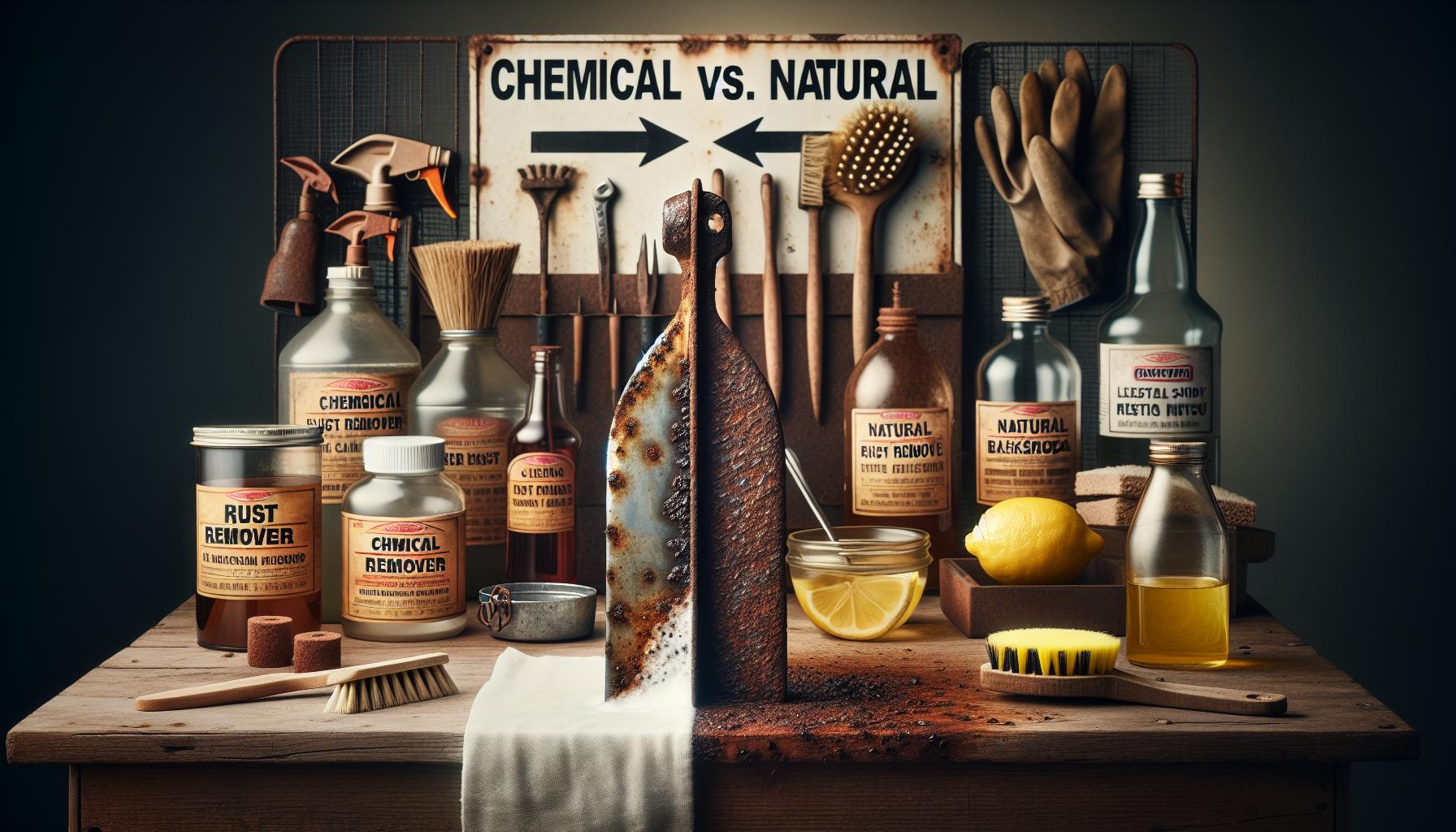
When it comes to removing rust from a pocket knife, you have two primary approaches: chemical and natural methods. Each method has unique advantages and potential drawbacks, depending on the severity of the rust and the materials you have at your disposal. Understanding these options can empower you to choose the right technique for your specific needs, ensuring your pocket knife is restored to its original condition.
Chemical rust removers are typically powerful agents designed to strip away rust efficiently. Products containing phosphoric acid or oxalic acid can be particularly effective, as they directly react with the rust to convert it into a removable compound. To use these chemicals, you simply apply them to the rusted area, let them sit for a specified time, and then scrub or rinse the area clean. However, it’s essential to follow the manufacturer’s instructions and take appropriate safety precautions, as these substances can be harmful to your skin and the environment. Always work in a well-ventilated area, wear gloves, and avoid excessive exposure.
On the other hand, natural rust removal methods like vinegar, baking soda, or lemon juice offer a gentler alternative without the harsh chemicals. For example, soaking your knife in white vinegar for a few hours can help dissolve rust spots effectively. Baking soda mixed with water to form a paste can also be applied to rusted areas, left to sit, and then scrubbed off. Natural methods are often less aggressive, making them a safer choice for those who want to preserve the integrity of their knife’s finish and avoid potentially damaging effects on the metal. Additionally, these methods tend to be more environmentally friendly and accessible, as many individuals already have these household items on hand.
Ultimately, the choice between chemical and natural rust removal methods will depend on your specific situation. If you’re dealing with light surface rust and want to avoid chemicals, natural options are typically sufficient. However, for more severe rusting, a robust chemical rust remover may be necessary to give your pocket knife the thorough cleaning it requires. Whichever method you choose, following it up with polishing and regular maintenance will keep your knife looking sharp and ready for action.
Maintaining Your Pocket Knife for Longevity
Keeping a pocket knife in prime condition requires diligence and care, especially if you want to avoid pesky rust issues that can emerge over time. Regular maintenance not only preserves the knife’s functionality and appearance but also extends its lifespan significantly. Just like any tool worth having, your pocket knife thrives on the attention it receives.
To ensure your knife remains rust-free, start with routine cleanings. After each use, especially in wet or humid conditions, wipe down the blade and handle with a soft cloth. Removing moisture is key to preventing rust formation. You can also apply a light coat of mineral oil or gun oil to the blade. This acts as a barrier against moisture, sealing the metal to keep it dry.
Storage Tips
How and where you store your pocket knife can significantly impact its longevity. For example, avoid leaving your knife in environments prone to moisture, like in a damp garage or a tackle box. Instead, consider using a well-ventilated storage solution, such as a dedicated knife case or drawer lined with silica gel packets to absorb humidity.
Routine Inspections
Engaging in routine inspections is equally vital. Check for any signs of corrosion or wear regularly, as early detection can save you from extensive rust problems later on. Inspect the pivot points and mechanisms; a bit of maintenance here can prevent sticking or damage. If you notice any rust beginning to form, address it immediately using your chosen removal method, whether chemical or natural, as discussed earlier.
By instituting these basic maintenance practices, you can ensure that your pocket knife remains a trusted companion for years to come. A little diligence in its care will go a long way in keeping it functional, reliable, and ready for any tasks you encounter.
Common Mistakes in Knife Care
Neglecting proper care for a pocket knife often leads to unwanted rust and deterioration, but many knife owners unconsciously commit simple mistakes that exacerbate these issues. One common error is failing to clean the blade after use. Whether you’ve sliced through juicy fruits, spread butter, or pried open a box, residue and moisture can cling to the blade. Leaving these substances unattended creates an ideal breeding ground for rust. Always take a moment post-use to wipe down the blade with a soft cloth to leave it clean and dry, setting a solid foundation for longevity.
Another frequent oversight involves improper storage. Many knife enthusiasts assume that tossing their pocket knife into a drawer or storage box is perfectly acceptable. However, this habit can expose the blade to humidity and grime that promote rust formation. Make space in a dedicated knife case or drawer, ideally lined with silica gel packets to mitigate moisture. Additionally, avoid storing knives in damp areas such as basements or garages, which can accelerate corrosion.
Lastly, new knife owners often underestimate the power of lubrication. A dry blade may seem harmless, but lack of lubrication increases friction between the blade and the handle, potentially leading to wear and, eventually, rust. Implementing a routine application of mineral or gun oil not only protects against moisture but also keeps the mechanism running smoothly. Regular maintenance practices such as these are critical in ensuring your pocket knife remains free from rust and a reliable tool for years to come.
Safety Tips for Handling Rust Removal

Handling rust removal from pocket knives is a crucial task that can extend the life of your blade, but safety should always come first. When working with tools, cleaning agents, and potential sharp edges, understanding proper safety precautions is essential. In fact, the appropriate safety measures can prevent accidents and ensure a smooth restoration process.
First and foremost, always wear protective gloves when dealing with rust removal agents or any abrasive materials. This simple step not only protects your skin from harsh chemicals but also from potential cuts or scrapes while handling the blade. If using chemical rust removers, consider wearing safety glasses to shield your eyes from splashes and dust that may arise during the process. Even if you’re using natural methods, it’s advisable to keep a pair of gloves handy for added protection.
When working with your pocket knife, ensure you have a stable and secure workspace. A clutter-free surface minimizes the risk of knocking over tools or materials that could lead to injury. It’s best to keep the blade pointed away from your body and maintain a firm grip on the handle, especially during scrubbing or polishing. For added security, position the knife in a vise or use a cutting mat to prevent it from slipping while cleaning.
Before starting the rust removal process, ensure that your workspace is well-ventilated. Many rust removal solutions-especially chemical ones-release fumes that can be harmful if inhaled in large quantities. Open windows or use a fan to circulate air, making the environment safer and more comfortable.
In addition to these precautions, take the time to read the instructions on any rust removal products you plan to use. Different substances have varying safety guidelines and application techniques. By following these directions closely, you can avoid mishaps that could lead to injury or ineffective rust removal.
Implementing these safety tips not only enhances the effectiveness of your rust removal efforts but also ensures that you’re confident and secure throughout the process. A well-maintained pocket knife is a tool that can be enjoyed for years, and prioritizing safety is the first step in achieving that result.
When to Seek Professional Restoration
When faced with significant rust on your pocket knife, the decision to seek professional restoration can be both a practical and sometimes necessary one. While many rust removal methods can be tried at home, there are instances where the experience and expertise of a professional technician can save not just the blade’s integrity but also its overall value. If attempts at DIY restoration yield lackluster results or if your knife exhibits severe corrosion, professional services might be the optimal choice.
One key sign that professional help is needed is when the rust has penetrated deeply into the metal. Surface rust can often be removed with household items like baking soda or vinegar, but when the integrity of the steel has been compromised-such as pitting or structural weakness-it’s crucial to consult an expert who can assess and properly treat the damage. These specialists often have access to tools and techniques that are not available to the average hobbyist, allowing them to restore your blade to its original glory effectively.
Additionally, if your pocket knife is of significant value-such as a vintage piece, a collector’s item, or one that has special sentimental value-it’s wise to seek a professional’s assistance. Besides enhancing the knife’s aesthetic appeal, they can provide services tailored to maintain value, ensuring that any restoration aligns with the knife’s historical significance. Proper restoration techniques are essential to preserve the original finish and features, preventing potential loss of value through improper handling.
Lastly, if you feel uncertain about performing restoration tasks or if you have limited time to dedicate to the project, professionals can take this burden off your shoulders. They can provide comprehensive service, from rust removal to blade sharpening, ensuring your pocket knife not only looks great but also performs well. This investment in professional care can extend the life of your tool, leaving you with peace of mind to carry and use your pocket knife confidently for years to come.
Upgrade Your Pocket Knife After Rust Removal
After successfully removing rust from your pocket knife, it’s an optimal time to consider upgrades that can enhance both its functionality and longevity. A well-restored knife owes its performance to the quality of its materials and ongoing maintenance. As you reflect on what modifications or enhancements to make, several factors come into play that can lead to a more efficient and enjoyable knife experience.
One significant upgrade is to consider a blade made from high-quality stainless steel or a carbon alloy. Stainless steel blades are particularly effective at resisting rust and corrosion due to their chromium content. If you enjoy the sharpness and edge retention of carbon steel, look for models that come with protective coatings or special treatments to minimize rust susceptibility. Additionally, ergonomic handles with textures or shapes that fit your grip can vastly improve handling and reduce hand fatigue during extended use. Materials like G-10 or Micarta not only offer excellent grip but are also resistant to moisture, making them ideal for outdoor use.
Another practical upgrade is to incorporate a versatile multi-tool feature. Pocket knives that combine additional tools, such as screwdrivers, a can opener, or even pliers, can provide added utility without the need for carrying extra gadgets. This kind of functionality is particularly valuable for outdoor enthusiasts, campers, or anyone who wants a reliable tool for everyday tasks. Upgrading to one of the many Swiss Army or Leatherman multitools could be a wise investment in your knife collection.
Maintaining your upgraded knife is paramount for longevity. Regular lubrication of moving parts with food-safe oils, akin to those used in kitchen knives, will help keep the mechanism operating smoothly. A periodic drop of oil into the pivot point and a thorough cleaning after heavy use will protect against future rust and deterioration. Besides practical upkeep, ensuring your knife is safely stowed in protective cases or sheaths can help mitigate exposure to moisture, thereby prolonging the life of its upgraded features.
In essence, upgrading your pocket knife transcends mere restoration; it invites thoughtful personalization and adaptation suited to your lifestyle. Whether it’s through the choice of materials, added functionalities, or disciplined care routines, each enhancement you make is a step toward a sharper, more durable tool that meets new demands with confidence.
Frequently Asked Questions
Q: How can I effectively remove rust from my pocket knife at home?
A: To remove rust from your pocket knife at home, use a mixture of baking soda and water to form a paste. Apply it to the rusted areas, let it sit for 30 minutes, and scrub gently with a soft brush. Rinse and dry thoroughly afterward to prevent future rust.
Q: What is the best way to prevent rust on a pocket knife?
A: To prevent rust on your pocket knife, keep it clean and dry after each use. Regularly apply a light coat of mineral oil or knife lubricant to protect the blade. Additionally, store the knife in a moisture-free environment to minimize exposure to humidity.
Q: Are natural rust removal methods as effective as chemical ones?
A: Yes, natural rust removal methods, such as using vinegar or baking soda, can be very effective and tend to be safer for the environment. They often require more time and scrubbing but are effective for light to moderate rust. For heavier rust, chemical methods may be quicker.
Q: How do I know when my pocket knife needs professional restoration?
A: Consider seeking professional restoration if your pocket knife shows severe corrosion, multiple rust spots, or if the blade integrity is compromised. Professionals can repair structural issues or restore aesthetics that home methods may not address adequately.
Q: What tools do I need for rust removal on my pocket knife?
A: For rust removal on your pocket knife, you will need a soft brush or cloth, baking soda or vinegar, and mineral oil for protection afterward. A fine-grade steel wool pad may also help in tougher rust cases, but use it cautiously to avoid scratching the blade.
Q: Can I use WD-40 to remove rust from my knife?
A: Yes, WD-40 can be used to remove rust from your knife. Spray it on the rusted areas, let it sit for a few minutes, and then wipe with a cloth. It helps loosen rust and provides a temporary protective layer afterward.
Q: How can I maintain my pocket knife after rust removal?
A: After rust removal, maintain your pocket knife by cleaning it regularly, lubricating with mineral oil, and ensuring proper storage. Avoid exposure to moisture and keep the knife in a dry place to prolong its lifespan.
Q: Are there specific materials that resist rust better in pocket knives?
A: Yes, stainless steel and certain high-carbon steels, particularly those treated for corrosion resistance, tend to resist rust better. When choosing a pocket knife, look for materials labeled as stainless or have rust-resistant properties to minimize rust issues.
In Retrospect
Now that you know how to effectively get rust off your pocket knife, it’s time to put your skills to the test and restore your beloved tool to its former glory! Remember, regular maintenance not only enhances performance but also prolongs the lifespan of your knife. If you’re eager to learn more about keeping your outdoor gear in top shape, check out our guides on Swiss Army knives and essential gear selection.
Don’t let rust ruin your pocket knife! Act now and start your restoration today. If you have questions or tips of your own, we’d love to hear from you in the comments below. For more insightful content on knife care and outdoor gear maintenance, subscribe to our newsletter so you never miss an update. Your next adventure awaits-equip yourself for success!