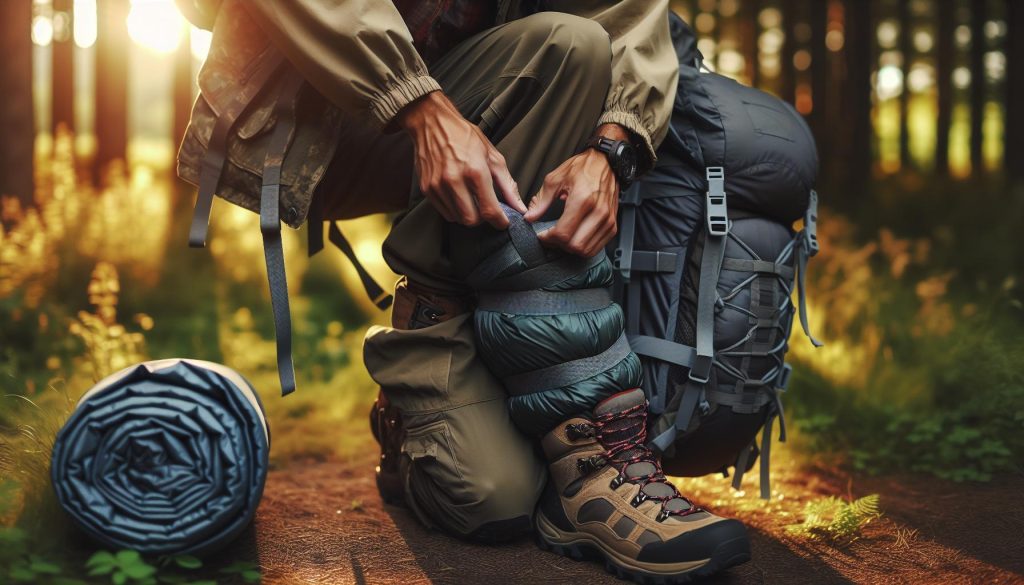
When venturing into the great outdoors, knowing how to securely attach your sleeping bag to your backpack can be a game changer. Not only does it maximize your pack’s space, but it also ensures you have easy access to your sleeping gear when it’s time to settle down for the night. A well-packed backpack contributes to your overall comfort and efficiency on the trail, preventing unnecessary discomfort that could impact your adventure. In this guide, we’ll explore pro methods for attaching your sleeping bag, tailored to both novices and seasoned hikers alike. Whether you’re embarking on a weekend camping trip or a longer hike, mastering this skill can enhance your experience and allow you to focus on the journey ahead. Let’s dive in and ensure you’re prepped for your next outdoor adventure!
Understanding the Importance of Sleeping Bag Attachment
When setting off on a hiking adventure, how you attach your sleeping bag to your backpack can significantly impact your overall experience. A secure sleeping bag attachment not only optimizes your pack’s organization but also enhances comfort and accessibility on the trail. Properly securing your sleeping bag minimizes the risk of it bouncing around or shifting during your hike, which can lead to discomfort and fatigue. Additionally, a well-attached sleeping bag can prevent moisture exposure and potential damage if you’re hiking through wet environments.
The method of attachment plays a critical role in weight distribution. When a sleeping bag is positioned correctly, it helps maintain balance and makes it easier to manage uphill climbs or navigate tricky terrain. The wrong attachment method can lead to excessive strain on specific muscles and joints, affecting your stamina over long distances. Therefore, choosing the right attachment technique not only contributes to your comfort but also protects your gear and extends its lifespan.
Using features like external compression straps or side pockets specifically designed for sleeping bags can enhance durability and efficiency. Further, some savvy hikers opt for innovative approaches like utilizing carabiners or clips for quick access, allowing them to adjust their sleeping setup as needed without unpacking. By considering these factors, you’ll not only improve your hiking comfort but also clarify the functional organization of your gear, making each trip more enjoyable.
Choosing the Right Attachment Method
When embarking on a hiking trip, the method you choose to attach your sleeping bag to your backpack can make a substantial difference in comfort, efficiency, and overall experience on the trail. There are several techniques available, and knowing the right one for your specific situation can alleviate potential inconveniences. For instance, using the compression straps that many packs feature allows you to firmly secure your sleeping bag while minimizing bulk. This method is particularly effective if you’re using a lightweight, compressible sleeping bag, as it allows you to adjust the tightness according to your needs, keeping your pack streamlined.
If your backpack lacks built-in attachment points, consider utilizing external straps or bungee cords. These flexible options can wrap around your sleeping bag and attach to designated loops or hooks on your pack, allowing for more versatile positioning. This can be especially useful when you need quick access to your sleeping bag-for example, when expecting colder temperatures at night. Additionally, utilizing carabiners can provide a sturdy connection point, facilitating easier attachment and detachment without the fuss of unbuckling or tying knots.
The top-loading method is also a viable technique, especially for larger bags. By placing the sleeping bag vertically on top of your pack and securing it with straps, you not only access it more readily but can also keep smaller gear conveniently stored underneath. This promotes better weight distribution, crucial when traversing uneven terrain, as the center of gravity remains balanced.
Ultimately, whether you prefer compression straps, bungee cords, or carabiners, hinges on your specific gear setup and hiking style. Prioritize ease of access, security, and comfort while remaining mindful of your backpack’s overall weight and balance to enhance your hiking enjoyment.
Essential Gear for Securing Your Sleeping Bag
When it comes to securing your sleeping bag to your backpack, having the right gear can significantly enhance your outdoor experience. It not only helps you stay organized but also ensures your gear is protected and easily accessible whenever you need it. Understanding the essential gear involves recognizing the various attachments available and selecting ones that align with both your gear setup and hiking style.
One of the most useful tools is compression straps. If your backpack features these, you can efficiently secure your sleeping bag while minimizing its bulk. This ensures that your pack remains streamlined, making it easier to navigate through rugged terrains. It’s also beneficial to invest in external straps or bungee cords. These versatile options allow for a snug fit around your sleeping bag, attaching to designated loops or hooks on your backpack. They can be especially useful if your sleeping bag needs quick access as temperatures drop during your hike.
Another practical gear addition is carabiners. These handy clips provide a secure connection point, simplifying the attachment process, whether you’re hastily securing your gear or detaching it for immediate use. Furthermore, investing in a high-quality sleeping bag stuff sack can add an extra layer of protection. A stuff sack not only compresses your sleeping bag but also shields it from moisture and dirt, crucial elements when traversing varying climates and terrains.
Lastly, consider utilizing top-loading straps for larger sleeping bags. By placing your sleeping bag vertically atop your pack, you can keep essential items easily accessible while maintaining balanced weight distribution. This method is particularly advantageous when backpacking through uneven terrain, ensuring that your center of gravity is stable and your load remains manageable.
In summary, having the right gear can make all the difference in securing your sleeping bag. Choose items that promote ease of access, security, and protection, allowing you to focus on what truly matters: enjoying the great outdoors.
Step-by-Step Guide: How to Utilize Compression Straps
Utilizing compression straps might just be the secret weapon for hikers and backpackers looking to secure their gear efficiently while minimizing bulk. These handy straps can transform an unwieldy load into a streamlined pack, making it easier to navigate through rugged trails and unpredictable weather. Here’s how to make the most out of your compression straps when attaching your sleeping bag to your backpack.
Begin by ensuring that your sleeping bag is properly packed; using a stuff sack can help compress it down to a more manageable size. Once your sleeping bag is ready, lay it atop your backpack in the position where you want to secure it. If your backpack has built-in compression straps, locate these straps on the sides or top of the pack-they are typically adjustable and padded for comfort.
Next, position the straps over your sleeping bag, making sure they’re evenly spaced and lie flat. Pull the straps tight but not excessively so, as this could crush your sleeping bag and compromise its insulation. A good rule of thumb is to tighten them until you feel resistance, ensuring that the bag is snug against the pack without causing unnecessary stress to the material.
After securing one side, repeat the process on the other side, double-checking the tension on both straps to ensure that the sleeping bag is held firmly in place. It’s important to adjust them slightly while you’re on the move, especially on steep terrain, to maintain an even weight distribution. By securing your sleeping bag with compression straps, you can keep your center of gravity lower, reducing strain on your back and enhancing overall balance while hiking.
In addition to enhancing stability, compression straps streamline your pack’s silhouette, which is particularly beneficial in dense forests or rocky sections where you might brush against trees or boulders. Remember to periodically check the straps during breaks, as movement may cause them to loosen over time. With practice, you’ll find that this method not only secures your sleeping bag but also optimizes your overall pack setup for those long hikes into the wilderness.
Pro Tips for Attaching Sleeping Bags to Various Backpack Types
When it comes to outdoor adventures, securing your sleeping bag to your backpack effectively can greatly enhance your comfort and mobility. Whether you’re using a traditional frame pack, a daypack, or an ultralight model, understanding the nuances of attachment can ensure your gear stays put and doesn’t interfere with your hiking experience. Each backpack type has unique features that can aid in securing your sleeping bag, so it’s essential to tailor your attachment method accordingly.
For frame backpacks, which often come with external or internal frame structures, you have the advantage of built-in compression straps designed specifically for this purpose. Utilize these straps effectively: after packing your sleeping bag into a stuff sack, place it horizontally along the top or bottom of your pack. Adjust the compression straps over the sleeping bag to create a snug fit, ensuring the bag doesn’t shift when you move. This method optimizes weight distribution across your back, making for a more comfortable hike.
If you’re utilizing a daypack or a smaller backpack, you might not have the same level of straps available. Here, a combination of regular straps and carabiners can be a game-changer. Lay your sleeping bag across the top and use adjustable side straps to fasten it down. For added security, attach carabiners through the sleeping bag’s loops, if present, and clip them to the pack. This method not only stabilizes your gear but also provides quick access to your sleeping bag when you need it.
In the case of ultralight backpacks, efficiency is key. These packs may lack external attachment points, but they often feature adjustable side pockets. Use these pockets for smaller gear and secure your sleeping bag internally to minimize bulk. If you still prefer external attachment, consider a sleeping bag holder or a minimal strap system that utilizes tight bands or lightweight compression straps. This will keep your bag compact while maintaining easy access without weighing you down.
By understanding the specifics of your backpack type and employing tailored methods for attachment, you’ll be able to hike confidently, knowing your sleeping bag will stay secure and won’t hinder your journey.
Common Mistakes to Avoid When Packing Sleeping Bags
When venturing into the great outdoors, packing your sleeping bag efficiently is just as important as selecting the right gear. A common mistake many hikers make is assuming that any method of attachment is sufficient, which can lead to discomfort and inefficiency on the trail. Knowing how to properly secure your sleeping bag can make a significant difference in your overall hiking experience.
One frequent error is neglecting to use the compression bag correctly. A compression bag is designed to minimize the volume of your sleeping bag, making it easier to pack. However, if you pack your sleeping bag loosely, it takes up more space and can shift around during your hike, leading to an uneven weight distribution. To avoid this, always ensure that the sleeping bag is tightly compressed and balanced when securing it to your backpack.
Another common oversight is failing to adapt the attachment method to the type of backpack being used. For instance, frame packs typically have built-in straps perfect for securing a sleeping bag, while daypacks may have limited attachment options. Not adjusting your method accordingly can create instability, causing discomfort and even potential injury. It’s essential to assess your pack and utilize the appropriate straps or carabiners as needed.
Many hikers also forget to check the weather conditions before heading out. Rain or moisture can quickly soak a loosely attached sleeping bag, rendering it useless when you need it most. Using waterproof stuff sacks can help protect your sleeping bag from the elements, and ensuring the bag is secured to the pack properly will prevent any movement that could expose it to the elements. Additionally, always secure your sleeping bag in a manner that allows for easy access; being caught in the rain while fumbling with straps can turn into a frustrating situation.
Finally, consistently neglecting to practice weight distribution can lead to unnecessary strain on your back and shoulders. When attaching your sleeping bag, make sure it is positioned close to your center of gravity, ideally at the top or middle of your pack. This can help maintain balance and prevent fatigue during long hikes. A well-packed sleeping bag contributes not only to your comfort but also plays a crucial role in your overall performance on the trail. By avoiding these mistakes, you can enhance your outdoor adventure significantly.
Best Practices for Carrying a Sleeping Bag on Long Hikes

When you’re out on the trail for extended periods, the way you carry your sleeping bag can greatly influence your overall comfort and hiking experience. Not only does a well-secured sleeping bag free up space in your backpack, but it also ensures that your gear remains accessible and protected from environmental factors. Properly attaching your sleeping bag is about more than just securing it; it’s about optimizing your entire hiking setup.
One effective approach is to utilize the compression bag method, which is specifically designed to minimize the bulk of your sleeping bag. When properly compressed, your sleeping bag takes up minimal space, making it easier to attach securely to various parts of your backpack. Position the compressed bag near the top or center of your pack to maintain balance; this reduces the strain on your back and shoulders, ensuring that your center of gravity remains stable during your hike. Additionally, consider using side straps or external loops on your backpack for added security, especially if you have a larger sleeping bag that needs extra support.
Another vital aspect is to account for weather conditions. Using waterproof or water-resistant stuff sacks is an excellent safeguard against unexpected rain. Secure these sacks tightly using adjustable compression straps on your backpack. This will not only keep your sleeping bag dry but also prevent any movement that may lead to moisture exposure. Moreover, ensure the sleeping bag is easily accessible-if you find yourself needing it during a sudden downpour, fumbling with complicated straps can add to your frustration.
As you set out on your hike, make sure to perform a weight distribution check. This involves ensuring that the sleeping bag is aligned with your body’s natural center of gravity. Ideally, keep it toward the middle of the pack, as far up as is practical. This practice can significantly reduce fatigue over extended distances, allowing you to enjoy the journey without being bogged down by improper gear management. By following these best practices, you can make your hiking experience more enjoyable and efficient, allowing you to focus on the beauty of nature instead of worrying about your gear.
Innovative Techniques: Using Carabiners and Clips
Incorporating carabiners and clips into your sleeping bag attachment strategy can significantly enhance the efficiency and versatility of your hiking gear. These small but mighty tools offer a secure, quick-release solution for fastening your sleeping bag to the outside of your backpack. This not only frees up valuable internal space but also allows for rapid accessibility when you need to set up camp quickly or access your sleeping bag during a hike.
Utilizing carabiners starts with ensuring you select the right type. Look for lightweight yet durable options, ideally those made from aluminum, which offers strength without adding excessive weight to your pack. Attach the sleeping bag’s compression sack or straps directly to the existing loops on your backpack, using the carabiner to lock it in place. This method effectively distributes weight, which is crucial for maintaining balance during your hike, especially on rugged terrain. Remember to clip it high on the pack to keep your center of gravity stable, reducing back strain over long distances.
Another innovative technique involves using clips on external straps or daisy chains that may already be part of your backpack design. If your pack features daisy chains, simply run the sleeping bag’s strap through the chain and secure it with a clip. This method keeps the sleeping bag tight against the backpack, minimizing bounce and movement, which can be particularly important on challenging trails. For added security against weather, consider using carabiners that lock, ensuring your gear stays attached even under duress from wind or rough weather conditions.
Finally, it’s crucial to maintain and care for your carabiners and clips. Regularly inspect them for signs of wear or damage, such as scratches or bent shapes, as these can compromise their integrity. Clean them periodically to prevent dirt and grime from interfering with their functionality. With these techniques and maintenance tips, using carabiners and clips will not only streamline your packing but also elevate your outdoor experience, allowing you to focus on what matters most: enjoying nature.
Weather Considerations for Sleeping Bag Attachment
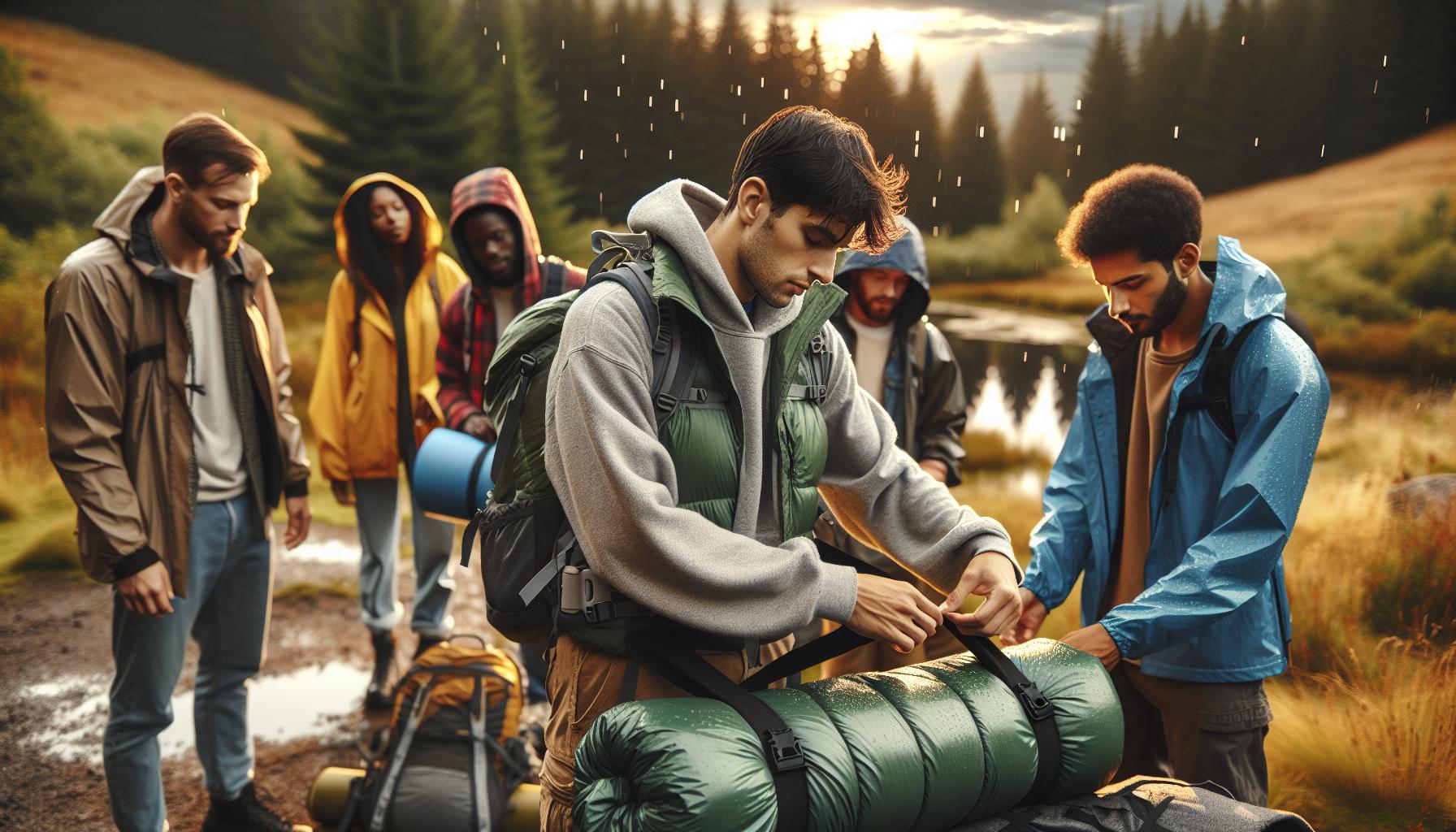
In any outdoor adventure, weather conditions can make or break your experience, significantly impacting how you attach your sleeping bag to your backpack. For instance, in wet or rainy conditions, it’s essential to secure your sleeping bag in a manner that protects it from moisture, ensuring it remains dry and ready for a comfortable night’s sleep. Using waterproof compression sacks can be an effective way to keep your bag protected from rain, and attaching these sacks securely with reliable methods will save you from unpleasant surprises in the morning.
When you’re hiking through windy environments, consider using locking carabiners or secure clips to fasten your sleeping bag. This additional security can prevent your sleeping gear from being blown away or becoming dislodged during your trek, especially when taking breaks or navigating challenging terrain. Make sure to attach your sleeping bag in a way that minimizes both its exposure to wind and any potential shifting that could lead to unbalanced weight distribution on your pack.
In cold weather, it’s advisable to keep the sleeping bag close to your body heat when attaching it to your backpack. This can help reduce the risk of the insulation compressing from being left exposed, which can diminish its loft and warmth. You might consider using bungee cords to attach it snugly while still allowing for some movement-ensuring it doesn’t get saturated by falling snow or freezing rain while still being easily accessible when you settle down for the night.
Lastly, always be proactive about checking the weather forecast before your hike. Understanding the potential for inclement weather can help you choose the right attachment method based on the conditions you expect to face. Adjust your packing and attachment strategies accordingly, opting for settings that balance accessibility and protection, ensuring your outdoor experience is enjoyable, regardless of the weather elements you encounter.
Adjusting for Weight Distribution During Your Hike

Proper weight distribution is crucial for a comfortable and efficient hiking experience, especially when it comes to attaching your sleeping bag to your backpack. An unbalanced load can lead to fatigue, discomfort, and even injury during long treks. Therefore, understanding how to position your sleeping bag effectively can make a significant difference in your overall hiking performance.
Start by placing your sleeping bag at the top of your pack or in a dedicated sleeping bag compartment, if your backpack has one. This positioning helps maintain your center of gravity, ensuring a stable and secure fit. If you’re using compression straps, cinch them tightly enough to prevent any lateral movement but not so tight that the bag becomes overly compacted, which can affect its insulation. By securing the sleeping bag close to the body, you’re also minimizing the risk of shifting that can occur during dynamic movements, such as maneuvering over rocky terrain or when navigating steep trails.
In addition to the sleeping bag, it’s essential to consider the overall weight distribution of your entire load. The heaviest items should be packed low and close to your back to provide better stability. This means keeping your sleeping bag higher up, allowing for a balanced weight between the upper and lower parts of your backpack. Remember to distribute lighter items alongside your sleeping bag to ensure further stability and avoid top-heaviness, which can lead to a tendency to tip backward.
Lastly, regularly check and adjust your load throughout your hike. As you consume food and water, your packing dynamics will change. Be mindful of the weight distribution and make necessary adjustments to maintain comfort and reduce strain on your body. When you take breaks, reassess how your gear fits and whether you need to make modifications for optimal balance. This proactive approach ensures a more enjoyable hiking experience and keeps your focus on the adventure ahead.
Cleaning and Maintaining Your Sleeping Bag and Backpack
Taking care of your sleeping bag and backpack is crucial not only for extending the life of your gear but also for optimizing your performance on the trail. A well-maintained sleeping bag ensures you stay warm and comfortable at night, while a clean and functional backpack means easy organization and access to your gear. Regular cleaning and maintenance can prevent unpleasant surprises and keep your adventures enjoyable.
Start by following the manufacturer’s care instructions for both your sleeping bag and backpack. For sleeping bags, washing them periodically is essential, especially after long trips. Most down and synthetic sleeping bags can be machine washed on a gentle cycle with a mild detergent. Consider using a front-loading washer to prevent damage. Always make sure to dry your sleeping bag thoroughly-preferably with tennis balls or specialized dryer balls-to restore loft and insulation properties. For spot cleaning, use a damp cloth with mild soap to address specific areas without a full wash.
When it comes to backpacks, cleaning is equally important. Remove all items and check for any loose debris or dirt. Use a soft brush or cloth to remove dirt, and for a deeper clean, fill a bathtub or sink with warm water and a gentle detergent. Submerge the backpack and scrub the areas that are particularly dirty-making sure to avoid soaking any frames or suspension systems unless specified safe by the manufacturer. Rinse thoroughly and air dry to prevent mildew. Remember to also check the zippers, straps, and buckles regularly, tightening any loose parts and ensuring that everything functions smoothly before hitting the trail.
Maintaining equipment doesn’t stop at cleaning. Inspecting for damages and issues regularly can prevent bigger problems down the line. Look for frayed seams, broken zippers, or leaks in your sleeping bag and keep an eye on any wear on the straps and compartments of your backpack. Repairing small tears or replacing damaged parts promptly can extend the lifespan of your gear and maintain its integrity. Proper maintenance creates a cycle of care that ensures you’re always prepared for your next outdoor adventure.
Advanced Packing Strategies for Multi-Day Trips
Carrying a sleeping bag effectively on a multi-day trip can be the difference between a comfortable night’s sleep and a miserable one. When your sleeping bag is securely attached and accessible, you’re less likely to face a headache at the end of a long day on the trail. Here are some advanced packing strategies to elevate your outdoor experience.
Choose the Right Location on Your Backpack
The optimal position for your sleeping bag often depends on the load distribution of your backpack. Most hikers prefer attaching their sleeping bag to the outside of their pack. This might involve using compression straps on the bottom or the front of the backpack. By placing the sleeping bag at the bottom, you can keep heavier items higher up, promoting better balance and less strain on your back. Some packs also feature a designated sleeping bag compartment, providing an extra layer of protection from the elements while keeping your gear organized.
Utilizing Compression Sacks
Investing in a high-quality compression sack can drastically reduce the volume of your sleeping bag, making it easier to fit into tighter spaces. When using a compression sack, remember to roll the bag tightly to expel as much air as possible, allowing you to attach it more efficiently. This method not only saves space but also enhances protection against moisture. If you’re tackling a multi-day hike, consider the weight of your gear and opt for lightweight materials without compromising on insulation or warmth.
Securing with Additional Gear
Incorporating additional accessories like carabiners or specialized sleeping bag straps can streamline the attachment process. Using carabiners allows for quick attachment and detachment, which is especially useful during restful breaks or when you need to access other packed items. Furthermore, if your sleeping bag includes loop attachments, utilize these by connecting them directly to your pack’s daisy chains or gear loops for added security.
Managing Weather Considerations
Weather can shift dramatically while you’re on the trail, so consider adding a waterproof stuff sack for your sleeping bag during the rainy season. This provides an extra layer of protection while still allowing attachment to your pack. Additionally, adjust the attachment method to ensure your sleeping bag remains dry; for instance, if the forecast calls for rain, position it higher on your pack to minimize exposure to splashes and mud from the trail.
By implementing these advanced strategies, you’ll enhance your experience on multi-day trips and ensure that your sleeping bag is both secure and easy to access when you reach your campsite. It’s all about smart packing and the right equipment to make your outdoor adventures as enjoyable and comfortable as possible.
Frequently Asked Questions
Q: How do you secure a sleeping bag to a backpack effectively?
A: To secure a sleeping bag to a backpack effectively, use compression straps to minimize bulk. Compression bags are ideal, adjusting the sleeping bag’s size as needed. Position the bag near the bottom or center of the pack for better weight distribution. Check your gear for stability before hiking.
Q: What is the best way to attach a sleeping bag to a daypack?
A: For a daypack, use exterior straps or loops to attach your sleeping bag securely. A simple method is to roll the sleeping bag tightly, then use compression straps to hold it in place. This method allows easy access and maintains comfort during short hikes.
Q: When is it best to attach your sleeping bag to your backpack?
A: Attach your sleeping bag to your backpack before hitting the trail to ensure stability. Doing this in advance allows you to adjust straps for comfort and balance. Always make final checks after packing to ensure everything is secure and properly distributed.
Q: Can you attach a sleeping bag to a backpack without straps?
A: Yes, you can attach a sleeping bag without straps by using carabiners or clips. Simply clip the sleeping bag directly to the backpack’s attachment points. Ensure the clips are strong enough to hold the weight and are secured tightly to prevent slippage.
Q: What mistakes should I avoid when attaching a sleeping bag to a backpack?
A: Avoid over-packing, which can cause your sleeping bag to obstruct your movements. Don’t neglect the weight distribution; place the sleeping bag low on the backpack. Ensure the attachment points are secure to prevent shifting or falling during your hike.
Q: How can I keep my sleeping bag dry while attached to my backpack?
A: To keep your sleeping bag dry, use a waterproof compression sack. Additionally, attach the sleeping bag using straps on the top of the backpack where it’s more shielded from rain. Check weather forecasts and be prepared to cover your gear if conditions worsen.
Q: Why is weight distribution important when attaching a sleeping bag?
A: Weight distribution is crucial for maintaining balance and comfort while hiking. Attaching the sleeping bag too high or unevenly can lead to instability, causing fatigue or strain. Properly securing your sleeping bag helps to keep the weight low and centered, enhancing overall support during your hike.
Q: What innovative methods can I use to attach a sleeping bag to a backpack?
A: Innovative methods include using gear ladders or external pockets designed for sleeping bags. You can also try using adjustable gear straps, which allow for quick access while providing stable attachment. Experiment with different methods to find what works best for your pack and hiking style.
Key Takeaways
Now that you’re equipped with effective methods to attach your sleeping bag to your backpack, you’re one step closer to a seamless outdoor experience. Remember, the right attachment technique enhances not only comfort but also organization, making your adventures more enjoyable and hassle-free. If you have any lingering questions or need specific product recommendations, dive deeper into our related articles on gear organization and packing tips.
We invite you to explore our comprehensive guides on Swiss Army knives and pocket knives for your next outdoor expedition. Have insights or stories to share? We’d love to hear from you in the comments below! Don’t forget to sign up for our newsletter for the latest tips and exclusive offers. Your journey towards maximizing your outdoor gear efficiency starts now-let’s adventure smarter together!