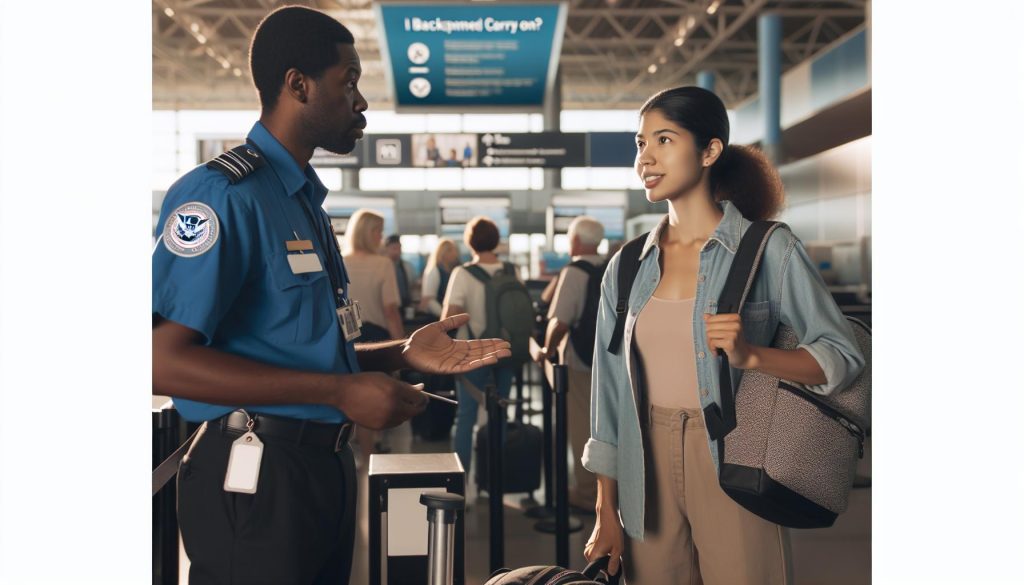
Traveling can be both exciting and stressful, especially when navigating airport security. One common question that arises is whether a backpack qualifies as carry-on luggage according to TSA rules. Understanding these regulations not only helps avoid unexpected delays but also ensures that you can effectively pack your essentials while traveling light. With the right knowledge, you can maximize your packing strategy and enjoy a hassle-free journey. In this article, we’ll explore the guidelines that determine if your backpack is considered carry-on and offer helpful tips for successful travel preparation. Whether you’re a frequent flyer or planning your first trip, this information is crucial for streamlining your airport experience. Let’s dive in!
Is a Backpack Considered a Carry-On? Understanding the Basics
When it comes to air travel, one of the most frequently asked questions is whether a backpack qualifies as a carry-on. The answer is generally yes, as long as it adheres to the airline’s carry-on size guidelines. A backpack can effectively serve as a versatile carry-on option, offering ease of mobility while providing ample space for your essentials. Many travelers prefer backpacks due to their ergonomic design, allowing for comfortable wear during transit, especially in crowded areas like train stations or airport check-in counters.
Airlines typically define a carry-on based on size rather than the specific type or design of luggage. Most domestic airlines permit carry-on bags that are around 22 x 14 x 9 inches. However, this can vary, so it’s essential to check your airline’s specific regulations before traveling. In addition to accommodating personal items like a purse or laptop bag, you can usually bring a backpack that meets these size restrictions onboard without an issue.
Another aspect to consider is how to maximize your backpack’s functionality. Opt for a design with multiple compartments to keep items organized and easily accessible, which is particularly beneficial during security checks. Some backpacks also come with built-in features like a padded laptop sleeve or water bottle pockets, further enhancing their utility as a carry-on. Overall, if you select a backpack that falls within the allowed dimensions and is designed for travel, you can confidently use it as your carry-on luggage.
TSA Regulations for Carry-On Bags Explained
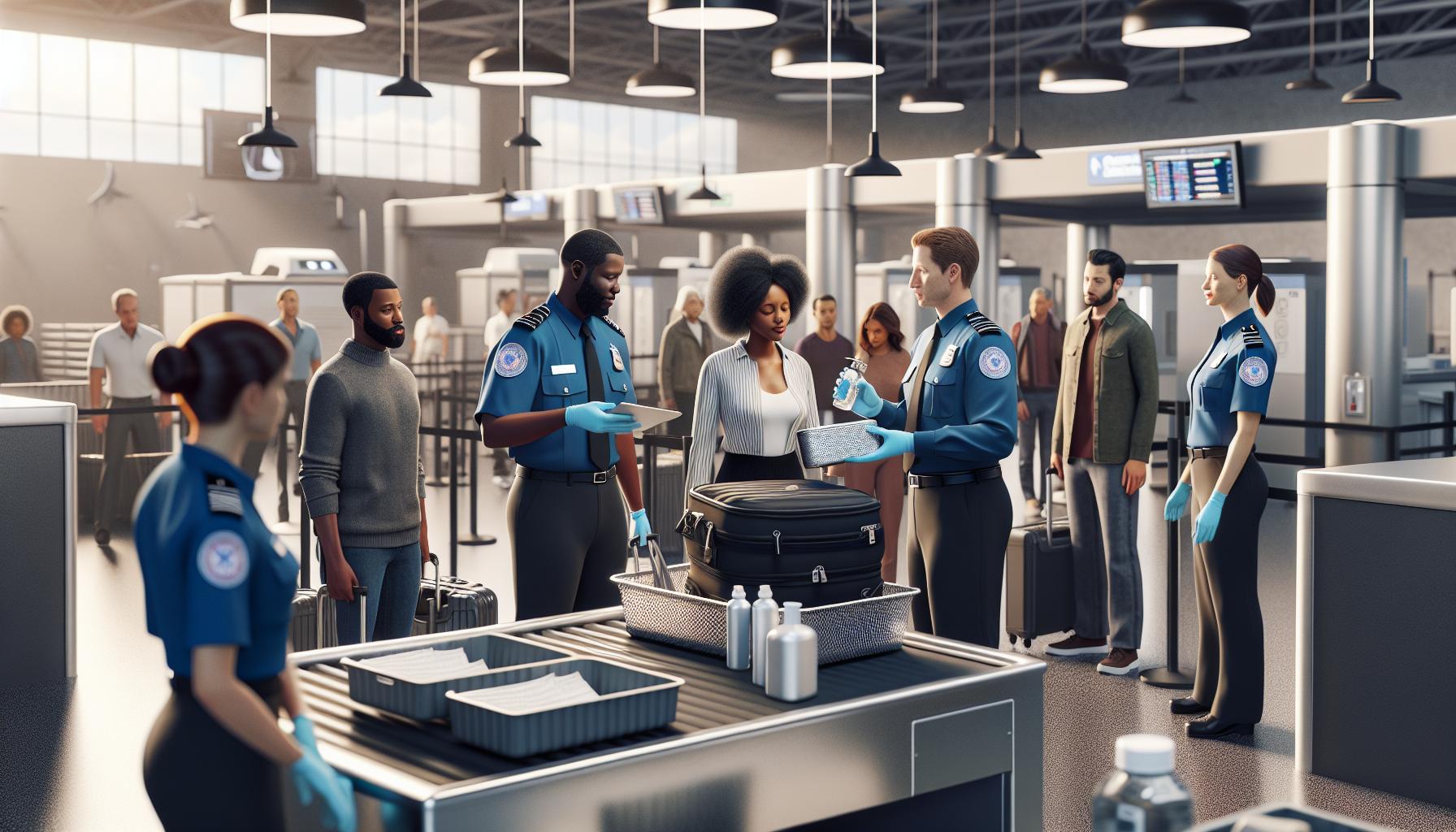
Navigating the complexities of TSA regulations can be a daunting task, especially for first-time travelers. Understanding what is permitted in your carry-on bag, including backpacks, is crucial for a smooth airport experience. Generally, the TSA allows bags that fit certain size and content guidelines, which underscores the importance of being informed before you pack. One of the predominant questions arises: Can you pack everything you need in your backpack, or are there restrictions you must remember?
When it comes to TSA regulations, the key focuses are on size limitations and security screening procedures. Backpacks are typically allowed as carry-on luggage, provided they fit within the standard size limits set by airlines, often around 22 x 14 x 9 inches. It’s advisable to confirm size limitations specifically for your airline, as these can vary. Once you’ve determined that your backpack qualifies, pay attention to how you fill it. The TSA has specific rules regarding liquid items, which must be in containers of 3.4 ounces or less and fit within a single quart-sized bag. Additionally, sharp objects such as knives or multi-tools are prohibited in carry-ons, so it’s vital to check the contents of your backpack before heading to security.
Another point to consider is how to maximize efficiency during the screening process. Keep in mind that the TSA typically requires electronic devices larger than a standard cellphone, such as laptops and tablets, to be removed from your bag and screened separately. Organizing your backpack accordingly-with easy access to tech devices, toiletries, and any items that may raise security concerns-can expedite your passage through the checkpoint. Furthermore, a well-organized backpack not only meets TSA regulations but also reduces stress by making it easier for you to find items you need while in transit.
In summary, familiarizing yourself with TSA regulations is vital for a seamless travel experience. With careful packing and organization within your carry-on backpack, you can ensure you’re compliant with TSA rules and simplify your journey through airport security.
Backpack vs. Suitcase: What’s Allowed?

When it comes to air travel, the choice between a backpack and a suitcase can significantly impact your overall experience at the airport. Both options have their merits, but knowing what is allowed under TSA regulations is crucial for a smooth journey. While many travelers opt for suitcases due to their spacious interiors and structured design, backpacks offer unique advantages-particularly for those on the go. A well-packed backpack can be just as compliant with airport regulations, providing an adaptable solution that blends functionality with convenience.
Size Matters
Generally, both backpacks and suitcases must adhere to specific size restrictions to qualify as carry-on luggage. Most airlines allow a maximum carry-on size of approximately 22 x 14 x 9 inches. However, it’s wise to check your airline’s individual policies, as these dimensions can vary slightly. For backpacks, which often have flexible designs, it’s essential to ensure that they can comfortably fit in the airline’s sizer at the gate. On the other hand, suitcases, with their rigid frames, might restrict how much you can pack without exceeding the size limit.
Packing Approach
When it comes to packing, backpacks typically require more strategic organization than suitcases. This is because backpacks often feature one large compartment versus the multiple sections found in many suitcases. To optimize your packing in a backpack, consider using packing cubes that help segregate your clothing and accessories, making it easier to access items during security screening. Remember, the TSA has specific rules regarding liquid containers, which must be kept within a single quart-sized bag, and these needs can influence your packing style with both options. For quick access, placing items you may need to retrieve frequently at the top of your backpack can save time during security checks.
Mobility and Comfort
One advantage to backpacks is their portability; they’re easier to maneuver through crowded terminals. The ability to wear your backpack frees up your hands for checking boarding passes or grabbing a snack. For longer journeys, a well-designed backpack with padded straps can be more comfortable than lugging around a suitcase. Conversely, suitcases, especially those on wheels, enable easier transport on smoother surfaces, making them preferable for travelers who may find it cumbersome to carry anything on their shoulders for extended periods.
In summary, whether you choose a backpack or a suitcase depends on your travel style and needs. Both options can align with TSA regulations if packed mindfully. As air travel evolves, understanding the nuances of each type of luggage helps you make informed choices that lead to enhanced travel experiences.
Size Restrictions: How Big Can Your Backpack Be?
When traveling, one of the most important considerations is ensuring that your backpack complies with airline size restrictions for carry-on luggage. Understanding these limitations can save you time, reduce stress at the airport, and prevent unexpected fees. Most airlines conform to a general guideline that allows carry-on bags-including backpacks-to measure up to approximately 22 x 14 x 9 inches. Yet, it’s essential to keep in mind that dimensions can vary slightly depending on the airline, so checking specific policies beforehand is advisable.
For many travelers, the flexible nature of a backpack can be both an advantage and a challenge. While a rigid suitcase may not exceed specified dimensions as easily, a backpack’s soft fabric can give you a little leeway in fitting it into overhead compartments or airline sizers. However, you still want to ensure that your backpack doesn’t bulge excessively, as this can lead to issues during security checks or when boarding.
To maximize your chances of compliance, consider your packing strategy carefully. Packing efficiently often means choosing a backpack that offers structured compartments or organizational features that keep it compact. Using packing cubes or compression bags can help you have a neater backpack while providing extra space, keeping the overall shape within regulations. Remember to weigh your backpack if your airline has weight limits for carry-on items as well.
Overall, being aware of size restrictions and taking the time to organize your belongings can make a significant difference in your travel experience. Proper planning helps you breeze through airport procedures, allowing you to focus more on your journey rather than the logistics of your luggage.
Packing Tips for Easy Airport Security
Navigating airport security can often feel like a daunting task, especially when you’re juggling a backpack filled with essentials. However, with some thoughtful packing strategies, you can streamline the process and make your boarding experience a breeze. A well-organized backpack not only helps you pass through security quickly but also ensures that you have easy access to what you need during your journey.
To start, consider the layout of your backpack. Utilize various compartments to separate items for quick retrieval. For example, keep your laptop and tablet in a designated padded section for easy removal during security checks. Additionally, place any travel liquids, gels, and aerosols in a clear, quart-sized bag according to TSA regulations, as these will need to be presented separately. This organization reduces the need to rummage through your backpack at security, saving both time and stress.
When it comes to packing toiletries, it’s crucial to adhere to the 3-1-1 rule: each liquid must be in a container of 3.4 ounces (100 milliliters) or smaller, all containers must fit into a single 1-quart plastic bag, and each passenger is allowed one bag. Beyond this rule, consider opting for solid alternatives where possible, such as bar shampoo and lotion, to avoid issues altogether. Keeping electronics charged is also important; if a security officer requests that you power on your devices, being prepared will eliminate delays.
Lastly, be mindful of your clothing choices as certain items can trigger alarms. Avoid wearing bulky boots or belts with metal that you may need to remove, and opt for comfortable shoes that are easy to slip on and off. Planning ahead and being organized will not only facilitate a smoother security experience but will also set a positive tone for the rest of your travels. With the right strategies in place, you can transform airport security from a hassle into a simple and efficient part of your journey.
Common Mistakes: What Not to Pack in Your Backpack
Traveling with a backpack can be a liberating experience, but there are common pitfalls that many travelers face, particularly when it comes to what to pack. One of the most frequent mistakes is packing items that are either prohibited or create unnecessary hassle during security screening. Understanding these mistakes can save you time, stress, and the embarrassment of having to shed items at the checkpoint.
First and foremost, avoid packing large liquid containers. Remember the TSA’s 3-1-1 rule: liquids must be in containers of 3.4 ounces (100 milliliters) or less, and all must fit in a single quart-sized bag. This makes life easier at security, so resist the urge to bring full-size shampoo or other large products that will likely lead to extra scrutiny. Opt instead for travel-sized products or solid alternatives, like bar soap or solid shampoo, to keep your toiletries compliant while minimizing weight.
Another common mistake involves packing prohibited items. For instance, sharp objects like knives or multi-tools are often mistakenly included in carry-on backpacks. Even small blade lengths can cause delays at security, and in some cases, these items may be confiscated entirely. Make sure to check lists of prohibited items on the TSA’s website before you pack. Additionally, avoid packing items that are too bulky or heavy; they not only use precious space but can also make your backpack difficult to stow in overhead bins or under seats.
Packing Electronics Wisely
Travelers often overlook how to pack electronics properly. Devices must be easily accessible for security screening, which means they should be in a designated compartment that allows for quick removal. Avoid burying your laptop or tablet under clothing or other items. Not only does this impede access during screening, but it also increases the risk of damage. Similarly, be cautious with chargers and cords; although they don’t usually get flagged, tangled cords can add unnecessary frustration when trying to pull out other items during a security check.
In summary, avoiding these packing pitfalls can dramatically improve your travel experience. By being mindful of what you place in your backpack, you can ensure smoother airport navigation and enjoy your journey with less stress. Carrying a well-packed backpack that aligns with TSA regulations will not only make you a more conscientious traveler but will also enhance your overall travel experience.
The Different Types of Backpacks and Their Compliance
Different types of backpacks serve various purposes and come with unique features that may affect their compliance with TSA regulations. While some may be specifically designed for travel, others may be optimized for outdoor adventures or daily commuting, leading to important distinctions when navigating airport security.
One of the most popular travel-friendly options is the carry-on backpack, which typically adheres to airline size restrictions, generally around 22 x 14 x 9 inches. These backpacks often feature compartments that help organize clothing, toiletries, and electronics, making it easy to access your items during security checks. Travel backpacks often incorporate a clamshell opening (like a suitcase) for efficient packing and unpacking, facilitating a smoother airport experience.
In contrast, hiking or outdoor backpacks are designed for rugged terrains and can vary significantly in size. While these large backpacks may hold more gear, they often exceed carry-on size limitations. Travelers should check with their airlines regarding specific dimensions; some airlines allow these backpacks as checked luggage instead of carry-ons. Lightweight daypacks, however, can be an ideal carry-on option for shorter trips. These smaller packs provide enough space for essentials and often meet stricter size standards, ensuring easy compliance.
Another consideration is the presence of additional features. Many advanced backpacks come with built-in security features, such as lockable zippers or anti-theft compartments. While these features enhance safety during travel, be mindful that any security devices could raise questions during screening if they appear suspicious. It’s advisable to follow TSA guidelines and pack all contents in a way that allows for quick access and inspection.
Ultimately, understanding the type of backpack you bring along can make a crucial difference in your travel experience. Whether opting for a lightweight daypack or a multipurpose travel backpack, ensuring it meets TSA regulations will streamline your journey and help avoid unnecessary delays. Keep in mind that each backpack type serves a purpose, and choosing the right one will empower you to travel confidently and comfortably.
Traveling with a Backpack on Different Airlines
Traveling with a backpack can drastically change your airport experience, but navigating the varying policies of different airlines can be complex. Understanding each airline’s unique carry-on rules is vital to ensuring a smooth journey. While many airlines generally allow a backpack as a standard carry-on item, size restrictions and additional fees can differ significantly. For instance, budget airlines may enforce stricter dimensions and charge for any carry-on larger than their limits, while traditional carriers often provide more leeway.
To make your journey more manageable, always check the airline’s website for specific guidelines on carry-on baggage prior to arriving at the airport. Most airlines share the maximum dimensions and weight for carry-on luggage, often specifying that a standard carry-on suitcase should measure no more than 22 x 14 x 9 inches. When packing a backpack, ensure that it meets these requirements to avoid last-minute checks and potential fees. Some airlines also allow a personal item alongside a carry-on, which could be a smaller daypack or laptop bag.
When selecting a backpack, consider features that may influence its acceptance as carry-on luggage. Travel backpacks that open like a suitcase can offer quick access during security checks, contributing to a quicker boarding process. On the other hand, oversized hiking backpacks may not qualify as carry-on items, especially if they exceed standard dimension limits. If you opt for an outdoor backpack, it’s wise to verify its size and functionality for air travel. You might even want to consider a compliant travel backpack designed specifically to fit airline size restrictions while still providing ample space for your essentials.
Additionally, don’t overlook the importance of knowing your airline’s policy on items that may affect your backpack’s compliance, such as additional compartments or attached gear. Some airlines restrict external pockets or shear straps that could extend the size of your carry-on, leading to complications at the boarding gate. By planning ahead and aligning your backpack choice with airline policies, you can alleviate much of the stress commonly associated with air travel.
Tips for Securing Your Backpack While Traveling
Traveling with a backpack can be a game-changer, giving you hands-free mobility while keeping your essentials within easy reach. However, ensuring the security of your backpack throughout various stages of your journey is crucial. From bustling airports to crowded train stations, the potential for loss or theft is significant, so implementing smart strategies can keep your belongings safe.
One effective way to secure your backpack is through the use of locking mechanisms. Many travel backpacks come equipped with lockable zippers, allowing you to attach a small lock for added security. If your backpack doesn’t feature this, consider using carabiners or cable locks to fasten zippers together, preventing unauthorized access. Additionally, when you’re on the move, always keep your backpack close. Strapping it to your seat or resting it in your lap while in transit can deter opportunistic thieves.
Another layer of security can be achieved by investing in anti-theft backpacks designed with features such as cut-resistant straps and hidden compartments. These bags can provide peace of mind, especially in high-traffic areas. Furthermore, integrating a tracker device into your backpack can help you locate it if it goes missing. Small Bluetooth trackers work seamlessly with your smartphone, alerting you if your backpack strays beyond a specified range or enabling you to find it if left behind.
Lastly, be mindful of where and how you place your backpack in public spaces. Avoid laying it on the ground or letting it out of your sight, especially in crowded environments. Utilize secure areas, such as under your seat on a plane or in a designated storage area in buses or trains, and always be aware of your surroundings. Adopting these strategies not only protects your belongings but also enhances your overall travel experience, allowing you to focus on enjoying your adventure rather than worrying about your gear.
Understanding Personal Items vs. Carry-On Rules
Navigating the airport can be a daunting task, especially when it comes to understanding the rules regarding personal items and carry-on baggage. As a general rule, each airline allows passengers to bring one carry-on bag and one personal item onboard, but the definitions of these can vary significantly. A backpack is often categorized as a carry-on item, but it can also serve as a personal item depending on its size and the airline’s specific guidelines.
Carry-on bags are typically larger items that you can stow in the overhead compartment or under the seat in front of you. In contrast, a personal item, such as a small backpack, purse, or laptop bag, is meant to fit under the seat in front of you. Most airlines provide specific dimensions for both categories, generally allowing personal items to be smaller than carry-on bags, often around 18 x 14 x 8 inches. Understanding these dimensions is crucial as exceeding them may result in the need to check your bag, incurring additional fees and delays.
Here are some key distinctions to consider:
- Size Matters: Always refer to your airline’s website for the exact size restrictions that apply to carry-ons and personal items.
- Functionality: While a backpack can function as either, choose a smaller model if you intend to use it as a personal item to avoid complications at the gate.
- Weight Limits: Some airlines impose weight restrictions, especially for carry-on bags, so checking these limits can save you time and hassle.
It’s also wise to pack your most important essentials and valuable items in your personal item. This typically includes IDs, electronics, and medications, ensuring they’re easily accessible as you navigate security and boarding processes. By being mindful of these distinctions, you not only comply with airline regulations but also streamline your travel experience.
Exemptions and Exceptions: What You Need to Know
Navigating the intricacies of carry-on regulations can sometimes feel like deciphering a labyrinth, especially when it comes to exemptions and exceptions that can impact your travel experience. Generally, each airline adheres to TSA guidelines, but there are times when specific items might fall outside the usual rules, allowing travelers to carry more than they anticipate. For instance, items like medical equipment or disabilities-related gear may qualify for exemptions, meaning you can bring these aboard in addition to your carry-on and personal item.
Moreover, certain items are universally exempted from carry-on limitations due to their nature. For example, items such as strollers, infant car seats, or mobility aids typically do not count as part of your standard baggage allowance. This flexibility ensures that families and individuals with disabilities can travel more comfortably without unnecessary restrictions. Always check with your airline in advance to understand how these exceptions apply to your individual circumstances.
Common Exemptions to Consider
Understanding the most prevalent exemptions can aid in planning your journey effectively. These often include but are not limited to:
- Medical Equipment: Devices such as CPAP machines and other necessary medical aids can be taken aboard in addition to standard baggage allowances.
- Child-Related Items: Families traveling with infants can often bring items like strollers and diaper bags without them counting against their baggage allowance.
- Assistive Devices: Equipment for individuals with disabilities, such as wheelchairs or canes, is typically allowed without impacting carry-on limits.
Before heading to the airport, it is always a good idea to double-check the current TSA guidelines and your airline’s specific policies. This diligence not only ensures compliance but also grants peace of mind as you prepare for your trip. Understanding these exemptions creates a smoother travel experience, empowering you to focus on the journey ahead rather than the concerns about what you can and cannot bring on board.
Future Trends: Changes in TSA Carry-On Regulations
As travel continues to become more accessible, TSA regulations around carry-on items, especially backpacks, are evolving. Travelers can expect a shift towards increased flexibility amidst growing concerns for security and efficiency. Recent trends suggest that the TSA may simplify the distinction between personal items and carry-on luggage, allowing greater leniency in the types of bags travelers can bring aboard flights. This change is largely in response to feedback from frequent flyers who desire a more intuitive travel experience.
Factors such as the rise of remote work and digital nomad lifestyles have influenced the demand for multifunctional and tech-friendly carry-on solutions. In the near future, we may see a broader acceptance of various backpack sizes and configurations that prioritize user convenience without compromising security protocols. Enhanced technology could enable quicker screening processes, potentially allowing passengers to keep their backpacks closed while moving through checkpoints, thereby expediting the security experience for all involved.
Moreover, as airline brands begin to integrate more sustainable practices, we could see regulations that encourage the use of eco-friendly materials in carry-on items like backpacks. Airlines may partner with manufacturers to produce travel gear that is both compliant with carry-on regulations and environmentally conscious. This not only appeals to eco-aware travelers but also aligns with global trends towards sustainability in all sectors, including aviation.
Adapting to these trends will require passengers to stay updated on their specific airline’s policies and the TSA guidelines. Such awareness ensures smooth travels with versatile backpacks that can navigate changing regulations while remaining functional and stylish. As always, checking with the TSA or consulting airline websites for specific dimensions and permitted items is key to ensuring a hassle-free journey.
Faq
Q: What types of backpacks are considered carry-on bags?
A: Most standard-sized backpacks qualify as carry-on bags, as long as they adhere to the airline’s size restrictions. However, travel backpacks with multiple compartments and a structured design are more likely to meet these criteria. Always check with your airline for specific guidelines.
Q: Can I fit a backpack under the airplane seat?
A: Yes, a typical backpack should easily fit under the seat in front of you on most airlines. Make sure your backpack is not overly stuffed, which might cause it to exceed personal item size limits. Refer to the “Understanding Personal Items vs. Carry-On Rules” section for more details.
Q: Are there specific TSA rules for packing a backpack?
A: Yes, the TSA requires all liquids, gels, and aerosols in your backpack to be in containers of 3.4 ounces or less and packed in a quart-sized bag. Refer to the “Packing Tips for Easy Airport Security” section for a comprehensive guide on packing efficiently.
Q: What should you not carry in a backpack on a plane?
A: Avoid packing prohibited items such as sharp objects, flammable substances, and larger quantities of liquids. For a complete list, check the TSA website or refer to the “Common Mistakes: What Not to Pack in Your Backpack” section in your article.
Q: Do all airlines have the same backpack size limits for carry-ons?
A: No, different airlines have varying size limits for carry-on and personal items. Check your airline’s specific guidelines before your flight to ensure compliance. For more on this topic, see “Traveling with a Backpack on Different Airlines.”
Q: Can I carry extra bags if I have a backpack?
A: Typically, you can bring a backpack as your carry-on and a smaller personal item like a purse or laptop bag. Ensure that both fit within the airline’s dimensions to avoid any fees. For details, refer to the “Understanding Personal Items vs. Carry-On Rules” section.
Q: How can I secure my backpack while traveling?
A: Use lockable zippers, a travel lock, or a cable to secure your backpack to stationary objects. Additionally, carry valuable items in an inner pocket for added security, as discussed in the “Tips for Securing Your Backpack While Traveling” section.
The Way Forward
Thank you for exploring the TSA rules on whether a backpack is considered a carry-on. Remember, understanding these regulations not only simplifies your travel experience but also ensures that you avoid potential hassles at the airport. For more insights on travel gear, check out our guides on selecting the best backpacks for travel and essential tips on packing efficiently.
If you’re still unsure or have specific questions about your backpack and airport policies, don’t hesitate to leave a comment below or visit our FAQ section for further clarification. Additionally, subscribing to our newsletter will keep you updated on the latest travel tips and gear reviews, enhancing your journeys ahead.
Ready to travel smart? Dive into our resources on packing strategies and explore our top-rated Swiss Army knives for an even more prepared adventure. Every step counts-make your travels enjoyable and stress-free!