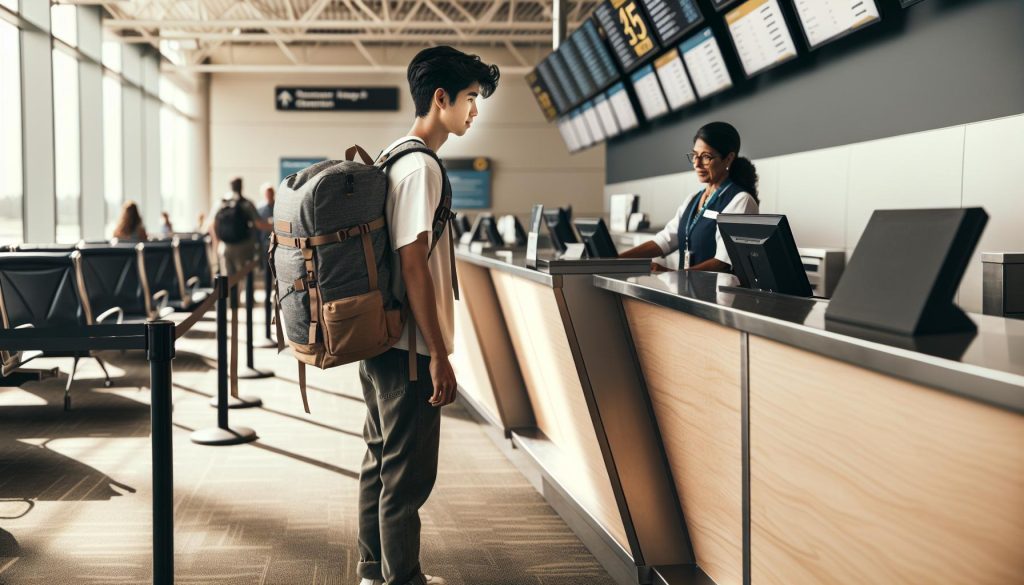
Navigating airline regulations can often feel like a puzzle, especially when it comes to what qualifies as a personal item. Did you know that many airlines classify backpacks differently based on size and purpose? Understanding this classification can save you from unexpected fees and hassle during your travels. In this guide, we’ll delve into whether a backpack counts as a personal item and how to choose the right one for your journey. With clear insights and practical tips, you’ll be empowered to make informed decisions and pack smartly, ensuring a smoother travel experience. Read on to uncover all you need to know about airline classifications and make your next flight as stress-free as possible!
Is a Personal Item Considered a Backpack?
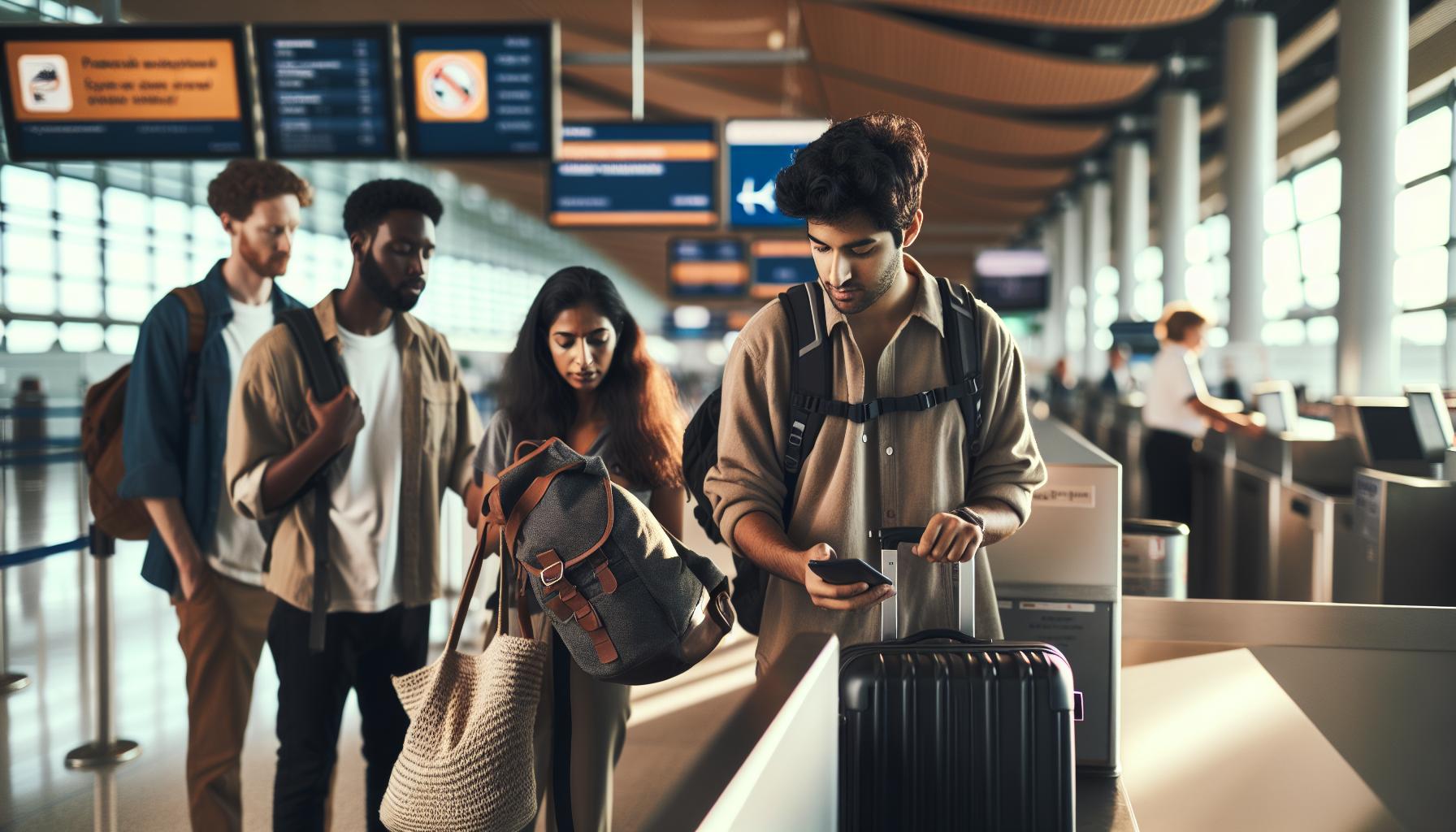
Traveling with a backpack can be an effective way to navigate personal item restrictions imposed by airlines, but understanding the nuances of what qualifies as a personal item is essential. Generally, many airlines do classify a backpack as a personal item as long as it adheres to their specific size requirements. This distinction is particularly important for travelers looking to maximize their carry-on capacity while keeping essentials within easy reach.
When considering whether your backpack fits within the personal item category, keep in mind the airline’s guidelines related to size and shape. Personal items typically need to fit under the seat in front of you, which may restrict backpack designs that are too large or bulky. A standard guideline is that personal items should measure around 18 x 14 x 8 inches, but checking the airline’s website for exact dimensions allows for better preparation.
It’s also beneficial to think about what you’re carrying in your backpack. Laptops, medications, or important documents are usually acceptable contents that align with the purpose of a personal item. On the contrary, if your backpack is packed to the brim with extra clothes or large bulky items, it might raise eyebrows during boarding. Packing strategically by prioritizing your essentials will help ensure that your backpack remains compliant with airline policies and provides you easy access to what you need during the flight.
Lastly, it’s worth noting that while many airlines allow backpacks as personal items, budget carriers often have stricter policies. Researching airline-specific rules ahead of time can save you headaches at the gate. By being informed and organized, you can confidently make your backpack work as a personal item, enhancing your travel experience without the added stress of checked luggage.
Understanding Airline Definitions and Policies

When it comes to air travel, understanding how airlines classify personal items can significantly enhance your journey, especially if you prefer the convenience of a backpack. A personal item is typically smaller than a carry-on bag and must fit comfortably under the seat in front of you. This makes backpacks, when chosen wisely, an excellent option for a personal item-provided they align with the airline’s specific rules and dimensions.
Airlines commonly define personal items with set dimensions, often around 18 x 14 x 8 inches (45 x 35 x 20 cm), although this can vary. It’s crucial to review the guidelines posted on your airline’s website before traveling, as exceeding these dimensions can mean your item is considered a carry-on, which may incur additional fees. Moreover, consider the overall shape and bulkiness of your backpack; designs that are overly stuffed or unmanageable could draw scrutiny from gate agents.
While most airlines allow backpacks as personal items, the contents you choose to pack play a role in how seamless your boarding experience will be. Essentials such as laptops, medications, and travel documents are generally encouraged, whereas overstuffed backpacks filled with clothing or bulky items may not fit under the seat, raising flags during boarding. A strategic approach to packing-prioritizing your must-haves-will help you maximize the functionality of your backpack while ensuring compliance with airline policies.
Ultimately, flexibility varies among carriers, especially when it comes to budget airlines, which often impose stricter regulations. Researching airline policies before departure ensures you can navigate the boarding process smoothly and optimize your travel experience, allowing you to focus on what truly matters-your journey ahead.
Types of Personal Items Allowed by Airlines
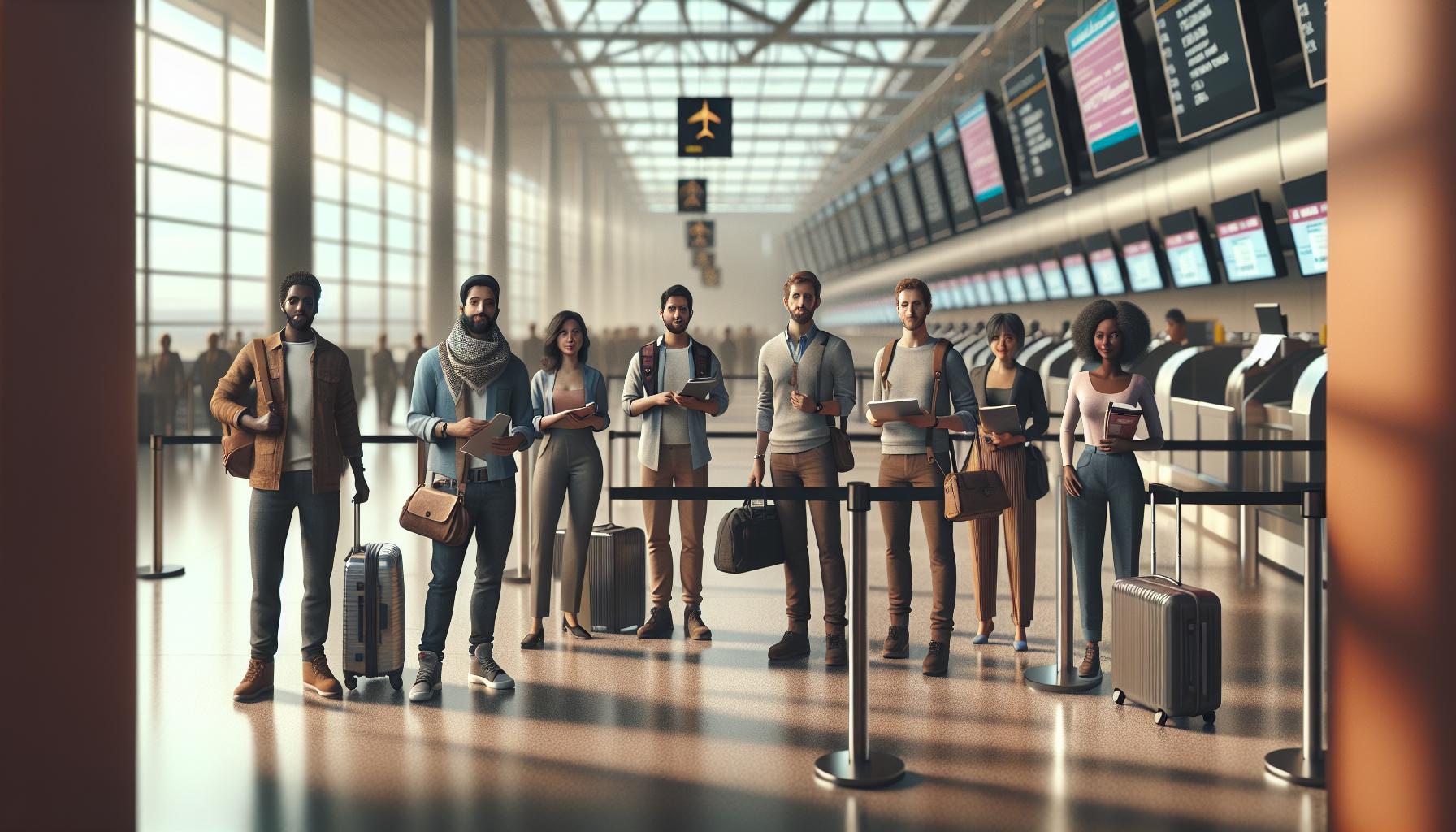
Understanding what constitutes a personal item can be a game-changer for travelers. When packing for air travel, it’s essential to recognize the types of personal items airlines typically allow, as this knowledge directly impacts your journey and comfort. Airlines generally permit a variety of everyday items, provided they fit within size restrictions, which can vary depending on the carrier.
Among the most common personal items are small backpacks, handbags, briefcases, and laptop bags. The key characteristic shared by these items is their size; personal items must typically fit under the seat in front of you, with standard dimensions ranging from approximately 18 x 14 x 8 inches (45 x 35 x 20 cm) to slightly larger, depending on the airline. Here’s a closer look at different types of accepted personal items:
- Backpacks: An excellent option for travelers seeking versatility. If packed wisely, a backpack can hold essential items like laptops, snacks, or personal effects while still remaining compact.
- Handbags: Ideal for personal essentials, a handbag allows easy access to your most-used items such as wallets, phones, and travel documents.
- Briefcases: Best suited for business travelers, briefcases can accommodate laptops and important documents without taking up excessive space.
- Diaper bags: Airlines are generally accommodating of diaper bags, recognizing the need for parents to carry extra items for young children.
Airlines like Delta and American Airlines provide detailed descriptions of acceptable personal items on their websites, contrasting sharply with budget airlines, which may have stricter guidelines. Understanding these nuances ensures you can dodge surprises at the gate and promote a smoother boarding experience. Additionally, remember that when considering a backpack as a personal item, its design and how you pack it can significantly affect compliance with airline policies. Avoiding overstuffed designs or items that exceed the airlines’ dimensions is crucial in ensuring your personal item is allowed on board without additional fees.
Backpack vs. Personal Item: Key Differences
Traveling with a backpack can be effective and convenient, but understanding how it fits into airline classifications of personal items is crucial for a smooth journey. While backpacks are popularly chosen as personal items due to their versatility, airlines have specific criteria that define what constitutes a personal item, which can lead to confusion among travelers.
A key difference lies in the sizing and design of personal items. Airlines typically stipulate dimensions for personal items, generally around 18 x 14 x 8 inches (45 x 35 x 20 cm). Many small backpacks can meet these requirements, making them a suitable option. However, it’s vital to note that not all backpacks are created equal. An oversized or heavily packed backpack may not comply with airline policies, potentially resulting in unexpected fees or having to check it in.
When packing a backpack as a personal item, it’s essential to prioritally consider its content. Aim for a layout that promotes easy access to your essentials, such as travel documents, electronics, or snacks. Avoid excessive stuffing, which can alter its shape and possibly exceed airline limits. Position heavier items closer to your back for better weight distribution, making it easier to carry and helping maintain the appropriate size when placing it under the seat.
In contrast to backpacks, personal items like briefcases or handbags tend to have more rigid designs and may provide easier compliance with regulations. They often are not bulky and can fit neatly under airplane seats, offering a streamlined way to carry necessary items without the risk of incurring extra charges. Ultimately, choosing between a backpack and other forms of personal items should depend on your travel needs, the airline’s regulations, and your packing strategy to ensure a hassle-free travel experience.
Capacity and Size Restrictions for Personal Items
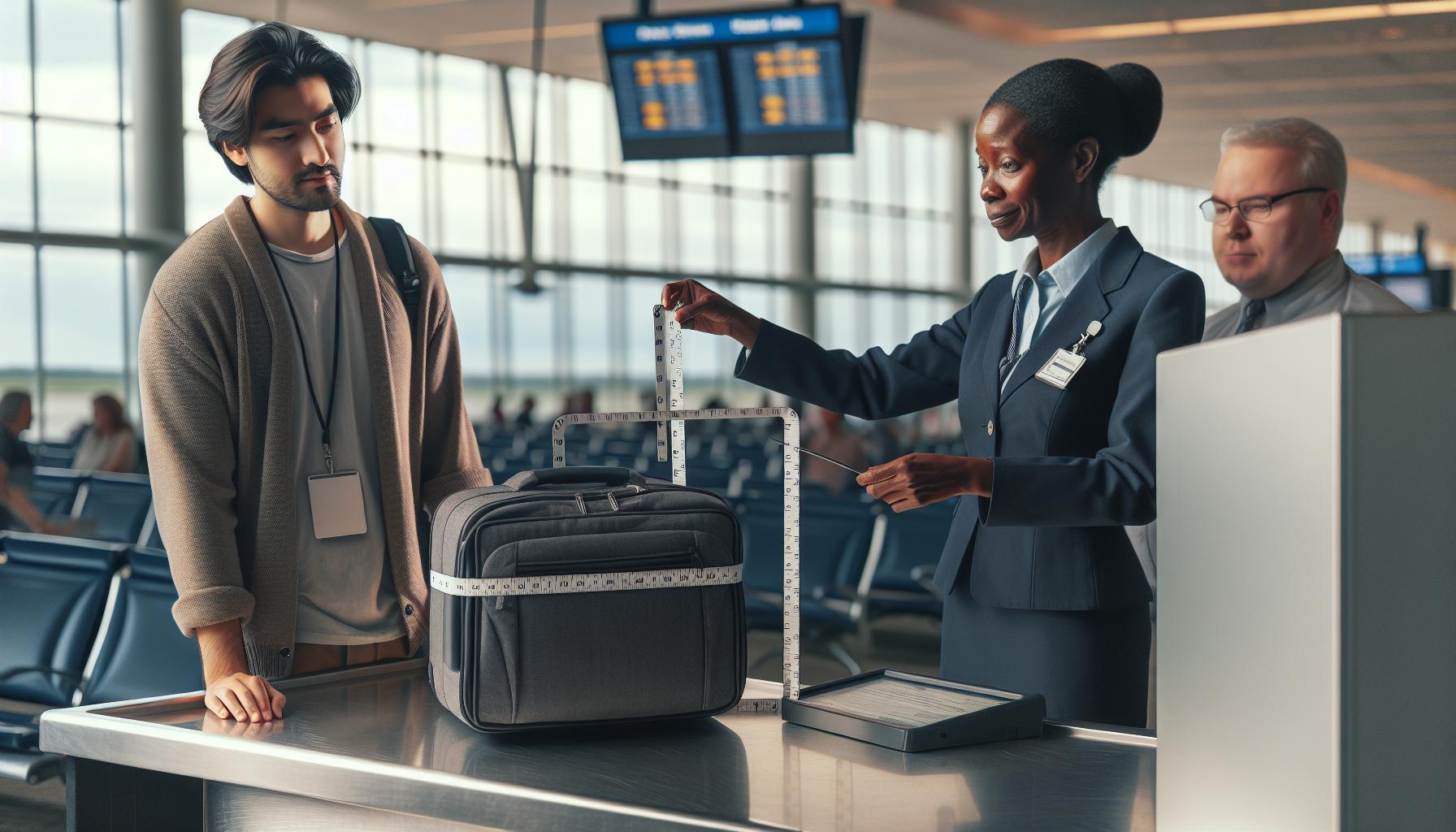
Traveling with a backpack can be a practical choice, but many travelers are often surprised to find out that not all backpacks qualify as personal items according to airline policies. Understanding what defines the acceptable can be the key to a stress-free journey, ensuring you avoid unexpected fees or the inconvenience of having to check your bag.
Airlines typically impose size restrictions on personal items, which usually range around 18 x 14 x 8 inches (45 x 35 x 20 cm). This means that many smaller backpacks can indeed qualify as personal items, provided they fit within these dimensions. However, oversized backpacks can lead to complications. For example, a backpack that is stuffed beyond its intended capacity may not only exceed the height or depth limits but also compress in a way that makes it challenging to fit under the seat in front of you. Thus, it’s essential to measure your backpack when fully packed to ensure compliance.
When selecting a backpack to function as a personal item, consider factors beyond just size. The design and flexibility of the backpack matter significantly. Some backpacks are structured in a way that makes them stiffer and bulkier, which may not easily conform to the under-seat space, unlike more streamlined, softer bags that can be maneuvered into tighter spots. Aerodynamic designs can also help you avoid issues with alignment during boarding. Therefore, choosing a backpack that is not only compact but can comfortably fit under the seat without bulging or spilling over will enhance your travel experience.
To maximize your packing efficiency while adhering to size restrictions, prioritize your belongings. Use packing cubes or compression bags to keep items organized and compact. Keep essential items easily accessible at the top of your backpack for quick access during security checks or boarding. By evaluating both the size and design of your backpack, and being strategic about how you pack it, you can confidently navigate the complexities of airline personal item regulations, ensuring a smooth and enjoyable travel experience.
Common Misconceptions About Personal Item Guidelines
Traveling with a backpack often leads to confusion about what qualifies as a personal item. One of the most common misconceptions is that all backpacks automatically fall under this category. However, the reality is more nuanced, and understanding these intricacies can save travelers both time and frustration at the airport.
Many individuals believe that as long as their backpack fits within the general size limits set by airlines-typically around 18 x 14 x 8 inches (45 x 35 x 20 cm)-it qualifies as a personal item. While this is true for smaller, more streamlined backpacks, larger or bulkier designs can easily exceed the maximum dimensions, especially when packed with items. Additionally, some travelers may pack their backpacks to the brim, inadvertently making them too large to fit under the seat comfortably. Remember, a well-packed bag is one that maintains its form without bulging, ensuring compliance with airline regulations.
Another prevalent myth is that all airlines enforce personal item rules equally. In reality, each airline has its own definitions and restrictions, leading to a patchwork of standards across the industry. For instance, budget airlines may have more stringent rules about personal items compared to major carriers. It’s crucial for travelers to familiarize themselves with the specific policies of their airline prior to travel to avoid surprises at the gate.
Lastly, there’s a common belief that personal items must strictly be smaller bags destined for under-seat storage. However, items that traditionally wouldn’t be classified as backpacks-such as purses or laptop cases-can also fall into the personal item category as long as they meet size restrictions. Therefore, a carefully chosen backpack that is designed for efficient packing and meets size limits can serve dual purposes, combining functionality with airline compliance.
By dispelling these misconceptions, travelers can better prepare for their journey, ensuring their backpacks not only enhance their travel experience but also adhere to airline policies. Understanding what truly qualifies as a personal item can lead to a smoother boarding process and a more enjoyable trip overall.
Tips for Packing Your Backpack as a Personal Item
Packing your backpack effectively as a personal item can make or break your travel experience, especially when navigating the often strict confines of airline policies. Did you know that a well-packed backpack not only maximizes space but can also help you breeze through security and boarding? Here are some strategies to ensure your backpack serves its dual purpose: as a travel companion and a compliant personal item.
Start by selecting a backpack with a streamlined design, preferably one that fits the typical size restrictions (around 18 x 14 x 8 inches). A bag that can compress down or expand as needed will help you stay within limits. Pack strategically: place heavier items closer to your back for better weight distribution and to avoid straining your shoulders. Use packing cubes or pouches to keep smaller items organized and easy to access. This not only frees up space but also helps you comply with TSA regulations by making your carry-on items more identifiable.
When it comes to organizing the contents, consider utilizing the outer pockets of your backpack for items you’ll need quick access to, such as your passport, boarding pass, and snacks. Maximize internal space by rolling clothes instead of folding them-you’d be surprised at how much more you can fit! Additionally, think about multi-functional items, like travel-sized toiletries or a jacket that can double as a pillow. This helps keep your backpack lightweight while also complying with size restrictions.
Last but not least, always check your backpack against your airline’s specific personal item policies before heading to the airport. Some airlines, especially budget carriers, have very particular definitions of what constitutes a personal item. Being prepared not only saves time but also prevents potential fees at the gate. By adopting these packing strategies, you can confidently travel with your backpack while ensuring it meets airline requirements, allowing you to focus on enjoying your trip instead of worrying about your luggage.
Airlines with the Most Flexible Personal Item Policies
Navigating the landscape of airline policies can often feel daunting, especially when it comes to personal items. Interestingly, not all airlines are created equal regarding their definitions and allowances. For many travelers, knowing which airlines boast the most flexible personal item policies can save time, money, and stress. Fortunately, several major airlines stand out for their leniency, making it easier to travel with a backpack.
- JetBlue: Known for its customer-friendly approach, JetBlue allows personal items up to 17 x 13 x 8 inches. This means that many standard-sized backpacks can easily qualify as personal items, giving you more room to carry essentials without additional charges.
- Southwest Airlines: With a liberal policy, Southwest permits personal items of up to 16.25 x 13.5 x 8 inches, and their no-fee approach to checking bags also offers flexibility for travelers needing extra storage.
- Alaska Airlines: They offer a personal item allowance that accommodates bags measuring 17 x 10 x 9 inches. This size guide means a wider variety of backpacks, especially those designed for everyday use, can pass as personal items without any hassle.
- American Airlines: Their policy allows personal items up to 18 x 14 x 8 inches, accommodating a large range of backpacks while ensuring you can access everything you need during your flight.
When considering budget carriers, be aware that they often have stricter rules regarding personal items. However, each airline has its nuances that can either help or hinder your travel experience. Always checking the specific requirements before you fly can ensure your backpack qualifies as a personal item, maximizing your packing efficiency and reducing potential fees. By choosing the right airline and understanding their policies, you can travel with confidence, knowing your backpack is compliant and ready for adventure.
Navigating the Personal Item Rules of Budget Airlines
Budget airlines can often feel like a minefield for travelers trying to navigate personal item rules, especially when it comes to backpacks. While many major carriers have generous allowances, budget airlines frequently impose stricter dimensions and guidelines, which can lead to unexpected fees or denied boarding. It’s crucial to fully understand these regulations to avoid pitfalls during your travels.
Firstly, most budget airlines define personal items as smaller bags that must fit under the seat in front of you. Airlines like Ryanair and Spirit Airlines typically have more limited dimensions, often ranging from 15 x 10 x 8 inches to 17 x 14 x 8 inches. However, this doesn’t mean all backpacks will be automatically disqualified; many can still fit these criteria if strategically packed. It is advisable to select a backpack specifically designed to meet the dimensions outlined by your chosen airline.
To maximize your packing efficiency, consider the following tips:
- Choose the right size: Select a backpack that can compress. Some models are specifically designed to meet airline requirements and can reduce in size when necessary.
- Utilize all compartments: Make use of side pockets for smaller items, and if your backpack has adjustable straps, tighten them to ensure it stays compact.
- Bags with ‘personal item’ tags: Some companies produce backpacks with tags that help identify them as personal items. Carrying one may prevent confusion during boarding at budget airlines.
- Essential Gear Only: Be selective about what to pack. Only take essentials to minimize weight and maximize space.
Understanding these dimensions and strategies can make a significant difference in your travel experience. Moreover, always check the specific airline policies before you fly, as they may change. With preparation, you can confidently navigate personal item rules on budget airlines, ensuring your backpack is your ideal travel companion without the strain of additional costs.
Advice for Frequent Travelers: Making the Most of Your Personal Item
Frequent travelers know that every part of your gear matters, especially when it comes to personal items like backpacks. These items serve not just as carriers for your essentials but can also make or break your travel experience, particularly on budget airlines with strict size limitations. To truly maximize the utility of your personal item, it’s essential to strategize both its selection and packing.
Choosing a backpack that fulfills airline requirements while remaining functional is key. Look for designs that prioritize a slim profile yet offer ample storage. A backpack with external pockets can be advantageous for accessing essentials like your phone, passport, or snacks without rummaging through the main compartment. Also, consider options with adjustable straps or compressibility features that enable the bag to adapt to different travel scenarios, ensuring it fits comfortably under the seat in front of you without appearing bulky.
When packing, remember the mantra: less is more. Prioritize your items wisely-only pack the gear that is absolutely necessary. This not only helps in adhering to size restrictions but also reduces your daily burden. Incorporating packing cubes can help organize items, making it easier to find what you need without causing chaos when you pull the backpack out during flights or layovers. By having a well-packed bag, you’ll save time and reduce stress, enabling a smoother travel experience.
Additionally, consider the importance of accessible hydration. Many backpacks today feature side pockets specifically designed for water bottles. These allow you to stay hydrated on the go without needing to dig through your gear to find your bottle. Finally, always double-check individual airline policies before your trip; different carriers might have slight variations in size limits, and staying proactive can help ensure you fly without a hitch. A well-prepared traveler utilizing a personal item effectively not only travels lighter but also more efficiently, enjoying a stress-free journey from start to finish.
Real-Life Examples: Personal Item Enforcement on Flights
Travelers often get caught off guard by how strictly airlines enforce their personal item policies, especially regarding what qualifies as a personal item. For instance, many passengers have shared experiences where their seemingly compliant backpacks were challenged at the gate. One frequent flyer recounted a moment at a budget airline gate where an attendant requested that they measure their backpack against a size guide-much to their surprise, the bag was just slightly over the allowance and had to be checked in. This instance highlights the critical importance of adhering closely to an airline’s specific size requirements, as enforcement can vary widely.
The type of backpack you carry can also influence how easily you navigate these policies. One traveler shared that using a slim, low-profile backpack made a noticeable difference compared to a bulky travel backpack. On another occasion, a passenger boarding a major airline noted that while they had packed their personal item within the limits, additional items stuffed inside were visible, leading to scrutiny from the gate staff. In these scenarios, the impression made by the bag’s shape and carry capacity plays a pivotal role in the enforcement of personal item regulations.
To prepare for potential enforcement issues, it’s wise to take preventative measures. Regular travelers often recommend doing a trial run before your trip, packing your personal item and measuring it to ensure compliance with your chosen airline’s rules. Additionally, having your personal item organized and well-packed makes it easy to access when it’s pulled for inspection, thereby avoiding unnecessary delays. Some airline staff have been known to use discretion when passengers show preparedness and reasonable organization, leading to smoother boarding experiences.
In conclusion, real-world experiences underline the importance of understanding each airline’s personal item policy thoroughly and choosing your backpacks wisely. Ensuring that your personal item remains under the weight and size limits, while also being easy to access and manage, can lead to a much more relaxed boarding experience. Adhering to these guidelines will help you avoid surprises at the gate and ensure your travels remain as enjoyable as planned.
When to Choose a Backpack Over a Carry-On Bag
Choosing the right bag for your travel needs can significantly impact your experience at the airport, especially when you’re trying to navigate the often-complicated personal item policies of airlines. While carry-on bags are typically larger and can hold more items, they also attract more scrutiny and can lead to additional fees or complications when boarding. For many travelers, a backpack can serve as a more versatile and convenient option, allowing for ease of movement and flexibility during your journey.
A backpack is particularly advantageous when you’re traveling to destinations where you anticipate lots of walking or when navigating through crowded airports. Unlike traditional carry-on bags, which can be bulky and unwieldy, a well-designed backpack distributes weight evenly across your back, making it easier to carry for extended periods. This can be a game-changer in busy terminals where you might find yourself standing in long security lines or dashing between gates. Compact backpacks offer the perfect balance between accessibility and storage, allowing you to pack essentials like electronics, travel documents, snacks, and a change of clothes while keeping your hands free.
In addition to practical considerations, choosing a backpack over a carry-on can streamline your boarding process. Many airlines impose strict size limits on personal items, and a slim, low-profile backpack often fits within these guidelines more easily than a wheeled suitcase. By selecting a backpack that meets the personal item specifications, you can avoid the potential hassle of gate checks or added fees. Moreover, with a well-organized backpack, you can quickly access items you need during the flight or while waiting at the airport, reducing stress and enhancing the overall travel experience.
Ultimately, the decision to choose a backpack over a carry-on should consider factors like the length of your trip, your personal packing style, and the nature of your travel itinerary. For short trips or instances where flexibility is key, a backpack is often the more practical choice, providing enough space for your essentials while ensuring you’ll move smoothly through every stage of your journey. Whether you’re heading out for a weekend getaway or embarking on a longer adventure, understanding the benefits of using a backpack can lead to a more enjoyable and hassle-free travel experience.
Q&A
Q: What qualifies as a personal item for airlines?
A: A personal item typically refers to smaller bags like backpacks, purses, or laptop bags that fit under the seat in front of you. Check specific airline policies for exact dimensions to ensure compliance and avoid extra charges.
Q: Can I take a backpack as my personal item on all airlines?
A: While most airlines allow backpacks as personal items, they must meet size restrictions. Always verify your airline’s guidelines, as some may have stricter dimensions or policies compared to others.
Q: Are there specific size limits for personal items on airlines?
A: Yes, different airlines have specific size limits for personal items, generally ranging from 16 to 18 inches in length. Consult your airline’s policies for precise measurements to avoid complications at the airport.
Q: What is the difference between a personal item and a carry-on?
A: A personal item is smaller and must fit under the seat, while a carry-on bag is larger and stored in the overhead bin. Understanding these distinctions helps in packing effectively for your flight.
Q: Do budget airlines have special rules for personal items?
A: Yes, budget airlines often have stricter personal item regulations. Some may charge for any additional luggage, so it’s crucial to review their specific policies on personal items before traveling.
Q: Can I fit a laptop in my backpack for it to be considered a personal item?
A: Yes, a backpack that accommodates a laptop can qualify as a personal item, as long as it fits within the airline’s size requirements. Consider using padded compartments for added safety during travel.
Q: How should I pack my backpack as a personal item?
A: When packing your backpack as a personal item, prioritize essentials and make use of compartments for organization. Avoid overpacking to ensure it meets size limits, and keep valuable items easily accessible.
Q: What are common misunderstandings about personal item rules?
A: Many travelers incorrectly assume all bags can be counted as personal items without restrictions. Understanding each airline’s specific guidelines is essential to prevent additional fees and ensure a smooth boarding experience.
To Wrap It Up
As you prepare for your next flight, understanding whether a backpack qualifies as a personal item can save you time, hassle, and unexpected fees. Remember, the subtle differences in airline classifications can make a big difference in your travel experience. Now that you know the essentials, don’t miss out on diving deeper into our guides on choosing the right travel gear, including tips on selecting the best Swiss Army knives and storage solutions.
Ready to optimize your travel? Explore our ultimate backpack buying guide to ensure you choose the perfect one for every journey. If you’re still uncertain about baggage rules, don’t hesitate to leave a comment below or check out our frequently asked questions section for more insights. Embrace your travel adventures with confidence-your ideal gear is just a click away!