Patches are not just decorative; they tell your story, showcase your personality, and add a unique flair to your backpack. Whether you’re an outdoor enthusiast or a student looking to personalize your gear, learning how to apply patches effectively is essential. Many face challenges like patch alignment or securing them for durability. In this guide, we’ll share pro tips to help you put patches on your backpack with ease and confidence. Discover practical techniques that not only enhance your bag’s appearance but also ensure that your patches last through all your adventures. Ready to transform your backpack? Let’s dive in!
Choosing the Right Patches for Your Backpack

can elevate its look and personalize your gear, allowing you to express your unique style. With countless options available-from whimsical designs to statements of identity or allegiance-it’s essential to consider several factors when selecting your patches. First, think about the material of both the patches and your backpack. Patches made from fabric, such as woven or embroidered designs, tend to be more durable and often require sewing or ironing, while PVC or rubber patches may offer a more contemporary aesthetic and can usually be applied with adhesive backing.
Consider the theme or message you want to convey through your patches. Are you looking to showcase hobbies or interests? Perhaps you want to highlight travel destinations or band affiliations? Ensuring that the colors and designs of the patches complement your backpack-be it a neutral-toned canvas bag, a sporty backpack, or a vibrant daypack-will create a cohesive look. Additionally, assess the size and shape of the patches. Larger patches can serve as focal points, while smaller, detailed patches can be scattered for an eclectic vibe.
Moreover, think about how you want to apply the patches. Some patches are designed to be heat-activated, requiring an iron for application, while others can be sewn on for a more permanent fixture. If you’re considering switching up your patches frequently, stick-on options might be more suitable. Always check the manufacturer’s recommendations regarding the application method for best results, ensuring the longevity of both your patches and backpack fabric. By taking these factors into account, you can successfully choose patches that not only enhance your backpack’s aesthetic but also reflect your personality and interests effectively.
Essential Tools for Applying Patches
Applying patches to your backpack is not only a fun way to express yourself, but it can also be a straightforward process if you have the right tools at your disposal. To get started, gather the essential items that will ensure a smooth application experience.
First and foremost, a good quality iron is crucial, especially for iron-on patches. Look for an iron that allows you to set a specific temperature and has a steam function that can be turned off for a dry heat application. Always consult the patch instructions to ensure the right heat settings. Heat-resistant fabric or a pressing cloth can be used to protect your backpack’s material while applying the patch. Just place it over the patch before you start ironing; this prevents direct contact that could scorch or damage the fabric.
If you’re opting for sewn patches, you won’t want to overlook heavy-duty thread that matches your patch or backpack color, along with a needle suitable for the material. A thimble can also be helpful if you’re working with thicker fabrics that require extra force to push the needle through. For those who prefer a quicker method, adhesive patches come with their own backing, eliminating the need for threading.
Lastly, a pair of scissors and a ruler can be tremendously beneficial for precise cuts and measurements. If your patches require trimming or if you want to ensure proper spacing between multiple patches, these tools will help you achieve a polished, professional look. With this arsenal of tools, you’re fully equipped to apply patches to your backpack with confidence and style.
Step-by-Step Guide to Attaching Patches
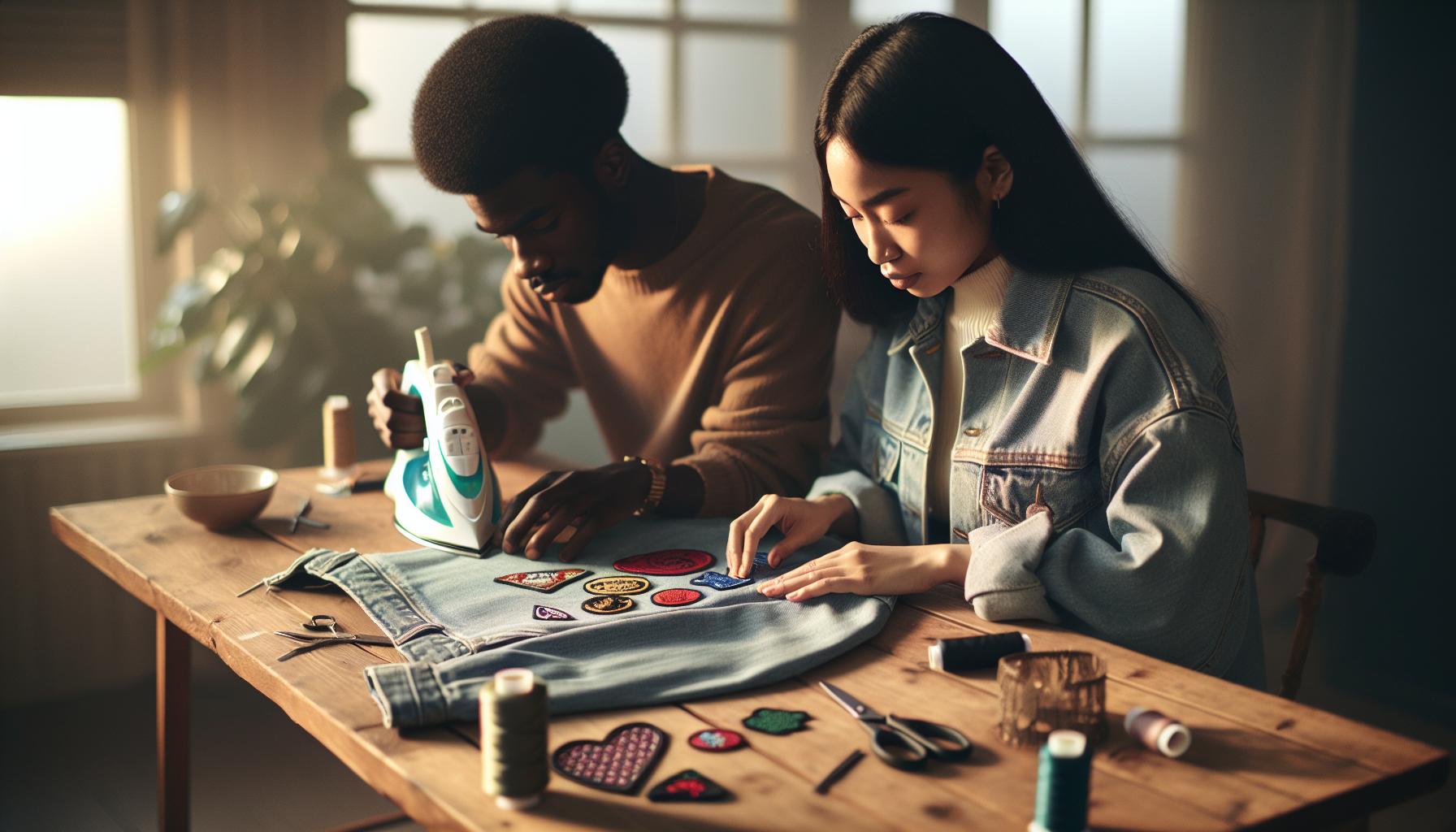
Attaching patches to your backpack is a fun and creative way to showcase your personality and interests. Whether you’re using iron-on or sewn patches, following a systematic approach can help ensure a flawless application. Here’s how you can do it effectively.
Start by selecting the ideal location for your patch. Consider the overall design of your backpack and where the patch can add the most visual appeal. Lay the backpack flat and position the patch before adhering it to check the alignment and spacing. Once satisfied, secure it in place with a small piece of tape or use a fabric pin to hold it steady while you work.
Next, if you’re using an iron-on patch, preheat your iron to the recommended temperature, ensuring steam is turned off. Place a heat-resistant cloth or parchment paper over the patch to protect both the patch and your backpack fabric. Press the iron down firmly but avoid sliding it as this could misalign the patch. Hold the iron in place for about 20 to 30 seconds, applying even pressure. For sewn patches, thread your needle with heavy-duty thread and knot the end. Start stitching from the inside of the backpack, securing the patch with small, tight stitches around its edges. Remember to take your time; neat stitches will enhance the overall look.
After securing the patch, let it cool or dry completely. If you used iron-on patches, allow the area to rest for a few minutes to ensure the adhesion is strong. For sewn patches, inspect the stitches to confirm they are even and tight. If using adhesive patches, check the manufacturer’s instructions for any additional steps required.
With your patches successfully attached, you’re now ready to flaunt your unique style! By following these steps, you can ensure a durable and aesthetically pleasing application that reflects your personality.
Creative Techniques for Patch Placement

One of the most exciting aspects of personalizing your backpack is the variety of creative techniques you can employ when placing patches. Rather than simply slapping a patch on any flat surface, consider how placement can create a narrative or visual flow on your backpack. Rearranging patches to form a cohesive design, such as a story or theme, can elevate the overall look, making it not just a bag, but a canvas that showcases your interests and personality.
When thinking about placement, consider utilizing layers and overlapping patches to create depth. For example, placing a larger patch in the center and smaller ones around it can draw the eye and create a focal point. Think about experimenting with diagonal lines as well; rather than adhering patches in a straight line, try an angled approach for a more dynamic look. This technique not only uses space creatively but also gives an impression of movement, making the backpack visually engaging from all angles.
Additionally, incorporate unexpected placements that challenge traditional norms. For instance, instead of only placing patches on the main body of the backpack, consider adding them to side pockets or even the straps. Such placements provide additional opportunities for expression and can transform these areas into points of interest. Don’t hesitate to mix textures and shapes-combining iron-on patches with sewn ones or adding contrasting materials can enhance the aesthetic appeal.
Finally, to really make your design pop, think about color coordination. Select patches with complementary colors or contrasting tones to harmonize with the general color scheme of your backpack. An eye-catching arrangement can feature patches with similar themes or colors that align well with your outfits or gear, ensuring your backpack stands out in a crowd. This thoughtfulness in patch placement not only demonstrates your style but can also inspire those around you, turning your backpack into a conversation starter.
Common Mistakes to Avoid When Applying Patches
Applying patches to your backpack can elevate its style and showcase your individuality, but several common mistakes can derail your efforts. A frequent pitfall is not preparing the fabric properly before application. Ignoring this step can result in poor adhesion or damage to the bag. Before you attach any patch, ensure the area is clean, dry, and free from any oils or dirt. A simple wipe down with a damp cloth followed by a thorough drying can make a significant difference.
Another mistake is the miscalculation of placement. It’s easy to think you can eyeball it, but this can lead to a lopsided or awkward appearance. Consider marking the area lightly with a fabric-safe pen or tape to visualize the layout before committing to adhesion. Using a ruler or measuring tape can also help ensure that patches are placed evenly and harmoniously on your backpack, contributing to a balanced design.
Many people also make the critical error of mismanaging the heat settings when using iron-on patches. Applying too much heat can scorch the fabric, while too little may leave the patch inadequately attached. Always check the patch’s instructions for the recommended temperature and duration. A good practice is to use a test area of the fabric, if possible, to avoid causing irreversible damage.
Finally, overlooking the care instructions for your backpack after applying patches can lead to premature wear and tear. Patches need protection just like the fabric they adorn. When washing your backpack, follow care recommendations to ensure both the bag and the patches maintain their integrity. Hand-washing or using a gentle cycle in cold water is typically ideal, along with air drying to preserve the patches longer and prevent peeling or fraying. By avoiding these common mistakes, you can ensure that your customizations remain stylish and durable over time.
How to Care for Patches on Your Backpack
To keep your backpack patches looking vibrant and intact, regular care and maintenance are crucial. Incorporating patches into your backpack not only personalizes it but can also extend the bag’s life by covering wear and tear. However, these patches require some attention to ensure they stay secure and visually appealing over time.
First, consider how you wash your backpack. Avoid machine washing, as the agitation can cause patches to fray or peel off. Instead, opt for hand washing your backpack with a gentle detergent. Use a soft cloth or sponge, and focus on the areas around the patches, making sure to avoid vigorous scrubbing, which can dislodge them. Rinse thoroughly and air dry your backpack in a shaded area to prevent fading from direct sunlight.
Storage is another key aspect of patch care. When not in use, store your backpack in a cool, dry place. Avoid folding it in a way that causes pressure on the patches, as this can lead to bending or cracking. Consider using a backpack cover or bag to protect it from dust and outdoor elements.
Finally, it’s beneficial to periodically check the patches for any signs of wear. If you notice edges starting to lift, you can reapply adhesive or carefully iron them again to secure the patch back in place. Taking these simple steps can help you maintain both the functionality and aesthetic of your backpack, ensuring it remains a cherished personal item for years to come.
By treating your patches with care and attention, you can proudly showcase your unique style while extending the life of your gear.
Unique Ideas for Customizing Your Backpack
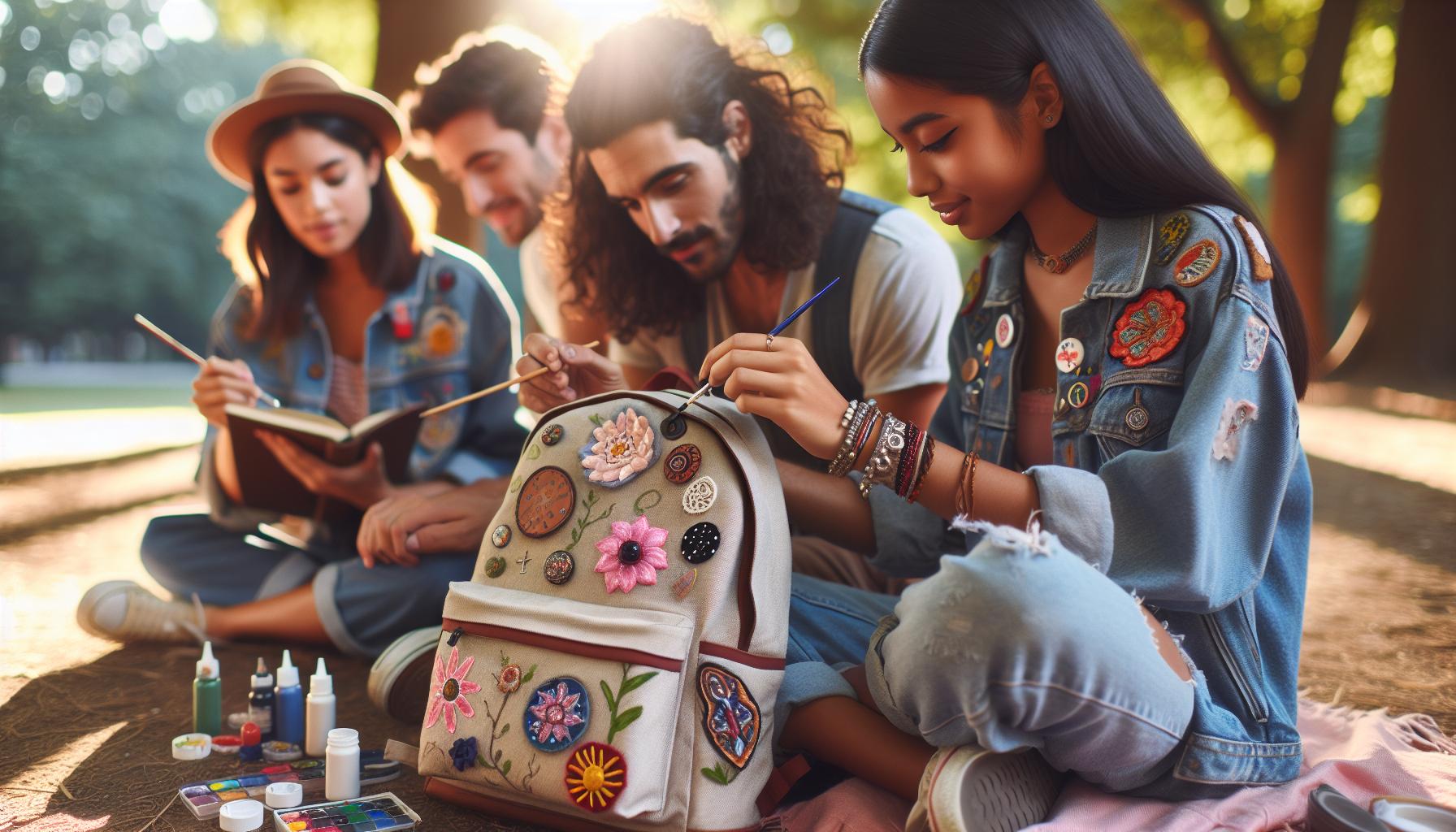
Customizing your backpack with patches is an exciting way to express your personality and interests while also adding flair to your everyday carry. Beyond simply attaching an assortment of patches, there are countless unique ways to make your backpack stand out. By embracing creativity, you can transform your gear into a true reflection of who you are.
One interesting approach is to create a themed patch display. Choose patches that align with a specific interest, such as travel, music, or art. For example, if you love hiking, you could select patches that feature national parks, outdoor brands, or related wildlife designs. This not only makes your backpack visually unique but also sparks conversations with fellow enthusiasts. Consider spacing out the patches to create a visual journey-starting with your favorite outdoor patch at the top and working your way down to a patch representing your most recent adventure.
Another idea is to incorporate non-traditional elements alongside your patches. Think about adding fabric swatches, buttons, or even small keychains to create layered textures. These items can be sewn or pinned alongside your patches, adding depth and intrigue. Alternatively, using Glow-in-the-Dark or reflective patches can enhance visibility in low-light conditions, making your backpack both stylish and practical for evening adventures.
Additionally, personalize your patches further by customizing them. Many online stores offer options to create your own patches featuring text, images, or unique designs. This can be especially meaningful; you might choose to add a favorite quote or a symbol that represents a pivotal life event. Engaging in this DIY spirit enables you to transform the ordinary backpack experience into something deeply personal.
To really elevate your backpack customization, think about the placement of your patches. Instead of sticking to traditional arrangements, consider forming shapes or patterns. For instance, arranging patches in a heart or a sunburst layout can create a stunning focal point. Experiment with symmetry and asymmetry to find the design that feels right for you. Ultimately, the goal is to make your backpack not just a utility item, but a canvas for your creative expression. Embrace the opportunity to showcase your journey while inspiring others to do the same.
Revamping Old Backpacks with Patches
Breathe new life into an old backpack with the vibrant addition of patches, transforming it from a worn-out accessory into a personalized statement piece. Not only do patches help disguise scuffs and marks, but they also infuse your backpack with character and individuality, reflecting your interests and style. Whether you want to memorialize a cherished moment, enhance its aesthetic appeal, or simply make practical use of an outdated bag, revamping your backpack with patches is a creative solution that anyone can undertake.
To start, gather your materials. You’ll need a mix of unique patches that resonate with you-be it quirky, artistic, or travel-themed. Consider visiting local craft stores or exploring online platforms like Etsy or Pottery Barn Kids, which offer a variety of options from embroidered patches to custom designs ([1], [2]). Make sure to choose patches that contrast well with your backpack’s color for maximum impact. After selecting your patches, it’s essential to clean your backpack to create a suitable canvas-remove dirt and lint, and if needed, wash it according to the care instructions.
Next, think carefully about patch placement. Instead of randomly sticking them on, lay them out first to visualize the arrangement. This planning stage allows you to explore themes or patterns, such as a travel itinerary or a showcase of your favorite bands. Once you’re satisfied with the layout, you can securely attach each patch. Use an iron-on method for convenience or sew them in for a more durable finish. Remember to test a small area of the fabric with heat if you’re using the iron-on method to ensure it can withstand the heat.
Finally, don’t shy away from layering or complementing your patches with other creative embellishments, such as pins or fabric scraps. This can add depth and texture, making your backpack a rich tapestry of visual narratives. Embrace the opportunity to craft a backpack that not only serves a functional purpose but also tells your personal story every time you carry it. The revamped backpack will stand as a testament to your journey and experiences while inspiring those around you to express their styles in new and inventive ways.
Safety Tips for Backpack Patch Application
Applying patches to your backpack can be a fun way to express your personality, but it’s important to prioritize safety throughout the process. Many people overlook potential hazards associated with heat application or sewing, which can lead to injuries or damage to your gear. Here are some key safety tips to keep in mind for a smooth patching experience.
Always start by assessing the materials of both the patch and the backpack. Some fabrics are more sensitive to heat, which can lead to burns or melting when using iron-on patches. To ensure safety, conduct a quick heat test on a small, hidden area of the fabric before proceeding. This precaution not only protects the backpack but also helps you gauge the appropriate temperature settings for the iron. If you’re using an iron, keep it on a heat-resistant surface, and never leave it unattended while in use.
When dealing with sharp tools, such as needles or scissors, exercise caution to prevent injury. Use a thimble when sewing, especially through thick materials, to protect your fingers from pricks. Additionally, keep your workspace organized to reduce the risk of accidents; stray pins or scissors can cause injuries if left out in the open. For a seamless sewing experience, consider using a sturdy, non-slip mat underneath your fabric to provide stability and prevent slipping.
Finally, remember to ventilate your workspace when applying patches using adhesives, as some methods may release fumes. Ensure you’re working in a well-ventilated area, particularly if you choose fabric glues that contain chemicals. Always read and follow the safety instructions on the adhesive packaging for best practices.
By following these safety tips, you can enjoy a creative patching process while minimizing risk, transforming your backpack into a stylish and personalized accessory with confidence.
Inspiring Patch Designs to Showcase Your Style
In the world of backpack customization, patches serve as a vibrant canvas for self-expression. Whether you’re a student looking to stand out in the hallway or an outdoor enthusiast wanting to reflect your journeys, the right patches can speak volumes about your style and interests. From whimsical animals to intricate designs and inspiring messages, the options are virtually limitless, offering a unique way to make your backpack feel truly your own.
When selecting patches, consider designs that resonate with your personality. For outdoorsy types, patches featuring nature themes such as mountains, forests, or wildlife can evoke a sense of adventure. On the other hand, pop culture references, such as retro cartoon characters or favorite bands, can bring a nostalgic touch to your gear. Think about creating a story with your patches: you might choose to display patches from places you’ve traveled, hobbies you enjoy, or important life milestones, forming a patchwork narrative that reflects your journey.
Mixing Textures and Styles adds another layer of creativity. Combining embroidered patches with fabric patches can create a dynamic visual appeal. For instance, an embroidered patch of a mountain range might be paired with a denim star patch to convey a sense of wanderlust and fun. Don’t shy away from layering patches for a more eclectic look; just ensure they are securely attached to maintain a clean appearance.
Ultimately, the goal is to create a backpack that not only serves its practical function but also showcases your unique style. So grab those patches, mix and match with abandon, and let your backpack tell your story!
Caring for Backpack Fabric After Applying Patches
Caring for your backpack fabric after applying patches is essential to maintain both its aesthetic appeal and functional integrity. Once you’ve personalized your backpack, the last thing you want is to see it deteriorate due to neglect. Effective care not only prolongs the life of your patches but also keeps the underlying fabric in top condition.
To protect your backpack fabric, start with gentle cleaning. Use a soft cloth or sponge, mild detergent, and lukewarm water to wipe down the fabric regularly. Avoid harsh chemicals that could degrade the patch material or cause discoloration. Additionally, spot-clean any stains as soon as they occur, dabbing gently rather than scrubbing to prevent damage to the fabric or peeling of the patches.
Washing Tips
If your backpack needs a more thorough wash, keep these guidelines in mind:
- Check Label Instructions: Always follow the manufacturer’s care label for specific washing recommendations.
- Remove Loose Items: Before washing, take out all contents and check for loose patches or potential snaggers.
- Hand Wash Recommended: Whenever possible, opt for hand washing instead of machine washing to prevent excessive agitation that may loosen patches.
Storage Considerations
Proper storage also enhances the longevity of your backpack and its patches. Keep it in a cool, dry place away from direct sunlight, which can fade colors over time. If you’re storing it for an extended period, consider using a fabric bag to prevent dust accumulation while allowing air to circulate.
By implementing these simple yet effective care practices, your backpack can remain a stylish and durable companion on all your adventures, ensuring that both the patches and the fabric look vibrant and fresh for years to come.
Q&A
Q: How do I choose the best patches for my backpack?
A: Choosing the best patches for your backpack involves considering the material, size, and design. Opt for fabric patches made from durable materials like cotton or nylon. Ensure the size complements your backpack’s dimensions and choose designs that reflect your personal style or interests.
Q: Can I put patches on a waterproof backpack?
A: Yes, you can put patches on a waterproof backpack. However, ensure the adhesive is suitable for waterproof materials. Sewn patches are often more durable and maintain waterproofing better than adhesive options. Refer to the “Essential Tools for Applying Patches” section for suitable methods.
Q: What type of adhesive works best for backpack patches?
A: Fabric glue designed for textile applications is best for backpack patches. It provides strong adhesion without damaging the fabric. For added durability, consider using a heat-activated adhesive, but make sure to follow the instructions carefully for optimal results.
Q: How can I ensure my patches stay in place?
A: To ensure your patches stay in place, use a combination of sewing and fabric glue. Start with a strong adhesive for initial bonding, then sew the edges to secure the patch longer term. Following the “Step-by-Step Guide to Attaching Patches” will help with this.
Q: Are there any safety tips for applying patches to my backpack?
A: Yes, safety tips for applying patches include working in a well-ventilated area when using adhesives, keeping hot tools away from flammable materials, and ensuring you don’t burn yourself while using heat for application. Always refer to “Safety Tips for Backpack Patch Application” for detailed guidelines.
Q: How often should I check the condition of patches on my backpack?
A: You should check the condition of patches on your backpack regularly, ideally every few months, especially after intensive use. This helps you catch any fraying or detachment early, allowing timely repairs to maintain the patch’s appearance and functionality.
Q: Can I remove patches from my backpack without damaging it?
A: Yes, patches can often be removed without damaging your backpack by gently peeling them off or using a seam ripper for sewn patches. For adhesive patches, applying heat with a hairdryer can loosen the adhesive. Refer to the “Common Mistakes to Avoid When Applying Patches” for best practices.
Q: What are creative ways to arrange patches on my backpack?
A: Creative patch arrangements include creating a themed collage, using a symmetrical layout, or forming geometric patterns. Consider balance and contrast in colors and shapes. For inspiration, check the “Inspiring Patch Designs to Showcase Your Style” section for unique ideas.
In Conclusion
Now that you’ve learned how to effectively put patches on your backpack, it’s time to get creative and personalize your gear! Remember, each patch tells a story and can truly elevate your backpack’s style. Don’t forget to check out our related guides on DIY patch sewing techniques and how to properly care for your backpack to enhance your adventures even further.
If you found these pro tips helpful, please consider subscribing to our newsletter for more expert advice on everyday carry gear and outdoor essentials. Have questions or want to share your favorite patching tips? Drop a comment below! Your feedback helps us improve and create even better content for you. Keep exploring and stay engaged with our community as you customize your gear!