Packing a backpack for a trip can significantly influence your comfort and enjoyment during your adventure. Did you know that the average backpacker carries about 20-30% of their body weight? This can lead to fatigue and discomfort if not managed correctly. Whether you’re a seasoned hiker or a beginner planning your first overnight adventure, understanding how to pack efficiently is crucial. Not only does it help you remain agile on the trail, but it also ensures you have everything you need for a successful journey while avoiding unnecessary weight. In this guide, we’ll explore weight-saving secrets that will enhance your packing skills and make your outdoor experiences more enjoyable. Get ready to discover practical tips that will transform how you approach your gear!
How to Choose the Right Backpack for Your Adventure
Choosing the right backpack is essential for a successful and comfortable backpacking adventure. The backpack you select will have a significant impact on how enjoyable your trip will be, particularly when it comes to weight distribution and access to your gear. A well-fitted backpack allows you to carry your load efficiently while minimizing strain on your body. When evaluating options, consider the volume, fit, and features that align with your planned activities.
Start by determining the capacity you need based on the length of your trip. Backpack sizes are often measured in liters and typically range from 30 liters for day hikes to 70 liters or more for extended trips. A general guideline is that weekend trips usually require about 50-70 liters, while longer treks may necessitate larger packs.
Next, prioritize fit and comfort. Look for adjustable features such as a hip belt and shoulder straps that can be customized to your body shape. The torso length should match your height; many brands provide measurement guidelines to help you find your appropriate size. Remember to try on backpacks with some weight to get a sense of how they feel when loaded.
Finally, consider additional features that could enhance your experience. Hydration reservoirs or pockets for water bottles, external straps for gear, and compartments for organization can make life on the trail easier. Opt for backpacks made from durable, water-resistant materials to ensure that your gear is protected from the elements. By selecting a backpack that fits well and meets your adventure’s specific requirements, you set the stage for a more enjoyable and rewarding backpacking journey.
Understanding the Importance of Weight Distribution

When it comes to backpacking, the way you distribute weight within your pack can significantly influence your comfort and endurance on the trail. Proper weight distribution not only prevents strain and fatigue but also enhances your stability, allowing you to navigate uneven terrain with greater ease. A well-balanced backpack centers its weight close to your body, which minimizes unnecessary swaying and helps you maintain an upright posture. This is particularly crucial when ascending hills or when traversing rocky paths, as a balanced load can prevent falls and injuries.
To achieve optimal weight distribution, begin by placing your heaviest items-such as food supplies or a tent-against your back and as close to your center of gravity as possible. This positioning helps maintain your balance, reducing the risk of tipping forward or backward as you move. Lighter items, like sleeping bags or clothing, should be packed higher up or towards the top of the pack, thereby ensuring that the weight is spread evenly. Additionally, consider utilizing external pockets for frequently accessed gear, such as water bottles or snacks; this can reduce the need to rummage through your pack and disturb the weight balance once you’re on the trail.
Here are some practical tips to enhance your packing strategy for effective weight distribution:
- Use Compression Bags: These can help reduce the volume of your gear, allowing you to remove empty space and maintain a tighter pack.
- Secure Items Within Your Pack: Ensure that items are snugly fit to prevent them from shifting during movement. This will help maintain your center of gravity.
- Consider Your Body Type: Every backpacker is different; what works for one person may not work for another. Experiment with positioning different gear until you find what feels best for your body and adventure style.
Ultimately, understanding and implementing proper weight distribution techniques not only enhances your overall experience but also contributes to your safety and well-being on the trail. A well-packed bag makes for a more enjoyable journey, allowing you to focus less on discomfort and more on the beauty of nature around you.
Essential Packing Techniques for Backpacking Trips
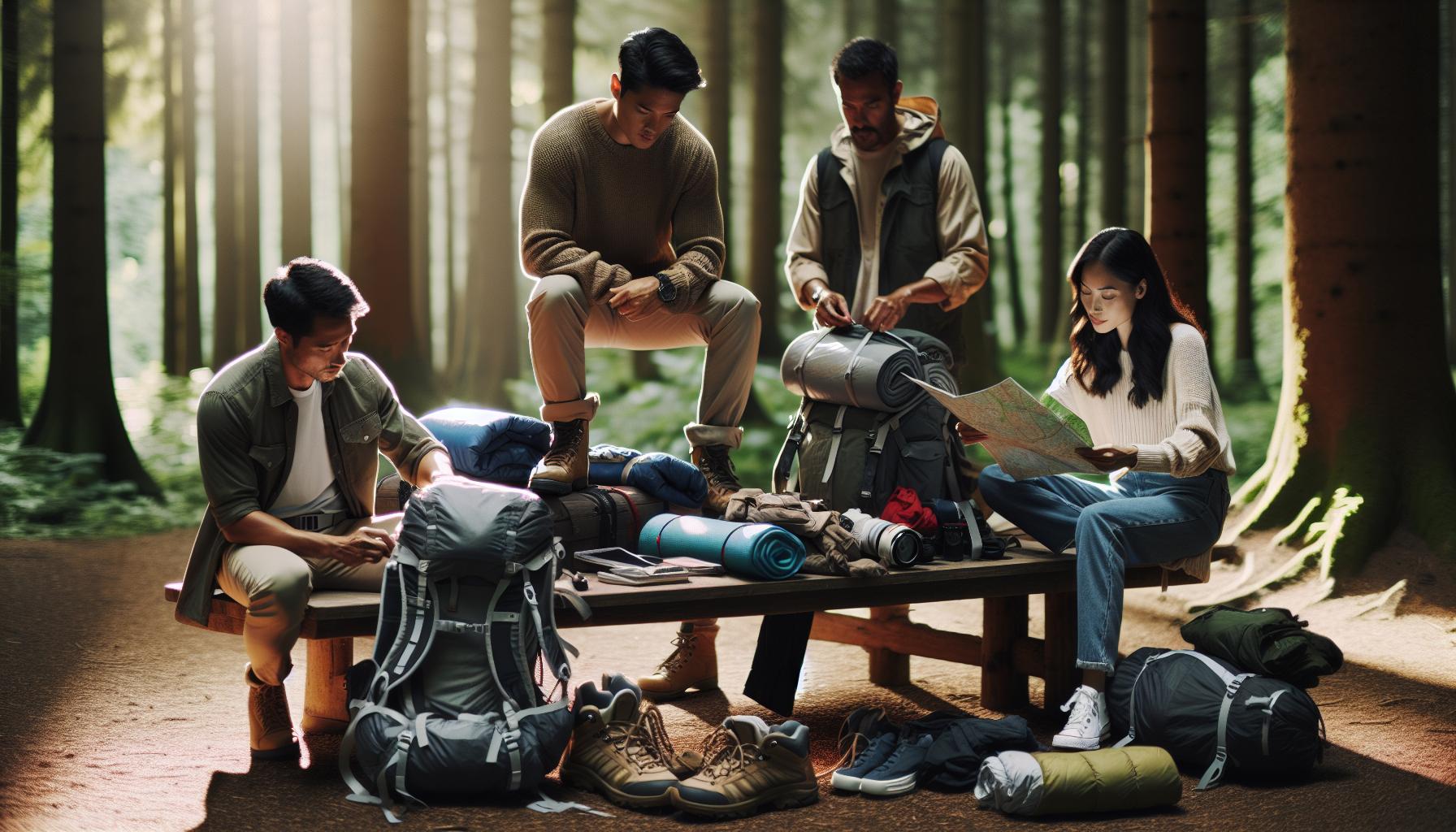
When embarking on a backpacking trip, mastering the art of packing can be just as crucial as choosing the right gear. Not only does efficient packing contribute to overall comfort and ease of movement, but it also enhances your ability to access needed items quickly, ultimately enriching your outdoor experience. Each backpacking adventure demands a unique approach to packing, and applying a few essential techniques can make all the difference.
One of the most effective strategies is to compartmentalize your gear using packing cubes or stuff sacks. This method allows you to organize your items by category, such as clothing, cooking equipment, and toiletries, making it easier to locate what you need without digging through your entire pack. For instance, consider designating a bright-colored stuff sack for your first aid kit – not only does it stand out, but you can also quickly grab it in emergencies. Additionally, when packing your clothes, roll them instead of folding to save space and reduce wrinkles, maximizing every inch inside your backpack.
Moreover, the order in which you pack your gear is vital. Begin with heavy items at the bottom of your pack, close to your back, to maintain a low center of gravity and aid in weight distribution. After securing heavier gear, layer lightweight items on top. Place frequently used items like snacks or a rain jacket in external pockets or at the top of your pack for easy access. This tactical approach can prevent unnecessary disruptions while on the trail and keep your momentum going.
Finally, consider utilizing multi-functional items wherever possible. For instance, a bandana can serve as a sweatband, washing cloth, or even a makeshift pouch. By selecting versatile gear and packing it thoughtfully, you can streamline your load, avoid overpacking, and ensure that you’re well-prepared for any adventures that await on the trail. Emphasizing efficiency in your packing strategy will not only lighten your load but will also enhance your overall enjoyment and comfort during your backpacking journey.
Lightweight Gear: Must-Have Items to Save Weight

Packing light is not just a trend in backpacking; it’s a necessity for a comfortable and enjoyable outdoor experience. The right lightweight gear can significantly reduce your pack weight, allowing you to hike farther and with less strain. As you prepare for your adventure, consider investing in essential items designed with weight-saving features without compromising performance or comfort.
Start with a high-quality, lightweight tent or hammock. Modern options such as ultra-lightweight tarps or freestanding tents often weigh less than 3 pounds yet provide essential protection from the elements. Additionally, choose a sleeping bag rated for the season but with an emphasis on weight. Down sleeping bags, for instance, offer excellent warmth-to-weight ratios, making them ideal for reducing bulk while you sleep under the stars.
When it comes to cooking gear, opt for compact, multi-purpose items. A lightweight stove that folds into a tiny package, combined with a fuel canister and an efficient pot, can make a world of difference. Consider titanium or aluminum cookware, which circulates heat efficiently and minimizes weight. Pair your cooking essentials with dehydrated meals – they are not only lightweight but also quick to prepare, saving you time and energy during your trips.
Don’t overlook personal items like your backpack itself; selecting a well-fitted, lightweight pack designed with advanced materials can decrease the overall weight you carry. Aim for a pack that weighs around 2-3 pounds for a mid-sized backpack, bringing along innovations like external pockets for easy access to gear. Lastly, add lightweight clothing items, such as merino wool base layers or synthetic outfits that dry quickly and are breathable, which can also save bulky weight while keeping you comfortable.
By investing in lightweight gear and thoughtfully selecting each item you carry, you’ll enhance your backpacking experience, enabling you to enjoy longer treks with greater ease and efficiency. Each ounce saved contributes to a more enjoyable journey, allowing you to focus on the beauty around you rather than the weight on your back.
Strategic Clothing Choices for Optimal Packing

Choosing the right clothing for a backpacking trip can make or break your experience on the trail. The right attire not only contributes to your comfort but also helps you save valuable pack weight. By opting for versatile, lightweight clothing items, you can ensure that every piece serves multiple purposes while keeping your load manageable.
When it comes to strategic clothing choices, consider materials that provide moisture-wicking capabilities and quick-drying properties. Fabrics like merino wool and synthetic blends are excellent choices as they regulate temperature and reduce the risk of odor buildup. This is particularly beneficial for multi-day hikes, allowing you to wear fewer clothes over a longer period without feeling uncomfortable. Layering is another essential tactic: a well-thought-out layering system allows you to adapt to varying weather conditions while maximizing the versatility of the clothing you pack.
Key Items to Consider:
- Base Layers: Look for lightweight, moisture-wicking base layers that can be used in different weather scenarios.
- Insulation Layer: A packable down or synthetic jacket can provide warmth without adding much weight. Choose one that compresses easily.
- Outer Layer: A lightweight, breathable rain jacket is essential. Opt for one that is also wind-resistant to protect against the elements.
- Pants and Shorts: Select quick-drying options that convert from pants to shorts for versatility. This reduces the number of items needed and can help adapt to changes in temperature.
- Footwear: Lightweight hiking shoes or trail runners are preferable for reducing pack weight while offering support. Don’t forget to pack moisture-wicking socks to enhance comfort.
Incorporating strategic clothing choices not only maximizes comfort but also streamlines packing. Aim to limit clothing to a few versatile pieces, rethinking what you need for each day on the trail. By prioritizing lightweight options and layering capabilities, you can hit the trail prepared for changing conditions without overloading your backpack. Your clothing can be a powerful ally in enhancing your overall outdoor experience, allowing you to focus on the adventure ahead rather than the gear you’re carrying.
Food and Hydration: Efficient Packing Solutions
Packing food and hydration for a backpacking trip is a crucial element that can significantly affect both your energy and overall experience on the trail. Efficiently packing these essentials not only minimizes weight but also maximizes nutritional value and convenience. One key principle is to focus on dehydrated or freeze-dried meals, which offer substantial energy while taking up minimal space and weight. Additionally, snacks such as nuts, dried fruits, and energy bars can provide quick bites of fuel when energy levels lag, making them essential companions for longer treks.
When it comes to hydration, selecting the right tools can make all the difference. Consider carrying a lightweight hydration reservoir or collapsible water bottles that fit snugly in your pack, reducing the clutter and weight compared to traditional bottles. Make sure to know the water sources available along your route so you can carry just enough to keep you hydrated without overloading your pack. Water purification tablets or lightweight filters are indispensable for ensuring clean drinking water, allowing you to refill your supply safely from streams or lakes along the way.
Another strategy to keep in mind is meal preparation. Pre-packaging individual meal components in resealable bags can save space and prevent spills while also making it easy to grab what you need without digging through your entire pack. Organize your food by meals or snack types, keeping breakfast, lunch, dinner, and snacks in separate bags. This not only helps with quick access but also allows for easier planning regarding calorie intake throughout your day.
Lastly, keep in mind the importance of maintaining a balance between your food weight and your caloric needs. As a rule of thumb, aim for around 1.5 to 2.5 pounds of food per day, depending on the intensity of your activities. Utilizing lightweight cooking gear, such as a compact stove and nestable cookware, can also enhance your cooking efficiency while keeping your pack light. By implementing these strategies, you can ensure that your food and hydration needs are well met, enabling you to focus on enjoying the beauty of the wilderness around you.
Organizational Tools for Easy Access and Efficiency
Effective organization inside your backpack can transform a daunting trek into an enjoyable adventure. An organized pack ensures that essential items are easily accessible, enabling a smoother experience on the trail and saving you the trouble of rummaging through your gear when you need something quickly. By implementing systematic packing strategies and investing in the right organizational tools, you can significantly enhance both your efficiency and enjoyment during your outdoor excursions.
One practical approach is to categorize items into specific groups, using small pouches or stuff sacks. For instance, designate one bag for cooking gear, another for first aid supplies, and yet another for your clothing. Clear, labeled pouches make it easy to locate gear without unpacking everything. Choose lightweight, durable materials for these bags, such as nylon, which can withstand the rigors of travel without adding much weight. Additionally, consider color-coding these pouches for instant recognition-this simple visual cue can save valuable time when you’re in the middle of a hike.
Another clever technique involves using compression bags for clothing. These specialized bags not only reduce the volume of your packed items but also help keep your clothing organized and protected from moisture. By compressing your clothes, you can save space for other essentials and maintain a balanced weight distribution in your pack. Compact and lightweight, compression bags easily integrate into your packing scheme, helping you maximize every inch of your backpack and keep your items free from unnecessary bulk.
Utilizing External Attachment Points
For added convenience, make use of external attachment points on your backpack. Straps, loops, and daisy chains allow you to secure frequently used items, such as trekking poles, a rain cover, or water bottles, directly to the outside of your pack. This not only frees up space inside but also keeps these essentials within arm’s reach. Be mindful to attach heavier items lower on the pack to maintain proper balance, optimizing your center of gravity while walking.
Ultimately, maintaining a well-organized backpack provides a functional advantage on the trail. With a little forethought and the right tools, you can streamline your packing process, reduce stress while hiking, and ensure that you have everything you need at your fingertips. This organization not only facilitates access but also promotes an efficient packing strategy that can enhance your overall experience outdoors.
Packing for Different Seasons: Tips and Tricks
When preparing for a backpacking adventure, understanding how to pack effectively for varying seasons is crucial for both comfort and safety. Each season brings unique challenges, from heat and humidity in summer to freezing temperatures and snow in winter. Your packing strategy should not only focus on weight but also on adapting to these environmental factors, ensuring you have the right gear without excess bulk.
In warmer months, prioritize breathable fabrics and lightweight equipment. Consider materials like merino wool or synthetic fibers for clothing, which wick moisture away and dry quickly. When packing, opt for a hydration system such as a camelback or water bladder rather than heavy water bottles, which can add unnecessary weight. Don’t forget a compact, lightweight tarp or rain cover; summer showers can arrive unexpectedly, and being prepared can keep your essentials dry.
As the weather cools, your packing approach must shift. Layering becomes essential; pack a lightweight base layer, an insulating mid-layer, and a waterproof shell. This combination offers flexibility as you can add or remove layers depending on conditions. Additionally, include a significant warmth source, such as an insulated sleeping bag rated for the expected temperatures, and ensure your food choices adapt to colder weather. High-calorie options can help maintain energy levels when the body works harder to generate heat.
In the winter months, prioritize packing items that will keep you warm and safe. Invest in insulated, lightweight gear, such as down jackets and thermal socks, which can be compressed for easier storage yet provide necessary warmth. Convert your backpack into a winter-ready kit by adding snowshoes or crampons if your itinerary demands them. This time of year, food can also play a role in warmth; think about carrying items that may be prepared with boiling water, such as instant oatmeal or soups, which are comforting in the cold.
Finally, always consider the potential conditions you might encounter. Weather can quickly change, and being prepared for the unexpected is key. Equip your pack with a first aid kit, hydration tablets for additional electrolyte support, and a compact emergency shelter. Taking the time to ready your backpack with the appropriate gear will lighten your load on the trail and make for a far more enjoyable experience, regardless of the season.
How to Pack Delicate Items Safely
When you’re on the trail, the harsh realities of rough terrain and unpredictable weather can make you rethink how you handle delicate items. Whether it’s fragile electronics, breakable utensils, or even your favorite snack that you don’t want crushed, knowing how to pack these items safely is essential for a worry-free adventure. By employing some thoughtful packing techniques, you can protect your valuables while still keeping your load light and manageable.
To start, consider using padded cases or protective sleeves for items like cameras, smartphones, or binoculars. A lightweight silicone sleeve or a compact camera case can significantly reduce the chances of damage from bumps and drops. Remember to place these items in the middle of your pack, surrounded by softer items like clothing or sleeping bags, which can absorb shock. This central positioning also helps distribute weight effectively, keeping your balance and stability intact as you navigate challenging paths.
Utilizing Proper Packing Materials
In addition to using protective cases, packing materials like bubble wrap or even clothing can serve as excellent padding for your delicate gear. Wrap breakable items in a layer of clothing, and utilize any empty spaces in your pack to tuck in additional cushioning materials. If you’re carrying glass or similar fragile items, consider using a hard-sided container as a final protective layer. This approach not only safeguards the contents but also allows for a cleaner organization within your backpack.
Strategic Placement is Key
When packing your bag, strategic placement of these delicate items can make all the difference. Make sure to keep fragile items away from areas where heavier gear is stored, such as sleeping bags or cooking supplies that might move around during transit. Ideally, isolate them in a specific compartment if your backpack has one, or designate one section of your pack as a delicate items zone. Use internal dividers or packing cubes to further separate these items if you can, preventing unwanted collisions that could lead to breakage.
By taking these steps to safeguard your delicate items, you can focus more on enjoying the beauty of your adventure instead of worrying about potential mishaps. With a bit of foresight and proper packing techniques, your delicate gear can travel with you safely across any landscape.
The Role of Compression Bags in Weight Saving
When it comes to backpacking, every ounce counts. One often overlooked yet incredibly effective tool in the quest for a lighter load is the compression bag. Designed to reduce bulk while keeping your gear organized, compression bags can make a significant difference in your overall pack weight and shape. They work by compacting soft items, like clothing and sleeping bags, into a much smaller, manageable size, allowing you to create more space in your backpack for other essentials.
How Compression Bags Work
Compression bags typically feature a roll-top or air valve design that facilitates expelling excess air. When you place your gear inside, these bags compress the contents into a dense package. This is especially handy for items that are otherwise cumbersome, such as insulated jackets, down sleeping bags, or bulky layers that would otherwise take up valuable space in your pack. By minimizing the size of these items, you can not only save space but also help maintain better weight distribution among your gear.
- Improved Organization: Many compression bags come in various sizes and colors, which can aid in categorizing your belongings-keeping sleeping gear, clothing, and other items neatly separated.
- Water Resistance: Compression bags are often made from durable, water-resistant materials, providing an extra layer of protection against moisture in variable weather conditions.
- Ease of Packing: Since compression bags help items maintain a compact form, they make loading your backpack easier, allowing you to fill gaps and utilize every inch of space effectively.
Choosing the Right Compression Bag
When selecting a compression bag, consider the type of gear you’ll be utilizing. For example, a sleeping bag compression sack should accommodate the specific dimensions of your bag while allowing enough room for air removal without overstressing the seams. Additionally, look for features like reinforced stitching, adjustable straps, and compatibility with various packing systems.
Real-world adaptability is another essential factor to keep in mind. For extended trips where gear versatility is crucial, choosing a compression bag that doubles as a stuff sack can be a smart option. This adaptability ensures you can transition seamlessly from pack organization to on-the-go packing as conditions change.
Ultimately, incorporating compression bags into your packing strategy can lead to significant weight savings and enhanced organization on the trail. By prioritizing space and ensuring ease of access to your gear, those extra kilos or pounds can easily translate into a more enjoyable and less burdensome backpacking experience.
Advanced Packing Tricks for Experienced Backpackers
Experienced backpackers know that efficient packing can significantly influence the quality of the outdoor experience. One of the most effective advanced packing tricks is using a top-loading strategy for your backpack. This means packing items in a way that ensures your most frequently used gear remains easily accessible on the top of your pack, while bulkier items, such as sleeping bags or extra layers, can be placed at the bottom. In a scenario where a sudden rainstorm appears, having your rain gear at the top can make a world of difference in staying dry without rummaging through your entire bag.
Another smart approach is creating a packing system using color-coded dry bags or lightweight pouches. Assign different colors for categories of items-such as red for cooking gear, blue for clothing, and green for hygiene supplies. This visual aid can save time on the trail by allowing you to grab the right bag quickly without needing to sift through everything. Furthermore, consider using packable pouches that can double as daypacks for shorter excursions from your campsite. This versatility can reduce the number of items you carry overall.
Additionally, take advantage of compression straps and the external pockets of your backpack. Strapping items like trekking poles or a sleeping pad externally can free up precious internal space. Similarly, utilizing the gear loops and daisy chains can help keep your essentials organized and easily reachable. When packing food and hydration, opt for a hydration bladder for streamlined access and distribute heavier items close to your back for better weight distribution, ensuring stability on rugged terrain.
Lastly, don’t overlook the importance of multi-use items. For instance, a bandana can function as a pot holder, a washcloth, or a sweatband. Talented packers often bring along a lightweight tarp that can serve multiple purposes, from a shelter to a ground cloth for cooking. By integrating multi-functional gear into your packing system, you can save space and minimize weight, crafting an optimized setup that is crucial for those longer treks where every ounce counts.
By employing these advanced packing strategies, veterans of the trail can embrace the journey with a well-organized, efficient backpack, paving the way for a more enjoyable and successful outdoor experience.
Maintaining Your Pack: Care Tips for Longevity
Maintaining your backpack is essential for ensuring its longevity and reliability during your adventures. A well-cared-for pack not only enhances your outdoor experience but can also save you money by prolonging the need for replacements. Regular cleaning, inspection, and proper storage are key practices that go a long way in preserving the integrity of your gear.
Cleaning Your Backpack
After each trip, it’s important to clean your backpack to remove dirt, dust, and moisture that can lead to mildew or material degradation. Depending on the material of your pack, you can usually follow these general steps:
- Empty Your Pack: Before washing, remove all items including small pockets and compartments.
- Brush Off Dirt: Use a soft brush or cloth to remove surface dirt.
- Handwash: Mix a mild detergent with warm water and scrub gently with a sponge, paying special attention to areas that show heavy use.
- Rinse Thoroughly: Rinse with clean water to remove all soap residue, which can affect the fabric’s performance.
- Air Dry: Always air dry your pack in a shaded, well-ventilated area away from direct sunlight to prevent fading and deterioration of materials.
Inspection and Repairs
Regularly inspecting your backpack for signs of wear and tear can help you catch small issues before they become major problems. Here’s what to look for:
- Check Seams and Zippers: Inspect stitching and zippers for any signs of fraying or malfunction. A few stitches can often be repaired with a needle and thread.
- Look for Damage: Check for holes or rips in the fabric. Small tears can often be patched with repair tape or specialized fabric repair kits to prevent further damage.
- Test Buckles and Straps: Ensure all buckles, straps, and adjusters work properly. Lubricate moving parts if necessary to keep them functioning smoothly.
Proper Storage Practices
When not in use, how you store your backpack can also affect its lifespan. Follow these tips for optimal storage:
- Keep It Dry: Always store your pack in a cool, dry place to prevent moisture buildup, which can lead to mold and mildew.
- Avoid Compression: Unless you’re packing it away for a specific trip, avoid leaving your backpack compressed for extended periods. Hang it up or store it loosely to maintain its shape.
- Fill with Soft Items: If you need to store it, consider filling it with soft items like clothing or packing cubes to help maintain its shape and avoid creases.
By incorporating these maintenance routines into your packing and storage practices, you can ensure that your backpack remains reliable and robust, ready to accompany you on countless adventures. Proper care not only extends the life of your pack but also enhances your overall backpacking experience by providing peace of mind and readiness on the trail.
Q&A
Q: What are the best methods to reduce backpack weight?
A: To reduce backpack weight, utilize lightweight gear, pack only essentials, and eliminate unnecessary items. Consider multi-use tools and clothing made from lightweight materials. Compression bags can also help minimize volume, making it easier to manage your load efficiently.
Q: How should I distribute weight in my backpack?
A: For optimal weight distribution, place heavier items close to your back and at the mid-height of your pack. Lighter items should go towards the top and outside pockets for easy access. This arrangement improves balance and comfort during your hike.
Q: What essential items should I pack to minimize weight?
A: Focus on ultra-light gear such as a sleeping bag, tent, and cooking system. Essential items include a compact first aid kit, a portable water filter, and dehydrated meals. This helps maintain functionality while keeping your pack light, as detailed in the section on lightweight gear.
Q: How can I pack food efficiently for backpacking?
A: Pack lightweight, high-calorie foods such as nuts, energy bars, and dehydrated meals in vacuum-sealed bags. This saves space and ensures freshness. Additionally, plan meals to minimize items and weight, making meal prep easier on the trail.
Q: What strategies can help with packing for different seasons?
A: For different seasons, prioritize packing versatile layers that can be adjusted according to weather changes. Use moisture-wicking and insulating fabrics while minimizing bulky items. Refer to the section on packing for seasons for tailored advice.
Q: How do compression bags help save space in a backpack?
A: Compression bags reduce the volume of clothes and sleeping gear by removing excess air. This allows for more efficient packing, enabling you to maximize available space in your backpack and distribute weight evenly.
Q: When is it necessary to adjust packing strategies during a hike?
A: Adjust your packing strategies during a hike when you run low on resources or if the terrain changes. For instance, move heavy items closer to your back for balance on steep ascents or redistribute weight if you start feeling uneven discomfort.
Q: Why is pack maintenance important for backpacking?
A: Maintaining your pack ensures it performs optimally and lasts longer. Regularly check for wear and tear, clean the fabric, and make necessary repairs. This prolongs the life of your backpack and helps you stay comfortable on your adventures.
To Wrap It Up
Now that you’re equipped with essential weight-saving secrets for backpacking, it’s time to take the plunge and optimize your gear for your next adventure! Remember, every ounce counts when it comes to comfort and mobility on the trail. If you found this guide helpful, check out our articles on choosing the best backpacks and mastering everyday carry essentials.
Curious about how to maintain your gear or need inspiration for your next trip? Explore our resources on Swiss Army knives and karambits for practical tips and guidance. Don’t hesitate to share your packing strategies or ask questions in the comments below-your insights could help fellow adventurers!
Finally, be sure to subscribe to our newsletter for the latest tips and exclusive content tailored for outdoor enthusiasts. Your next great adventure starts with the right preparation, so gear up, get out there, and enjoy the journey!