Crafting your own backpack is not just a fun DIY project; it’s an opportunity to express creativity while ensuring your gear is tailored to your unique needs. Whether you’re a student schlepping books, an adventurer tackling backwoods trails, or a commuter navigating city life, a well-made backpack can vastly improve your experience. In this guide, we will walk you through the essential steps to design and sew a backpack that suits your lifestyle perfectly. You’ll learn about fabric choices, practical features, and construction techniques that empower you to create a durable, functional, and stylish bag. Join us as we delve into this rewarding project, helping you master the art of backpack making while gaining valuable sewing skills along the way!
Choosing the Right Materials for Your Backpack
When embarking on the journey of creating your own backpack, the choice of materials can make or break the project. Selecting the right fabrics not only affects the aesthetic appeal but also determines the durability, weight, and functionality of your bag. For instance, if you plan to use the backpack for hiking or traveling, consider materials like nylon or polyester, which are known for their lightweight properties and resistance to abrasions and water. They provide a robust shield against the elements, ensuring your items stay dry and safe.
In addition to the main fabric, pay close attention to the lining and additional features. Canvas is another excellent choice, especially if you’re aiming for a more rugged appearance. It’s heavier but offers great durability and a vintage vibe that many outdoor enthusiasts appreciate. Inside the backpack, ripstop nylon works well for linings, as its grid pattern prevents tearing and adds an extra layer of protection. When choosing your materials, think about the weight capacity the backpack must handle; this can influence whether you opt for lighter materials or invest in stronger, heavier options.
Also, don’t overlook the significance of hardware and accessories. The straps should be made from sturdy webbing or polyester for added strength, and zippers should be reliable, preferably from well-known brands like YKK, to ensure they withstand daily use. If you want extra protection against rain, consider coated zippers or waterproof seals, which can significantly enhance your backpack’s functionality.
Ultimately, your choice of materials should align with your specific needs and intended use. It’s advisable to create a mock-up or test small swatches before committing to a full-scale project, allowing you to feel the texture, weight, and quality before sewing your final product.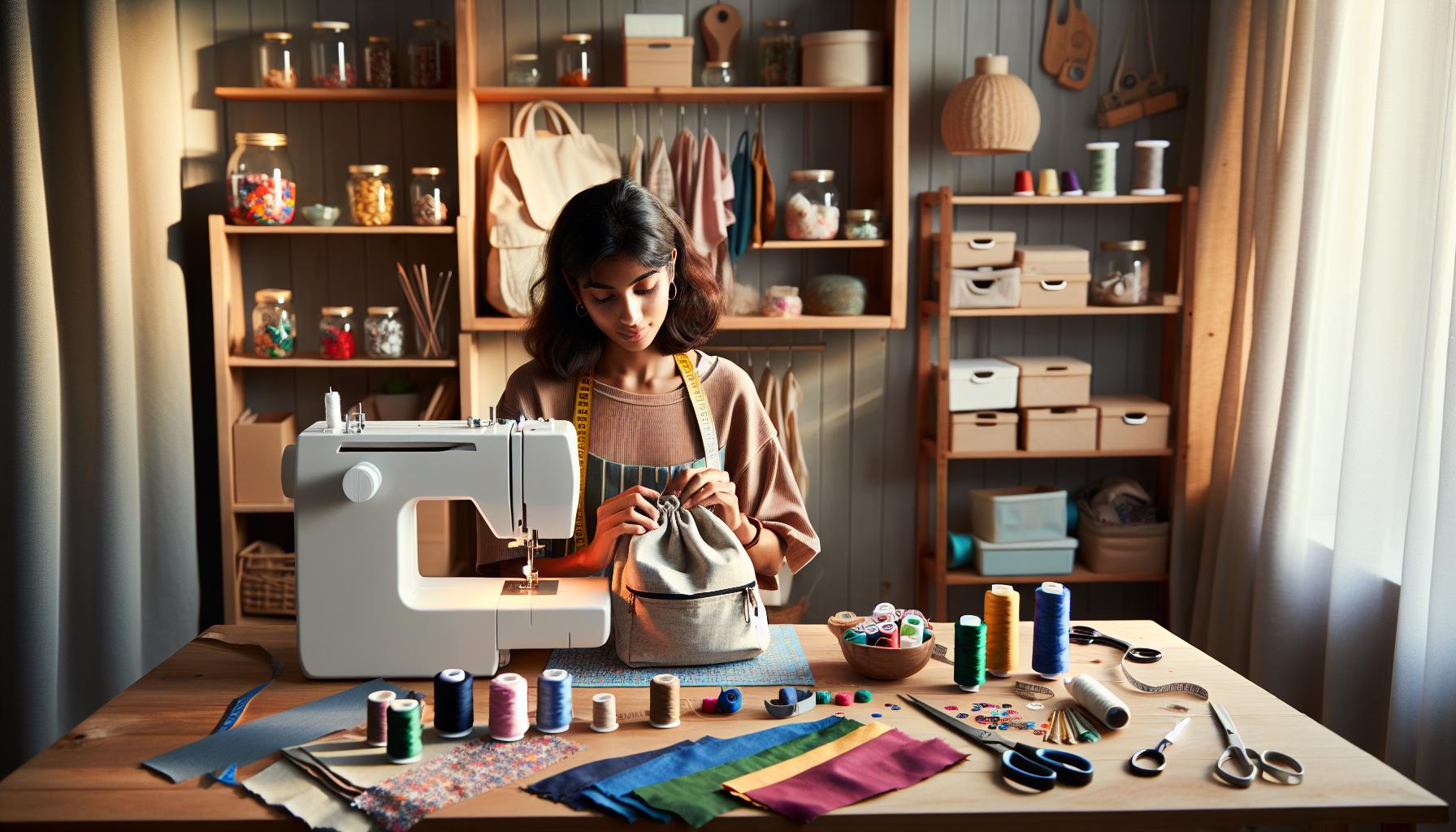
Essential Tools for Your DIY Backpack Project
When embarking on your DIY backpack project, having the right tools is just as essential as selecting quality materials. The right tools not only streamline your process but also enhance the overall quality of your finished product. Whether you’re a seasoned crafter or a budding enthusiast, investing in the following essential tools will significantly elevate your backpack-making experience.
Basic Sewing Tools
Before diving into construction, ensure you have fundamental sewing tools ready at hand. These include:
- Sewing Machine: A reliable sewing machine that can handle multiple layers of fabric is crucial, especially when working with sturdy materials like canvas or nylon.
- Fabric Scissors: Invest in a good pair of fabric scissors to ensure clean cuts, which prevent fraying and improve the overall finish of your seams.
- Measuring Tape: Precision is key in sewing; a flexible measuring tape helps in taking accurate measurements of your materials.
- Seam Ripper: Mistakes happen, and a seam ripper allows for easy corrections without damaging your fabric.
Specialized Tools for Features
Adding functional elements like pockets and straps requires specific tools. Be sure to include:
- Rivet Gun: For added durability in areas of stress (like where straps attach), a rivet gun can be a game-changer.
- Eyelet Tool: Use this for creating holes to insert grommets, which can help with airflow in pockets or add decorative elements.
- Walking Foot or Teflon Foot: These are attachments for your sewing machine that help feed multiple layers of thick fabric evenly, reducing puckering.
Finishing Touches
To personalize and enhance the utility of your backpack, gather these tools:
- Tailor’s Chalk or Fabric Marker: These are perfect for marking seams or cutting lines without affecting the fabric.
- Heat-Sealed or Waterproof Tape: For extra protection on seams, this tape can provide a waterproof seal that contributes to the longevity of your backpack.
With these essential tools, you’ll be well-equipped to tackle your DIY backpack project. The craftsmanship involved can be incredibly rewarding, transforming raw materials into a personalized bag tailored to your specific needs. As you work through each step of the construction process, remember that having the right tools at your disposal not only enhances efficiency but can also inspire creativity in your design. Happy sewing!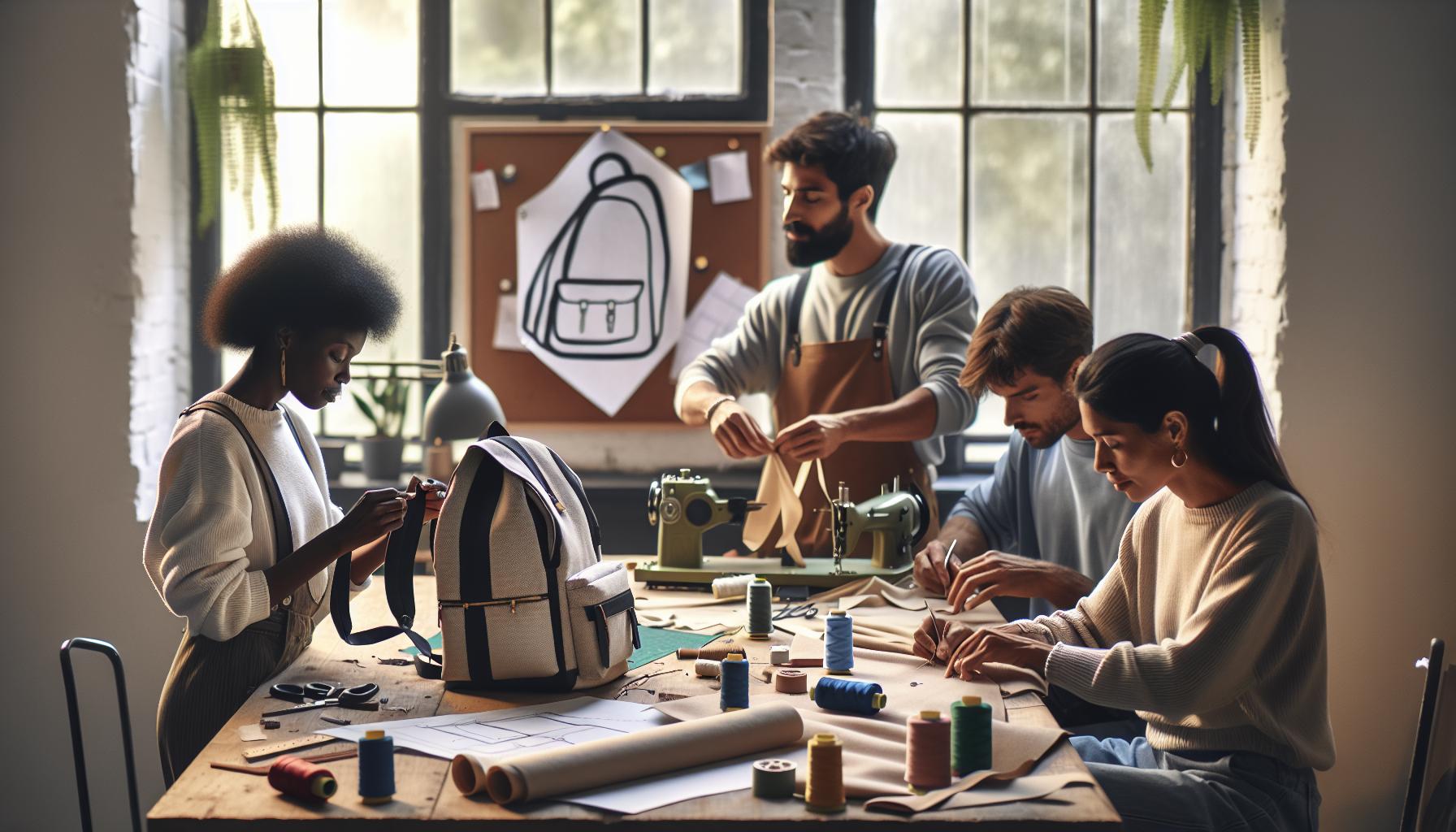
Step-by-Step Guide to Backpack Construction
When crafting your own backpack, it’s essential to approach the construction process with a clear and organized plan. From choosing the right fabric to the final stitching, each step plays a crucial role in the durability and functionality of your bag. Begin by laying out all your materials and tools in an orderly fashion to ensure a smooth workflow.
Start with cutting your main fabric. Measure and cut your pieces according to your backpack pattern, ensuring that you account for seam allowances. This may include sections for the front, back, sides, top flap, and any pockets. A good tip is to label each piece with tailor’s chalk, which makes it easier to keep track of parts as you assemble your backpack.
Next, assemble the main body of the backpack. Begin by sewing the side panels to the back piece. Use a straight stitch and reinforce the seams by going over them a second time. If your design includes pockets, sew them onto the appropriate side before attaching the front piece. This way, you can avoid awkward stitching after everything is assembled. For added durability in high-stress areas-like where straps will be attached-consider using a rivet or bar tacking technique to reinforce your stitching.
Once the main body is sewn together, it’s time to add the features that personalize your backpack, like straps, zippers, and closures. Attach the straps securely to ensure they can bear weight, and consider using a walking foot on your sewing machine for the thicker sections of fabric. Finally, finish off your construction with any desired embellishments or waterproofing techniques, such as applying heat-sealed tape on seams, which enhances longevity and protects your belongings from moisture.
As you progress through these steps, remember to frequently check that your measurements and cuts align. Taking the time to measure twice and cut once can save significant trouble down the line. And don’t forget to enjoy the process; creating your own backpack not only provides a practical solution for carrying everyday essentials but also offers a rewarding DIY experience that reflects your personal taste. Happy sewing!
Creating Functional Pockets and Compartments
When designing a backpack, is crucial for maximizing organization and accessibility. A well-planned pocket layout not only enhances usability but also adds structural integrity to your bag. Consider your everyday items: a water bottle, laptop, and snacks-all require distinct spaces that allow for easy access while keeping them secure. Adding compartments can elevate the practical aspects of your backpack, making it a reliable companion for both daily commutes and outdoor adventures.
To start building your pockets, think about the size and type of items you’ll frequently carry. For instance, if you plan to use your backpack for hiking, incorporate a specialized side pocket for a water bottle, enabling easy access while on the move. For electronics, create a padded sleeve in the main compartment that fits snugly around your laptop or tablet, protecting it from impacts. Consider zippered or flap pockets for smaller items like your phone or keys-these secure compartments prevent loss and make it easy to retrieve necessities quickly.
Pocket Design Tips
Here are some design tips to effectively integrate pockets into your backpack:
- Sketch Your Layout: Begin with a rough drawing of your backpack’s dimensions and layout. Mark where you want each pocket, considering functionality and ease of access.
- Support Structures: Reinforce pockets with extra stitching, especially if they will hold heavier items. Adding a base to pockets can also enhance their shape and capacity.
- Utilize Lightweight Materials: Choose fabric for pockets that matches the main body but is lighter. This will help keep the backpack manageable without compromising on strength.
- Consider Mesh or Elastic: For pockets that need to stretch or accommodate various items, consider using mesh fabric or elastic bands-ideal for quick access items like snacks or water bottles.
Additionally, think about closures-zippers, snaps, or Velcro can be used depending on your design aesthetics and the functionality you need. A well-placed Velcro flap can allow for quick access to frequently used items, while zippers offer security and protection against the elements. As you finalize your design, keep testing your layout with actual items to ensure everything fits as intended and is easily accessible. Balancing aesthetics with practicality is key to creating a backpack that serves both your style and everyday needs effectively.
Customizing Your Backpack: Design Tips and Tricks
Creating a custom backpack allows you not only to personalize your gear but also to solve specific functional challenges you may face in your daily life or adventures. One of the key aspects of customizing your backpack lies in selecting a distinctive design that reflects your personality while ensuring functionality. Start by choosing colors and patterns that resonate with you; for example, a bright, bold fabric can make your backpack stand out during a hike, while a sleek, subdued tone may suit urban environments.
You can further enhance your backpack with unique elements, such as adding reflective strips for visibility during evening outings or incorporating custom patches and embroidery to showcase your interests. Utilize fabric paints or iron-on designs to create a one-of-a-kind look that tells your story. Think about the layout of your bag as well-adjusting strap placements, pocket sizes, and even the shape of the backpack can dramatically affect its usability. Consider a more contoured design if you aim for a sporty fit, or a boxy structure for a more traditional school backpack.
When it comes to adding functional touches, think about integrating modular components. For example, detachable side pockets can provide flexibility for carrying extra gear without permanently altering the main structure. You might also want to include a hydration reservoir system for long hikes, allowing for easy access to water while on the move. Remember, achieving a balance between aesthetics and practicality is essential, so don’t hesitate to tweak your design even as you begin sewing-sometimes adjustments made along the way can lead to the best results.
Finally, always plan for maintenance. By selecting waterproof materials and adding reinforcement to high-stress areas, you can extend the life of your custom backpack. Employing quality zippers and adjustable straps maintains both functionality and comfort, ensuring that your personalized piece remains a reliable companion for every adventure you embark on. Whether you’re on a weekend expedition or commuting to class, your customized backpack should be as versatile and unique as you are.
Sewing Techniques for Durability and Style
Sewing techniques play a crucial role in ensuring your backpack not only looks stylish but also withstands the rigors of daily use and adventure. One of the most effective ways to enhance the durability of your project is to familiarize yourself with various stitching methods. For instance, a triple straight stitch is perfect for seams that bear high tension, such as shoulder straps, while a zigzag stitch can effectively prevent fraying on fabric edges. Pairing these stitches with quality thread-such as polyester or nylon that’s less likely to break-can significantly improve the longevity of your backpack.
Additionally, consider using reinforced stitching in high-stress areas. To achieve this, double stitch over critical seams, especially near pockets and straps. Another tip is to implement bar tacks at stress points; these small, dense stitches provide extra security where it matters most. For example, stitching a bar tack at the base of a strap not only reinforces that area but also maintains the structural integrity of your design.
The choice of fabric also influences both style and durability. Opt for heavy-duty materials such as canvas or ripstop nylon, which can endure abrasions while providing a sleek appearance. In terms of aesthetic, using contrasting thread colors for decorative stitching or employing unique patterns can elevate the overall visual appeal of your backpack. Try experimenting with topstitching-this technique not only increases durability by adding an additional line of thread but also enhances the design aesthetic.
It’s essential to familiarize yourself with your sewing machine to understand its capabilities and avoid mishaps. A walking foot, for example, can be a game changer when working with thicker materials, ensuring that layers of fabric feed evenly without shifting. Lastly, don’t forget to finish edges with a serger or zigzag stitch to prevent fraying, giving your backpack a clean, professional look that will stand the test of time. By mastering these sewing techniques and applying thoughtful design choices, you’ll create a backpack that’s both durable and uniquely your own.
Adding Functionality: Straps, Zippers, and More
Adding the right features to your backpack can make all the difference in functionality and comfort. Straps, zippers, and other additional elements not only enhance usability but also allow for customization to suit your specific needs. For instance, padded shoulder straps can drastically improve comfort during extended wear, especially if your backpack will be loaded significantly. You might also consider adding an adjustable sternum strap to stabilize your load and reduce strain on your shoulders.
When it comes to zippers, selecting high-quality options is crucial. Look for heavy-duty zippers that can withstand daily stress and wear. For added functionality, consider incorporating zippers that open wide, allowing you to access the contents of your backpack easily-especially in deep compartments. It’s also useful to think about the placement of these zippers. Having side access zippers can make retrieving items quicker without having to take off the backpack.
Enhancing Storage Capability
Incorporating multiple pockets and compartments helps in organizing your items effectively. You might add a front pocket for quick-access items like your phone or keys. Additionally, consider internal sleeves for laptops or hydration bladders, which can keep your gear secure and accessible. Mesh pockets are excellent for holding smaller items while also allowing visibility of your essentials.
Each of these functionalities contributes not only to the usability of your backpack but also to your overall satisfaction with the DIY project. By thoughtfully incorporating straps, zippers, and pockets, you ensure your backpack fulfills its purpose-whether for everyday errands, outdoor adventures, or travel.
Personalizing Your Backpack: Embellishments and Finishes
Personalizing your backpack is not just about aesthetics; it’s an opportunity to express individuality while also enhancing functionality. With a few thoughtful embellishments and finishes, your DIY backpack can become a true reflection of your style and preferences. It’s surprising how small tweaks-like adding a unique patch or using vibrant fabric-can transform an ordinary bag into something truly personal.
To start, consider selecting fabrics that resonate with your personality. When choosing the exterior material, think about not only the visual impact but also the practical implications. For example, if you’re an outdoor enthusiast, choosing a water-resistant fabric can keep your gear safe while adding a pop of color or pattern. You might also incorporate elements like contrasting stitching or bias tape along the seams for a unique touch. These details not only elevate the appearance but also provide extra reinforcement in wear-prone areas.
Embellishments can further personalize your backpack’s look and functionality. Adding custom patches or badges can be an excellent way to showcase your interests-be it hiking, gaming, or your favorite sports team. Use iron-on patches or fabric glue for a no-sew option, or sew them on for durability. You can also employ fabric paint to create original designs or sketches, turning your backpack into a canvas for your creativity. Additionally, decorative charms or keychains attached to the zippers offer a playful element that can easily be swapped out when you want a change.
Finally, don’t underestimate the power of upgrading hardware. Unique zipper pulls in different shapes or colors can make a functional statement while enhancing your bag’s character. Opt for heavy-duty metal rings or colorful paracord to replace standard pulls, ensuring both style and strength. Additionally, consider crafting or selecting straps in fun colors or prints, either for the shoulder straps or as additional carrying options, which can complement your chosen fabric and overall design.
By infusing personality through these embellishments and finishes, your DIY backpack not only becomes more functional but also a distinct expression of who you are. Engage your creativity and enjoy the process-your backpack will not only carry your necessities but also embody your personal journey.
Troubleshooting Common DIY Backpack Issues
When embarking on your DIY backpack journey, encountering issues might seem daunting, but most problems can be fixed with a bit of know-how and patience. The key to troubleshooting successfully is to identify common pitfalls early and address them with practical solutions that can enhance both the durability and functionality of your backpack.
One frequent challenge is fabric fraying, which can compromise the integrity of your seams. To combat this, use a serger or a zigzag stitch along the edges of your fabric before you assemble your backpack. This technique significantly reduces fraying and extends the life of your fabric. Additionally, if you notice seams pulling apart, consider reinforcing them with a backstitch or adding a line of top-stitching for extra durability.
Another common issue is insufficient support in areas that bear the weight, such as straps and the backpack’s base. If your backpack feels flimsy or uncomfortable, try layering your fabric for added strength, or incorporate materials like foam or webbing to reinforce these critical points. Utilizing heavier, sturdier material for the bottom of your bag can also help prevent wear and tear from rough surfaces.
Next, if zippers malfunction, such as jamming or skipping teeth, they can be the most frustrating problem. Often, a small bit of lubricant can solve the jamming issue, but if the zipper is beyond repair, replacement is straightforward. Be sure to select a sturdy zipper suited to your bag’s purpose-heavy-duty zippers for outdoor adventures or more delicate options for everyday use can be your best bet.
Common Backpack Issues and Solutions
| Issue | Solution |
|---|---|
| Fabric fraying | Use a serger or zigzag stitch before assembly. |
| Weak seams | Reinforce with backstitching or top-stitching. |
| Uncomfortable straps | Layer materials or use additional support like foam. |
| Zipper issues | Lubricate or replace with a sturdy zipper. |
Finally, don’t overlook the importance of adjusting the fit of your backpack. An improperly fitted backpack can lead to discomfort or ineffective load distribution. Be sure to adjust the straps and back panel to suit your body. If your pack lacks adjustability, consider incorporating adjustable hardware during your initial sewing process to enhance its versatility.
Embracing these troubleshooting techniques not only helps in promptly resolving issues but also fosters a sense of accomplishment in your DIY project. With each challenge you overcome, you are one step closer to having a functional, personalized backpack that meets your needs.
Upcycling Materials for Eco-Friendly Backpacks
Repurposing materials for your backpack project not only helps reduce waste but also adds a unique touch to your creation. Many items that might otherwise end up in landfills can be transformed into functional components of your DIY backpack. Consider exploring your home for materials such as old curtains, jeans, or even upholstery remnants. These fabrics can provide durability and character, allowing you to craft a one-of-a-kind piece that reflects your personal style and commitment to sustainability.
In addition to common household fabrics, think about incorporating other materials that you may already have on hand. Old backpacks can serve as valuable sources for zippers, straps, buckles, and even clips. Carefully dismantling these worn-out items allows you to give them a new life in your project, while also saving money. Empty cardboard boxes can be cut and glued into the desired shape to create sturdy internal supports, providing extra structure to your backpack. Likewise, recycled plastic from bottles can be transformed into innovative features such as pockets or dividers, reinforcing your eco-friendly approach.
Tips for Upcycling Materials
- Choose durable fabrics that can withstand wear and tear.
- Mix and match different textures and colors for a visually appealing design.
- Think creatively about non-traditional materials, like using old blankets for padding.
- Ensure all components are clean and in good condition before incorporating them.
Before diving into your project, sketch out your design, considering how you will integrate these upcycled materials. Doing so not only enhances your backpack’s functionality but also fosters creativity as you work with available resources. This approach not only promotes sustainability but also gives a personal narrative to your bag, making each stitch a reflection of your values and creativity. By embracing upcycling, you not only create a functional piece but also contribute to a more sustainable future.
Maintaining and Repairing Your DIY Backpack
Keeping your DIY backpack in top condition not only extends its lifespan but also enhances its functionality, making it a reliable companion for your adventures. Regular maintenance can help prevent minor issues from developing into major repairs, enabling you to enjoy your creation for years to come. Here are some essential tips and techniques for maintaining and repairing your personalized backpack.
Start by cleaning your backpack regularly. Use a damp cloth and mild detergent to wipe down the exterior, paying special attention to areas around zippers and pockets where dirt can accumulate. For deeper cleaning, you can gently scrub the fabric with a soft brush and rinse with water. Be sure to air dry the backpack completely to prevent mildew. If your backpack is made from materials like canvas or cordura, consider using a fabric protector spray to maintain its water-resistance.
When it comes to repairs, be proactive. Small tears or frays in the fabric can often be mended using a simple sewing kit. A needle and thread matching the backpack’s color can reinforce weak spots. For larger issues, such as a significant tear, consider using durable patches-either fabric or adhesive-designed for outdoor gear. Apply these patches on the inside of your backpack for a cleaner look, and use a strong fabric glue for added security if you are stitching isn’t an option.
Zippers are common points of failure in any backpack. If you encounter a zipper that won’t slide smoothly, start by cleaning it with a toothbrush to remove any debris. If it’s stuck, a drop of lubricant or even a dab of wax (from a candle or crayon) can help ease the movement. If a zipper breaks entirely, remember that many replacement zipper pulls and even complete zipper replacement kits are available at craft or outdoor supply stores.
Lastly, store your backpack in a dry, cool place when not in use. Avoid leaving it in damp basements or hot attics, as extreme conditions can degrade both the fabric and components over time. By following these simple maintenance tips, you can ensure your DIY backpack remains a trusted part of your gear collection, ready for whatever adventures lie ahead.
Frequently Asked Questions
Q: What materials do I need to make a DIY backpack?
A: To make a DIY backpack, you’ll need durable fabric, such as canvas or nylon, sewing thread, interfacing for added structure, webbing for straps, zippers, and accessories like buckles. For full details on selecting materials, see the “Choosing the Right Materials for Your Backpack” section of our guide.
Q: How do I choose the right size for my DIY backpack?
A: The right size for your backpack depends on its intended use. For a school or day trip backpack, a volume of 20-30 liters is ideal. Ensure it fits your needs by measuring what you plan to carry and comparing it to common backpack dimensions.
Q: What sewing techniques are best for making a backpack?
A: For a durable backpack, use techniques like double stitching for seams, reinforced corners, and using a zigzag stitch to prevent fraying. Refer to “Sewing Techniques for Durability and Style” in our guide for comprehensive details on effective sewing methods.
Q: How do I add pockets to my backpack design?
A: To add pockets, decide on the type (zippered, patch, or mesh), cut the fabric accordingly, and sew them into desired locations before assembling the main backpack. This enhances functionality without compromising the backpack’s structure.
Q: Can I personalize my backpack?
A: Yes, personalizing your backpack can include adding patches, embroidery, fabric paint, or different color zippers. This section can enhance aesthetic appeal and uniqueness, making your backpack truly one-of-a-kind.
Q: What are common troubleshooting tips for DIY backpacks?
A: Common issues include uneven straps, misaligned zippers, and fabric fraying. To troubleshoot, check stitch tension, ensure straights cuts, and reinforce seams. Insights can be found in our “Troubleshooting Common DIY Backpack Issues” section.
Q: How can I maintain my DIY backpack?
A: Maintaining your backpack involves regular cleaning according to fabric care guidelines, checking for loose threads, and treating any wear with patching or sewing repairs. For detailed maintenance strategies, refer to the “Maintaining and Repairing Your DIY Backpack” section.
Q: What eco-friendly materials can I use for my backpack?
A: Consider using recycled fabrics, organic cotton, or upcycled materials for your backpack. These eco-friendly choices contribute to sustainable practices while ensuring durability. For more on this, visit the “Upcycling Materials for Eco-Friendly Backpacks” section of our guide.
In Summary
Congratulations on embarking on your DIY backpack sewing journey! You’ve learned how to create a custom backpack that perfectly suits your style and needs. Now, it’s time to put your skills into action! Don’t hesitate to explore related projects like “DIY Travel Accessories” and “How to Customize Clothing” for more creative outlet options.
If you found this guide helpful, consider signing up for our newsletter to receive more tips and tutorials directly in your inbox. Should you have any questions or wish to share your backpack-making experience, drop a comment below-we’d love to hear from you! Remember, the possibilities are endless, and by honing your sewing skills, you open the door to countless personalized creations. Keep crafting, and happy sewing!