As you embark on your journey in search of a reliable backpack, understanding its cost is crucial. A good backpack is more than just a bag; it’s an investment in comfort, convenience, and durability for daily adventures or outdoor escapades. Did you know that the price range for quality backpacks can vary dramatically, from budget-friendly options to high-end models? Each tier offers distinct features that cater to different needs, making it essential to evaluate what you truly require. In this guide, we will delve into how much you should expect to spend on a good backpack in 2025, taking into account factors like materials, functionality, and brand reputation. By the end, you’ll be equipped with the knowledge to make an informed choice that suits your lifestyle and budget, ensuring that your backpack not only meets your expectations but enhances your daily experience. So, let’s explore the value of investing wisely in this essential gear!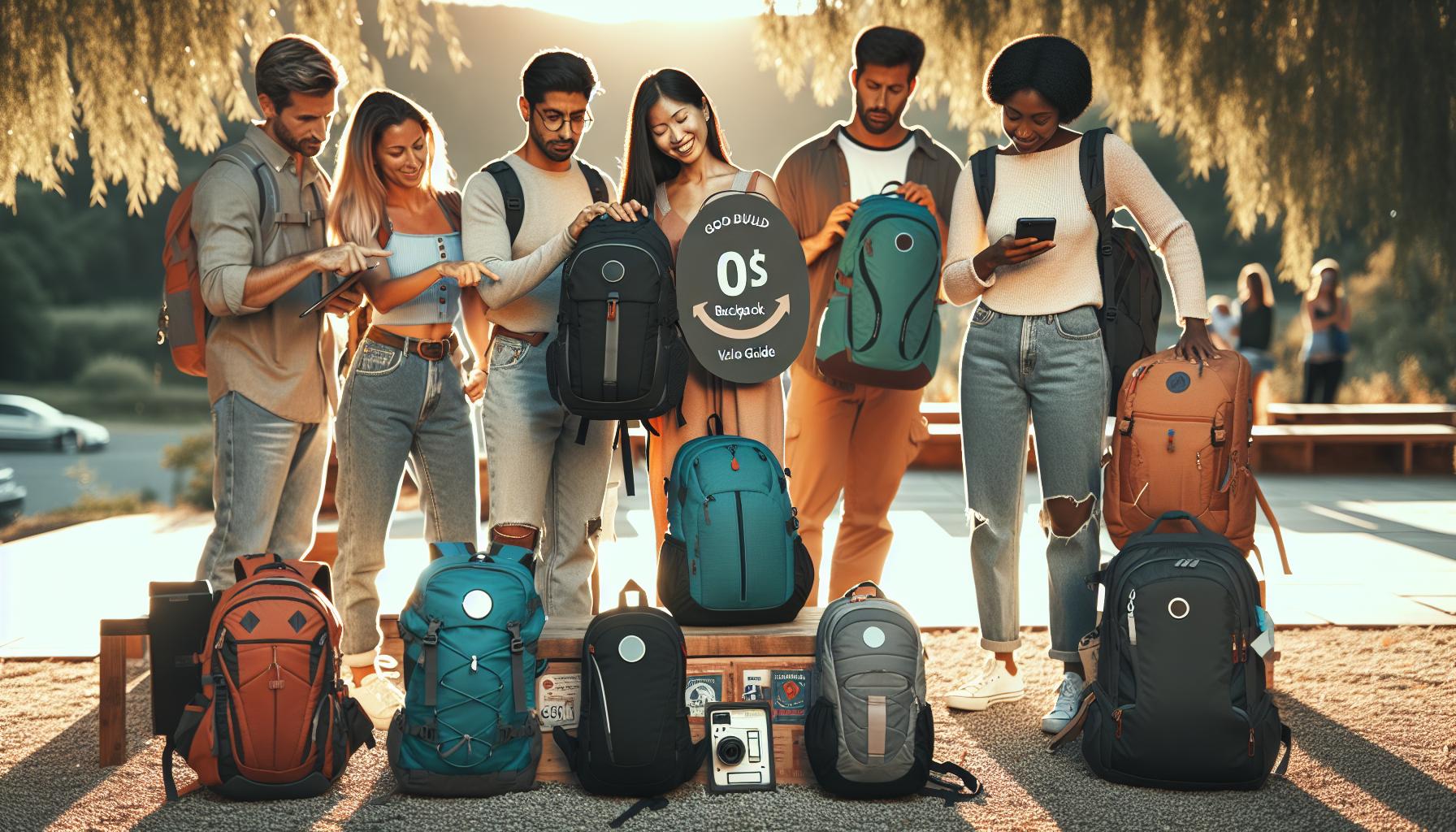
Key Factors Influencing Backpack Price
The price of a backpack can vary dramatically based on several key factors that influence its overall value. Understanding these elements helps shoppers make informed decisions and choose a backpack that best fits their needs and budget.
One of the primary influences on backpack pricing is material quality and durability. Backpacks constructed from high-quality fabrics such as ripstop nylon or waterproof materials tend to be more expensive, but they offer increased longevity and resistance to wear and tear. Features like reinforced stitching, quality zippers, and padded straps also contribute to a higher price tag, reflecting the investment in craftsmanship and design intended to enhance comfort and functionality.
Another significant factor is the brand reputation. Recognized brands often charge a premium due to established trustworthiness, performance standards, and customer service reputation. These brands may offer warranties or guarantees that less well-known companies do not, providing shoppers with additional peace of mind. Furthermore, the features included-such as ergonomic designs, specialized compartments, or tech integrations like USB ports-can increase a backpack’s value. Buyers should compare these features to determine whether they align with their specific usage needs, whether for everyday carry or more specialized activities like hiking or travel.
Ultimately, understanding these key factors allows consumers to evaluate what they are truly paying for. While a budget backpack might initially seem appealing, it’s essential to consider long-term durability and usability, as investing in a more expensive, high-quality backpack could lead to savings over time by avoiding replacements.
Understanding Material Quality and Durability
When choosing a backpack, the importance of material quality and durability cannot be overstated. High-quality materials not only enhance the aesthetic appeal of a backpack but also directly influence its lifespan and functionality. For instance, fabrics like ripstop nylon or Cordura are designed to resist tearing and abrasion, making them ideal for daily use or outdoor adventures. Investing in a backpack made from these materials may lead to higher initial costs, but the durability they offer often translates to long-term savings by eliminating the need for frequent replacements.
Durability is further enhanced by specific features incorporated into the design. Reinforced stitching at stress points, high-quality zippers, and adjustable, padded straps contribute significantly to a backpack’s endurance. For example, a backpack with a robust frame and ample padding can distribute heavy loads more effectively, reducing discomfort during prolonged use. Additionally, waterproof or water-resistant coatings protect contents from the elements, making such backpacks a wise choice for outdoor enthusiasts or anyone navigating wet conditions.
Understanding the materials and construction methods can empower shoppers to identify which backpacks will best meet their needs. Always check for product specifications that highlight the fabric type, weight, and any additional protective features. This knowledge allows consumers to assess whether the price of a backpack fairly reflects its quality and longevity. By prioritizing features that enhance durability and practicality, you not only make an informed purchase but also enjoy the peace of mind that comes with knowing your investment is built to last.
Investigating Brand Reputation and Trustworthiness
When it comes to selecting the perfect backpack, brand reputation and trustworthiness can play a pivotal role in determining the value of your investment. A well-established brand often signifies quality, durability, and customer support, crucial elements that can significantly influence your satisfaction with a purchase. Many consumers rely on the history and feedback surrounding brands, such as North Face, Osprey, or Patagonia, which have consistently produced reliable outdoor gear and backpacks. Their reputations are built on years of performance, innovation, and commitment to customer service, making them safer choices compared to lesser-known brands that might not have the same track record.
Before making a purchase, consider exploring the brand’s history and its approach to production. For instance, brands that invest in R&D to develop durable, weather-resistant materials are often more trustworthy. Look for certifications such as bluesign® or the Global Organic Textile Standard (GOTS), which denote environmentally friendly practices. Brand transparency about manufacturing processes and sourcing can also indicate a company’s reliability. Engaging with a brand’s community through social media or outdoor events can provide insight into user experiences, further solidifying or questioning the brand’s reputation.
Additionally, online reviews and testimonials are invaluable resources for evaluating trustworthiness. Pay close attention to feedback regarding product longevity and customer service experiences. A company with great products but poor customer support may not be the best choice if you need assistance or have an issue with your backpack. You can often find detailed feedback on websites like Amazon or specialized outdoor gear forums, which can aid in validating a brand’s claims.
Ultimately, prioritizing brands with a strong reputation not only reduces the likelihood of post-purchase regret but can also enhance your overall experience with the product. Remember, a trustworthy brand often translates to higher resale value and support for future repairs or issues, making the initial investment more worthwhile over time.
Comparing Features: What Increases Value?
When investing in a backpack, understanding the features that add value can significantly influence your choice and satisfaction. The nuanced differences between models can range from basic functionality to advanced features that cater to specific activities. For example, a simple daypack may serve casual users well, but avid hikers or travelers may find enhanced features crucial for their needs.
One of the primary aspects to consider is compartmentalization. Backpacks with multiple compartments allow better organization of gear, making it easier to access items without unpacking. Features like a dedicated laptop sleeve or insulated pockets for water bottles can enhance utility, especially for commuters and students. Additionally, backpacks designed for outdoor activities often include technical features like hydration reservoirs and gear loops, which cater directly to the needs of adventurers.
Another feature that elevates the value of a backpack is adjustability. Look for adjustable straps, both for the chest and waist, which not only improve comfort but also help distribute weight evenly during prolonged use. Carrying a heavy load becomes far more manageable when the backpack fits snugly against the body. Furthermore, backpacks with ventilation systems, such as mesh back panels or airflow channels, can significantly enhance comfort, especially in warm climates.
Durability also plays a crucial role in the long-term performance of a backpack. Fabrics like ripstop nylon or heavy-duty polyester resist wear and tear better than standard materials. Reinforced stitching and robust zippers add to this durability. Waterproof or water-resistant coatings can protect your belongings during unexpected rain showers, making a backpack a worthwhile investment.
In summary, when comparing backpacks, consider the array of features that enhance its functionality and comfort. Investing in a backpack that aligns with your personal needs and preferences ensures that you’re not just purchasing a bag, but a reliable companion for all your adventures.
Types of Backpacks: Budget vs. Luxury Options
Investing in a backpack often raises the question: should you go for budget options or splurge on luxury models? Understanding the differences can guide your decision towards a purchase that fits both your needs and your budget. Budget backpacks typically range from $20 to $60 and are suitable for everyday use, whether for school, casual outings, or light travel. These backpacks usually prioritize essential features like basic compartmentalization and durability over advanced functionalities. They may not use high-end materials, but they can still serve their purpose well for casual wearers or students who need something simple yet effective.
On the other hand, luxury backpacks often come with price tags exceeding $100 and can go into the hundreds or even thousands of dollars, especially if they are designer brands. These high-end options offer features that enhance both functionality and style-think high-grade materials, ergonomic designs, and specialized compartments for tech gear or outdoor essentials. For instance, a luxury backpack might include weather-resistant zippers, a hydration system, and intricate organizational features that cater to enthusiasts of specific activities like hiking or commuting.
When choosing between a budget and a luxury backpack, consider the following aspects:
- Frequency of Use: If you backpack daily or for strenuous activities, investing in a luxury model could pay off in terms of durability and comfort.
- Features Needed: Assess what functionalities are necessary for your lifestyle. If you only require a basic model for infrequent use, a budget backpack might suffice.
- Brand Loyalty: If you prefer to support a particular brand known for quality, this might influence your decision, steering you towards the more premium options.
- Style Preferences: Luxury backpacks often double as fashion statements, so if aesthetics are a priority, a higher price might be justified.
Ultimately, whether opting for a budget or a luxury backpack, the key is to evaluate how well the features align with your specific needs and how much you are willing to invest in a reliable companion for your adventures.
Essential Accessories: What Do You Need?
Equipping yourself with the right accessories can significantly enhance the functionality and comfort of your backpack, making it easier to tackle daily tasks or adventurous outings. While a quality backpack can stand alone, the right accessories can expand its usability and make your experience much more enjoyable. For example, consider items such as hydration bladders or insulated water bottles that fit into designated compartments, allowing you to stay hydrated efficiently without sacrificing space for other essentials. For those often carrying tech devices, a padded sleeve or separate tech pouch can help protect your gadgets and ensure quick access.
When selecting accessories, it’s also vital to think about organization. Packing cubes can be game-changers for keeping your backpack tidy, allowing you to sort items by type-clothes, toiletries, or electronics-making packing and unpacking smoother. Additionally, carabiners can serve multiple purposes, from attaching gear externally to securing additional items, further extending the versatility of your backpack’s storage capabilities.
One often-overlooked accessory is a rain cover; it protects your belongings from unexpected downpours, which especially benefits those who take their backpacks into various weather conditions. For those who frequent busy environments or work settings, adding a simple lock can bolster security when leaving your pack unattended.
Another important aspect of backpack accessories is personal comfort. For extended wear, consider adding padded shoulder straps or a hip belt for better weight distribution-the improvement in comfort cannot be overstated. Lastly, integrating a portable charger can ensure your devices remain powered throughout the day, particularly during long outings or work sessions. With the right accessories, your backpack becomes more than just a carrying tool; it transforms into a well-thought-out system that meets all your needs efficiently.
Where to Buy: Retail vs. Online Prices
Finding the right place to purchase a backpack can significantly impact not only your experience but also your wallet. With the rise of online shopping, consumers face a wealth of options, making it crucial to understand the benefits and drawbacks of both retail and online purchases. Generally, traditional retail stores offer the advantage of in-person inspection. Shoppers can physically feel the material, try on the backpack for fit and comfort, and assess the size relative to their needs. Additionally, staff can provide personalized assistance, helping customers navigate features or answering specific questions on-the-spot, which can be especially beneficial for those unfamiliar with various brands or backpack types.
On the other hand, online shopping provides a more extensive selection often at competitive prices. Websites frequently have sales that brick-and-mortar stores might not match, including seasonal discounts, clearance events, or exclusive online deals. Furthermore, the convenience of shopping from home cannot be understated; customers can compare prices, read reviews, and make informed choices without the pressure of salespeople. However, when buying online, it’s essential to consider shipping costs and return policies. While many retailers offer free return shipping, it’s wise to confirm this to avoid hidden costs that could negate any savings found.
Understanding the pricing dynamics between retail and online options can also guide your decision-making process. For instance, physical stores might have higher overhead costs that can lead to slightly elevated prices, whereas e-commerce platforms might pass savings onto consumers. Keep an eye out for bundle deals or loyalty programs that can further enhance value, especially if you’re considering purchasing multiple items, like accessories or additional gear. Ultimately, the best approach may involve a combination of both methods-starting your search in-store for comfort and fit, then exploring online options to secure the best deal.
Evaluating Long-Term Investment in Backpacks
In a world where convenience often trumps quality, making a long-term investment in a backpack can be a transformative decision for anyone who relies on daily carry items or outdoor gear. A good backpack is not simply a container for belongings; it’s an companion that needs to withstand daily wear, environmental challenges, and numerous adventures. When evaluating the cost of a quality backpack, consider not just the initial purchase price but also the value it brings over time.
One of the primary factors to consider is durability. A well-constructed backpack made from high-quality materials can last years, even decades, depending on usage. Opting for a cheaper backpack that requires frequent replacements can quickly negate any savings. Think about how often you plan to use the backpack. For heavy use-like hiking or traveling-investing in a quality option equipped with reinforced stitching and weather-resistant fabrics is essential. This investment ensures your belongings are protected from the elements and minimizes the likelihood of needing replacements.
Furthermore, consider the versatility and adaptability of your backpack. Many premium backpacks offer features that enhance their utility, such as adjustable compartments, hydration systems, or tech-friendly designs that can accommodate a laptop or tablet. Investing in such features can justify a higher price point by providing a backpack that can adapt to shifting needs over time. For instance, a backpack designed for both school and outdoor excursions can save you from purchasing multiple bags, making it a more economical and practical choice.
It’s also vital to remember resale value. High-quality backpacks from reputable brands often hold their value better than low-cost alternatives. If you decide to upgrade or change backpacks in the future, a well-known brand could fetch a decent resale price, further justifying the initial investment.
In summary, when evaluating the long-term investment in a backpack, weigh the cost against potential longevity, versatility, and resale value. By prioritizing quality over immediate savings, you can secure a reliable and functional gear item that will serve you well for years to come.
Customer Reviews: Learning from Other Users
When it comes to choosing a backpack, customer reviews can be an invaluable resource, helping potential buyers navigate the sea of options available. Reviews not only highlight the practical experiences of users but can also unveil nuances in the performance and features of a backpack that might not be apparent from product descriptions alone. For instance, many users emphasize the significance of comfort for extended wear, noting how well a backpack distributes weight, which can make a substantial difference during long hikes or while carrying textbooks.
One common thread in reviews is the clarity on material quality. Many shoppers find that certain brands consistently mention the durability of specific models, with reviews often detailing how well a backpack holds up to daily use, rain exposure, or rough handling. For example, several users may rave about a backpack’s waterproof capabilities or the strength of the zippers, making it easier to assess if the investment will stand the test of time.
Moreover, customer feedback often brings to light the actual usability of features that manufacturers claim are beneficial. Features such as multiple compartments, tech sleeves, or hydration packs might look appealing on paper but may not always meet user expectations in real-world scenarios. By examining reviews, potential buyers can discern which features genuinely enhance functionality-like easy access to a laptop compartment or ergonomic shoulder straps-and which may be simply marketing buzzwords.
Lastly, reviews can reveal unexpected problems-be it an issue with the stitching of a strap or a design flaw that impacts usability. When multiple reviews highlight the same concern, it’s wise to take those observations into account before making a purchase. By leveraging real user experiences, you can make a more informed decision, ensuring that you select a backpack that meets your needs, is worth your money, and will serve loyally in varied situations.
Seasonal Discounts and Sales Strategies
As the seasons change, so do the prices of backpacks, making it a prime time for savvy shoppers to snag great deals. Retailers often utilize seasonal sales strategies to clear out inventory, particularly before and after the back-to-school season and major holidays. During these periods, you can find substantial discounts, making it an excellent opportunity to purchase high-quality backpacks that might otherwise be out of your budget.
To maximize your savings, it’s essential to stay informed about key shopping events throughout the year. Black Friday and Cyber Monday are notorious for offering deep discounts on outdoor gear, including backpacks. Many online retailers also host end-of-season sales, especially in late summer and winter, where you can find prior models at significantly reduced prices. Additionally, signing up for newsletters from your favorite brands can provide exclusive access to sales and early notifications about upcoming promotions.
Another effective strategy is to utilize price comparison tools and apps. These resources can help you track prices across various retailers and alert you when a backpack drops below a certain price point. Combining these tools with online coupon sites can increase your potential savings. Don’t forget to check the return policy of retailers during sale events, as some may have different terms for discounted items, ensuring you have the flexibility to return or exchange if it doesn’t meet your expectations.
Beyond timing your purchase around sales, consider joining loyalty programs or utilizing cashback offers, which can further enhance your savings. Many outdoor or lifestyle brands offer membership perks that include discounts or points on future purchases when you buy during promotional periods. By strategically planning your backpack purchase around these , you can complement quality with cost-effectiveness, ensuring you invest wisely in a backpack that meets your needs and fits your budget.
The Impact of Trends on Backpack Pricing
As fashion and lifestyle trends evolve, they significantly influence backpack pricing, with styles and functionalities highly dependent on consumer preferences. For instance, the growing inclination towards minimalist and sleek designs often drives the demand for high-quality materials and unique features, leading to increased prices. Similarly, eco-friendly backpacks made from sustainable materials have gained traction: while they may carry a higher cost due to ethical production processes, many consumers are willing to pay more for environmentally conscious options.
Travel and outdoor gear trends also play a crucial role in shaping pricing strategies. With the rise of travel culture and adventure pursuits, brands have tailored their products to meet specific needs, such as durability and versatility. A backpack designed for hiking, featuring weather-resistant fabrics and ample storage compartments, often costs more than a standard school backpack. This price hike reflects the investment in advanced materials and technology to ensure functionality and longevity.
When assessing , it’s essential to consider social media’s role in shaping consumer perceptions. Influencer marketing can rapidly shift demand toward certain brands or styles, often resulting in a price surge. Seasonal trends, such as vibrant colors in spring or darker tones in fall, can also influence pricing, as brands adjust their offerings based on what’s currently in vogue.
In summary, understanding the interplay between trends and pricing can empower buyers to make informed decisions, find value amidst shifting fads, and choose backpacks that best fit their lifestyle needs without overspending. By recognizing the nuances of design, functionality, and ethical considerations, savvy shoppers can navigate the increasingly sophisticated backpack market with confidence.
Sustainability and Ethical Production Costs
Choosing a backpack that aligns with sustainability principles can be more than a fashion statement; it’s a pledge to environmental responsibility. Eco-conscious consumers are increasingly aware that the production processes behind their gear have far-reaching impacts on both the planet and communities. As a result, brands that prioritize ethical sourcing, labor practices, and sustainable materials often come with a higher price tag. This difference in cost reflects the commitment to producing products that minimize environmental harm and promote social equity.
When evaluating the sustainability of a backpack, consider several factors that contribute to its overall environmental footprint. Materials play a central role; for example, backpacks made from recycled fabrics or organic cotton reduce reliance on virgin resources. Moreover, brands that utilize low-impact dyes or certified materials demonstrate a commitment to minimizing pollution and waste in manufacturing processes.
Another crucial aspect is the ethical treatment of labor involved in production. Companies that uphold fair labor practices often invest more in their workers, resulting in better wages and working conditions. This ethical commitment not only enriches communities but also signals to consumers that their purchase supports humane practices.
Incorporating sustainable habits into your purchasing journey also means reflecting on how long a backpack can serve you. A well-made product may cost more upfront but often results in enhanced durability, reducing the need for frequent replacements. Consider the long-term benefits-higher initial costs may yield substantial savings and environmental benefits over a backpack’s lifespan. Embracing brands with established sustainability practices not only supports innovative production but also enhances your own role as a responsible consumer, ensuring that your choice has a positive ripple effect.
Frequently Asked Questions
Q: What is the average price range for a quality backpack in 2025?
A: A quality backpack in 2025 typically ranges from $50 to $300, depending on factors such as brand reputation, materials used, and specific features. Budget options may be available for as low as $20, while high-end models can exceed $500. Keep your needs and budget in mind when shopping.
Q: How can I tell if a backpack is worth the price?
A: To determine if a backpack is worth the price, assess its materials, durability, brand reputation, and user reviews. Evaluating features like comfort, warranty, and versatility can also help ensure you’re making a wise investment aligned with your needs.
Q: Are there benefits to investing in an expensive backpack?
A: Investing in an expensive backpack often yields benefits like superior durability, better comfort, and more features. High-end options may also offer advanced weather resistance or ergonomic designs, ensuring they last longer and perform better under various conditions.
Q: What types of backpacks provide the best value?
A: Backpacks that provide the best value are typically mid-range models designed for specific activities, such as hiking, travel, or daily use. These often balance quality and price, offering necessary features without the premium markup of top-tier brands.
Q: Why do some backpacks cost significantly more than others?
A: The price of backpacks varies based on materials, design complexity, brand prestige, and targeted use. Features like waterproofing, comfort technology, and eco-friendly materials contribute to higher costs, making it crucial to assess what you truly need.
Q: How often should I replace my backpack to ensure I’m getting value?
A: Generally, replace your backpack every 2-5 years, depending on use. Signs of wear, such as frayed straps, broken zippers, or significant fading, indicate it may be time for an upgrade to maintain both performance and style.
Q: What should I look for in a backpack’s warranty or guarantee?
A: When assessing a backpack’s warranty, look for features like the length of coverage, what damages are included, and the manufacturer’s reputation for honoring warranties. A robust warranty can add long-term value by protecting your investment.
Q: What is the impact of brand loyalty on backpack pricing?
A: Brand loyalty often affects backpack pricing as established brands can command higher prices due to reputation and perceived quality. However, alternatives may offer similar quality without the premium, making it worth investigating lesser-known brands.
In Retrospect
As we’ve explored, investing in a good backpack is essential for both functionality and durability, with prices that reflect the quality and features needed for various activities. Whether you’re gearing up for school, travel, or outdoor adventures, understanding the value you receive for your budget will help you make an informed decision. Don’t wait-secure your perfect backpack today! Explore our related articles on choosing the best outdoor gear and essential maintenance tips to extend the life of your backpack.
Curious about the latest trends in everyday carry gear? Check out our comparison of top brands and discover what suits your needs best. Your feedback matters! Share your thoughts in the comments and let us know what you’ve found helpful in your backpack journey. Remember, every adventure awaits-choose wisely, and enjoy the journey!