Did you know that the word for “backpack” can vary not just in translation but also in context across Spanish-speaking countries? Whether you’re planning a hiking adventure, studying abroad, or simply want to communicate effectively while traveling, knowing how to say “backpack” in Spanish is essential. In this guide, we’ll explore the different terms used-such as “mochila,” “morral,” and “petate”-along with practical phrases that can enhance your travel experience. Understanding these nuances not only helps you pack correctly but also deepens your cultural engagement. So, let’s dive into the practicalities that will empower you as you navigate Spanish-speaking environments with confidence and clarity.
How to Say Backpack in Spanish: A Simple Guide
One of the most essential items for travelers, students, and outdoor enthusiasts alike, the backpack serves multiple purposes, from carrying everyday essentials to accommodating gear for adventures. In Spanish, the word for backpack primarily translates to “mochila,” a term widely recognized across Spanish-speaking countries. While “mochila” is the most commonly used term, other words like “morral” and “petate” can also refer to types of backpacks or bags. Each term may carry distinctive connotations based on regional differences, so knowing these variations can enhance your vocabulary and communication skills when discussing backpacks.
When using “mochila,” you might find it useful to understand some related expressions and contexts. For example, ” viaje de mochilero” refers to backpacking travel, appealing to adventurers seeking budget-friendly journeys. Additionally, knowing phrases like “llevar una mochila” (to carry a backpack) will help you engage in practical conversations about travel gear or school supplies.
To fully embrace the vocabulary associated with backpacks, it’s helpful to look at the types and functions they serve. For instance, when discussing school bags, one might specify “mochila escolar,” while for hiking gear, terms like “mochila de senderismo” would be appropriate. Being familiar with these nuances allows you to communicate effectively and connect with Spanish speakers regarding shared experiences and interests in travel and outdoor activities.
Overall, starting with the basics-understanding that “mochila” is your go-to term for backpack in Spanish-can lead you on an enriching journey through the language and culture related to travel and adventure.
Common Spanish Terms for Backpack and Related Gear
Understanding the various terms related to backpacks and their related gear in Spanish can significantly enhance your communication when traveling or engaging with Spanish speakers. The term “mochila,” widely used across the Spanish-speaking world, is your primary reference for a backpack. However, there are nuances and regional variations worth exploring.
In many regions, you might encounter the word “morral,” which often refers to a smaller, usually softer bag or backpack. It can evoke a more casual or rustic feel and is commonly used in countries like Colombia and Ecuador. Another term, “petate,” typically describes a rolled-up mat or blanket but can also refer informally to a type of backpack or rucksack, particularly in less formal contexts.
When discussing backpacks in more specific terms, using adjectives can help clarify their function. For example, “mochila escolar” specifies a school backpack, ideal for students. If you’re referencing outdoor activities, “mochila de senderismo” highlights hiking backpacks, designed for sturdiness and comfort on trails. Knowing these terms not only broadens your vocabulary but also adds depth to your conversations regarding travel, school, or outdoor adventures.
Engaging with these vocabulary nuances allows you to connect more meaningfully with Spanish-speaking individuals. Whether asking for recommendations on the best type of backpack for mountain trekking or discussing school supplies, the right terminology can make your interactions smoother and more enjoyable. Remember to pay attention to regional differences when traveling; what works in one country might not resonate in another.
Cultural Significance of Backpacks in Spanish-Speaking Countries
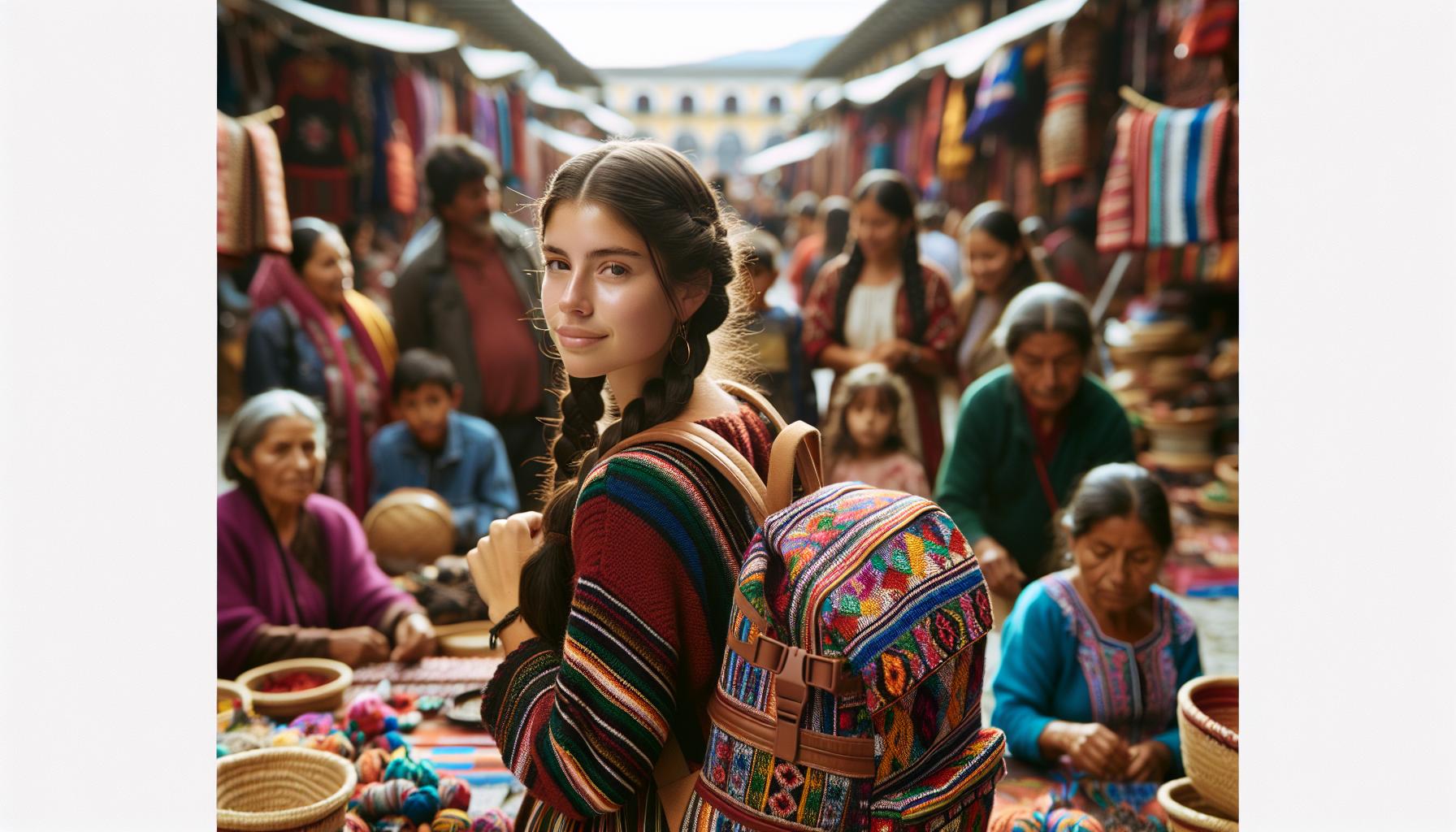
The backpack holds a significant place in the lives of many in Spanish-speaking countries, serving not just as a practical carry-all for daily necessities but also symbolizing various cultural facets. Predominantly known as “mochila,” this item transcends its basic utility. In many regions, backpacks are essential for students, reflecting the importance of education. They often adorn vibrant colors and designs, representing individual personality and family values. Families in countries like Mexico and Colombia invest carefully in choosing or customizing backpacks that resonate with their children’s interests, showcasing how backpacks are interwoven into the fabric of daily life.
In rural areas, traditional forms of carrying, such as using a “morral,” reflect a connection to cultural heritage. These bags are often made from local materials, highlighting craftsmanship and the sustainable practices passed down through generations. Activities like hiking or attending cultural festivals further elevate the significance of backpacks, where they become vital for carrying supplies, food, and personal items. This functional aspect becomes a cultural ritual, reinforcing community ties as families and friends gather for outings.
Many Spanish-speaking countries also have community events surrounding education, where backpacks symbolize hope and future potential. For instance, in Colombia, the beginning of the school year sees parents and children excitedly shopping for new supplies, with the mochila being at the forefront. These cultural elements enrich the practical use of backpacks, fostering deeper connections and shared experiences among people.
The conversation surrounding backpacks extends beyond practicality; it touches on themes of identity, connection to community, and cultural pride. Whether it’s a student heading to class or a family out for a weekend hike, the mochila represents much more than a simple bag. It encapsulates journeys, aspirations, and traditions in the richly diverse tapestry of Spanish-speaking cultures.
Different Types of Backpacks in Spanish: Vocabulary Breakdown

In the realm of outdoor adventures and daily commutes, the variety of backpacks available can cater to specific needs and styles. Understanding the different terms used in Spanish can enhance your vocabulary and help in practical situations. The most common word for “backpack” in Spanish is mochila, but this term encompasses a wide range of backpack types, each serving its own purpose.
Common Types of Backpacks in Spanish
- Mochila escolar – School backpack: Designed to carry school supplies such as books and notebooks, often favored by students.
- Mochila de senderismo – Hiking backpack: This type is built to hold gear for trekking, featuring extra support and compartments for water bottles.
- Mochila de viaje – Travel backpack: Larger and often designed for durability, these backpacks are ideal for trips, providing ample space for clothing and essentials.
- Mochila técnica – Technical backpack: Designed for sports like climbing or skiing, these backpacks come equipped with specialized features for safety and convenience.
- Morroal – Daypack: A smaller backpack perfect for short day trips or everyday use without the bulk of larger packs.
In addition to the basic mochila, there are other terms worth noting that refer to specific styles or uses. For instance, “morral” is sometimes used interchangeably with mochila but can also refer to smaller, more casual bags, emphasizing a lighter load.
Practical Applications and Cultural Context
When discussing backpacks in Spanish-speaking conversations, incorporating these terms can greatly enrich your dialogue. For example, if planning a hike, you might say, “Voy a llevar mi mochila de senderismo” (I’m going to take my hiking backpack). Understanding these variations not only helps in casual conversation but also when selecting the right equipment for trips.
Being familiar with the terms ensures that you communicate effectively, whether you’re shopping for a new pack or discussing travel plans with friends. Additionally, many students and travelers alike can benefit from knowing these specific types for better packing strategies and understanding the cultural significance of the mochila in their environments. Each backpack type represents not just a category of product but a lifestyle choice that resonates with the activities and values of Spanish-speaking communities.
Common Phrases for Discussing Backpacks in Spanish

When engaging in conversations about backpacks in Spanish, knowing a few key phrases can significantly enhance your ability to communicate effectively. Whether you are inquiring about a specific type of mochila or discussing the features of your travel gear, these phrases will help you navigate everyday conversations with ease.
One of the most common phrases you might use is “¿Dónde está mi mochila?” (Where is my backpack?). This simple question can come in handy when you are at school, on a hike, or even in a crowded airport. Similarly, if you want to express what you’re carrying, you can say, “Tengo mi mochila llena de cosas” (I have my backpack full of things). This conveys not only the possession of the backpack but also its state, making it a useful expression in various situations.
Discussing specific types of backpacks is also important. For instance, if you’re referring to a school backpack, you might say, “Mi mochila escolar es muy cómoda” (My school backpack is very comfortable). Additionally, when planning a hike, you could enthusiastically mention, “Voy a usar mi mochila de senderismo para la excursión“ (I’m going to use my hiking backpack for the trip). Such phrases not only reflect your choices and experiences but also enrich the conversation with relevant details.
In addition to these phrases, consider the importance of discussing condition and size. Phrases like “Esta mochila es demasiado pequeña” (This backpack is too small) or “Necesito una mochila más grande” (I need a bigger backpack) can guide discussions when shopping or comparing gear with friends. Incorporating these terms into your vocabulary allows you to express your needs clearly, all the while deepening your understanding of how backpacks fit into daily life and adventure in Spanish-speaking contexts.
Tips for Learning Spanish Vocabulary Effectively
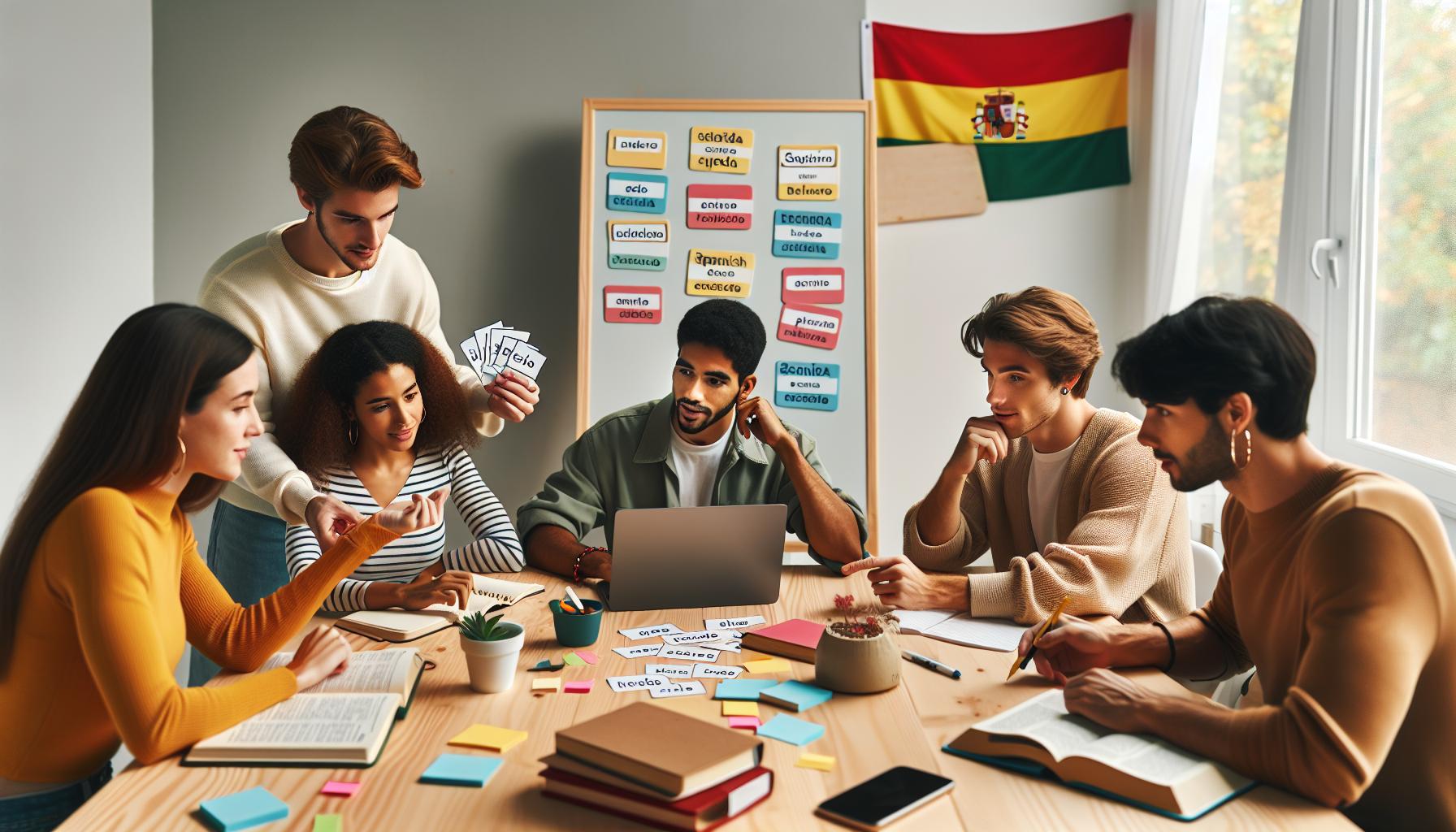
Learning Spanish vocabulary, particularly terms related to practical items like backpacks, can be a rewarding experience. A strong way to enhance your language skills is through immersive learning methods. For instance, associate relevant words with your daily activities. When you grab your backpack, think of the Spanish term “mochila.” This kind of contextual association helps anchor the word in your mind, making it easier to recall later.
Another effective strategy is to utilize visual aids. Create a vocabulary board filled with images of different types of backpacks and their Spanish names. For example, label a picture of a “mochila escolar” (school backpack) alongside a “mochila de senderismo” (hiking backpack). These visuals not only make learning more engaging but also reinforce your understanding through repetition and association.
Incorporating real-life situations into your study can also improve retention. Practice speaking about your backpack in Spanish when describing preparation for an outing, such as saying, “Voy a empacar mi mochila con agua y comida” (I am going to pack my backpack with water and food). Engaging in conversations with native Spanish speakers about your experiences with backpacks can further enhance your fluency and confidence in using the language.
Lastly, consider leveraging technology by accessing language learning apps that focus on practical vocabulary. Many of these apps offer interactive exercises surrounding everyday items, including travel gear like backpacks. Utilize these resources to deepen your understanding and practice in a structured yet flexible way. With these strategies, embracing the vocabulary around backpacks and other essential items can lead to a smoother and more enjoyable language-learning experience.
Backpack-Related Language Resources and Tools
Understanding the language surrounding everyday items like backpacks can enhance your communication skills and cultural appreciation when engaging with Spanish speakers. To aid your exploration of Spanish vocabulary related to backpacks, several valuable resources and tools can make the learning process both effective and enjoyable.
Utilizing language learning apps is an excellent way to build your vocabulary. Apps such as Duolingo and Babbel offer interactive lessons that include practical vocabulary, including terms for various types of backpacks. These platforms often provide gamified learning experiences, making it a fun way to master terms like “mochila” while integrating it into sentences and everyday scenarios.
Another practical resource is online dictionaries specifically designed for Spanish learners. Websites like SpanishDict and WordReference allow you to search for backpack-related vocabulary and provide examples of usage in different contexts. Not only can you learn the word “mochila,” but you can also explore related phrases and common questions that arise in conversations, such as “¿Dónde está mi mochila?” (Where is my backpack?).
For those who prefer visual learning, creating a vocabulary board can be beneficial. Collect images of different backpack types-like “mochila escolar” (school backpack) and “mochila de senderismo” (hiking backpack)-and label them in Spanish. This method helps reinforce memory through visual association and repetition.
Lastly, consider engaging with Spanish-speaking communities online or in your local area. Platforms like Tandem or HelloTalk connect you with native speakers, providing a practical context to practice discussing backpacks and related gear in real time. This interaction not only boosts your vocabulary but also enriches your understanding of cultural significance and usage within Spanish-speaking countries.
By leveraging these resources, you can create a balanced approach to learning vocabulary related to backpacks, making the process dynamic and practical.
Common Mistakes When Using “Backpack” in Spanish
Using the term for “backpack” in Spanish can seem straightforward, but there are several common pitfalls that language learners encounter. The primary term for backpack in Spanish is “mochila”; however, native contexts can vary this meaning, leading to misunderstandings. Many learners mistakenly use “maleta” (suitcase) when referring to a backpack, especially when discussing travel. While both terms relate to carrying items, “maleta” specifically refers to a hard-sided suitcase, not a soft backpack, which can lead to confusion in travel settings.
Another frequent error is neglecting to consider regional variations in vocabulary. For instance, in some Latin American countries, additional terms may exist for specific types of backpacks. In Argentina, for example, the term “mochila de treking” is frequently used to denote a hiking backpack, while other regions might just refer to it as a general “mochila.” Being aware of these differences can enhance your conversational skills and improve clarity when speaking to native speakers.
Additionally, learners often mispronounce “mochila,” which could lead to misunderstandings. The correct pronunciation is mo-CHI-la (with emphasis on the second syllable). Mis articulating this word, particularly by stressing the wrong syllable or substituting vowel sounds, can confuse listeners. Practice pronunciation with audio tools or native speakers to ensure clarity.
Asking questions related to backpacks can also lead to trouble if vocabulary isn’t quite right. Common phrases like “¿Dónde está mi mochila?” (Where is my backpack?) or “Necesito una mochila nueva para la escuela” (I need a new backpack for school) are helpful, but failing to use the correct article or pluralization-like saying “los mochilas” instead of “las mochilas”-can disrupt communication. Mastery of articles and pluralization is essential for proper sentence structure, so focus on practicing these aspects when discussing backpacks.
How to Use Spanish Language Apps for Travel
Using language apps can transform the way you engage with Spanish while traveling, making it not only easier to ask for your “mochila” in various contexts but also enhancing your overall experience in Spanish-speaking countries. These applications offer a practical gateway to mastering essential vocabulary, honing pronunciation, and understanding cultural nuances that are key to effective communication. By incorporating features like interactive lessons, phrasebooks, and offline access, language apps empower travelers to navigate social situations confidently.
To get started, consider downloading popular apps such as Duolingo, Babbel, or Memrise, each of which comes equipped with specially designed modules tailored for travelers. For instance, Duolingo offers short, engaging exercises specifically around essential travel vocabulary, making it easier to remember words like “mochila.” Additionally, Babbel emphasizes conversation practice, enabling you to learn phrases such as “¿Dónde puedo comprar una mochila?” (Where can I buy a backpack?) in context. Utilizing these apps regularly can build your language skills quickly, allowing you to handle practical conversations with ease once you arrive at your destination.
Moreover, look for apps that include audio features, as hearing the correct pronunciation is crucial, especially for words like “mochila.” Many apps allow you to listen to native speakers and even practice your speech, helping eliminate common mistakes. Furthermore, participating in social features found in some language apps, such as conversation exchanges or community forums, can provide valuable opportunities to practice discussing travel gear with fluent speakers, helping deepen your understanding of how terms are used in real-life situations.
Lastly, consider integrating these apps into your travel routine. Before your trip, set aside a few minutes each day for focused study, targeting vocabulary that will come in handy during your travels. Create custom word lists related to gear and travel, and review them daily. This approach not only prepares you linguistically but also immerses you culturally, paving the way for more meaningful interactions surrounding everyday travel scenarios and leisure activities in Spanish-speaking countries.
Engaging with Spanish Speakers About Backpacks
Engaging in conversations with Spanish speakers about backpacks can be both an enlightening and practical experience, especially if you’re traveling or immersed in a Spanish-speaking community. A simple word like “mochila” opens up avenues for discussions that reveal cultural insights and personal stories. When interacting, you might start by asking questions about their favorite types of backpacks, styles they use for traveling or hiking, or even specific features that they find essential.
To facilitate deeper engagement, consider using descriptive phrases related to your adventure needs. For example, you can inquire about mochilas de senderismo (hiking backpacks) or mochilas escolares (school backpacks). Such specifics not only enhance your vocabulary but also demonstrate interest in their perspectives. Complimenting someone’s backpack or asking where they bought it can serve as an excellent icebreaker.
Additionally, sharing your preferences can create a reciprocal dialogue. Discussing the importance of certain features-like comfort, space, or waterproof materials-may resonate well with other backpack enthusiasts. This shared passion can lead to recommendations about the best brands or where to find specific gear, further enriching your experience and learning opportunities.
Finally, practice makes perfect. Use language apps or flashcards to familiarize yourself with related terms and phrases, which can help you feel more confident when chatting. Setting realistic daily goals for vocabulary acquisition will make it easier to converse about packs, allowing you to navigate outdoor adventures or urban explorations with ease and assurance. Connecting on topics like backpacks not only improves your language skills but also fosters meaningful interactions grounded in shared interests.
Exploring Travel Tips for Spanish-Speaking Destinations
Traveling through Spanish-speaking countries can be an enriching experience, especially when armed with the right backpack. Not only does it serve as a practical gear for carrying essentials, but it can also reflect cultural nuances and social dynamics. Before you set off, understanding local preferences and practices regarding backpacks can significantly enhance your journey.
When packing for your trip, consider what types of backpacks are most suitable for your activities. Select a versatile backpack that suits urban exploration, such as a stylish daypack, or a rugged option meant for strenuous hikes. Research indicates that many Latin American cities have pedestrian-friendly areas, making comfortable and lightweight backpacks ideal for carrying your belongings while you explore local markets and historic sites. In contrast, if your itinerary includes outdoor adventures, a robust hiking backpack with ample support and compartments is essential for carrying water, food, and gear.
Budget travelers might want to explore popular local backpack brands known for durability and style. In countries like Colombia or Argentina, you can often find local markets offering reasonably priced gear which not only supports the economy but also helps you adopt a more authentic experience. It’s also a good idea to engage with locals about their backpack choices, as they can provide insights into features that work best in their environment, giving you a practical edge.
Moreover, safety should always be a priority when selecting and using your backpack. Opt for designs with anti-theft features, such as lockable zippers or hidden compartments. Be mindful of local customs; certain areas might require smaller backpacks or variations on how you carry them. Always keep an eye on your belongings, especially in crowded places, ensuring enjoyable and stress-free travels throughout your Spanish-speaking adventures.
Fun Facts About Backpacks in Spanish Culture
Traveling with a backpack is a common practice throughout Spanish-speaking countries, and it often carries cultural nuances that reflect the region’s lifestyle and traditions. For instance, in Latin American countries, backpacks are not only practical carriers for students commuting to school or workers heading to the office; they also serve as vital companion gear for adventurers exploring national parks and urban landscapes alike. Locals often favor vibrant, hand-crafted designs showcasing unique patterns and colors, emphasizing their appreciation for artistry and craftsmanship.
In many urban areas, especially in cities like Mexico City or Buenos Aires, you’ll find that stylish backpacks are a prominent fashion statement. They are often designed to be lightweight and ergonomically friendly-important qualities given the need for both comfort and practicality when navigating busy streets. The significance of backpacks in everyday life extends to cultural events as well; during festivals, attendees often see traditional attire complemented by artistic backpacks, symbolizing a blend of modern utility and cultural heritage.
Interestingly, backpacks have also become a canvas for social change in some communities. Local artisans sometimes partner with non-profits to create bags that raise awareness about environmental or social issues. These backpacks are not only commodities but also tools of advocacy, helping to tell stories and support movements central to the community’s identity. Thus, when you carry your backpack through a Spanish-speaking country, you’re not just transporting your belongings; you’re also engaging with a tapestry of cultural narratives that define the region.
Furthermore, safety is a key consideration in backpack culture across many Spanish-speaking nations. This awareness has led to innovation in designs aimed at protecting belongings from theft, such as anti-theft backpacks with hidden compartments or lockable zippers. As you traverse these vibrant environments, it is beneficial to choose a backpack that reflects both local fashion sensibilities and practical safety features, allowing you to appreciate the culture while ensuring your items remain secure.
Frequently Asked Questions
Q: How do you pronounce “backpack” in Spanish?
A: “Backpack” in Spanish is pronounced as “mochila” (moh-CHEE-lah). To practice pronunciation, break it down into syllables and listen to native speakers to master the accent.
Q: What are some common phrases using “mochila” in Spanish?
A: Common phrases include “llevar la mochila” (to carry the backpack) and “buscar mi mochila” (to look for my backpack). These phrases are useful for everyday conversations or travel scenarios.
Q: Are there different types of backpacks in Spanish vocabulary?
A: Yes, there are several terms for various backpack types, such as “mochila de camping” (camping backpack) and “mochila escolar” (school backpack). These distinctions help specify the purpose of the backpack in conversation.
Q: What cultural significance do backpacks have in Spanish-speaking countries?
A: In many Spanish-speaking countries, backpacks are essential for students and travelers. They symbolize mobility and autonomy, reflecting a culture that values education and exploration. Learn more in the cultural section of our guide.
Q: How can I effectively learn backpack-related vocabulary in Spanish?
A: To learn backpack-related vocabulary, engage with authentic materials like travel guides and podcasts. Using apps that focus on theme-based learning can also enhance retention. Check our tips for learning Spanish effectively for more strategies.
Q: What are the common mistakes when using the word “mochila”?
A: A common mistake is confusing “mochila” with “maleta” (suitcase). Remember that “mochila” is specifically for backpacks. For clarification, refer to the common mistakes section in our language guide.
Q: Where can I find resources for learning Spanish about travel gear?
A: You can find valuable resources on websites dedicated to language learning, like Duolingo or Rosetta Stone, that focus on travel-related vocabulary. Our backpack-related language resources section also lists useful tools and apps.
Q: What is the best way to engage with native Spanish speakers about backpacks?
A: Engage by asking questions about their preferences, such as “¿Qué tipo de mochila usas?” (What type of backpack do you use?). This encourages conversation and helps you practice vocabulary related to backpacks.
To Conclude
Now that you know how to say “backpack” in Spanish, why not take your language skills to the next level? Exploring more about basic travel vocabulary can greatly enhance your communication. Check out our guides on essential phrases and cultural tips that will make your next Spanish-speaking adventure a breeze.
Don’t miss out on perfecting your language journey! For deeper insights and practical advice on everyday carry and outdoor gear, visit our articles on knife maintenance and legal considerations. Sign up for our newsletter and stay updated with the latest language tips and travel guides.
Your engagement matters! Leave a comment below to share your favorite Spanish words or any questions you may have. Let’s keep the conversation going, and don’t forget to explore more content that can enrich your learning experience. Happy travels!