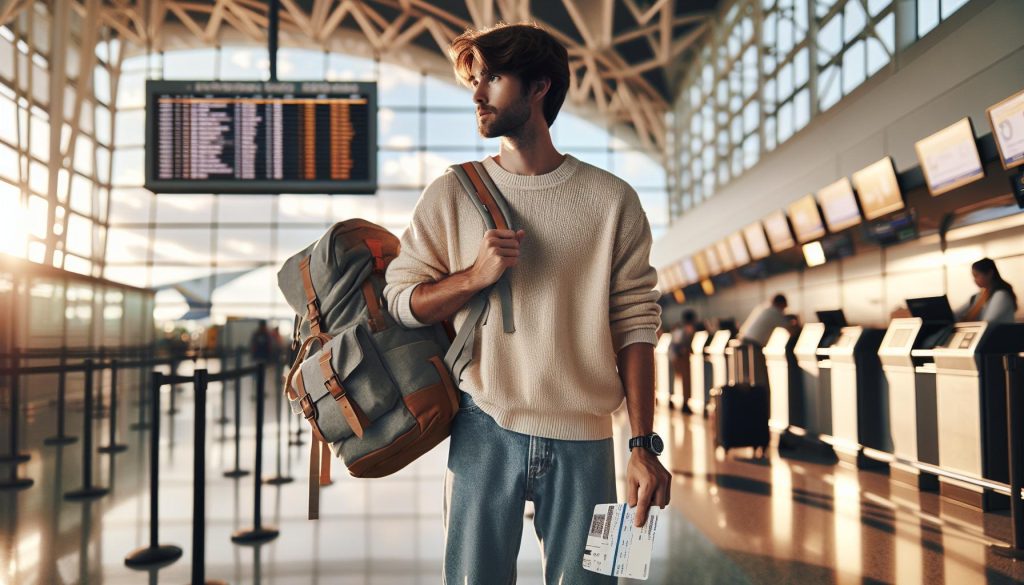
When preparing for a trip, understanding what qualifies as a personal item can significantly impact your travel experience. Many travelers may wonder, “Do backpacks count as personal items?” This question is crucial as airlines often have specific limitations on personal belongings, affecting space and convenience. Knowing the rules helps ensure that your essentials, like a laptop or travel documents, are easily accessible without extra fees. As you navigate the complexities of travel regulations, you’ll appreciate the clarity and confidence that come with understanding how your backpack fits into the equation. Let’s explore this topic further to make your next journey smoother and stress-free.
Understanding Travel Regulations on Personal Items
Understanding airline travel regulations, especially concerning personal items, is crucial for a smooth journey. Each airline has its own definitions and rules regarding what constitutes a personal item, which can often lead to confusion among travelers. Essentially, a personal item is anything that is small enough to fit under the seat in front of you. Common examples include handbags, backpacks, laptop bags, and briefcases. The main purpose of personal item regulations is to ensure safety and comfort, allowing passengers to keep essentials within reach without overcrowding the cabin.
When it comes to backpacks specifically, they are typically considered personal items as long as they meet the size restrictions set by the airline. Most major airlines specify a maximum dimension for personal items that often ranges around 18 to 20 inches in length. It’s vital to check with your airline before traveling to ensure your backpack adheres to their personal item size limits. Aside from size, the functionality of a backpack also plays a key role; after all, it’s designed to be practical and easy to carry while still allowing you to keep your essentials organized and accessible.
To maximize your travel experience, try to pack your backpack thoughtfully. Prioritize the items you may need during the flight-like documents, snacks, and entertainment-and ensure they are easily accessible. You can also utilize pockets to separate important items for quick retrieval. Be aware of misconceptions; many travelers believe they can bring multiple personal items, but most airlines strictly limit you to one. If you’re concerned about managing multiple items, invest in a multifunctional backpack that can accommodate a variety of needs while staying within the airline’s personal item guidelines. Select a backpack that features adequate storage with accessible compartments for travel documents, electronics, and personal necessities, keeping your travel efficient and your mind at ease.
What Defines a Personal Item in Travel?
When it comes to traveling, understanding what qualifies as a personal item can significantly ease your journey and enhance your overall travel experience. A personal item is generally defined as any smaller bag or object that can be stowed under the seat in front of you during a flight. This designation not only includes items such as handbags and briefcases but also extends to backpacks-provided they meet specific size requirements.
Airlines often have distinct dimensions and weight limits for personal items, typically allowing for bags that measure around 18 to 20 inches in length. This variability means it’s essential for travelers to consult their airline’s guidelines prior to departure. By ensuring your backpack conforms to these size restrictions, you can avoid the hassle of additional fees or needing to check your bag unexpectedly.
The primary purpose of defining personal items is to promote safety and comfort aboard the aircraft, allowing for easy access to essentials while preventing overcrowding in the cabin. For travelers, this definition translates into having convenient access to items such as travel documents, personal devices, or snacks, all within arm’s reach during the flight. Understanding and adhering to these guidelines ultimately contributes to a smoother travel experience, minimizing potential conflicts and frustrations at those critical moments before boarding.
Are Backpacks Considered Personal Items?
Backpacks often serve as the go-to companion for travelers due to their versatility and practicality. Understanding whether they qualify as personal items in the context of airline travel can significantly impact your flying experience. In most cases, airlines categorize backpacks as personal items, provided they meet the stipulated size requirements. This means that if your backpack can comfortably fit under the seat in front of you, it is typically permissible as a personal item. This designation allows travelers to keep important belongings, such as travel documents, electronics, and snacks, within easy reach during the flight.
When selecting a backpack for travel, be aware that each airline has its own dimensions for personal items, usually ranging from 18 to 20 inches in length. Familiarizing yourself with these measurements before packing can save you from potential inconveniences, like unexpected fees or needing to check your bag at the last minute. Many travelers often overlook the fact that backpacks can come in various sizes and styles, so aim for one that strikes a balance between capacity and compliance with size limits.
Moreover, the type of backpack you choose can also influence your travel experience. For instance, a streamlined daypack may be more suitable for urban travel, while a larger hiking-style backpack is great for extended trips. It’s also important to consider lightweight materials and compartments that can help maximize space while keeping your possessions organized. With the right packing strategy and an appropriately sized backpack, you can enhance your travel experience, efficiently manage your belongings, and maintain accessibility to your essentials while in transit.
In summary, as long as your backpack fits the airline’s size criteria, it will generally be classified as a personal item, allowing you the flexibility to travel comfortably with everything you need right at your fingertips.
Airline Policies on Personal Item Size Limits
Airlines have specific policies regarding personal item size limits that can significantly affect your travel experience. Typically, your personal item must fit comfortably under the seat in front of you. Most airlines allow personal items with maximum dimensions ranging from 16 to 20 inches in length, but these measurements can vary, so it’s essential to check your airline’s specific guidelines before packing. Understanding these parameters not only helps you avoid unnecessary fees but also aids in planning how best to utilize your space during your journey.
For optimal packing, ensure your backpack is designed to meet these size limits. Aim for a backpack that offers functional compartments and a streamlined design to maximize storage without exceeding size restrictions. Here are some practical dimensions to consider:
| Airline | Maximum Personal Item Size (inches) |
|---|---|
| American Airlines | 18 x 14 x 8 |
| Delta Airlines | 18 x 14 x 8 |
| United Airlines | 9 x 10 x 17 |
| Southwest Airlines | 24 x 16 x 10 |
Remember, each airline’s stance may differ, with some being more lenient than others. If your backpack exceeds the stated dimensions, it may need to be checked, potentially leading to additional costs and inconvenience. A smart approach to avoid pitfalls is to carry a durable, lightweight backpack designed explicitly as a personal item-these bags usually comply with various airline requirements, giving you peace of mind as you travel.
When choosing a backpack, consider features like water resistance and durability to enhance your experience. Additionally, think about the weight of the backpack itself; a lighter pack allows for more gear without exceeding carry-on weight limits. Ultimately, making informed choices about personal items will ensure a smoother travel experience, keeping your essentials within easy reach while adhering to airline regulations.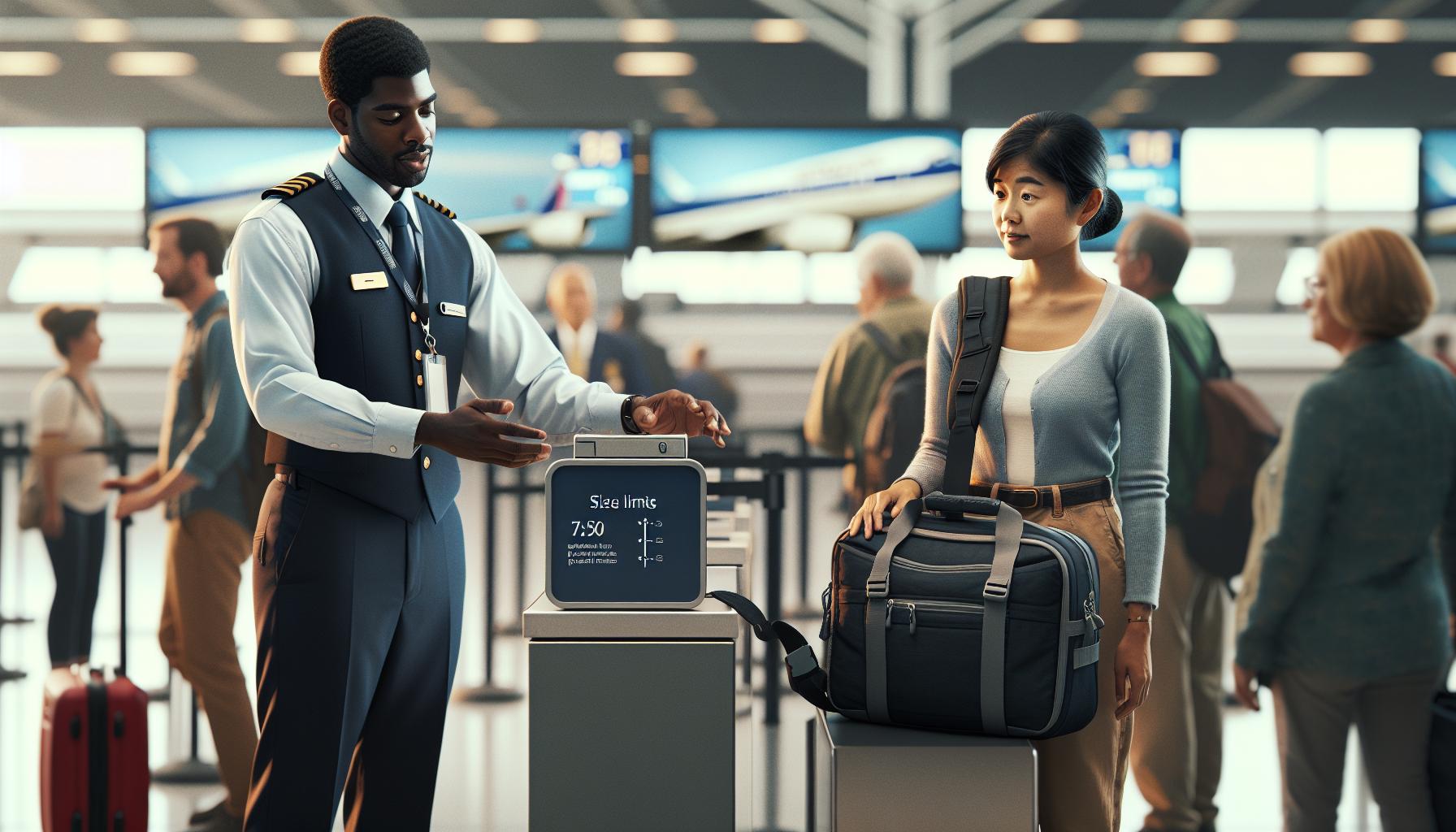
The Difference Between Carry-On and Personal Items
When preparing for air travel, understanding the distinction between carry-on bags and personal items can significantly influence your packing strategy. Carry-on bags, usually larger, are stored in the overhead compartment, while personal items must fit under the seat in front of you. This means a personal item is typically more compact, making it crucial to select the right gear for ease and convenience.
A carry-on bag usually adheres to size restrictions set by airlines, often allowing dimensions around 22 x 14 x 9 inches. In contrast, personal items are much smaller, typically restricted to dimensions ranging from 16 to 20 inches in length, depending on the airline. This difference not only determines how much you can bring but also how accessible your essentials will be during the flight. For instance, items like laptops, snacks, and travel documents are best kept in your personal item for easy reach, while clothing and larger gear can be stored in your carry-on.
Traveling with a backpack often raises the question of whether it counts as a personal item. Most airlines treat a backpack that fits within the size limits as a personal item, making it an ideal choice. However, it’s essential to check each airline’s specific guidelines, as policies can vary significantly. Opting for a slim-profile backpack designed for travel can help ensure compliance while still providing sufficient space for your necessities.
Ultimately, understanding these differences allows you to pack smartly, balancing convenience with adherence to airline regulations. A well-planned packing strategy, distinguishing between carry-on and personal items, ensures that you travel efficiently and comfortably, keeping the things you need most right at your fingertips.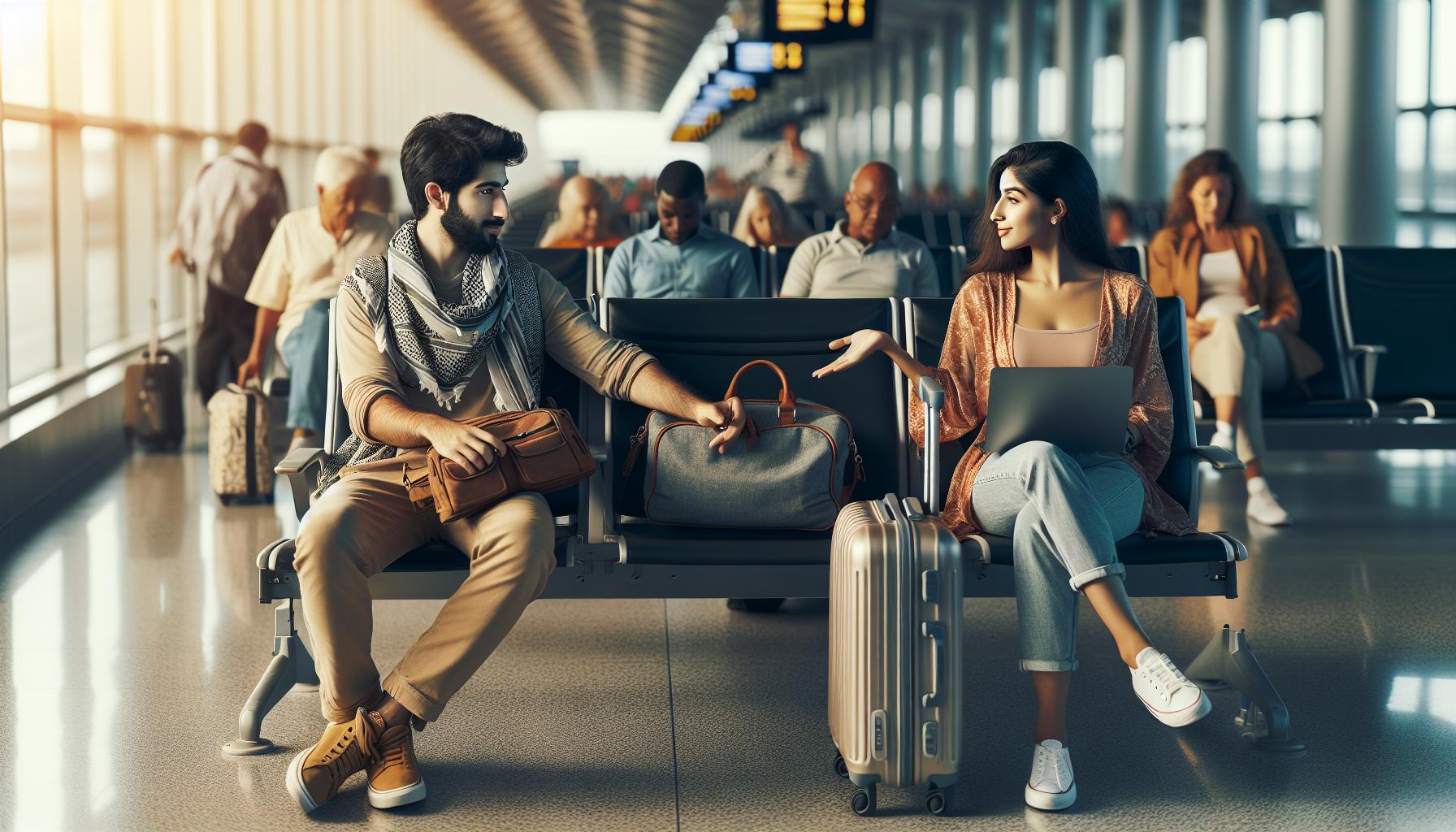
Traveling with Backpacks on Major Airlines
When it comes to air travel, many travelers prefer backpacks for their versatility and ease of use. Understanding how major airlines classify these bags is vital for a smooth journey. Surprisingly, most airlines do allow a properly sized backpack to be counted as a personal item, provided it meets the specific dimensions set forth by the airline, typically ranging from 16 to 20 inches in length. Using a backpack that complies with these measurements can help you avoid unexpected fees and complications at the gate.
When selecting a backpack for air travel, consider its construction and organization. A slim profile can help ensure it fits comfortably under the seat in front of you while still allowing enough space for essential items. Look for features like padded compartments for electronics, quick-access pockets for travel documents, and zippered sections for snacks or personal items. Not only will a well-structured backpack maximize your packing efficiency, but it will also enhance your experience during the flight, keeping your important belongings just a reach away.
Different airlines can have varying policies regarding personal items, and it’s vital to review those before you fly. For example, while low-cost carriers might enforce stricter size limits or weight restrictions, full-service airlines may offer more leeway. Always check the airline’s website for the most current information regarding baggage policies. If you’re able to travel early, arriving at the airport well-prepared can afford you the benefit of checking the latest guidelines, ensuring that your travel transitions are as seamless as possible.
In summary, when traveling with a backpack, compliance with airline regulations will prevent unnecessary hassle and ensure that you can easily access your essentials. By carefully choosing your backpack and understanding the airline’s policies, you can travel with confidence, prepared for the journey ahead.
Can You Fit a Backpack Under the Seat?
When planning your air travel, one of the most common considerations is how well your backpack can fit under the seat. Understanding this can significantly enhance your travel experience, making your belongings easily accessible and minimizing the need to wrestle with overhead bins. Most airlines allow personal items such as backpacks to be stashed under the seat in front of you, provided they meet size requirements typically ranging between 16 and 20 inches in length. However, the fit isn’t just about measurement; it’s also about shape and packing style.
To ensure your backpack fits comfortably, opt for designs that have a slim profile. A taller, narrower backpack may slide under the seat more effortlessly compared to a bulky one. Additionally, it helps to pack strategically. Place flatter items at the bottom and bulkier items on top to create a more compact shape. This packing technique keeps your pack from spreading too wide, which could hinder its ability to fit under the seat.
Tips for Ensuring Your Backpack Fits Under the Seat
- Check Airline Dimensions: Before your flight, verify the specific airline’s dimensions for personal items, as these can vary widely.
- Test the Fit: If possible, practice fitting your packed backpack into a similar-sized space, such as the exact dimensions of under-seat space.
- Select the Right Design: Look for horizontal compartments that won’t expand outward when full, as this can impede fit.
- Consider Compression Straps: Some backpacks come with these straps which can help reduce overall bulk for a more streamlined fit under the seat.
Remember, fitting your backpack under the seat not only provides easy access to your essentials during the flight, but also helps keep the aisle clear and your travel experience smoother. So, with the right backpack choice and packing methods, you can travel comfortably and confidently, knowing your belongings are easily accessible throughout your journey.
Tips for Packing Your Backpack for Travel
When the excitement of travel beckons, the last thing you want is to be overwhelmed by your backpack’s contents. Packing efficiently not only maximizes your space but also keeps your essentials easily accessible throughout your journey. Start by identifying the essentials you’ll need during your travels-this includes identification, travel documents, a portable charger, and any medication. These items should be placed in easily accessible compartments, ensuring a hassle-free experience during check-ins or security screenings.
To make the most of the limited space in your backpack, consider utilizing the packing cube method. This involves sorting your items into smaller bags or cubes based on categories such as clothing, toiletries, or electronics. It allows for organization and can help compress your items, maximizing space while keeping everything tidy. Additionally, use every nook and cranny of your backpack-stuff socks or small garments into shoes, and place chargers or cables in side pockets to prevent them from tangling.
Smart Packing Strategies
- Roll Your Clothes: Rolling rather than folding clothing can save space and reduce wrinkles, making it a practical approach for travel.
- Layer Your Items: Start with heavy items at the bottom and layer lighter, softer items on top. This technique helps maintain balance and ensures that your backpack is comfortable to carry.
- Prioritize Versatile Clothing: Select clothing that can be mixed and matched or serve dual purposes, such as clothing that can transition from day wear to evening attire.
- Leave Extras Behind: Resist the urge to pack for every possible scenario-focus on what you’ll definitely use during the trip.
Remember, packing efficiently is not just about fitting everything into your backpack; it’s about packing mindfully. Whether you’re heading across the globe or just across town, a well-packed backpack can make your journey smoother and more enjoyable. By organizing your items thoughtfully, you can access what you need swiftly and keep your travel experience stress-free.
Common Misconceptions About Personal Items
When it comes to personal items in travel, a variety of misconceptions can lead to confusion and frustration for travelers. One common myth is that any bag you carry can be classified as a personal item, but this isn’t always the case. Personal items are generally defined by their size and intended use, which means not all bags, including larger backpacks, will fit the airline’s definition. For instance, while many airlines allow personal items to be carried on free of charge, they typically specify that the dimensions should not exceed a certain size, usually around 15 to 18 inches in length.
Another frequent misunderstanding is that all backpacks are considered personal items simply because they are carried on board. In reality, backpacks come in various sizes, and while smaller daypacks may qualify under the personal item allowance, larger hiking or travel backpacks might need to be classified as carry-on luggage. Therefore, it’s crucial for travelers to measure their backpacks and check airline policies before heading to the airport to avoid unexpected baggage fees or having to check their pack at the gate.
Additionally, some travelers assume they can utilize personal item allowances to carry multiple personal items, like a backpack and a purse or laptop bag. However, most airlines enforce a strict one personal item rule. Exceeding this limit could lead to having to check additional items or pay for excess baggage. It’s also a common belief that personal items must fit beneath the seat in front, yet some airlines are more restrictive about the size of personal items that can be taken onboard, emphasizing the importance of reviewing specific airline regulations.
In summary, when it comes to personal items and backpacks, awareness of airline policies and accurate measurements are vital. Being well-informed can make a significant difference in ensuring a smooth travel experience, allowing you to focus on your journey rather than potential hurdles at the airport.
Managing Multiple Personal Items When Traveling
When preparing for travel, effectively managing multiple personal items can be a crucial factor in ensuring a hassle-free journey. Many travelers underestimate the importance of strategic packing and organization, only to face the daunting challenge of navigating airport rules and cramped cabin spaces. Imagine rushing to catch a flight while juggling a laptop bag, a backpack, and your coat; a little forethought can turn this chaos into a streamlined experience.
Prior to your trip, familiarize yourself with airline regulations regarding personal items. Most airlines permit one personal item that must fit under the seat in front of you, alongside an additional carry-on item stowed in the overhead compartment. Most personal items should not exceed dimensions typically ranging from 15 to 18 inches, which may restrict the size of your backpack. To avoid unnecessary fees or the inconvenience of checking an item at the gate, it is wise to check the specific allowances for your airline.
To effectively manage multiple items, consider these practical tips:
- Select the Right Gear: Choose a versatile backpack that meets personal item size regulations while also accommodating your essentials.
- Organize Efficiently: Utilize packing cubes or individual pouches to categorize items. This minimizes confusion and maximizes space.
- Prioritize Accessibility: Keep your most essential items-like travel documents, medications, and electronic devices-in your personal item for easy access during your journey.
- Use Compression Techniques: Roll clothing and use compression bags to save space in your pack while keeping it organized.
In addition to strategically packing your bags, consider wearing or attaching smaller items that do not count toward your allowance-like jackets or larger scarves. This not only frees up space but also helps ensure you comply with regulations. However, be cautious: while it may be tempting to carry more than one personal item, most airlines strictly enforce this rule. If you must travel with both a backpack and a laptop case, opt for a backpack that incorporates a dedicated laptop compartment, thus allowing you to streamline your packing while staying within the airline’s requirements.
By planning ahead and choosing gear wisely, you can navigate the complexities of personal item regulations with ease. This thoughtful approach not only enhances your travel experience but also alleviates the stress of airport logistics. Consider your individual travel needs and let your backpack be a companion that adapts to your journey, rather than a cumbersome burden that complicates it.
How to Choose the Right Backpack for Travel
When traveling, selecting the right backpack can make or break your experience, especially when it comes to conforming with airline regulations regarding personal items. A backpack may be your best friend on the road, but not all backpacks are built the same, and only certain types will meet airline size restrictions. Look for a backpack that not only fits under the seat but also offers versatility, comfort, and adequate space for your essentials.
To start, consider the dimensions of your backpack. Airlines typically allow personal items measuring between 15 to 18 inches in height, so it’s crucial to select a pack within these limits. Prioritize functionality by choosing a backpack with multiple compartments and pockets. This not only enhances organization but also allows for easy access to frequently-used items, such as travel documents and electronics. For instance, a backpack with a designated laptop compartment can streamline your airport experience, as you won’t have to sift through your bag to find your device during security checks.
Comfort is also key. Look for padded shoulder straps and breathable back panels, especially if you plan to carry the bag for extended periods. Adjustable straps can help you distribute weight evenly, which is particularly beneficial when the backpack is loaded with gear. In addition, consider the material of the backpack. Water-resistant fabric can protect your belongings during unexpected weather changes, and durable zippers will withstand frequent use.
Finally, think about your travel style and destination. If you’re a weekend traveler, a smaller pack may suffice. However, if you’re embarking on a longer journey or outdoor adventures, a larger backpack with additional features, like hydration reservoirs or detachable daypacks, could be invaluable. A little foresight in choosing the right backpack can enhance not just your travel experience, but also your ability to navigate the complexities of airline policies on personal items with confidence.
Legal Considerations for Traveling with a Backpack
When traveling with a backpack, understanding the legal considerations can significantly enhance your experience and ensure compliance with airline regulations. Each airline has its own set of regulations regarding the size, weight, and contents of personal items, including backpacks. The Federal Aviation Administration (FAA) allows airlines to set their own rules, meaning that what is acceptable on one carrier may result in issues on another. Always check the specific guidelines of your airline before traveling to avoid unexpected fees or the inconvenience of needing to check your backpack.
In the context of transportation security, backpacks are subject to the Transportation Security Administration (TSA) regulations, which means you must be mindful of the items you carry. For example, any liquids over 3.4 ounces must be packed in compliant containers, and sharp objects like knives or multi-tools are prohibited. Additionally, ensure that any electronics, like laptops or tablets, are easily accessible, as they need to be screened separately during security checks. Being aware of these regulations not only speeds up your journey through security but also reduces the likelihood of having to surrender prohibited items.
Moreover, while backpacks are generally easy to classify as personal items, legal challenges can arise if your backpack is overly stuffed or exceeds the airline’s established personal item dimensions. In some cases, the airline staff may determine that your backpack is too bulky, compelling you to check it, which incurs additional fees and risks damage or loss. It’s advisable to familiarize yourself with both size and weight limits, which typically range from 15 to 18 inches, and to consider using packing cubes or compression bags to optimize space while keeping your load manageable.
Lastly, consider liability issues while traveling. Most airlines limit their liability for lost or damaged personal items, including backpacks, unless additional coverage is purchased. If your backpack holds valuable items, consider travel insurance that covers personal belongings or use a TSA-approved lock to deter theft. In this way, you can travel with peace of mind knowing that you’ve addressed both legal and safety considerations associated with your devoted travel companion-the backpack.
FAQ
Q: How do different airlines define personal items?
A: Airlines vary in their definitions, but a personal item typically includes smaller bags like backpacks or purses. Always check specific airline policies to understand their size limits and what is classified as a personal item. Refer to the “Airline Policies on Personal Item Size Limits” section for more details.
Q: Can I take a laptop bag along with my backpack as personal items?
A: Most airlines allow one personal item per passenger, which means you generally cannot take both a laptop bag and a backpack unless specified. Check the specific airline’s baggage rules for clarity and see the “Managing Multiple Personal Items When Traveling” section for further guidance.
Q: What should I consider when choosing a backpack for air travel?
A: Choose a backpack that fits within your airline’s size limits for personal items and offers convenient compartments for easy access. Look for lightweight materials and good organization features. Check the “How to Choose the Right Backpack for Travel” section for more tips on selecting the ideal travel backpack.
Q: What happens if my backpack exceeds the personal item size limit?
A: If your backpack exceeds the size limit, airlines may require you to check it, potentially incurring additional fees. Always measure your backpack beforehand to avoid surprises at check-in. More details can be found in the “Airline Policies on Personal Item Size Limits” section.
Q: Are there specific backpacks designed to be personal items?
A: Yes, many brands offer backpacks explicitly designed to fit as personal items, featuring dimensions compliant with major airlines. When shopping, look for labels indicating “personal item size.” For recommendations, check the “How to Choose the Right Backpack for Travel” section of the article.
Q: How to maximize space in a travel backpack?
A: To maximize space, utilize packing cubes, roll your clothing, and choose multi-functional items. Distributing weight evenly helps maintain balance during travel. See the “Tips for Packing Your Backpack for Travel” section for more efficient packing techniques.
Q: Can a backpack be considered a carry-on item as well?
A: A backpack can qualify as a carry-on if it exceeds personal item dimensions but fits within the carry-on limits set by your airline. Check the “Difference Between Carry-On and Personal Items” section to understand these distinctions better.
Concluding Remarks
As you prepare for your next journey, remember that understanding travel rules around personal items like backpacks is crucial for a smooth experience. If you’re still unsure about what counts as a personal item or have questions about your packing strategy, don’t hesitate to check out our related content on traveling with essential gear and the best packing tips for adventurers.
Now is the perfect time to take action-subscribe to our newsletter for the latest updates on travel hacks and gear recommendations, ensuring you’re always prepared for your next adventure. If you’re considering gear purchases, our guides on Swiss Army knives and pocket knives could provide the perfect choices for your outdoor excursions.
Engage with us! Share your travel experiences in the comments below or connect with fellow travelers on our platform. Your insights help build our community. Remember, every adventure starts with the right preparations!