Backpacking can be an exhilarating escape into nature, but many newcomers struggle with the daunting task of packing. Did you know that a well-planned minimalist packing strategy not only enhances your outdoor experience but also helps you travel light and efficiently? By focusing on essential gear, you can streamline your load and enjoy the journey without feeling weighed down. Whether you’re hitting the Appalachian Trail or exploring lesser-known paths in places like Virginia, knowing what to bring can make all the difference. In this guide, we’ll explore practical tips and insights to help you master the art of minimalist packing, ensuring you’re prepared for adventure while keeping your backpack light and manageable. Get ready to discover the essentials that will elevate your backpacking experience!
What to Consider Before Backpacking: Key Essentials
Before setting off on any backpacking adventure, it’s crucial to assess what you truly need and how to pack those essentials efficiently. Planning ahead can significantly change your hiking experience-much like having the right map versus wandering aimlessly. Start by evaluating the length of your trip, the type of terrain, and the weather conditions you’ll encounter. This insight allows you to tailor your gear selection, ensuring you don’t carry unnecessary weight that could hinder your journey.
When considering key essentials, prioritize items that serve multiple functions. For example, a good multi-tool can replace several tools, leading to a lighter pack. Additionally, choosing a lightweight tent that suits the environment is vital; look for options made from durable yet lightweight fabrics. Remember, every ounce counts, especially during long treks. Carrying a collapsible water bottle will also aid in staying hydrated without taking up much space or weight in your pack.
Moreover, don’t overlook your clothing selection. Opt for layers that offer versatility rather than packing bulky, single-purpose items. A lightweight, waterproof jacket, combined with breathable base layers, allows you to adapt to changing weather. Proper footwear is equally essential-consider shoes or boots that are both lightweight and sturdy, reducing fatigue and the risk of injury on the trail.
Lastly, always keep safety gear at the forefront of your planning. A compact first aid kit, a reliable headlamp, and a whistle are all non-negotiable items that should be included. These essentials not only enhance your safety but also provide peace of mind, allowing you to fully enjoy the beauty of nature without unnecessary worry. By thoughtfully considering these key essentials, you set yourself up for a successful and enjoyable backpacking experience.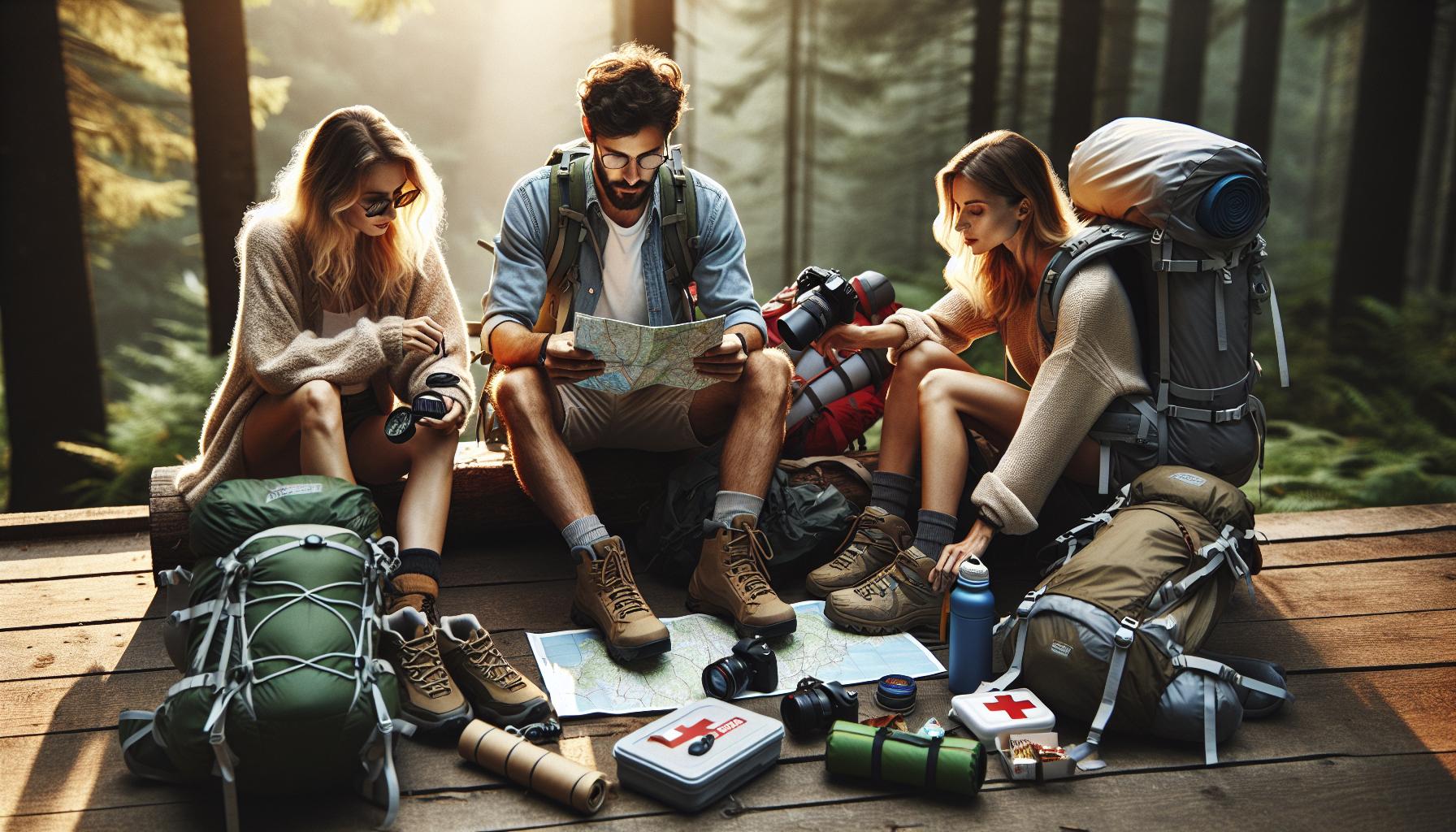
The Minimalist Philosophy: Less is More
Embracing a minimalist approach to backpacking can transform your outdoor experience, allowing you to move more efficiently and comfortably. The essence of minimalism lies in the idea that less truly is more. By focusing on the essentials, you not only lighten your load but also enhance your connection to nature and your surroundings. Whether you’re navigating a steep trail or camping under a starlit sky, stripping away the non-essentials frees you from unnecessary burdens and distractions.
To adopt this philosophy, start by assessing the core functionalities of each item you plan to bring. For example, a multi-tool can substitute for several single-function tools, reducing overall weight. When selecting clothing, prioritize versatility and layering options-think moisture-wicking base layers, insulating mid-layers, and an outer waterproof shell that can adapt to various conditions. This way, you avoid packing heavy, bulky items, resulting in a more streamlined pack. Likewise, when it comes to cooking, a compact cook system with lightweight pots and a multi-fuel stove can allow for flexibility without compromising meal quality.
Moreover, mindful packing requires a shift in perspective. Instead of viewing gear as necessities, consider the value of experience over material possessions. Take only what you know you’ll use, and remember that many outdoor adventures can be enjoyed without elaborate cooking systems or excessive gear. When you declutter your packing list, you’ll discover the beauty of simplicity: the sounds of nature, the feel of the earth beneath your feet, and the joys of being present in the moment. Always keep functionality and weight in mind; every ounce saved contributes to a more comfortable trek.
Ultimately, adopting a minimalist packing strategy equips you not just for the trail, but also for a deeper appreciation of your surroundings. By packing light and efficiently, you empower yourself to experience the essence of backpacking-exploration, adventure, and a profound connection with the world around you. Embrace the journey with only what you need, and let the adventure unfold.
Top Gear for Lightweight Backpacking
Packing light doesn’t mean compromising on experience; in fact, the right gear can enhance your journey while keeping your load manageable. The key to successful lightweight backpacking is to invest in high-quality, multifunctional gear that serves multiple purposes without weighing you down. Smart selection allows you to maintain comfort and safety while minimizing bulk and weight, ensuring every item in your pack is essential.
Essential Gear for Lightweight Backpacking
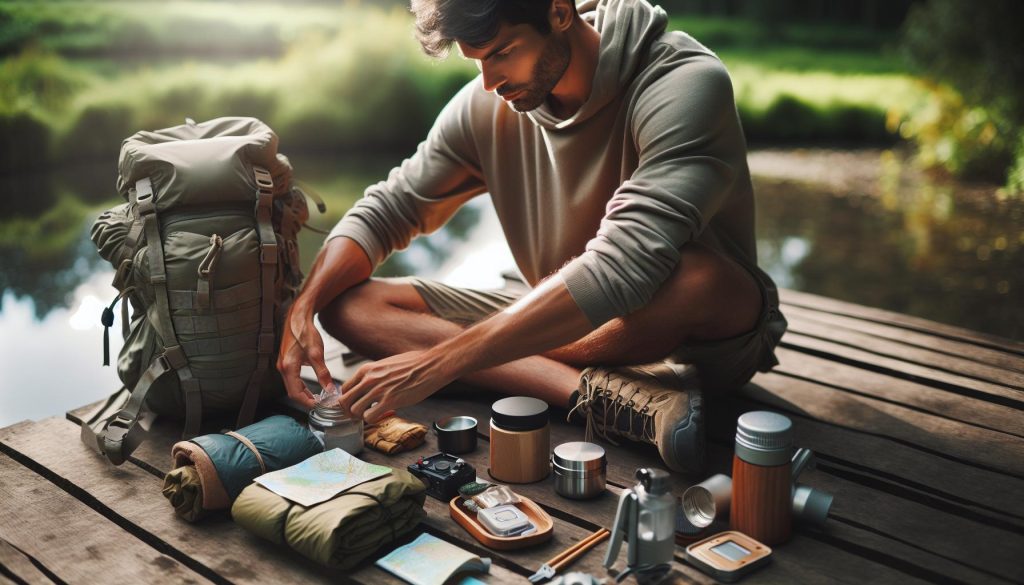
When considering gear for your minimalist backpacking trip, here are some must-haves that embody versatility and compactness:
- Backpack: Choose a lightweight backpack with a capacity that fits your trip length. Look for features like adjustable straps and multiple compartments for organization.
- Sleep System: An ultra-light sleeping bag and a compact sleeping pad can keep you comfortable without adding unnecessary weight. Consider bags made with down insulation or synthetic materials that compress easily.
- Cooking Gear: A multi-fuel stove combined with a lightweight pot or titanium cookware allows you to prepare meals efficiently. Look for foldable or nesting designs to save space.
- Water Filtration System: Instead of heavy water supply, pack a small water filter or purification tablets, which are effective for ensuring safe hydration without bulk.
- Navigation Tools: A combination of a compact GPS device and a traditional map and compass can keep you oriented without unnecessary reliance on electronics.
Another option is incorporating a multi-tool, which can replace several items in your tool kit. A single lightweight device can handle tasks such as cutting, opening cans, and making repairs. The key is to find gear that maximizes utility while minimizing space and weight.
Innovative Packing Solutions
Additionally, consider using packing cubes or compression sacks. These not only optimize space but also help organize your gear for quick access. When choosing clothing, aim for lightweight, moisture-wicking fabrics that can easily layer. It’s prudent to stick with a color scheme that allows for mixing and matching to reduce the number of items you need to bring.
By focusing on lightweight, multipurpose gear, your backpack will feel almost weightless, allowing you to fully engage with the beautiful surroundings that backpacking offers. With the right tools-simple and efficient-you can transform your backpacking adventure into one marked by ease and enjoyment, embracing the spirit of exploration.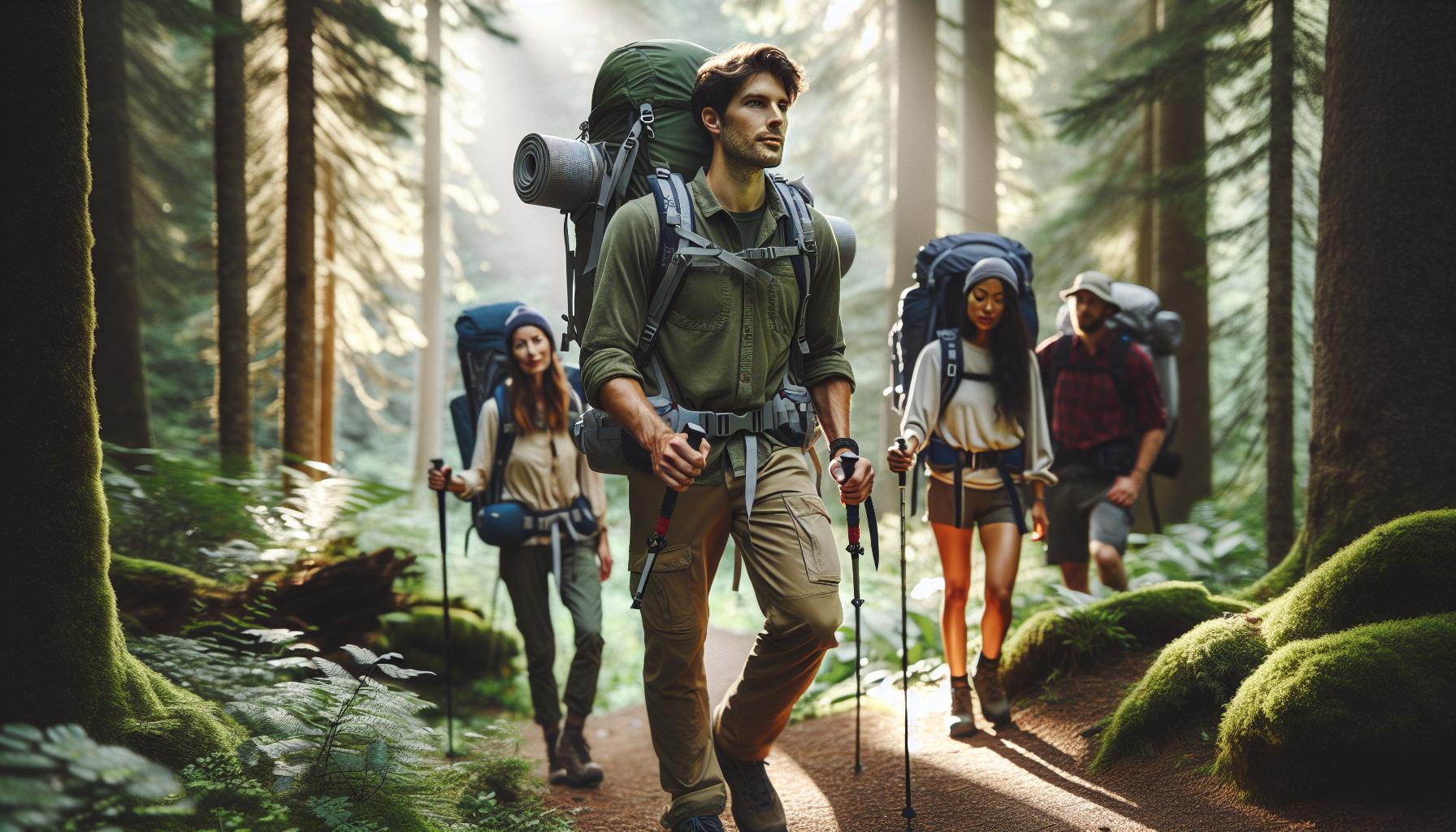
Clothing Essentials for All Weather Conditions
When heading out on a backpacking trip, your clothing choices can make or break your experience, especially when the weather is unpredictable. The right selection can keep you comfortable, dry, and warm, allowing you to fully enjoy the journey ahead. To navigate varying conditions, focus on layering systems, material types, and multi-functional pieces that cater to all weather scenarios.
Start with a solid base layer made of moisture-wicking fabric. This layer should fit snugly against the skin to effectively draw sweat away, which is crucial for maintaining body temperature. Look for materials like merino wool or synthetic fabrics that provide breathability and comfort. For the middle layer, consider insulation options that can retain heat without adding excessive bulk. Lightweight down jackets or fleece pullovers are excellent choices, as they can be easily packed away when not in use.
For top weather protection, a versatile and durable outer layer is essential. Invest in a waterproof and breathable jacket that can withstand rain, wind, and colder temperatures. Features such as adjustable hoods, ventilation zippers, and packable designs will enhance your mobility and comfort. It’s also wise to carry a pair of waterproof pants that can be layered over your base layers when the elements turn harsh.
When it comes to bottom layers, choose pants that are both lightweight and durable. Convertible pants, which can transform from long pants to shorts, are especially practical for varying climates. Footwear is another crucial component; opt for lightweight, waterproof hiking boots that provide good grip and ankle support. Don’t forget proper socks-moisture-wicking and cushioned options will help prevent blisters during long treks.
Lastly, always consider accessories that provide added protection and comfort. A wide-brimmed hat can shield against sun and rain, while gloves in cold weather are non-negotiable. Remember, the key to a successful minimalist packing strategy lies in selecting versatile pieces that can be used in multiple ways, ultimately allowing you to remain comfortable and prepared for any conditions on the trail.
Food and Nutrition: Packing Smart for the Trail
Packing food for a backpacking trip is not just about filling your bag with snacks; it’s a strategic endeavor that can significantly impact your energy levels, hydration, and overall enjoyment of the adventure. Did you know that thoughtful food choices can minimize weight while maximizing nutrition and flavor? In backpacking, where every ounce matters, choosing the right foods can make the journey more bearable and delicious.
When planning your meals, focus on lightweight, nutrient-dense options that provide sustained energy. Dehydrated meals, trail mixes, and energy bars are popular for a reason: they are easy to pack, require little preparation, and offer a great balance of carbohydrates, fats, and proteins. For instance, consider preparing your own trail mix composed of nuts, seeds, dried fruits, and a sprinkle of dark chocolate. This not only gives you a quick source of energy but can also be customized to fit your taste preferences and dietary needs.
Meal Planning Tips
Prior to your trip, create a meal plan for each day, ensuring to include breakfast, lunch, dinner, and snacks. Aim for recipes that require minimal cooking or can be eaten raw to decrease the amount of gear you need to carry. Here is a simple plan to get you started:
- Breakfast: Overnight oats with dried fruits and nuts
- Lunch: Tortilla wraps with nut butter or cheese and jerky
- Dinner: Freeze-dried meals or quinoa with dehydrated vegetables
- Snacks: Trail mix, protein bars, and energy gels
Always consider the hydration aspect as well. While food provides energy, carrying adequate water (or a reliable water purification system) is crucial. Many dehydrated meals require water for preparation, so plan accordingly to ensure you’re not caught short on supplies.
Storage Solutions
Packaging also plays a vital role in food management. Use resealable bags to portion meals, which help minimize food waste and are lighter than traditional containers. For multi-day hikes, separate your food into daily bundles to streamline your cooking process on the trail. Don’t forget to pack out all waste to leave the wilderness as you found it.
By strategically selecting and packing your food, you can ensure that your backpacking adventure is filled with nourishment and energy, enhancing your experience without excessive weight. Remember, a well-fed hiker is a happy hiker!
Water Management Strategies: Hydration Solutions
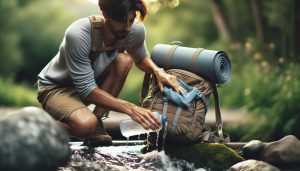
Staying hydrated is one of the most critical aspects of a successful backpacking trip, yet it’s often overlooked in the excitement of planning. Water is not just essential for quenching thirst; it plays a vital role in maintaining energy levels, regulating body temperature, and ensuring overall health while hiking. As you step onto the trail, effective water management will help you carry the necessary amount of hydration without weighed down by excess.
The first step in managing your hydration is understanding your water needs. Factors such as temperature, humidity, elevation, and intensity of activity all influence your water consumption requirements. A general guideline for active individuals is to drink about half a liter (17 ounces) of water per hour during moderate exercise in moderate temperatures. However, be mindful of the specific conditions you face on your trip, as you may need more in hotter and drier climates.
To reduce the weight of water in your pack, consider these hydration strategies:
- Source Identification: Before you head out, research your route for water sources such as rivers, lakes, or streams. Utilize apps and maps to locate potential refill points and plan your daily itinerary around those locations.
- Water Filtration Systems: Always carry a reliable water purification system, whether it’s a portable filter, purification tablets, or a UV light device. These tools allow you to safely drink from natural sources, significantly lowering the amount of water you need to carry. Popular systems include the Sawyer Squeeze and Katadyn BeFree.
- Hydration Packs vs. Bottles: Choose between hydration packs or traditional water bottles based on your hiking style. Hydration packs fit snugly in your backpack and allow for hands-free drinking through a tube, while bottles are easier to refill. Many backpackers use both, filling bottles from water sources and sipping on a hydration pack on the go.
- Weight Considerations: Remember that water weighs about 2.2 pounds per liter. When packing for multi-day trips, stratify your water load by filling up with just enough to reach the next water source while accounting for daily drinking needs.
Proper water management also includes knowing the signs of dehydration. Be mindful of feelings of thirst, dark-colored urine, or fatigue, and adjust your drinking habits accordingly. Staying ahead of dehydration will not only enhance your performance but also ensure you enjoy the journey.
As you trek through breathtaking landscapes, don’t let hydration become a burden. With forethought and strategic planning, you can maintain optimal hydration levels, preserving both your energy and your spirit for adventure. Remember, a well-hydrated hiker is ready to tackle the challenges of the wild!
Safety Gear You Can’t Afford to Ignore
Venturing into the great outdoors comes with its fair share of risks, making safety gear an essential consideration for any backpacking trip. Whether you’re navigating rugged terrain or simply enjoying a peaceful hike, equipping yourself with the right gear can mean the difference between emergency and adventure. Here are critical safety items you shouldn’t overlook, especially when embracing a minimalist packing strategy.
First and foremost, a well-stocked first-aid kit is a non-negotiable. Ensure it includes essentials such as adhesive bandages, antiseptic wipes, pain relievers, and, depending on your destination, allergy medication and blister treatment. Tailoring the kit to your specific trip-considering the duration, environment, and personal health needs-will enhance its effectiveness. A compact, lightweight kit can easily fit into your backpack without adding unnecessary bulk.
Equally important is navigation gear. A map and compass are timeless tools you must carry, especially in wilderness areas where GPS signals can falter. Familiarize yourself with the area prior to your trip, and practice using these tools at home to gain confidence. A GPS device can also be a valuable addition, but always have a backup plan-relying solely on technology can lead to trouble if your batteries die or the device malfunctions.
Additionally, investing in a quality headlamp or flashlight is crucial for safety during unexpected situations or nighttime emergencies. Opt for lightweight models with long-lasting batteries, and don’t forget extra batteries or a solar charger if you’re out for multiple days. This not only illuminates your path but also serves as a signaling device in case you need to attract attention.
Lastly, tools such as a multi-tool or compact knife are invaluable for various tasks-from preparing food to making quick repairs. Look for models that are lightweight yet sturdy. A well-chosen gear can provide versatility without overwhelming your pack.
- First-Aid Kit: Include bandages, antiseptics, and personalized meds.
- Navigation Tools: Carry a detailed map and a compass, supplement with a GPS.
- Lighting: A reliable headlamp or flashlight, with extra batteries.
- Multi-tool: A compact multi-tool to tackle various unexpected tasks.
By integrating these essentials into your packing strategy, you’ll travel lighter, with the peace of mind that comes from being prepared for the unexpected. Remember, safety gear isn’t just about protection; it enhances your overall experience, allowing you to focus on enjoying the stunning landscapes and the journey ahead.
Overcoming Common Packing Mistakes
Many backpackers underestimate the importance of thoughtful packing, which can lead to discomfort and even danger on the trail. One of the most common mistakes is overpacking, resulting in a heavy backpack that can cause fatigue, pain, and even injury. To avoid this, start by evaluating what you genuinely need for your trip. List essential gear and strip away anything that falls into the “just in case” category. Remember, when it comes to backpacking, embracing a minimalist approach not only lightens your load but also enhances your ability to enjoy the experience.
Another frequent pitfall is neglecting to test gear before hitting the trail. New equipment should be tried out – whether it’s a tent, sleeping bag, or stove – to ensure it works well and meets your expectations. For example, setting up your tent at home can help you avoid frustrations in the dark or rainy conditions. Likewise, try your cooking equipment to confirm that you can efficiently prepare your meals on the road. Familiarizing yourself with how everything functions can save you time, energy, and stress.
Packing methods also play a crucial role in optimizing your space and ensuring that you can easily access your gear. Many backpackers make the mistake of simply tossing items into their bags. Instead, consider utilizing packing cubes or dry bags to organize your gear by category, such as clothing, cooking utensils, and safety gear. This not only prevents rummaging through your entire pack in search of a specific item but also enhances your overall packing efficiency.
Lastly, be mindful of the item’s weight and place the heaviest items close to your back and near your center of gravity. Distributing weight poorly can lead to back strain and fatigue. Take a moment to adjust your pack to create a comfortable fit. By avoiding these common mistakes, you can enhance your outdoor experience, allowing you to focus on the beauty and tranquility of nature, rather than struggling with your gear.
Tech Gadgets to Enhance Your Adventure
Imagine standing at the edge of a breathtaking vista after hours of hiking, your phone buzzing with alerts from your favorite hiking app, or perhaps you’re tracking your steps with a smartwatch. The right tech gadgets can elevate your backpacking experience, enhancing not just convenience but safety and enjoyment on your journey. However, when adopting a minimalist packing strategy, it’s important to choose tools that truly add value without adding unnecessary weight.
Choosing a multi-tool is a great addition to your backpacking gear. A compact multi-tool combines several functions-like a knife, screwdriver, and can opener-addressing multiple needs without requiring you to carry several separate items. Brands like Leatherman or Victorinox offer quality options that balance functionality with weight. For instance, the Leatherman Squirt PS4 weighs just 2 ounces and includes 9 useful tools suited for the trail.
Another valuable gadget is a portable power bank. When you’re out in nature, staying connected can be essential for safety and navigation. A lightweight power bank allows you to keep your devices charged for emergencies or capturing beautiful moments on camera. Look for brands like Anker, which provides high-capacity, lightweight options that fit easily in your pack. Additionally, some models even feature solar charging capabilities, adding extra resilience to your power needs away from civilization.
When it comes to navigation, a smartwatch or GPS device can be a game-changer. Many outdoor-focused models offer mapping services, fitness tracking, and even heart rate monitoring, all while being durable enough for rough terrains. Brands like Garmin and Suunto have excellent options designed specifically for outdoor adventurers. These devices not only help you find your way but can also contribute to your overall health and well-being on long hikes.
Last but not least, consider enhancing your camping experience with lightweight Bluetooth speakers. While this may seem unnecessary to a minimalist, a compact speaker can enrich your evenings around the campfire, allowing you to listen to music or podcasts. Look for waterproof options that are durable and designed for outdoor use, such as those from JBL or Ultimate Ears, making sure to weigh the benefits of entertainment against your overall packing weight.
By incorporating these tech gadgets thoughtfully into your backpacking gear, you can enhance your adventure without compromising your minimalist principles. Choose wisely, and each piece can become an invaluable ally on the trails, helping you to navigate, stay safe, and enjoy every moment of your journey.
Packing Techniques: Optimize Your Space
The effectiveness of your backpacking experience often hinges on one critical factor: how efficiently you pack your gear. Mastering the art of space optimization not only helps reduce the load you carry but also ensures that every essential item is easy to access during your adventure. The key lies in strategic packing techniques that make the most out of your backpack’s available space while adhering to a minimalist philosophy.
One effective method is to roll your clothing instead of folding it. Rolling clothes can significantly reduce their volume and minimize wrinkles, making it easier to fit items into tight spaces. Use small packing cubes or compression bags to keep your rolled clothes organized and to create compartments within your pack. This not only helps you locate items quickly but also maintains order, preventing the chaos of rummaging through your entire bag for a single piece of gear.
Another strategy is to leverage the space in and around your backpack. Utilize the exterior pockets for items you need to access frequently, such as your water bottle, snacks, or a first aid kit. Some backpacks come equipped with compression straps; use these to secure external gear, keeping bulkier items like sleeping bags or extra layers tightly fastened and out of the way. Furthermore, consider placing smaller items such as chargers or toiletries inside your shoes. This not only saves space but also protects delicate electronics and keeps your footwear from unutilized space.
Lastly, packing according to weight distribution is crucial for balance during your hikes. Aim to place heavier items closer to your back and near your center of gravity. This positioning will enhance comfort and stability, allowing for better maneuverability on uneven terrain. Consider creating a weight distribution checklist to balance your load effectively:
| Item | Weight (lbs) | Recommended Placement |
|---|---|---|
| Tent | 4 | Bottom, near back |
| Sleeping Bag | 2 | Bottom, near back |
| Cooking Gear | 2 | Middle, sides |
| Clothes | 3 | Upper, near back |
| Food | 4 | Top, distributed evenly |
By incorporating these techniques into your packing routine, you can transform a cumbersome backpack into a streamlined companion for your adventure. Not only will you enhance your comfort on the trail, but you will also promote a more organized and enjoyable backpacking experience. Remember, when it comes to minimalist packing, every cubic inch counts!
Mindful Packing: Mental Preparation for the Journey
As the saying goes, “The journey of a thousand miles begins with a single step,” and the same can be said for your backpacking adventure. However, before you embark on that exhilarating journey, it’s essential to prepare not just your gear but also your mind. Mindful packing involves a mental process that aligns your expectations, enhances your experience, and enables you to embrace the unknowns of the trail.
Start by picturing your trip. Visualize each day of your adventure: where you’ll sleep, the challenges you may encounter, and how you plan to overcome them. This mental rehearsal is not just about anticipation; it is also about identifying key gear that complements various scenarios you might face. For instance, if you foresee inclement weather, consider prioritizing your rain gear and waterproofing strategies. By preparing for diverse conditions, you can alleviate anxiety and approach the trail with a clear, adaptable mindset.
Creating a checklist tailored to your specific trip helps in structuring your thoughts and ensuring nothing is overlooked. Organizing your gear into categories-such as shelter, cooking, clothing, and safety-can simplify your packing process and help you mentally compartmentalize your needs. Additionally, practice mindfulness techniques like deep breathing or visualizing your success on the trail to ground yourself, especially if you’re feeling overwhelmed. By cultivating mental clarity and a positive outlook, you’ll be more equipped to tackle the physical demands of backpacking with confidence.
Incorporating these preparatory steps not only streamlines your physical packing but also sets you up for a more enjoyable, less stressful experience on the trail. Understanding that flexibility is key, and that the journey may not go precisely as planned allows you to approach each day with a sense of adventure and openness. With a mindful packing strategy, you’re not just readying your backpack; you’re also equipping your mind for the journey ahead.
Faq
Q: What are the essential items for minimalist backpacking?
A: The essential items for minimalist backpacking include a lightweight tent or shelter, a sleeping bag and pad, multi-functional clothing, a compact cooking system, and a water filtration or purification system. Prioritize gear that serves multiple purposes to reduce overall weight and maximize space, as discussed in the “Top Gear for Lightweight Backpacking” section.
Q: How do I choose a backpack for minimalist packing?
A: When choosing a backpack for minimalist packing, consider its volume, weight, and adjustability. A backpack should comfortably fit your gear and be lightweight yet durable, typically ranging from 40-60 liters for most trips. Ensure it has features like multiple pockets for organization, which helps maintain a streamlined pack.
Q: What strategies can I use for packing efficiently while backpacking?
A: Packing efficiently involves using packing cubes or stuff sacks to categorize items and make the most of space. Roll clothes to reduce bulk and use every nook in your backpack for smaller items. Refer to the “Packing Techniques: Optimize Your Space” section for more tips on effective packing strategies.
Q: How can I minimize food weight during backpacking trips?
A: To minimize food weight, focus on lightweight, high-calorie foods like dehydrated meals, nuts, and energy bars. Plan meals meticulously to avoid excess food, and consider packaging meals in zip-lock bags for easy access. For more details, check the “Food and Nutrition: Packing Smart for the Trail” section.
Q: What should I consider when selecting clothing for a backpacking trip?
A: When selecting clothing for backpacking, prioritize multi-functional and moisture-wicking fabrics. Opt for layers that can handle various weather conditions, such as a base layer, insulating layer, and waterproof outer layer. Refer to the “Clothing Essentials for All Weather Conditions” section for specific recommendations.
Q: What are common mistakes to avoid when packing for a minimalist backpacking trip?
A: Common mistakes include overpacking, neglecting to test gear beforehand, and ignoring personal needs for comfort. Always pack items that you know you’ll use and leave behind unnecessary items. Reviewing the “Overcoming Common Packing Mistakes” section can provide further insights into efficient packing.
Q: How important is hydration management in minimalist backpacking?
A: Hydration management is crucial; it affects energy levels and overall safety. Use a lightweight water filter or purification tablets to minimize weight and ensure safe drinking water. The section on “Water Management Strategies: Hydration Solutions” elaborates on effective methods.
Q: Why should I use technology when backpacking minimally?
A: Technology enhances your backpacking experience by providing navigational aids, emergency communication, and portable solar chargers. Select tech gadgets that are lightweight yet functional to maintain a minimal pack while ensuring safety and convenience. For more tech recommendations, visit the section on “Tech Gadgets to Enhance Your Adventure.”
Future Outlook
Ready to hit the trails with a minimalist approach? Remember, packing light doesn’t mean sacrificing comfort or safety. Streamline your gear and embrace the freedom of traveling with only the essentials. If you’re looking for more tips to refine your backpacking skills, check out our guide on Backpacking for Beginners and the Ultimate Backpacking Checklist. Don’t hesitate-plan your next adventure today and make those trails your own!
Got questions or tips to share? We’d love to hear from you in the comments! Explore further with us, and discover the perfect gear that complements your minimalist packing strategy. Your next outdoor experience awaits-let’s gear up!