Cleaning your water backpack is essential for maintaining both its performance and your health. Did you know that improper maintenance can lead to the buildup of mold and bacteria inside your hydration system? With outdoor adventures becoming increasingly popular, ensuring that your gear is clean and safe has never been more important. In this guide, we’ll walk you through simple steps to effectively clean your water backpack, helping you extend its lifespan and ensure that you enjoy every sip from it. Whether you’re a seasoned hiker or a weekend explorer, understanding how to properly care for your gear is key to a safe and enjoyable experience outdoors. Read on to discover practical tips that will empower you to tackle this important task!
How Water Backpacks Work: An Overview
Water backpacks, often preferred by hikers and outdoor enthusiasts, are ingeniously designed hydration systems that combine convenience with functionality. Typically, they feature a reservoir or bladder that holds water, connected to a flexible tube or hose that allows for hands-free drinking. This setup not only enables easy access to hydration during physical activities but also makes it more likely for users to stay adequately hydrated, a crucial aspect of any outdoor adventure.
Understanding how these backpacks operate can enhance your experience and maintenance routine. A typical water backpack will have a wide opening for filling and cleaning the reservoir, often reinforced to prevent leaks. The reservoir can vary in size, generally ranging from a couple of liters to over three liters, depending on the design and intended use. Many models are constructed with materials that resist microbial growth, ensuring that your water stays clean and fresh.
In addition to just holding water, many backpacks come equipped with features that cater to outdoor enthusiasts. Some include insulation layers to keep your water cool in hot climates, while others offer compartments for additional gear or snacks, ensuring you can focus on your activities without worry. Understanding these features can also inform your cleaning and maintenance practices; for instance, insulated tubes might require special attention to ensure that no residue builds up in the dual layers.
To ensure that your water backpack remains functional and odor-free, regular cleaning is imperative. Accumulation of bacteria or mold can occur if the hydration system isn’t properly cleaned after each use. By grasping how the system works and being proactive about maintenance, you can extend the life and effectiveness of your water backpack, allowing for many enjoyable adventures ahead.
Essential Supplies for Cleaning Your Water Backpack
Keeping your water backpack clean is essential to enjoying fresh hydration on outdoor adventures. To effectively clean your backpack, you’ll need a few essential supplies that will not only help maintain hygiene but also extend the life of your hydration system. Here’s a practical guide to the tools and materials you should gather before diving into the cleaning process.
Start with the basics, which include warm water and mild soap. This duo will help break down any grime or residues without damaging the materials of your backpack. Look for soaps that are biodegradable and free of harsh chemicals, as these will be gentler on your gear and the environment. Additionally, consider investing in a specialized cleaning kit, which typically includes bottle brushes designed for cleaning narrow tubes and bladders. These brushes can efficiently reach difficult areas that are prone to buildup, ensuring a thorough clean.
Another valuable supply is white vinegar or baking soda, both of which are excellent natural disinfectants and odor absorbers. You can create a cleaning solution using either of these ingredients mixed with water. For persistent odors or stains, letting the solution sit for a few hours can yield optimal results. Lastly, prepare a clean towel or pros may prefer using a microfiber cloth for drying your backpack and components. This will help prevent lint buildup and ensure all parts are completely dry to inhibit mold or bacteria growth.
To create a cleaning station, set up a dedicated area where you can easily fill, wash, and rinse your backpack without overcrowding. Having a collapsible bucket or large basin can also be helpful for rinsing out components without making a mess. With these essential supplies, you’ll be well-equipped to keep your water backpack in prime condition, ready for your next adventure.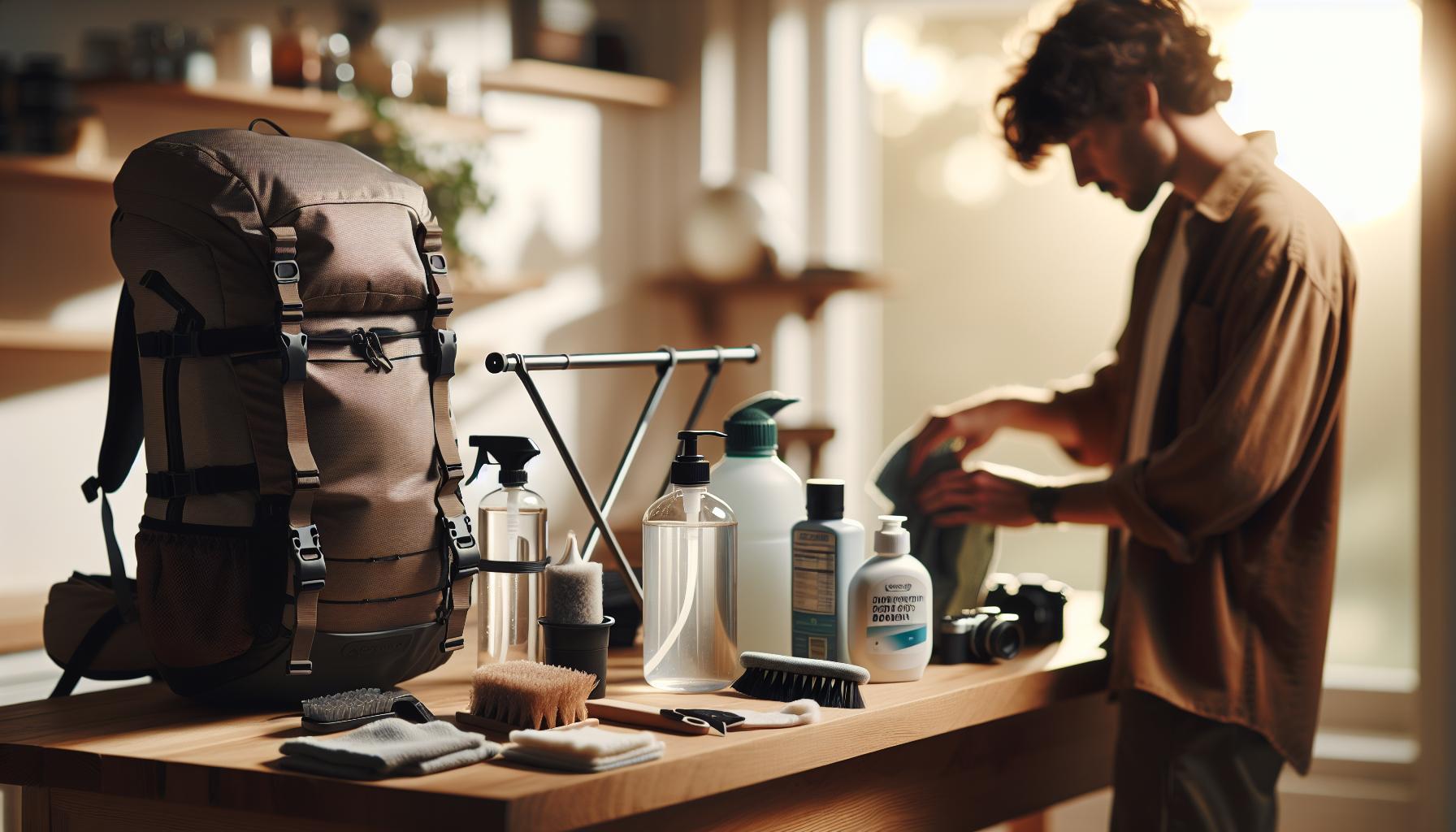
Step-by-Step Guide to Rinsing Your Backpack
Keeping your water backpack fresh and functional can significantly enhance your outdoor hydration experience. Rinsing your pack properly is crucial to remove any residue, bacteria, or lingering tastes from previous uses, especially if you’ve filled it with flavored beverages or water from natural sources. Here’s a straightforward guide on how to effectively rinse your water backpack, ensuring it stays in top shape for your adventures.
Start by disassembling your water backpack. Remove the bladder, hose, and any other detachable components. This allows for a more thorough rinse and prevents water from getting trapped in hard-to-reach areas. Next, fill a sink or large basin with warm water, adding a small amount of mild soap, preferably biodegradable, to create a gentle cleaning solution. Avoid using harsh detergents or bleach, which can degrade the materials.
Once your cleaning solution is ready, submerge the bladder in the soapy water. Squeeze it gently to allow the water to fill it completely, then close the opening and shake it vigorously for about 30 seconds. This action helps dislodge any stuck particles or oils. After shaking, open the bladder, pour out the soapy water, and rinse it thoroughly with clean, warm water until all soap residue is removed. It’s also beneficial to rinse the hose. You can do this by filling it with clean water and then pinching the end to force the water through. This technique is effective in clearing out any buildup within the tube.
For best results, hang the bladder upside down to dry completely, ensuring that no moisture is trapped inside, which can lead to mold growth. As you rinse, it’s also a good practice to inspect the backpack’s materials for any damage or wear, which can help you catch issues before they become more significant problems. Proper rinsing not only extends the lifespan of your water backpack but also enhances your outdoor hydration experience by ensuring fresh, uncontaminated water every time you hydrate.
Best Practices for Disinfecting Water Packs
When it comes to maintaining your hydration system, disinfecting your water backpack is as essential as cleaning it. Bacteria, mold, and other pathogens can thrive in the warmth and moisture of a hydration pack, posing health risks during your outdoor adventures. Thus, understanding effective methods for disinfection can ensure the integrity and safety of the water you consume.
To begin the disinfection process, use a solution of white vinegar and water, as this is both effective and eco-friendly. Mix equal parts of white vinegar with water and fill the bladder with the mixture. Allow it to sit for about 30 minutes, which enables the acidic properties of vinegar to eliminate bacteria and odors. Afterward, rinse the bladder thoroughly with warm water to wash away any residual vinegar taste.
Another reliable option is to use a commercial hydration pack cleaner specifically designed to kill germs without damaging the materials. These cleaners often come in tablet form and are easy to use. Simply dissolve a tablet in warm water, fill your bladder, and let it soak for the recommended time.
Cleaning the hose and bite valve is just as crucial. You can fill the hose with your chosen cleaning solution by using a syringe or by pinching the end, allowing the solution to travel through. Let it sit for a few minutes before rinsing it thoroughly. Also, disconnect and clean the bite valve separately, as it can harbor bacteria.
For deeper disinfection, consider using a bleach solution, but only as a last resort, as chlorine can damage some materials. If you choose this route, dilute one tablespoon of unscented, liquid household bleach in one gallon of water, and soak all detachable parts, avoiding prolonged exposure to avoid material degradation. Rinse thoroughly afterward to ensure no bleach remains.
Finally, ensure all components of your water backpack are completely dry before storing them. Hanging the bladder upside down and propping up the hose allows for maximum airflow, which helps prevent the growth of mold and mildew. By incorporating these best practices into your cleaning routine, you’ll extend the life of your water backpack and keep it functioning optimally for your hydration needs.
How to Remove Stains and Odors Effectively
Water backpacks, often utilized for hiking, biking, or outdoor adventures, are susceptible to stains and odors from both the water they carry and the environments in which they’re used. Successfully eliminating these issues requires a combination of timely action and effective methods.
One of the most efficient ways to tackle stubborn stains is by creating a homemade cleaning solution that leverages common household ingredients. A baking soda paste can work wonders. Combine three tablespoons of baking soda with two tablespoons of water to form a thick paste. Apply this directly to stained areas, let it sit for about 15-20 minutes, and then rinse thoroughly. Baking soda neutralizes odors while gently abrading the surface to lift stains without damaging the material.
For persistent odors that linger after regular use, consider using activated charcoal or a specialized odor-removing product. Place a few bags of activated charcoal inside the empty bladder and let them sit overnight. The porous nature of activated charcoal absorbs malodors effectively. If you prefer commercial products, look for those specifically designed for hydration packs, ensuring they’re safe for your backpack’s materials.
Another strategy for keeping your water backpack fresh involves frequent rinsing and drying after each use. Rinse out the bladder with warm water to remove residual liquid and potential contaminants. Additionally, when cleaning the hose, inject a cleaner solution into it and allow it to sit to ensure all parts are sanitized. Always store your water backpack in a cool, dry place with the compartments open, allowing air circulation to prevent mold and mildew from establishing.
Using these practical tips, you’ll not only keep your water backpack looking great but also ready for your next adventure without the fear of unpleasant odors or stains. Regular care ensures it remains a safe and reliable companion on all your excursions.
Proper Drying Techniques for Water Backpacks
To maintain the longevity and performance of your water backpack, proper drying techniques play a crucial role after cleaning. Failing to dry your water backpack effectively can lead to mold and bacteria growth, which can compromise the hygiene of your hydration system.
Start by shaking out any excess water from the bladder and hose. Next, open all compartments, including the bladder cap and the hose, to facilitate airflow. It’s essential to dry the contents completely to prevent any stale or musty odors from developing. Hang the backpack upside down in a well-ventilated area; you can use a dedicated drying rack or simply hang it on a clothesline. This positioning allows gravity to help water drip out and provides maximum exposure to air, speeding up the drying process.
If outdoor conditions permit, placing your backpack in indirect sunlight can aid in drying and offer additional protection against bacteria due to UV rays. Be cautious, though, as prolonged exposure to direct sunlight might degrade certain materials and colors of your backpack. For interior parts, such as the bladder and hose, you can use a cleaning brush specifically designed for hydration packs. These brushes assist in reaching difficult spots, ensuring they dry properly and thoroughly.
Also, consider using drying tools like a beer bottle or specifically designed drying racks that fit into the bladder. These help keep the bladder open, creating space for airflow, ensuring any remaining moisture evaporates effectively. Remember to check the backpack periodically during the drying process and rotate it if necessary to expedite drying evenly. Following these techniques will ensure your water backpack is ready for your next adventure, free from odors and contaminants that could arise from improper care.
Maintaining Your Water Backpack: Pro Tips
To keep your water backpack in top-notch condition and ensure its longevity and functionality, incorporating some proactive maintenance habits can make a significant difference. Regular care not only enhances performance but can also save you money by extending the life of your gear.
One of the first tips is to regularly inspect your water backpack for any signs of wear and tear. Check the bladder for leaks, and ensure that the hoses and nozzles are functioning correctly. Look for any cracks or signs of fraying on the straps and seams, as these are often overlooked but can compromise the integrity of the backpack. If you spot any minor damage, such as small leaks, address them immediately with patch solutions or tape designed for outdoor equipment, as deferring repairs can lead to more significant issues later.
When loading your water backpack for trips, avoid overpacking. Distributing weight evenly not only promotes comfort but also minimizes strain on the material, reducing the chances of wear. It’s advisable to store your backpack in a cool, dry place when not in use, as extreme temperatures can degrade the fabric and insulation over time. Use a stuff sack or a storage bin to keep it secure and avoid exposure to elements that can cause fading or deterioration.
Additionally, consider investing in a hydration pack cleaning kit. These kits typically include brushes and cleaning solutions tailored specifically for hydration systems, allowing you to maintain cleanliness without harsh chemicals. Rinse the bladder and hoses regularly to prevent mineral buildup and flavors from previous drinks, ensuring that your hydration stays fresh for every adventure.
Implementing these simple yet effective maintenance strategies will not only enhance your water backpack’s functionality but ultimately ensure that you’re prepared for whatever journey lies ahead-whether it’s a sunny hike or a brisk mountain trek.
Common Mistakes to Avoid When Cleaning
Cleaning a water backpack may seem straightforward, but there are frequent pitfalls that can lead to damage or ineffective sanitation. One of the most common mistakes many make is using harsh chemicals or bleach. While it might seem tempting to use strong cleansers to eliminate bacteria or odors, these substances can degrade the material of the backpack, possibly leading to leaks or compromised structural integrity. Instead, opt for gentle, biodegradable cleaners specifically designed for hydration systems that won’t harm the fabric or water bladder.
Another critical error is neglecting the hoses and bite valves during the cleaning process. Many users focus on the bladder and exterior but overlook the hidden crevices where mold and bacteria can thrive. To effectively clean these components, you should thoroughly flush the hoses and valves with cleaning solution or a mix of vinegar and water. This will prevent any unpleasant tastes or health risks from accumulated organic matter.
It’s also a frequent oversight to reassemble the backpack without ensuring all components are completely dry. After cleaning, moisture can linger in the bladder, hoses, or valves, leading to mold growth. A better approach is to air dry each part separately and store the backpack with the bladder unsealed, allowing for airflow, thus preventing any potential odor or mildew issues.
Lastly, some adventurers mistakenly assume that cleaning is a one-time task after significant use. Regular maintenance is essential to ensuring the longevity and functionality of your gear. Establishing a routine cleaning schedule, especially after long trips or particularly sweaty hikes, will help maintain freshness and performance in your water backpack, keeping your hydration experience enjoyable and safe.
When to Replace Your Water Backpack
When your water backpack starts showing signs of wear or functionality diminishes, it’s crucial to evaluate whether it’s time for a replacement. A well-maintained water backpack can last for several years, but factors such as frequent use, exposure to harsh elements, and improper cleaning can expedite deterioration. Understanding these signals can help ensure you’re always prepared with reliable hydration on your adventures.
One of the first indicators that your water backpack may need replacing is visible damage. Look out for cracks, leaks, or punctures in the bladder or any part of the backpack. If you notice that the backpack is leaking during use, it could compromise your hydration experience and even damage other gear. Additionally, fading, fraying, or holes in the fabric can signal that the material is degrading. Structural integrity is vital; if your pack is unable to hold water securely, it’s time to invest in a new one.
Another compelling reason for replacement is persistent odors or tastes that don’t dissipate with thorough cleaning. Even after multiple attempts at meticulous hygiene, if your water backpack continues to retain unpleasant smells or flavors, it’s a sign that bacteria or mold may have permeated the materials, making it unsafe for hydration. This can particularly be the case if you frequently fill your pack with sugary drinks or fail to perform regular maintenance.
Moreover, consider the evolving needs of your activities. If you find that your current water backpack is no longer fitting your lifestyle-be it through inadequate capacity for longer hikes, missing features such as insulated bladders, or uncomfortable fit-it might be time to explore options that better serve your adventures. Always prioritize functionality and comfort; being under-equipped can lead to dehydration or discomfort during your trek.
In summary, keeping an eye on the condition of your water backpack and being aware of how it meets your needs is key to your outdoor experience. Regularly assessing the physical state, hygiene, and suitability of your backpack can help you make informed decisions on when to replace it. A trusty, well-maintained backpack should enhance your adventures, not hinder them.
Cleaning vs. Maintenance: What You Need to Know
When it comes to keeping your water backpack in top shape, distinguishing between cleaning and maintenance can significantly extend its lifespan and functionality. Cleaning involves the processes you undertake to remove dirt, bacteria, and any residual fluids that may affect the quality of your water. Maintenance, on the other hand, encompasses a broader scope of care that includes routine inspections, repairs, and any adjustments needed to ensure the backpack operates effectively and remains in good condition.
To start with cleaning, it’s essential to establish a regular routine. This should involve rinsing the bladder and hoses after every use, particularly if you’ve filled it with flavored beverages or any liquids that could leave lingering tastes. Using a gentle soap or a specialized cleaning tablet can help eradicate any stubborn odors. Moreover, it’s advisable to air-dry the bladder and backpack completely to prevent mold growth. Neglecting these tasks can result not only in foul smells but also in the development of harmful bacteria.
Maintenance goes beyond just ensuring cleanliness. Regularly check your water backpack for signs of wear, such as frayed straps, compromised seams, or leaky bladders. Examining valves and hoses for blockages can prevent unexpected issues on the trail. If you notice any wear, addressing it promptly through repairs or even replacements can save you from larger problems later. Additionally, storing your water backpack properly-preferably in a cool, dry place away from direct sunlight-can prevent material degradation, saving both time and money in the long run.
By understanding the distinction between cleaning and maintenance, you equip yourself with the knowledge to properly care for your water backpack. This proactive approach not only enhances the backpack’s aesthetic appeal but significantly boosts its functional reliability, allowing you to focus on enjoying your outdoor adventures without hydration concerns. Regular attention ensures that your backpack remains an indispensable part of your gear collection, ready to deliver fresh water whenever you need it.
Eco-Friendly Cleaning Solutions to Use
Using eco-friendly cleaning solutions for your water backpack not only ensures that your gear remains in prime condition but also protects the environment. Traditional cleaning products can introduce harmful chemicals into waterways, whereas natural alternatives minimize this impact. Here are some effective, eco-friendly options to consider when it comes to cleaning your water backpack.
Start with a simple mixture of baking soda and vinegar. This combination is excellent for eliminating odors and can tackle tough stains without harsh chemicals. Simply fill your backpack bladder with warm water, add a couple of tablespoons of baking soda, and a splash of vinegar. Allow it to sit for about 30 minutes before thoroughly rinsing. This method is particularly useful for those who frequently use flavored drinks that may leave lingering scents or residues.
Another great option is using lemon juice. Known for its antibacterial properties, lemon juice acts naturally to clean without any synthetic additives. Mix equal parts lemon juice and warm water, fill your bladder, and let it sit for about an hour. Afterward, rinse it thoroughly with clean water. Not only will your backpack be sanitized, but it will also carry a fresh, citrus scent.
For regular maintenance, consider investing in biodegradable cleaning tablets specifically designed for hydration bladders. These tablets often contain natural ingredients like citric acid and are both effective and environmentally responsible. Just pop one into your filled bladder, let it dissolve, and follow the specified rinsing instructions.
Lastly, avoid using bleach or other harsh solvents that can degrade the materials of your backpack and pollute the environment. Instead, focus on these safer alternatives to keep your gear clean, odor-free, and functioning well.
By choosing eco-friendly cleaning methods, you’re not only extending the life of your water backpack but also making a conscious choice to care for the planet, setting an example of responsible outdoor stewardship.
Storing Your Cleaned Water Backpack Properly
After cleaning your water backpack, proper storage is crucial for ensuring its longevity and functionality. A well-stored backpack not only maintains its fresh scent but also prevents the growth of mold or unpleasant odors that can develop if the backpack is tucked away while still damp. Here are some essential tips for effective storage.
First and foremost, ensure that the backpack is completely dry before storing it. Moisture is the enemy of any gear; even the smallest amount left can lead to mold growth. Hang your backpack upside down in a well-ventilated area or use a drying rack to allow air to circulate. If possible, remove the bladder and any accessories to dry separately, which helps speed up the process.
Next, consider the environment in which you’ll store your cleaned backpack. Aim for a cool, dark, and dry place to avoid exposure to extreme temperatures and direct sunlight, both of which can degrade materials over time. A closet or storage bin works well, but be cautious about placing it in damp areas like a basement. You can also use breathable storage bags to protect your backpack from dust and pests without trapping moisture.
Another factor to keep in mind is how you position your backpack during storage. Avoid folding or cramming it into tight spaces, as this can create creases in the fabric that may weaken seams or damage the structure. Instead, store it flat or hang it to maintain its shape. If your backpack has multiple compartments, ensure they are empty to prevent any remaining moisture from becoming stagnant.
Finally, don’t forget to perform periodic checks on your backpack, even when not in use. A quick inspection can help you catch any issues, such as lingering odors or possible mold, before they become more severe issues. With these practical storage tips, your water backpack will be ready for your next adventure, remaining in optimal condition for many outings to come.
Frequently Asked Questions
Q: How often should you clean your water backpack?
A: Clean your water backpack after every use, especially if it’s used for water with flavoring or sugary drinks. Regular cleaning (every few uses) helps prevent buildup and prolongs the life of your backpack. For detailed cleaning steps, refer to the “Step-by-Step Guide to Rinsing Your Backpack” section.
Q: Can I use bleach to clean my water backpack?
A: While bleach is effective for sanitization, it can damage materials in some water backpacks. Instead, consider using a milder solution like a mix of vinegar and water for cleaning. Check the “Best Practices for Disinfecting Water Packs” section for safer alternatives.
Q: Why does my water backpack have a funny smell?
A: A funny smell usually results from mold or bacteria buildup in the reservoir or hose. Regularly cleaning your backpack and using eco-friendly cleaning solutions are essential. Visit the “How to Remove Stains and Odors Effectively” section for tips on addressing odors.
Q: What supplies do I need to clean my water backpack?
A: Essential supplies include warm water, a mild soap, a brush (for tough stains), and baking soda for deodorizing. For a thorough cleaning guide, refer to the “Essential Supplies for Cleaning Your Water Backpack” section of the article.
Q: How do I clean the hose of my water backpack?
A: To clean the hose, fill it with a cleaning solution, then shake gently and rinse thoroughly with clean water. Using a pipe cleaner can help remove stubborn residues. Detailed steps can be found in the “Step-by-Step Guide to Rinsing Your Backpack” section of the article.
Q: Is it safe to put my water backpack in the washing machine?
A: Generally, it’s not recommended to put water backpacks in the washing machine as it can damage the components. Hand washing is the safest method. Check the “Proper Drying Techniques for Water Backpacks” section for effective drying methods.
Q: Can I store my water backpack while it’s still wet?
A: Storing a wet water backpack can lead to mold and mildew growth. Always dry it completely before storage. Refer to the “Storing Your Cleaned Water Backpack Properly” section for best practices on storage.
Q: How can I prevent my water backpack’s reservoir from leaking?
A: Regularly check for wear and tear around seals and hoses. Clean and dry thoroughly after each use and store the backpack properly. Guidelines for maintaining your backpack can be found in the “Maintaining Your Water Backpack: Pro Tips” section.
In Retrospect
Cleaning your water backpack not only ensures a better-tasting hydration experience but also extends the life of your gear. Remember to regularly check and maintain your backpack, as preventive care can save you time and effort in the long run. Don’t wait until your next trip-act now to keep your equipment in top shape!
For more valuable insights, check out our guides on Backpack Maintenance Tips and Choosing the Right Hydration Pack to enhance your outdoor adventures. If you found this article helpful, consider subscribing to our newsletter for updates, special offers, and more expert tips. Share your cleaning experiences in the comments below, or dive into our community for discussions about gear and travel. Your next adventure starts with well-maintained equipment-stay prepared and informed!