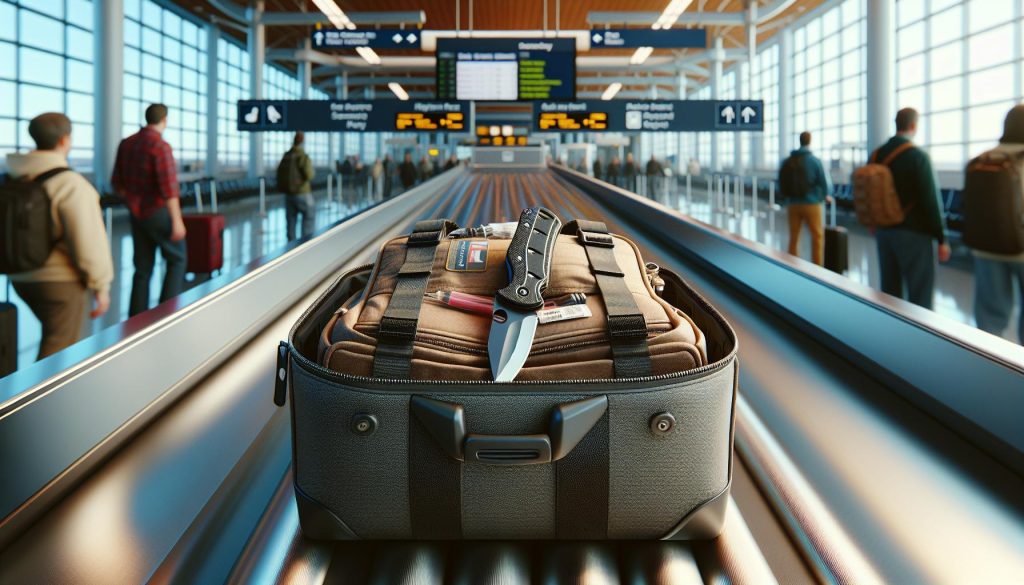
Traveling with a pocket knife can spark a lot of questions, especially regarding the regulations surrounding checked luggage. Did you know that different airlines have varying policies that can impact your journey? Understanding these flight rules is essential not only for avoiding potential confiscation but also for ensuring your safety and peace of mind while traveling. Whether you’re an outdoor enthusiast relying on your trusty multi-tool or simply want to be prepared for unexpected situations, knowing what you can and cannot pack can save you a lot of hassle. Dive into this guide to uncover the essential flight rules regarding carrying pocket knives in checked bags, and equip yourself with the knowledge to travel confidently.
Understanding Checked Baggage Regulations for Pocket Knives
Traveling with pocket knives can remain a grey area for many passengers, leading to confusion and frustration at security checkpoints. According to the Transportation Security Administration (TSA), pocket knives, regardless of blade length, are strictly prohibited in carry-on bags. However, the regulations are more lenient when it comes to checked baggage, allowing you to transport pocket knives without issue as long as you adhere to specific guidelines.
When packing a pocket knife in your checked luggage, it’s essential to ensure that it is securely sheathed or packed away to prevent accidental injury during transit. A good practice is to place the knife in a hard case, padded compartment, or a separate tool bag to minimize movement and potential damage to other items. Additionally, declaring your pocket knife at check-in can alert airline personnel to handle your belongings with care, though this is not a requirement.
It’s important to note that while TSA regulations permit pocket knives in checked baggage, individual airlines may impose additional restrictions. Always check with your chosen airline for any specific rules they might enforce regarding the transportation of knives and other sharp objects. Moreover, if you’re traveling internationally, be aware that other countries may have different regulations that could prohibit even the possession of your knife. Always research destination-specific laws to prevent any legal issues upon arrival.
By being well-informed and taking necessary precautions when packing your pocket knife in checked luggage, you can navigate air travel more confidently and avoid the inconveniences of confiscation or delays.
The TSA Guidelines: What You Need to Know
Traveling with a pocket knife can be a daunting challenge for many enthusiasts who find themselves navigating the complex regulations set forth by the Transportation Security Administration (TSA). As a general rule, while pocket knives are strictly prohibited in carry-on bags regardless of blade length, they can be legally packed in checked baggage. Understanding these guidelines is crucial for anyone wanting to keep their trusty blade close at hand while flying.
When preparing to pack your pocket knife in checked luggage, you’re allowed considerable freedom, but with that freedom comes responsibility. The TSA recommends that knives should be stored securely to prevent injury during handling or transport. This means sheathing your blade or using a hard case is advised to minimize movement and potential damage to other items in your bag. It’s also a good idea to pack your knife in a manner that allows for easy retrieval once you reach your destination. Consider using a padded compartment within your bag or a separate tool organizer to keep your knives safe and accessible.
It’s crucial to remember that TSA regulations are just one piece of the puzzle. Individual airlines might impose their own restrictions on the kinds of blades that can be transported, which could vary significantly from the TSA’s policies. For example, some airlines may not permit certain knife types or sizes, so it’s essential to confirm these details before your trip. Additionally, if your travels take you beyond U.S. borders, international regulations may also come into play. Certain countries have strict laws regarding the possession and transport of knives, so always do your homework to avoid unexpected legal complications upon arrival.
In summary, packing a pocket knife in checked luggage is permissible under TSA guidelines, provided you follow the necessary precautions. Being proactive about understanding both airline-specific rules and international regulations will empower you to travel confidently with your preferred outdoor gear. Always keep in mind that responsible packing and thorough research can make your travel experiences smoother and more enjoyable.
Exceptions to the Rule: Types of Pocket Knives Allowed
Traveling with a pocket knife can often leave enthusiasts wondering what specific types are permitted in checked baggage, given the array of regulations imposed by the TSA and individual airlines. While the TSA allows a wide variety of knives in checked luggage, it’s critical to understand which types can be included without risk of confiscation upon arrival at your destination.
In general, the following types of pocket knives are typically allowed in checked bags:
- Folding Knives: Most folding knives, regardless of blade length, are permitted as long as they are securely sheathed or packed in a manner that prevents accidental opening.
- Multi-tools: Popular choices like Swiss Army knives that feature multiple tools along with a blade are generally accepted. However, it’s essential to check that no tools are protruding from the case when packed.
- Sheathed Blades: Fixed-blade knives that are sheathed and securely packed can also be included, though they should be stowed in a way that avoids movement within the luggage.
It’s important to note that while the TSA allows these types, some airlines might have additional restrictions based on their policies. For example, an airline might prohibit larger blades, even if they are technically permitted by the TSA. Before traveling, always check the specific guidance from your airline regarding the transport of knives to avoid any issues at the airport.
Additionally, it’s worth considering local laws at your destination. Certain states and countries have different regulations concerning the types of knives that can be legally owned or transported. It’s best to do a bit of research on any knife-related laws for the destinations you plan to visit to ensure full compliance. This way, you can enjoy your travels while keeping your essential gear secure and within the law.
State and International Variations in Knife Regulations
Traveling with a pocket knife can be a complex endeavor due to varying regulations that differ not just by airline, but also by state and country. Each region has its own set of laws that dictate what types of knives are permissible, leading to potential confusion for travelers who want to ensure they follow the rules. This legal landscape can significantly impact your travel plans, necessitating careful research before you pack that cherished blade.
For instance, while the TSA may allow certain types of pocket knives in checked baggage, some states, cities, or foreign countries have prohibitions on blade length, style, or even the ownership of specific types of knives. In the United States, states like California and New York have distinct laws regarding the carry of folding knives and switchblades. For example, in New York City, even a folding knife that is not locked can be considered a weapon, while states like Texas have more relaxed regulations favoring knife ownership. Thus, if you’re traveling from Texas to New York, the knife you readily carry at home might land you in legal trouble upon arrival.
Internationally, the regulations can shift drastically. Countries within the EU, for example, have stringent rules concerning knife length and type, with some nations outright banning various categories. In certain destinations, even a pocket knife may be seen as an offensive weapon, leading to confiscation at customs. Always verify the local laws pertaining to knives in any country you plan to visit, as these rules can be as varied as they are strict.
To ensure a smooth travel experience with your pocket knife, consider these key steps:
- Research the laws: Before your trip, consult online resources or local regulations to understand what is permitted.
- Check airline policies: Even if a knife is allowed by TSA, some airlines might impose stricter restrictions.
- Securely pack your knife: Follow TSA guidelines on sheathing and packing to minimize any potential issues.
- Be aware of transient laws: If you’ll be passing through multiple jurisdictions, follow the most restrictive rules to avoid legal complications.
Understanding these variations and following proper packing protocols ensures that you enjoy your journey without the added stress of legal repercussions.
Tips for Safely Packing Your Pocket Knife in Checked Bags
Packing a pocket knife in checked baggage requires careful consideration to ensure compliance with regulations and to protect both the knife and your luggage. A common misconception is that simply placing a knife in your bag is sufficient; however, adhering to specific packing guidelines can significantly reduce the risk of damage and complications at security checkpoints.
Start by properly securing your pocket knife. Place it in a sturdy sheath if it has one, or wrap it securely in a thick cloth or bubble wrap. This not only protects the blade but also prevents it from causing accidental injury to luggage handlers or getting damaged during transit. Using a protective case or a dedicated knife pouch can further safeguard the knife from impacts.
Labeling and Location
Consider where you place your knife in the checked bag. Ideally, keep it near the top or in an easily accessible section of your luggage. If your bag is inspected, a visible location can reduce the chance of it being missed or improperly handled by security personnel. Additionally, labeling the pouch or sheath with your contact information can help if your luggage is lost or mishandled.
Compliance with Regulations
Before heading to the airport, double-check the most recent TSA guidelines regarding pocket knives in checked luggage. Although the TSA permits certain types of knives in checked bags, there might be additional restrictions imposed by specific airlines or countries. It’s worth checking these rules beforehand to avoid any last-minute surprises.
In conclusion, packing a pocket knife for air travel involves more than just tossing it into your checked baggage. By taking the time to secure your knife properly, understanding necessary regulations, and being mindful of its placement within your luggage, you can ensure a hassle-free journey and protect your valuable tools along the way.
Common Misunderstandings About Carrying Knives on Flights
Many travelers assume that if a pocket knife is placed in checked baggage, it is automatically allowed and safe from scrutiny. However, this is a common misunderstanding that can lead to unexpected complications. First and foremost, it’s essential to recognize that while the TSA does permit certain types of knives in checked luggage, they adhere to specific regulations that travelers must follow to avoid having their belongings confiscated.
One considerable misconception is that all pocket knives are treated the same under TSA guidelines. In reality, the material, length of the blade, and any additional features can impact whether a knife is permissible. For instance, while folding knives are generally acceptable, fixed-blade knives may face stricter scrutiny. Additionally, certain airlines and international destinations may impose their own rules, which could differ from TSA regulations. This variability means that a knife considered legal on one airline could lead to issues on another.
Another frequent mix-up involves the belief that if a knife is securely packed in the checked bag, it won’t attract much attention. While proper packing is crucial for avoiding damage, it doesn’t guarantee that security personnel won’t inspect the bag. Knives should not only be packed securely but also placed in a way that they are easily identifiable, minimizing the time it takes for security staff to understand what’s inside. Utilizing a protective case and labeling it can further clarify the contents and ensure smoother inspections.
Lastly, many travelers believe that their pocket knives can go anywhere they go, including international destinations. This is a dangerous assumption. Each country may have its own restrictions regarding knives, and travelers should familiarize themselves with these laws before their trip. Failing to do so could lead to legal ramifications, fines, or even confiscation of the knife upon arrival. Always do your homework and stay informed about the regulations that could affect your travel plans. By understanding these common misconceptions, you can travel more confidently and avoid unnecessary hassles at the airport.
Alternatives to Pocket Knives for Travelers
While pocket knives can be practical tools for various tasks, many travelers are starting to explore alternatives that comply better with travel regulations and safety requirements. For those who wish to maintain functionality without the complications that come with carrying a pocket knife, there are several options that can prove to be just as effective and, in some cases, more user-friendly.
One noteworthy alternative is the multitool. These compact devices often come equipped with multiple functions, such as screwdrivers, can openers, and pliers, in addition to smaller blades. They provide versatility without raising as many concerns during security checks as traditional knives might. Popular brands like Leatherman and Swiss Army offer a variety of multitools that are designed specifically for travel, ensuring that you have ample tools at your disposal without the legal ambiguities of carrying a knife.
Another option is to consider utility knives, which can be designed to fit in your pocket and function similarly to a traditional knife while adhering to safety regulations. Many utility knives have retractable blades that can be safely stored when not in use, making them less intimidating in security situations. Furthermore, many types are designed specifically for easy blade replacement, allowing you to keep the tool functional without breaking TSA rules or risking confiscation.
For travelers focused on outdoor activities or camping, purpose-built camping tools can be a game changer. These often include essential features like saws, screwdrivers, and scissors without functioning as a traditional knife. Brands like Gerber and Leatherman often incorporate these tools into their camping gear, providing a compact and efficient solution for all your outdoor needs.
Lastly, remember to evaluate everyday items that can also fulfill specific functions typically reserved for knives. Scissors, for example, are generally permitted in checked luggage and can serve many of the same purposes as a small knife. This strategic rethinking of what you pack can alleviate potential confusion and ensure that you are fully compliant with TSA regulations while still being prepared for common travel scenarios.
In conclusion, diversifying your travel toolkit with multitools, utility knives, camping tools, and everyday objects can enhance your travel experience. These alternatives not only help you stay within the guidelines set forth by airlines and airports but also equip you with functional tools for everyday situations. By making informed choices, you can confidently navigate travel regulations while still being prepared for your journey.
The Importance of Knowing Flight Rules for Outdoor Enthusiasts
Understanding the regulations surrounding traveling with tools like pocket knives is crucial, especially for outdoor enthusiasts who rely on them during trips. Many assume they can simply pack their trusty blade in checked luggage without a second thought, but the nuances of flight rules can lead to unforeseen complications. For instance, while pocket knives are generally permitted in checked bags, not every airline or destination shares the same regulations, and it’s easy to overlook specific local laws when traveling.
Here are some practical considerations for outdoor enthusiasts to keep in mind:
- Research Airlines and Destinations: Always verify the policies of the airline you are flying with regarding weapons before packing. Some airlines may have stricter rules, while some countries may outright ban certain types of blades.
- Understand TSA Guidelines: The TSA allows pocket knives in checked bags, but not in carry-ons. For added peace of mind, check the TSA website for the most current rules, as they can change frequently.
- Consider the Type of Knife: Not all pocket knives are created equal; some may exceed the size limit or have features that could categorize them differently under transportation laws. Folding knives with blades longer than 2.36 inches could attract scrutiny.
- Plan for Confiscation: If you mistakenly pack an unauthorized item in carry-on luggage, know that confiscation is possible. Having a backup plan for your tools ensures you can adapt in case your pocket knife goes missing at security.
Moreover, outdoor enthusiasts should also consider alternatives that ensure compliance while still equipping them for their adventures. Compact multitools can offer versatility and tackle various tasks without raising alarms at security checkpoints. Items such as scissors or other utility tools that are generally permitted in carry-on luggage can serve as effective substitutes, as long as they conform to regulations.
In conclusion, being informed about flight rules concerning pocket knives not only prevents potential hassles during travel but also empowers outdoor enthusiasts to make smarter choices about their gear. With proper planning and research, you can ensure a smooth journey while still being prepared for your outdoor escapades.
Travel Tips for Knife Collectors and Hobbyists
Traveling with pocket knives can be a rewarding experience for collectors and hobbyists, but it comes with its own set of challenges. Understanding the regulations and nuances of flying with these tools is crucial, especially when you’re passionate about your gear. Many airports have strict rules, and a beautiful pocket knife can quickly become a source of frustration if not packaged correctly or if the regulations are misunderstood. Here are some key tips to enhance your travel experience while ensuring the safety and compliance of your beloved knives.
First and foremost, always verificar local laws and airline policies regarding the transportation of knives. Each country can have its own laws, and different airlines may implement more stringent restrictions than the TSA. Some may even prohibit specific knife types or blade lengths, so checking their websites prior to your trip can save you from a headache at security checkpoints. For instance, while the TSA allows pocket knives in checked baggage, some airlines impose additional rules, so due diligence is essential.
Another significant consideration for knife collectors traveling with checked bags is how you pack your knives. Using a padded case or wrapping your knives in a soft material can provide added protection against damage. Labeling the case as “fragile” can also encourage handlers to be more cautious. Always double-check that your knives are stowed safely within your checked luggage and that you can easily access them upon arrival to avoid unwanted disputes with airline ownership regulations.
For those who frequently enjoy unique and high-quality knives, consider investing in knife-specific storage options for your travels. Many brands offer compact, protective cases designed for transporting multiple knives securely, allowing you to bring your collection without hassle. This way, you can focus on your adventures without worrying about how to carry your precious items securely.
Lastly, be sure to connect with other enthusiasts or communities, such as local knife clubs or online forums, to share experiences and tips regarding air travel with knives. Social media and dedicated websites can provide invaluable insights about fellow travelers’ experiences, including which knives worked for them and what missteps to avoid. Join conversations that enhance your understanding of safe travel practices and broaden your horizons regarding new, compliant gear that you can take along on your outdoor adventures.
By arming yourself with knowledge and ensuring proper precautions, you can confidently travel with your pocket knives, preserving the excitement and utility they bring to your hobbies.
What to Do if Your Pocket Knife Is Confiscated
When security personnel discovers a pocket knife in your checked baggage or during screening, it can be a frustrating experience. Understanding the steps to take if your pocket knife is confiscated can help you respond effectively and learn from the situation. The first step is to remain calm and courteous, as escalations can complicate the matter further. A polite conversation with the security staff may reveal options for retrieving your knife or understanding the specific reasons for its confiscation.
If your knife is taken, ask the officers about their protocol regarding confiscated items. In many cases, items brought to security that violate regulations are surrendered permanently. However, it’s essential to inquire whether you have the option to mail the knife back to yourself if it’s legal to do so in your state or country. Some airports may have a process where you can pick up the item after your trip, provided that you inform them at the checkpoint and indicate your travel plans.
To prepare for potential confiscation in the future, keep an eye on the regulations related to pocket knives and other tools. Many travelers have been caught off guard by seemingly innocuous items that raise security flags. Packing a tool that is allowed in checked luggage but may be flagged as suspicious in carry-ons is crucial. Additionally, consider documenting your valuable items before traveling, as this can serve not only as an inventory for your ownership but also offers proof if you need to claim an item later.
If your knife has been lost permanently, reflect on potential alternatives for your future travels. Explore options like multi-tools or folding utensils that can meet your needs without falling under similar restrictions. Engaging in online communities, such as forums for travelers or hobbyists, can provide valuable insights on compliant tool options while helping you connect with others who share your interests.
Enhancing Travel Safety: Responsible Knife Use
Responsible knife use is crucial for safety and compliance, especially for travelers who appreciate the versatility of pocket knives. Whether you’re an outdoor enthusiast or a casual user, understanding how to use and transport your tools responsibly can make a significant difference in your travel experience. Remember, a pocket knife can be a handy tool for various tasks, but being aware of regulations and best practices is essential to avoid complications at security checkpoints.
The first step in enhancing travel safety is to fully understand the legalities surrounding knife use and transport. Familiarize yourself with the rules set by organizations like the TSA, which specifically state that pocket knives are prohibited in carry-on luggage but allowed in checked bags. To remain compliant, always check the knife regulations of the specific airline and destination country. Some jurisdictions have stricter laws regarding blade length and types of knives; thus, knowledge is your best ally.
When packing your pocket knife, consider its placement within your checked baggage. It’s advisable to wrap the knife securely to prevent any accidental openings or injuries while in transit. Additionally, consider using a sheath or knife roll to ensure the blade is safely contained. This not only protects you but also reduces the risk of damaging other items in your luggage. As a rule of thumb, a good travel practice is to keep any sharp tools easily accessible but well-secured.
Finally, joining communities or forums dedicated to knife enthusiasts can provide invaluable insights and tips on responsible use. Engaging with others who share your interests can help you stay updated on best practices, recommend alternatives, and provide guidance on local laws. Knowledge shared within these communities can reinforce responsible behavior, allowing for a safer and more enjoyable travel experience without compromising your passion for knives.
Frequently Asked Questions
Q: Can you carry a pocket knife in checked baggage on a plane?
A: Yes, you can carry a pocket knife in checked baggage when flying. However, always ensure that it complies with the airline’s regulations and check for any specific state or international laws regarding knife transportation.
Q: What types of pocket knives are permitted in checked bags?
A: Most standard pocket knives are allowed in checked baggage. However, knives with automatic opening mechanisms or excessively long blades may have restrictions, so check the TSA guidelines and airline policies before packing.
Q: Are there size restrictions for pocket knives in checked baggage?
A: There are no specific size restrictions for pocket knives in checked baggage. However, it’s advisable to ensure that your knife is safely stowed to avoid any damage during transit.
Q: What happens if my pocket knife is found in a carry-on bag?
A: If a pocket knife is found in a carry-on bag at the security checkpoint, it will be confiscated by TSA agents. Always pack any knives in checked luggage to avoid this situation.
Q: Can international flights have different rules regarding pocket knives?
A: Yes, international flights may have different regulations. Countries have varying laws regarding knife transportation, so it’s crucial to check the specific airline and destination country’s rules before traveling.
Q: How should I pack my pocket knife in checked luggage?
A: To pack your pocket knife safely in checked luggage, wrap it securely or place it in a protective sheath. This prevents accidents and helps protect both the knife and other belongings.
Q: What should I do if my pocket knife is confiscated?
A: If your pocket knife is confiscated at security, you have the option to dispose of it or return it to your vehicle (if available). You cannot retrieve it once it’s taken, so pack wisely.
Q: Are there alternatives to pocket knives that I can carry on a plane?
A: Yes, alternatives include multi-tools without knife blades, scissors with blades shorter than 4 inches, or personal safety devices designed for travel. Always refer to TSA guidelines for permitted items.
In Retrospect
As you prepare for your next flight, remember that understanding the rules about pocket knives in checked baggage can save you time and hassle at the airport. While you can typically take a pocket knife, ensuring you’re aware of the specific regulations is crucial to avoid any unexpected issues. If you have lingering questions about travel gear or safety tips, our guides on Swiss Army knives and everyday carry essentials can enhance your travel experience and ensure you’re fully equipped.
Don’t miss out-subscribe to our newsletter for the latest updates and expert advice tailored for travelers like you. Explore our comprehensive resources that cover everything from gear selection to maintenance, empowering you with the knowledge for confident tool use. Ready to dive deeper? Check out our articles on safe packing practices and find the perfect backpack for your adventures. Share your thoughts or experiences in the comments below; your feedback not only helps others but builds a community passionate about responsible and practical travel gear!