

Did you know that the weight of your backpack can significantly impact your comfort and performance on a hike or during daily commutes? Understanding how much a backpack weighs-and comparing different options-is crucial for anyone who values mobility and efficiency. In this guide, we delve into the important factors that contribute to backpack weight, including materials, design, and capacity. Whether you’re a seasoned adventurer or a casual day-tripper, knowing how to choose the right backpack can enhance your experience, making your journeys more enjoyable and less strenuous. Join us as we explore weight comparison charts that will empower you to select the perfect pack for every occasion, ensuring you’re well-equipped without the unnecessary burden.
Understanding Backpack Weight: Why It Matters
Understanding the weight of your backpack plays a crucial role in your overall comfort and performance during any outdoor adventure. A heavier pack can lead to increased fatigue, discomfort, and even injury, particularly on long hikes. According to experts, a good rule of thumb is to aim for your pack to weigh no more than 20% of your body weight. This guideline helps ensure that you’re not overburdened, allowing you to move more freely and enjoy your experience to the fullest.
When evaluating the significance of backpack weight, it’s essential to consider the type of activity and duration of your trip. For short day hikes, a standard weight may be manageable; however, for extended backpacking trips, excessive weight becomes a larger concern. Every ounce you save on non-essential gear can make a notable difference in your energy levels. Investing in lightweight gear, such as tents, sleeping bags, and cooking equipment, can help trim down the weight effectively.
Additionally, understanding how weight affects balance and stability is critical. A well-balanced backpack allows for easier navigation over uneven terrain. This means considering not only the total weight but how the load is distributed across the pack. Keeping heavier items close to your back and centered helps maintain your center of gravity, which can reduce the strain on your back and joints.
Ultimately, conscious weight management can enhance your outdoor experience by improving comfort and safety. By being aware of your backpack weight and its implications, you can make informed decisions that align with your personal capabilities and adventure goals.
Essential Factors That Influence Backpack Weight

Understanding the weight of your backpack involves recognizing various factors that contribute to its overall heft. For adventurers, backpack weight is not merely a number; it significantly impacts comfort during your journey. Several elements determine how heavy your backpack will be, ranging from its design to the gear you choose to pack. By dissecting these factors, you can make informed decisions that enhance your outdoor experience and promote better mobility.
One crucial aspect is the backpack’s construction material. High-quality, lightweight materials such as ripstop nylon or Dyneema can greatly reduce the weight of the pack without sacrificing durability. A traditional canvas backpack, while sturdy, might weigh significantly more, potentially pushing the overall weight beyond manageable limits. Choosing a pack made from lighter materials can lead to substantial weight savings, especially during long treks.
Additionally, the design and features of the backpack contribute to its weight. Specialized backpacks that include extra pockets, compartments, or built-in frames tend to weigh more than simpler designs. For example, a backpack designed for technical climbs might include additional gear loops, making it heavier. Understanding your specific needs-whether you require a minimalist day pack or a more feature-rich overnight option-will guide you to a pack that balances weight with functionality.
The items you choose to carry also play a significant role in your pack’s weight. Every piece of gear or food can add up, so consider prioritizing lightweight options. For instance, opting for a compact and ultralight sleeping bag or a more efficient cooking system can drastically reduce the load without compromising on comfort or safety. Furthermore, employing the principle of “leave no trace” encourages responsible packing, ensuring that only essential items are carried, thus minimizing weight.
Lastly, personal preferences for comfort vs. weight efficiency also come into play. Some hikers may prioritize carrying a few luxury items for comfort, while others may strictly adhere to weight-saving strategies. You’ll need to find a balance between what you feel makes your hiking experience enjoyable and what keeps you agile on the trail. Understanding these factors can significantly enhance your preparedness and overall satisfaction during your adventures.
Comparative Weight of Popular Backpack Brands
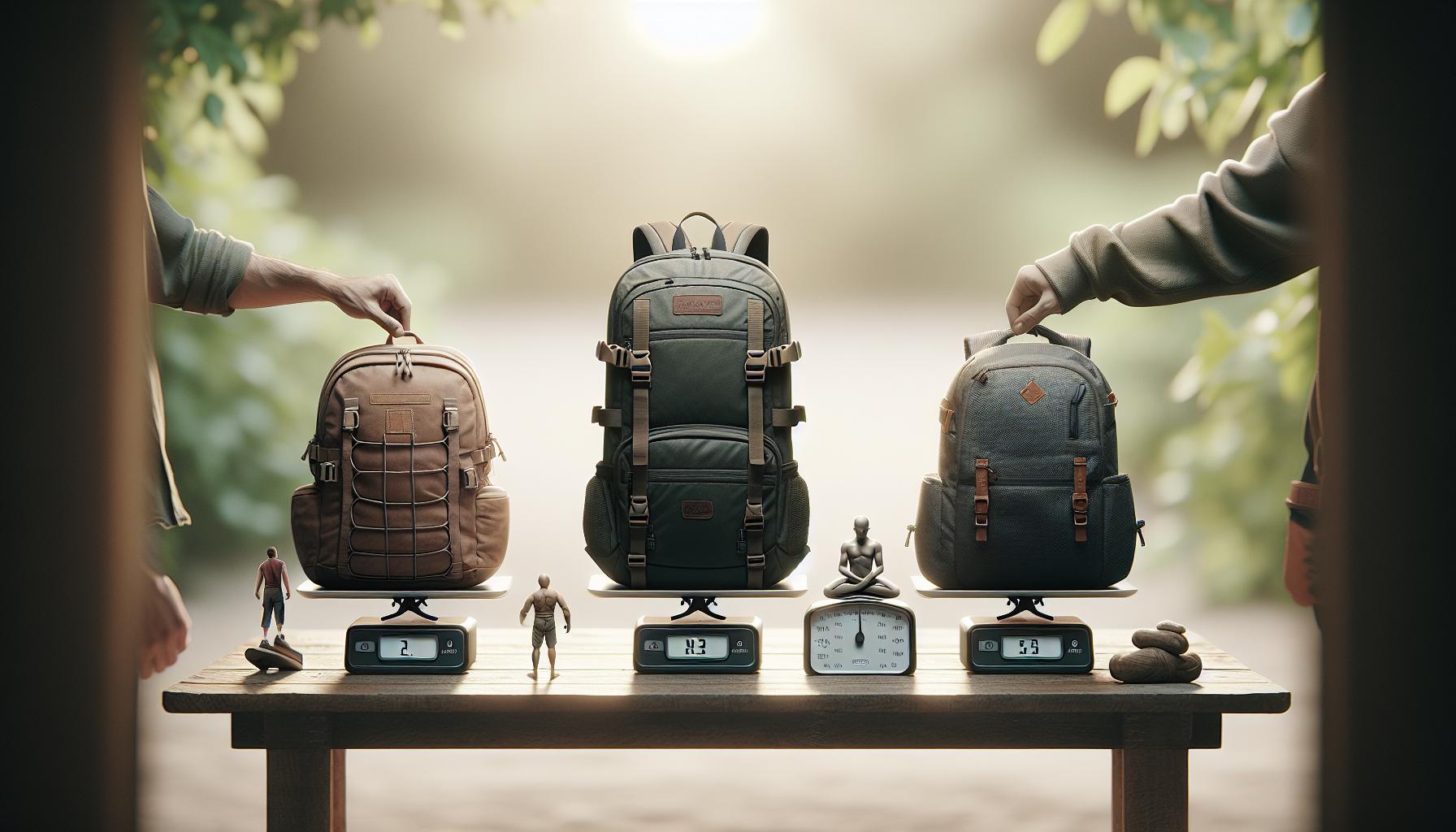
Understanding the can empower you as you search for the perfect gear for your adventures. Weight is not merely a number; it can significantly impact your comfort and endurance while hiking, camping, or even just commuting. It’s essential to compare well-known brands to find options that not only meet your design and durability needs but can also keep your load manageable.
Prominent brands like Osprey, Gregory, and The North Face have established themselves as leaders in the lightweight backpack market. For instance, Osprey offers several models under their Exos and Eja lines that weigh around 2 to 3 pounds for around 50 liters of capacity, making them perfect for overnight trips. On the other hand, Gregory’s Paragon and Deva series range around 3 to 4.5 pounds, striking a balance between comfort and weight for those who carry more gear on longer treks. The North Face is known for its versatility and typically provides bags that might weigh slightly more due to added features, ranging from 3.5 to 5 pounds depending on the model and capacity.
When comparing the weights of these brands, it is crucial to consider the specific features you value. Additional pockets, built-in frames, and suspension systems can add weight. Thus, if you’re focused on ultra-light backpacking, consider models that offer minimal features with high-quality materials. Below is a simplified comparison of a few popular models from these brands:
| Brand | Model | Weight (lbs) | Capacity (liters) |
|---|---|---|---|
| Osprey | Exos 58 | 2.6 | 58 |
| Gregory | Paragon 58 | 4.0 | 58 |
| The North Face | Recon | 3.5 | 30 |
When choosing a backpack, weigh not just the pack itself but also what you plan to carry inside it. Selecting lightweight equipment and limiting unnecessary items will ensure that your total pack weight stays low, allowing for a more enjoyable hiking experience. Balancing comfort features with weight considerations will guide you to a backpack that suits your needs, whether you’re tackling a multi-day hike or a day trip. Ultimately, the key is to find a pack that feels comfortable while keeping your load manageable for the best outdoor experience.
Best Lightweight Backpacks for Every Adventure
When it comes to selecting a lightweight backpack for different adventures, the options are as varied as the activities themselves. Choosing the right pack can enhance your experience, making it more enjoyable and less tiring. Whether you’re planning a day hike in the mountains, a weekend camping trip, or a city exploration, having the right gear is crucial.
For weekend warriors who enjoy backcountry camping, packs like the Osprey Exos 58 stand out. Weighing just 2.6 pounds, it offers ample capacity for overnight gear without weighing you down. Its ventilated back panel and padded shoulder straps ensure comfort during long treks. Another excellent choice for hiking enthusiasts is the Gregory Paragon 58, which, while slightly heavier at 4.0 pounds, balances weight with exceptional support and organizational features, making it suitable for those who need to carry more gear.
If you’re more inclined toward a quick day trip, the The North Face Recon is a versatile option at a lightweight of 3.5 pounds. Its streamlined design accommodates daily essentials while maintaining a comfortable fit for extended wear. The inclusion of hydration compatibility is a particularly thoughtful feature for ensuring you stay hydrated on any adventure.
For ultralight backpacking, consider brands like Hyperlite Mountain Gear or Zpacks, which offer ultra-lightweight options that typically weigh under 2 pounds and are constructed from durable, waterproof materials. The Zpacks Arc Blast, for instance, weighs in at around 1.5 pounds and is known for its minimalist design that still offers essential features.
Selecting the right backpack involves knowing not just the weight of the pack itself but also how it fits into your overall gear strategy. Aim to keep your total pack weight below 20% of your body weight for optimal comfort. Lightweight, compact gear paired with a well-fitted pack can make all the difference in enjoying your outdoor endeavors to the fullest.
Investing in a lightweight backpack specifically tailored to your adventures is not just about bearing your gear-it’s about enhancing your entire experience outdoors. By considering the unique features and specifications of each model, you can maximize performance and comfort on your journeys.
Backpack Weight Considerations for Different Activities
Selecting the appropriate backpack weight for various activities is integral to enhancing your experience-too heavy, and you may find yourself drained; too light, and you might lack necessary gear. Understanding the specific demands of different activities can guide your choice in backpack weight and design.
Day Hiking
For day hikes, a lighter pack (typically between 1.5 and 3 pounds) allows for easier mobility. A comfortable option is the Osprey Talon 22, which weighs about 1.5 pounds yet provides ample space for essentials like water, snacks, and a first-aid kit. The key is to keep your total weight, including all gear, ideally below 10% of your body weight. This ensures that you can navigate trails without fatigue while still having what you need on hand.
Backpacking Trips
On extended backpacking trips, pack weight becomes crucial for overall durability and comfort. Aim for a base weight of 2 to 4 pounds for your pack alone; models like the Gregory Baltoro fit this bill, weighing around 4.5 pounds but providing excellent support for heavy loads with their advanced suspension systems. Here, the balance is essential; consider utilizing lightweight tents and sleeping bags to keep your total pack weight manageable, ideally under 20% of your body weight.
Urban Exploration
In urban settings, a more versatile and lighter backpack weighing around 2 to 3 pounds makes navigating city landscapes easier. Look for options like the Patagonia Arbor Grande pack, which is not only stylish but also functional enough for daily use. Prioritize features like laptop compartments and organizational pockets rather than maximizing capacity, as you usually won’t need to carry bulky outdoor gear.
Traveling
When traveling, especially if you’re reliant on public transport, your backpack should weigh as little as possible-ideally under 3 pounds, such as the REI Co-op Flash pack. This ensures you can carry it comfortably while also maintaining enough room for clothing and travel essentials. Remember that frequent packing and unpacking can be taxing, so a lightweight pack with easier access pockets can significantly improve your travel experience.
In all cases, carefully consider the total weight of your gear, aiming for a practical balance that suits your activities while enhancing overall enjoyment-whether hiking the trails or roaming the city streets.
Kids’ vs. Adult Backpacks: Weight Differences Explained

When it comes to backpacks, understanding the weight differences between kids’ and adult models is crucial for both comfort and functionality. Surprisingly, many parents may not realize that a child’s backpack should not only be lighter but also specifically designed to fit their smaller frames. For children, a good rule of thumb is that their backpacks should weigh no more than 10% to 15% of their body weight. This is significantly lighter than the 20% to 25% recommended for adults engaged in similar activities.
The construction and design differences between kids’ and adult backpacks play a substantial role in weight distribution and comfort. Kids’ backpacks often feature padded straps and back panels, sometimes with additional ergonomic qualities to help distribute weight more evenly across their shoulders and back. Meanwhile, adult backpacks may include more robust materials and additional compartments designed for carrying heavier loads, which can increase the overall weight. As a result, a heavy adult backpack, even if partially loaded, may pose health risks to a child, including back strain and poor posture.
For practical examples, consider a standard school backpack for kids, which typically weighs around 1 to 2 pounds when empty. On the other hand, an adult travel backpack can weigh anywhere from 2 to 5 pounds or more. This disparity highlights not only the need for lighter options for children but also the importance of monitoring what goes inside their packs. Organizing gear efficiently and ensuring only the essentials are packed can minimize the cumulative weight they carry, facilitating ease of movement and enjoyment.
In essence, while both kids and adults need functional backpacks, ensuring that children have appropriately sized and weight-optimized options is key to safeguarding their health and enhancing their overall experience during daily activities or weekend adventures.
How to Properly Weigh Your Backpack

To accurately determine how much a backpack weighs, it’s essential to follow a systematic approach that accounts for both the empty pack and its loaded contents. Many people overlook just how crucial this measurement can be, especially when aiming for a balanced load during hikes or daily commutes. An improper weight distribution can lead to discomfort or even injury over time. By understanding the proper methods to weigh your backpack, you can optimize your load for comfort and safety.
Begin by weighing your empty backpack. Use a digital scale for the most precise measurement and keep the pack clean and unaltered, as pockets or straps can vary in weight. Once you have that baseline, it’s time to fill the backpack with your intended items. Before you load it, sort through your gear to prioritize essential items-you’ll want to avoid unnecessary weight. After packing, place the loaded backpack directly onto the scale to get the total weight. This combined reading will help you understand the full weight you’ll be carrying.
It’s also beneficial to periodically reassess your loaded backpack throughout your journey. If you’re on a hike or a long outing, consider taking breaks to redistribute weight if it feels uncomfortable. An additional tip is to weigh your backpack before any trip to ensure you stay within recommended guidelines-10% to 15% of a child’s body weight and 20% to 25% for adults. Keeping track of these weights can prevent strain and enhance your overall experience, whether you’re trekking through the wilderness or just heading to class.
In summary, the methodical weighing of your backpack not only aids in maintaining comfort but also contributes to overall well-being. Regularly monitor both the weight of your empty backpack and its contents to keep your load manageable and your adventures enjoyable.
Maximizing Comfort: Weight Distribution Tips
Carrying a backpack properly can significantly enhance your comfort and performance, especially during long hikes or commutes. One common misconception is that simply throwing everything into your pack is sufficient. In reality, how you distribute weight in your backpack is key to maintaining stability and minimizing strain. Improper weight distribution can lead to back pain, fatigue, and even long-term injuries. Here are essential tips to help you maximize comfort through effective weight distribution.
To start, always keep the heaviest items close to your back and at the center of the pack. This positioning helps maintain your center of gravity, allowing for better balance and control. Strategically organizing your gear can make a noticeable difference. Place lighter, less frequently accessed items, such as sleeping bags or extra clothes, at the bottom and towards the sides. This way, they won’t shift around as much while you move, allowing your body to adjust more smoothly to the load.
When packing, consider the importance of accessibility. Items you need to reach frequently, such as snacks or maps, should be placed in an easy-to-access pocket or at the top of your pack. This not only enhances convenience but also reduces the amount of time you spend digging through your bag, which can lead to unsettling shifts in weight. Additionally, remember to use compression straps effectively; they keep your load compact and stabilize your gear, preventing it from bouncing around while you walk.
Lastly, periodically reassess your load throughout your outing. If you start to feel discomfort, take a moment to stop and adjust. Your body’s needs can change as you move, and minor tweaks to your weight distribution can lead to significant comfort improvements. Keeping these tips in mind will ensure that you enjoy your adventures more fully, without the burden of unnecessary strain.
Common Mistakes in Backpack Weight Management
Carrying a well-packed backpack should feel balanced and manageable, yet many outdoor enthusiasts make preventable mistakes that lead to discomfort and inefficiency. A common error is overpacking without assessing necessity; it’s easy to fall into the trap of bringing every imaginable item “just in case.” Not only does this inflate the weight significantly, but it can also lead to fatigue on long hikes. Instead, focus on the essentials, and consider the duration of your activity to fine-tune your packing list accordingly.
Another frequent misstep involves poor weight distribution. Many packers simply toss their gear into the backpack without regard to placement. This can result in the heaviest items being placed awkwardly, far from your body’s center of gravity. A practical approach is to store heavier items close to your back and centered, while lighter and bulkier items can be packed at the bottom or sides. This method helps maintain balance and can alleviate strain during movement.
Accessibility is also crucial, yet it is often overlooked. Items you may need quickly should not be buried under layers of gear. Instead, keep these essentials, such as snacks, hydration, or navigation tools, in external pockets or at the top of your pack. This strategy not only enhances convenience but reduces the amount of time you spend rummaging through your pack, which can lead to unnecessary shifts in weight.
Lastly, failing to regularly reassess your load while on the move can lead to discomfort as the journey progresses. Your needs may change throughout the hike, and a quick adjustment could make all the difference. Whether that means shifting the placement of your water bottle or offloading excess items at a rest stop, remaining proactive about your backpack’s weight management will lead to a significantly more enjoyable experience. Emphasizing these aspects of weight management will not only enhance comfort but also improve overall performance on your adventures.
The Impact of Materials on Backpack Weight
Choosing the right materials for your backpack can significantly influence its weight, impacting your overall hiking experience. Materials not only determine how heavy your pack will be but also its durability, functionality, and comfort. For instance, while heavier fabrics like canvas are known for their strength and durability, they can weigh considerably more than lightweight materials such as nylon or polyester. This trade-off is essential to consider, especially when you’re trying to balance weight with the robustness needed for your adventures.
Nylon is one of the most popular materials for modern backpacks, especially in lightweight and ultralight categories. This synthetic fabric is not only lightweight but also water-resistant, making it ideal for variable weather conditions. Typically, high-denier nylons like 420D or 1000D offer a great balance of weight and durability for serious backpackers. Conversely, lightweight variations, such as ripstop nylon, provide an excellent option for those focused on minimizing weight, although they may sacrifice some resilience under heavy use.
Polyester packs are another common choice, often slightly heavier than nylon but generally more affordable. They offer decent durability and UV resistance, ideal for casual hikers or those seeking a budget-friendly option. If you are concerned with environmental impacts, some companies now offer recycled polyester backpacks that combine reduced ecological footprints with satisfactory performance.
Specialty Fabrics
In addition to traditional materials, the use of Dyneema (formerly Cuben Fiber) is gaining traction, especially among ultralight backpacking enthusiasts, as it boasts an exceptional strength-to-weight ratio and outstanding waterproof properties. However, the price point of Dyneema can be prohibitive for many consumers. On the other hand, Gore-Tex and similar laminated materials provide weatherproof options ideal for wet conditions but often come with an increased weight.
Understanding these material properties can aid in making informed decisions when selecting a backpack tailored to your needs. When evaluating weight against function, consider how far you plan to carry your backpack, the terrain, and the length of your excursions. While a lightweight backpack made from nylon or Dyneema might be perfect for a short day hike, a heavier-duty polyester backpack could serve better on extended backcountry treks where durability is paramount. Ultimately, being aware of the impact of different materials on your backpack’s weight will empower you to choose the right gear for your adventures.
Future Trends: Innovations in Lightweight Backpack Design
Emerging innovations in backpack design are shaping a new era of lightweight options that enhance functionality while minimizing weight. With increasing interest in outdoor activities, companies are racing to develop high-performance materials and designs that cater to the needs of adventurers. One notable trend is the integration of advanced synthetic materials that offer exceptional strength-to-weight ratios. For instance, fabrics like Dyneema and other ultralight composites are not only lighter than traditional options but also waterproof and durable, making them ideal for demanding conditions.
Another significant advancement is the use of 3D printing technology in backpack components. This technique allows for the creation of custom fittings and structural elements that can reduce weight without sacrificing support. Brands are beginning to implement 3D-printed frames and harness systems that provide personalized comfort and better weight distribution, leading to less fatigue during long treks. Such innovations enhance how backpacks conform to the body, which is essential for extended use.
Moreover, tech integration is revolutionizing how we perceive backpacks. Smart backpacks equipped with charging capabilities, GPS trackers, and even built-in solar panels are becoming popular among travelers and commuters alike. These features add functionality while keeping weight in check by using lighter, less bulky materials. As sustainability continues to be a priority, brands are also innovating with recycled materials and eco-friendly processes, catering to the environmentally conscious consumer while managing overall weight effectively.
As the landscape of outdoor gear evolves, it’s crucial for consumers to stay informed about these advancements. Evaluating the latest designs and materials can empower users to make decisions that optimize comfort and performance, ultimately enhancing their outdoor experiences. By being aware of these trends, adventurers can choose a backpack that not only meets their weight criteria but also aligns with their values and specific needs for every adventure.
Frequently Asked Questions
Q: How much does an average backpack weigh?
A: An average backpack typically weighs between 2 to 5 pounds when empty. However, this can vary significantly based on the backpack’s design, materials, and intended use. For detailed comparisons, check the “Comparative Weight of Popular Backpack Brands” section in the article.
Q: What is the weight limit for a backpack?
A: The general weight limit for a backpack is about 20% to 25% of your body weight. Exceeding this can lead to discomfort or injury. It’s important to consider this limit, especially when preparing for hiking or travel adventures.
Q: How can I lighten my backpack for hiking?
A: To lighten your backpack for hiking, prioritize essential items, use lightweight gear, and opt for compression bags to save space. Refer to the “Best Lightweight Backpacks for Every Adventure” section for recommendations on gear that can help reduce weight.
Q: Why does backpack weight matter for kids?
A: Backpack weight is crucial for kids as it can affect their posture and physical development. Ideally, a child’s backpack should not exceed 10% of their body weight. Understanding these differences is discussed in the “Kids’ vs. Adult Backpacks: Weight Differences Explained” section.
Q: What materials make for the lightest backpack?
A: Backpacks made from lightweight materials such as nylon or polyester with ripstop fabric are ideal for reducing weight. For insights on how materials impact weight, check the section titled “The Impact of Materials on Backpack Weight.”
Q: How to choose the right size backpack for my needs?
A: To select the right size backpack, consider your intended activity, duration, and gear requirements. Consult the “Backpack Weight Considerations for Different Activities” section in the article for tailored guidance.
Q: What accessories add unnecessary weight to my backpack?
A: Common accessories that add unnecessary weight include bulky tools, heavy clothing, and extra food supplies. Streamlining your gear selection can prevent overpacking. For tips on avoiding common packing mistakes, refer to the “Common Mistakes in Backpack Weight Management” section.
Q: How does sub-packaging help reduce backpack weight?
A: Sub-packaging involves organizing gear into lighter, smaller bags to optimize space and weight distribution within your backpack. This technique can enhance comfort and accessibility during use. Check “Maximizing Comfort: Weight Distribution Tips” for effective strategies.
The Conclusion
Thank you for exploring our weight comparison charts for backpacks-understanding pack weight is essential for making informed decisions for your adventures. Remember, lightening your load not only enhances comfort but also improves your performance on the trail. If you have any lingering questions about selecting the right gear or weighing your options, don’t hesitate to check out our guides on choosing the best Swiss Army knives and pocket knives.
Ready to dive deeper? Consider signing up for our newsletter for exclusive content, tips, and the latest gear reviews delivered straight to your inbox. Plus, explore our detailed articles on backpack maintenance and safety tips to ensure you’re well-prepared for all your outdoor journeys. Your adventure awaits-don’t forget to drop a comment with your thoughts or share this guide with fellow enthusiasts to keep the conversation going!