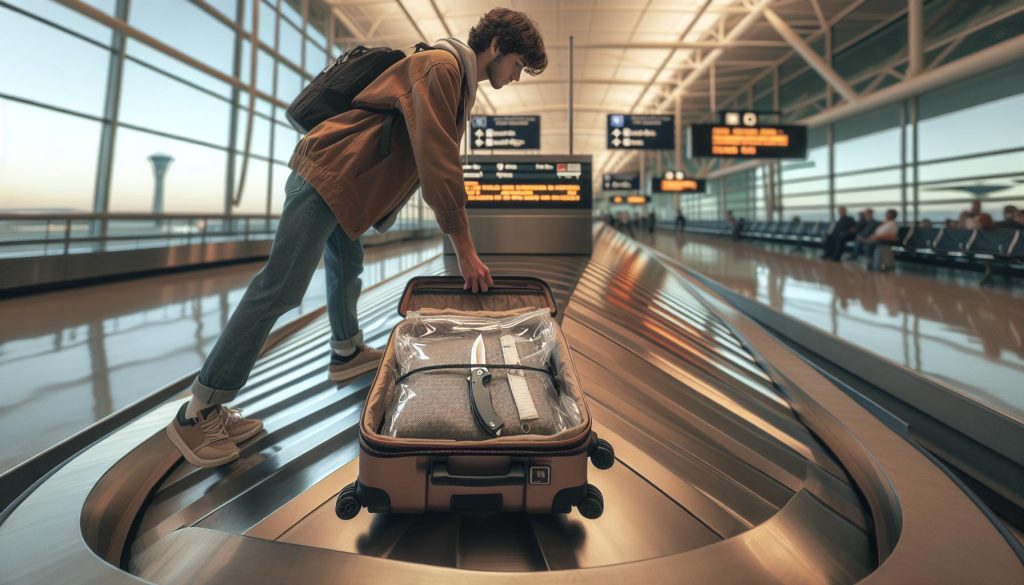
Traveling with a pocket knife can be a practical choice for outdoor enthusiasts or everyday carry aficionados, but confusion often arises regarding airline regulations. Can you pack a pocket knife in checked luggage? Understanding the rules is crucial to ensure your tools travel with you safely and legally. With varying airline policies and federal regulations, it’s essential to know what’s permissible to avoid frustrating and potentially costly mistakes at the airport. Whether you’re a seasoned traveler or planning your first trip, this guide will clarify the dos and don’ts of packing your pocket knife, helping you navigate your luggage with confidence and peace of mind. Let’s explore how you can keep your favorite tools close while traveling.
What Are Pocket Knife Regulations for Airlines?
Packing a pocket knife for air travel can be a complex task. Regulations around knifes can vary significantly depending on the airline, the country of travel, and whether the knife is packed in carry-on or checked luggage. Generally, airlines adhere to federal regulations put forth by security authorities, which detail what items are permissible on flights. For safe travel, it’s essential to know that while carrying a pocket knife in your carry-on baggage is strictly prohibited in most jurisdictions, packing it in checked luggage is typically allowed.
When packing a pocket knife in checked luggage, ensure that it is securely wrapped or sheathed to prevent injuries to baggage handlers and security personnel. Some recommended practices include:
- Secure it properly: Store the knife in a designated compartment within your luggage, preferably in its original sheath or a protective case.
- Avoid excessive lengths: While most pocket knives are permissible, those with blades longer than 3-4 inches may face scrutiny, so double-check specific airline policies.
- Familiarize yourself with local laws: Different countries have various laws concerning blade size and type, so being informed in advance can save you from potential issues.
During check-in, it may be helpful to inform the airline staff that you have a pocket knife packed in your checked luggage; this transparency can limit misunderstandings or delays. However, it’s crucial to note that even within checked baggage, there can be exceptions, especially when traveling internationally or through airports with stricter regulations.
In sum, while you can generally pack a pocket knife in checked luggage, being proactive about understanding both airline policies and local laws is essential for a smooth travel experience.
Packing Guidelines for Checked Luggage

Packing a pocket knife in checked luggage requires careful consideration to avoid any hiccups during your travels. Did you know that while most airlines allow pocket knives in checked bags, the size and type of your knife can still lead to confusion? This makes understanding how to pack your knife not just a matter of convenience, but also one of compliance. The right approach can ensure your tool gets to your destination safely and without the risk of confiscation.
When preparing your pocket knife for checked luggage, it’s crucial to secure it adequately. Always use a sheath or protective case to prevent injury to baggage handlers and to avoid unintentional damage. Ideally, store your knife in an isolated section of your suitcase to minimize the chances of it shifting during transit and causing issues. This practice also makes it easier for security personnel to locate it if necessary.
Consider the size of your knife carefully. While many airlines permit blades under 4 inches, this can vary significantly between airlines and international borders. Double-check your specific airline’s guidelines and local laws regarding knife blades, as some jurisdictions impose stringent rules on blade length and type. Not all knives are treated equally; multi-tools, for instance, may be scrutinized more closely due to their additional features.
Additionally, before heading to the airport, it’s a good idea to inform airline staff that you have a pocket knife in your checked bag during the check-in process. Communicating this detail can help prevent misunderstandings and unnecessary delays at security checkpoints. In summary, with the right preparation and awareness of regulations, packing a pocket knife in checked luggage can be a straightforward task, allowing you to travel with confidence.
Differences Between Domestic and International Flights

Navigating the regulations around packing a pocket knife in checked luggage can be particularly tricky when considering the . While you might be familiar with the rules in your own country, international travel introduces a web of regulations that can vary significantly from one nation to another. For example, what is acceptable in the U.S. might be illegal in many parts of Europe or Asia, making it essential to do your research before packing.
In general, domestic flights within the United States tend to have more consistent regulations regarding pocket knives. The Transportation Security Administration (TSA) permits knives in checked bags, provided they comply with size guidelines. However, individual airlines may still impose stricter rules, so it’s wise to check with your specific carrier. Many travelers find blades that are 4 inches or less to be safe bets, but caution is always advised, as exceptions can arise based on both airline policy and state law.
On the other hand, when traveling internationally, you encounter a broad spectrum of laws regarding pocket knives. Countries like the United Kingdom, for instance, have stringent laws that can restrict not just the size but also the type of knife you can carry. Blades that are fully allowed in your home country could be completely banned in your destination, leading to potential confiscation at customs. Ways to avoid issues include researching your destination’s knife laws online and reaching out to your airline for guidance on international travel regulations.
Being proactive is key. Before embarking on your journey, create a checklist that includes not just verifying your airline’s knife policies, but also any relevant international laws. By knowing the rules governing both domestic and international flights, you can travel with a greater sense of confidence, ensuring that your pocket knife arrives safely at your destination without causing any disruptions.
Exceptions to the Rule: Special Circumstances
Traveling with a pocket knife may seem straightforward, but there are several special circumstances that can complicate the packing process. Unique situations arise based on airline policies, specific destinations, and the nature of your travel. Being informed about these exceptions can save you from potential hassles and ensure a smoother journey.
One notable exception involves medical and occupational needs. Certain professionals, such as chefs or outdoor guides, often require specific tools, including pocket knives, for their work. In these cases, airlines may allow the inclusion of a knife in checked baggage, but documentation proving the necessity of the tool could be required. On the other hand, passengers with medical devices or supplies-including those that may necessitate a knife-should communicate their needs with the airline beforehand to ensure compliance with policies.
Another circumstance to consider is travel to locations with highly restrictive knife laws. For instance, some countries prohibit not just the carry but also the possession of knives in checked luggage. If you’re traveling to regions with stringent laws, it’s crucial to review local regulations in advance. In many cases, the airline’s ground staff can clarify these rules, but do take the initiative to research them yourself as well. Additionally, travelers who have connecting flights through specific hubs may need to adhere to the most restrictive knife laws along the entire route, potentially leading to complications.
Finally, the nature of your trip can introduce exceptions; for example, airline policies may be more lenient for travelers on outdoor adventures or trips involving camping and survival activities. If these situations apply to you, ensure that you have the appropriate documentation and communicate your needs clearly. Possessing a valid rationale for carrying a knife may provide some leeway, but always verify with your specific airline to prevent misunderstandings that could lead to confiscation at security checkpoints.
By understanding and preparing for these special circumstances surrounding pocket knife regulations, you can navigate the complexities of airline policies effectively, ensuring you bring your essential tools along for the journey.
Understanding Security Item Designations

is essential for anyone planning to travel with a pocket knife in checked luggage. Each airline and security agency has specifically defined what items are permissible, and knowing these designations can save you from unnecessary complications at the airport. Generally, pocket knives are classified as “bladed instruments,” which can fall under different rules depending on the context of travel-whether domestic or international.
When packing your pocket knife, it’s crucial to consider how the Transportation Security Administration (TSA) and other security authorities define what constitutes a “weapon.” For many airlines, items considered weapons are outright prohibited in carry-on baggage, but they may be permitted in checked luggage. Items such as multi-tools, Swiss Army knives, and other folding knives with blades under a specific length may be viewed differently based on their intended use and design. The classification of these tools can sometimes hinge on their overall appearance; for instance, a knife that resembles a utility tool may be deemed acceptable, while those that look like traditional weapons may not.
Before your trip, ensure that you check the latest guidelines from both the TSA and your airline to understand the latest changes in security designations. A simple but crucial piece of advice is to label your checked bag clearly, identifying that it contains a pocket knife. This proactive measure can help security personnel to easily recognize the purpose of your tools, possibly easing the inspection process if needed. Additionally, consider securing your knife within a hard-sided container or sheath to prevent any accidental damage to your luggage or injury to the handlers.
In summary, comprehending security item designations not only helps in navigating airline policies effectively but also empowers you to travel more confidently. Armed with the right information, you can ensure the safe and legal transport of your pocket knife while minimizing the risk of confiscation or delays during your travel.
Real-Life Scenarios: When Knives Are Confiscated
When travel plans include a pocket knife, understanding the realities of airport regulations is critical. Amidst the hustle and bustle of airport security lines, it’s not uncommon for travelers to find themselves on the receiving end of a confiscation notice for their beloved tools. A traveler might carefully pack a well-armored pocket knife in checked luggage, only to discover it doesn’t meet the airline’s guidelines or the TSA’s exact regulations, resulting in it being confiscated.
In a notable scenario, a camper returning from a weekend in the wilderness packed their favorite multi-tool in checked luggage, confident it was permissible. Upon check-in, a security agent flagged the item, citing a rule about specific designs that resemble tactical knives. Despite its practical utility, the multi-tool was taken due to its black finish, a factor that raised suspicions rather than the tool’s actual intended purpose. This situation underscores the importance of not only knowing what you can bring but also understanding how the appearance and perceived intent of your items can affect their acceptance.
Addressing Common Misunderstandings
It’s essential to realize that not all knives are treated equally. For example, a small Swiss Army knife with multiple functions is typically acceptable in checked luggage, yet a larger folding knife may trigger further scrutiny. A traveler recently experienced this firsthand when they checked a tactical folder, only to have it pulled for additional examination. Ultimately, while the knife was within size limits and passed checks, its design led to a lengthy discussion with airport security, showing that factors beyond dimensions can lead to confusion.
Travelers should familiarize themselves with their specific airline’s policies ahead of time. Consider the case of a frequent flier who meticulously researched guidelines but still faced issues due to mislabeling their baggage. They used a standard label that didn’t specify the contents related to their pocket knife, leading to delays. A more detailed label helped expedite retrieval and verification processes, demonstrating how clear communication can prevent misunderstandings.
In conclusion, many real-life scenarios illustrate how easy it is for pocket knives and other bladed tools to be unnecessarily confiscated at airports. By understanding the nuanced regulations and being proactive in labeling and packing methods, travelers can better navigate the potential pitfalls and confidently carry their essential tools on their journeys.
Traveling with Multi-tools: What You Need to Know
When embarking on a journey with a multi-tool, the excitement of having a versatile gadget at your disposal can quickly diminish if you aren’t aware of the nuanced regulations surrounding air travel. While multi-tools offer incredible practicality, their acceptance in checked luggage can be subject to strict scrutiny. Notably, the appearance and design of a multi-tool can significantly affect its acceptance by airline security. For instance, a multi-tool that closely resembles a tactical knife may raise eyebrows, leading to potential confiscation despite being packed in checked luggage.
To navigate these challenges effectively, travelers should always check their specific airline’s policy regarding multi-tools before packing. It’s advisable to carry a multi-tool with a reputable design-such as those made by well-known brands like Victorinox or Leatherman-that are generally accepted and recognized. Additionally, consider removing any non-essential attachments or components that may be perceived as suspicious, such as serrated blades or overly tactical designs. Being proactive about the tools you carry can save you a lot of time and trouble.
When labeling your luggage, clarity is key. Travelers should consider using clear and specific labels that indicate the contents, such as “multi-tool” or “camping gear,” to avoid confusion during security checks. In some cases, security personnel may be more lenient toward items that are clearly identified, reducing the likelihood of misunderstandings. Moreover, take the time to familiarize yourself with the Transportation Security Administration (TSA) guidelines and similar regulations for the point of departure, as they can vary greatly between airports and countries.
Ultimately, carrying a multi-tool can enhance your travel experience, whether you are venturing into the wilderness or tackling an unexpected repair. By understanding the regulations and preparing accordingly, you can ensure that your multi-tool remains a valued companion on your travels, rather than facing the disappointment of leaving it behind at the airport security checkpoint.
Alternatives to Carrying a Pocket Knife
Traveling can sometimes feel like navigating a labyrinth of rules, especially when it comes to packing tools like pocket knives, which are often prohibited in carry-on luggage. If you find yourself needing alternatives to a pocket knife, you’re not alone. Many travelers have embraced other tools and gadgets that can perform similar functions without falling afoul of airline regulations.
One excellent substitute is the multi-tool. While these tools can sometimes blur the lines depending on their design-particularly if they have blade-like attachments-they generally offer a range of functionalities that make them a traveler’s best friend. Brands such as Leatherman and Gerber provide compact options that include screwdrivers, pliers, and even can/bottle openers. Just remember, choose models that do not resemble tactical knives; this can help you avoid complications at security checks.
Another alternative is a keychain tool. These miniature options, like the Gerber Dime or Swiss Army Classic, come equipped with essential functions like scissors, tweezers, and small screwdrivers. Since they are less likely to raise eyebrows during security screening, they make for a practical convenience that fits easily into your everyday carry. These tools can be invaluable for minor tasks that require precision and finesse but don’t necessitate a full-sized knife.
For those who want to ensure compliant travel gear, consider utilizing tools designed specifically for travel. Products like the TSA-approved travel scissors or other similarly sanctioned gadgets provide safe alternatives without any risk of confiscation. Often labeled as travel-friendly, these items will let you handle most everyday tasks while keeping you on the right side of airport security.
In conclusion, whether you’re using multi-tools, keychain gadgets, or specialized travel tools, there are plenty of alternatives to pocket knives that can enhance your travel experience without running afoul of airline policies. By being innovative and selective in your choice of tools, you can maintain your preparedness while navigating the complexities of packing for air travel.
Best Practices for Packing Bladed Tools
When considering how to pack bladed tools for air travel, keeping safety and compliance at the forefront is essential. Packing a pocket knife or other sharp implements in checked luggage can be permissible, but doing so requires careful attention to certain best practices to prevent damage to your belongings and to comply with airline policies.
Start by ensuring your knife or bladed tool is safely secured. Utilize a protective sheath or case to cover the blade, minimizing the risk of accidental injury and preventing the blade from damaging your other items in the luggage. A padded sleeve or a hard case is ideal for larger knives, while a simple sheath suffices for smaller pocket knives. Additionally, you should double-check that the blade is locked into place, especially in multi-tools where components can shift during transit.
It’s also wise to clearly label your checked bag if it contains bladed tools. Using a luggage tag that indicates fragile contents can alert baggage handlers to handle your bag with care. This can help prevent breakage or other issues akin to knives breaking through softer luggage materials. Moreover, familiarize yourself with both the airline’s regulations and the laws of your destination regarding knife ownership, as these can vary significantly and could affect whether your packed items are allowed upon arrival.
If you’re traveling internationally, keep in mind that some countries have strict regulations regarding blade length or specific types of knives. Research local laws before you travel to avoid potential confiscation or legal troubles. Always make sure that any bladed tools are reversible and can be easily hidden away from view, as this can further ensure compliance with regulations.
By adhering to these best practices, travelers can confidently pack their bladed tools in checked luggage while safeguarding their belongings and maintaining compliance with airline policies. Proper preparation not only enhances travel safety but also allows for a hassle-free experience at security checkpoints.
Consequences of Improper Packing

Improperly packing your pocket knife or other bladed tools for air travel can lead to a range of unfortunate consequences, not just for your equipment but also for your travel experience. One of the most immediate risks is losing your knife or multi-tool altogether. When bladed items are not securely packed, they may be discovered during security checks and subsequently confiscated by airport personnel, meaning you’ll not only lose your tool but also the potential investment it represents.
Moreover, failing to follow packing guidelines can result in damage to your belongings. A knife not properly sheathed or cushioned has the potential to shift during transit, which could lead to damage not just to the blade but also to other items in your luggage. Imagine reaching your destination only to find that your travel clothes have been slashed or other gear has been punctured by a loose blade. This kind of mishap can sour what should be an exciting trip.
There are also legal ramifications to consider, especially when traveling internationally. Different countries and even individual states have varying laws regarding knife ownership, blade length, and specific types of knives. Forgetting to check these regulations-or misjudging whether your gear complies-can result in not just confiscation but also fines, or worse, legal issues. Always research the destination’s laws beforehand to ensure that your packed items are compliant.
In the realm of travel, time is often of the essence. Having a knife confiscated can lead to delays at security checkpoints, forcing you to answer questions while other passengers breeze through. In some unfortunate cases, repeated violations could even result in stricter scrutiny during future travels. Therefore, packing your pocket knife thoughtfully isn’t just a matter of following rules; it’s about respecting the travel experience itself and ensuring a smooth journey.
Tips for Safe Travel with Pocket Knives
Traveling with a pocket knife can be a convenient way to keep essential tools at hand, but it also requires careful consideration to ensure compliance with airline regulations. The first step in safely traveling with your pocket knife is to familiarize yourself with the specific guidelines set by the Transportation Security Administration (TSA) and the airline you are using. Generally speaking, pocket knives are not permitted in carry-on luggage but can be packed in checked bags. Always double-check your airline’s policies, as they can vary widely.
To minimize the risk of your knife being confiscated or causing damage during transit, always pack it securely. Here are some practical :
- Use a Sheath: Always store your pocket knife in a durable sheath to prevent accidental injury or damage to other items in your luggage.
- Secure Inside a Hard Case: For additional protection, consider placing your knife inside a hard case. This will help cushion it against impacts during transit.
- Know Your Knife’s Specifications: Before you travel, be aware of your knife’s specifications (blade length, type) as some destinations might have restrictions that could pose legal complications.
- Label Your Bag: If checked, label your luggage clearly. This helps in case your bag gets lost or delayed, ensuring that it can be returned to you promptly.
Additionally, stay informed about the laws regarding knife ownership at your destination. Remember, what may be lawful in one country could be illegal in another. Researching local regulations can save you from unexpected legal troubles. Furthermore, consider the context in which you’ll be using your pocket knife-whether for camping, everyday carry, or travel-related tasks-and choose an appropriate model that meets your needs without exceeding legal boundaries.
Finally, if you find the idea of packing a pocket knife stressful, there are plenty of alternatives to consider. Many travel-friendly multi-tools eliminate the need for a knife altogether while still providing functionality. These options often comply better with airline regulations and reduce the stress associated with travel. By being prepared and understanding the rules, you can ensure a smoother travel experience with your pocket knife in tow.
Guide to Safety and Compliance with Airline Policies
Traveling with a pocket knife necessitates a robust understanding of airline policies to ensure compliance and safety. Since the Transportation Security Administration (TSA) explicitly prohibits pocket knives in carry-on luggage, these tools must be packed in checked bags if you wish to travel with them. However, being compliant extends beyond just placing the knife in your checked luggage; it involves understanding packaging, notification, and the regulations of both the TSA and your airline.
To pack your pocket knife securely, consider these guidelines:
- Use a Protective Sheath: A sturdy sheath can protect the knife and prevent accidental injury when handling your luggage, ensuring that it doesn’t puncture or damage other belongings.
- Hard Case for Extra Security: If possible, place your knife inside a hard case. This additional layer of protection will safeguard against impacts and reduce the risk of the knife causing damage to your belongings.
- Know the Knife Specs: Familiarize yourself with your knife’s specifications, such as blade length and type. Some airlines or destinations may have restrictions based on these details.
- Label Your Luggage: Clearly labeling your checked bag can help identify your belongings if they are delayed or lost, which is especially important for valuable items like pocket knives.
Another critical aspect is to stay educated about the knife laws and regulations at your destination. Different countries, states, or even cities may have unique restrictions regarding knife ownership, including blade length limitations or specific types of knives that may be prohibited. Seeking knowledge about these laws beforehand can significantly mitigate the risk of legal complications upon arrival.
Should you find carrying a pocket knife to be more trouble than it’s worth, consider exploring alternatives. Today, multi-tools that do not include blades can offer similar functionality without violating airline or local regulations. By choosing travel-friendly options and being aware of safety practices, you can confidently navigate the complexities of traveling with your pocket knife while enjoying a smoother journey.
Faq
Q: Can I bring a pocket knife in my carry-on luggage?
A: No, pocket knives are not allowed in carry-on luggage according to TSA regulations. However, you can pack them in checked luggage, provided they are securely stored to comply with airline policies.
Q: What types of knives are allowed in checked luggage?
A: Generally, most types of knives, including pocket knives, tactical knives, and multi-tools, are permitted in checked luggage. Always verify with your specific airline for any additional restrictions.
Q: Are there weight restrictions for knives in checked baggage?
A: While airlines may not have specific weight restrictions for knives, overall checked baggage weight limits apply. Check with your airline for details on weight limits and additional charges for excess weight.
Q: Do airline rules differ for international flights?
A: Yes, airline policies regarding packing knives can vary between domestic and international flights. It’s essential to review both the departure and destination country’s regulations before traveling.
Q: What should I do if my pocket knife gets confiscated?
A: If your pocket knife is confiscated, ask for a receipt and contact the security office at the airport for further information. Ensure you pack knives properly in checked luggage next time to avoid this issue.
Q: Can I travel with a folding knife?
A: Yes, you can travel with a folding knife in checked luggage. Ensure it is closed and securely packaged to meet airline safety regulations.
Q: What are the consequences of improperly packing a knife?
A: Improperly packing a knife in carry-on might lead to confiscation, fines, or immediate denial of boarding. Always adhere to airline guidelines to avoid complications.
Q: Are there restrictions on the size of knives in checked luggage?
A: Most airlines do not impose specific size restrictions on knives in checked luggage, but large or unusually shaped knives may be scrutinized. Check your airline’s policy for exact guidelines.
Concluding Remarks
In summary, packing a pocket knife in checked luggage is generally permissible, but it’s crucial to stay informed about your airline’s specific policies. Avoid last-minute hassles by reviewing your airline’s guidelines before your trip. To further enhance your travel preparedness, explore our detailed guides on Swiss Army knives and karambits, as well as essential legal and safety tips for flying with your gear. Don’t miss out-consider subscribing to our newsletter for the latest insights, product reviews, and travel tips that ensure a smooth journey.
If you have any lingering concerns or questions, feel free to share your thoughts in the comments below. Your feedback is invaluable! As you prepare for your travels, remember to check out our resources on gear selection and maintenance for a well-rounded understanding of your everyday carry options. Safe travels, and happy packing!