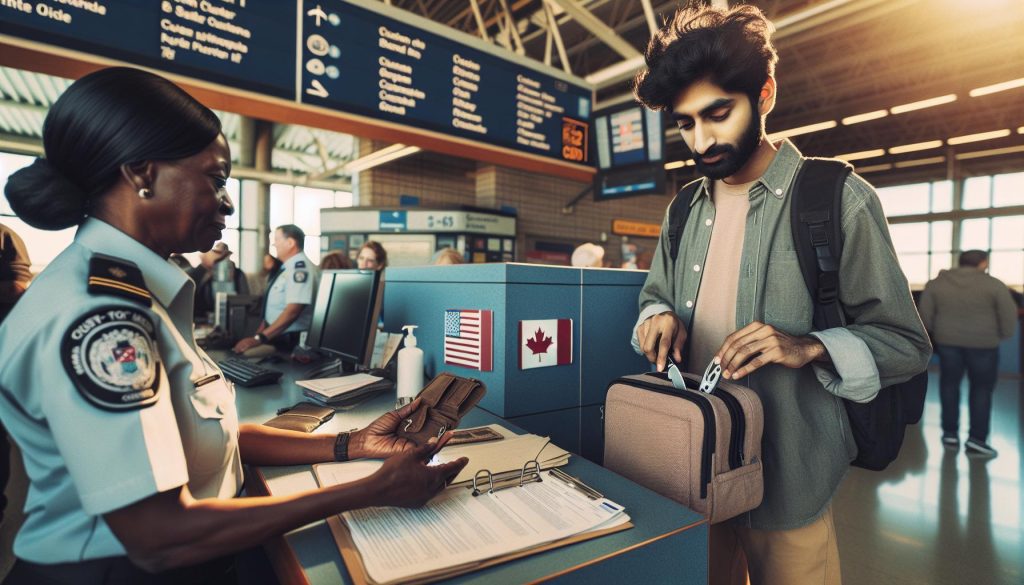
When planning a trip to Canada, many travelers wonder about the rules regarding carrying a pocket knife. Did you know that bringing a tool as simple as a pocket knife can lead to unexpected challenges at the border? Understanding the regulations is essential not only for compliance but also for ensuring a smooth entry into Canada. Whether you’re an outdoor enthusiast looking to keep your gear handy or just someone wanting to prepare for the unexpected, knowing the do’s and don’ts of crossing the border with a pocket knife is crucial. In this guide, we’ll explore the legalities, practical tips, and key considerations to keep in mind when packing your pocket knife for your journey to Canada. So, let’s dive in and make your travel experience hassle-free!
Understanding Canadian Knife Laws: An Overview
Understanding knife laws in Canada can be a complex yet vital aspect of ensuring safe and responsible ownership. In Canada, the law surrounding knives, including pocket knives, varies significantly across provinces and municipalities. While some blades are permissible for everyday carry, others may be prohibited or restricted. Generally, knives classified as tools rather than weapons are more likely to be accepted. However, the key lies in understanding the specific definition and regulations pertaining to “prohibited” knives, which include those that are automatic or have a blade longer than a specified size.
When traveling across borders into Canada, it’s essential to familiarize yourself with both Canadian laws and the regulations of your country of origin. Pocket knives with blades less than three inches long are typically allowed but must be sheathed or tucked away to avoid any appearance of intent to use as a weapon. Different provinces may have unique restrictions, so what might be lawful in one area could be illegal in another, underscoring the importance of doing your homework before packing your gear.
Moreover, cultural attitudes towards knives in Canada lean towards their use as practical tools rather than offensive weapons. Many Canadians value the utility of a well-crafted pocket knife, from camping excursions to everyday tasks. This practical mindset helps inform local regulations that often favor the usage of blades in contexts that enhance outdoor living, culinary practices, or crafts, rather than in violent or aggressive situations.
Lastly, being aware of what to do if your knife is ever confiscated is crucial for proactive travelers. Each airport and border crossing may have variations in policy, so staying informed about these can save you from inconvenience. Engaging with local knife communities or forums can also provide insight into best practices and personal experiences when navigating Canadians’ laws and cultural perspectives around knives. Understanding these nuances will not only make your travels smoother but also enhance appreciation for the tool’s role in everyday life.
What Types of Pocket Knives Are Allowed?
When considering what types of pocket knives are allowed into Canada, it’s essential to understand the legal definitions and restrictions that govern their use. Canadian law classifies knives, including pocket knives, primarily as tools. However, there are specific regulations regarding blade design and length that every traveler should take note of. Generally, pocket knives with blades shorter than 3 inches are more likely to be deemed acceptable for everyday carry and may be welcomed in many settings. This includes popular multi-tools like Swiss Army knives, which are often understood as practical devices rather than offensive weapons.
Types of Allowed Pocket Knives
The following categories of pocket knives are typically allowed in Canada:
- Folding Knives: These are the most common type of pocket knives and can feature a straight or serrated blade. As long as the blade length remains under 3 inches and they don’t have a mechanism to automatically open (like spring-assisted blades), they generally comply with Canadian regulations.
- Multi-tools: Tools like Swiss Army knives or Leatherman products that include multiple tools in one compact device are permissible as long as the knife portion adheres to the blade length restrictions.
- Utility Knives: Simple folding utility knives used for various tasks are also permitted, provided they respect width and design limitations.
However, residents and travelers must steer clear of certain types of pocket knives categorized as prohibited. These include:
- Switchblades: Automatic knives that deploy the blade with the push of a button are strictly illegal.
- Knives with blades longer than 3 inches: Any folding knife exceeding this length may be considered a weapon and could lead to confiscation.
- Karambits and similar tactical knives: Often viewed as offensive weapons due to their design, these are best left at home.
Understanding these distinctions can significantly enhance your preparedness when crossing into Canada with a pocket knife in tow. Equip yourself with knowledge about the specific knife you intend to carry-its design, purpose, and blade length-and you will be better positioned to comply with local laws while enjoying the practical benefits that these tools offer.
Key Restrictions on Blade Size and Design
When navigating the pocket knife landscape in Canada, understanding the regulations surrounding blade size and design is crucial for law-abiding travelers. Canadian law does not classify all knives equally; instead, it emphasizes certain distinctions that can affect your ability to carry a knife without incident. A pivotal guideline is the general restriction that pocket knives must have blades shorter than 3 inches. This length is commonly regarded as a threshold for defining a knife as a tool rather than a potential weapon.
One of the primary design features that can influence legality is whether the knife has a mechanism for automatic opening. Knives that feature spring-assisted or switchblade mechanisms fall outside legal parameters. This includes any pocket knife that opens with the push of a button, viewed by authorities as more dangerous than their manually operated counterparts. Conversely, traditional folding knives that lack such mechanisms and adhere to the length restriction are typically acceptable for everyday carry.
Travelers should also be aware that certain knife designs, albeit legal in length, might be scrutinized based on their shape or intended use. For example, tactical knives, including karambits, are often regarded as offensive and are discouraged. Understanding the cultural perception of such knives can help users avoid misunderstandings with authorities. Ultimately, ensuring your knife conforms to these regulations not only enhances your travel experience but also promotes a culture of safety and responsibility among knife users.
Cross-Border Travel Tips for Pocket Knife Owners
Traveling across borders with a pocket knife requires careful planning and awareness of local laws. When heading to Canada, pocket knife owners should prepare themselves for specific legal frameworks and practices that ensure a smooth entry into the country. Understanding the nuances of these regulations can prevent unwanted complications, enabling travelers to enjoy their outdoor adventures with confidence.
Before embarking on your trip, check the blade length and design of your pocket knife. As noted earlier, Canadian law stipulates that knives with blades shorter than 3 inches are generally acceptable. Additionally, avoid carrying knives with automatic opening mechanisms, such as switchblades or spring-assisted styles, as these are deemed illegal. Consider opting for traditional folding or multi-tools, which are typically seen as practical rather than offensive and fit well within legal dimensions.
When posting up at the border, it’s crucial to declare any knives you carry to customs officers. Transparency here goes a long way in alleviating potential misunderstandings. In case your knife exceeds legal limits or is illegal by design, have a backup plan ready, such as storing it in a secure, legal manner prior to arrival. This foresight goes hand-in-hand with understanding the regulations surrounding cross-border transport to ensure you remain compliant with both Canadian and international laws.
While you’re allowed to take your knife into Canada, be cautious about which states or provinces you may transit through on your return journey. Local regulations may differ considerably from one place to another and not all laws are equally enforced. Always have a clear understanding of each location’s policies regarding knives and be prepared to adapt your travel gear accordingly. By being proactive and informed, you’ll ensure an enjoyable trip into the Great White North, allowing you to focus on the stunning landscapes and vibrant culture without any legal headaches.
How to Carry a Pocket Knife Legally in Canada
Carrying a pocket knife in Canada can be a practical choice for outdoor enthusiasts, campers, and everyday users, but understanding the legal landscape is essential to ensure compliance and avoid misunderstandings. To navigate these laws effectively, consider the following key points.
First and foremost, familiarize yourself with the specific legality of your knife. In Canada, knives with blades shorter than 3 inches (approximately 7.6 cm) are generally permitted for carry. However, knives with automatic opening mechanisms, such as switchblades, are illegal. Opt for traditional folding knives or multi-tools that align with the legal requirements while offering functionality for various tasks. When you choose your knife, confirm it adheres to local laws, as these can differ between provinces and municipalities.
When carrying your knife, consider your choice of storage. A pocket knife can be easily concealed and carried in a way that doesn’t raise suspicions. Utilizing a secure pocket or a sheath with a belt clip can help prevent accidental exposure and demonstrate responsible carrying practices. It’s equally important to remain aware of your surroundings; carrying a knife in crowded or sensitive areas could lead to unwanted attention or even legal repercussions.
Additionally, proper declaration at customs when crossing the border is vital. Always inform customs officials of any knives in your possession to avoid unnecessary complications. If your knife is deemed illegal upon inspection, having a plan-such as leaving it at home or storing it in your vehicle-can mitigate the risk of confiscation.
By embracing these practices, you can confidently transport your pocket knife across Canadian borders. Remember, knowledge of your knife’s legal status and responsible carrying techniques are your best allies for enjoying your adventures safely and without legal setbacks.
Airport Security Regulations for Pocket Knives
Navigating airport security with a pocket knife can feel like traversing a minefield of regulations and restrictions. Understanding the specifics of what is allowed can save travelers from the stress and disappointment of having their favorite tool confiscated. Under Canadian Air Transport Security Authority (CATSA) rules, all forms of knives, including pocket knives, are strictly prohibited in carry-on luggage. This means that if you’re planning to travel by air within Canada or internationally, you’ll need to leave your pocket knife behind or stow it in your checked baggage.
When preparing for airport security, consider these important points:
- Checked Baggage Use: If you absolutely must bring your pocket knife, ensure it is securely packed in your checked luggage. This will not only keep it safe but also comply with airline regulations.
- Blade Length: While regulations tend to vary, it’s generally advisable to avoid traveling with blades longer than 3 inches in checked luggage, although they are technically allowed.
- Remove Knife Before Security: If you have a multi-tool or a knife that may not be immediately visible, check it thoroughly before arriving at security. The last thing you want is to be caught off guard during screening.
- Be Aware of International Rules: Remember that the rules differ from country to country. A knife deemed legal in Canada may not hold the same status in other jurisdictions.
In addition to being aware of regulations, having a mental checklist can greatly simplify the process. For instance, always declare any bladed item when checking in your luggage and be prepared to answer questions from security personnel. In the unfortunate event that your knife gets confiscated, it’s good to know that many airports also have lost and found services, although retrieving a confiscated item can be highly unlikely.
By being vigilant and proactive, you can make your airport experience smoother and ensure your pocket knife is safely transported according to the rules. Remember, maintaining compliance with airport regulations is the best way to avoid complications while traveling.
Best Practices for Transporting Your Knife Safely
When embarking on a journey that involves bringing your pocket knife along, safety and compliance are paramount. Every knife owner must recognize the importance of securely transporting these tools, particularly when crossing borders into Canada or anywhere that has stringent regulations. Understanding how to manage your gear effectively can prevent the heartache of losing your trusted tool due to oversight.
To begin with, always ensure your knife is properly secured within your checked luggage if you’re flying. Use a durable, padded case to protect the blade and prevent any accidental injury when packing or unpacking. It’s wise to pack your knife in a manner that is inconspicuous, perhaps surrounded by clothing or other soft items. This not only provides extra cushioning but also keeps the knife out of sight, which can be useful when going through security checks.
Key Tips for Safe Transport
- Blade Safety: Regularly check that the blade is locked and cannot accidentally open during travel. A locking mechanism adds a layer of safety during transport.
- Know the Blade Length: Familiarize yourself with regulations regarding blade lengths. In Canada, knives with blades longer than 3 inches could attract unnecessary scrutiny, even if they’re allowed in checked luggage.
- Declare Your Knife: Be transparent with customs agents when crossing borders. Declare your knife on your customs form; honesty indicates responsibility, which can often ease the process.
- Keep Documentation Handy: If you own a specialty or high-value knife, consider keeping any relevant purchase documentation accessible. This might bolster your case if questioned about its ownership.
- Secure at All Times: When not in use, keep your knife safely stowed away. Avoid carrying it in pockets or bags where it may accidentally become exposed.
By implementing these best practices, you not only protect your knife but also maintain compliance with regulations, ensuring a smooth travel experience. After all, the goal is to enjoy your outdoor adventures without the worry of complications or loss of your handy gear.
Alternatives to Pocket Knives for Travelers
When traveling, especially across international borders, it’s crucial to consider tools that can effectively substitute for pocket knives while adhering to safety regulations. Many travelers seek alternatives that are versatile, easy to carry, and compliant with legal restrictions. Thankfully, there are several excellent options available that can serve a similar purpose without the hassle.
Multi-tools are one of the most popular choices for travelers. These compact devices often combine various functions, including screwdrivers, can openers, and pliers, alongside a small blade that typically adheres to the size restrictions imposed by authorities. Brands like Leatherman and Gerber offer multi-tools that are not only robust but also come with safety features to ensure you’re compliant with airline regulations. These tools can be invaluable for both outdoor activities and everyday tasks.
Another excellent alternative is a Swiss Army knife, specifically the models designed without locking blades. These knives usually come with an assortment of tools like scissors, nail files, and tweezers, making them practical for everyday carry. Their portability, combined with their multifunctional capabilities, provides a thoughtful solution for travelers who may need a handy tool without triggering security alerts.
If you’re looking for even more innovative choices, consider using tools like utility knives or compact scissors. Utility knives often have retractable or folding blades that can be more acceptable in travel scenarios. Scissors with rounded tips can perform many of the same tasks as a knife, such as cutting ropes or opening packages, without typically appearing threatening.
Lastly, if you find yourself frequently in environments where tools are needed, a durable, well-designed backpack may also serve as a crucial travel companion. Many modern backpacks come with utility compartments or built-in toolkits that can neatly store essential items like a small screwdriver set or even emergency gear like a first-aid kit, thereby elevating your preparedness while ensuring compliance with travel regulations.
By exploring these alternatives, you can enjoy your travels without the concern associated with carrying a traditional pocket knife, ensuring a smooth journey while remaining well-equipped for various situations.
What to Do If Your Knife is Confiscated
When your pocket knife is confiscated, whether at an airport or a border crossing, it can be a frustrating experience, especially if you relied on it for your travels. However, understanding the right steps to take can help mitigate disappointment and ensure you’re prepared for future journeys. First and foremost, remain calm and respectful toward security personnel. Engaging in confrontational behavior typically won’t lead to a favorable outcome.
If your knife is confiscated, inquire about the specific reasons why, as this can offer insight into whether it was due to size, blade type, or a misunderstanding about its purpose. Knowing the exact reason can be valuable should you choose to contest the action or need to select a different tool for future travels. Generally, security staff will provide you with information on whether you can reclaim the item at a later time or if it will be permanently retained.
Additionally, familiarize yourself with local laws regarding confiscated items. For instance, some airports may allow you to retrieve your knife from their lost and found services if you return within a set period. If you are traveling internationally and your knife is taken at a security checkpoint, check if there are policies that allow you to have it sent home or to a designated address. Each jurisdiction may handle these situations differently, so understanding the guidelines can empower you to make informed decisions.
Lastly, this experience can serve as a learning opportunity. Take note of the specific regulations regarding knives in both your home country and in Canada to avoid similar issues in the future. These include restrictions on blade length and locking mechanisms. By being educated on the laws and carrying appropriate alternatives, you can enjoy your travels without the fear of losing your gear. Always prioritize your safety and compliance with regulations, which not only enhances your travel experience but also respects the regulations set forth by the authorities.
Cultural Attitudes Towards Knives in Canada
In Canada, the cultural perspective on knives is nuanced and shaped by a blend of practicality, safety, and respect for regulations. Many Canadians view knives, particularly pocket knives, as essential tools rather than weapons. They are commonly utilized for a range of everyday tasks, from outdoor activities like camping and hiking to practical uses around the home. This acceptance is rooted in a cultural appreciation for craftsmanship and utility, with many enthusiasts showcasing their pocket knives as part of their outdoor gear.
However, this practical view is tempered by a strong awareness of legal boundaries. Canadians tend to exhibit a cautious attitude towards knives in public spaces, reflecting a broader societal commitment to safety and security. Knife laws are stringent, and there is a collective understanding that certain types of knives, particularly those that can be perceived as weapons (e.g., switchblades or knives with assisted opening mechanisms), are not welcomed. Such regulations promote a culture where responsible ownership and awareness of one’s surroundings are paramount.
When it comes to carrying knives, particularly for travelers, Canadians appreciate the importance of a good balance between convenience and compliance. Travelers often express the need to understand local laws, which differ widely not only across provinces but also between cities. Simple practices, such as choosing knives with non-threatening designs or those specifically categorized as tools, can resonate positively with both locals and authorities.
Ultimately, possessing a pocket knife in Canada can be seen as a reflection of independence and resourcefulness, but with these privileges come the responsibilities of abiding by the law and respecting local customs. Embracing both the practical benefits and legal nuances allows individuals to navigate the cultural landscape surrounding knives successfully. Whether you’re an outdoor enthusiast or simply passionate about practical tools, understanding these cultural attitudes can significantly enhance your experience while ensuring your compliance and safety during your travels in Canada.
Frequently Asked Questions About Knives in Canada
When considering traveling to Canada with a pocket knife, many people find themselves grappling with questions about legality, safety, and practicality. Understanding the landscape of knife laws in Canada can make the difference between a smooth trip and unwanted legal troubles. Here are some of the most frequently asked questions that can empower travelers and enthusiasts alike.
Can I bring a pocket knife into Canada?
Yes, you can bring a pocket knife into Canada, but there are key restrictions. The knife must meet specific criteria regarding the blade size and design. For example, fixed-blade knives may be subject to stricter regulations, and certain types such as switchblades or automatic knives are generally prohibited. It’s advisable to check current regulations before your trip to avoid complications.
What should I know about carrying a pocket knife in public?
Carrying a pocket knife in public spaces is generally acceptable if it is not used for threatening behavior. The knife should be of a size and type that is viewed as a tool rather than a weapon. Additionally, understanding local laws and being discreet while carrying your knife can help prevent any misunderstandings. It is wise to keep it in a pocket or backpack and only take it out when necessary.
What are the airport regulations for carrying pocket knives?
Airport security has strict regulations regarding knives. Generally, pocket knives are not allowed in carry-on luggage, but they can be stored in checked baggage. Ensure your knife is securely packed to avoid damage or accidental activation. Always verify the specific airline’s rules, as they may have additional restrictions.
What should I do if my pocket knife is confiscated?
If your pocket knife is confiscated, it’s essential to remain calm and respectful. The authorities will typically inform you of their policies, and in most cases, you will lose possession of the knife permanently. If the item was taken at an airport, you can inquire about recovery options, but be prepared for the possibility that the knife may not be returned.
By arming yourself with the right knowledge, you can navigate Canada’s knife laws confidently and enjoy your travels without unnecessary stress. Understanding these nuances not only enhances your experience but also promotes responsible and respectful tool ownership.
Frequently asked questions
Q: Can I bring my pocket knife into Canada?
A: Bringing a pocket knife into Canada is generally allowed if it adheres to restrictions regarding blade size and type. Always check local laws and regulations to ensure compliance before traveling.
Q: What are the laws regarding pocket knives in Canada?
A: Canadian knife laws vary by province but generally prohibit knives that are automatic, switchblade, or that exceed certain blade lengths. Always verify the specific laws in the area you plan to visit for safer travel.
Q: Are there specific restrictions on blade length for pocket knives in Canada?
A: Yes, while there is no universal blade length limitation, knives exceeding 3 inches are often scrutinized more closely. It’s advisable to carry a knife with a blade length within common limits to avoid potential issues.
Q: What should I do if my pocket knife is confiscated at the border?
A: If your pocket knife is confiscated, you can request a receipt and check if there’s a possibility for return after inspection. Familiarize yourself with the knife confiscation policies to minimize future issues.
Q: Can I take a folding knife on an airplane to Canada?
A: No, according to airport security regulations, folding knives are not permitted in carry-on luggage. These should be placed in checked baggage to avoid confiscation at security checkpoints.
Q: How can I legally transport my pocket knife in Canada?
A: To legally transport a pocket knife in Canada, keep it in your checked luggage at airports and ensure it’s stored securely when not in use. Adhering to size restrictions and regional laws is crucial.
Q: Are there cultural attitudes towards carrying knives in Canada?
A: In Canada, carrying knives is generally accepted for practical purposes, such as work or outdoor activities. However, carrying knives in urban areas may draw scrutiny, so be mindful of context and local norms.
Q: What alternatives to pocket knives are available for travelers?
A: Travelers can consider multi-tools, scissors, or utility knives as alternatives to pocket knives. These options often meet legal requirements and serve similar practical functions without the same restrictions.
In Retrospect
Thank you for exploring our comprehensive guide on taking a pocket knife to Canada! We hope you now feel more informed about the regulations and nuances involved in cross-border travel with your favorite tools. If you still have questions or wish to dive deeper into related topics, check out our articles on the essentials of Swiss Army knives or the best practices for safe everyday carry.
Don’t forget to leave your thoughts in the comments below and share this guide with fellow travelers. For ongoing insights and helpful tips, consider subscribing to our newsletter. Equip yourself with the right knowledge and gear for your journeys, so you’re always prepared. Remember, understanding your toolkit is key to a confident and enjoyable adventure. Stay safe and equipped!