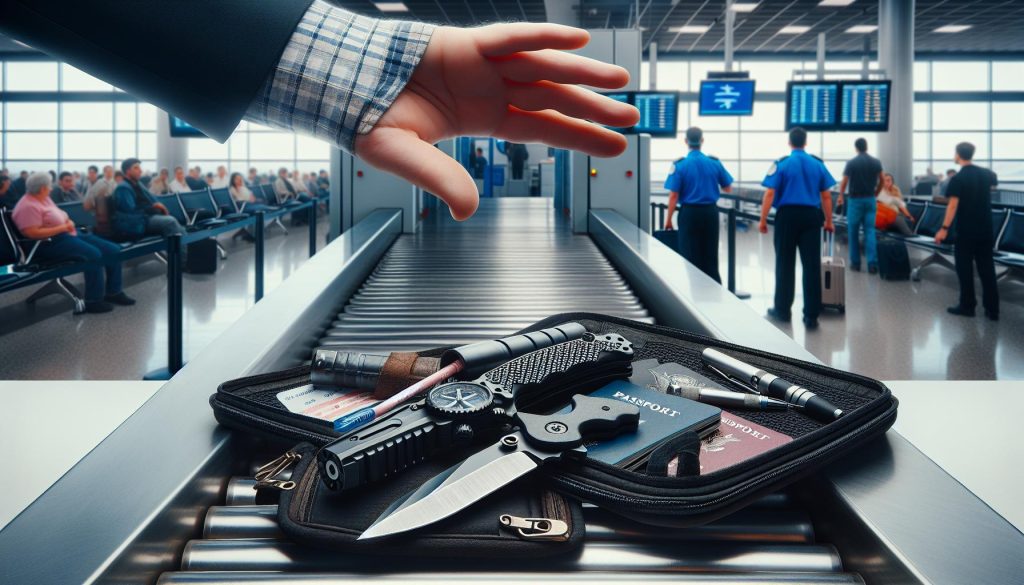
When preparing for air travel, many people wonder about the rules surrounding pocket knives. Did you know that regulations regarding what you can and cannot bring onboard are often surprising? Understanding these restrictions is crucial for ensuring a smooth security process and maintaining safety. Whether you’re a frequent flyer or planning your first trip, knowing if you can take a pocket knife on a plane can help you avoid last-minute dilemmas at the airport. This guide delves into the intricate air travel restrictions on knives, aiming to clarify what you need to know before packing. Stay informed and travel confidently as we unravel the rules surrounding pocket knives and air travel.
Can You Bring a Pocket Knife on a Plane?
Carrying a pocket knife on a plane is a topic that often raises questions among frequent travelers. It’s important to understand that the Transportation Security Administration (TSA) has strict regulations regarding knives and other sharp objects in carry-on luggage. According to TSA guidelines, pocket knives are not permitted in the cabin of commercial flights. Even small folding knives that may seem harmless are prohibited, which can be surprising to many. Those who may have been accustomed to carrying such items while traveling should prepare accordingly to avoid confiscation at security checkpoints.
For travelers who may need a knife for outdoor activities or emergencies, the best approach is to pack it in checked luggage. This way, you can ensure that your tool arrives at your destination without risk of being confiscated. It’s crucial to keep in mind that all knives, including lightweight plastic knives, are deemed unsafe and are better left at home or securely stored in your checked baggage.
Though there are a few exceptions related to knives, all travelers should assume that their pocket knife will not make the cut for carry-on luggage. The consequences of attempting to bring a knife on board can be significant, not only in terms of losing your valuable gear but also facing potential penalties from security personnel. Therefore, for your convenience and peace of mind, always review the TSA’s guidelines before your travels and consider packing alternatives that comply with air travel regulations, such as multi-tools without a knife blade or other travel-friendly gadgets. Staying informed and prepared helps ensure a smooth journey without unnecessary disruptions.
Understanding TSA Regulations on Knives
Carrying a pocket knife during air travel can be a complex issue for many travelers. The Transportation Security Administration (TSA) enforces stringent regulations designed to ensure the safety of all passengers on board commercial flights. Central to these regulations is a strict prohibition on bringing any type of knife, including pocket knives, into the cabin of an aircraft. This means that even seemingly harmless folding knives with blades less than 2.5 inches long are not permitted. It’s important for travelers to be well-informed about these rules to avoid unexpected issues at security checkpoints.
Understanding the underlying reasons for these regulations can help clarify their importance. The TSA aims to prevent any potential threats that could arise from sharp objects being present in the passenger area. In the aftermath of past security breaches, these policies were enhanced, leading to a comprehensive ban on all knives, no matter their size or design. To avoid complications and ensure a smooth travel experience, travelers should carefully check TSA’s official guidelines prior to their journey.
For those who require a knife for specific activities once they reach their destination, packing it in checked luggage is the best and safest option. This allows travelers to carry their essential tools without risking confiscation while still adhering to TSA regulations. It’s also wise to consider the type of knife being taken on the trip. Knives that are not designed for tactical or self-defense purposes, such as multi-tools, can often be acceptable if they lack a protruding blade. Keeping these details in mind can empower travelers to make informed decisions about their air travel gear, ensuring compliance with TSA regulations while preparing for a variety of scenarios.
Types of Knives Allowed for Air Travel
Travelers often wonder about the rules governing knives while flying, especially with so many options available in the market. While most knives are prohibited from the aircraft cabin, there are specific categories and exceptions worth noting. Understanding the types of knives that are permissible for air travel can save you time at security checkpoints and keep your travel experience hassle-free.
When it comes to knives, the TSA has a strict policy that prohibits all kinds of knives in carry-on luggage. This includes pocket knives, folding knives, and any knife with a blade, regardless of length. Instead, these items must be stored in checked baggage. However, certain tools and multi-tools may be allowed if equipped with features designed for non-threatening tasks. For instance, tools like Swiss Army knives can sometimes pass through security if they do not include a blade that exceeds a specific size or if the blade is cleverly integrated so it’s not easily accessible. Always check ahead regarding the specifications of the tool you plan to carry, as regulations can vary.
For international travel, it’s crucial to be aware that different countries have varied laws regarding knives. Some nations might have stricter regulations than the TSA, which could even include bans on carrying specific types or sizes of knives, so always research your destination’s rules before you pack. Additionally, the design of the knife can play a role in its acceptance. Knives marketed for artistic purposes or as collectibles (like karambits) often face additional scrutiny, even if they have blades that meet TSA regulations.
Ultimately, the safest approach is to opt for alternatives that provide utility without the risks associated with carrying knives. Whether it’s using robust multi-tools that lack a protruding blade or investing in travel-friendly gadgets that fulfill your needs without contravening regulations, staying informed and prepared is key for a smooth journey. Always ensure you pack any permissible items in your checked luggage to avoid any confiscations and enjoy your travels responsibly.
Impact of Airport Security Checks on Knives
The scrutiny of airport security checks regarding knives profoundly shapes travel experiences. Understanding these procedures can not only prevent frustrating delays but also ensure compliance with safety regulations. During the security screening process, all carry-on items, including personal belongings, are subject to rigorous examinations. This includes the use of advanced imaging technology and physical searches, particularly for items that could pose potential threats, such as knives.
When a traveler presents a pocket knife at a security checkpoint, the TSA officer will likely confiscate it due to the strict regulations prohibiting any knives, regardless of blade length, in carry-on luggage. Such measures are in place to uphold the safety of all passengers and crew members onboard the aircraft. Travelers may be surprised to find that even small, seemingly innocuous tools can lead to their confiscation, transforming what should be a smooth travel experience into a cumbersome ordeal.
To navigate these security measures effectively, it’s crucial to recognize optimal packing strategies. For instance, ensuring that any pocket knives or multi-tools are stored securely in checked luggage can prevent unwanted interactions with security personnel. Additionally, travelers can stay informed through resources like TSA’s website, which regularly updates guidelines and offers helpful tips on what items are permissible.
While checking items might seem inconvenient, it fosters a more secure flying environment. Engaging with security procedures understandingfully empowers travelers, allowing them to focus more on their journey rather than the rules. Ultimately, knowing how to handle knives when traveling enhances not only personal safety but contributes to the overall well-being of the entire flight.
Exceptions to Knives Rules in Specific Situations
Although the strict regulations against carrying knives on planes can seem daunting, there are specific exceptions and scenarios where knives may be permitted, depending on the circumstances surrounding your travel. Understanding these nuances can empower travelers to navigate airport security more confidently and avoid unintentional violations.
In particular, certain knives that are integral to specific professions or activities may be an exception to general rules. For instance, airline employees, emergency personnel, and individuals carrying tools related to their job-such as repair technicians-might be allowed to possess certain knives. However, these exceptions usually require prior approval from the TSA or relevant authority and must be accompanied by documentation justifying their necessity.
Special Circumstances and Permissions
Apart from occupational exceptions, knives used for culinary purposes during specific travel types, like on duty for chefs traveling with culinary teams, may gain special permissions. In such cases, travelers should ideally contact the airline in advance and provide details regarding the knife’s size and intended use. If traveling internationally, local regulations can also come into play. Always check the laws applicable to the departure and destination locations.
For members of military or law enforcement traveling on official duty, the potential for knife exceptions exists as well. Confirming with the commanding officers or travel coordinators can ensure that any tools necessary for the job comply with both TSA regulations and local laws.
Additionally, some travelers may choose to ship knives or tools ahead of time to avoid carrying them in person. This method can help maintain compliance with air travel regulations while ensuring that essential equipment is available upon arrival.
Key Takeaways
Regardless of the scenario, effective communication is crucial. Always inform airline personnel during check-in and provide any necessary documentation-be it for professional tools or culinary items. Doing so can significantly increase your chances of peacefully navigating security checks.
- Check with the TSA and airline before traveling.
- Have documentation ready for tool-related exceptions.
- Consider shipping tools to your destination.
- Stay informed about local laws governing knife possession.
Ultimately, while the rules regarding knives on flights are predominantly restrictive, understanding the exceptions and preparing appropriately can make a difference in your travel experience. By staying informed and proactive, you can simplify your journey and focus on your destination rather than potential security issues.
Consequences of Bringing a Knife on a Plane
Bringing a knife onto a plane can lead to significant consequences that travelers often overlook. For many, the surprise of having their pocket knife confiscated at security checkpoints can be frustrating, but it’s the potential legal repercussions that can truly complicate matters. If you attempt to board a flight with a prohibited item like a knife, you may face not only the immediate loss of your property but also civil fines that can range from modest amounts to several thousand dollars, depending on the severity of the offense. In some cases, if the knife is perceived as a weapon, law enforcement may become involved, leading to even more severe outcomes, including arrest and criminal charges.
The repercussions extend beyond just the financial aspect. A confiscation can tarnish your travel experience, leading to significant delays as security personnel assess the situation or potentially escalating tensions at the security checkpoint. This experience can be particularly distressing when you’re traveling for business or special occasions, where time and peace of mind are essential. Moreover, having a history of security violations can influence future travel capabilities, raising red flags on systems like the TSA PreCheck, which offers expedited screening for approved travelers.
- Confiscation of Personal Items: Any knife or prohibited item found will be confiscated by TSA agents, often without possibility for its return.
- Civil Penalties: Fines vary based on the item type and circumstances; repeat offenders may face steeper penalties.
- Delays and Inconveniences: Bringing a prohibited item can lead to security delays, affecting connecting flights and other travel plans.
- Involvement of Law Enforcement: In severe cases, particularly involving larger or more dangerous knives, local police may be called, resulting in arrest.
In essence, the stakes are high when it comes to carrying knives during air travel. The regulations are stringent for a reason-safety. Understanding the heavy consequences of violations can better prepare travelers to avoid these pitfalls. Always check TSA guidelines ahead of your trip, and remember, when in doubt, it’s best to leave the knife at home or consider shipping it to your destination to maintain compliance and focus on enjoying your travel experience.
Traveling with Multi-Tools and Folding Knives
When planning your travels, understanding the rules surrounding multi-tools and folding knives is essential for a smooth airport experience. These versatile tools can often be mistaken for more dangerous items if not properly assessed. While many multi-tools, like the iconic Swiss Army knife, provide multiple functionalities, it’s important to recognize that not all components are permissible for air travel. TSA regulations explicitly prohibit any knife with a blade, regardless of length, from being taken in carry-on luggage. This means that even if your multi-tool boasts several other useful tools, the presence of a knife blade renders the entire item non-compliant for carry-on.
When it comes to folding knives, the guidelines are similarly strict. Any knife that opens automatically (such as switchblades) is banned from both carry-on and checked luggage. Non-locking folding knives are generally allowed in carry-on bags, as long as their blade lengths do not exceed the TSA’s limits; however, the application of this rule can vary by airport and security personnel. Therefore, it’s advisable to check with your airline and the specific airport ahead of your trip.
Practical Tips for
To navigate the complexities of air travel with these tools, here are some practical tips:
- Disassemble or Remove Blade: If your multi-tool comes with a blade, consider removing it if possible before your trip. This allows you to carry the tool without worry, focusing on the components you’ll actually need.
- Invest in TSA-Friendly Tools: Some manufacturers design tools specifically for airport travel, ensuring that they comply with TSA regulations. Look for options labeled as travel-friendly.
- Keep Tools in Checked Luggage: For those who must carry more robust multi-tools or folding knives, it’s best to pack them in checked luggage to avoid airport security issues entirely.
- Research Local Laws: If you’re flying internationally, familiarize yourself with the knife laws of your destination country, as they can be significantly different from those in the U.S.
By adhering to these guidelines, you can enjoy the convenience of multi-tools and folding knives without compromising your travel plans. Always prioritize checking the latest TSA regulations prior to your journey to stay informed and prepared. This proactive approach to not only safeguards you against potential conflicts with airport security but also enhances your overall travel experience.
International Travel Restrictions on Pocket Knives
Traveling internationally with a pocket knife can be a complicated affair, as regulations vary widely from country to country. In many places, the laws governing knife ownership and transportation are stricter than those of the TSA in the United States. For instance, while a certain type of pocket knife may be legal within the U.S., it could be considered illegal or restricted in your destination country. Therefore, it’s crucial to do thorough research on local laws before packing a pocket knife for your overseas trip.
In some countries, even the smallest folding knives can be viewed as weapons, leading to potential legal issues or confiscation upon arrival. For instance, countries like the United Kingdom have very stringent regulations regarding knife possession, where any knife with a blade longer than three inches may be considered illegal. Additionally, some regions may have specific restrictions on the type of knife-such as switchblades or automatic knives-that can be carried, regardless of blade length. Familiarizing yourself with these laws can prevent unwanted problems at customs and during security checks.
To navigate these complexities effectively, it is advisable to consider alternatives to traditional pocket knives when traveling internationally. Multi-tools that do not include any knife blades or travel-friendly tools designed specifically for compliance with international regulations can provide the utility you need without running afoul of the law. If you absolutely must travel with a pocket knife, consider packing it in your checked luggage rather than your carry-on, as many countries are less restrictive about checked baggage.
Ensuring you stay compliant with local laws not only makes for a smoother travel experience but also shows respect for the customs and regulations of the places you are visiting. Always prioritize your safety and that of others when selecting travel gear-an ounce of prevention can save you from a lot of hassle during your trip.
Packing Tips for Compliant Air Travel
When it comes to traveling with gear, knowing how to pack responsibly can make all the difference between a smooth journey and a frustrating experience. If you’re considering bringing a pocket knife on a plane, there are important guidelines to follow to ensure compliance with TSA regulations and avoid unnecessary hassles at security checkpoints.
Start by checking the regulations specific to your flight and destination. The TSA prohibits knives from being carried in carry-on luggage; however, you can pack them in checked baggage. To minimize confusion, consider labeling your knife with your contact information or keeping it in its original packaging. This not only protects the blade but also adds a layer of organization to your check-in process.
Additionally, be mindful of the size and type of knife you attempt to pack. The general rule is that if it has a blade that can lock or a blade longer than 2.36 inches, it will likely be flagged during checks. As safety is paramount, folding knives and multi-tools that do not have a blade exceeding the TSA’s limitations may be good options. For instance, tools like the Swiss Army knife offer a variety of functions without violating regulations, making them ideal companions for outdoor adventures or travel.
Packing wisely also means considering the context of your travel. If you are crossing international borders, be acutely aware of the laws concerning knives in the countries you will be visiting. As previously mentioned, certain regions classify even small knives as weapons. Resources like travel guides or customs websites can provide necessary information about local regulations. Remember, carrying a pocket knife may be acceptable at your departure airport, but a crackdown on knives in your destination country may lead to confiscation or even legal trouble.
Lastly, opt for alternatives when necessary. There are numerous travel-friendly tools designed specifically to provide utility without blading, such as those with various screwdrivers, scissors, or can openers that comply with airline regulations. By planning ahead and considering your needs, you can enjoy a hassle-free travel experience while still having the tools you need on your journey.
Alternatives to Pocket Knives for Travelers
Traveling with a pocket knife might sound handy, but with security regulations tightening, it’s wise to explore other options that provide similar functionality without the hassle of compliance issues. Various tools can serve practical purposes while adhering to TSA guidelines and local laws, ensuring a smooth travel experience.
One popular alternative is the multi-tool, which combines various functions into a compact design. Many multi-tools include pliers, screwdrivers, bottle openers, and even scissors. Brands like Leatherman and Gerber offer models that pack significant utility without featuring fixed or locking blades. These tools are often TSA-approved and can be invaluable for minor repairs or tasks on the go.
Another option is a folding utility knife, which can be designed to meet specific safety standards, featuring blades that are easily retractable or non-locking. These knives can be suitable for cutting tasks while being compliant with air travel policies. Additionally, consider exploring scissors or combination tools specifically designed for travel. These items often come with blunt tips for added safety and can handle a variety of tasks.
Lastly, for those who desire versatility without any blades, gadgets that incorporate functions like a screwdriver set, can opener, and tweezers can be very effective. Popular kits often include multiple attachments that can be swapped out based on the task at hand, thus minimizing the need for a traditional knife.
When packing for your trip, remember that being resourceful with the tools you carry can keep you equipped for any situation. Plan ahead by selecting alternatives that enhance functionality while keeping you well within the regulations, ensuring your journey remains worry-free.
Expert Tips for Safe and Responsible Travel Gear
Packing the right gear for air travel is essential not just for convenience, but for compliance with regulations and for ensuring a secure and smooth journey. When it comes to tools like pocket knives, understanding the restrictions is key to preventing confiscation and avoiding security issues at the airport. Here are some expert tips to guide you in selecting safe and responsible travel gear that meets your needs while keeping you compliant with TSA regulations.
First and foremost, familiarize yourself with the TSA guidelines regarding allowed items. Knives, including pocket knives, are prohibited in your carry-on luggage but can often be checked in. Consider the weight and bulk of your gear, as traveling light makes the security process easier. Beyond a pocket knife, explore lightweight alternatives that are compliant with regulations. Tools such as multi-tools, which don’t feature locking blades and are under the specified length (generally 2.36 inches), are practical choices for travelers. Verify any local laws or restrictions regarding specific tools at your destination to avoid surprises.
When packing these tools, use a dedicated pocket or pouch within your luggage, ensuring they’re easily accessible for screening. Maintain organization within your bag using packing cubes or zippered pouches, so that if you need to retrieve an item during security checks, you can do so smoothly and efficiently. Additionally, consider packing safety sheaths or cases for your multi-tools or scissors to prevent accidental openings and injuries when reaching for your gear.
Lastly, be prepared for the possibility of having items confiscated. Always travel with a backup plan; whether that means having an extra tool at home or knowing where to purchase a compliant replacement at your destination. Empower yourself by regularly checking the TSA website for updates on regulations and recommendations to ensure your travel gear not only enhances your trip but complies with safety protocols, allowing you to embark on your journey with confidence.
What to Do If Your Knife Gets Confiscated
If you find yourself in the unfortunate situation where your pocket knife has been confiscated at airport security, it’s crucial to remain calm and take the right steps to mitigate the inconvenience. Understanding your rights as a traveler can make a significant difference, and knowing how to handle the moment can alleviate the situation.
First, it’s essential to ask the TSA officer about the specific reasons for confiscation. While pocket knives are generally not allowed in carry-on luggage, knowing the exact policy violation can clarify whether it was a matter of size, blade type, or a misunderstanding. Take a moment to note the circumstances surrounding the confiscation. These details may be useful if you wish to appeal the confiscation or if you have continued questions afterward.
Consider your options at the checkpoint: you may be able to check the knife in your luggage if your flight allows it, or possibly send it home if you have a trusted friend or family member nearby. If these options are not available, you can also look into donating the item to charity organizations if your local airport has a program in place. Always remember to ask about the airport’s specific rules for handling confiscated items.
In addition to these immediate responses, learning from the experience will better prepare you for future travels. Reflect on your packing practices to ensure compliance with TSA regulations. It might be advantageous to familiarize yourself with the acceptable sizes and types of knives or look into suitable alternatives like multi-tools or other non-metal cutting devices that are more travel-friendly. Regularly checking the TSA website is an excellent way to stay updated on any changes to security policies that could affect what you can bring on board.
By approaching a knife confiscation with a proactive and informed mindset, you can navigate the complexities of air travel while minimizing future risks, allowing you to focus on your journey ahead.
Frequently asked questions
Q: Can you carry a pocket knife in checked luggage?
A: Yes, you can bring a pocket knife in your checked luggage. However, it must be securely packed and not accessible during the flight. Always verify specific airline rules and local laws before your trip. For more details, refer to the section on packing tips.
Q: What should I do if my pocket knife gets confiscated at the airport?
A: If your pocket knife is confiscated at the airport, you cannot retrieve it. You may consider contacting the airport security for more information or to inquire about reclaiming the item if it’s possible under specific circumstances. Consult the section on what to do if your knife gets confiscated for more insights.
Q: Are there any exceptions for carrying a pocket knife on a plane?
A: No exceptions allow carrying pocket knives in carry-on luggage under TSA regulations. Certain professional or ceremonial knives might be allowed in checked bags, but it’s best to confirm with your airline. Check the exceptions to knife rules section for additional insights.
Q: What types of folding knives are allowed on a plane?
A: Most folding knives are prohibited in carry-on luggage, regardless of size. However, some non-locking folding knives can be permitted, but it’s crucial to review TSA guidelines and your airline’s policy. For more on this, explore the types of knives allowed for air travel.
Q: How can I travel safely with a multi-tool?
A: Multi-tools are generally allowed in checked luggage but are not permitted in carry-on bags if they include knives or sharp tools. Ensure your multi-tool complies with TSA regulations and check with your airline for any specific restrictions. Visit our section on traveling with multi-tools for more detailed guidance.
Q: Are there any international regulations for pocket knives?
A: Yes, regulations vary by country regarding the importation of pocket knives. Some countries may have stricter rules than the U.S. Always check the local laws of your destination before traveling. For comprehensive insights, see our section on international travel restrictions on pocket knives.
Q: Why are pocket knives not allowed in carry-on luggage?
A: Pocket knives are considered weapons that could pose safety risks, which is why they are prohibited in carry-on luggage. This regulation aims to ensure the safety of all passengers during air travel. For more on TSA regulations, refer to our understanding section.
Final Thoughts
Now that you know the ins and outs of traveling with a pocket knife, it’s important to stay informed about the specific regulations that affect your journey. Remember, while pocket knives may not be allowed in carry-on luggage, understanding the nuances can help you make the most of your travel plans. If you want to dive deeper, check out our comprehensive guides on Swiss Army knives and everyday carry essentials, so you’re always prepared for your next adventure.
Don’t hesitate to explore our related articles for more travel tips and gear recommendations. Whether you’re wondering about the legality of a karambit in the airport or looking for the best backpacks for travel, we’ve got you covered. Join our newsletter for updates and expert advice, ensuring you’re always in-the-know. Your next trip awaits-stay prepared and informed!