Navigating the complexities of mailing restrictions can be daunting, especially when it comes to shipping items like pocket knives. Did you know that while USPS allows the shipment of pocket knives, there are specific regulations you need to follow? Understanding these rules is crucial for enthusiasts and casual users alike, ensuring that your gear arrives safely and legally. Whether you’re a collector looking to send a rare find or simply want to gift a quality blade, knowing the ins and outs of shipping can save you from potential hassles. In this article, we’ll delve into USPS regulations regarding pocket knives, providing you with practical insights and tips to make your shipping experience smooth and compliant. Keep reading to empower yourself with the knowledge you need to ship confidently!
Can I Ship a Pocket Knife USPS? Understanding the Regulations
Shipping a pocket knife through the USPS can be a straightforward process, but understanding the specific regulations involved is crucial to ensure compliance and avoid any issues. The USPS permits the mailing of pocket knives, but there are guidelines that must be followed to do so legally and safely. For instance, knives must not be classified as prohibited items, which include switchblades and other types of knives that could be considered illegal in some jurisdictions.
In terms of what pocket knives are allowed, generally, a standard folding knife or a small fixed-blade knife without features that could categorize it as a weapon is permissible. However, it’s essential to be aware of state-specific laws since some states have restrictions on blade length or specific types of knives. Before shipping, check both federal regulations and the laws of the destination state to avoid any legal complications.
Packing your pocket knife is another critical aspect of the shipping process. It’s recommended to securely wrap the knife in bubble wrap or similar padding to prevent injury during shipping, and place it in a sturdy box. Clearly labeling the package as “fragile” can also be beneficial, although it’s not mandatory. When declaring your pocket knife for shipping at the post office, be straightforward about the contents, as transparency helps in case of any inspections.
Understanding and adhering to these basic regulations can make a significant difference. By following USPS guidelines and being informed about state laws, you can confidently ship your pocket knife while avoiding potential legal issues or the return of your shipment. Always prioritize safety and compliance to ensure a smooth shipping experience.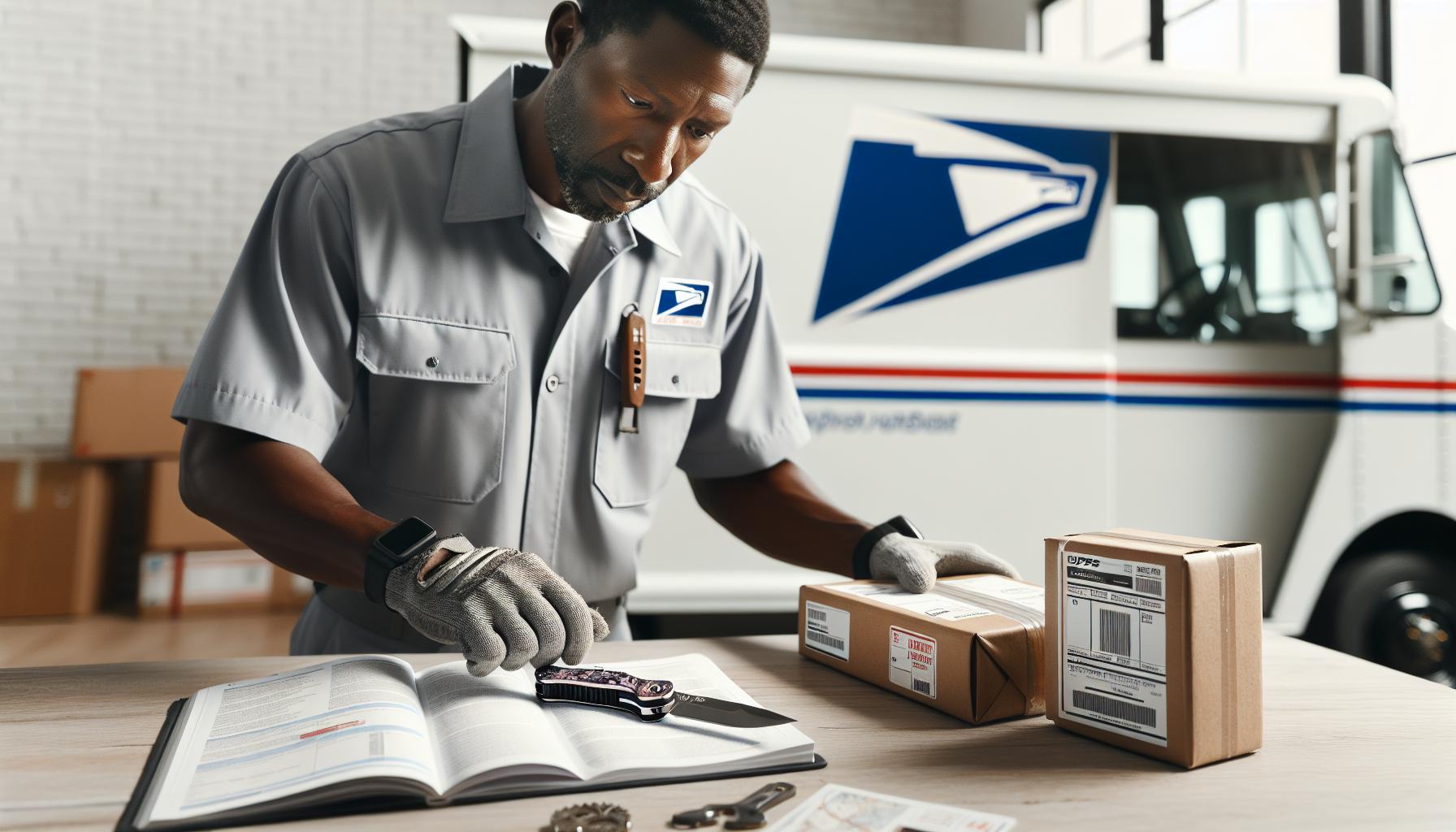
What Pocket Knives Are Allowed for Shipping?
Many enthusiasts might be surprised to learn that you can ship certain types of pocket knives via USPS, provided you adhere to specific regulations. Understanding these regulations is crucial not only for compliance but also for ensuring that your package arrives safely and without any legal complications. In general, USPS allows shipping of standard folding knives and small fixed-blade knives that do not possess features categorizing them as weapons. However, it’s important to recognize the nuances involved.
When considering which pocket knives are allowed for shipping, think about the following factors:
- Type of Knife: Standard folding knives, such as pocket knives commonly used for everyday carry, are generally permissible. These typically feature a blade that folds into the handle, reducing the risk of accidental injury.
- Blade Features: Knives that include mechanisms allowing for rapid deployment, such as switchblades or automatic knives, are typically prohibited. Additionally, knives with overly long blades may also fall under scrutiny, so it’s wise to verify specific length restrictions based on the destination region.
- Legal Restrictions: Before shipping, check both federal regulations and the state laws of the recipient. Certain states have unique laws regarding knife types and blade length. For example, some may limit the length of a folding knife blade to three inches or ban certain designs altogether.
- Historical Context: The allowance of conventional folding knives harks back to their utility and non-threatening nature when compared to more aggressive designs. Understanding this context can guide your selection of knives that are better suited for shipping.
By being mindful of these aspects, you can confidently package and ship a pocket knife while minimizing the risk of shipment rejection or legal repercussions. As a general best practice, when in doubt, conduct thorough research on the knife type you plan to send. This not only elevates your knowledge but also ensures an enjoyable shipping experience for both sender and recipient.
USPS Shipping Restrictions for Bladed Weapons
Shipping a pocket knife via USPS can be a straightforward process, but understanding the intricacies of the regulations surrounding bladed weapons is crucial to ensure compliance and avoid potential legal issues. While many types of knives can be legally shipped, there are specific restrictions to consider, particularly concerning the knife’s design and functionality.
First and foremost, USPS permits the shipment of standard folding knives and small fixed-blade knives, which do not fall into the category of prohibited weapons. These knives are typically recognized for their practicality and safety-folding knives feature blades that safely tuck into the handle, significantly minimizing the risk of accidental cuts during handling. However, knives that are classified as switchblades or featuring automatic deployment mechanisms are strictly prohibited from being mailed. Furthermore, knives with blades that exceed certain lengths may require closer examination based on specific state regulations, making it essential to check for any length restrictions pertaining to the destination state.
Legal Considerations
Before proceeding with a shipment, it’s imperative to familiarize yourself with both federal laws and the state-specific regulations applicable to the recipient’s location. Certain states impose stringent laws on knife types, requiring senders to ensure compliance. For instance, states like California have strict limitations on folding knife blade lengths, often capping them at three inches or outright banning specific designs. Always verify local laws before shipping a knife to avoid complications.
Packaging and Safety
When preparing the knife for shipment, secure packaging is vital. Use sturdy materials to protect the knife during transit, and consider including cushioning materials to prevent movement inside the box. Labeling the package correctly and clearly indicates to postal workers that it contains a blade, aiding in safe handling and transport.
By adhering to these guidelines, you can feel confident in shipping a pocket knife through USPS while minimizing the chances of shipment rejection or legal consequences. Proper research and responsible tool usage empower both novice and experienced senders to navigate the complexities of mail regulations with ease and assurance.
Differences Between Domestic and International Shipping
When considering the shipment of pocket knives, it’s essential to understand how domestic and international shipping regulations differ. Shipping within the United States typically involves fewer restrictions compared to international shipments, making it a more straightforward process. However, even with domestic shipments, you must still adhere to USPS guidelines regarding what types of knives are permissible, while also factoring in specific state laws that can restrict certain types of blades.
For domestic shipping, USPS allows the shipment of many types of pocket knives, particularly standard folding knives and small fixed blades. The main considerations are ensuring that the knife complies with both USPS regulations and the laws of the state it is being sent to. To simplify compliance, it’s best to package the knife securely, label it properly, and confirm that no additional state-specific restrictions apply, particularly regarding blade lengths.
On the other hand, shipping knives internationally poses more complexities. Many countries have stringent regulations or outright bans on specific types of blades. For instance, while you may easily ship a pocket knife to Canada, sending the same knife to a country with a prohibition on certain designs or blade lengths could result in legal issues or confiscation. Therefore, it’s crucial to do your research about the destination country’s import laws regarding knife shipments. In some cases, a knife that is legal to own in the U.S. may be illegal to receive in another country.
Effective strategies for international shipments include clearly declaring the contents and ensuring the destination aligns with USPS and the recipient country’s regulations. Using reliable shipping services that offer tracking can also help mitigate risks, as it allows you to monitor the package until it arrives safely. The key takeaway is that while domestic shipping is generally less complicated, international shipments demand thorough research and adherence to stricter guidelines for a successful mailing experience.
Essential Packing Tips for Pocket Knives
When packing a pocket knife for shipping, attention to detail is crucial not only for safety but also for compliance with postal regulations. Proper packaging can minimize the risk of injury and ensure that your shipment arrives in good condition. A strong approach begins with selecting the right materials. Use a sturdy box or padded envelope that can withstand the rigors of transit. For extra safety, consider wrapping the knife in bubble wrap or placing it in a hard case to prevent movement within the package and provide added cushioning.
It’s essential to secure the knife’s blade. Engage any locking mechanisms, and if available, use a blade guard or sheath to protect the edge and prevent accidental protrusion. Additionally, you can employ tape to secure the folding mechanism of pocket knives; this way, the blade remains closed throughout its journey. Labeling your package appropriately is another crucial step. Clearly mark on the exterior that the package contains a knife, which not only helps postal workers handle it with care but also aids in compliance with regulations.
Documentation and Declarations
When shipping, it’s vital to include necessary documentation as well. Inside the package, provide a note detailing the contents and the recipient’s address clearly. If you’re shipping internationally, you may need to fill out customs forms, declaring the item and its value accurately to avoid issues at the border. Being transparent about what is inside can ease the inspection process and minimize delays.
Finally, the choice of shipping service is important. Select a reliable courier that offers tracking options. This way, you can monitor the shipment’s progress and ensure it reaches its destination safely. A well-packed pocket knife will not only arrive intact but also reflect your commitment to safety and compliance with postal guidelines, ensuring a hassle-free experience for both the sender and the recipient.
How to Declare Your Pocket Knife for Shipping
When preparing to send a pocket knife, declaration is a critical step that ensures compliance with USPS regulations and smooth transit. Packaging a pocket knife isn’t just about securing it properly; it also involves accurately declaring the contents. An incorrect or vague declaration can lead to delays, returns, or even legal issues at customs. Therefore, understanding how to correctly declare a pocket knife for shipping is essential.
Start by including a detailed description of the knife inside the package. This should specify its type, length, and any notable features-informing postal workers of its nature helps them handle it appropriately. Constructing a clear note helps clarify the item’s identity and purpose, reducing the chance of misunderstandings during transit. If you’re shipping internationally, be prepared to complete customs declaration forms, which require essential details such as value, weight, and a comprehensive description. It’s wise to classify the knife accurately; for instance, using terms like “folding pocket knife” or “utility knife” to avoid ambiguity.
Next, make sure you’re aware of the local regulations concerning knives. Some states or countries have specific laws about what types of blades can be shipped or received. Familiarize yourself with these rules to ensure that your shipment is compliant. In cases where the knife might be considered restricted, it’s prudent to include a note explaining its intended use, further emphasizing compliance and transparency. Properly navigating these legal waters reinforces your commitment to safe and responsible shipping practices.
In conclusion, declaring your pocket knife involves thorough documentation and compliance with both USPS and regional guidelines. Keeping the postal service informed of your package’s contents and maintaining transparency not only facilitates smoother shipping but also enhances the overall safety of your transaction. Remember, a well-declared shipment is a significant step toward a successful delivery while adhering to all necessary regulations.
Understanding the Consequences of Non-Compliance
Failure to comply with USPS regulations when shipping a pocket knife can lead to serious repercussions, both legally and logistically. Ignoring these rules may result in the package being delayed, returned to the sender, or even confiscated by postal authorities. The consequences can extend beyond mere inconvenience; improper shipping of weapons like knives could trigger legal actions, particularly if the item is deemed illegal in your destination state or country.
One notable example of non-compliance consequences is the potential for fines and criminal charges. Many states have specific laws regulating what types of knives can be shipped or possessed. If you’re unaware of these laws and attempt to send a pocket knife that violates them, you could face hefty fines or even criminal prosecution. The same applies to international shipping, where laws vary dramatically from country to country. For instance, a knife classified as a common utility tool in your state might be considered a prohibited weapon in the destination country.
Moreover, the implications of failed compliance can also affect your reputation as a shipper. A poor record with postal services can lead to future shipping difficulties or increased scrutiny of your packages. Regular issues can get you flagged within USPS systems, making subsequent shipments more complicated and potentially leading to additional fees or restrictions.
In conclusion, it is essential to understand and adhere to shipping regulations to avoid these negative outcomes. By ensuring that you declare your pocket knife correctly and comply with all relevant laws, you not only protect yourself from potential legal troubles but also promote a safer and more reliable shipping experience. Being diligent in following guidelines can save you time, money, and trouble, allowing you to focus on what matters most-getting your pocket knife where it needs to go.
Frequently Asked Questions About Shipping Knives
Shipping a pocket knife can raise numerous questions, especially given the various regulations governing such items. Many people wonder what types of knives are permissible to ship, whether additional documentation is required, and the implications of shipping to different locations. Understanding these nuanced regulations can save you time and hassle.
One common question is, “What types of pocket knives can I ship?” Generally, USPS allows the shipping of most pocket knives, provided they are not classified as automatic knives or those that exceed the length limits stipulated by certain jurisdictions. Knives with a folding blade that is less than 4 inches long typically fall under the acceptable range. However, it’s crucial to verify local laws as regulations can vastly differ from state to state or country to country.
Another frequent inquiry is regarding international shipping. Are there different rules? Absolutely. When shipping internationally, you must consider both USPS regulations and the laws of the destination country. Some countries strictly prohibit the importation of knives, regardless of type or size. Therefore, it is advisable to check the customs regulations of the receiving country before attempting to ship a pocket knife.
A commonly overlooked element involves declaring your shipment properly. It is vital to declare the contents of your package accurately. Failing to do so can lead to significant legal consequences or confiscation of the knife. Always use clear, descriptive language and follow proper procedures to ensure compliance with USPS and local shipping regulations.
In summary, it’s important to do your research before shipping a pocket knife. By understanding what knives are allowed, adhering to international shipping laws, and making accurate declarations, you can navigate the complexities of shipping knives with confidence and ease.
Alternative Shipping Options for Pocket Knives
When it comes to shipping pocket knives, exploring alternative options can sometimes provide greater flexibility and convenience than USPS. Many enthusiasts and collectors look for the best way to send their knives without compromising safety or compliance with regulations. In this regard, services like UPS and FedEx are popular alternatives that offer reliable shipping options tailored to meet various needs.
Both UPS and FedEx have distinct shipping policies regarding bladed items, which might vary from USPS. For example, UPS allows the shipping of most pocket knives, provided they are securely packaged to prevent any accidental injuries. They often recommend using a sturdy box and cushioning materials to avoid movement during transit. Similarly, FedEx has clear guidelines on mailing knives but generally advocates for strict adherence to packaging standards to ensure compliance with carrier restrictions. It’s always advisable to check their official websites or contact customer service for the latest regulations.
Pros and Cons of Alternative Shipping Services
Exploring alternative services can also come with its pros and cons:
- Cost: Depending on the size and weight of the package, alternative carriers might be more affordable, but it often varies by distance and delivery speed.
- Speed: Both UPS and FedEx offer expedited shipping for time-sensitive deliveries, which may be essential if you’re sending knives as gifts or for events.
- Tracking: Like USPS, both services provide robust tracking options so you can monitor your package’s journey until it reaches its destination.
- Accessibility: Depending on your location, you might find UPS and FedEx services more accessible than USPS, especially in more rural areas.
While alternative shipping options exist, it’s crucial to familiarize yourself with both state laws and individual carrier policies regarding shipping knives, as well as any potential shipping insurance you might want to consider for valuable items. By doing so, you can ship your pocket knives securely and confidently, ensuring they reach their destination without any issues.
Safety Tips for Mailing Knives Securely
When preparing to ship a pocket knife, ensuring its safe transit is as crucial as adhering to shipping regulations. Incidents of stray blades posing risks to postal workers and damaging other packages underscore the importance of secure packaging. An effective starting point is to choose a robust, rigid box that can withstand impact and protect the knife from movement during delivery. Consider employing cushioning materials such as bubble wrap or packing peanuts to envelop the knife entirely and further stabilize it within the box.
Always disassemble the knife if possible, storing the blade separately from the handle. This not only ensures a lower profile within the package but also minimizes potential injuries during handling. If shipping a multi-tool, ensure that all tools are folded away or secured within the handle, as exposed edges can be hazardous. When sealing the package, use strong packing tape to reinforce all seams. This prevents accidental opening during transit, which could expose the blade and create risks for postal staff.
Labeling and Documentation
Clear labeling is vital for safe shipping. Mark the package as containing a “sharp object” to alert postal workers of its contents. It’s also wise to check the regulations of the shipping carrier for any specific requirements or documentation needed for mailing knives. If shipping to a state with different laws regarding blade sizes or types, confirm compliance ahead of time to avoid complications.
Ultimately, understanding and following safety protocols not only assures compliance with USPS regulations but also ensures a smooth shipping experience. By taking additional precautions, you can confidently send your pocket knives knowing they’ll arrive safely at their destination, ready for the next adventure.
Legal Considerations When Shipping a Pocket Knife
Shipping a pocket knife involves navigating a complex landscape of laws and regulations, which can vary significantly based on location. It’s vital to understand both federal and state laws regarding knife possession and shipping. Some states have restrictions on blade length, type of knife, or the manner in which it can be carried or transported. Therefore, before you ship, familiarize yourself with the specific legalities of both the shipping origin and destination.
Many individuals may be surprised to learn that not all knives are considered equal under the law. For instance, automatic knives, such as switchblades, are outright illegal to ship in certain jurisdictions. The distinction between legal and illegal knives can hinge on factors such as blade length and function. Always keep in mind that just because a shipping carrier permits the shipment of a knife does not mean that it is legal to send such items in every jurisdiction. For example, certain states may prohibit the shipment of knives that are classified as restricted or dangerous.
When preparing for shipping, ensure the knife is classified according to the USPS guidelines. Generally, USPS does not restrict the shipping of pocket knives, provided they are properly packaged and labeled. However, it is critical to declare the contents accurately and ensure compliance with any state laws that may impose additional restrictions. Failure to adhere to these regulations can lead to serious repercussions, including fines or confiscation of the item.
If you find yourself uncertain about the regulations, it may be beneficial to consult with the shipping service directly or seek legal advice to ensure compliance. Understanding the nuances of the law can empower both novice and experienced users to ship their tools with confidence, knowing they are adhering to legal standards and taking appropriate measures for safe transit.
Best Practices for Choosing a Shipping Service
When shipping a pocket knife, making an informed choice about your shipping service can make all the difference in ensuring a smooth and compliant delivery process. Not only do you want to find a service that meets your budgetary needs, but you also need one that understands the regulations surrounding bladed items. Given the complexities of shipping knives, paying attention to certain best practices can enhance your shipping experience.
First, choose a shipping service that specializes in or is accustomed to handling bladed items. Services like USPS are compliant with federal regulations regarding non-dangerous items, but it’s key that their employees are informed and trained on the specifics of shipping knives. Consider inquiring about their policies directly to ensure they offer reliable guidance that aligns with both federal and state laws. Additionally, look for customer reviews and testimonials to gauge how well they handle similar shipments.
Next, compare shipping options based on delivery time and tracking services. While you may choose a standard shipping service for cost-effectiveness, expedited options may offer better peace of mind, especially if you’re sending a more valuable or sentimental knife. Having a tracking number will allow you to monitor your shipment in real-time, reducing anxiety about its status. Furthermore, consider services that provide an insurance option for protecting your item against loss or damage during transit.
Lastly, familiarize yourself with different packaging requirements. Some shipping services may have specific guidelines regarding how knives must be packaged-often recommending padded boxes and secure containment to prevent movement and accidental injury. A well-packaged knife reduces the risk of damage and helps demonstrate compliance with regulations, further safeguarding you against potential issues during shipping.
By considering these aspects, you empower yourself to select a shipping service that not only meets your logistical needs but also upholds a commitment to safety and legality, ensuring your pocket knife reaches its destination securely and responsibly.
Faq
Q: Can I ship a pocket knife through USPS?
A: Yes, you can ship a pocket knife through USPS, but it must comply with their regulations. Ensure it is packed securely, meets size restrictions, and is not considered a prohibited item. Always check specific guidelines on bladed weapons before shipping.
Q: Are there specific USPS regulations for shipping pocket knives?
A: Yes, USPS has specific regulations concerning pocket knives. They are classified as “bladed weapons” and must be properly packaged. Furthermore, knives with blades longer than a certain length might be restricted. Refer to USPS guidelines for detailed specifications.
Q: What types of pocket knives are allowed for shipping via USPS?
A: USPS permits the shipping of pocket knives that do not exceed certain blade length and design specifications. Generally, folding knives and those that are not spring-assisted are more likely to be accepted for mailing. Check USPS regulations for specifics.
Q: Can I mail a pocket knife internationally using USPS?
A: Shipping a pocket knife internationally through USPS is more complex and varies by destination. Some countries prohibit certain types of knives, so always verify local laws and USPS international mailing guidelines before shipping.
Q: What should I know about declaring my pocket knife at USPS?
A: When shipping a pocket knife, you must declare it as a “bladed weapon” during the shipping process. Ensure packaging is secure and complies with USPS requirements to avoid delays or confiscation.
Q: What consequences could arise from non-compliance when shipping knives?
A: Non-compliance with USPS shipping regulations can lead to package rejection, fines, or confiscation of the knife. Repeat violations may result in a ban from using USPS services for certain items. Always adhere to guidelines to ensure successful delivery.
Q: What are some safe packing tips for shipping a pocket knife?
A: To pack a pocket knife safely for shipping, use a sturdy, padded envelope or box, and ensure the blade is covered and secured to prevent movement. Label the package clearly and use appropriate tape to avoid accidental openings during transit.
Q: Are there alternative shipping services for mailing pocket knives?
A: Yes, if USPS regulations do not suit your needs, consider alternative carriers like UPS or FedEx, which may offer different terms and conditions for shipping pocket knives. Check each carrier’s specific guidelines to ensure compliance.
Closing Remarks
Now that you have a clearer understanding of the regulations around shipping pocket knives via USPS, you may still have questions or concerns about specific knife types or the shipping process itself. Don’t miss out on our comprehensive guides on Swiss Army knives and karambits to enhance your knowledge and make informed decisions based on your needs.
If you found this information helpful, explore our other resources on travel with knives and legal considerations for everyday carry. Whether you’re a seasoned enthusiast or just starting, our site has everything from maintenance tips to product recommendations tailored just for you.
Ready to dive deeper? Subscribe to our newsletter to stay updated on the latest gear trends and regulations. Your journey into the world of pocket knives starts here. Feel free to drop your thoughts in the comments below-your insights could provide further clarity for someone else!