Traveling often brings a whirlwind of questions, especially when it comes to packing. One common concern is whether it’s permissible to stash a pocket knife in your checked luggage. Understanding airline rules surrounding this topic is essential for a safe and hassle-free journey. While pocket knives are handy tools for outdoor enthusiasts, their presence in luggage can spark confusion and potential delays at security checkpoints. In this guide, we’ll unravel the intricacies of airline regulations regarding pocket knives, ensuring you’re well-informed and prepared for your next adventure. So, let’s dive in and clarify what you need to know to travel confidently with your favorite pocket tool.
Can I Pack a Pocket Knife in a Checked Bag? Understanding Airline Regulations
Packing a pocket knife for air travel requires a thorough understanding of airline regulations, as conflicting rules can lead to confusion and inconvenience at the airport. While many may assume that checked baggage has fewer restrictions than carry-on allowances, the reality is more nuanced. Most airlines and security agencies, such as the TSA in the U.S., generally permit pocket knives in checked luggage, but it is essential to follow specific guidelines to avoid any issues.
When preparing to pack a pocket knife, consider the size and type of the blade. Knives with blades longer than 4 inches are more likely to draw scrutiny, and airlines might have policies that reflect this. Additionally, some knives with specific features, such as automatic opening mechanisms or combat-style designs, may be prohibited even in checked bags. Always double-check the current regulations of your airline and the airport in question, as rules can change frequently.
To pack your knife correctly, wrap it securely to prevent any damage to other items in your luggage. Ideally, place it in a dedicated sheath or a padded compartment within your suitcase. This not only ensures safety but also keeps the knife accessible when you arrive at your destination. Remember, when traveling internationally, the laws regarding knives can vary significantly by country, underscoring the importance of doing your homework before you pack. Taking these precautions will make your travel smoother and help you avoid any unexpected surprises at security checkpoints.
What Types of Knives Are Allowed in Checked Bags?
While many travelers are eager to bring their trusty pocket knives on their adventures, understanding which types of knives are allowed in checked bags is essential. Generally, checked baggage has fewer restrictions compared to carry-ons, making it a more viable option for those who wish to travel with a knife. However, regulations can vary by airline and country, meaning it’s crucial to stay informed about specific guidelines.
Most standard folding pocket knives and fixed-blade knives are permissible in checked luggage. Typical examples include:
- Folding Pocket Knives: These versatile tools are widely accepted, provided they do not feature an auto-deploy or spring-assisted opening mechanism that may classify them differently.
- Fixed-Blade Knives: Knives with a non-retractable blade are usually allowed, but they should be securely sheathed to prevent accidents.
- Multi-Tools: Devices equipped with pliers and several other attachments, including small blades, are also generally acceptable.
However, certain types of knives may raise concerns at security checkpoints. Knives featuring blades longer than 4 inches or those designed for combat, such as tactical knives and daggers, may attract scrutiny and could be prohibited by some airlines. Transferring your knife within the boundaries of these guidelines will increase your chances of an uneventful travel experience.
Before packing, it is advisable to consult both the airline’s policies and updated TSA regulations – or equivalent authorities in other countries – as they may impose unique restrictions according to their security protocols. In sum, while a variety of knives can be packed safely in checked baggage, awareness of airline-specific and location-based restrictions is essential for hassle-free travel. This foresight not only ensures compliance with regulations but contributes to your overall travel preparedness.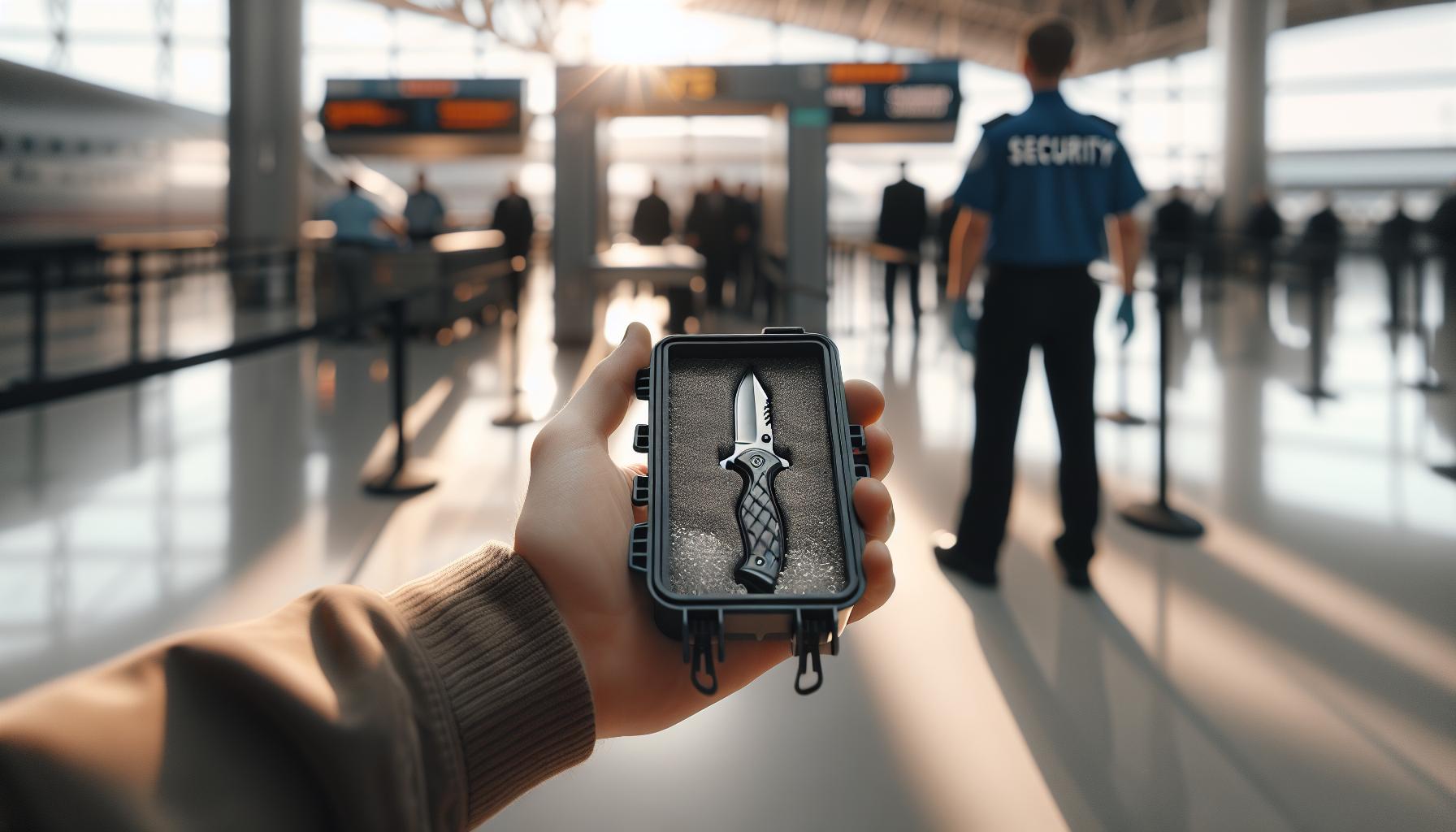
Key Airline Policies on Packing Knives
When it comes to traveling with knives, particularly pocket knives in checked luggage, understanding airline policies is essential for a smooth travel experience. Each airline has its own specific regulations regarding the transportation of knives, which can reflect broader security guidelines and local laws. As a traveler, being well-informed about these policies not only ensures compliance but also promotes responsible ownership of tools during your journeys.
Most major airlines allow standard pocket knives in checked baggage, as long as the knives comply with certain criteria. For instance, knives with blades longer than 4 inches and those classified as tactical or combat knives are typically scrutinized more rigorously, if not prohibited altogether. Airlines like Delta and American Airlines provide straightforward guidelines on their websites, emphasizing that knives must be properly packed to avoid injury during handling. Generally, folding knives, fixed-blade knives in sheaths, and multi-tools with small blades are acceptable, but travelers should always check specific airline policies before packing.
Additionally, international travel adds another layer of complexity, as each country may have its own legal restrictions regarding transportation of knives. It’s prudent for travelers to familiarize themselves with the destination’s regulations, which can vary significantly from one locale to another. Some countries might impose stricter rules, banning any form of pocket knife outright, even in checked luggage.
Through proactive planning and by staying updated on your chosen airline’s knife policies, your travel experience with tools can be much more manageable. Always remember to securely pack your equipment and be mindful of your destination’s laws to ensure that your adventure starts smoothly and ends safely.
Comparing Different Airlines’ Knife Policies
Navigating the regulations on packing knives can be perplexing, especially when it comes to differing policies among airlines. For those eager to travel with their trusty pocket knives, understanding these variations is crucial to ensure a hassle-free journey. Not all airlines treat knives the same way in checked baggage, with some allowing a wider range of permissible items while others take a more restrictive approach.
- Delta Air Lines: Delta allows knives with blade lengths up to 4 inches in checked baggage. Knives that are dagger-style or have blades that can be classified as tactical may require additional scrutiny. It’s important to package these items securely, as the airline emphasizes safe handling to prevent accidents.
- United Airlines: Similar to Delta, United permits pocket knives in checked bags, provided they comply with the 4-inch blade rule. The airline’s guidelines explicitly state that dangerous items, including oversized tactical knives, may not be accepted.
- American Airlines: American Airlines aligns with the general industry standard by allowing pocket knives in checked luggage. However, knives with blades exceeding 4 inches or that are designed for combat scenarios should be avoided. American Airlines also reminds travelers that multi-tools with small blades are typically acceptable.
A clear comparison shows that while all three airlines maintain a general guideline regarding blade length, implicit differences may arise in their handling policies. For instance, Delta’s communication about the potential scrutiny of tactical knives suggests a more cautious approach compared to the broader acceptance seen with United and American. It’s wise for travelers to check their specific airline’s website prior to departure; policies can evolve, and staying informed ensures compliance with current rules.
When carrying a pocket knife on a trip, awareness of these differences not only fosters a smoother travel experience but also reflects responsible knife ownership. Each traveler must weigh the type of knife they’re packing against the airline’s policies to avoid confiscation or delays, ensuring that their journey remains seamless from start to finish.
The Legal Landscape: Pocket Knives and Air Travel
Navigating the rules surrounding pocket knives and air travel can often feel like a complex puzzle, especially when considering the varying legal frameworks across jurisdictions. Regulations governing the transportation of pocket knives are influenced by federal laws, airline policies, and even local restrictions at your destination. For travelers, understanding these nuances is vital to ensure compliance and avoid potential complications.
In the United States, the Transportation Security Administration (TSA) prohibits pocket knives in carry-on luggage due to safety concerns; however, knives with blades shorter than 4 inches can be transported in checked baggage. This federal rule is consistent, but interpretation can vary among airlines. For instance, while Delta, United, and American Airlines allow knives in checked bags, they emphasize the importance of adhering to the 4-inch blade limit. Moreover, specific types of knives, such as switchblades or knives designed for combat, may be outright banned regardless of whether they are in checked or carry-on luggage.
Another critical consideration is the legality of knife ownership in different states or countries you may be traveling to. Some regions impose stricter laws on knife types, including blade length and features (like automatic openings), than federal regulations or airline policies. For example, while one might be able to carry a pocket knife legally in their home state, they may run afoul of local laws upon arrival in a different jurisdiction. Thus, it’s imperative for travelers to research not only airline policies but also the local legislation regarding knife ownership and transportation.
When preparing for your trip, always remember to check the latest updates from both the TSA and your chosen airline. Policies can evolve, and awareness of changes can help prevent the confiscation of your beloved pocket knife. Engaging with your airline’s customer service can provide additional clarity on any specific concerns you may have about particular knife types. By being informed and cautious, you can confidently carry your tools, making your travel experience smooth and hassle-free.
How to Properly Pack Your Knife for Air Travel
Packing a pocket knife for air travel can feel daunting, but proper preparation ensures that your essential tools arrive safely without complication. First and foremost, always ensure that your knife adheres to the Transportation Security Administration (TSA) guidelines and your airline’s policies. Knives with blades shorter than 4 inches are generally permitted in checked baggage, which presents an excellent opportunity to evaluate the best packing methods for your knife.
To begin, consider the protection of your knife’s blade during transport. Wrapping it securely in a soft cloth or placing it in a sheath will help prevent any accidental punctures or cuts. Additionally, consider using a hard-sided case for extra protection, particularly if you’re traveling with a more valuable knife or multi-tool. Not only does this safeguard the knife itself, but it also protects other items in your luggage from potential damage.
Secure Placement in Luggage
When packing your knife, select a location within your checked bag that minimizes movement. Ideally, the knife should be placed towards the bottom of your bag, surrounded by clothing or soft items that cushion it against impacts. Avoid placing it in the outermost pockets of your bag, as these can be more susceptible to examination or external forces during handling.
Documentation and Quick Access
While you won’t need to provide documentation for your knife, if you’re carrying a more unique or valuable piece, consider including a small note indicating the type of knife and its intended use. Keeping this note on top of the knife can provide clarity for security workers, should they need to inspect your bag. Furthermore, familiarize yourself with the specific laws regarding knife possession in your destination, as some locations may have restrictions or regulations that could impact your travel.
By following these guidelines, you can confidently pack your pocket knife for air travel, ensuring it arrives safely and securely, ready for your adventures.
Tips for Choosing the Right Pocket Knife for Travel
When selecting a pocket knife for travel, understanding your specific needs and how the knife fits into both your travel plans and airline regulations is crucial. A well-chosen pocket knife can serve as a versatile tool that enhances your travel experience, making it easier to prepare food, undertake minor repairs, or even enjoy outdoor activities. Ideally, your knife should be lightweight, easy to carry, and feature a blade length that complies with airline regulations, particularly for checked baggage.
When evaluating options, consider the following factors:
- Size and Weight: A compact knife with a blade length under 4 inches is generally preferred for checked luggage. Look for lightweight materials that won’t add significant weight to your bag.
- Blade Type: Depending on your anticipated activities, you may prefer a drop-point blade for general utility or a serrated edge for cutting through tough materials like rope.
- Handle Material: Opt for a handle that offers a firm grip and feels comfortable in your hand. Materials such as G-10 or micarta are durable and provide good traction, even in wet conditions.
- Multi-Functionality: A multi-tool can be invaluable for travel. Features like screwdrivers, can openers, and scissors expand the value of your knife beyond just cutting.
Choosing a reputable brand known for quality craftsmanship will further ensure durability and reliability. Popular choices among travelers include Swiss Army knives, which offer a range of functionalities in a compact design, or folding knives from brands like Benchmade or Spyderco that focus on performance and safety. Always remember to consider regional laws regarding knife carry when arriving at your destination, as they can vary significantly.
Lastly, don’t neglect maintenance. A well-maintained knife will serve you better and last longer. Carry a small sharpening tool or oil alongside your knife to keep it in optimal condition for your travels. By thoughtfully selecting your pocket knife and adhering to regulations, you can ensure it becomes an asset rather than a hindrance during your journeys.
Alternatives to Pocket Knives While Traveling
Traveling with a pocket knife can enhance your outdoor experiences, but sometimes it’s best to explore other tools that are both effective and compliant with airline regulations. While a pocket knife may be a favored option for many, there are several compelling alternatives you can consider that offer similar functionality without the hassle of navigating complex restrictions.
One popular alternative is a multi-tool. These versatile implements often combine various tools-including pliers, screwdrivers, and scissors-into a single unit. Not only do they save space in your luggage, but they can also help you perform a wide range of tasks. Brands like Leatherman and Gerber offer robust multi-tools that have become staples for travelers due to their durability and array of functions. Some models even include a small knife blade, but be sure to check your airline’s policies on blade lengths if this feature is important for your travels.
Another great option is a utility knife or box cutter. These can often be found in collapsible designs, making them compact and easy to store in your checked luggage. They are particularly useful for opening packages, cutting ropes, or performing simple tasks without the bulk of a traditional knife. Look for models that emphasize safety features, such as retractable blades, which can help prevent accidental injuries both in your bag and during use.
Consider specialized tools designed for specific activities. If you’re an outdoor enthusiast, products like fishing line cutters or scissors crafted for hiking can be incredibly beneficial. Some ingenious options even blend functionality with ease of carry: look for scissors that fold into a compact shape or ones that integrate with a keychain.
Lastly, if you are concerned about versatile tools that can be used in a range of scenarios without being classified as a knife, explore safety cutting tools. These are designed with safety in mind, often featuring blunt tips and are engineered to be safe for use on a variety of materials without posing risks associated with standard knives.
By exploring these alternatives, you can ensure that your travel toolkit remains effective and within the bounds of airline safety regulations, allowing you to focus on your journey rather than on compliance challenges.
Safety Tips for Traveling with a Pocket Knife
Traveling with a pocket knife can be a great asset for outdoor enthusiasts and those prepared for unexpected challenges. However, adhering to airline regulations is crucial to ensuring a smooth journey. To help you navigate the complexities of flying with a pocket knife, consider these safety tips that prioritize compliance and responsible tool use.
When packing your pocket knife, ensure it’s securely stowed in your checked baggage, as transporting knives in your carry-on is prohibited by most airlines. Before packing, clean and inspect your knife for any signs of wear or damage. A well-maintained knife not only functions better but is also safer to use. Consider using a protective sheath or case to prevent accidental injury when handling your luggage.
Familiarize yourself with the specific airline policies regarding checked baggage to minimize the risk of confiscation. Different airlines may have varying rules concerning blade length and type. Consult the airline’s website or customer service before your trip to avoid any last-minute surprises. For those who travel frequently with tools, keeping a reliable, updated resource on airline regulations can save time and frustration.
Once you reach your destination, be mindful of local laws regarding knife ownership and carry. Some areas have stringent regulations around blade length and types, which can vary significantly from what you’re accustomed to at home. Being a responsible traveler means respecting these rules to avoid legal issues during your stay.
In addition, consider keeping a list of emergency contacts and nearby healthcare facilities with your travel gear. In the unlikely event of an injury while using your knife, knowing where to go for help can expedite your response. By following these precautions, you can enjoy the functionality of your pocket knife while ensuring a safe and compliant travel experience.
What to Do If Your Knife Is Confiscated
Traveling can be unpredictable, and if your pocket knife is confiscated at the airport, it can be a frustrating experience. Knowing what to do in such a situation can help ease the stress and save you valuable time and money. First and foremost, if security personnel inform you that your knife is being taken, stay calm. Mentioning your understanding of airline policies might help in communicating your intent to follow the rules.
In many cases, you may have a few options. Some airports have procedures in place that allow you to either send your knife back to your home address or check it in your luggage if possible. However, be aware that this might incur additional fees or may not be available at all airports. Here are the steps to consider if you find yourself in this predicament:
- Ask Questions: Politely ask the security personnel about the specific reasons for the confiscation and what your options are.
- Request Safe Storage: If you have any travel companions who can take the knife, ask if they can carry it on your behalf.
- Shipping Options: Inquire if the airport offers a mailing service where you can have the knife sent home.
- Know Your Rights: Familiarize yourself with the regulations in your departure and arrival states, as they may inform your actions regarding prohibited items.
Before you begin your journey, consider researching the airport’s policies on confiscated items. Many airports provide information on their websites, and it can be advantageous to know these details ahead of time. Additionally, take note of the TSA (Transportation Security Administration) guidelines concerning personal items, as these also apply beyond just pocket knives.
Ultimately, the key takeaway is to stay informed and prepared. If your knife does get confiscated, handling the situation with composure can lead to a more favorable outcome. And remember, ensuring your knife is in accordance with airline regulations well before your trip can save you from this scenario altogether.
Exploring Multi-Tools: Packing Alternatives
When it comes to air travel, packing efficiently while adhering to airline regulations can turn into a complex task, especially for those who rely on pocket knives. Fortunately, multi-tools offer a versatile and practical alternative that can accommodate various everyday needs without running afoul of TSA or airline policies. These multifunctional devices combine several tools into a single, compact unit, providing convenience for travelers without the complications associated with carrying knives.
Multi-tools typically include not just blades, but also screwdrivers, can openers, scissors, and pliers-all within the bounds of regulations when packed in checked luggage. For instance, brands such as Leatherman and Gerber offer models with tools that are often viewed more favorably by security personnel compared to traditional pocket knives. This versatility makes them ideal for both outdoor adventures and everyday tasks during travel, providing all the utility of a knife while minimizing the risk of confiscation.
When selecting a multi-tool for your travels, consider choosing models that feature a non-threatening design or primarily contain tools that aren’t sharp. Look for multi-tools with folding functionalities and those that emphasize utility over aggressiveness in appearance. Additionally, make sure to familiarize yourself with your selected tool’s dimensions and features since some airports have specific limitations or preferences regarding the types and sizes of tools that can be packed.
In conclusion, opting for a multi-tool can mitigate the risk of dealing with confiscated items at security checkpoints while still equipping you with the necessary tools for various scenarios during your trip. As you prepare for your travels, remember to check both airline regulations and TSA guidelines for optimal packing strategies, ensuring that your journey remains stress-free and equipped with everything you might need.
Responsible Knife Ownership During Travel
is not only about convenience but also about ensuring respect for regulations and safety. Understanding the appropriate usage of your knife, especially when flying, can elevate your travel experience and help you avoid frustrating encounters at security checkpoints. A pocket knife can be a handy companion for various tasks, ranging from opening packages to preparing food on a camping trip. However, misuse or ignorance of airline regulations can lead to confiscation or, in worse cases, legal trouble.
Before setting off, it’s crucial to familiarize yourself with the specific rules governing knife transport, especially in checked luggage. Airline policies can vary significantly, and knowing what is acceptable can save you time and stress. For instance, many major carriers permit folding knives in checked bags but may have restrictions on blade length or type. Always check your airline’s official guidelines prior to traveling to ensure compliance.
When packing your knife, proper preparation is key. To ensure responsible knife ownership:
- Secure Your Knife: Ensure the knife is sheathed or folded properly to prevent accidental injuries during handling.
- Check Local Laws: Many states and countries have specific regulations concerning knife possession, even in checked luggage.
- Consider Your Environment: If you’re traveling to areas with strict knife laws, reconsider whether you really need to bring it along.
- Choose the Right Type of Knife: Opt for a model that aligns with your trip’s purpose and complies with legal standards.
Lastly, while owning and using a knife can be practical, it also comes with a responsibility to use it safely and respectfully. Displaying good judgment while on the road ensures not only a smooth journey but also fosters a positive perception of knife owners. By preparing well and respecting regulations, you can enjoy the benefits of your tools without compromising safety or legality.
Frequently asked questions
Q: Can I take a multi-tool with a knife on a plane in checked baggage?
A: Yes, you can pack a multi-tool that includes a knife in your checked baggage. However, it’s essential to ensure that the knife blade does not exceed any airline-specific length restrictions. Always check the airline’s guidelines before packing [3[3].
Q: Are there any size restrictions for pocket knives in checked luggage?
A: While most airlines allow pocket knives in checked baggage, they may have specific size restrictions, such as blade length limits. Generally, knives with blades longer than 4 inches may raise concerns, so it’s best to confirm with your airline beforehand [3[3].
Q: What should I do if my knife is confiscated at the airport?
A: If your knife is confiscated at the airport, unfortunately, it’s unlikely that you will be able to retrieve it. Ensure you understand the airlines’ policies regarding what you can pack in advance to avoid this situation [3[3].
Q: Can I pack a sheathed knife in my checked luggage?
A: Yes, sheathed knives can typically be packed in checked luggage. Make sure the knife is securely sheathed to prevent any accidents during handling. Check your airline’s specific regulations for any additional requirements [3[3].
Q: How should I properly secure my pocket knife in checked baggage?
A: To properly secure your pocket knife in checked baggage, use a protective case or sheath and wrap it in clothing to prevent movement. Ensure it’s placed at the bottom or in a secure area of your suitcase to minimize risk during transit [3[3].
Q: Are there specific airlines known for stricter knife policies?
A: Yes, some airlines may have stricter policies regarding knives in checked baggage. It’s recommended to check each airline’s rules on their official websites or contact customer support for the most current regulations [3[3].
Q: Is it allowed to travel internationally with a pocket knife in checked baggage?
A: Traveling internationally with a pocket knife in checked baggage is generally allowed, but regulations can vary significantly by country. Always research local laws and the airline’s policy to ensure compliance [3[3].
Q: What are the best practices for ensuring a smooth travel experience with a knife in checked baggage?
A: To ensure a smooth travel experience with a knife in checked baggage, follow these best practices: secure it in a protective case, check your airline’s specific regulations, and confirm the knife complies with any size and type restrictions [3[3].
Feel free to explore more about airline policies and packing strategies in the specific sections of the article for comprehensive guidelines!
To Wrap It Up
As you prepare for your next flight, remember that understanding airline rules about packing a pocket knife in your checked bag is key to a hassle-free travel experience. While these guidelines can vary by airline and destination, knowing the ins and outs allows you to travel with confidence. If you’re still unsure or have specific concerns, check out our detailed guides on travel safety tips or state regulations on pocket knives. Don’t forget to explore our comprehensive resources on Swiss Army knives and other essential gear to ensure you’re well-equipped for any adventure.
Ready to simplify your travel preparations? Sign up for our newsletter to stay updated on the latest travel tips and gear recommendations. Your next journey awaits, and we are here to empower you with the knowledge you need. Share your travel experiences in the comments below, and let’s continue the conversation about responsible packing and gear usage!