
Traveling can be both exciting and stressful, especially when it comes to navigating the rules of what’s allowed on a plane. One common question that arises for outdoor enthusiasts and everyday carry fans alike is, “Can I bring my pocket knife on a flight?” While pocket knives are practical tools for many situations, airport security regulations often leave travelers puzzled. Understanding these rules is crucial not only for compliance but also for ensuring a smooth journey. In this article, we’ll break down the flight rules regarding pocket knives, helping you navigate the complexities of air travel with confidence. Whether you’re a seasoned adventurer or just someone who enjoys having their favorite tools on hand, knowing what’s permissible can save you time, hassle, and disappointment at the airport. Read on to decode the specifics and stay informed for your next trip.
Can You Bring a Pocket Knife on a Plane?
While many travelers might think their trusty pocket knife is a useful travel companion, it’s important to understand that, according to Transportation Security Administration (TSA) regulations, bringing a pocket knife on a plane is prohibited in carry-on luggage. This ban includes knives with blades of any length, folding knives, and multi-tools that feature blades. These rules were implemented to enhance security after the events of September 11, 2001, reflecting a zero-tolerance policy for sharp objects that could potentially be used as weapons.
For those who might be tempted to sneak a pocket knife onto their carry-on, the consequences can be severe. Security screenings are rigorous, and if a pocket knife is discovered during the screening process, it will be confiscated. More importantly, the traveler may face additional scrutiny or delays, and they could even be subject to fines or additional legal action depending on the severity of the infraction. Instead, consider checking your knife in your luggage, if absolutely necessary, to avoid any issues at security checks.
Travelers who enjoy outdoor activities or who rely on knives for daily tasks should look for alternatives that comply with TSA rules. Options such as a keychain tool without a blade or a multi-tool designed specifically for travel may be suitable substitutes. Remember, creativity in choosing travel gear can help ensure a smooth journey without the unwanted stress of security checks.
In summary, while it might seem inconvenient, the regulations regarding pocket knives and other sharp objects in carry-on luggage are there for a reason-primarily to ensure the safety of all passengers. Always stay informed and plan your packing accordingly to make your travel experience as seamless and enjoyable as possible.
Understanding TSA Regulations for Knives
Many travelers may be surprised to learn that pocket knives, along with any knives with blades of any length, are prohibited from being brought onto airplanes in carry-on luggage. This strict regulation is a result of security measures implemented by the Transportation Security Administration (TSA) following the tragic events of September 11, 2001. The rationale behind this prohibition is straightforward: sharp objects can potentially be utilized as weapons, posing a threat to passenger safety.
Understanding the specifics of TSA regulations is crucial for anyone planning to fly. All knives, including folding knives and multi-tools equipped with blades, are not allowed in the cabin. The TSA’s zero-tolerance policy means that any detected knife will be confiscated during the screening process. Travelers caught attempting to bring a knife could face not only the loss of the item but also increased scrutiny, delayed processing, or even legal action depending on the circumstances.
For those who rely on knives for everyday tasks or outdoor activities, it’s vital to seek alternatives that align with TSA rules. Tools designed for air travel, such as keychain gadgets that do not include blades or multi-tools that are blade-free, can be practical substitutes. These options offer functionality without violating safety regulations, allowing travelers to pack thoughtfully and avoid potential issues at security checkpoints.
In summary, knowing the TSA’s regulations regarding knives is essential for a seamless flying experience. By planning ahead and considering alternative tools, travelers can prepare for their journey with confidence, ensuring they comply with safety standards while still being equipped for their needs.
Types of Knives Allowed in Carry-On Luggage
Traveling with knives can be a tricky endeavor, especially given the strict regulations imposed by the TSA. To clarify, no knives are permitted in carry-on luggage. This includes pocket knives, folding knives, multi-tools with blades, and even kitchen knives. The rationale behind this rule is rooted in security concerns, as sharp objects pose potential threats onboard an aircraft.
However, understanding what alternatives exist can be helpful for those who still want to bring useful items while staying compliant with TSA regulations. Travelers can consider certain types of bladed tools if they are packed in checked luggage. For instance, chefs and outdoor enthusiasts might want to stow compact cutting tools that can enhance their travel experience without burdening the aircraft’s safety protocols.
Here are some practical guidelines regarding knife alternatives that you can consider:
- Non-Bladed Multi-Tools: Look for multi-tools that lack sharp blades. Many companies offer models that include various useful functions without incorporating a knife blade.
- Screwdrivers and Pliers: Tools like screwdrivers or pliers can often serve similar functions to knives during travel, and they are typically acceptable in carry-on luggage.
- Safety Razors: If you’re looking for something to assist with personal grooming, consider safety razors or disposable razors, which are allowed in carry-on bags.
Knowing what can be packed and what cannot is essential to a smooth travel experience. For those needing to carry a knife for specific tasks, using checked luggage is the best course of action. Be sure to secure any knives properly to avoid accidents during travel. Understanding these regulations and alternatives can help maintain safety while allowing for practicality in everyday carry scenarios.
Bag Check vs. Carry-On: What You Need to Know

Traveling by air means navigating a landscape of rules and regulations, particularly when it comes to what you can bring onboard. One of the most frequently misunderstood aspects is the distinction between items allowed in carry-on bags versus checked luggage. For those wondering about pocket knives, it’s crucial to understand that all knives, including pocket variants, are strictly prohibited in carry-on luggage as per TSA guidelines. This regulation aims to maintain the safety of passengers and crew by eliminating potential weapons on board.
If you’re determined to travel with a knife for practical purposes-such as camping or outdoor cooking-your best option is to place it in your checked luggage. This method keeps the knife secure and out of reach during the flight, aligning with safety protocols. Be sure to pack it carefully, ideally in a hard sheath or a protective case, to prevent any damage or accidental injury during handling by airport personnel.
It’s also essential to be aware of size and blade length restrictions for checked items, as these can vary. Some airlines and destinations may have their own regulations regarding knives, so checking both airline policies and the laws at your travel destination is recommended. Engaging with knowledgeable equipment retailers or outdoor enthusiasts’ forums can provide additional insights into which items are both functional and compliant with travel requirements.
In short, while you can’t keep a pocket knife handy during a flight, understanding how to properly pack it and knowing the rules can help ensure a hassle-free travel experience. With the right preparation, you can enjoy your outdoor adventures without compromising security or convenience.
State and International Knife Laws When Flying
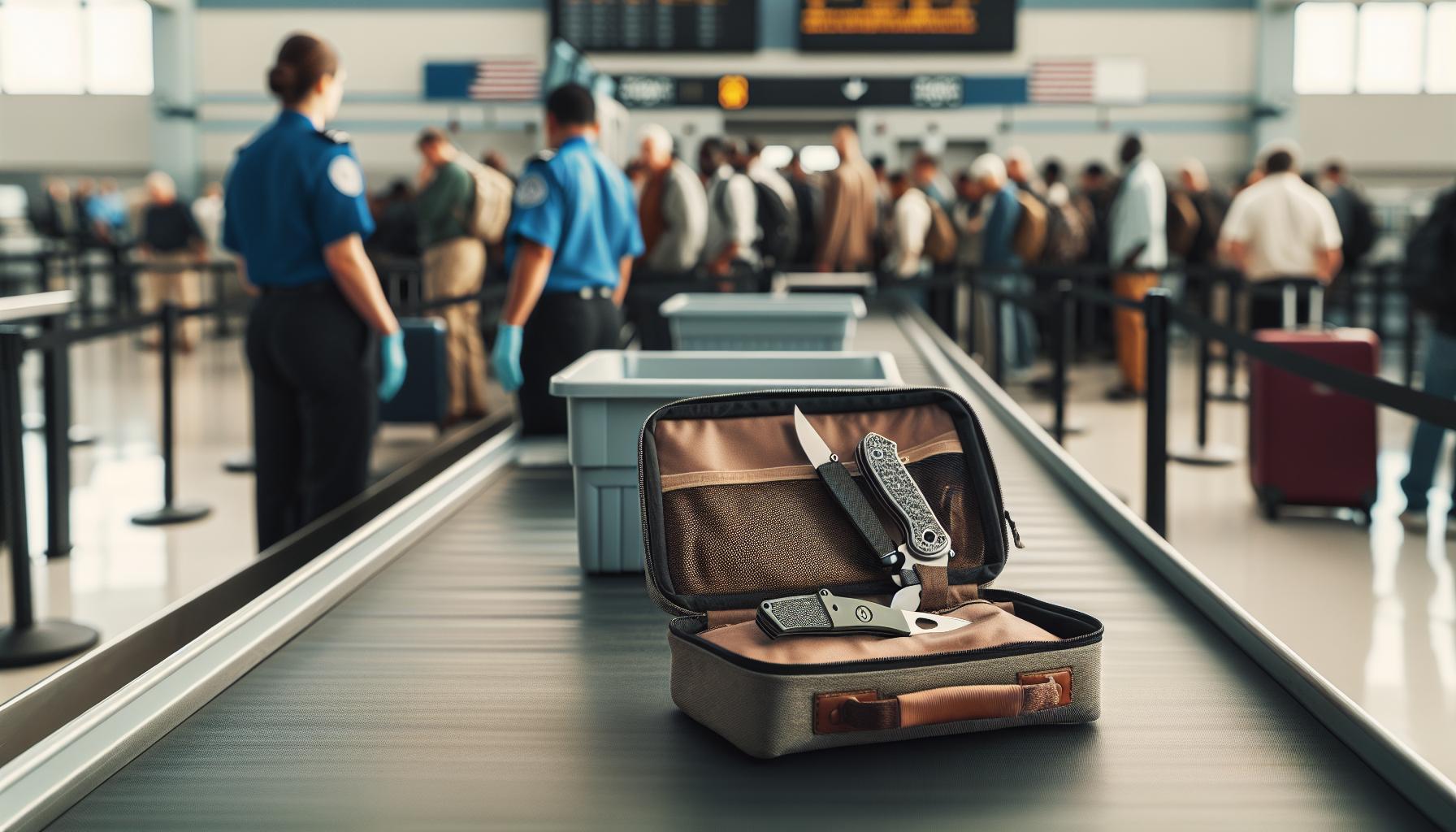
Understanding the legal landscape surrounding knives when flying can save travelers a lot of trouble. Regulations vary not only between the United States and other countries but also among states and airline companies. For instance, while the TSA prohibits all knives in carry-on luggage, there are no national restrictions on blade length or type in checked bags, though specific airlines may impose their own restrictions. This variability means that a pocket knife legal in one state or city may be considered contraband in another.
When planning to fly with a knife, it’s vital to research local laws regarding knife ownership and transportation. Many countries have specific prohibitions on blade length and types of knives. For example, in the UK, carrying knives with blades longer than three inches in public areas is generally illegal unless you have a legitimate reason. Conversely, countries like Canada have strict regulations focused on transporting knives, where certain types are completely banned regardless of whether they are in your carry-on or checked luggage. Familiarizing yourself with these laws not only helps in compliance but also ensures your travel isn’t interrupted by unforeseen legal issues.
In addition to country-specific regulations, some airports may have their own rules regarding the carry and use of knives on airport property. For example, when traveling internationally, always check if your destination’s regulations differ from those of the departing airport. Items considered legal under TSA guidelines may still cause issues upon arrival at certain international airports, where security measures can be more stringent.
Ultimately, creating a checklist can be a practical way to navigate this complex legal terrain. Include tasks such as researching both your departure and arrival destinations’ laws, verifying airline policies related to knife transport, and ensuring your knife is securely packed in checked luggage. By being proactive and well-informed, you can avoid the stress of potential confiscation or legal complications, allowing you to focus on your travels.
Consequences of Bringing a Knife on a Plane
Bringing a knife onto a plane can lead to serious consequences, ranging from confiscation to legal repercussions. When airport security detects a knife in your carry-on luggage, it is immediately subject to seizure by Transportation Security Administration (TSA) agents. The severity of the response depends largely on the specific circumstances, including the type of knife and the situation surrounding its discovery. Passengers may experience significant delays, anxiety, and even fines if the knife is viewed as unlawful possession.
The TSA has enforced strict guidelines prohibiting all knives, including pocket knives, from being taken in the cabin of commercial flights. If you attempt to carry a knife through security, you risk being prevented from boarding your flight as well. While some travelers may assume they can simply stow it in their checked baggage, this isn’t foolproof. Certain airlines impose additional rules concerning the types of knives allowed in checked luggage, which can lead to further complications.
In addition to potential confiscation and flight delays, carrying a knife inappropriately can also carry legal liabilities. Some jurisdictions have specific laws regarding the types and lengths of knives, meaning that what might be permissible checked baggage for one destination could be deemed illegal in another. For instance, possessing a knife with a blade longer than a certain measurement might result in arrest or prosecution in certain states or countries, especially if claimed to be intended for unlawful use.
Ultimately, it’s essential for travelers to take proactive measures. Before flying, always check the TSA regulations, familiarize yourself with state laws, and verify individual airline policies. Staying informed not only enhances your personal safety but also ensures that your journey proceeds smoothly without unexpected disruptions.
Alternatives to Pocket Knives for Travel
Traveling without a pocket knife doesn’t mean you have to sacrifice functionality while on the go. Fortunately, there are numerous alternatives that can cater to your needs without running afoul of TSA regulations. While pocket knives are popular for their versatility, other handy tools can serve similar purposes and keep you compliant with airline security protocols.
One great alternative is a multi-tool. These compact gadgets often feature pliers, screwdrivers, and various other tools and can usually be brought on board without issue, provided they don’t include a knife blade. Brands like Leatherman and Gerber offer lightweight models that are perfect for traveling, providing functionality for both everyday tasks and more specialized needs.
Another option is a specialized travel tool, such as a keychain multi-tool or credit card tool. These can be discreetly carried in your bag or pocket, easily accessible, and typically feature small tools like bottle openers, screwdrivers, and even tweezers without any knife elements. Look for tools that claim airport-safe designs to ensure they comply with regulations and avoid complications at security checkpoints.
For those who need to prepare food or open packages during travel, consider investing in a foldable, travel-friendly cutting board along with a small set of kitchen shears. Kitchen shears can perform many knife functions and are usually accepted by security personnel. Similarly, foldable or retractable scissors with blade lengths under the TSA’s maximums can be an effective solution for those who frequently find themselves needing to make precise cuts.
By choosing these alternatives, travelers can enjoy a range of functionalities while adhering to safety regulations. Always double-check TSA guidelines and the specific rules of your airline to ensure a smooth journey. Availability of tools may vary, so researching brands known for travel-friendly designs will enhance your travel experience, keeping your essentials accessible without the challenges posed by carrying a knife.
Safety Tips for Traveling with Sharp Objects
Traveling with sharp objects can be a daunting task, especially given the strict regulations surrounding items like pocket knives. To ensure a hassle-free journey, it’s essential to understand not only the rules but also the practical safety tips that will help you navigate the complexities of air travel while carrying items that could be deemed hazardous.
One critical piece of advice is to always be aware of TSA regulations regarding sharp objects. Familiarize yourself with the specific items that are permitted in carry-on luggage versus those that need to be checked. The TSA website is a reliable source for updated regulations, and double-checking your items before travel can save time at security checkpoints. When packing sharp objects, consider using protective sheaths or cases to minimize risks during handling, both for yourself and others. This is especially important for items like scissors, which must adhere to size and weight restrictions.
In addition to adhering to regulations, consider practical measures that enhance safety and maintain ease of access to your necessary tools. For example, opt for multi-tools or tools with non-slip grips, as they provide added functionality without the risks associated with knife blades. Always pack these items in easy-to-reach compartments of your bag, making it simpler for security personnel to check them when required. This can also include keeping lighter, airport-friendly items, like small grooming scissors or nail clippers, on hand for convenience.
When traveling internationally, be aware that regulations can vary by country. It’s wise to research the knife laws in your destination to avoid potential legal issues. Some countries have strict regulations that could lead to fines or confiscation of your items. Carrying documentation or information about the utility and intended use of your sharp objects can help in discussions with authorities if questions arise.
Remember, the aim is to facilitate a secure and enjoyable travel experience. Following these safety tips and being conscientious about what you carry can minimize the risk of incidents and ensure compliance with air travel regulations. Embrace the adventure of traveling, armed with the knowledge and strategies to responsibly manage your sharp objects in the skies.
Public Perception: Pocket Knives and Air Travel
In the realm of air travel, the perception of pocket knives varies widely among travelers, security personnel, and aviation authorities. Many see pocket knives as handy tools for everyday tasks, while others view them as potential security threats. This dichotomy creates a complex dialogue about their acceptance on flights.
Historically, pocket knives have been symbols of utility and self-sufficiency, often carried by outdoor enthusiasts, campers, and even urban dwellers who appreciate the convenience of tools in their daily lives. Despite this, the events of 9/11 dramatically altered the landscape of airline security, leading to tightened regulations on what can be brought aboard an aircraft. This shift has, unfortunately, led to a stigma where even the most benign pocket knife might be seen as a weapon. Many travelers who carry these tools do so with the utmost respect for safety and regulations, yet they often find themselves facing scrutiny as they navigate security checkpoints.
To foster a more constructive public perception, it’s essential for travelers to educate themselves about TSA regulations and communicate this knowledge efficiently. When discussing their tools with fellow passengers or security personnel, proactive engagement-such as showing a knife’s non-threatening features or discussing its intended use-can help dispel fears. For example, highlighting the utility of a Swiss Army knife for opening packages or performing minor repairs can shift the conversation back to the practical benefits of carrying such an item.
Moreover, travelers should be mindful of the contexts in which they discuss their pocket knives. Sharing experiences of safe and responsible knife usage, along with the importance of adhering to regulations, can create a more positive narrative. Understanding the fears surrounding aviation security, while also advocating for reason and utility, is key to bridging the gap between the practical applications of pocket knives and their perception as security risks.
Real-Life Incidents: Pocket Knives on Flights
While pocket knives are commonly regarded as useful everyday tools, their presence in airports has sparked numerous real-life incidents that emphasize the ongoing tension between convenience and security. For instance, there have been occasions where travelers, unknowingly carrying pocket knives, found themselves at the mercy of security personnel. One notable incident involved a seasoned hiker who forgot his small Swiss Army knife was clipped to his belt during a flight to a hiking adventure in the Rockies. Despite his intention to use it solely for outdoor purposes, airport security confiscated the knife, leading to frustration and a missed opportunity to have a reliable tool for his trip.
The frequency of such incidents serves as a learning opportunity for all travelers. Many have shared their stories on online forums, highlighting scenarios where they either managed to pass through security or faced immediate confiscation. A common denominator in these experiences is the necessity of evaluating each pocket knife before packing for a flight. Here’s a crucial takeaway: understanding the TSA regulations and the specific design of your knife-like ensuring the blade size is under the permissible limits-is essential to avoid unwanted surprises.
In addition to personal anecdotes, there are recorded situations where pocket knives have led to more serious ramifications. For instance, a passenger was apprehended after attempting to board a flight with a folding knife that, unbeknownst to him, fell outside the TSA guidelines. This action not only resulted in confiscation but also raised questions about his travel intentions, prompting lengthy questioning by security officials. Such experiences highlight the importance of being aware that each item carried could impact not just the individual traveler but also the broader security protocols in place, emphasizing the need for responsible packing.
To minimize mishaps, it’s advisable for those wishing to travel with pocket knives to consider alternatives or ensure they are stored in checked luggage if permissible. Educating oneself on the current regulations, by consulting resources such as the official TSA website, can prevent unnecessary stress and delays at security checks. Ultimately, a proactive approach in understanding real-life implications helps foster a smoother travel experience while adhering to essential safety standards.
Expert Tips for Responsible Knife Ownership
Understanding the nuances of knife ownership and travel regulations can significantly enhance one’s confidence and responsibility as a knife user. Before heading to the airport, it’s crucial to familiarize yourself with not only the TSA rules but also the broader implications of carrying a pocket knife. For instance, different airlines and international destinations may have varying regulations. Always verify what is permissible not only nationally but also at the specific airports you’ll be traveling through.
To maintain responsible ownership, consider these useful tips:
- Know Your Knife: Understanding the specific features of your pocket knife is paramount. This includes the blade length, type of locking mechanism, and overall design. TSA regulations generally prohibit knives with blades longer than 2.36 inches; however, these rules can vary by location.
- Use Checked Luggage: Whenever possible, store your pocket knife in checked luggage rather than attempting to carry it on. If your knife is particularly valuable or has sentimental value, be sure to protect it adequately within your bag to prevent damage during transit.
- Keep it Sharp and Clean: Regular maintenance is key. A properly maintained knife is safer and more effective. Ensure the blade is sharpened, cleaned, and devoid of rust or dirt.
- Respect Local Laws: Research knife laws at your destination. Some states, counties, or countries have strict rules regarding the size, type, or even the mere ownership of certain knives. Violating these laws can lead to serious legal repercussions.
Additionally, consider alternatives to traditional pocket knives, especially when traveling. Multi-tools or compact, tool-style gadgets can prove to be beneficial while avoiding some restrictions associated with knives. Products that fulfill a similar role without the implications of carrying a blade can be especially useful for travelers concerned about regulatory adherence.
Ultimately, staying informed and proactive about the rules governing knife use and transport is essential. By respecting both the regulations and the people around you, you can continue to enjoy the utility of your pocket knife ethically and responsibly.
Q&A
Q: Can I carry a pocket knife in my checked luggage?
A: Yes, you can carry a pocket knife in your checked luggage. However, make sure it’s securely packed and complies with TSA guidelines. Always check with your airline, as individual policies may vary. For detailed info, refer to the section on “Bag Check vs. Carry-On” in our article.
Q: What types of small knives are allowed on a plane?
A: The TSA does not allow most types of knives in carry-on baggage, including pocket knives. However, some small multi-tools without blades may be permitted. For a thorough understanding, see our section on “Types of Knives Allowed in Carry-On Luggage.”
Q: Are there state laws I should know when traveling with a knife?
A: Yes, knife laws vary significantly by state. When traveling, it’s essential to familiarize yourself with local regulations regarding knife carry. Check our section on “State and International Knife Laws When Flying” for more specific guidelines.
Q: What happens if I accidentally bring a knife on a plane?
A: If you accidentally bring a knife through security, TSA agents may confiscate it. In some cases, they may issue a warning or a fine, depending on the circumstances. You can learn more in the section on “Consequences of Bringing a Knife on a Plane.”
Q: Can I bring a pocket knife for camping after my flight?
A: Yes, you can bring a pocket knife for camping as long as it’s in your checked luggage. Make sure to declare it if required, and familiarize yourself with state laws where you’ll be camping. Check the “Alternatives to Pocket Knives for Travel” section for suggestions.
Q: Can I carry a tactical pen on a plane?
A: Yes, tactical pens are generally allowed because they do not have sharp edges. However, it’s crucial to check with TSA for the latest guidelines. Refer to our safety tips for traveling with sharp objects for more insights.
Q: How can I safely transport a knife during my travels?
A: To safely transport a knife, always pack it in checked luggage, secure it, and avoid any carry-on scenarios. Review our “Safety Tips for Traveling with Sharp Objects” section for best practices that ensure a smooth travel experience.
Q: What is the best alternative to a pocket knife for air travel?
A: The best alternatives to pocket knives for air travel include safety scissors with rounded tips or multi-tools without blades. These options offer utility without violating TSA regulations. Explore our article for detailed comparisons in the “Alternatives to Pocket Knives for Travel” section.
Concluding Remarks
As you prepare for your next flight, remember the essential guidelines outlined in “Can I Have a Pocket Knife on a Plane? Flight Rules Decoded.” Understanding these flight rules not only ensures a hassle-free travel experience but also empowers you with the knowledge needed to navigate airport security confidently. If you’re still unsure about what you can carry, check out our detailed guides on Swiss Army knives and pocket knife regulations, or explore our extensive resources on travel safety tips.
Don’t leave your planning to chance! Subscribe to our newsletter for the latest updates on travel gear and regulations, and gain access to exclusive content tailored to your needs. Remember, being informed and prepared makes all the difference, so dive deeper into topics like karambits and everyday carry essentials. Share your thoughts in the comments below and help others by spreading the knowledge. Your next adventure starts with a well-packed bag-let’s make it a safe one!