
When planning your next adventure, you might wonder: can I check a pocket knife in my luggage? With the rise of travel regulations, understanding the dos and don’ts regarding carry-on and checked baggage can feel daunting. Pocket knives are handy tools for outdoor enthusiasts and everyday carry advocates, but they can also raise concerns at airport security checkpoints. Knowing the rules helps you travel smart and stay prepared without facing penalties or losing your gear. In this article, we’ll explore the nuances of transporting pocket knives, focusing on safety, legality, and best practices. Let’s dive in and ensure you’re equipped for your journey!
Understanding TSA Regulations for Pocket Knives
When planning your travels, it’s crucial to understand the regulations surrounding pocket knives, as these can be a source of confusion for many travelers. The Transportation Security Administration (TSA) has specific rules regarding the presence of knives in both checked and carry-on luggage, which are grounded in safety and security measures. In essence, while you are allowed to pack a pocket knife in your checked luggage, carrying one in your carry-on bag is strictly prohibited. This restriction is primarily due to concerns about potential threats to aircraft security.
The guidelines also specify that any knife with a blade longer than 2.36 inches, as well as any knife where the blade can be opened with one hand (like switchblades), is not permitted in the cabin of the aircraft. Understanding these regulations helps alleviate potential issues at security checkpoints, where items that violate TSA rules may be confiscated. To ensure a smooth traveling experience, always double-check the latest TSA guidelines before your trip, as regulations can change.
For an added layer of security, it’s recommended to pack your knife in such a way that it’s securely stowed in your checked luggage, preferably in a sheath or protective case to avoid accidental injury. Additionally, take the time to inform yourself about state-specific laws, as some regions have additional restrictions on knife lengths and types that may complicate your travels further. Staying informed can help you avoid unnecessary penalties and maintain compliance with the law, allowing you to travel confidently with your tools.
Checked vs. Carry-On: What’s Allowed?
Traveling with a pocket knife can be a tricky business. Understanding the rules for checking and carrying knives on flights is essential for any traveler who might want to bring their trusted tool. The Transportation Security Administration (TSA) allows pocket knives to be included in checked baggage, which means you can safely stow them away in your suitcase or backpack for the duration of your flight. However, any attempt to carry a pocket knife in your carry-on luggage will result in immediate confiscation at security checkpoints. This distinction is crucial for ensuring not only compliance with regulations but also a hassle-free experience at the airport.
When it comes to checked luggage, the key is to secure your knife properly. Knives should be placed in a protective sheath or, even better, keep them in a dedicated tool case to prevent any accidental injuries during handling. Remember, TSA regulations specify that knives with blades longer than 2.36 inches or those that can be deployed with one hand (such as switchblades) are not permitted in the cabin at all. By adhering to these guidelines, you not only protect your belongings but also demonstrate your commitment to safety, which is the TSA’s primary concern.
Additionally, considering domestic regulations is also critical. Certain states and localities may have additional restrictions on knife sizes and types that can lead to further complications. For those who travel regularly, developing a checklist of relevant TSA guidelines and pertinent state laws can fortify your travel preparations. A smooth experience at security can often come down to how well-prepared you are ahead of time. Always check the latest updates from TSA before your journey to stay informed on any changes that might affect your packing strategy. This proactive approach can save time and trouble, allowing you to focus on enjoying your travels.
The Risks of Bringing Pocket Knives on Flights
Bringing a pocket knife on a flight can open a door to a myriad of complications that can derail your travel experience. While these tools are often perceived as essential for outdoor enthusiasts or handy for everyday tasks, their presence in luggage can trigger significant risks, especially if travelers are unaware of the stringent regulations imposed by the TSA. One critical aspect to keep in mind is that any attempt to carry a pocket knife in a carry-on is likely to result in confiscation at the security checkpoint, leading not only to loss of your knife but also to unnecessary delays and stress as you navigate around the unexpected inconvenience.
Moreover, the potential for legal implications cannot be ignored. Different airports, states, and countries may have varying legal definitions regarding which knives are permissible. For example, while your pocket knife might comply with TSA regulations, local statutes at your destination may prohibit it. This discrepancy could lead to severe penalties, including fines or even criminal charges. Therefore, it is vital to conduct thorough research before traveling, as one misguided decision regarding knife policies can transform a seemingly harmless item into a legal nightmare.
Additionally, the emotional stress and embarrassment stemming from a security mishap can overshadow any advantages a pocket knife might provide during your travels. Imagine standing in line, ready to board your flight, only to have an airport security officer confiscate your trusted tool in front of fellow travelers. The experience can be quite demoralizing and may create lasting unease about future travel. Consequently, awareness and caution regarding the risks of flying with a pocket knife are paramount for ensuring a smooth journey.
In summary, while pocket knives can be quite useful, their risks in the context of air travel significantly outweigh their benefits. By being cognizant of TSA rules and potentially stricter local laws, travelers can avoid unnecessary complications and transform their travel experience into a more enjoyable and stress-free adventure.
Packing Strategies for Pocket Knives in Luggage
Packing a pocket knife in your checked luggage requires thoughtful consideration and a well-planned strategy. Many travelers assume that once they’ve hidden a knife in their suitcase, they can rest easy, but this is not always the case. Proper packing techniques are essential to ensure your knife remains safe and secure throughout your journey, allowing you to access it without hassle upon arrival. Here are some effective strategies to consider.
First, always place the pocket knife in a protective case or sheath before packing it. This not only keeps the knife from causing damage to your luggage or other items but also prevents accidental cuts when you’re searching for something else in your bag. If your knife comes with a clip, ensure it is secured so that the blade is contained and won’t shift during travel. Additionally, consider placing the knife in a designated compartment of your suitcase, such as a side pocket or in the area meant for toiletries-this way, it is easily accessible and less likely to get buried in layers of clothing.
Another vital aspect of packing your knife involves being aware of the total weight and the potential for shifts while in transit. Knives can create imbalances; thus, it may be wise to place heavier items at the bottom of your bag and distribute weight evenly to prevent rolling or shifting. Using packing cubes can also help organize your belongings and segregate the knife from other gear, reducing the risk of accidental exposure or damage.
Lastly, research the regulations regarding knife transport both on a national and local level, as well as those of your airline. Some travelers avoid packing their knives altogether out of concern for confusion at security checkpoints. To mitigate risks, clearly label your luggage with your contact information and note the contents if necessary. This preparation can save you from potential mishaps and ensures that you can enjoy your travels without the anxiety of inadvertently violating carry-on policies or local laws. By adopting these strategies, you can travel confidently, knowing that your pocket knife is packed securely and ready for use upon arrival.
Country-Specific Knife Regulations for Travelers
Traveling with a pocket knife can be an adventurous necessity, but regulations surrounding their transport vary widely from country to country. A fascinating fact to keep in mind is that while many destinations allow the carrying of pocket knives, they might impose stringent restrictions on certain blade types and sizes. Understanding these country-specific regulations is crucial for travelers looking to navigate international borders legally and safely.
Before embarking on your journey, it’s advisable to research the knife laws in both your departure and arrival countries. For instance, in the United States, the Transportation Security Administration (TSA) permits pocket knives in checked luggage, but they remain banned in carry-on bags. In Europe, regulations can be more complex. Countries like the UK have strict laws regarding blade length, prohibiting knives with blades longer than three inches without a valid reason. Similarly, in Australia, knives are treated differently across states, often reflecting local laws that may completely forbid the carrying of any knife in public without a protective purpose.
Key Considerations When Traveling
- Know the Blade Types: Some countries differentiate between folding knives and fixed blades, with certain designs like switchblades being illegal in many jurisdictions. Research the designated classes of knives acceptable to bring.
- Check for Local Exceptions: Certain regions may have exemptions for knives used for sports or work, but these often require documentation or a logical explanation for their presence.
- Confirm Airline Policies: Even if a country allows pocket knives, individual airlines may have their own rules, so double-check these before packing. Non-compliance can result in confiscation or fines.
To sum up, being well-informed about the knife regulations in your travel destinations not only enhances your travel experience but also ensures compliance and reduces the risk of legal troubles abroad. Staying vigilant about these regulations creates a safer, more enjoyable journey, allowing you to focus on the experiences ahead rather than regulatory hurdles.
How to Safely Store Your Knife in Luggage
When it comes to traveling with a pocket knife, storing it safely in your luggage is essential to ensure both compliance with regulations and your own peace of mind. Using the right methods not only protects your tool from damage but also prevents accidental injury when you dig through your belongings. An effective approach involves several considerations, from choosing the correct storage container to strategic placement within your suitcase.
A secure and padded knife case is a smart investment for transporting pocket knives. These cases are designed to protect the blade and handle, keeping them safe from jostling during travel. Look for cases that feature secure closures and interior padding to cushion your knife. Lightweight yet durable materials can also help reduce the overall weight of your baggage while still providing necessary protection. When selecting a case, ensure that it meets airline requirements for size and closure mechanisms.
While packing, place your knife case in a location that minimizes the risk of accidental access, such as a compartment away from frequently used items. If using a suitcase, the main compartment is generally a safe bet, but avoid area near zippers or on top of easily packed gear. Additionally, consider wrapping your knife in a soft cloth or additional padding to further reduce the risk of damage. This layer acts as both protection for the blade and a visual reminder for you and your travel companions.
If you’re traveling internationally, be aware of any additional security guidelines that may apply. For instance, some airports may require that you declare your knife at check-in, while in others, your knife may need to be easily accessible for inspection. Researching the specific requirements for your destination can help mitigate issues down the line.
In summary, safely storing your pocket knife in luggage involves careful selection of the right case, strategic packing within your bags, and adherence to relevant travel regulations. By paying these details the attention they deserve, you can travel confidently with your essential tools while avoiding potential complications.
Alternatives to Knives When Traveling
Traveling with a pocket knife can be a hassle due to stringent regulations, leaving many to seek alternatives for their cutting and utility needs. While the desire to bring a versatile tool is understandable, various practical substitutes can effectively serve many of the same purposes without the legal complexities. For instance, multi-tools and specially designed travel gear can handle a majority of tasks that a pocket knife might be used for.
Multi-Tools: Versatility on the Go
One excellent alternative to a traditional pocket knife is a multi-tool. These compact devices often include a variety of functions such as pliers, screwdrivers, and cutting blades, all in one unit. Popular brands like Leatherman and Gerber offer models that are designed specifically for travel, featuring tools that fold neatly into a compact size and weigh little. Additionally, many multi-tools are TSA-compliant, making them a safer choice for carry-on luggage. Look for lightweight options with features that suit your travel needs, such as bottle openers, scissors, and small wrenches.
Specialty Travel Gear
Consider opting for luggage or accessories designed with built-in tools. Some backpacks, for example, come equipped with cutting tools integrated into their construction. These tools are often compliant with travel regulations, providing the functionality you need without risking confiscation at security checkpoints. Brands like Osprey and North Face often design products that cater to outdoor enthusiasts while adhering to travel guidelines.
Other Useful Alternatives
- Scissors: Small scissors can be an effective alternative for cutting tasks that don’t require the heft of a knife.
- Safety Razors: For personal grooming needs, a safety razor can provide a precise blade while often being allowed in carry-on bags.
- Crafting Tools: If you need a blade for specific tasks, consider portable crafting tools that are designed for safe use.
Ultimately, the key is finding something that meets your functional needs while ensuring compliance with travel regulations. Exploring these alternatives will not only help you avoid potential issues at security but also empower you to travel smart and stress-free. Whether you select a multi-tool, specialized travel gear, or other cutting implements, having the right tools on hand can enhance your travel experience while keeping you compliant with the rules.
Emergency Scenarios: Using a Pocket Knife Safely
In unexpected situations during your travels, having a pocket knife can be a useful asset when used responsibly. Whether you find yourself needing to open a stubborn package, repair a loose strap, or slice through a material when an urgent need arises, a pocket knife can provide a convenient solution. However, using it safely is paramount to ensure that you don’t end up causing harm to yourself or others.
One crucial aspect of emergency knife use is familiarity with your tool. Before taking your pocket knife on your journey, practice handling it in a safe environment. Get comfortable with opening and closing mechanisms, as well as how to wield it effectively. For instance, if your knife includes features such as a serrated edge or scissors, incorporating these into your routine can help ensure you’re ready for any situation. In emergency scenarios, prioritize clarity and calmness; maintain a stable grip and keep your other hand clear of the blade.
When utilizing a pocket knife in emergencies, context is key. For example, if you’re on a hiking trail and need to free a stuck backpack from a thorny bush, use calm, deliberate motions to avoid injuries. Similarly, if you’re at a campsite and need to prepare food, ensure your blade is clean and handled away from others to prevent accidents. Always be aware of your surroundings, and if you are in a crowded space, consider whether using your knife is the best approach or if another solution might be safer and more considerate.
In compliance with regulations, some situations require deeper thought. For instance, using a pocket knife in a plane’s cabin is prohibited; however, if your knife is stored in checked luggage, having an emergency plan set for when you arrive at your destination will reduce any hasty blade usage. Whether it’s for a camping trip or an urban exploration, be armed with knowledge and techniques that allow you to safely navigate through your emergency scenarios, ensuring that your pocket knife serves its purpose as a helpful tool, not a risky liability.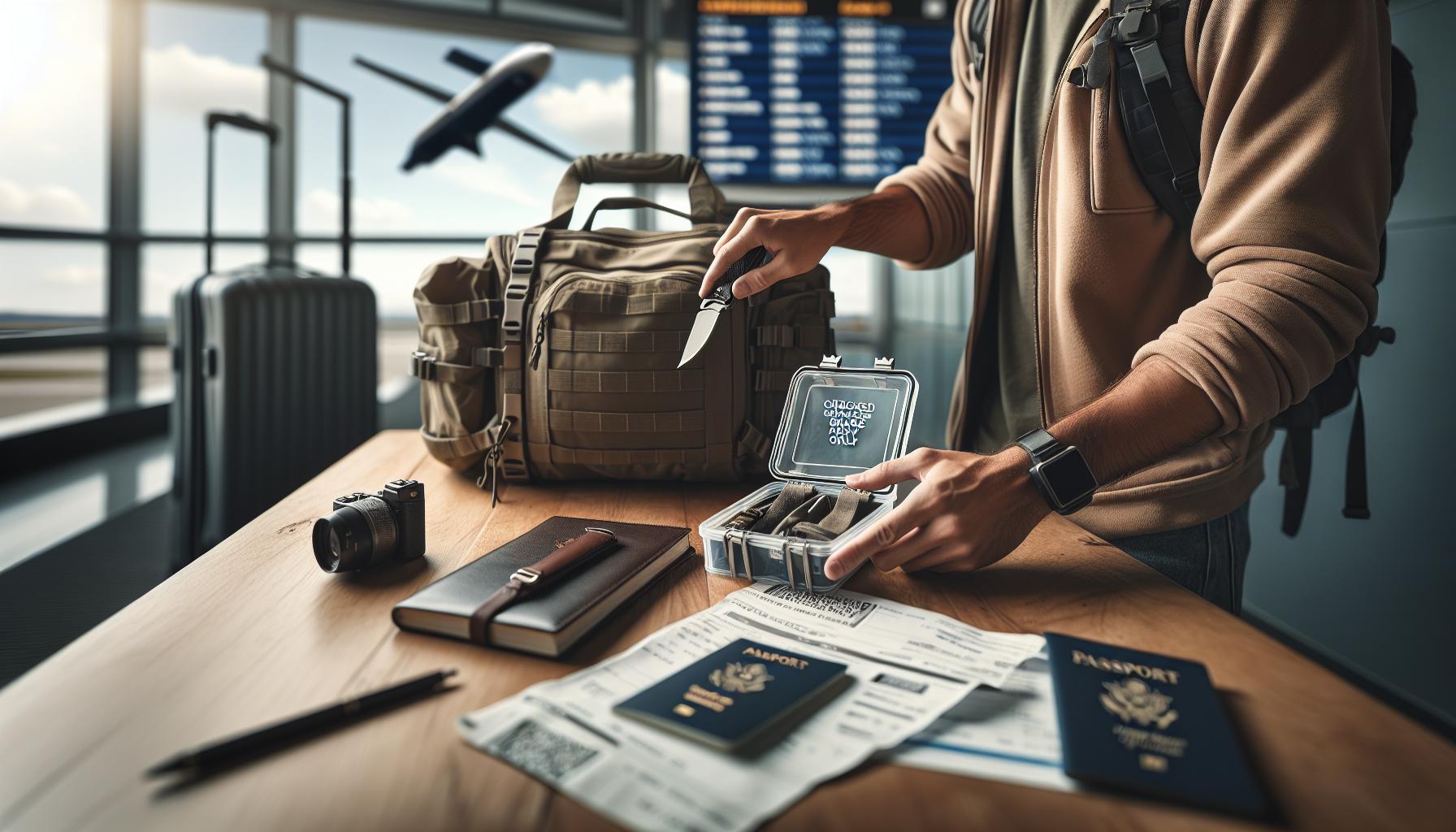
Tips for Traveling with Your Pocket Knife Legally
When it comes to traveling with a pocket knife, understanding the legalities and regulations is essential for a hassle-free journey. Many travelers wrongly assume that carrying a pocket knife in their carry-on luggage is acceptable, risking confiscation at security checkpoints. The Transportation Security Administration (TSA) explicitly prohibits any knife in the cabin of an aircraft, so it’s crucial to check the knife within your luggage if you wish to travel with one.
For those keen on ensuring their knife remains safe during transit, consider the following tips:
- Pack Strategically: Use a hard case or sturdy pouch for your pocket knife when placing it in checked luggage. This not only protects the blade but also prevents accidental opening during transport.
- Research Regulations: Different airlines and international destinations may have varying rules regarding knives. Always check both the airline’s policy and the regulations of your destination country regarding knives.
- Smart Storage: In your checked luggage, store the knife in a separate compartment or a designated knife roll to avoid potential damage to other items and to ensure easy accessibility upon retrieval.
- Travel Documentation: For enthusiasts or collectors, having documentation that verifies the knife’s purpose (like for camping or survival) could be beneficial if questioned by authorities.
In addition to checking your pocket knife in your luggage, always be mindful of the type of knife you are carrying. Some places have specific restrictions on blade length or type, meaning that even if you check it, you could still run into legal trouble if it exceeds local laws. It’s smart to familiarize yourself with these regulations ahead of time.
While the excitement of embarking on a new adventure should be paramount, missteps with your travel gear, especially sharp tools like pocket knives, can quickly turn a vacation into a stress-filled experience. Stay informed and pack wisely to ensure your pocket knife serves as a reliable companion rather than a source of complications.
Popular Pocket Knife Brands for Travel Enthusiasts
When it comes to reliable pocket knives that serve avid travelers well, a few brands stand out for their durability, functionality, and portability. Whether you’re navigating through airport security or setting up camp in the great outdoors, these manufacturers have earned a reputation for quality tools that are as versatile as they are dependable.
One of the most iconic names in the pocket knife world is Victorinox, the maker of the original Swiss Army Knife. Known for their multifunctional designs, Victorinox knives often feature tools beyond just blades, including screwdrivers, bottle openers, and scissors, making them perfect for travel enthusiasts who appreciate utility in a compact form. Their products are engineered for longevity and ease of use, and models like the Classic SD or the Huntsman provide perfect options for various travel needs.
Another excellent choice is Gerber, an American brand renowned for its reliable outdoor gear. Gerber pocket knives, such as the Paraframe series, embody a minimalist design with a focus on lightweight construction and one-handed opening mechanisms, making them ideal for everyday carry (EDC). These knives are known for their sturdy build, and many come with integrated features like pocket clips, ensuring they remain secure while you’re on the move.
Spyderco is also highly regarded among knife aficionados, famous for its distinctive blade designs and ergonomic handles. With a commitment to innovative materials and manufacturing techniques, Spyderco’s knives often feature folding mechanisms that facilitate easy access and deployment. The Delica 4 is a popular model for travelers due to its slim profile and variety of blade types, ensuring you have the right tool for a multitude of tasks, from food preparation to emergency situations.
In the realm of budget-friendly options, Kershaw offers excellent value without sacrificing quality. With models like the Kershaw Cryo, you get a folding knife with a robust build and a sleek design, perfect for pockets or bags. Kershaw knives often come equipped with assisted opening mechanisms, enabling quick use when time is of the essence, which can be particularly useful in travel scenarios.
Before you select a pocket knife for travel, consider your specific needs and the environments you expect to encounter. Always prioritize the knife’s size, weight, and functionality, ensuring it complies with local laws and regulations regarding blade length and features. By equipping yourself with a reputable brand, you’ll find the right pocket knife becomes an invaluable companion, enhancing your travel experience while providing peace of mind.
Travel Smart: Responsible Pocket Knife Ownership
Traveling with a pocket knife can be both a practical and a pleasurable experience, but it comes with a significant responsibility that every traveler should understand. Not only do pocket knives serve numerous functional purposes, but they also carry legal implications depending on where you are. Owning and using a pocket knife should be approached with caution and respect to the laws of the regions you travel through. A well-informed traveler can navigate these waters smoothly while enjoying the benefits that come with having a reliable tool on hand.
To ensure responsible ownership, familiarize yourself with the regulations regarding knives at your destination, especially when flying. The TSA’s regulations prohibit carrying pocket knives in your carry-on luggage, but they may be checked alongside your clothing and other belongings in your checked luggage. Always check your specific airline’s policies and local laws of the areas you intend to visit, as various states or countries can have different restrictions about blade length and types of knives. This research can save you from unnecessary hassles at security checkpoints and from potential legal issues while traveling.
When packing a pocket knife, consider its storage and handling before and during travel. Safely stowing your knife in a durable, padded case can prevent accidental openings or damage during transit. Additionally, while it’s tempting to keep your knife within easy reach, consider the surroundings. Always opt for discreet usage and respect local customs and sensitivities regarding knives and weapons. For bonding moments or practical use in camping or outdoor scenarios, know where it’s appropriate to use your knife, and always clean up your workspace afterward.
Finally, alternatives can often fulfill your needs without the complications that come with a pocket knife. Multi-tools or utility tools, which combine several functions into one device, can serve similar purposes with more versatility. Furthermore, consider carrying safety gear that does not include sharp edges, such as wound care kits, which can be essential in emergencies without the risks associated with blades. By approaching pocket knife ownership with knowledge and consideration, you’ll not only enhance your travel experience but also foster responsible tool usage practices that benefit you and those around you.
Real-Life Stories: Pocket Knife Mishaps while Traveling
Traveling with a pocket knife can lead to unexpected complications, and there are many real-life stories highlighting the importance of understanding and respecting TSA regulations. One traveler, eager for a weekend of hiking, meticulously packed their gear, including a compact Swiss Army knife. However, at the airport, a lapse in memory resulted in them unknowingly placing the knife in their carry-on bag. This simple oversight turned into a costly mistake when security flagged the item, leading to its confiscation and a frantic last-minute scramble to buy a replacement tool at inflated airport prices. The moral of the story is clear: always double-check your bags before heading to the airport to avoid losing essential tools.
Another traveler experienced a similar fate but with a twist. Having carried a pocket knife in his checked luggage for years without issue, he casually submitted his bag during one trip. Yet upon returning from vacation, he discovered that his beloved folding knife had been stolen during transit. This incident was not just an emotional loss but also a logistical headache, as he had to file a claim with the airline and navigate the hassle of replacing it in a location where local laws on blade length were stricter than he anticipated. It serves as a reminder of the risks associated with checked baggage; while knives can typically be checked, there’s always the potential for loss or theft.
For travel enthusiasts, hearing these stories reinforces the importance of responsible pocket knife ownership. Familiarizing oneself with regulations both at home and in various travel destinations is crucial. Some travelers have taken proactive steps by documenting knife regulations for all the states or countries they visit, developing an organized manual that keeps them informed. Emphasizing this kind of preparation can prevent misunderstandings and mishaps, helping travelers enjoy their adventures without the stress of unexpected issues.
When considering alternatives, remember that there are multi-tools that offer similar functionality without being classified as weapons, avoiding potential security concerns altogether. Travelers have found that using these versatile tools can often meet their needs without the baggage of stringent regulations. Whether it’s a lightweight multi-tool or a good old-fashioned utility tool, being well-equipped with the right gear can enhance your travel experiences while ensuring peace of mind.
Frequently Asked Questions
Q: Can I bring a pocket knife in my checked luggage?
A: Yes, you can bring a pocket knife in your checked luggage when flying. However, it must be securely packed and comply with your airline’s specific regulations. Always check the airline’s guidelines for any restrictions regarding knives.
Q: What size pocket knife is allowed in checked luggage?
A: There is generally no specific size restriction for pocket knives in checked luggage. However, it’s advisable to keep your knife within a reasonable size to avoid issues with airline staff. Refer to the airline’s policies for detailed information.
Q: Are there any travel restrictions on pocket knives internationally?
A: Yes, many countries have specific laws regarding pocket knives. Always research the destination country’s regulations before traveling to avoid confiscation. Check sections about country-specific knife regulations for detailed guidance.
Q: How should I pack my pocket knife for air travel?
A: Pack your pocket knife securely in your checked luggage, ideally in a sheath or a protective case to avoid accidents and damage. Ensure it is easily accessible for inspection if needed.
Q: What should I do if my pocket knife is confiscated at airport security?
A: If your pocket knife gets confiscated at airport security, you can either surrender it or return it to your vehicle if permitted. It’s crucial to be aware of regulations beforehand to avoid such situations.
Q: What are the penalties for bringing a pocket knife in carry-on luggage?
A: Bringing a pocket knife in your carry-on luggage can result in confiscation and potential fines. Penalties vary by airport and country, so it’s best to adhere to guidelines to prevent any legal troubles.
Q: Can I use a pocket knife for self-defense while traveling?
A: While technically you can bring a pocket knife for personal safety, using it for self-defense can lead to legal complications depending on local laws. Always research both personal safety and legal use of such tools in your destination.
Q: Are there alternatives to pocket knives for travel?
A: Yes, there are many alternatives like multi-tools or collapsible scissors that may be allowed in carry-on luggage. These can serve similar functions without the legal complications associated with pocket knives.
In Retrospect
As you prepare for your journey, remember to check specific airline policies regarding pocket knives. Knowing the rules can help you travel smart and avoid disruptions at security checkpoints. Don’t miss our guides on Swiss Army knives and essential travel gear to enhance your experience. Your adventure awaits, so take the next step: subscribe to our newsletter for the latest tips and tricks. If you have any lingering questions or need personalized advice, feel free to drop a comment below or reach out. Empower your travels and confidently navigate the rules-your smart journey starts here!