As you approach adulthood, the world of pocket knives opens up a realm of empowerment and practicality. However, laws surrounding the purchase and ownership of these versatile tools can be confusing, especially regarding the legal age to buy one. In this guide, we’ll explore the age requirements for purchasing a pocket knife, addressing common questions and concerns. Whether you’re interested in outdoor adventures, everyday carry, or simply enhancing your toolkit, understanding the legal landscape is crucial for responsible ownership. Dive in to discover what you need to know before making your purchase, ensuring that you’re well-informed and prepared for your next steps in this exciting journey.
Can I Buy a Pocket Knife at 18? Understanding Age Restrictions
The ability to purchase a pocket knife at the age of 18 is subject to various legal restrictions that can vary widely depending on where you live. In many places, reaching the age of 18 typically allows individuals to make purchases of knives like pocket knives without parental consent, as this age is often associated with reaching the age of legal adulthood. However, it’s crucial to understand that local laws may impose additional regulations concerning the types of knives you can buy, how they are carried, and any permits that may be required.
In general, while federal laws do not prohibit the sale of pocket knives to those who are at least 18 years old, state laws can vary significantly. Some states allow for unrestricted sales, while others may have specific regulations regarding the blade length, type of locking mechanism, or even whether the knife can be concealed when carried. It is advisable to familiarize yourself with your state’s knife laws to ensure compliance. If you plan to purchase a pocket knife, visiting a reputable retailer or checking official state resources can help clarify what is permissible in your area.
Moreover, responsible ownership goes beyond just purchasing a knife legally. It involves understanding and respecting the laws that govern how you carry and use it. For instance, some states may allow the purchase but have strict regulations on how pocket knives can be displayed in public. Therefore, if you’re considering buying your first pocket knife upon turning 18, taking the time to research and understand these essential aspects will not only equip you with a useful tool but also ensure that you use it in a responsible and lawful manner.
Legal Age Requirements for Purchasing Pocket Knives
Reaching the age of 18 marks a significant milestone, as it traditionally represents the transition into adulthood and the accompanying legal responsibilities. One of these responsibilities includes the ability to purchase a pocket knife. However, the laws governing this can be quite intricate and vary based on your location. Under federal law in the United States, there’s no blanket restriction preventing those who are 18 or older from buying pocket knives. That said, state and local laws introduce a complex array of regulations that potential buyers must navigate.
Understanding these state laws is essential, as they can dictate the types of knives available for purchase and the conditions under which they can be carried. For instance, some states might impose restrictions on blade length, while others could regulate the types of locking mechanisms that are permissible. Additionally, laws may vary regarding whether a pocket knife can be concealed upon being carried in public. To ensure you’re compliant, it’s vital to familiarize yourself with the specific statutes in your state or municipality. Many online resources and local sellers can provide clarity on what is and isn’t allowed.
Moreover, possessing a pocket knife comes with expectations of responsible use. Owning a knife is not just about legality; it also involves understanding how to handle and carry it ethically and safely. If you’re contemplating your first purchase, take time to consider local regulations and educate yourself on best practices, such as when and how to use a knife in various settings. Engaging with your community, both online and offline, can also provide insights into the practicalities of owning and using a pocket knife, ensuring you step into this new realm with both knowledge and confidence.
State-by-State Breakdown of Knife Laws
Navigating the landscape of pocket knife laws can feel daunting, especially with the variability from state to state. While the federal law allows individuals 18 and older to purchase pocket knives, state regulations can impose a patchwork of restrictions that affect what types of knives are legal to carry and how they can be used. For anyone looking to responsibly buy and carry a pocket knife, understanding these local jurisdictions is essential.
Different states have varying rules, often defined by blade length, knife type, and intended use. For example, in California, knives with blades longer than 2.5 inches are considered illegal to carry openly, while in Texas, individuals can carry knives, including larger blades, but local cities can override these rules with their ordinances. Similarly, states like New York have stringent regulations on carrying switchblades and gravity knives, which might differ from neighboring states. This inconsistency emphasizes the importance of researching local laws before purchasing or carrying a knife.
Here’s a summary of some state-specific regulations:
| State | Legal Blade Length | Restrictions | Comments |
|---|---|---|---|
| California | 2.5 inches (open carry) | Switchblades illegal | Concealed carry requires permit |
| Texas | No length limit | Local laws may vary | Age 18+ can open carry |
| New York | 4 inches | Switchblades, gravity knives illegal | Knife must be carried for lawful purposes |
| Florida | No limit | None | Knives can be carried openly |
As you explore these laws, remember that nuances can exist even within states, influenced by local municipalities or interpretations of knife classifications. Therefore, before making a purchase or taking a knife into public spaces, always ensure you are informed about the local rules that may apply to you. Engaging with local knife communities or forums can provide real-time insights and help demystify these legal complexities, ensuring that your journey into knife ownership is both lawful and enjoyable.
Types of Pocket Knives You Can Buy at 18
When it comes to choosing a pocket knife, the options available to those aged 18 and older are both vast and varied. A pocket knife isn’t just a tool; it’s a personal expression of utility and style that can suit myriad everyday tasks or outdoor adventures. Whether you’re a novice or a seasoned user, understanding the different types of pocket knives can greatly enhance your purchasing experience and practical usage.
- Traditional Folding Knives: These are classic pocket knives that fold neatly into the handle, making them compact and easy to carry. They come in various blade shapes and lengths, offering flexibility for various tasks-from simple cutting to more elaborate scenarios.
- Multi-tools: This category includes knives that come equipped with various tools beyond just the blade, such as screwdrivers, bottle openers, and pliers. They are ideal for people who like to be prepared for different situations without carrying multiple tools.
- Spring-Assisted Knives: Similar to switchblades but legal in many places, these knives feature a mechanism that helps the blade deploy quickly with a slight push. They provide ease of use, especially in situations where time is critical.
- Swiss Army Knives: Known for their versatility, Swiss Army knives often include multiple tools in a single, compact design. Ideal for camping or general outdoor use, they symbolize practicality and readiness for any challenge.
- Karambits: With a curved blade, karambits are designed primarily for self-defense and close-quarter uses. They have a unique design that offers a great grip, making them popular among enthusiasts for both utility and combat sports.
Each type of pocket knife serves its own unique purpose, whether for everyday carry, outdoor activities, or specialized tasks. It’s essential to consider your primary needs and preferred activities when selecting a knife. Think about the scenarios in which you’ll use the knife most frequently-this can guide your choice toward a specific type that suits your lifestyle and enhances your preparedness.
Safety Tips for New Pocket Knife Owners
Using a pocket knife can be an empowering experience, but safety should always be your top priority, especially for new owners. The moment you unpack your new tool, it’s essential to understand how to handle it safely to prevent injuries. Pocket knives are designed for practicality and efficiency, but without the proper precautions, they can also be dangerous. Here are some key safety tips to keep in mind as you embark on your pocket-knife journey.
First and foremost, always know your knife. Familiarize yourself with how it opens and closes, as well as the locking mechanism if it has one. Whether it’s a traditional folding knife or a multi-tool, understanding its parts will help you operate it safely. Keep your hands dry and avoid distractions when using the knife to ensure that your grip is secure and your attention is focused.
When using your pocket knife, adopt safe practices regarding body positioning. Always cut away from your body and avoid placing your other hand or fingers in the cutting path. This minimizes the risk of accidents dramatically. Additionally, make sure you’re using the knife in an appropriate environment-avoid using it in places where there isn’t a clear cutting surface or where you might accidentally injure someone nearby.
Regular maintenance of your knife is equally important for safety. Keep the blade sharp, as dull knives require more force to use, increasing the chance of slips. Clean your knife after use and make sure it operates smoothly. If it has any mechanical parts, like springs or locks, check them periodically to ensure they function correctly. A well-maintained knife is not only safer but also lasts longer and performs better.
Lastly, familiarize yourself with the local laws regarding knife ownership and carry. Different states may have varying restrictions regarding knife types, blade lengths, and carrying methods. Understanding these regulations will ensure you carry your pocket knife legally and responsibly, which is as vital to safety as handling the blade correctly. By adopting these practices, you can enjoy the benefits of your new pocket knife with confidence and responsibility.
How to Choose the Right Pocket Knife for You
Choosing the right pocket knife can feel overwhelming, especially for young buyers who are new to the world of blades. With countless options available, it’s essential to consider your specific needs and how you plan to use your knife. Whether you’re looking for a reliable companion for outdoor adventures or a handy tool for everyday tasks, understanding the features and types of pocket knives can help you make an informed decision.
First, think about the primary purpose of your knife. If you’re primarily using it for camping or hiking, a multi-tool or a knife with specific features like a serrated blade or can opener may be beneficial. For those who need a knife for everyday carry (EDC), a compact, lightweight folding knife might be ideal. Evaluate the size and weight of the knife, ensuring it fits comfortably in your pocket without being cumbersome. Also, consider whether you prefer a manual or automatic opening mechanism, as the ease of use can significantly affect your experience.
Next, consider the blade material and design. Stainless steel is a popular choice for its resistance to corrosion and ease of maintenance. However, high-carbon steel can be sharper and easier to sharpen, although it may require more care to prevent rust. Research various blade shapes such as drop point, tanto, or clip point, each designed for different cutting tasks. Additionally, look for knives with ergonomic handles that provide a comfortable grip, enhancing both safety and efficiency during use.
Lastly, don’t overlook the importance of legal regulations regarding knife ownership in your area. Some states have specific laws about blade length and types of knives that can be carried. Familiarizing yourself with these regulations ensures you choose a pocket knife that you can carry legally and responsibly, giving you peace of mind as you enjoy your new tool. With these guidelines, you can confidently select a pocket knife that not only suits your style and needs but also fits within the bounds of the law.
Popular Pocket Knife Brands for Young Buyers
The world of pocket knives is vast and exciting, with options that cater to various needs and preferences. For young buyers stepping into this realm, choosing a reputable brand can make all the difference in ensuring a positive experience. Well-known brands not only offer quality but also robust safety and care features, which are essential for novice knife users.
One of the most iconic brands is Victorinox, famous for its Swiss Army knives. These multifunctional tools combine practicality and durability, making them ideal for everyday carry (EDC) and outdoor activities alike. Victorinox knives are recognized for their reliability and variety, allowing young users to find a model tailored to their lifestyle, whether for camping, hiking, or simple everyday tasks.
Another popular choice is Gerber, which offers a range of pocket knives designed with usability in mind. Known for innovative features such as one-handed opening mechanisms and easy-to-hold grips, Gerber knives are perfect for beginners. Their reputation for quality craftsmanship assures young buyers that they are investing in a tool that will last.
For those seeking a modern take on traditional pocket knives, Kershaw presents an excellent option. This brand is renowned for its stylish, tactical designs and high-performance materials, catering especially to young buyers looking for aesthetics alongside functionality. Kershaw’s SpeedSafe technology allows for quick, safe blade deployment, making it user-friendly for newcomers.
Lastly, SOG offers a unique blend of functionality and military-inspired designs, appealing to young adventurers who appreciate robust outdoor gear. SOG knives are often equipped with features beneficial for users who anticipate rigorous use, such as corrosion-resistant coatings and ergonomic handles.
By exploring these established brands, young buyers can find a pocket knife that suits their needs while being confident in the tool’s quality and safety. Investing in a well-made pocket knife not only enhances everyday tasks but also instills a sense of responsibility and respect for tools that can be valuable in various life situations.
Understanding Different Knife Types and Their Uses
Choosing the right pocket knife can be a thrilling yet overwhelming experience, especially for young buyers. Understanding the various types of knives available will not only help you select the best one for your needs but also ensure that you’re equipped with the right tool for any task. Different styles of pocket knives are designed with specific functions in mind, and recognizing these distinctions can lead to a more satisfying and practical purchase.
Popular Knife Types and Their Uses
- Traditional Folding Knives: These classic knives feature a single or multiple folding blades that tuck safely into the handle. They are versatile and can vary in size, making them suitable for everyday tasks such as opening parcels or preparing food.
- Swiss Army Knives: Renowned for their multifunctionality, these knives come equipped with various tools, including blades, screwdrivers, and scissors. They’re perfect for campers and hikers who need a compact solution for multiple tasks.
- Lockback Knives: Offering added safety, these knives lock open for secure use and are often favored for serious tasks such as hunting or fishing. They fit comfortably in hand and are less likely to close accidentally during use.
- Karambits: Recognized for their curved blades, karambits facilitate quick, efficient cuts, making them popular among enthusiasts of self-defense. However, their unique design can require more practice to wield safely.
- Multipurpose Tactical Knives: Designed for survival situations, these knives often feature essential tools, such as seatbelt cutters and glass breakers. Familiarizing yourself with these applications can prepare you for emergencies.
Understanding these knife types will guide young buyers in their choice, aligning the knife’s functionality with everyday activities or specific needs. Remember, while it’s exciting to have a new tool, it’s equally critical to respect its power and learn how to handle it responsibly.
Responsible Use and Maintenance
Regardless of the type of knife you choose, safety and maintenance are paramount. Regularly cleaning your knife and keeping the blade sharp can prolong its lifespan and ensure effective performance. Make it a habit to check local regulations regarding knife carry and use, as laws can differ significantly from one area to another. Being informed not only protects you legally but also enhances your confidence and enjoyment in handling your new tool responsibly.
Responsible Carrying: Pocket Knife Etiquette
Understanding the proper etiquette surrounding pocket knife use is essential for both safety and respect, especially for younger users who are just beginning to navigate this responsibility. A pocket knife can be a powerful tool, but with that power comes the expectation of responsible handling. Before venturing out with your new knife, it’s important to remember that how you carry and use it can greatly affect not only your safety but also public perception and legal standing.
Firstly, always consider your surroundings. A pocket knife should be kept discreetly stored when not in use. This means when you carry it, a knife clip or a secure pouch is advisable. Avoid displaying it in public unless necessary; unnecessary display can provoke fear or misunderstanding from others who may not be familiar with knife etiquette. In public spaces, always ensure that you are not using your knife in a way that might alarm others, such as cutting something mid-conversation or in an inappropriate setting.
Alongside this, it’s crucial to understand the local laws regarding knife carrying. Some areas have strict regulations on knife blade length or locking mechanisms, which can heavily influence your legal ability to carry a pocket knife. Always familiarize yourself with these laws, as ignorance can lead to serious consequences-even for newcomers who may not have intended to disregard the rules.
Finally, fostering a mindset of respect-both for the knife and for those around you-will go a long way. When using your knife, always operate it safely, respecting both the blade’s potential and the people nearby. If you’re with friends or family, educate them about knife safety as well; sharing knowledge reinforces responsible usage and positions you as a thoughtful user in your community. Remember, a pocket knife is not just a tool; it represents the user’s responsibility to act reasonably and with authority.
Buying Pocket Knives Online: What You Need to Know
Shopping for a pocket knife online can be an exciting experience, especially for those who are 18 and ready to explore their options. However, navigating the world of online knife purchasing comes with its unique set of considerations and challenges that every prospective buyer should be aware of. First and foremost, it’s essential to ensure that the retailer you choose complies with local and federal laws, particularly regarding age restrictions and shipping policies, to avoid any legal pitfalls.
When searching for a pocket knife, it’s helpful to consider a few key factors. Look for online stores that specialize in knives, as they often provide detailed product descriptions and customer reviews. Check the following aspects when making a selection:
- Type and Size: Consider what type of pocket knife you need (e.g., folding, multi-tool, or fixed blade) and ensure that it complies with laws regarding blade length in your area.
- Materials and Durability: Know the materials used in the knife’s construction (blade steel, handle material) to ensure it meets your expectations for durability and performance.
- Price and Warranty: Compare prices across different retailers, and look for warranties or guarantees that can protect your investment.
It’s also advisable to research the knife brands and models that are popular among young buyers, as this can lead to discovering high-quality and reliable options. Be sure to read up on customer reviews and safety features as well, as many modern knives come with added functions like locking mechanisms. When purchasing, utilize secure payment methods and inspect the return policy in case you need to send the knife back for any reason.
Finally, remember to keep your mailing address secure, as knives can be stolen in transit. Make sure the delivery location is safe and that you have a plan for receiving your package. With these considerations in mind, buying a pocket knife online can be a smooth, informed process that empowers you to make the right choice.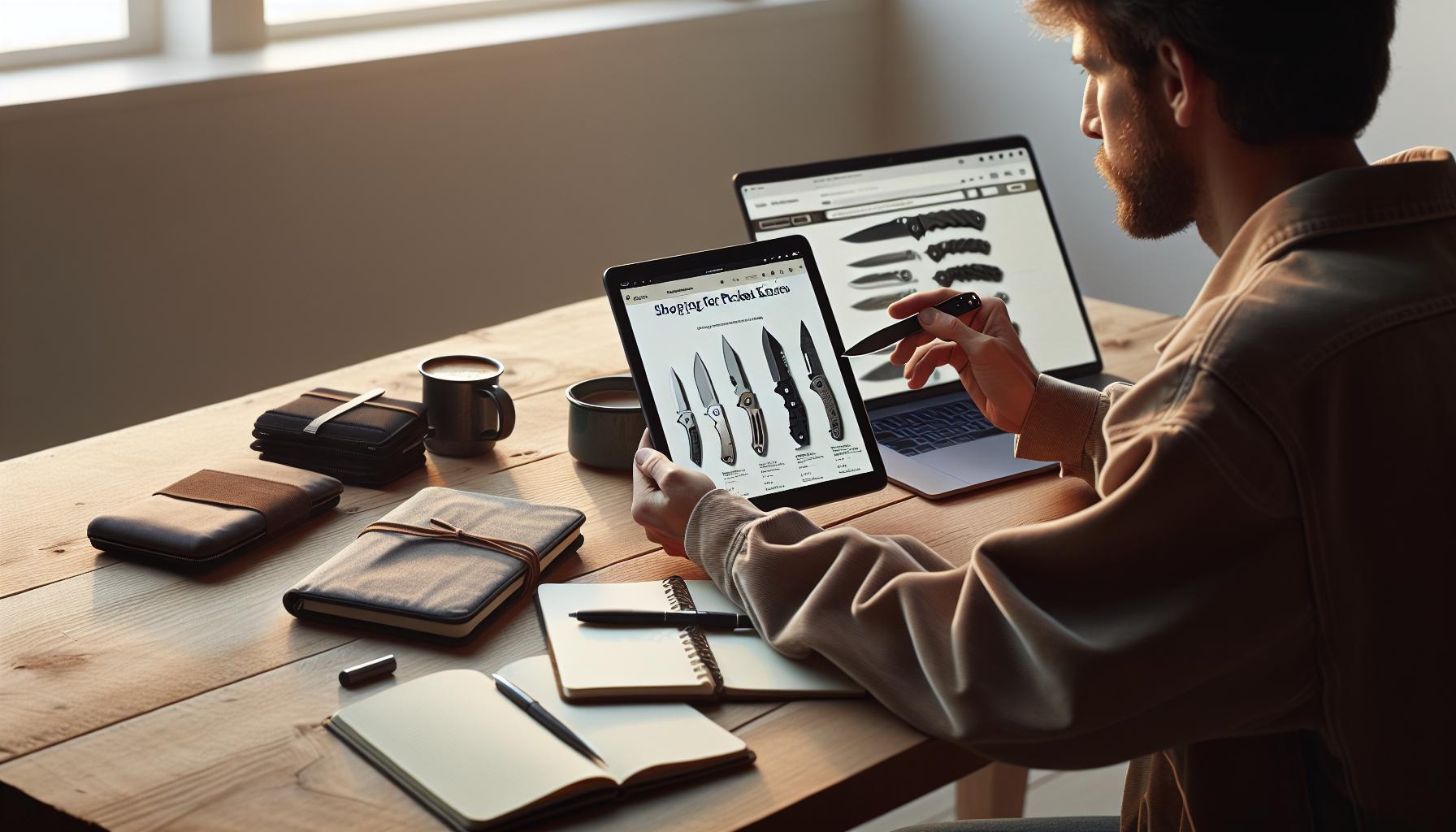
Maintenance Tips for Your Pocket Knife
Maintaining your pocket knife is essential for ensuring its longevity and performance, especially if you’re just starting to build your collection. A well-maintained knife not only operates smoothly but also ensures safety during use. Regular upkeep can prevent rust, improve functionality, and keep the blade sharp, making your everyday tasks easier and more enjoyable.
To keep your pocket knife in top shape, start with a regular cleaning routine. After each use, especially if it has been used for food preparation or outdoors, wash the blade with mild soap and warm water. Dry it thoroughly with a soft cloth to prevent moisture buildup, which can lead to rust. For deeper cleaning, occasionally disassemble your knife if it allows for it, to remove lint and debris from the pivot and handle areas. Always refer to the manufacturer’s guidelines to avoid damaging the mechanism.
Sharpening is another critical aspect of maintenance. A dull blade not only makes tasks harder but can also be more dangerous, as it requires more force to cut. You don’t need professional tools to sharpen your knife; a simple whetstone or a quality knife sharpener will do the job efficiently. Aim to sharpen the blade regularly, depending on usage, and remember to maintain the correct angle for the best results.
Lastly, lubrication is key to ensuring that your pocket knife operates smoothly. Apply a few drops of a suitable lubricant, like mineral oil or specialized knife oil, to the pivot point and along the blade’s spine. This will reduce friction and prevent wear and tear. Regularly check for any signs of corrosion or rust and address them immediately with some fine steel wool or a rust eraser.
By practicing these maintenance tips, you’ll extend the life of your pocket knife, ensuring it remains a reliable tool for all your adventures and everyday tasks.
Where to Buy Pocket Knives: Retail vs. Online Options
Finding the right place to purchase your first pocket knife can be an exciting yet daunting experience, especially if you’re under 18 and eager to explore your options responsibly. Understanding the pros and cons of buying from retail stores versus online options is crucial for making an informed decision. Retail stores, like sporting goods shops or specialized knife stores, offer hands-on experiences that online retailers cannot match. You can examine the knife’s weight, balance, and ergonomic feel in person. Additionally, knowledgeable staff can provide valuable insights and recommendations based on your needs, whether you’re looking for a multi-tool, camping knife, or self-defense option.
On the other hand, online shopping offers unmatched convenience and variety. Websites dedicated to outdoor gear often carry a broader selection of brands and models, including limited edition or hard-to-find knives. Online platforms like Amazon, Blade HQ, or KnifeCenter provide customer reviews and detailed specifications, helping you make an educated choice from the comfort of your home. Just be wary of age restrictions; some sites may require verification that you meet the legal age to purchase, so check their policies beforehand.
When buying a pocket knife, consider the following tips:
- Check Local Laws: Ensure that you’re compliant with state and local regulations about age and type of knives you can purchase and carry.
- Read Reviews: Look at customer feedback and ratings for insights on quality, functionality, and any potential issues.
- Compare Prices: Prices can vary significantly, so it’s wise to cross-reference between online and retail options to ensure you’re getting the best deal.
- Watch for Warranties: Some manufacturers offer warranties or satisfaction guarantees, which can provide peace of mind in case you encounter issues with your purchase.
Ultimately, whether you choose to buy locally or online, being informed about your options and understanding the legal landscape surrounding pocket knives will enhance your buying experience and ensure a responsible start to your pocket knife journey.
Q&A
Q: What is the minimum age to buy a pocket knife in the USA?
A: Generally, the minimum age to purchase a pocket knife in the USA is 18 years old. However, this can vary by state, with some allowing purchases at 16 or even 14. Always check local laws before buying.
Q: Are there different age requirements for different types of pocket knives?
A: Yes, age requirements can differ based on the type of pocket knife. For example, fixed-blade knives may have stricter regulations compared to folding pocket knives. Always consult state laws for specific regulations.
Q: Can I carry a pocket knife if I’m 18 but live in a restricted area?
A: Yes, while you can purchase a pocket knife at 18, carrying it in restricted areas, like schools or government buildings, is often prohibited. Always check local ordinances to avoid legal issues.
Q: What should I consider when buying my first pocket knife at 18?
A: When purchasing your first pocket knife, consider the knife’s size, blade type, and intended use. Prioritize quality and safety features to ensure a responsible choice for everyday carry.
Q: How can I ensure my pocket knife is legal to carry?
A: To ensure your pocket knife is legal, research state and local laws regarding blade length and carry options. Refer to the state-by-state breakdown of knife laws to stay informed.
Q: What are the consequences of buying a pocket knife underage?
A: Purchasing a pocket knife underage can lead to legal penalties, including fines or confiscation of the knife. Additionally, retailers may refuse to sell to individuals who do not meet age requirements.
Q: Are there recommended pocket knife brands for first-time buyers?
A: Yes, brands like Victorinox, Gerber, and Benchmade offer reliable options for first-time buyers. They provide quality knives that cater to various needs and budgets, perfect for young knife owners.
Q: Can I buy a pocket knife online at 18?
A: Yes, you can buy a pocket knife online at 18, but be aware of the seller’s age verification process. Always confirm that the online retailer complies with legal requirements for shipping knives.
In Summary
Thanks for exploring our guide on “Can I Buy a Pocket Knife at 18? Age Requirements Guide.” Understanding the age restrictions and responsible ownership of pocket knives is crucial for every aspiring enthusiast. If you’re eager to dive deeper into the world of pocket knives, check out our articles on Swiss Army knives and safety tips for everyday carry.
Don’t let hesitation hold you back-if you’re ready to make an informed purchase, consider signing up for our newsletter for expert insights and exclusive offers. Remember, the right knowledge empowers you to choose safely and confidently. If you have any questions or want to share your experiences, we’d love to hear from you in the comments below! Let’s keep the conversation going as you navigate your tools for various adventures ahead.