
Traveling often means navigating a maze of rules and regulations, especially when it comes to what you can and cannot pack. Did you know that pocket knives can be confusing when it comes to checked baggage? While these handy tools are essential for many outdoor enthusiasts and everyday carry aficionados, it’s crucial to understand the guidelines for bringing them on your travels. Knowing whether you can bring a pocket knife in your checked bag not only helps you avoid unwanted surprises at the airport but also ensures you’re prepared for any situation that may arise during your journey. This guide will explore everything you need to know to pack your pocket knife responsibly and confidently, so you can focus on enjoying your adventure without worrying about your gear. Dive in to discover the important details that will help make your packing process a breeze!
Can I Bring a Pocket Knife in Checked Baggage?
When traveling, the question of whether you can bring a pocket knife in checked baggage often arises. The good news is that most airlines allow pocket knives in checked luggage, which means you can bring your trusty tool along for the journey, provided you follow some basic guidelines. Unlike carry-on baggage, where sharp objects are strictly prohibited, checked bags are subject to fewer restrictions, making it a viable option for transporting your pocket knives securely.
However, it’s essential to keep your pocket knife properly stored in your checked luggage. Double-check that it is stowed away safely to prevent any accidental openings during transit. Using a protective case can be beneficial, not only to shield the blade but also to provide an extra layer of protection against damage to other items in your bag. Additionally, be aware that some airlines or countries may have specific regulations regarding the size and type of knives considered acceptable, so it’s wise to review these rules before you pack.
Before your trip, it’s also valuable to consider local laws related to knife ownership at your destination. Some regions have strict regulations concerning blade length and types of knives that can be carried. By ensuring you adhere to both airline policies and local laws, you can avoid potential delays and complications during your travels. Remember, preparation is key to a seamless travel experience.
Understanding Airline Regulations for Pocket Knives
Traveling with a pocket knife can evoke a mix of excitement and apprehension, especially when considering airline regulations. With the rise of carry-on restrictions, many travelers may wonder about the rules surrounding the inclusion of pocket knives in checked baggage. Generally, airlines in the United States allow pocket knives in checked luggage, but it’s crucial to navigate the guidelines to ensure a hassle-free journey.
When packing your pocket knife, keep in mind that it should be securely wrapped or enclosed to prevent any accidental openings during transport. A protective case not only safeguards the blade but also minimizes the risk of damaging other items in your suitcase. Most airlines adhere to the TSA guidelines, which specify that while sharp objects are prohibited in carry-on bags, checked luggage faces fewer restrictions. Nonetheless, it’s wise to consult your airline’s specific policies, as some might impose additional limitations on the type or length of knives allowed.
Moreover, international travel complicates matters further, as regulations can vary significantly from country to country. Some destinations may have strict rules regarding the possession of bladed instruments, including pocket knives. Before you head out, familiarize yourself with the local laws of your destination. Reviewing these regulations alongside your airline’s requirements is key to avoiding potential incidents during your travels.
In summary, understanding airline regulations on pocket knives demands attention to detail, especially when it comes to proper packing and local laws. By preparing in advance and adhering to guidelines, you can carry your pocket knife confidently and safely, ensuring it’s an asset rather than a source of stress during your travels.
Types of Pocket Knives: What You Can Bring
When preparing for travel, it’s essential to understand the different types of pocket knives and which you can bring along in checked baggage. Pocket knives come in various styles, each with unique features and intended uses, which impacts their legality and acceptability when packing for a flight. From compact multi-tools to tactical blades, knowing your options can help ensure compliance with airline regulations while fulfilling your travel needs.
Common types of pocket knives include:
- Traditional Folding Knives: These classic knives feature a simple folding mechanism and usually have a single blade. They are typically lightweight and easy to carry, making them a popular choice for everyday use.
- Swiss Army Knives: Renowned for their versatility, Swiss Army knives come with several tools, including blades, screwdrivers, and can openers. While practical, these may need to pass through airline security checks, so note any restrictions.
- Locking Mechanism Knives: These knives have a mechanism that locks the blade open, providing added safety when in use. While they are commonly allowed in checked baggage, checking the lock type for compliance with airline policies is prudent.
- Karambits: Characterized by their curved blades, karambits are often used in martial arts and self-defense. Their unique design may raise questions at security checkpoints, so it’s advisable to confirm their acceptability beforehand.
The vital aspect when packing any pocket knife is to securely enclose it to prevent any accidental openings during transportation. Understand that while most airlines permit these tools in checked luggage, some may have specific policies regarding the design and size. For added assurance, consider packing a knife in its protective case or sheath. By being aware of the different types of pocket knives and aligning your packing with airline policies, you can travel confidently, knowing you have the right gear at your fingertips.
Tips for Packing Your Pocket Knife Safely
When hitting the road or taking to the skies, ensuring your pocket knife is securely packed can mean the difference between a smooth trip and a travel disaster. The goal is to avoid accidental exposure or damage to either your knife or your luggage, while also adhering to airline regulations. To start, always place your pocket knife in a protective case or sheath designed to keep the blade covered and secure. This not only protects the knife itself but also prevents any sharp edges from damaging your bag or injuring you during handling.
Consider the placement of your pocket knife within your checked baggage. Ideally, it should be stowed in a spot that is less likely to be jostled around, such as nestled among softer clothing or within a designated compartment. This reduces movement and potential damage. Also, utilizing zippered pouches can keep your knife organized and less prone to accidental exposure. If you opt for a Swiss Army knife or a model with multiple components, make sure all tools are completely retracted and locked when packing, to provide added safety during transit.
Lastly, it’s wise to review the guidelines of the airline you’ll be traveling with, as some may have specific rules regarding knife types or sizes. Before you head to the airport, check that you’re abiding by both TSA regulations and the policies of your chosen airline to avoid any last-minute surprises at security. Being organized and prepared will not only help you pack your pocket knife safely but also give you peace of mind, allowing you to enjoy your travel experience.
Consequences of Bringing a Pocket Knife in Carry-On
Every year, numerous travelers inadvertently create headaches for themselves and airport security by attempting to carry pocket knives in their carry-on luggage. Even the smallest blade can lead to significant consequences, ranging from confiscation of the knife to potential legal action, not to mention the disruption it can cause to your travel plans. The Transportation Security Administration (TSA) strictly prohibits all knives in carry-on bags, which includes multi-tools with blades and other sharp items. If your pocket knife is discovered during the security screening process, it will be confiscated, and you may face delays as security personnel address the situation.
In addition to the immediate inconvenience of losing your knife, attempting to bring a pocket knife onto a plane can lead to more serious repercussions. In some cases, travelers may be questioned more thoroughly, possibly resulting in missed flights or additional security screenings. It’s important to recognize that regulations are in place for the safety of all passengers, and any attempt to bypass these rules could raise suspicions about your intentions. The TSA has zero-tolerance policies regarding the possession of weapons on board, and each infraction could escalate depending on the specific circumstances and any local laws.
For those traveling internationally, the stakes can be even higher, as different countries have varying laws regarding the possession of knives. Carrying a pocket knife through customs or security checks in foreign countries might not only lead to confiscation but could also land you in legal trouble. Some nations impose severe penalties for possessing edged weapons, even if the intention was benign.
To avoid the unpleasant consequences associated with carrying a pocket knife in your carry-on baggage, it’s best to adhere to simple packing strategies. Always place your knife securely in your checked luggage, ensuring it’s packed away and not easily accessible during the flight. This proactive approach can save you time, stress, and frustration, allowing you to focus on enjoying your travels rather than dealing with the repercussions of oversights.
International Travel: Pocket Knife Guidelines
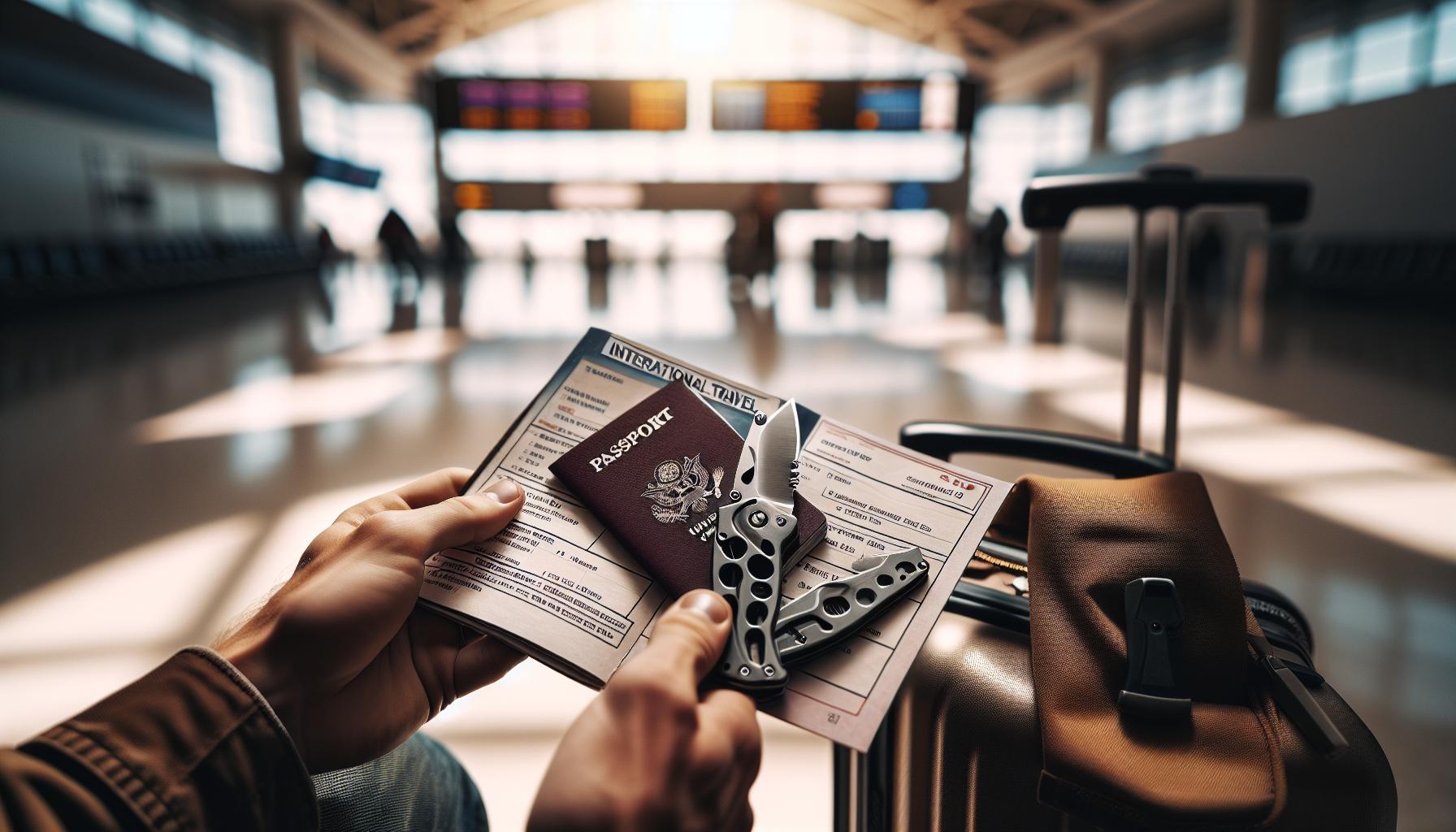
Traveling internationally with a pocket knife can be a risky endeavor, primarily due to the diverse regulations that exist across borders. While many travelers enjoy the utility of pocket knives, it’s crucial to understand the legal landscape further afield. For example, in some countries, even small blades can be considered weapons, leading to severe consequences, including fines or imprisonment. Therefore, it’s essential to research your destination’s laws regarding knife possession before packing.
When flying internationally, the rules regarding pocket knives often exceed those applied domestically. Aside from ensuring the knife is checked in your luggage, you must also consider your stopover locations. If your layover occurs in a country with stricter knife laws, you could face complications even if your final destination has more lenient regulations. Always check the specific airline rules and the regulations of all transit countries, as you might inadvertently contravene local laws by simply having a pocket knife in your checked baggage.
To safely travel internationally with a pocket knife, consider the following guidelines:
- Research Regulations: Familiarize yourself with knife laws in your destination country, including any restrictions on blade length or type.
- Pack Securely: Ensure the knife is well-protected within your checked luggage, ideally in a hard case or a protective sheath to prevent accidental injury.
- Communicate with Airlines: Confirm your chosen airline’s policies regarding knives in checked baggage, as these can sometimes vary unexpectedly.
- Be Prepared for Security: Know that upon arriving at your destination, customs may want to inspect your baggage; have your knife easily accessible for inspection to avoid complications.
Lastly, consider engaging with local authorities or forums to gain insights on best practices and personal experiences from fellow travelers. Understanding the local context can not only enhance your journey but also ensure that you remain compliant with the law, allowing you to enjoy the full benefits of your travels without legal entanglements.
Best Practices for Responsible Storage and Use

When traveling, properly storing and using a pocket knife is essential not just for compliance with regulations, but also for personal safety and convenience. As a versatile tool that can serve various purposes from opening packages to meal preparations, it’s important to approach its handling with responsibility and care. Here are some best practices to ensure your pocket knife is stored and used safely during your travels.
First and foremost, invest in a quality knife case or sheath. This not only protects the blade from damage but also prevents accidental injuries when handling your luggage. Opt for a hard case or a padded sheath to minimize movement within your bag and reduce the risk of any unintended injury during transport. Additionally, keep your knife in an easy-to-access compartment within your checked baggage, as this will facilitate a smooth inspection process if customs requests to see it upon arrival.
Before using your pocket knife, ensure that the area around you is safe and that you have sufficient space to operate. When engaging in tasks, always cut away from yourself and maintain a secure grip on the handle. This will reduce the risk of slips and potential accidents. Regularly inspect the knife for any signs of wear or damage; a dull blade can be more hazardous than a sharp one due to the excessive force required to cut effectively.
Lastly, familiarize yourself with local guidelines on knife use. Each destination may have differing laws concerning the possession and usage of knives, especially in public spaces. Adhering to these regulations is crucial to avoid legal troubles and ensure a pleasant travel experience. By following these best practices, you not only enhance your safety but also preserve the utility and integrity of your pocket knife while traveling.
Alternatives to Pocket Knives While Traveling
Traveling with a pocket knife can be challenging due to safety regulations and restrictions. Luckily, there are several practical alternatives that can serve similar purposes without the hassle. For instance, multi-tools have become increasingly popular among travelers. These versatile gadgets typically include a variety of functions such as screwdrivers, pliers, and scissors, all neatly packed into a compact design. A well-crafted multi-tool, like those from Leatherman or Gerber, can be an ideal substitute during your travels, offering functionality comparable to that of a pocket knife but often with fewer restrictions.
Another option to consider is a high-quality folding utility knife. These knives are designed specifically for convenience and safety, featuring retractable blades that can be easily stored in your luggage. With their lightweight design and ease of use, they’re great for tasks like opening packages or preparing food, similar to traditional pocket knives. Just be sure to check the regulations regarding blade length and design for different airlines or destinations before packing one for your trip.
For those who prioritize safety and practicality, consider travel-friendly items like scissors or kitchen shears. Many brands offer compact scissors that are specifically designed for carry-on travel, featuring rounded tips to reduce the risk of injury. These can be very useful for various tasks, such as cutting tape or opening bags, while sparing you from the air travel regulations that typically apply to pocket knives.
In addition to these alternatives, it’s also worth exploring the use of everyday items as makeshift tools when necessary. For example, a sturdy ballpoint pen can often serve as a temporary replacement for a knife when you need to break down a box, while small screwdrivers can be found in many electronic devices and can help with minor repairs. Embracing creativity in using common tools can not only enhance your travel experience but also keep your luggage light and compliant with airline regulations.
Expert Insights: Packing Tips from Frequent Travelers

Packing a pocket knife for travel can sometimes feel like navigating a minefield of airline regulations, but insights from frequent travelers can help demystify the process and enhance your travel experience. Many frequent flyers recommend investing in dedicated packing strategies to keep your gear organized and compliant with airline policies. Consider using a packing cube or a tool organizer to compartmentalize your knives, ensuring they are easily accessible in checked baggage while remaining secure.
Be Mindful of Blade Length and Design
A common mistake made by travelers is underestimating the importance of blade length and design when packing a pocket knife. Regulations can vary not just by airline but also by destination, so being aware of the local laws regarding knives is crucial. Frequent travelers advise checking your airline’s specific guidelines before packing; some recommend using a reliable travel app to stay updated on regulations. Packing a multi-tool instead of a traditional pocket knife is a popular alternative, as these devices are often more versatile and accepted by airlines.
Utilize Protective Cases
To prevent any accidental injuries and to protect your knife during travel, consider placing your pocket knife in a protective sheath or case. This not only safeguards the blade but also prevents it from jangling against other items in your bag, which can lead to wear over time. Frequent travelers share that using padded cases can also give you peace of mind, knowing that your gear is less likely to be damaged during transit.
Stay Organized
Staying organized is a recurring theme among expert travelers. Many recommend making a checklist of essential gear, including your pocket knife, along with any travel tools you might need. This not only ensures you don’t forget any important items but also helps you pack more efficiently, cutting down on the clutter in your suitcase. As a handy tip, if you’re taking longer trips, consider designating a specific section of your bag for tools and travel gadgets to streamline access when you need them.
By adopting these packing tips and insights from seasoned travelers, you can comfortably navigate the often-confusing rules around bringing a pocket knife in checked baggage while ensuring that your travel experience remains smooth and enjoyable.
Legal Considerations: State and Local Knife Laws
Understanding the legal landscape surrounding pocket knives can significantly impact how you travel with them, particularly in checked baggage. Each state, and often local jurisdictions, have their own specific laws governing the possession, carry, and use of knives, including pocket knives. For example, while some states allow the carrying of folding knives of certain blade lengths without restrictions, others have stringent laws that may prohibit even the possession of specific types.
When considering bringing a pocket knife on your travels, it’s essential to familiarize yourself with these regulations. For instance, in places like California, while folding knives with blades under 2.5 inches can often be carried, larger blades may be considered a weapon and could lead to legal trouble. Similarly, New York City has some of the strictest knife laws in the country, where even a seemingly innocuous pocket knife could potentially land you in hot water.
Key Points to Consider
- Blade Length: Many jurisdictions have laws that specify maximum blade lengths for knives carried in public. Always check the guidelines of your destination.
- Type of Knife: Certain knife designs, such as switchblades or butterfly knives, may be illegal in many areas, regardless of blade length.
- Intent of Use: The intent behind carrying a knife can also influence legal outcomes. A knife carried for utility may be viewed differently than one intended for self-defense.
Researching laws through local government websites or seeking guidance from legal resources can save you from potential legal issues while traveling. It can also enhance your experience by allowing you to use your pocket knife appropriately when you arrive at your destination. Remember, being informed not only helps you stay compliant but also fosters responsible knife ownership.
How to Choose the Right Pocket Knife for Your Needs
Choosing the right pocket knife for your needs can significantly enhance your travel experience, especially when it comes to legality and practicality. Whether you are an outdoor enthusiast, a frequent traveler, or just need a reliable tool for everyday tasks, understanding the various features of pocket knives will help you make an informed decision. Pocket knives are versatile tools, but their design and functionality can vary widely, catering to different needs and preferences.
When selecting a pocket knife, consider the specific tasks you will need it for. For example, if you’re camping or hiking, a knife with a sturdy blade and added features like a can opener or screwdriver could be beneficial. On the other hand, if you’re looking for an everyday carry (EDC) knife, a smaller, more lightweight option that is easy to open with one hand and fits comfortably in your pocket might be ideal. Think about the blade material as well; stainless steel offers good corrosion resistance, while carbon steel blades are easier to sharpen and hold an edge longer.
Additionally, the locking mechanism is an essential feature to evaluate. A reliable locking system ensures the blade stays securely in place during use, reducing the risk of accidental closure. Models with a liner lock or frame lock are popular for their robustness. Comfort and ergonomics are also vital; the knife should feel good in your hand, with a grip that allows for precise control and minimizes hand fatigue during extended use.
Lastly, consider any local laws that may impact your choice. Some regions have restrictions on blade length and types of knives permitted for carry. Researching these regulations beforehand will ensure you select a knife that is not only suitable for your activities but also compliant with the laws of your traveling destinations. Selecting a pocket knife that aligns with your security preferences and practical needs will make your travels safer and more enjoyable.
Maintenance and Care for Your Pocket Knife
Maintaining your pocket knife is essential not only for its longevity but also for ensuring it functions effectively whenever you need it. A well-cared-for knife will perform better and be safer to use, making your outdoor adventures or everyday tasks much more enjoyable. Regular maintenance can prevent rust, dull blades, and other issues that could hinder your knife’s performance.
Start by keeping your knife clean. After each use, especially after cutting food or exposure to moisture, wipe the blade clean with a soft cloth. For deeper cleaning, use warm soapy water and a toothbrush to remove grime and dirt, but avoid soaking the knife, as water can seep into the pivot area and lead to rust or corrosion. Rinse the blade and dry it thoroughly afterward. To protect against rust, consider applying a light coat of mineral oil to the blade after cleaning.
Sharpening Your Knife
Keeping the blade sharp is crucial for efficient use. A dull knife can be more dangerous as it requires more force, increasing the risk of slipping and causing injuries. There are various tools available for sharpening, including whetstones, sharpening rods, or specialized sharpeners. Regularly honing the edge will help maintain sharpness, making tasks easier and safer. As a general rule, sharpen your knife every few months, or more frequently if you use it often.
Storage Practices
Proper storage is just as important as cleaning and sharpening. Always store your knife in a dry place, ideally in a dedicated sheath or pouch to protect the blade from damage and keep it away from moisture. Avoid leaving it in wet or humid areas, which can accelerate rusting. If you carry your pocket knife in your pocket, ensure the clip is secure and that the knife is not jostled around excessively, which can lead to wear over time.
By following these simple maintenance guidelines, you can keep your pocket knife in excellent condition for years to come. This attention to care allows you to rely on your knife in various situations, whether you’re camping in the wilderness or tackling everyday cutting tasks at home. Always remember that a well-maintained knife not only enhances your experience but can also be a safe and reliable tool in your everyday carry.
Frequently asked questions
Q: Can I pack a pocket knife in my checked luggage when flying?
A: Yes, you can pack a pocket knife in your checked luggage. According to TSA regulations, knives are prohibited in carry-on bags but can be safely stowed in checked baggage. Always ensure your knife is securely packed to prevent injury during transit.
Q: What are the restrictions for packing a pocket knife when traveling internationally?
A: International regulations for packing a pocket knife vary by country. Before traveling, check the destination’s specific laws regarding knives. Some countries may impose stricter rules, even if the knife is in checked luggage. Review the “International Travel: Pocket Knife Guidelines” section for more details.
Q: Are there size limits for pocket knives in checked bags?
A: There are no specific size limits for pocket knives in checked luggage set by the TSA. However, it’s a good practice to avoid extremely large or heavy knives to ensure they are compliant with airline policies. Always consult your airline’s rules for specific requirements.
Q: What should I do if I accidentally packed a knife in my carry-on?
A: If you realize you have packed a knife in your carry-on baggage, inform airport security. You may have to surrender the knife or return to your vehicle to store it. Refer to the section on “Consequences of Bringing a Pocket Knife in Carry-On” for more insights.
Q: How can I best secure my pocket knife in my checked luggage?
A: To secure your pocket knife, wrap it in a protective case or cloth and place it in your checked bag away from any other items that could be damaged. Using original packaging or a designated knife roll can also provide extra protection.
Q: Can I bring a multi-tool with a knife in my checked baggage?
A: Yes, multi-tools that include a knife can be packed in checked baggage without issues. Ensure the items are securely stored, following similar considerations outlined for pocket knives. Check our section on “Types of Pocket Knives: What You Can Bring” for further clarity.
Q: What should I know about shipping a pocket knife instead of packing it?
A: Shipping a pocket knife can be a safer alternative. Check your local postal regulations for shipping knives, which often require proper packaging and labeling. Some services may restrict their shipping entirely, while others may require you to ship to specific locations or address types.
Q: Why is it important to understand local knife laws when traveling with a pocket knife?
A: Understanding local knife laws is crucial because different states or countries have varying restrictions on knife types, sizes, and carrying methods. Failing to comply can lead to legal issues or confiscation. Refer to the “Legal Considerations: State and Local Knife Laws” section for more details.
Concluding Remarks
As you prepare for your travels, understanding the rules surrounding pocket knives can make your packing process simpler and more efficient. Remember, while checked bags offer more freedom with these tools, it’s essential to stay updated on airline regulations to ensure a hassle-free journey. For further insights, explore our guides on Swiss Army knives and the best backpacks for travel.
Don’t miss out on our latest tips and resources by subscribing to our newsletter-stay informed and empower your packing game. If you have any questions or experiences to share, drop a comment below; your thoughts could help fellow travelers! As you plan your next adventure, consider checking out related articles on travel safety and gear essentials. Let’s keep your travels enjoyable and stress-free!