Packing for a flight can be a challenge, especially when you’re unsure about what you can bring along. Did you know that pocket knives, a common everyday carry item, are strictly regulated by the Transportation Security Administration (TSA)? Understanding the rules surrounding these tools not only helps you avoid travel headaches but also ensures you’re equipped responsibly. As outdoor enthusiasts and practical individuals, we often rely on pocket knives for various tasks. However, knowing whether they can safely accompany you on your journey is crucial. This guide will clarify what the TSA really says about bringing pocket knives on a plane, addressing common misconceptions and offering actionable tips. So, let’s dive in and discover how to travel smart with your favorite gear!
Can You Bring a Pocket Knife on a Plane?
While it may seem practical to carry a pocket knife for everyday tasks, the reality of bringing one on a plane is far more complex. The Transportation Security Administration (TSA) specifically prohibits all knives, regardless of size or type, from being taken in your carry-on luggage. This restriction applies to pocket knives, switchblades, and even specific utility knives. If you’re caught attempting to bring a knife through airport security, it will be confiscated, often leading to delays and potential fines.
For those who travel frequently, understanding how to adapt to these regulations is essential. If you need to travel with a pocket knife, consider packing it in your checked luggage. However, keep in mind that there are different regulations concerning knives in various countries. It’s important to research the rules not just for your departure and arrival airports, but also for any layover destinations. Knives may be permitted in checked bags but could face restrictions and legal penalties in certain jurisdictions.
When considering alternatives, many travelers opt for multi-tools or Swiss Army knives designed with travel in mind. These products often feature tools without blades that comply with TSA rules while still providing utility. If you find yourself needing to travel with a knife, it’s best to invest in one of these travel-friendly tools to avoid any issues at security checkpoints.
In summary, bringing a pocket knife on a plane requires careful consideration of TSA regulations and other travel laws. To ensure a smooth journey, plan ahead and replace prohibited items with compliant alternatives, and always check the latest airline policies and local laws regarding knife possession.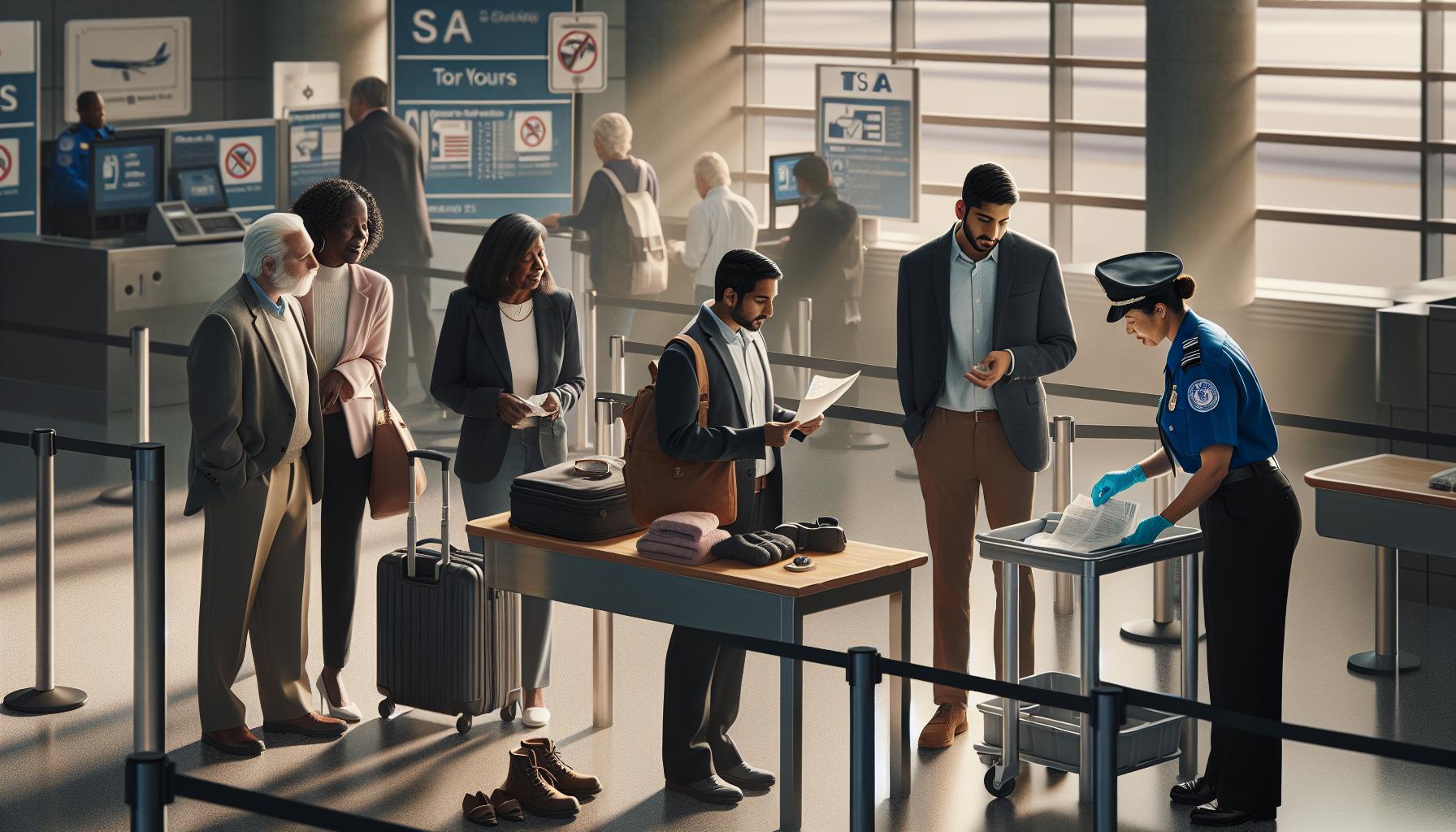
Understanding TSA Regulations and Policies
While the thrill of traveling can be somewhat dampened by regulations, understanding the TSA’s rules around knives can make a significant difference in your travel experience. The Transportation Security Administration (TSA) strictly prohibits all knives, no matter their size or type, from being packed in carry-on luggage. This includes pocket knives, folding knives, and even small utility knives. The primary purpose of these regulations is to ensure the safety of all passengers and crew on board and to prevent potentially dangerous items from being easily accessible in the cabin of an aircraft.
For travelers who find a pocket knife an essential part of their everyday needs, it is crucial to adapt to these regulations by putting their knives in checked baggage instead. Before packing, though, it’s smart to familiarize yourself with the specific policies of the airline you are flying with, as well as the rules of the airport. While knives can typically be carried in checked luggage, certain jurisdictions may have their own restrictions. For example, knives might be allowed on domestic flights but could have severe penalties in international destinations.
In addition to understanding TSA restrictions, it can be beneficial to explore alternative tools designed for travel. Many travelers opt for multi-tools or specially designed travel-friendly knives that omit blades to comply with TSA regulations. These tools can still offer the versatility needed for various tasks without posing a risk at security checkpoints.
Adapting your travel gear to meet TSA guidelines not only smooths your journey but also ensures that you remain within the law. Being informed and prepared can help you avoid unexpected hassles at security, allowing you to focus more on enjoying your trip rather than worrying about your gear.
What Types of Knives Are Allowed?
Traveling with knives can be a nuanced topic, often fraught with misunderstandings and miscommunications. Under TSA regulations, the types of knives that are permissible during air travel are quite specific. While all knives are prohibited in carry-on luggage, there are particular scenarios where certain tools can be legally transported.
When considering what knives are allowed, it’s essential to remember that both checked luggage and carry-on rules apply. In checked baggage, most traditional knives, including pocket knives and hunting knives, are typically accepted. However, travelers must ensure that the knife is sheathed or securely packed to prevent accidents during handling. Another notable exception is the inclusion of multi-tools or Swiss Army knives; these can also be packed in checked luggage as long as they adhere to general knife regulations and do not exceed size limits when opened.
The TSA’s regulations can sometimes create confusion, especially regarding specialized or tactical knives. Tools explicitly designed for travel, such as certain brands of folding knives that feature no blade or a blade specifically designed to be less than a certain length, can be carried in a carry-on. Always verify any specific airline policies or state laws, as some may impose additional restrictions based on local regulations.
In summary, while you cannot bring a pocket knife through security in your carry-on, the rules surrounding checked baggage are more lenient. Always familiarize yourself with both TSA guidelines and your airline’s specific policies to ensure a hassle-free travel experience. Prior planning can help you navigate these regulations confidently and ensure that your essential tools are safely packed for your journey.
Common Misconceptions About Flying With Knives
Travelers often underestimate the complexities surrounding what can and cannot be taken on a plane, especially when it comes to knives. One common misconception is that all knives, including pocket knives, can be either packed in carry-on luggage or simply thrown into checked bags without assessment. In reality, the TSA has strict regulations in place that prohibit all types of knives from carry-on baggage. This includes not only pocket knives but also larger knives such as hunting knives and chef’s knives. The belief that “just a small pocket knife won’t be a problem” is a frequent mistake that can lead to confiscation at security checkpoints.
Another prevalent myth is that certain knife types, particularly multi-tools or Swiss Army knives, are universally accepted on flights without restriction. While these tools can be placed in checked luggage if they meet specific criteria-such as being sheathed or contained securely-they are still strictly forbidden in carry-on bags. Furthermore, some travelers mistakenly believe that if their knife is small enough or has a non-locking blade, it qualifies as permissible. However, size alone does not guarantee acceptance; the primary rule is that any knife must be stowed in checked luggage.
Misunderstandings also arise around the idea that specific airlines might have differing rules from TSA regulations. While airlines do have their own policies regarding dangerous and prohibited items, these typically do not supersede federal regulations enforced by the TSA. Passengers should be aware that state laws can impose additional restrictions, but when traveling by air, TSA guidelines take precedence. This disconnect can lead to unnecessary confusion during travel plans.
To avoid mishaps, travelers should proactively familiarize themselves with TSA regulations and verify the rules regarding knives or tools on the official TSA website or their airline’s guidelines. This level of preparation helps ensure a smooth and hassle-free travel experience while allowing knife enthusiasts to keep their essential tools safely packed away.
Traveling with Multi-Tools and Swiss Army Knives
When it comes to , understanding TSA regulations is essential for utility and peace of mind. Many travelers wrongly assume that these versatile tools are exempt from the same restrictions that apply to traditional knives, leading to unexpected seizures at security checkpoints. The TSA explicitly prohibits all knives, including those found on multi-tools, from carry-on baggage. This means that regardless of their size or intended use, items with blades cannot accompany you in the cabin of the aircraft.
To stay within regulations while still making the most of your multi-tool, the best practice is to ensure it is packed in your checked luggage. Here are some key considerations:
- Blade Safety: The size of the blade does not matter; anything that qualifies as a knife must go in checked baggage. Always ensure that the multi-tool is securely sheathed or contained to prevent any accidents when packed.
- Functionality Over Prohibition: Many users appreciate the utility of multi-tools for travel, so consider options that prioritize non-blade features (such as pliers, screwdrivers, and bottle openers) if you want a versatile tool in your carry-on.
- Brand Selection: Some models from reputable brands, like Victorinox for Swiss Army knives, offer specialized tools that comply with travel guidelines, providing utility without the risk of confiscation.
- Check Airline Policies: While TSA rules apply nationwide, individual airlines might have additional regulations. Always double-check before you travel to avoid unwanted surprises.
Multi-tools and Swiss Army knives are fantastic for satisfying everyday carry (EDC) needs and can come in handy for various tasks, from quick fixes to outdoor adventures. For enthusiasts, knowing how to travel smartly with these tools not only enhances your experience but prepares you for a variety of situations. By storing them correctly and adhering to TSA guidelines, you can confidently bring your multi-tool along for the journey-just make sure it’s safely packed away in checked luggage.
Exceptions: When Knives Might Be Permissible
While the TSA has strict regulations regarding knives on planes, there are specific exceptions where certain types of knives might be permissible, particularly in checked luggage. First and foremost, it’s essential to understand that any knife with a blade, regardless of its size or intended use, is strictly prohibited in carry-on baggage and must be placed in checked luggage if you want to travel with it.
One notable exception relates to specific knife types that are recognized as tools rather than weapons. For instance, certain multifunctional tools that meet the TSA’s criteria may sometimes be allowed. These generally include tools like travel-sized utility knives designed with safety in mind that do not exceed a certain length or that have features designed to minimize the risk of injury. Always confirm whether your particular model aligns with TSA guidelines before you pack.
Additionally, a few specialized cases allow knives at certain airport security checkpoints, depending on local laws and regulations. For example, some airports may permit ceremonial knives or cutlery related to specific cultural practices, but this typically requires prior notification and clearance with the security team. Thus, it’s advisable to check the specific airport’s security regulations ahead of time.
If you’re unsure whether your knife qualifies as an exception, consult the TSA’s official resources or reach out to customer service for clarity. Understanding these nuances ensures an adventure-filled journey without the hassle of confiscated property and promotes a smoother security checkpoint experience. Keeping abreast of both federal and airline-specific rules is crucial in your planning-err on the side of caution, and always opt for checked luggage when in doubt.
State and International Travel Considerations
Traveling with a pocket knife involves navigating a complex landscape of regulations that vary not only by country but also by state and airport. Understanding these differences is crucial for anyone who wishes to carry their favored tools while flying. For example, while the TSA maintains a clear stance that knives are prohibited in carry-on luggage, certain states and foreign countries may have their own rules that either complement or contradict these guidelines.
When planning your trip, it’s essential to research the specific knife regulations of both your departure state and destination. Some states may allow for specific types of knives, such as folding knives with blades under a certain length, which could be legal to carry outside of airports. International travel adds another layer of complexity; many countries have strict laws regarding knives, and what is acceptable in one country may be illegal in another. For instance, many European nations have stringent laws against carrying any knife in public spaces. A common traveler mistake is assuming that what is permissible in their home jurisdiction holds true abroad.
In addition to state and country-specific regulations, be mindful of the rules relating to the airports through which you are traveling. Some airports have their own policies on knives and may enforce stricter measures than federal guidelines dictate. Always check the airport’s website or contact their security team to ensure you comply with local rules. For example, if your pocket knife has sentimental value or plays a role in your outdoor equipment, confirm its acceptable status well ahead of your travel date to avoid unexpected confiscation.
For safe and compliant travel, consider the following tips:
- Research Local Laws: Review the laws in each state and country you’ll be within reach of.
- Be Aware of Airline Policies: Different airlines may have their own rules regarding knives in checked baggage.
- Plan for Security Checks: Use checked luggage for knives, and ensure they are well-packaged to avoid damage.
- Consult TSA Resources: Use official sources like the TSA’s website for up-to-date information and guidelines.
By keeping abreast of these various regulations and planning accordingly, you can ensure your travels are smooth and interruption-free, allowing you to focus on your adventure rather than legal complications.
Tips for Traveling Safely With a Knife
Traveling with a knife, such as a pocket knife, can be an essential part of outdoor adventures or everyday carry (EDC), but it requires careful planning to navigate the myriad of regulations. To ensure a hassle-free journey, start by checking the regulations of every state and country you’ll pass through. Local laws can differ significantly; for instance, some states may permit folding knives under a specific blade length in public spaces, while others are far more restrictive. By being knowledgeable about these laws, you not only avoid potential legal issues but also make informed decisions about what to carry.
When preparing for a flight, careful packing is crucial. Always place your knives in checked baggage, as they are strictly prohibited in carry-on luggage according to TSA guidelines. Make sure to pack your knife securely to prevent damage during transit. Use a padded case or sheath, and consider wrapping it in clothing for additional cushioning. This not only protects your knife but also helps avoid accidents when you open your luggage. Additionally, familiarize yourself with your airline’s specific policies regarding knives in checked bags, as they may have unique restrictions.
A great tip for EDC enthusiasts is to customize your approach depending on your destination. If you’re traveling for recreation, consider leaving your more exotic or larger knives at home. Instead, opt for compact tools that comply with regulations and are practical for your activities. For example, a small Swiss Army knife can serve multiple functions without raising red flags. Always be ready to explain the utility of your knife if questioned, emphasizing its practical applications rather than its potential for harm.
In the unfortunate event that your knife is confiscated, stay calm and collected. TSA agents may provide information on where items can be picked up later or how to retrieve them if the situation allows. Document the details by taking photos of the knife before you travel, which can help if you need to report loss or seek compensation. Remember, planning ahead, understanding the rules, and remaining flexible can significantly enhance your travel experience while ensuring that your pocket knife remains a trusty companion, whenever permissible.
What to Do If Your Knife Is Confiscated
If your pocket knife gets confiscated at security, it can be a frustrating experience, especially if you rely on it for everyday tasks or outdoor activities. The first step is to remain calm and respectful; tension can escalate the situation unnecessarily. TSA agents are trained to handle these scenarios, and they can provide clarity on why your knife was taken and what your options are moving forward.
It’s essential to understand the TSA regulations regarding knives. Generally, knives are categorized as prohibited items in carry-on luggage, so knowing what to expect will help you manage your expectations if the situation arises. If your knife is taken, the TSA agent should inform you about the confiscation process. Some airports have procedures where items are kept and can be claimed later, depending on local regulations. Always ask the agent if you can retrieve your item later, as policies can differ by airport.
To safeguard against potential loss, it’s wise to document your knife before travel. Taking pictures can help establish ownership and provide evidence if you need to file a complaint or request compensation. This foresight can be particularly useful if the knife holds sentimental value or is a premium tool. Having this evidence can facilitate communication with relevant authorities later on.
If your knife is confiscated, consider utilizing third-party shipping services or storage facilities at some airports. This option might allow you to send your knife home rather than losing it entirely. Ultimately, you may end up reassessing your travel gear and ensuring that any tools you bring on board comply with airport regulations to avoid future issues. Always be prepared to adjust your packing strategy based on your travel destination and the local laws you will encounter along the way.
Navigating Security: What You Need to Know
Navigating through airport security can be a daunting experience, especially when it comes to carrying knives. If you’re wondering about bringing a pocket knife onboard, it’s crucial to understand the Transportation Security Administration (TSA) regulations clearly. The TSA prohibits all blades in carry-on luggage, which includes knives of any size, whether folding or fixed. This rule is strictly enforced, meaning that even the smallest pocket knife can be confiscated.
While it’s tempting to pack your trusty EDC (everyday carry) knife for your travels, the safest strategy is to leave it in your checked baggage or at home. If you are caught with a knife during the security screening, TSA agents have the authority to remove it from your possession. This can lead to not only the loss of your item but potentially a delay in your travel plans. To avoid this scenario, always check the local regulations before you pack, and familiarize yourself with what’s allowed on your flight.
For those who rely on multi-tools like Swiss Army knives, be aware that while some multi-tools are allowed in carry-on bags, they must not have any blades exceeding 2.36 inches. Understanding the nuances of these regulations can mean the difference between a hassle-free trip and a frustrating encounter at security. If you insist on carrying a knife for a particular purpose, consider opting for a tool designed without a blade or with a shorter cutting edge that adheres to TSA guidelines.
Lastly, remember that regulations can vary by airport and international travel routes. Always check in advance, and prepare to adjust your packing strategies accordingly. Make sure you research the laws of your destination regarding knife ownership and transportation, as these can significantly differ from your starting point. Engaging in these preparatory measures not only makes your travel smoother but also enhances your confidence when navigating the complexities of security checks.
Packing Strategies for EDC Knife Owners
Traveling with an everyday carry (EDC) knife can be a tricky affair, especially when regulations are as stringent as they are with the TSA. To ensure that your travel experience is smooth rather than stressful, it’s essential to employ effective packing strategies that align with TSA guidelines and local laws. For EDC knife owners, understanding the balance between utility and legal compliance can make all the difference.
One of the best practices is to always choose the right knife for your trip. If you plan on bringing a knife, opt for safety-first designs. Select tools that have features accommodating travel restrictions, such as shorter blades that do not exceed the TSA’s limits or tools with retractable blades. For example, consider investing in a Folding Utility Knife where the blade can be securely retracted when not in use. Additionally, think about the functionality of the knife: if you need a tool for specific tasks, some EDC brands offer models that combine a blade with other useful tools, like bottle openers or screwdrivers, which can minimize your need to carry additional gear.
Moreover, when packing for air travel, it’s crucial to consider how you store your knife. Instead of placing it in your carry-on, where it is strictly prohibited, always secure it in your checked baggage. This not only adheres to TSA regulations but also protects your knife during travel. Use a padded case or sheath to prevent damage and keep it safe from accidental activation. If the knife has any special locking or security features, make sure they are properly engaged before packing.
It’s also wise to be prepared for the unexpected. Before you departure, familiarize yourself with the destinations’ specific knife laws. Regulations can differ greatly from state to state and country to country, and being caught unaware can lead to serious legal trouble. For instance, some areas have specific restrictions on blade length or even the types of folding knives allowed. A little research can save you time and hassle.
Finally, when you reach your destination, be mindful of where you store your knife once you’ve arrived. Following TSA regulations is just the first step; you must also respect local laws and regulations regarding knife carry in public. For example, some places may prohibit knives altogether in public spaces, while others allow specific types. By practicing these strategies and staying well-informed, EDC knife owners can travel confidently with their gear while adhering to legal standards.
Frequently asked questions
Q: Can I bring a small pocket knife on an airplane?
A: No, you cannot bring a pocket knife on a plane in your carry-on luggage as per TSA regulations. Knives are considered prohibited items, and they will be confiscated at security checkpoints. For more detailed regulations, refer to the section on TSA policies in your article.
Q: What happens if I accidentally bring a knife to the airport?
A: If you accidentally bring a knife to the airport, it will be confiscated by TSA agents during security screening. You typically have the option to surrender the knife or return it to your car if possible. For more insights on what to do if this happens, check the relevant section in your article.
Q: Are there any types of knives that can be brought on a plane?
A: Only certain types of knives are allowed in checked luggage, such as those with blades under specific lengths or certain multi-tools without sharp edges. Always verify in your article’s section about what types of knives are permissible to avoid confusion.
Q: Can I carry a Swiss Army knife on a plane?
A: No, Swiss Army knives are not allowed in carry-on bags due to their blade components. However, they can be packed in checked baggage. Visit your article’s section on traveling with multi-tools for more detailed regulations.
Q: What should I do if my knife gets taken at the airport?
A: If your knife is taken at the airport, you cannot get it back, as confiscated items are typically not returned. It’s best to be aware of TSA rules before traveling to avoid such situations. Refer to your article’s section on confiscated items for more guidance.
Q: Are there any exceptions for carrying knives on flights?
A: While general rules prohibit carrying knives in the cabin, exceptions may exist for specific items in checked baggage. For detailed information regarding exceptions, see the relevant section in your article that addresses this topic.
Q: How can I pack my knife safely for air travel?
A: To pack your knife safely, always place it in your checked luggage, ensuring it is securely wrapped or sheathed to prevent accidents. For additional packing strategies, refer to the packing strategies section in your article for comprehensive tips.
Q: What types of knives are considered weapons by TSA?
A: Knives with blades longer than 2.36 inches, certain folding knives, and fixed-blade knives are classified as weapons and are prohibited in carry-on baggage. Check your article’s section on types of knives allowed for a complete list.
In Summary
Now that you understand the ins and outs of what the TSA says about pocket knives on planes, make sure to check your gear before your next trip! Remember, regulations can vary, and staying informed can save you time and hassle at security checkpoints. For more insights, don’t miss our guides on Swiss Army knives and travel-friendly tools.
Feeling overwhelmed? Join our newsletter for the latest updates on travel regulations and gear recommendations, tailored for adventurers like you! We love hearing from our community, so share your experiences or questions in the comments below-let’s keep the conversation going. Your journey to being well-prepared starts here!