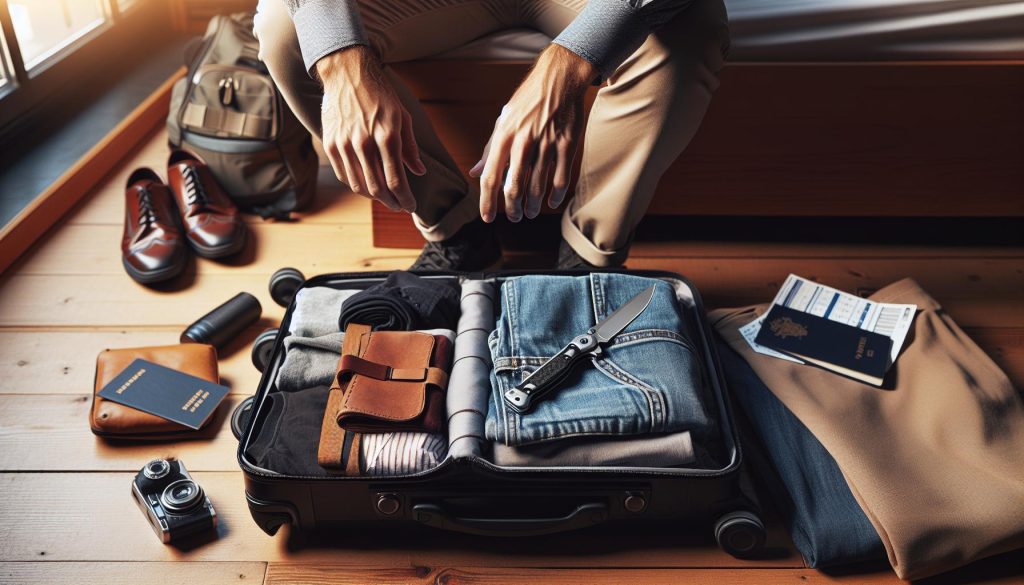
Traveling often brings a whirlwind of excitement, but also a few tricky questions, especially when it comes to packing your gear. One common concern for outdoor enthusiasts and everyday carry advocates alike is whether you can bring a pocket knife in your checked luggage. Understanding the rules and regulations surrounding pocket knives is crucial for ensuring your travel experience is smooth and hassle-free. Let’s delve into the ins and outs of traveling with a pocket knife, explore the safety tips you need to know, and provide practical advice to help you navigate airport security with confidence. So, grab your gear and let’s find out how to travel smartly with your favorite cutting tool!
Can You Bring a Pocket Knife on a Plane?
When packing for air travel, one of the most common questions involves the rules surrounding pocket knives. It’s crucial to understand that while you may be accustomed to carrying a trusty pocket knife daily, the regulations surrounding air travel are stringent, particularly concerning what can be taken in your carry-on versus checked luggage. In general, pocket knives are strictly prohibited in your carry-on bags but are permitted in checked luggage. This distinction is vital for travelers who may not want to part with their favorite tools or those expecting to use them for activities during their trip.
If you’re an outdoor enthusiast or someone who regularly uses a knife for everyday tasks, understanding what constitutes a pocket knife is essential. Typically, any knife with a blade that is folding or non-folding is considered a pocket knife by TSA standards. Thus, while you can securely pack it in your checked baggage, consider the blade length and type of knife, as regulations can vary depending on your destination, both domestically and internationally. For this reason, packing a multi-tool might be a more versatile option, as many are designed for travel and compliance with airline regulations.
When preparing to pack your pocket knife in checked luggage, ensure it’s well-secured. Placing it in a protective sheath or wrapping it in a cloth can prevent unintentional damage to your belongings or the knife itself. Additionally, make sure to check with your airline’s specific regulations and any state laws that may apply to your destination, as restrictions can differ significantly. Awareness of these factors can help you avoid surprises and ensure a hassle-free travel experience, allowing you to enjoy your trip without the stress of potential confiscation at security checkpoints.
Understanding TSA Regulations for Checked Bags
As you prepare for air travel, understanding the specific regulations pertaining to pocket knives in checked luggage is crucial. The Transportation Security Administration (TSA) maintains strict guidelines regarding what can be carried aboard an aircraft, particularly in the cabin. While your beloved pocket knife may be a staple tool for many outdoor adventurers and everyday users alike, knowing that it must be stowed in your checked bags can save you from unexpected hassles at security checkpoints.
Pocket knives, by TSA definition, encompass a variety of blades, whether folding or fixed. This means you can freely pack most types of pocket knives in your checked luggage, but several factors are important to keep in mind. Blade length can be a concern in certain locales; while the TSA does not impose a specific limit for checked bags, local laws at your destination may differ. Additionally, certain airlines could have their own specific restrictions regarding knives and other sharpened tools, so checking with your airline before traveling is always wise.
When it comes time to pack your pocket knife, safety should be a top priority. Ensure your knife is secured in a protective sheath or wrapped in a cloth to prevent any potential damage either to your belongings or the knife itself. This simple precaution also helps prevent accidental injury when accessing other items in your checked luggage. By adhering to these guidelines and remaining aware of airline policies and state regulations, you can travel confidently with your pocket knife, minimizing the risk of confiscation and ensuring a smoother travel experience.
Types of Pocket Knives Allowed in Checked Luggage
Packing a pocket knife in your checked luggage can be a straightforward process when you know what types of knives are permitted. The TSA allows a variety of pocket knives in checked bags, but there are nuances based on blade style, length, and other factors that travelers should be aware of.
Generally speaking, both folding and fixed-blade pocket knives are allowed in checked luggage. However, it’s crucial to take into account any local regulations that might apply at your destination. For instance, while the TSA doesn’t specify a blade length limit for checked bags, some states and countries have laws restricting the length or type of knife you can carry. Always double-check local laws to avoid any surprises upon arrival.
Different types of pocket knives can fit various needs and preferences, so it’s essential to choose wisely for your travel. Common styles include:
- Folding Knives: Compact and easy to store, these knives can be opened with one hand and are generally safe to travel with in checked baggage.
- Swiss Army Knives: These multi-functional tools are popular for their versatility. Ensure that any tools included are permissible under both TSA guidelines and local regulations.
- Fixed-Blade Knives: Less common for travelers, fixed blades typically have more robust designs. These are usually acceptable in checked luggage, but local laws may apply.
- Karambits: With a distinct curved blade, karambits can be more controversial. While they can be packed in checked luggage, check local laws regarding the blade type and length.
As you prepare to travel, investing in a sheath or protective case for your pocket knife can prevent damage and ensure safe handling. Remember, while your trusty multitool or pocket knife can be invaluable during your adventures, staying aware of regulations and choosing appropriate types can make your travels smoother and hassle-free.
Tips for Safely Packing Your Pocket Knife
Packing a pocket knife for travel doesn’t have to be a hassle, but doing it safely and responsibly is essential. One of the first things to consider is the use of a protective sheath or case. This helps prevent any unintentional openings and protects the blade, which can get damaged if it’s jostled around in your luggage. A quality sheath also safeguards other belongings in your bag from potential cuts or punctures.
When stowing your knife, place it in an area of your checked luggage that’s separate from other tools or metal objects. Using a designated compartment or a padded section can minimize movement and prevent damage. Make sure that the knife is securely fastened within its sheath so it doesn’t shift or work its way free during transit. Additionally, if your pocket knife has multiple tools, like a Swiss Army knife, consider securing them in a way that keeps them from opening accidentally.
Before your trip, it’s a good practice to check the blade for sharpness and stability. A well-maintained tool is not only safer but can also enhance your travel experience, making tasks like meal prep or gear assembly smoother. If you’re concerned about the knife being interpreted as a potential weapon during inspections, consider wrapping it in a cloth to further reduce visibility.
Lastly, overall awareness of your surroundings is crucial. Take note of the regulations at your destination regarding the possession of knives. If you’re unsure about your pocket knife’s legality in certain areas, it may be wise to do research or consider leaving it behind to avoid potential legal troubles. Respecting the rules not only ensures a smoother journey but also promotes responsible travel practices.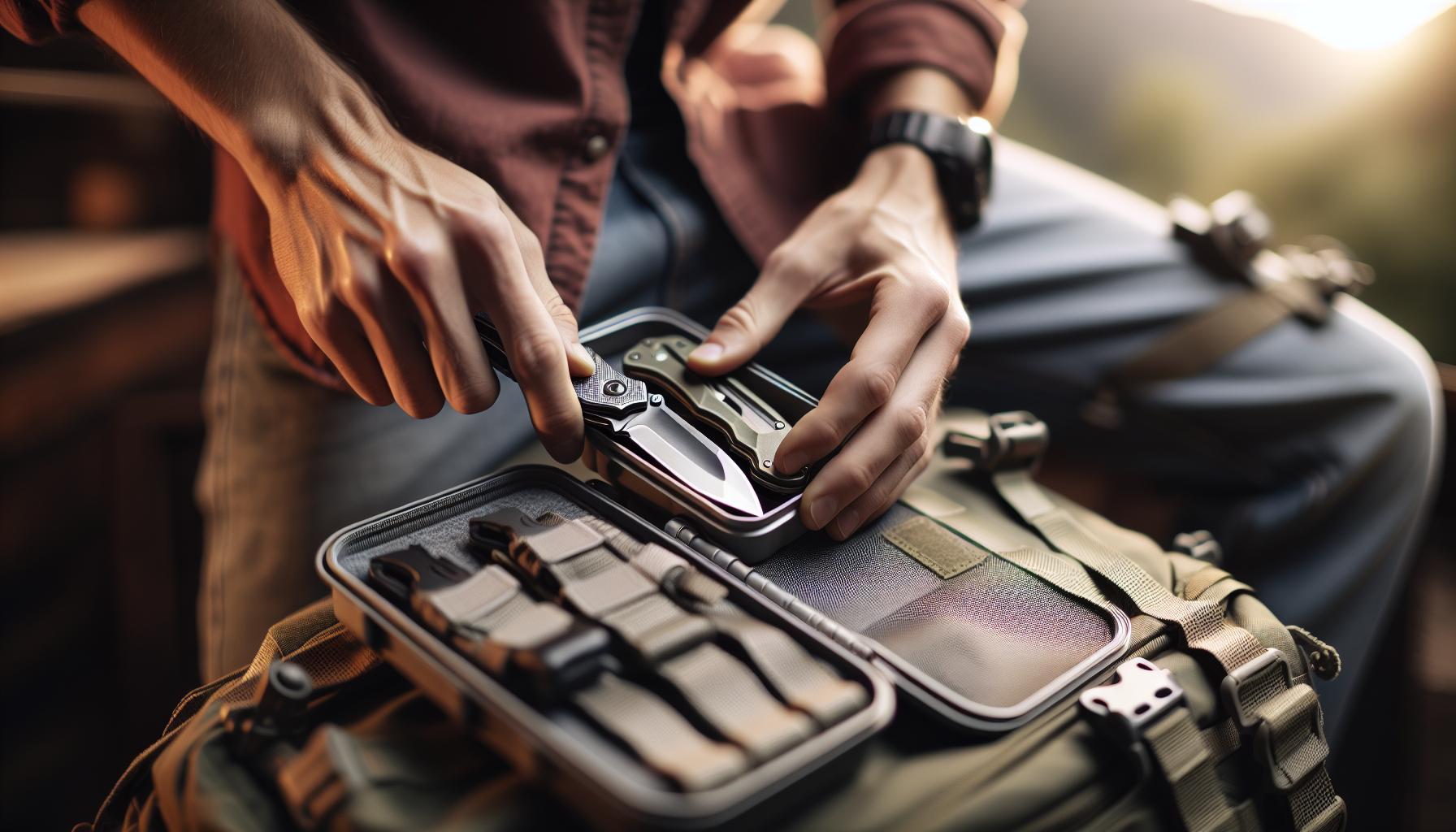
What Happens if You Forget Your Pocket Knife?
Forgetting a pocket knife packed in your checked luggage can lead to several consequences, depending on when and how you realize the oversight. If you’re at the airport and the knife is flagged during security screening, the worst-case scenario is that airport security may confiscate it. While you may think your checked bags are immune to such scrutiny, TSA regulations still apply. It’s essential to know that the rules around checked baggage aren’t overlooked; contraband items can still cause delays or complications.
If discovered, the pocket knife may be taken by TSA officers, which means it’s impossible to retrieve it unless you’re willing to undergo the additional step of having it sent back home, if that’s an option you choose. For instance, you could ask a family member or a trusted friend to pick it up from the airport, but be aware this process can be inconvenient and time-consuming. In addition, if the knife is deemed a serious threat or if it’s categorized under prohibited items, legal ramifications could ensue, including possible fines. To prevent this scenario from happening, consider the following practical steps:
- Double-check your luggage: Before leaving for the airport, ensure you’ve gone through your checked bags to identify any items that may not comply with regulations.
- Understand regulations: Familiarize yourself with TSA guidelines or any specific regulations at your destination, as different countries may impose stricter rules.
- Label your knives: Use removable labels or write down whether you packed a knife as a reminder, increasing the chances you’ll remember to check.
It’s worth noting that some travelers have inadvertently left their pocket knives behind in hotel rooms, campgrounds, or even in the rental car, only to realize their oversight much later. In such cases, reaching out to the respective establishments can help; many are willing to assist in returning lost items. Always consider local laws regarding the possession of knives when traveling, as you may inadvertently place yourself at risk if you’re caught carrying a prohibited item in a new jurisdiction. Understanding the landscape of regulations and maintaining awareness of your belongings not only promotes responsible travel but also sets you up for a smoother journey.
State and International Restrictions on Knives
Traveling with a pocket knife can be a tricky endeavor, especially when state and international laws come into play. Surprisingly, what might be legal in one location can lead to hefty fines or even arrest in another. For example, while many U.S. states allow pocket knives, local laws can vary dramatically, often defining the legal length of a blade. In some cities, any knife with a blade longer than a few inches may be illegal to carry, especially in public places. Therefore, before setting out on your journey, researching both state and local regulations where you plan to travel is essential.
For international travelers, the stakes are even higher. Many countries have rigid restrictions on the types of knives that can be brought into the country, let alone carried in public. For instance, nations like the UK have stringent laws against carrying a knife that can be opened with one hand, which includes many popular folding knives. Additionally, some countries classify certain types of knives, such as switchblades or automatic knives, as banned items regardless of the blade length. Not understanding these regulations can lead to confiscations or more severe penalties, emphasizing the importance of due diligence before traveling.
When packing your pocket knife in checked luggage, understanding customs regulations is crucial. Each country has its own rules regarding what can be imported, and failing to declare a knife can lead to fines or confiscation at the border. To avoid complications, ensure your knife is properly packed and declared when necessary. Some travel experts recommend using a dedicated locked container within your checked bag to prevent any accidental discovery, which could cause disruptions during custom checks.
In summary, being aware of local and international restrictions regarding pocket knives can greatly ease your travel experience. Take the time to familiarize yourself with the laws of the states or countries you’re visiting and ensure your knife complies with those regulations. This preparation will allow you to travel confidently, knowing you have full control over your gear while minimizing risks associated with legal oversight.
Best Practices for Traveling with Knives
Traveling with knives, particularly pocket knives, can be a rewarding experience if done correctly. Whether you’re hiking, camping, or simply in need of a versatile tool, knowing how to navigate restrictions and safely transport your knife can enhance your adventure. Here are some best practices to ensure a smooth journey while keeping your knife safely packed and legally compliant.
Start by familiarizing yourself with the regulations governing knives in both your departure location and your destination. Most airlines permit pocket knives in checked luggage, but they are strictly prohibited in carry-on bags. Always check TSA guidelines and any specific airline rules, as they can vary. Additionally, knowing the rules of the state or country you are visiting can prevent potential legal issues. For example, knives classified as switchblades or certain tactical knives may be illegal in some jurisdictions.
When it comes to packing your knife, the right container can make a significant difference. Use a dedicated, secure case that protects the blade and prevents accidental openings. Illustratively, a hard-sided sheath can provide a barrier against accidental activation during transport. Additionally, clearly label your bag and keep any necessary documentation, such as customs forms, readily accessible to streamline inspections.
Finally, consider alternatives if you’re uncertain about the legality or appropriateness of your knife in certain areas. Multi-tools are an excellent substitute-their versatility often matches that of a pocket knife, and many models feature tools that comply with broader regulations. For travel enthusiasts, investing in a high-quality multi-tool can be an efficient way to equip yourself without worrying about local knife laws.
By being proactive and informed, you can ensure that your travel experience with a pocket knife or multi-tool is both enjoyable and compliant. Understanding regulations, properly packing your tools, and knowing your options can empower you to travel with confidence, ready for any adventure that comes your way.
Alternatives to Carrying a Pocket Knife While Traveling
When planning your travel, especially if you’re accustomed to carrying a pocket knife, it can be a challenge to find suitable alternatives that offer the same versatility without the legal risks involved. While it’s common for travelers to rely on pocket knives for various tasks, many savvy travelers have turned to other options that comply with airline regulations and avoid state or international restrictions.
One outstanding alternative is the multi-tool. These compact devices combine several tools in one, often including knives, screwdrivers, scissors, and more. Not only do they provide functionality similar to pocket knives, but they also tend to be more widely accepted in both carry-on and checked luggage. Some popular models, such as those from Leatherman or Gerber, have integrated changes that make them compliant with most travel regulations, and their convenient size makes them ideal for traveling.
Another option to consider is a utility knife with non-locking blades. Unlike pocket knives that may have locking mechanisms, non-locking utility knives are often perceived as less dangerous, making them a fitting choice for travel. These knives are usually designed for simple tasks like opening packages or cutting rope, which might suit your needs without breaching security policies.
For those keen on being well-equipped without carrying a knife altogether, everyday objects can often be repurposed. Items such as scissors in your first-aid kit or a credit card tool that features various small instruments can provide useful alternatives. Additionally, many modern bottle openers now come with additional features like screwdrivers or small knives, making them highly portable and useful.
Ultimately, finding alternatives to pocket knives is about understanding your travel needs and selecting tools that comply with regulations while still providing practical functionality. These options can help ensure that your travel experience remains smooth and enjoyable, allowing you to focus on your adventures without the stress of navigating complex knife laws.
Traveling with Multi-Tools: What You Need to Know
While adhering to airline regulations, multi-tools have emerged as a popular and practical substitute for traditional pocket knives during travel. These versatile instruments often combine a variety of features such as knives, pliers, screwdrivers, and more, all in one compact design, making them incredibly convenient for both everyday carry and outdoor adventures. Many travelers appreciate the multifunctionality that these tools provide, enabling them to tackle a range of tasks without the hassle of multiple items.
When selecting a multi-tool for travel, it’s important to ensure that it complies with the specific regulations of airlines and security agencies. Most multi-tools with non-locking blades or those classified as tools rather than weapons are typically allowed in checked luggage. Notably, popular brands like Leatherman and Gerber have crafted models specifically designed to meet travel safety standards, incorporating features that minimize their weapon-like appearances while maintaining functionality.
For practical packing, consider using a protective case to prevent damage during transit and to avoid accidentally triggering security alarms. It’s also wise to clearly communicate the contents of your checked bag during inspection, as some TSA agents may be less familiar with the function of specialized multi-tools compared to standard knives. Furthermore, being attentive to your destination’s local knife laws is crucial, as regulations can vary widely from one state or country to another.
Ultimately, embracing multi-tools not only simplifies the travel experience but also aligns with a safety-conscious mindset. By understanding the legal landscape and selecting the right tools, travelers can enhance their readiness for various situations without running afoul of airline policies or local laws, allowing them to focus on their journey ahead.
How to Clean and Maintain Your Pocket Knife
Cleaning and maintaining a pocket knife not only prolongs its lifespan but also ensures it’s safe to use whenever you need it. A well-kept blade performs better and can be a crucial tool during your travels, whether you’re on an outdoor adventure or handling everyday tasks. Regular care requires just a few steps, familiarizing yourself with the type of materials your knife is made from.
To begin with, it’s essential to clean your knife after each use, especially if it has been in contact with food or the outdoors. Use warm, soapy water and a soft cloth to wipe down both the blade and handle. For stubborn residues, a soft-bristled brush can help get into crevices without damaging the finish. If your knife is equipped with intricate mechanisms, ensure to gently clean these areas as well, as debris can impede functionality.
Regular Maintenance Tips
Maintaining the sharpening of your knife blade is crucial. Depending on usage frequency, touching up the edge every few months with a whetstone or honing rod will help retain sharpness. Always sharpen at a consistent angle specific to your knife’s design; for most pocket knives, this angle ranges from 15 to 20 degrees. After sharpening, wipe down the blade to remove metal shavings and lubricate the pivot point of folding knives with machine oil. This lubrication reduces friction and prevents rust or corrosion.
When storing your knife, consider using a protective case or sheath. This not only prevents accidental openings and cuts but also protects the blade from scratches. For metallic parts, consider applying a light coating of mineral oil to deter rust, particularly if you live in a humid environment. Lastly, remain aware of specific travel regulations regarding pocket knives, as maintenance and proper storage must also align with safe practices during your journeys.
Choosing the Right Knife for Your Travel Needs
When it comes to selecting a knife for travel, understanding your specific needs and the environments you will encounter is essential. A well-chosen knife can become an invaluable tool that enhances your travel experience, whether it’s for camping, hiking, or everyday tasks. However, with the myriad of options available-from Swiss Army knives to specialized outdoor blades-it’s crucial to consider factors such as functionality, portability, and legal restrictions.
Start by assessing the types of activities you plan to engage in during your travels. If you’re embarking on an outdoor adventure, a multi-tool like a Swiss Army knife offers versatility with its various attachments including scissors, screwdrivers, and can openers. Alternatively, if you anticipate needing a reliable blade for tasks like cutting rope or preparing food, a folding knife with a sturdy blade is a practical choice. Remember to evaluate the balance between blade size and portability; choosing a knife that easily fits into your luggage can help avoid unnecessary complications at security checkpoints.
Key Considerations for Travel Knives
- Weight and Size: Lightweight and compact models are preferable for travel, ensuring they don’t add significant bulk to your gear.
- Ease of Use: Look for blades that are easy to deploy and operate, especially in tight situations like a campsite or while preparing a meal.
- Durability: Stainless steel blades and sturdy construction materials can withstand the rigors of travel and outdoor use.
- Legal Restrictions: Always check the knife laws in both your departure and destination locations to ensure compliance, as regulations can vary significantly.
Finally, consider how you will carry your knife. Many travelers prefer sheaths or pouches that can be attached to belts or bags for easy access, while some may choose to stow their knife securely within checked luggage. Ultimately, the right knife for your travel needs not only complements your activities but also aligns with safety and legal guidelines, empowering you to travel confidently.
Personal Experiences: Travelers Share Their Stories
Travelers often share stories that revolve around the unexpected challenges they face, particularly when it involves bringing items like pocket knives on their journeys. One frequent theme is the realization of the gap between personal packing habits and legal restrictions. For instance, Sarah, an avid hiker, recounts her experience of bringing a compact folding knife in her checked luggage. She initially thought that since it was allowed in checked bags, she could ignore the local laws at her destination-a national park in a different state. Upon arrival, she discovered that certain areas prohibited knives altogether, emphasizing the importance of not just focusing on TSA regulations but also researching destination-specific rules.
Another traveler, Mark, learned a crucial lesson the hard way when his pocket knife, which he believed to be permissible for travel, was confiscated at security during a layover. He had packed it away in his carry-on out of habit, forgetting that different airports can have varying regulations even if TSA guidelines suggest it is acceptable to have a knife in checked luggage. Mark’s story highlights how inattentiveness can lead to frustration and loss, urging fellow travelers to double-check all travel policies beforehand.
In a lighter tale, Emily, who takes camping trips with her family, prefers using a multi-tool instead of a dedicated knife. On a recent vacation, she discovered the versatility of her Swiss Army knife when it became the go-to tool during an impromptu barbecue. From opening cans to cutting ropes for her tent, the multi-tool not only saved space but also became part of family memories. Emily’s experience illustrates the value of choosing the right tool that aligns with travel activities and simplifies carrying options.
These anecdotes underscore the necessity of being informed and prepared-checking both TSA regulations and local laws can help avoid mishaps. Travelers should also consider choosing tools that combine functionality with compliance to enhance their journeys and create lasting memories.
Faq
Q: Can I pack a pocket knife in my checked luggage when flying?
A: Yes, you can pack a pocket knife in your checked luggage when flying. Ensure it is securely stored and complies with your airline’s guidelines. Refer to the “Understanding TSA Regulations for Checked Bags” section for detailed rules.
Q: What types of knives are prohibited in checked bags?
A: Certain knives, such as switchblades and automatic knives, are often prohibited in checked bags. Always verify with your airline and review TSA guidelines to avoid issues. For a clearer understanding, check the “Types of Pocket Knives Allowed in Checked Luggage” section.
Q: How should I pack my pocket knife in a checked bag?
A: Pack your pocket knife securely in a case or sheath to protect it during travel. Avoid placing it in an easily accessible location within your checked luggage. For more packing tips, see the “Tips for Safely Packing Your Pocket Knife” section.
Q: What if I accidentally bring a pocket knife to the airport?
A: If you accidentally bring a pocket knife to the airport, inform security immediately. They may confiscate the knife or allow you to return it to your vehicle. Read the “What Happens if You Forget Your Pocket Knife?” section for more guidance.
Q: Are there restrictions on knives for international flights?
A: Yes, knife regulations vary by country, and some have stricter rules than others. Always research the destination’s knife laws before flying. The “State and International Restrictions on Knives” section provides insights for safe travel.
Q: Can I carry a multi-tool in my checked luggage?
A: Yes, multi-tools that include a knife blade can be carried in checked luggage. Ensure they are properly packed and compliant with airline policies. More detailed guidelines can be found in the “Traveling with Multi-Tools: What You Need to Know” section.
Q: How do I know if my pocket knife is legal to carry?
A: To determine if your pocket knife is legal to carry, check local, state, and international laws regarding knife types and blade lengths. This ensures compliance and safety during your travels. See the “Best Practices for Traveling with Knives” for additional tips.
Q: What alternatives can I use instead of a pocket knife while traveling?
A: Instead of a pocket knife, consider packing a multi-tool or a Swiss Army knife that adheres to airline regulations. Look for tools with no blade or one that folds away completely. Review “Alternatives to Carrying a Pocket Knife While Traveling” for more options.
In Summary
As we wrap up our exploration of taking pocket knives in checked luggage, remember that knowing the rules and regulations can not only enhance your travel experience but also provide peace of mind. If you’re uncertain about specifics, be sure to check your airline’s guidelines. For more insights on gear choices that maximize security and efficiency, explore our guides on Swiss Army knives and EDC essentials. Don’t forget to subscribe to our newsletter for the latest travel tips and updates, ensuring you’re always prepared for your adventures. We’d love to hear your thoughts-share your experiences or questions in the comments below, and make sure to check out our articles on travel safety and packing strategies to stay informed and confident on your journey. Safe travels!