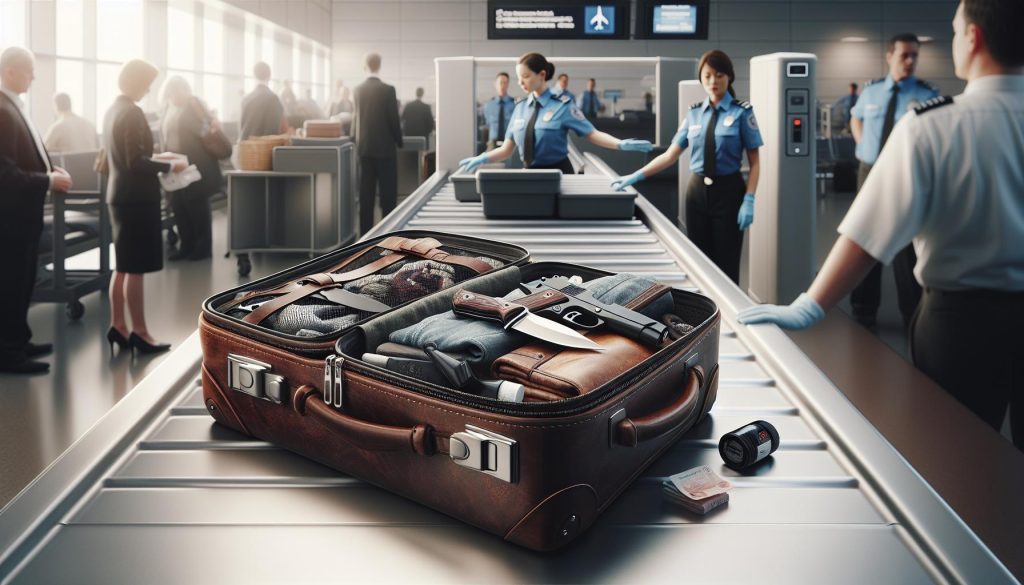
Traveling with a pocket knife can be a topic of confusion, especially when it comes to airport security regulations. Did you know that many travelers unknowingly pack items that could lead to delays or confiscations? Understanding the rules surrounding checked bags is crucial for anyone looking to maintain convenience without sacrificing security. In this article, we’ll delve into whether pocket knives can legally accompany you in checked luggage, clarifying the nuances of airline policies and the Transportation Security Administration (TSA) guidelines. By the end, you’ll gain valuable insights to ensure your travel gear is compliant, allowing you to pack confidently and avoid unnecessary hassles at airport security.
Can You Bring a Pocket Knife in Checked Luggage?
Traveling with a pocket knife can be a contentious issue, particularly within the context of air travel. While many travelers assume that pocket knives should be treated the same way as larger blades, the reality is quite different when it comes to checked luggage. The Transportation Security Administration (TSA) regulations allow pocket knives to be placed in checked bags, giving travelers the freedom to carry these versatile tools during their journeys. However, there are essential guidelines and best practices to consider to ensure compliance and safety.
When packing a pocket knife in checked luggage, it’s crucial to follow a few basic rules. First, ensure that the knife is securely packed to prevent accidental opening during transport. Utilizing a sheath or case can provide added protection for both the knife and your luggage. Additionally, familiarizing yourself with the airline’s specific policies regarding sharp objects can save you from potential hassle at the check-in counter. Notably, while checked bags permit pocket knives, they remain prohibited in carry-on luggage, making it essential to double-check your packing decisions before heading to the airport.
For those who might wonder about the implications of traveling with a pocket knife, there are few concerns as long as you adhere to the guidelines. Be aware that if your checked luggage is lost or mishandled, you could potentially lose your knife, which is worth considering if it’s a prized possession. Moreover, states or countries you are traveling to may have their own restrictions regarding pocket knives, so it’s advisable to do a little research on local laws to avoid unpleasant surprises upon arrival.
Understanding TSA Regulations on Pocket Knives

Traveling with a pocket knife can evoke mixed feelings among frequent flyers, as the rules surrounding such items can often seem unclear or intimidating. The Transportation Security Administration (TSA) has established specific regulations that clarify where and how travelers can carry pocket knives, and understanding these guidelines is crucial for any travel enthusiast. A common misconception is that pocket knives can be included in carry-on luggage, but this is not the case. According to TSA regulations, pocket knives are strictly prohibited in the cabin of the aircraft. However, travelers can securely pack them in checked baggage, which allows them to bring these versatile tools along on trips without violating any security rules.
When preparing to pack a pocket knife in checked baggage, adhere to the TSA’s recommendations to ensure a smooth experience. Utilizing a secure sheath or case is highly advisable, as this will prevent the knife from opening inadvertently during transit, which could lead to potential injury or damage to your belongings. Additionally, it is beneficial to check with your airline prior to your travel date, as each carrier may have additional restrictions or policies regarding sharp objects. Being informed about these stipulations can help you avoid any unexpected issues at the airport.
While traveling with a pocket knife in checked luggage is typically permissible, there are essential considerations to keep in mind:
- Secure Packing: Ensure that the knife is packaged in a way that minimizes the risk of accidental activation.
- Local Laws: Research the knife laws of your destination, as certain states or countries might impose their own restrictions on the possession of pocket knives, even in checked luggage.
- Lost Luggage Concerns: Keep in mind that if your checked baggage is lost or delayed, you may not have access to your knife, which can be particularly frustrating if it’s a valuable tool.
Understanding the TSA’s regulations on pocket knives is pivotal for maintaining safety and compliance while traveling. By following established packing practices and being aware of local laws, you can confidently carry your pocket knife as part of your travel gear, enhancing your outdoor activities and everyday tasks during your journey.
Safety Concerns Around Carrying Pocket Knives
Carrying a pocket knife during travel can present various safety concerns that every traveler should consider. While useful for a range of tasks, the presence of a sharp object in any luggage raises potential risks, particularly during the security screening process. Understanding these safety considerations not only ensures compliance with regulations but also contributes to a safer travel experience overall.
One of the main safety considerations is the secure storage of the knife. Knives should always be stored in a sheath or a protective case when packed in checked luggage. This minimizes the risk of accidental opening and potential injury to baggage handlers or damage to other belongings within the suitcase. For added safety, consider using a knife with a locking mechanism to prevent the blade from inadvertently closing. Travelers should regularly check that their tools are in good condition before packing, avoiding dull blades that can be prone to accidents during use.
Moreover, it is crucial to remain vigilant about local laws regarding knife possession. Different states and countries have varying regulations that could affect your ability to travel with a pocket knife. For instance, in some destinations, even a small folding knife may be illegal, which could lead to legal repercussions. Researching these laws can save travelers from unwanted complications, including fines or, in extreme cases, arrest. Being prepared and informed can significantly alleviate the stress associated with traveling with cutting tools.
Lastly, consider the potential consequences of losing checked baggage. If a suitcase containing your pocket knife is lost, you could find yourself without an essential tool at your destination. This situation might be particularly challenging if you rely on your knife for activities such as camping or cooking. To mitigate this risk, keep important tools in a small carry-on bag if permitted or consider the utility of alternative travel-friendly tools that might serve similar functions without the complications associated with knife travel.
State-Specific Laws on Pocket Knives in Travel
Traveling with a pocket knife can be a practical decision for many outdoor enthusiasts, but navigating the labyrinth of state-specific laws concerning these tools is crucial. Each state in the U.S. has its own regulations regarding the ownership, carry, and transit of knives, which can vary dramatically. For instance, while some states allow the carrying of folding knives with blades under a certain length, others have strict prohibitions even on small pocket knives.
When planning your trip, it’s essential to research the specific laws of both your departure and arrival states. Here are a few common regulations to consider:
- Length Restrictions: Some states impose limits on the blade length for knives carried in public, often ranging from 2 to 5 inches.
- Type of Knife: Certain states differentiate between types of knives. Switchblades, for example, may be illegal in some jurisdictions, while folding knives are permitted.
- Concealed Carry Laws: Carrying a knife concealed can lead to legal issues in some areas. Always check local laws to ensure compliance.
- Local Variations: Cities and municipalities may have their own regulations, which can be stricter than state laws. Always check for local ordinances, especially in major urban centers.
Staying informed not only protects you from potentially serious legal consequences, such as fines or arrest, but it also helps preserve a smoother travel experience. For example, if you are passing through states with varying knife laws, consider carrying a less controversial alternative or leave your pocket knife at home altogether when entering areas with strict regulations. Making these small adjustments can save you time and hassle during security checks and while navigating local laws, ensuring that your adventure remains as enjoyable and stress-free as possible.
What Types of Knives Are Allowed?
When traveling, knowing which types of knives are permitted can save you from unnecessary hassles at airport security. Generally, the Transportation Security Administration (TSA) has clear guidelines regarding what can be brought through check-in and carry-on baggage. For checked luggage, the restrictions are less stringent, allowing you to pack a wider variety of knives, provided they are securely sheathed or wrapped to prevent accidental injuries to baggage handlers.
Here’s a breakdown of knife types typically allowed in checked luggage:
- Fixed-Blade Knives: These knives, which have a blade that does not fold into the handle, are usually permitted. However, they should be securely stored in a sheath to protect both the knife and other items in your luggage.
- Folding Knives: Folding knives with a lock mechanism are generally acceptable in checked bags. However, always ensure that the blade is completely folded to minimize risk.
- Multi-Tools: Tools such as Swiss Army knives are allowed in checked luggage but may attract scrutiny if they have any blade or sharp object. Ensure that these items are also stored safely.
- Types to Avoid: Knives considered illegal or dangerous, including switchblades and other automatic knives, are typically prohibited in both checked and carry-on baggage.
While packing your knives, remember that airport security has the final say. It’s wise to check for any additional regulations specific to your airline or the airport you are traveling through. Furthermore, consider the state laws at your departure and arrival locations, as they may impose further restrictions. A well-informed traveler who understands these guidelines can navigate airport security with confidence, ensuring that their gear remains intact and ready for use upon arrival at their destination.
Packing Tips for Traveling with Knives
When packing knives for air travel, thoughtful preparation can mitigate potential hassles at the airport. A common misconception is that any knife, including pocket knives, is hazardous when it comes to security checks. However, the Transportation Security Administration (TSA) allows most knives in checked luggage, provided they are packed securely. To ensure a smooth travel experience, consider these practical packing tips.
Firstly, always wrap or sheath your knife before placing it in your checked bag. Using a protective case or a sheath not only complies with TSA guidelines but also prevents accidental injuries to baggage handlers. Moreover, consider separating your knives from other items in your suitcase. A dedicated compartment or padded pouch can help avoid any unnecessary scratches or damage to both the knife and your belongings.
Organizing Your Gear
When packing, it’s beneficial to keep your gear organized. Clearly label the bag or compartment where knives are stored, which can expedite security inspections and help you quickly locate your items upon arrival. If you are traveling with multiple knives, make a checklist so that nothing is left behind.
Another smart strategy is to understand the travel regulations of your destination state or country. Some locations have specific laws regarding the types of knives that can be carried, including size restrictions. Before traveling, research these rules to avoid potential legal issues. A handy resource for this information is state-specific firearm and weapon laws websites.
Lastly, consider alternatives to standard pocket knives that may be more travel-friendly. Tools like the Swiss Army knife or multi-tools often come with additional features while remaining compliant with TSA regulations in checked luggage. These versatile tools can serve multiple functions without raising red flags during inspections.
By following these packing strategies, you can ensure that your knives travel securely and are readily accessible when you reach your destination, allowing for a hassle-free experience both through airport security and upon arrival.
Consequences of Violating Airport Security Rules
Ignoring airport security regulations can lead to serious consequences, ranging from missed flights to criminal charges. When it comes to carrying pocket knives, understanding the ramifications of violating TSA rules becomes crucial for any traveler. If a pocket knife or similar prohibited item is discovered during a security check, the first outcome is often confiscation. While this may seem like a minor inconvenience, losing a beloved or valuable knife can be disheartening, especially for those who view it as an essential tool or keepsake.
Moreover, the situation can escalate from mere confiscation to potential fines or even more severe legal repercussions. Depending on the jurisdiction and the specific offense, travelers may face hefty fines for violating security protocols. For example, carrying a knife on a plane can result in fines that vary widely – often from hundreds to thousands of dollars. Adding to this, repeating offenses or attempting to bring banned items onto a flight can lead to a more significant legal review or a ban from flying entirely.
Preventative Measures
Understanding the rules is the best way to prevent such consequences. Always confirm that your knife complies with TSA guidelines before packing, especially when traveling to multiple destinations with varying regulations. Keep a lookout for updates on TSA policies, as these can change based on security assessments and other factors.
Lastly, consider alternatives to pocket knives that serve similar functions without the risks. Tools such as multi-tools or other everyday carry items may provide the utility you need without breaching security rules.
In summary, violating airport security rules regarding pocket knives can yield far-reaching consequences. Being informed and prepared allows you to avoid these pitfalls, ensuring a smoother, worry-free travel experience.
Alternatives to Pocket Knives for Travelers
Traveling with a pocket knife can lead to extensive complications, especially with TSA regulations in place that often lead to confiscation and fines. Fortunately, there are several alternatives that can serve similar purposes without straying into the realm of prohibited items. Not only do these alternatives provide functionality, but they also keep you compliant with airport security protocols, ensuring a smoother travel experience.
One of the best substitutes for a pocket knife is a multi-tool. These handy devices pack a variety of functions, including pliers, screwdrivers, and bottle openers, into a compact design. Brands like Leatherman and Gerber offer models that are lightweight and travel-friendly, allowing you to tackle everyday tasks while maintaining compliance with TSA rules, as long as they don’t contain a blade longer than the regulated size. Multi-tools can also be a conversation starter among fellow travelers who appreciate practical design.
If you’re looking for something even more streamlined, consider utility knives or box cutters. Many modern versions allow for quick blade changes, making them perfect for cutting tasks without the bulk of full-size knives. These tools often have retractable blades, adding an extra layer of safety when packing them. Just make sure to verify local laws where you are traveling, as regulations can vary by state or country.
Another popular option is scissors. TSA permits scissors with blades shorter than four inches on a plane, making them a practical choice for those who need cutting tools. Small, folding scissors can be easily packed away in your luggage without risking non-compliance.
For those who prioritize minimalist travel, EDC (Everyday Carry) items like keychain tools or small, credit card-sized tools can provide necessary functionalities without the heft of a traditional pocket knife. These items often include screwdrivers, bottle openers, and even small knives in a compact form that fits in your wallet or on your keyring.
In summary, while pocket knives might be appealing for their versatility, plenty of alternatives exist that align with TSA regulations and enhance your travel experience. The key is to think creatively about the tools you may need and to ensure they meet both security requirements and your functional needs. By exploring these options, you can travel confidently and without the worry of any potential complications at airport security.
Travel Hacks: EDC (Everyday Carry) without Knives
When packing for travel, finding effective alternatives to pocket knives can significantly enhance your journey while ensuring you stay within TSA regulations. Everyday Carry (EDC) items provide excellent functionality without the complications that come with carrying a knife. By incorporating versatile tools into your EDC kit, you can address a variety of everyday tasks with ease.
One of the top choices for EDC is a multi-tool. These compact gadgets combine several useful functions in one device, including pliers, screwdrivers, can openers, and more. Brands like Leatherman and Gerber create models that are lightweight and easy to carry, making them excellent travel companions. Before selecting a multi-tool, check that it does not contain any blades longer than TSA regulations allow, ensuring compliance while still providing versatility.
Another convenient alternative is a set of scissors. Scissors with blades shorter than four inches are permitted by the TSA, making them suitable for tackling simple cutting tasks such as opening packages or trimming loose threads. Opt for small, folding scissors that can be neatly tucked into your backpack or carry-on for hassle-free access.
For those who prioritize minimalism, consider keychain tools or credit card-sized gadgets. These compact wonders often feature an array of functions, from screwdrivers and bottle openers to small cutters, all fitting into a convenient size that can be carried anywhere. This approach not only saves space but also enhances convenience, allowing you to handle various situations without carrying bulky tools.
Lastly, utility knives and box cutters also serve well as EDC items. Many modern utility knives feature retractable or replaceable blades, making them a safe choice for travel. Just remember that any cutting tools must comply with local regulations, so always check the laws of your destination.
By choosing the right EDC tools, travelers can smoothly navigate their journeys without the stress of carrying prohibited items like pocket knives. These alternatives deliver the same efficacy and ease, ensuring that you can address emergency situations or daily tasks while remaining compliant with airport security rules. Embrace these innovative solutions to enhance your travel experience and promote peace of mind on your adventures.
Comparing Pocket Knives and Multi-Tools for Travel
When it comes to travel gear, the debate over whether to carry a pocket knife or a multi-tool often centers on convenience and versatility. Understanding the distinct advantages each option brings can help make an informed decision in the context of airport security regulations, particularly regarding their presence in checked bags.
Pocket knives are streamlined and typically feature a single or a few blades along with basic tools, making them easy to use and carry. They have a rich history and are often crafted with craftsmanship in mind, appealing to those who appreciate both form and function. Their compact size allows them to be easily stowed in a pocket or bag, but they can sometimes be limited in capability-most pocket knives lack the array of tools found in multi-tools.
On the other hand, multi-tools offer a broader spectrum of functionalities packed into a single device. These handy gadgets often include various tools such as pliers, screwdrivers, can openers, and even file blades. This makes them incredibly versatile for multiple tasks while traveling, whether you’re camping, hiking, or simply need to fix something on the go. The downside? Some multi-tools can be bulkier than pocket knives, which might deter those who prioritize minimalism in their travel kits.
Ultimately, choosing between a pocket knife and a multi-tool can also depend on your specific needs and travel plans. If you foresee needing extra tools beyond just cutting, a multi-tool may be the clear winner. Conversely, if you prefer the simplicity and aesthetic of a sleek pocket knife for basic tasks, then it may serve you better. Regardless of your choice, always ensure compliance with TSA and local regulations regarding the types of blades and tools you are carrying to avoid potential confiscation at checkpoints.
Real-Life Experiences: Pocket Knife Travel Stories
Traveling with a pocket knife can lead to some interesting stories, often filled with unexpected twists and learned lessons. Many travelers have shared accounts of how their trusty blade saved the day or, conversely, how it caused an unplanned adventure at the airport. For instance, one seasoned backpacker recounted a trip where his pocket knife was not only a tool for opening packages and preparing meals in the wild but also served as an icebreaker, sparking conversations with fellow hikers and travelers. However, the excitement turned sour when he almost forgot to include it in his checked luggage during a return flight, nearly risking a lengthy delay while he rummaged through his bag to ensure compliance with TSA regulations.
Another traveler shared a story about how he relied on his knife during an impromptu camping trip. After a long day of hiking, he found himself needing to cut some rope for a makeshift shelter. The pocket knife was indispensable, allowing him to set up camp quickly and safely. He had carefully packed it in his checked bag, knowing it would be prohibited in his carry-on. This experience reinforced the importance of packing properly and respecting airport security rules to avoid unnecessary hassles.
On the flip side, there are moments when carrying a pocket knife leads to minor mishaps. A frequent flyer shared her experience of being flagged at security for carrying a multi-tool instead of a traditional pocket knife in her carry-on luggage. Despite her best efforts to fit within the rules, she had to make a hasty decision to either toss it or check her bag, leaving her without a crucial tool for her weekend excursion. This incident illuminated the necessity of understanding the specifics around what is allowed, especially when transitioning between states with differing knife laws and airport regulations.
These real-life experiences underscore a vital principle for all travelers-always double-check the regulations regarding carry-on and checked luggage items, particularly when it involves tools like pocket knives. Having a few practical tips in your back pocket can save time and stress:
- Research local laws: Knife regulations can vary widely by state; know the rules of your destination.
- Pack smart: Always place your pocket knife in your checked luggage before heading to the airport.
- Join conversations: Share your experiences or seek advice from fellow travelers to learn what works best for them.
- Be ready for changes: Security regulations can change, so staying informed can prevent last-minute surprises.
As travelers recount their experiences with pocket knives, it becomes clear that while these tools can be incredibly useful, understanding and adhering to safety regulations is just as crucial for a smooth journey.
Preparing for Airport Security: Essential Tips
When preparing for airport security, being well-informed can significantly ease the process and prevent any last-minute surprises, particularly when it comes to packing tools like pocket knives. It’s crucial to remember that while pocket knives can be extremely useful in various situations, they are subject to strict regulations when flying. Federal regulations prohibit bringing any blades in carry-on luggage, but you can safely pack a pocket knife in your checked bag.
To navigate airport security smoothly, first, always double-check the TSA guidelines regarding knives. The TSA’s official website provides updated information about what items are permitted in both checked and carry-on luggage. In addition, familiarize yourself with the dimensions and weight limits of your airline’s baggage policies to ensure your checked bag meets the necessary criteria. This advance planning helps you avoid unnecessary stress and confusion at the security checkpoint.
Consider creating a packing checklist specifically tailored to your travel needs. Include items you typically carry, such as a pocket knife, and affirm their compliance with TSA regulations before departure. A checklist can keep you organized and provide peace of mind that crucial tools are securely stowed in your checked luggage instead of mistakenly left in your carry-on.
Lastly, arrive at the airport early, allowing ample time to manage any unexpected complications during security screening. Familiarize yourself with the flow of the security process, and maintain an open dialogue with TSA agents if questions arise about what you have packed. By implementing these strategies, you can ensure a hassle-free experience while keeping your travel essentials intact and compliant.
FAQ
Q: Can I pack a pocket knife in my checked luggage?
A: Yes, you can pack a pocket knife in your checked luggage. The TSA allows knives to be stored in checked bags, but they cannot be included in carry-on baggage. For best practices, securely place your knife within your luggage to avoid damage.
Q: Are there size restrictions for knives in checked bags?
A: No specific size restrictions exist for knives in checked luggage as long as they are not included in carry-on items. However, it is wise to check with individual airlines, as they may have their own regulations regarding weaponry and prohibited items.
Q: What types of knives are prohibited in any baggage?
A: Knives with fixed blades, disguised knives, or any weapon that could be considered a threat might be prohibited. Always review the TSA’s official guidelines and your airline’s policies to ensure compliance before traveling.
Q: How do airline policies differ regarding pocket knives?
A: Airline policies can vary, with some airlines adhering strictly to TSA regulations while others may impose additional restrictions. Check your airline’s guidelines regarding weapons and sharp objects in both checked and carry-on baggage.
Q: What should I do if my pocket knife is confiscated?
A: If your pocket knife is confiscated during security screening, you typically will not be able to retrieve it afterward. Consider mailing the knife back to yourself if possible or leave it at home to prevent loss.
Q: Can I travel internationally with a pocket knife in my checked bag?
A: Yes, you can generally travel internationally with a pocket knife in your checked baggage. However, it is essential to check the knife laws of your destination country, as regulations can differ significantly.
Q: Do I need to declare my pocket knife at airport security?
A: No, you do not need to declare your pocket knife when packing it in checked luggage. However, ensure it is securely packed to avoid injury to baggage handlers and damage to other items.
Q: What are some alternatives to pocket knives for air travel?
A: Alternates to pocket knives include multi-tools, which may be TSA-compliant if they do not have a blade longer than 2.36 inches. Consider tools like the Leatherman Micra or similar options that allow for functionality without violating regulations.
To Wrap It Up
As you prepare for your next trip, remember that understanding the rules surrounding pocket knives in checked bags is essential for smooth airport security experiences. Make sure to double-check airline regulations and pack accordingly to avoid any surprises at the checkpoint. If you’re curious about various knife types, check out our guides on Swiss Army knives and karambits for practical insights on everyday carry options. Interested in more travel tips? Explore our resources on legal considerations for travel gear and safety recommendations.
Don’t miss out-sign up for our newsletter to stay updated on the latest in travel and gear selection. Your journey to responsible and confident tool use starts here! Share your thoughts in the comments below or explore our other articles for a deeper understanding. Happy travels!