
As travel becomes more prevalent, packing the right items in your luggage can significantly enhance your journey. One common question arises: Can a pocket knife be packed in checked luggage? Understanding the TSA regulations surrounding this topic is crucial for both avid travelers and casual flyers. Knowing what you can or cannot bring ensures a smoother travel experience and helps avoid unexpected complications at the airport. With pocket knives being versatile tools for outdoor enthusiasts and everyday carry lovers, it’s vital to know how to navigate the rules so you can keep your essential gear. Dive into this guide to discover practical insights and tips that will empower you to pack confidently and responsibly.
Can You Bring a Pocket Knife in Checked Luggage?
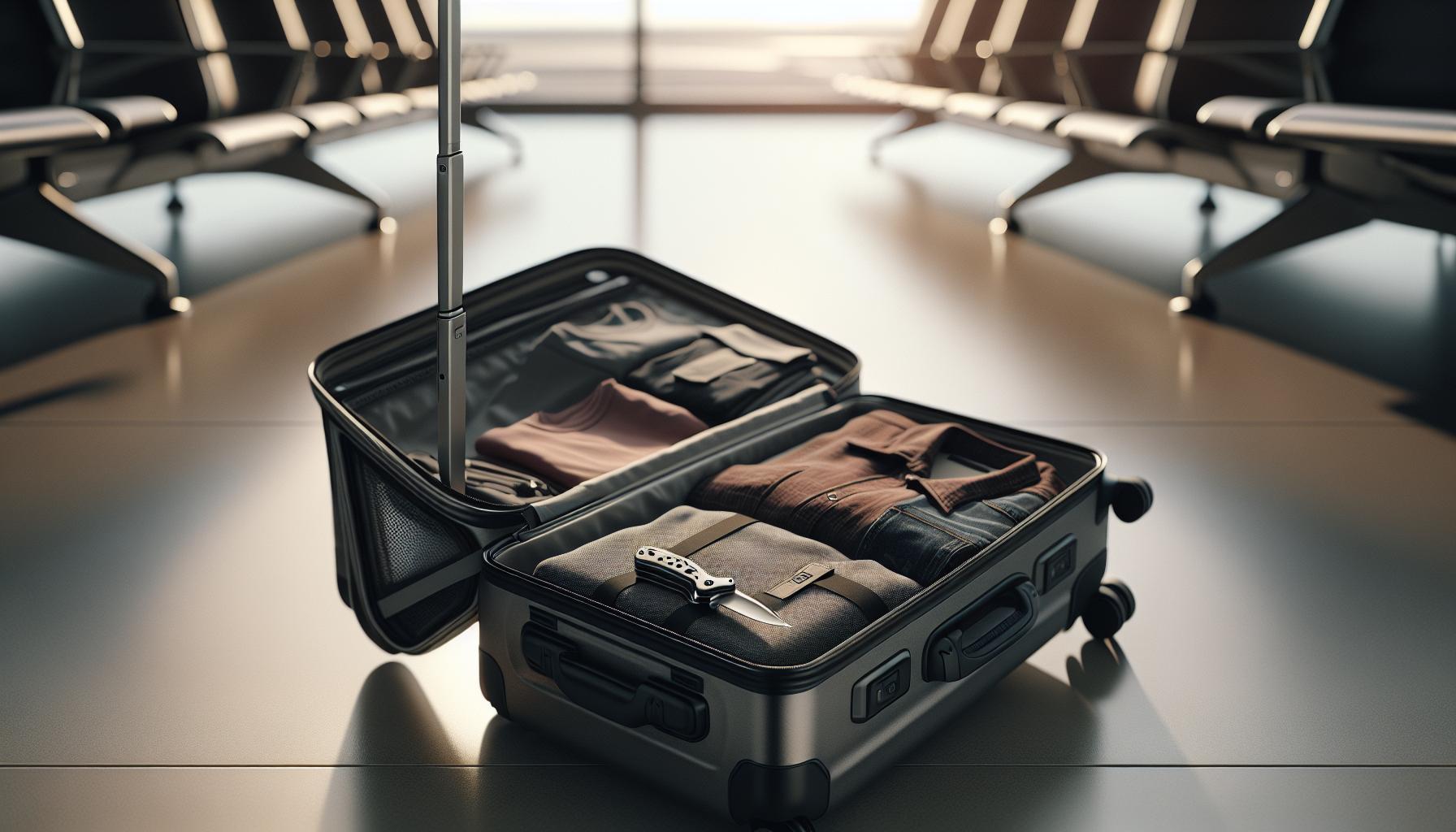
When traveling by air, the regulations around what you can bring in your luggage can often feel overwhelming. A common concern for many travelers is whether a pocket knife can be safely packed in checked luggage. The good news is that you are allowed to bring pocket knives in your checked baggage! This includes a wide variety of knives, such as Swiss Army knives, folding knives, and multitools. However, it is crucial to follow specific guidelines to ensure a smooth travel experience.
While you can pack a pocket knife in checked luggage, it’s important to securely store it to prevent any accidents during handling. Use a protective sheath or case to cover the blade, which not only safeguards the knife but also avoids any potential injuries to baggage handlers. Additionally, make sure the knife is clearly visible in your luggage and easily accessible for inspection if needed, as security personnel may need to check the contents of your bag.
Keep in mind that regulations can vary by airline and destination, so it’s wise to check both the TSA guidelines and your airline’s specific policies before your trip. Although the TSA allows pocket knives in checked luggage, they are strictly prohibited in carry-on bags. Always remember: when in doubt, ask! Checking beforehand can save you the headache of potential confiscation at the airport. Happy travels!
Understanding TSA Regulations on Knives
Traveling with a pocket knife can raise numerous questions, especially when it comes to understanding the specific regulations enforced by the Transportation Security Administration (TSA). As a general rule, the TSA has strict guidelines about what can be brought on airplanes-specifically regarding blades. While many people assume that any knife can be considered a threat, it is essential to recognize the distinctions made between checked baggage and carry-on luggage.
In checked luggage, you are permitted to bring pocket knives, including popular options like Swiss Army knives and folding models. However, there are critical considerations to keep in mind. First, ensure that your knife is safely packed to avoid any accidents during transport. Use a protective sheath or case, and position the knife in a manner that makes it easily identifiable for airport security personnel. This not only helps during inspections but also protects the knife itself from damage while in transit.
It’s also important to be aware that TSA regulations can vary by airline, which can lead to different outcomes based on the carriers you choose. For instance, some airlines may have additional restrictions or specific requirements when it comes to packing bladed tools. Therefore, it’s prudent to review both the TSA’s guidelines and your chosen airline’s policies ahead of time to ensure compliance. By doing so, you can avoid the frustration of having your pocket knife confiscated at the airport and ensure that your travel experience is as smooth as possible.
Lastly, remember that knowledge is your primary tool when navigating TSA regulations. Staying informed not only enhances your travel readiness but allows you to enjoy outdoor activities without fear of being caught off guard by security regulations. A well-prepared traveler is a confident traveler, so take the time to know the rules to carry your favorite tools safely and legally.
How to Pack a Pocket Knife Safely
Packing a pocket knife for airline travel can be an intimidating task, especially with varying regulations and the potential for mishaps. The goal is to ensure that not only does your knife arrive safely at your destination, but it also meets the Transportation Security Administration (TSA) guidelines. When preparing your pocket knife for checked luggage, consider the following practical approaches to secure both your tool and your peace of mind.
Start by investing in a high-quality protective sheath or case specifically designed for knives. This not only safeguards the blade from damage during transport but also enhances safety. Opt for a sheath that covers the entire blade and secures the handle, preventing the knife from shifting around or becoming accessible if the bag is inadvertently opened. Additionally, consider placing the knife within a padded compartment of your luggage. Using a case with padding will absorb any shocks or impacts during handling.
When packing your pocket knife, it’s essential to position it in a way that makes it easy to identify and less likely to raise alarms during security checks. Placing the knife at the top or in a clear, organized section of your bag can facilitate the inspection process. You might also want to label your knife case or indicate its presence within your luggage, making it transparent to security personnel that you’ve adhered to the rules. This proactive approach can prevent delays during security checks and minimize the risk of confusion.
Always remember to double-check your airline’s specific policies regarding bladed tools, as these can differ across carriers. Keep abreast of any updates or changes to TSA regulations as well, since compliance is not just the responsibility of the traveler; it’s crucial for smooth travel experiences. By ensuring that your pocket knife is packed thoughtfully and according to guidelines, you can focus on enjoying your journey without worry.
Differences Between Checked and Carry-On Luggage

When planning airline travel with a pocket knife, understanding the distinctions between checked and carry-on luggage is essential. Each type of luggage has different regulations that can significantly affect what tools and gear you can bring along. For instance, the TSA regulations allow pocket knives to be stowed in checked luggage, whereas they are strictly prohibited in carry-on bags. This distinction stems from safety concerns; items in the cabin are more accessible to passengers, and risks associated with bladed tools are higher.
For checked luggage, airlines typically permit a broader range of items. This means that not only pocket knives but also larger blades or multi-tools can be secured in your suitcase. However, it’s crucial to ensure that these items are packed safely to prevent injury to baggage handlers and to mitigate the risk of damage. Using a protective sheath or a padded compartment will protect the knife and those handling the luggage. Remember that while checked bags have more lenient rules, each airline may have specific guidelines regarding the types of knives allowed, so a quick review of your airline’s policy is advisable before packing.
In contrast, when it comes to carry-on bags, the TSA applies strict limitations. All knives, regardless of size, are prohibited from being taken into the cabin of an aircraft. This includes pocket knives, as they can pose a threat to the safety of passengers and crew in flight. Travelers should be aware of this distinction, especially if they regularly carry a pocket knife for everyday tasks or outdoor activities. To avoid complications and potential confiscation at security checkpoints, it’s wise to stow your knife in checked luggage before arriving at the airport.
Ultimately, being informed about the fundamental can enhance your travel experience, ensuring that you comply with regulations while also being able to carry your gear responsibly. Understanding these guidelines will not only help you enjoy your trip but also minimize stress during security checks and boarding procedures.
Are There Exceptions for Pocket Knives?
When it comes to packing your pocket knife for travel, understanding the nuances of exceptions and regulations can be critical for a smooth journey. While the standard TSA rules clearly prohibit pocket knives in carry-on luggage, travelers may wonder if there are any special cases in which a pocket knife might be allowed in checked bags or under different circumstances.
Generally speaking, pocket knives can be packed in checked luggage without issue, as they are not classified as prohibited items there. However, the exceptions can be nuanced. For instance, specific airlines may impose additional restrictions based on their policies, even when TSA guidelines allow certain items. Therefore, it’s imperative to check your individual airline’s rules regarding knife types and sizes, as some may have stricter limitations for safety or operational reasons.
It’s important to note that even in checked luggage, there are conditions that could lead to confiscation or questions at security checks. For example, if a knife is not properly secured or poses a risk of injury-such as being poorly packed without protection-it can lead to complications during the screening process. To mitigate these risks, ensure your knife is well-packed, ideally in a protective sheath or case, and placed in an area of your luggage that can mitigate shifting during transit.
In summary, while there are generally no specific exceptions preventing the transport of pocket knives in checked luggage, awareness of your airline’s policies and adherence to best packing practices can ensure a hassle-free experience. Always remain vigilant regarding the local laws and regulations of your destination as well, as these can also impact what you can legally possess upon arrival.
Key Factors That Determine Knife Allowance
When preparing to pack a pocket knife in checked luggage, it’s crucial to recognize the myriad of factors that can influence whether you can legally and safely bring your knife along for the journey. In essence, the main determinants are established by TSA regulations, airline policies, and the type and condition of the knife itself. Understanding these elements not only helps in compliance but also enhances your travel experience.
The TSA permits knives in checked baggage, but this does not mean all knives are treated equally. For example, the blade length, type of locking mechanism, and features like serrations may play a role in how a knife is viewed by security personnel. Generally, fixed-blade knives and multi-tools with small blades tend to face fewer restrictions, while larger, more tactical-looking knives may invite scrutiny. Therefore, it’s advisable to carry knives that are clearly designed for practical use-like a Swiss Army knife, which usually blends utility with a non-threatening appearance.
Another significant aspect stems from the specific airline’s regulations, which may be even stricter than TSA guidelines. Each airline has the right to enforce its own set of rules regarding what can and cannot be packed in checked luggage. This means a knife that is perfectly legal under TSA guidelines might still be penalized by an airline’s unique policies. Always check your airline’s website or contact them to ensure your knife is compliant with their regulations, especially if it has features that could be deemed controversial or hazardous.
Finally, safe packing practices can greatly influence the acceptance of your pocket knife in checked luggage. Knives should be secured in a protective case or sheath to prevent accidental injury during handling. Placing the knife in a designated area within your luggage limits its movement which could otherwise raise flags during security inspections. Ultimately, knowledge of the regulations, adherence to airline-specific rules, and proper packing are key factors that ensure you can pack your pocket knife without complications on your travels.
Common Misconceptions About Traveling with Knives

Traveling with knives can often be mired in confusion, leading to several misconceptions that can derail your plans. From the commonly held belief that any knife can be packed in checked luggage to assumptions about what constitutes a “prohibited” blade, understanding the realities behind these myths is essential. A well-known misconception is that simply putting a knife in checked baggage eliminates any risk of it being flagged. In reality, while the TSA allows many types of knives in checked bags, there are still regulations that govern size and type, which can vary by airline and destination.
Another widespread belief is that knives with a specific blade length are universally accepted, but this isn’t straightforward. For instance, while most fixed-blade knives and multi-tools with smaller blades are generally approved, an outward appearance that seems tactical or threatening might still raise red flags during inspections. It’s also a common myth that because a knife is legal in one state or country, it will be deemed acceptable elsewhere. International travel often involves navigating a patchwork of laws where even common pocket knives may be restricted.
Assuming all knives can be safely packed without proper precautions is yet another misunderstanding. Knives should always be packed securely in a protective case or sheath; failing to do so can lead to unintended injuries and could prompt additional scrutiny during baggage checks. Furthermore, some travelers mistakenly believe that minor adjustments or concealments, like placing a knife deep in a bag, will keep it off the radar of security personnel. In fact, not being transparent about what you’re carrying can complicate matters if security needs to open and inspect your luggage.
To navigate the complexities of traveling with pocket knives, familiarize yourself with both TSA guidelines and your specific airline’s policies, as they can differ significantly. Checking regulations well in advance, alongside employing good packing techniques, enhances your travel experience and aligns with safe practices. Countering these misconceptions not only informs your journey but also empowers you to travel confidently with the right tools.
What Happens if You Pack a Prohibited Knife?
Packing a prohibited knife in your checked luggage can lead to a series of unfortunate events, both in terms of your travel experience and possibly legal ramifications. When the Transportation Security Administration (TSA) identifies a prohibited item, they don’t simply overlook it. Instead, they can take several actions that could disrupt your journey.
If a security officer discovers a knife that does not meet the TSA’s guidelines during the screening process, they have the authority to remove the item from your luggage. This might seem straightforward, but the situation can escalate. In some cases, if the knife is deemed potentially dangerous, TSA officers may involve local law enforcement, resulting in delays, fines, or even the possibility of facing criminal charges, depending on the type of knife and local laws.
Even if the knife is removed, travelers may still encounter hassle. This could include delayed flights and re-screening of luggage, which can cause anxious moments as you await the return of your belongings. Moreover, airport officials may not return the confiscated item; many airports have policies to dispose of or destroy prohibited items, leaving you without your gear and possibly out of pocket for a replacement.
To prevent these scenarios, it’s essential to thoroughly research the type of knife you intend to pack. Checking the TSA’s guidelines as well as the specific regulations of your airline can provide clarity. Consider alternatives that comply with both TSA regulations and your personal needs. Packing responsibly and adhering to guidelines is the best way to ensure a smooth travel experience.
Tips for Travelers with Pocket Knives
Packing a pocket knife for travel can often feel like navigating a minefield of regulations, especially when it comes to checking your luggage. Many travelers are unaware that while pocket knives are allowed in checked baggage, there are essential tips and best practices to ensure a hassle-free experience. It’s crucial to stay informed and prepared, as even minor oversights can result in confiscation or delays.
First and foremost, always consult the latest TSA guidelines before your trip. The TSA website offers updates on what is permissible in both checked and carry-on baggage. Since these regulations can change, familiarize yourself with the specific rules regarding the blade length and type of knife. Additionally, check your airline’s specific policies, as some airlines may impose stricter rules than the TSA.
When packing your pocket knife, place it securely in the middle of your checked luggage, surrounded by soft items like clothing. This not only helps to protect the blade but also reduces the chance of accidental punctures or cuts to your luggage. Consider using a protective sheathe or case, as this demonstrates responsible handling of the tool and could make a positive impression if your luggage is inspected.
It’s also vital to be aware of the destination’s local laws regarding pocket knives. While it may be permissible to carry a knife on a plane, local jurisdictions might have restrictions on blade length or specific types of knives altogether. Researching these laws can spare you from potential legal trouble once you land. Keeping a log of the knives you pack and familiarizing yourself with their features-like folding mechanisms or locking systems-can also be beneficial if you need to explain them during security checks.
In summary, being proactive and informed is key to smoothly traveling with a pocket knife. By following the TSA’s regulations, packing securely, and understanding local laws, you can confidently include your trusted bladed tool in your checked luggage without unnecessary worry.
Alternatives to Pocket Knives for Travel
Traveling with tools that can serve multiple purposes is always a smart choice, especially when you want to be compliant with regulations while still being prepared for various situations. If you’re looking for suitable alternatives to pocket knives that can easily pass through security checks and still be handy for daily tasks or adventures, you’ll find several options worth considering.
One popular alternative is the multi-tool. Much like a pocket knife, a multi-tool combines several tools into one compact device. You can find models that include pliers, screwdrivers, scissors, and even can openers, making them great for camping, home repair, or even everyday tasks. For travel, opt for a compact-sized multi-tool that fits comfortably within your luggage yet remains effective for various tasks you might encounter.
Another excellent choice is a utility knife. Designed for precision cutting, these knives typically have retractable blades, which can keep you within the TSA’s guidelines. Just ensure the blade is stored in a safe, non-protruding position within your checked luggage to avoid any mishaps. Safety razors can also serve a similar purpose for cutting tape or binders, providing you with a simple yet practical tool for your travel needs.
Scissors are also a viable alternative and are often overlooked. Travel-safe scissors usually come with rounded tips and short blades under the TSA’s restrictions. They can be versatile for numerous tasks, making them a staple in many travelers’ bags.
Lastly, consider portable screwdriver sets. Compact and lightweight, these are invaluable for assembling or disassembling items you may need to adjust during your travels, such as camera equipment, eyeglasses, or various gadgets.
While you may miss the versatility of a pocket knife, these alternatives offer a range of functionalities while adhering to travel regulations. Always remember to check the specific rules regarding these items, especially as guidelines can vary by airline and destination. With the right preparation, you can travel confidently, equipped with tools that meet both your needs and regulations.
Maintaining Compliance with Travel Regulations
Traveling with tools, particularly pocket knives, requires an understanding of specific regulations to ensure a hassle-free experience. Pocket knives are generally permissible in checked luggage but not in carry-on bags. This distinction is crucial, as failing to comply can lead to confiscation and delays at security checkpoints. Familiarizing yourself with both TSA regulations and airline policies can help prevent unexpected surprises during your travels.
When packing a pocket knife for a trip, consider the blade length and type. While most standard pocket knives are allowed in checked bags, some airlines might impose stricter rules. It’s always prudent to double-check with your airline’s guidelines, as rules can vary significantly. To avoid any issues, securely wrap the knife in protective materials and place it in a sturdy compartment of your checked luggage. This not only safeguards the knife but also ensures it is easily accessible for your use upon arrival.
There are scenarios where exceptions may apply, such as specific regulations for international travel or particular destinations that ban bladed tools entirely. Thus, it’s essential to research the laws of both your departure and arrival locations. Additionally, when considering other items that might raise concern, such as multi-tools or scissors, ensure they adhere to TSA guidelines to maintain compliance.
boils down to being informed and prepared. By respecting the rules and taking necessary precautions when packing, you can enjoy peace of mind throughout your journey. Carrying travel-safe alternatives, like compact multi-tools or blunt-tip scissors, can also provide functionality without the risk of violating TSA rules. By planning ahead and understanding the nuances of travel regulations, you can confidently navigate your adventure with the right tools.
Best Practices for Traveling with Bladed Tools
Traveling with bladed tools, like pocket knives, requires careful consideration to ensure compliance with regulations and safe handling practices. To avoid any issues during your travels, it’s essential to familiarize yourself with both the TSA rules and your specific airline’s policies.
First, always confirm that your pocket knife is securely packed in your checked luggage, as carrying it in your carry-on is prohibited. Consider using a durable, padded case to prevent accidental opening or damage during transit. Additionally, placing the knife in a designated compartment within the luggage can help keep it organized and accessible when you reach your destination.
Another crucial factor is blade length. While most standard pocket knives are permissible, certain jurisdictions may have specific restrictions regarding blade types and sizes. Researching the laws of your departure and arrival locations can save you from unexpected confiscations or legal issues. For instance, knives with blades over a certain length might be banned in certain countries or states, making it imperative to check local regulations prior to your trip.
In some cases, it’s beneficial to choose multi-tools or folding knives with non-locking blades as alternatives, as these may be viewed more leniently by security personnel. Furthermore, consider leaving any bladed tools that are not essential for your trip at home, as the safest option is often to travel with minimal risk.
By integrating these best practices into your travel preparation, you can confidently carry your bladed tools while minimizing the possibility of complications. Understanding the nuances of travel regulations helps not only in ensuring compliance but also in enjoying peace of mind as you embark on your journey.
Frequently Asked Questions
Q: Can you bring a pocket knife in checked luggage?
A: Yes, you can pack a pocket knife in checked luggage when flying. However, it must be securely sheathed or stored to prevent injury to TSA personnel inspecting your bag. Refer to the TSA guidelines for specific regulations regarding knife dimensions and types.
Q: What types of knives are prohibited in checked luggage?
A: While many knife types are allowed in checked luggage, specific items like switchblades, gravity knives, or any knives with a blade length exceeding TSA regulations may be prohibited. Always check the latest TSA guidance before traveling for updates on prohibited items.
Q: How should I pack a pocket knife in my checked luggage?
A: When packing a pocket knife in checked luggage, ensure it is placed in a protective case or sheath to prevent accidental injury. Consider placing it in a hard-sided suitcase for extra protection, and double-check TSA regulations for any special requirements.
Q: Are there any weight restrictions for pocket knives in checked luggage?
A: There are no official weight restrictions specifically for pocket knives in checked luggage, but the overall weight of your luggage must comply with your airline’s policies. Check with your airline for specific guidelines to avoid fees.
Q: What happens if I accidentally pack a prohibited knife?
A: If you accidentally pack a prohibited knife in your checked luggage, TSA may remove it during screening and you may not get it back. It’s essential to be aware of what’s allowed to avoid losing your belongings and possible delays.
Q: Can airlines impose additional restrictions on pocket knives in checked luggage?
A: Yes, airlines can impose additional restrictions on carrying pocket knives in checked luggage. It’s important to check your airline’s policy before you travel, as they may have specific rules that go beyond TSA regulations.
Q: What should travelers know about international flights and pocket knives?
A: For international flights, regulations may vary significantly by country regarding pocket knives in checked luggage. Always verify the destination country’s laws and regulations about carrying knives to ensure compliance.
Q: Are there alternatives to carrying a pocket knife when traveling?
A: Yes, travelers can consider alternatives like multi-tools without blades, scissors under 4 inches, or compact cutting tools designed for travel. These items may be more permissible and still meet your utility needs.
The Way Forward
Packing a pocket knife in your checked luggage can streamline your travel experience, but it’s essential to stay informed about TSA regulations. While permissible, adhering to packing guidelines is crucial for a hassle-free journey. Ready to dive deeper? Explore our comprehensive guides on Swiss Army knives and other everyday carry essentials to optimize your gear selection. Don’t hesitate to sign up for our newsletter for the latest tips on gear maintenance and travel safety.
If you have lingering questions about travel regulations or gear choices, leave a comment below! Your feedback helps us tailor future content to meet your needs. Plus, check out our articles on travel-friendly knives and best practices for packing to keep your adventures stress-free. Your next adventure awaits-make sure you’re prepared!