
In today’s world, equipping your child with the right tools can foster independence and responsibility. However, when it comes to carrying a pocket knife, age laws can vary greatly, creating confusion for parents. Understanding these regulations is crucial to ensure compliance and safety, as they can range from state to state, and even municipality to municipality. This guide delves into the intricacies of pocket knife laws concerning minors, helping parents navigate the legal landscape while empowering children to use this practical tool responsibly. With the right knowledge, you can confidently support your child’s interests in outdoor activities or everyday carry gear, ensuring they are well-informed about the laws affecting them. Join us as we explore what every parent needs to know about minors carrying pocket knives, and ensure that you are making informed decisions for your family’s safety and empowerment.
Can Minors Legally Carry Pocket Knives?
In many areas, minors can legally carry pocket knives, but the laws governing this practice can vary significantly from state to state. The age at which a minor may possess a pocket knife typically depends on local regulations, which can include specific prohibitions based on blade length or type. For example, some states might allow minors to carry knives of certain dimensions while others impose stricter age thresholds or outright bans on minors carrying knives. Understanding these laws is essential for parents considering allowing their children to use or carry knives, as violations can lead to legal repercussions, including fines or confiscation.
Safety should be a priority when introducing a pocket knife to a minor. Parents are encouraged to engage in discussions about the responsibilities and potential dangers associated with knife use. Teaching proper handling techniques, including how to open, close, and store a pocket knife safely, is crucial. Supervising initial uses and reiterating the importance of using the knife for appropriate tasks can significantly enhance safety awareness. Moreover, role-playing different scenarios it might face can help prepare a child for real-world situations they may encounter.
To ensure responsible knife ownership, parents should assess the child’s maturity level and capability. Consider opting for a beginners’ model that is designed specifically for children, which often includes safety features such as rounded tips or blades that are less sharp. There are several brands that cater to younger users, and these models can be excellent teaching tools. Providing children with a safe and manageable option instills confidence in their abilities, allowing them to practice safe knife handling without undue risk.
Overall, while there are avenues for minors to carry pocket knives legally, it is imperative for parents to remain informed about local laws, communicate effectively with their children, and emphasize responsible use. With the right education and oversight, knife skills can contribute positively to a child’s development and self-reliance.
Understanding Age Restrictions on Pocket Knives
Understanding the legal landscape around minors carrying pocket knives can be a daunting task for parents. In many jurisdictions, the rules surrounding age restrictions and pocket knife possession can lead to confusion and potential legal challenges. Some states allow minors to carry pocket knives without issue, while others enforce stringent regulations based on factors like blade length, type of knife, or the minor’s age. For instance, certain states may permit children to carry knives with blades shorter than a particular length, while others may outright prohibit any knife carrying by individuals under a certain age.
It’s crucial for parents to familiarize themselves with their local laws to avoid unintended legal repercussions. Resources such as state statutes, local ordinances, and educational materials from community organizations can provide essential insights into what is permissible. For example, while a nine-year-old might be able to legally carry a foldable knife in one state, that same action may be illegal in another. This can lead to unnecessary fines, confiscation of knives, or, in more severe cases, juvenile charges.
Additionally, understanding age restrictions is not just about legality; it’s also about ensuring that the child possesses the maturity and responsibility needed for safe knife use. Engaging in open conversations about these laws can help children appreciate the importance of adhering to them, fostering a sense of accountability. Moreover, parents should consider discussing with their children why these laws exist-primarily to safeguard them and others from potential harm.
When assessing whether a minor is ready to own a pocket knife, parents should look beyond legal age limits and evaluate their child’s maturity and the setting in which they will use the knife. This holistic approach will not only help in adhering to laws but will also encourage responsible tool use, ultimately empowering the child in their everyday activities.
State-by-State Laws: What Parents Should Know
Understanding the laws surrounding minors carrying pocket knives can be a complex but essential task for parents. As laws can vary significantly from one state to another, it’s vital to be informed about local regulations to avoid potential legal issues. In some states, children may carry pocket knives freely, whereas others impose strict regulations based on factors like blade length or the minor’s age. For example, in states like Texas, minors are generally allowed to possess pocket knives, provided the blade length is under a specific measurement. In contrast, California has more stringent restrictions, where even the shape and type of the knife can affect legality.
To make this clearer, here’s a simplified overview of what parents should consider regarding state laws:
- Blade Length: Many states have different legal length limits for blades that minors can carry. Familiarize yourself with your state’s regulations.
- Type of Knife: Some states differentiate between folding knives and fixed-blade knives, leading to varying legal allowances.
- Local Ordinances: Even within a state, local municipalities may have their own rules regarding knife possession, so check city-specific regulations.
- Maturity and Responsibility: Beyond legal age limits, consider if your child has the maturity and understanding to handle a pocket knife safely.
Parents can also consult resources like state statutes or local law enforcement for additional clarity. Engaging in discussions about the reasons behind these laws can help instill a sense of responsibility in children and prepare them for responsible ownership. Overall, being proactive in understanding these legal frameworks is essential for preventing unintended consequences while also promoting safe knife practices among minors.
Safety First: Teaching Responsible Knife Use
Teaching youngsters how to handle a knife safely can impart not only essential life skills but also foster responsibility. Pocket knives are versatile tools, enabling tasks from simple opening packages to performing essential outdoor tasks. Emphasizing the importance of safety, parents can cultivate a healthy understanding of what it means to own and carry such a tool. Start by instilling a respect for the knife’s purpose – it’s a tool, not a toy.
A practical approach begins with setting clear rules about when and how to use a pocket knife. Children should be encouraged to use their knives only in suitable environments, away from people and pets, to minimize accidents. Introduce them to the concept of risk management; for instance, demonstrate proper techniques for cutting away from their body and securing the knife when not in use. Discuss the significance of maintaining a clean and sharp blade, as a dull knife can be more dangerous than a sharp one due to the increased force needed to cut.
Regular Practice and Supervision
Regular practice under supervision can significantly enhance a child’s knife-handling skills. Start with simple tasks like whittling sticks or preparing food, expressing the importance of focus while handling a knife. Use these opportunities to discuss safe storage practices when not in use, emphasizing that knives should be secured and out of the reach of younger siblings. Establishing a routine creates familiarity and reinforces safe handling practices.
Moreover, share stories or examples of responsible knife use in outdoor activities, encouraging your child to appreciate how a knife can be a valuable ally in situations like camping or hiking. This perspective not only buttresses their skills but also cultivates a profound respect for the tool, helping them see their pocket knife as a responsible instrument rather than a weapon. By fostering a culture of safety and respect for knives from an early age, you can help ensure that your child grows into a knowledgeable and responsible knife owner.
Resources for Responsible Knife Use
Encourage your child to explore additional resources for safe knife handling, such as instructional videos or outdoor survival guides. You might consider enrolling them in workshops where they can learn from experienced mentors. Providing a supportive environment that encourages questions and discussions about safety can empower children to become confident and responsible users of pocket knives. This balanced approach not only mitigates risks but also enhances their overall outdoor experience.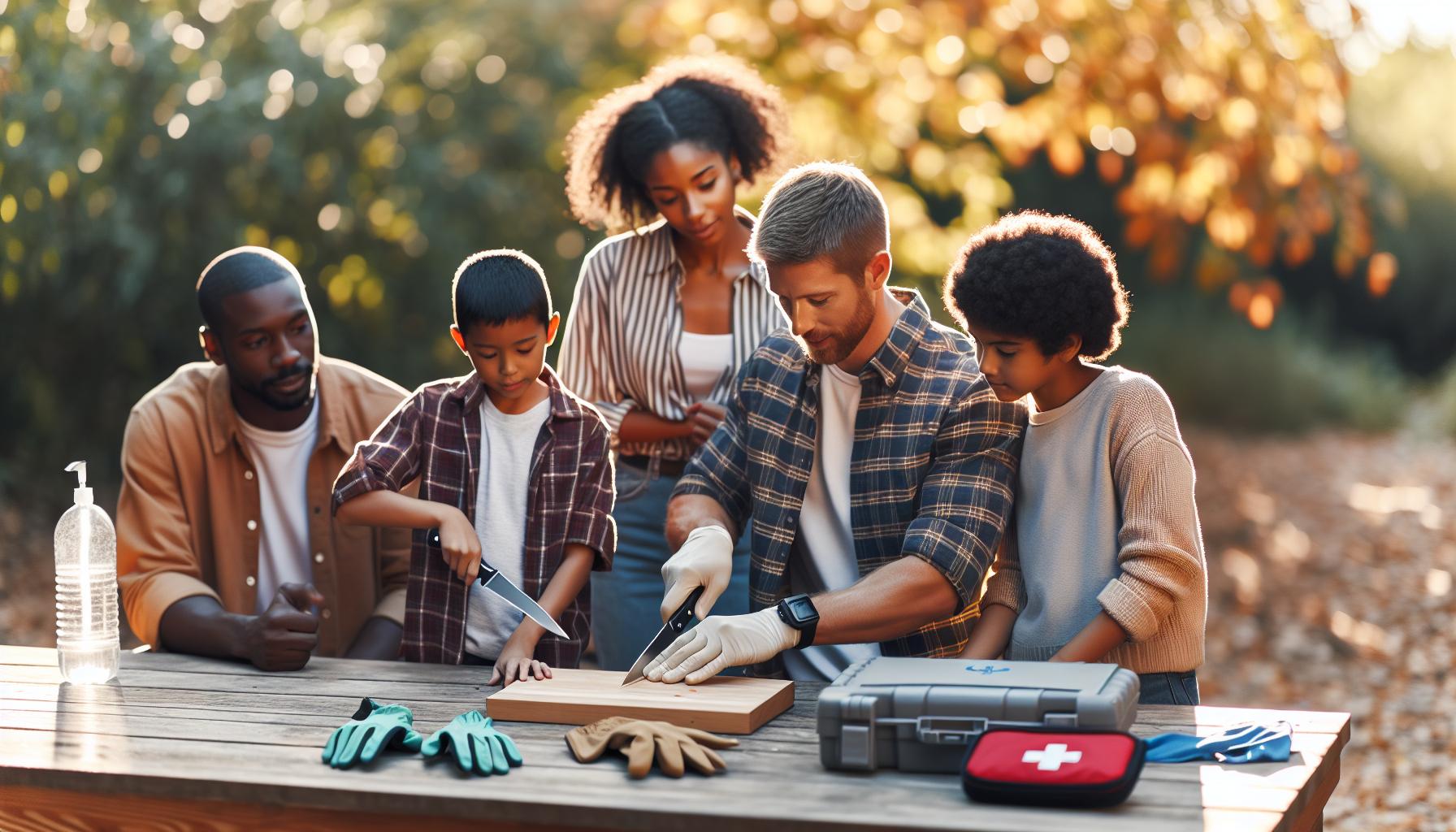
Pocket Knives vs. Other Types of Knives: Key Differences
When it comes to understanding the world of knives, pocket knives stand out as compact, multifunctional tools specifically designed for everyday tasks. They differ significantly from other types of knives in design, usage, and legal implications, particularly for minors. Pocket knives, often foldable, typically feature a blade that integrates seamlessly into the handle, making them safe and convenient for storage and transport. Their versatility allows them to perform various tasks such as opening packages, or even participating in recreational activities like camping or fishing.
In contrast, tasks appropriate for larger or fixed-blade knives, such as hunting knives or survival knives, often involve more specialized and potentially dangerous uses. Fixed-blade knives typically offer more durability and stability for heavy-duty tasks, making them less suitable for children and teens who might not yet have the skills or maturity to handle them responsibly. This distinction becomes crucial when considering the age restrictions surrounding knife ownership and use, as many states impose stricter regulations on fixed-blade and larger knives than on pocket knives.
Moreover, safety is a paramount concern. Pocket knives can often be equipped with safety features, like thumb studs or locking mechanisms, which make them easier and safer for younger users to operate. Teaching responsible use of these safety features is essential, as improper handling of bigger knives can lead to serious injuries. Thus, parents should evaluate the type of knife based on not only its intended use but also the maturity level of their child, as well as the legal environment that contextualizes knife ownership.
Ultimately, understanding these differences is key for parents considering whether to allow their child to carry a pocket knife. By choosing the right type for their child’s skill level and ensuring adherence to local laws, parents can help their children enjoy the practicality of pocket knives while promoting responsible and safe use.
Choosing the Right Pocket Knife for Your Child
is not just about style or brand; it’s about finding a tool that meshes with their age, maturity, and intended use. Pocket knives can be incredibly useful for various activities, from simple tasks around the house to outdoor adventures. However, selecting one that suits your child’s capabilities is essential for teaching responsibility and ensuring safety.
First and foremost, consider the blade length. Many states have laws governing the maximum blade length that minors can carry, so it’s critical to check local regulations. Opting for a knife with a blade length of three inches or less is often a safer choice that complies with many state laws. Additionally, look for knives that feature locking mechanisms or are designed with safety in mind, as these features minimize the risk of accidents significantly.
Another important consideration is the knife’s design and functionality. A Swiss Army knife offers multiple tools in one compact unit, making it a fantastic option for beginners. They usually include various practical implements such as screwdrivers, can openers, and scissors, along with a small blade. This versatility not only makes the knife more useful but also encourages your child to learn safe tool use in a variety of scenarios. Alternatively, you may choose a foldable knife with a simple single-blade design, ensuring that it isn’t too complicated for them to use.
Moreover, involving your child in the selection process can foster a sense of ownership and responsibility. Allow them to handle different knives in a safe environment to see which one feels comfortable for them. Educating them on the importance of proper maintenance, such as regular cleaning and safely folding the blade, sets a standard for responsible ownership. By considering factors such as safety features, blade length, and functionality, you can choose a pocket knife that not only meets legal requirements but also enriches your child’s experience in learning and outdoor activities.
Educational Resources for Safe Knife Handling
Understanding knife handling is crucial for ensuring the safety of young users and those around them. A wealth of educational resources is available to help teach children how to use pocket knives correctly and responsibly. From online tutorials to structured classes, providing these learning tools can make a significant difference in a child’s comfort and competence when handling knives.
First, parents can utilize reputable websites that offer comprehensive guides on knife safety and handling techniques. Organizations like the Boy Scouts of America and 4-H provide age-appropriate resources that cover everything from the basics of knife care to advanced skills for using pocket knives safely. Many of these resources include interactive elements such as videos, quizzes, and diagrams to reinforce learning and engage children actively.
Additionally, consider enrolling your child in local workshops or classes offered by community centers or outdoor clubs. Many programs focus on outdoor skills, including safe knife usage, wilderness survival, and first-aid skills. These environments can provide hands-on experience, supervised practice, and valuable feedback from experienced instructors. Encourage your child to ask questions and participate actively in these sessions, as this engagement fosters a deeper understanding of the responsibilities that come with knife ownership.
Finally, establishing open communication at home is essential. Engaging in discussions about knife safety, the importance of respect for tools, and sharing personal stories of experiences can help reinforce lessons learned from external resources. This proactive approach not only equips your child with knowledge but also nurtures a sense of responsibility and maturity, ensuring they understand the significance of handling pocket knives safely.
Traveling with a Minor and Their Pocket Knife
Traveling with a minor who carries a pocket knife can be both an exciting opportunity for adventure and a source of concern for parents. Navigating the varying laws and regulations around carrying pocket knives is essential, as these can differ significantly from one jurisdiction to another. Before embarking on your journey, it’s crucial to confirm whether the location you are traveling to (or through) allows minors to carry pocket knives. Not only can this help prevent any legal issues, but it also provides an opportunity to teach your child about responsible knife ownership and the importance of adhering to local laws.
When packing for your trip, consider the specific purpose of the pocket knife. If your child will be using it for outdoor activities such as camping or hiking, a multi-tool or a knife with safety features might be appropriate. In contrast, if the trip is more urban, it might be wise to opt for a less conspicuous tool or even leave it at home. Always review the rules of any transportation service you will be using, including air and rail travel, as many have strict policies regarding carrying knives. While TSA regulations allow pocket knives in checked baggage, they are generally prohibited in carry-on luggage, which could result in confiscation.
In addition to understanding the legal aspects, it’s also necessary to prioritize safety during travel. Before hitting the road or taking to the skies, engage your child in discussions about why carrying a knife requires respect and responsibility. Emphasize procedures for safely handling and securing the knife in public settings, such as when entering a security checkpoint or interacting with strangers. Remind them to keep the knife stored away when not in use and to avoid displaying it unnecessarily-the importance of being considerate cannot be overstated.
Finally, if your child encounters law enforcement while traveling, ensure they understand the proper steps to take. Teach them to be respectful and to clearly explain the circumstances surrounding their possession of the knife. A calm approach can help alleviate tense situations. By preparing your child with both knowledge and practical skills, you lay the groundwork for a safer, more enjoyable experience while nurturing their confidence and sense of accountability.
Tips to Encourage Safe Everyday Carry Practices
To foster responsible habits around pocket knife use, it’s essential to start with the basics of safe everyday carry. Children should be educated on the significance of their pocket knife, not just as a tool but as a responsibility that comes with certain expectations. Engaging them in discussions about when and where it’s appropriate to use their knife helps cultivate a sense of accountability. Remind your child that a pocket knife should be used only for its intended purposes, such as opening packages, crafting, or during outdoor activities. Explaining the potential dangers can set a foundation for respect towards both the knife and those around them.
Establishing a designated carry spot for the pocket knife can also be beneficial. Encourage your child to always keep the knife in a specific location-such as a particular pocket in their backpack or on their belt-to promote consistent safe storage. This practice not only helps in remembering where it is but also in ensuring it’s not taken out without a valid reason. Reinforcing the importance of keeping the knife out of reach when it’s not in use will create a safer environment and reduce the chance of accidental injuries.
Additionally, teaching your child about the legal aspects of carrying a knife in various settings is crucial. Making them aware of the rules governing pocket knife carry in your area and in places they might visit educates them on the concept of situational awareness. This can include understanding whether their knife can be carried in public spaces, such as schools or parks, and knowing the distinction between legal and illegal knife types. A good practice is to review and discuss local laws together, which can help demystify any uncertainty.
Lastly, instilling procedures for what to do in situations involving law enforcement will empower your child. Teach them to remain calm, be polite, and clearly explain their reason for carrying the knife. Role-playing these scenarios can help them understand the importance of communication and help mitigate any potential issues. By equipping your child with both knowledge and practical skills regarding safe everyday carry of a pocket knife, you are not only preparing them for responsible ownership but also fostering a sense of maturity and consideration for their surroundings.
What to Do If You’re Stopped by Law Enforcement
If a minor is stopped by law enforcement while carrying a pocket knife, it can be a tense situation. Navigating this encounter requires poise, understanding of legal rights, and effective communication to alleviate misunderstandings. When stopped, the minor should first remain calm. Panic can escalate the situation, so taking deep breaths and maintaining a respectful demeanor is crucial. It’s important to remember that the officer is doing their job, and responding with composure can help de-escalate any potential tension.
Upon being stopped, the minor should greet the officer politely and wait for them to ask questions. It’s essential to be concise when responding. If asked about the pocket knife, the minor should clearly explain the reason for carrying it, whether for practical uses like camping or school projects. Honesty is key here; lying or evading the question can complicate the interaction. In discussions, if the officer inquires whether they know the laws about carrying a knife, a simple acknowledgment of understanding the laws-like it’s legal in certain contexts-can demonstrate their awareness and responsibility.
In some cases, the officer might ask for permission to inspect the knife. It’s helpful for the minor to know that they can politely agree or decline. If they choose to agree, they should hand the knife over carefully, ensuring it’s always pointed away from people. This action reinforces their respect for safety protocols. However, if they decline, they must do so respectfully, asserting their right to keep it discreet while complying with any ongoing law enforcement instructions.
Finally, it’s beneficial for minors to discuss the event afterward with a trusted adult. This conversation can illuminate any legal implications or lessons learned. Practicing these communication strategies not only prepares them for potential interactions with law enforcement but also builds their confidence in being responsible and informed carryers of their pocket knives.
Signs Your Child Is Ready for a Pocket Knife
Determining if a child is ready for their first pocket knife can be both exciting and daunting for parents. It requires careful consideration of a child’s maturity, responsibility, and understanding of safety. One clear sign that a child may be ready to handle a pocket knife is their ability to follow instructions consistently. If they demonstrate reliability in task completion, such as packing their school bag or completing chores without reminders, it indicates a level of responsibility that’s essential for knife ownership.
Another crucial aspect to assess is the child’s understanding of safety rules. It’s important they can articulate why safety is paramount when handling sharp tools. Engaging them in discussions about knife safety, including how to properly use, carry, and store a knife, can be revealing. If they show enthusiasm and comprehension during these conversations, it’s a good signal that they might be ready for their own pocket knife.
The child’s ability to demonstrate respect for the tool itself is also telling. A child who treats their belongings with care-whether it’s a toy or a tool-displays the mindset needed for knife ownership. Additionally, observing them during outdoor activities, like camping or hiking, where they might need to use a knife for cutting rope or food preparation, can provide real-world insights into their readiness. If they naturally apply caution and judgment in these contexts, they may be ready for that next step.
Finally, assessing their interest in learning and understanding more about knives, perhaps via responsible role models, books, or supervised experiences, can greatly empower them. An engaged child is often better prepared to take on the responsibility that comes with owning a pocket knife. The combination of maturity, safety knowledge, respect for tools, and enthusiasm for learning are key indicators that may suggest it’s time to make that transition.
Engaging Your Child in Responsible Knife Ownership
Instilling a sense of responsibility in children regarding knife ownership can be both an enlightening and empowering experience. When parents thoughtfully engage their children in this process, they not only equip them with practical skills for handling tools but also foster essential values such as caution and respect for safety. To promote responsible knife ownership, it’s vital to start with open conversations. Discuss the significance of knives, their functionalities, and the potential risks involved with mishandling them. Children who understand these concepts are more likely to appreciate the importance of using tools responsibly.
One effective strategy is to establish hands-on learning opportunities. When introducing a child to a pocket knife, consider starting with easy-to-manage, safety-oriented tools designed for beginners. Supervised sessions where they can practice basic cutting tasks-such as slicing fruit or carving soft materials-will not only build their confidence but also reinforce safe handling techniques. Furthermore, while using the knife, parents should highlight specific safety measures, such as the importance of maintaining a clean workspace, using the knife for its intended purpose, and always cutting away from their body.
Additionally, engaging with educational resources can greatly enhance a child’s understanding of safe knife practices. Books, instructional videos, and even workshops led by skilled craftsmen can provide valuable insights. Encourage your child to share their knowledge with peers, promoting an understanding of safe knife handling in their social circles. This reinforces their learning while empowering them to be advocates for safety among friends.
Finally, cultivating a culture of respect for tools can further guide children toward responsible ownership. Encourage them to care for their blade by cleaning and maintaining it properly after each use. Discuss the various components of their knife and the importance of respecting its edges and functionality. By developing these habits, children learn to appreciate their tools and the responsibilities that accompany them. Through consistent engagement in discussions, hands-on practice, and respect for their tools, parents can effectively foster a sense of responsibility in their children, ensuring they not only understand how to use a pocket knife but also how to do so safely and responsibly.
Faq
Q: What age can a minor legally carry a pocket knife?
A: The legal age for a minor to carry a pocket knife varies by state. In many places, minors under 18 can carry certain types of pocket knives, but restrictions often apply. Parents should review local laws for specifics regarding age and knife type to ensure compliance.
Q: Are there restrictions on the size of a pocket knife for minors?
A: Yes, many states have specific size restrictions for pocket knives that minors can carry. These laws often limit blade length and type to ensure safety. It’s essential to check local regulations to understand the maximum allowable size.
Q: What types of pocket knives are suitable for children?
A: Suitable pocket knives for children often include those with folding blades under 3 inches and safety features like a locking mechanism. Models specifically designed for kids, like training knives or those with rounded tips, promote safe usage.
Q: How can parents teach their children to use pocket knives safely?
A: Parents can teach safe pocket knife use by starting with proper handling techniques, practicing in a controlled environment, and discussing the importance of respecting local laws. Encourage regular discussions about safety practices to reinforce responsible use.
Q: What should I do if my child is stopped by law enforcement while carrying a pocket knife?
A: If your child is stopped by law enforcement, they should remain calm, show respect, and inform the officer that they have a pocket knife. Parents should also discuss the importance of understanding legal rights and the correct way to handle such situations.
Q: Can a minor carry a pocket knife on school grounds?
A: Generally, most schools prohibit students from carrying pocket knives on campus, regardless of state laws. Parents should familiarize themselves with school policies and ensure their child understands these rules to avoid potential disciplinary action.
Q: What are the legal consequences for a minor carrying a prohibited knife?
A: Legal consequences can vary by state but often include fines, confiscation of the knife, and possible juvenile delinquency charges. It’s crucial for parents to educate their children about local laws to prevent legal issues.
Q: How can parents determine if their child is ready for a pocket knife?
A: Parents can assess their child’s readiness for a pocket knife by evaluating their maturity level, ability to follow safety instructions, and interest in learning responsible knife care. Engaging in discussions about responsibility can also help gauge readiness.
The Conclusion
Understanding the age laws surrounding pocket knives is crucial for every parent. As we’ve explored, the right knowledge can empower you to make informed decisions about your child’s safety and responsibility. If you’re feeling uncertain or need more tailored advice, don’t hesitate to check out our comprehensive guides on Swiss Army knives and everyday carry essentials.
We invite you to explore our resources further and stay updated by subscribing to our newsletter for more insights on outdoor gear safety and maintenance. Have questions or experiences to share? Join the conversation in the comments below! The responsibility of teaching our children about safe tool use starts with us, so let’s take action today. Together, we can ensure they grow into responsible users of every kind of pocket knife.