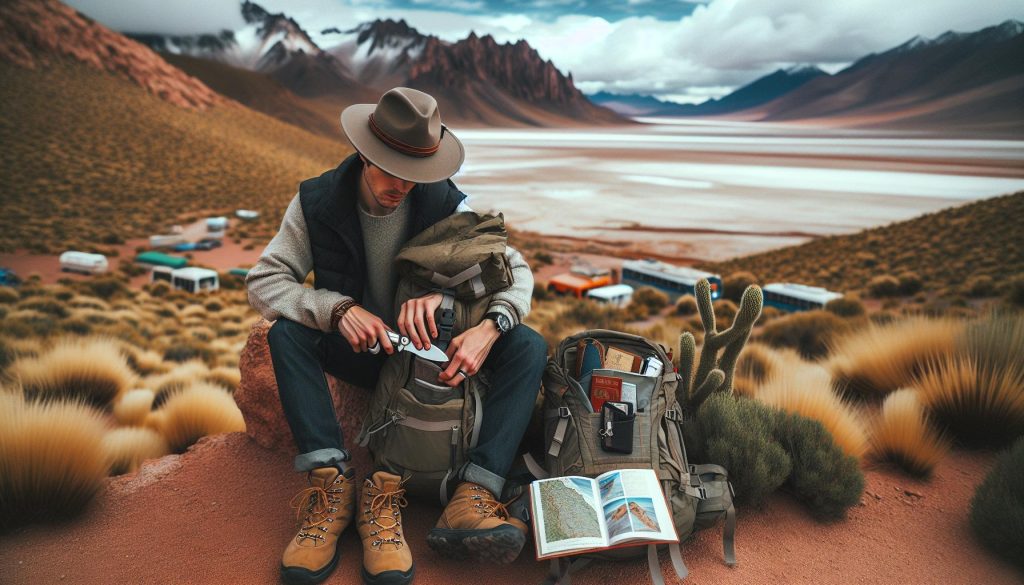
Traveling to Bolivia offers breathtaking landscapes and rich cultural experiences, but understanding local laws regarding everyday items like pocket knives is crucial for a hassle-free journey. In Bolivia, regulations surrounding the possession of knives can vary significantly, influenced by cultural norms and safety concerns. Familiarizing yourself with these rules not only ensures compliance but also enhances your travel experience by empowering you to carry the right tools responsibly. Whether you’re hiking the Andean trails or exploring vibrant markets, this guide will provide you with the essential insights needed to navigate Bolivia’s legal framework regarding pocket knives, keeping safety and cultural respect at the forefront of your adventure. As you plan your trip, delve into the nuances of what you can carry to responsibly enhance your travel experience.
Understanding Bolivia’s Knife Laws and Regulations
Understanding the regulations surrounding knife ownership and carry in Bolivia is crucial for travelers interested in bringing a pocket knife along for their adventures. While there is no exhaustive legal text specifically detailing all aspects of knife laws, the general consensus suggests that carrying a pocket knife is permissible as long as it is for personal use, such as for tasks related to outdoor activities, utility, or culinary purposes. However, it is essential to consider the blade size and type, as knives with blades longer than a certain length may be subject to stricter scrutiny and could potentially be regarded as weapons.
When considering what types of pocket knives are legal in Bolivia, travelers should lean towards tools designed for practicality rather than self-defense or combat. Folding knives, such as Swiss Army knives, are typically acceptable for casual carry, provided that their blades do not exceed a common threshold of 4-5 inches. Always be mindful of the specific localities, as some regions within Bolivia may have their own regulations or customs regarding knife carry.
Before heading out, it is wise to also familiarize yourself with the cultural attitudes towards knives. In Bolivian society, knives have varied meanings; while they are regarded as practical tools in many contexts, they can also be viewed negatively if used improperly or carried openly in urban areas. Hence, understanding local customs can help navigate social expectations and laws effectively.
In summary, carrying a pocket knife in Bolivia is generally accepted if the knife serves useful, benign purposes. Always remain aware of the local laws, cultural norms, and practical regulations when carrying knives to ensure a smooth and respectful travel experience.
What Types of Pocket Knives Are Legal in Bolivia?
When planning a trip to Bolivia, it’s essential to understand the nuances of pocket knife legality and the types that are widely accepted. Bolivia’s regulations do not explicitly itemize every knife type, but travelers and locals generally agree that versatility and non-threatening designs are key to compliance. Folding knives, particularly those under 4-5 inches in blade length, like the classic Swiss Army knife, are deemed appropriate for casual carry. These practical tools are ideal for everyday tasks like food preparation, repairs, or simple outdoor activities, aligning well with local perceptions of utility.
However, when selecting a pocket knife, it’s wise to avoid options that are associated with combat or self-defense, such as tactical knives or fixed blades. Instead, emphasize tools that reflect a benign purpose; the less menacing the knife appears, the smoother your interactions will be with local authorities and residents alike. Some popular choices that fit this description include:
- Swiss Army Knives: Versatile and widely accepted, these are perfect for various everyday tasks.
- Folding Utility Knives: Designed for practicality, these are excellent for outdoor adventures.
- Multi-tools: Incorporating various functions, they offer practical solutions without raising concerns.
While the overall environment in Bolivia supports the carrying of pocket knives for personal use, staying informed about specific regulations in different areas is crucial, as local customs may vary. Always choose a knife that feels appropriate to the cultural context and reflects your intent as a responsible traveler. By respecting the local norms and opting for universally accepted tools, you’ll enhance your travel experience and navigate social expectations with ease.
Essential Travel Tips for Carrying a Knife in Bolivia
In the vibrant landscapes of Bolivia, where rugged mountains meet rich indigenous culture, carrying a pocket knife can enhance your travel experience by providing a handy tool for various needs. However, it’s essential to navigate the local regulations and cultural expectations effectively. When packing a knife, opt for those that are versatile and discreet. Swiss Army knives and folding utility knives are favorites among travelers for their utility and compact design, typically falling within the acceptable ranges under Bolivian regulations.
Before your departure, familiarize yourself with local laws as they can differ between urban and rural areas. For instance, while general carrying of a pocket knife is acceptable, restrictions may apply in certain public spaces or during local festivals. It’s wise to avoid flashy or tactical knives that may raise eyebrows; instead, choose models that emphasize functionality, like multi-tools capable of handling everyday tasks such as food preparation or quick repairs.
Additionally, understanding the local customs regarding knife use is crucial. In many Bolivian communities, a pocket knife is not merely a tool but also a reflection of practicality and respect for local norms. Always be conscious of where and when you produce your knife; using it discreetly in appropriate settings goes a long way in maintaining a positive image. If you find yourself in a situation where a local authority requests your knife, remain calm and compliant. Politely explaining its purpose and intended use can help diffuse potential misunderstandings.
In summary, while carrying a pocket knife in Bolivia can be beneficial, respect local customs, choose a suitable knife, and always stay informed about the specific regulations of the places you visit. By doing so, you’ll enjoy the practical advantages without stepping on cultural toes, making your Bolivian adventure both enriching and hassle-free.
Cultural Attitudes Toward Knives in Bolivian Society
In Bolivia, the cultural perception of knives is deeply rooted in practicality and respect for tradition. Knives, particularly pocket knives, are often seen not merely as tools but as essentials that reflect one’s connection to the land and everyday life. In rural communities, for instance, a well-maintained knife is often a sign of preparedness and self-reliance, critical for tasks ranging from food preparation to agricultural work. Consequently, visitors are encouraged to view their pocket knives as part of this cultural context rather than as mere objects for personal utility.
When interacting within local settings, it’s particularly important to understand how knives can be perceived differently based on context. In indigenous communities, producing a knife can signal a readiness to share, whether it be for preparing food or participating in communal traditions. However, it is recommended to be discreet and respectful in their use, especially in social situations, as drawing a knife in the wrong context can lead to misunderstandings. Avoiding flashy or tactical designs helps in blending with local customs, favoring multifunctional tools, like Swiss Army knives, which emphasize utility without drawing unnecessary attention.
In urban areas, the perception of knives may shift slightly, influenced by modern attitudes towards safety and security. While carrying a pocket knife is generally accepted, it’s best to remain observant of your surroundings and sensitive to local regulations, particularly as different districts or cities might impose specific restrictions. Many locals carry knives for functional and practical reasons, and when used appropriately, visiting travelers can seamlessly integrate into this cultural norm while appreciating the significance of these tools in Bolivian society. Balancing respect for local customs while ensuring personal safety is key to a rewarding experience in Bolivia.
Ultimately, understanding the cultural attitudes toward knives in Bolivia enriches the travel experience, making it essential for responsible tourists to navigate these dynamics thoughtfully.
Local Customs That May Affect Knife Use
In Bolivia, the use of knives goes beyond mere functionality; it intertwines with cultural customs and social norms that travelers should understand. The significance of pocket knives can vary greatly based on context, and being aware of local customs can enhance the travel experience while respecting community values.
For instance, in rural areas and among indigenous groups, producing a knife during gatherings can symbolize openness and readiness to participate in shared activities like cooking or communal ceremonies. In these settings, offering to assist with a knife can foster goodwill and camaraderie. Travelers are encouraged to use common, unobtrusive tools, such as multi-tools or Swiss Army knives, which not only serve practical purposes but also reflect respect for local customs.
Conversely, in urban environments, the perception of knives shifts, where safety concerns and modern social dynamics might dictate more caution. Although it’s permissible to carry a pocket knife, it’s advisable to be discreet, as certain neighborhoods may have specific regulations or informal rules about visibility. Observing local behavior can guide travelers on how to carry and perhaps even deploy their knives without drawing unnecessary attention or concern.
To navigate these nuanced customs effectively, consider the following tips:
- Know the Context: Assess whether the situation is appropriate for using a knife.
- Avoid Tactical Designs: Choose tools that look less aggressive and more practical.
- Be Discreet: Carry your knife in a pocket rather than prominently on display.
- Respect Local Practices: If you see locals using knives in particular ways, follow their lead.
Understanding local customs surrounding knife use in Bolivia is essential for creating a respectful and enjoyable experience while enhancing your appreciation for the culture. By being aware and considerate of these practices, you can integrate seamlessly into the Bolivian way of life.
Safety Guidelines for Using Pocket Knives in Bolivia
Using a pocket knife in Bolivia can be a practical and culturally nuanced experience, but keeping safety and local customs in mind is essential. Pocket knives are generally permitted, but how you carry and utilize them can greatly impact your interactions with locals and your overall experience. Begin by ensuring that your knife is functional yet discreet; many travelers find Swiss Army knives or similar multi-tools ideal for their versatility and unassuming design.
When carrying a pocket knife, consider the environment. In urban areas, it’s best to keep your knife concealed unless you have a specific purpose for using it, such as preparing food or engaging in activities where it’s socially appropriate. Unwanted attention can arise from displaying a knife in public spaces, particularly in neighborhoods with a heightened sensitivity to safety. Thus, it may be wise to keep your knife inside your bag or pocket until you need it.
Moreover, understanding the cultural significance of knives in rural and indigenous settings can enrich your experience. Offering to assist with a knife during communal cooking or gatherings is often seen as a gesture of goodwill, while in more urban contexts, it may evoke concern or misunderstandings. Always observe the local customs and behaviors. If people are using knives openly, it may be appropriate to do the same; if they aren’t, exercising caution is advisable.
Lastly, familiarize yourself with safety guidelines. This includes using your knife responsibly-only for intended purposes and avoiding any actions that could be perceived as threatening. If you’re ever asked to surrender your knife during a security check or by local authorities, comply calmly and respectfully, as insisting can escalate tensions. By maintaining an awareness of your surroundings and the local culture, you can use your pocket knife safely and enjoyably in Bolivia.
Recommended Pocket Knives for Travelers in Bolivia
Traveling in Bolivia can be an exhilarating experience, especially when you have the right gear to assist you on your journey. A pocket knife can be a valuable tool, whether you need it for food preparation, fixing gear, or simply enjoying the outdoors. However, choosing the appropriate knife can make all the difference, particularly in a culturally rich context like Bolivia. Here are some recommended options for travelers.
Among the most versatile choices is the Swiss Army Knife. Renowned for its practicality, this multi-tool offers a range of features including blades, screwdrivers, and can openers, all packed into a compact design that fits easily in your pocket or bag. Its neutral appearance makes it less likely to draw unwanted attention, which is particularly advantageous in urban settings. Brands like Victorinox and Wenger are popular, offering models that cater to different needs and budgets.
Another great option is the Leatherman Multi-Tool. Known for its durability, the Leatherman provides various tools like pliers, wire cutters, and knife blades, making it ideal for outdoor enthusiasts or those who may need to perform maintenance on the go. The Leatherman Wave and the Leatherman Skeletool are standout models, balancing functionality with portability.
For travelers looking for something more specialized, karambit knives can be an interesting choice. While primarily used in martial arts, the curved blade design is useful for tasks like food preparation and outdoor activities. However, it is essential to consider the cultural context and local perceptions, as karambits might evoke apprehension in some situations due to their distinctive shape.
When selecting a knife, consider local regulations and cultural attitudes towards knife usage. Taking a practical, low-key approach will help you blend in better with your surroundings and engage with local customs respectfully. Always choose a model that is easy to carry, like those that come with pocket clips or lightweight designs, allowing for convenient access when needed.
Packing your knife efficiently is also vital. Opt for a simple, padded case that can be secured in your bag, ensuring that the blade is protected and concealed. This prevents accidental exposure in public spaces, mitigating potential concerns from locals or authorities. By equipping yourself with the right tools and understanding the cultural landscape, you’ll be better prepared to navigate your travels in Bolivia confidently.
How to Pack Your Pocket Knife for Travel
When embarking on a journey to Bolivia, knowing how to pack your pocket knife can significantly enhance your travel experience while ensuring you remain compliant with local regulations. A well-packed knife can serve as an invaluable tool for a variety of tasks – from meal preparation to emergency repairs. However, how you carry and store your knife matters not only for practicality but also for respecting local customs and laws.
Start by choosing a compact, durable knife that fits your needs and complies with Bolivian regulations. Popular choices such as the Swiss Army Knife or Leatherman Multi-Tool are known for their versatility and low profile, making them suitable for travel. Ensure that your knife is stored safely in a designated pouch or case. Select a case that is padded to protect the knife’s blade and can be securely closed to prevent accidental openings. This helps avoid any unintentional exposure that could raise eyebrows among locals or authorities.
When packing your bag, place the knife in an easily accessible yet discreet spot, like a main compartment or top section of your backpack. Ensure it is not in a location where it could be visible or easily reached during transit, such as in outer pockets, which might attract unwanted attention. Additionally, familiarize yourself with the specific regulations on knife carrying in Bolivia; while a pocket knife is generally acceptable for personal use, it’s wise to avoid bringing larger or more aggressive-looking knives that may be viewed with suspicion.
Finally, be prepared for situations where you might need to surrender your knife, particularly when entering secured areas like airports or certain public events. Having a clear understanding of how to present your knife respectfully can mitigate misunderstandings. If asked to surrender it, calmly explain its purpose and your intent; often, this can lead to a friendly resolution rather than a confrontation. By thoughtfully packing your pocket knife and respecting local customs, you can enjoy a seamless travel experience in Bolivia while carrying a useful tool.
What to Do if You’re Asked to Surrender Your Knife
When traveling, particularly in a foreign country, carrying a pocket knife can become a focal point in your experience, especially if you’re unexpectedly asked to surrender it. Being prepared for this possibility is essential. Bolivian authorities, like those in many countries, may have specific security protocols that can lead to moments of confusion or concern if you’re not equipped with the right knowledge and demeanor.
If approached by security personnel or officials requesting your knife, the first step is to remain calm and polite. In many cases, showing respect and understanding of local laws can smooth over any misunderstandings. Explain your situation clearly: state that you are a traveler and explain the purpose of the knife, such as for general utility or outdoor activities. It helps to emphasize that it’s a trusted tool for your everyday needs, like meal preparation or minor repairs, which can humanize your intent.
In the event that you must surrender your knife, it’s crucial to comply without argument. This could happen in sensitive areas like airports, border checkpoints, or during special events. Politely hand over the knife and ask about the possibility of retrieving it later or how it will be stored. Often, authorities will have a protocol in place for these situations, so expressing your concern and willingness to comply can lead to a friendly resolution rather than a negative experience.
Ultimately, preparation is key. Before your travels, research and understand local laws regarding knife carrying in Bolivia. Familiarizing yourself with customs office procedures or airport policies can empower you with the knowledge needed to handle these encounters smoothly. By maintaining a respectful demeanor and being prepared to explain or surrender your knife as necessary, you can navigate these interactions successfully while enjoying your travels in Bolivia.
Comparative Analysis of Knife Laws in South American Countries

Understanding the different regulations surrounding pocket knives across South American countries is crucial for any traveler, especially when considering a trip to Bolivia. Generally, each country has its specific laws that govern the possession, carrying, and use of knives, reflecting cultural attitudes, safety concerns, and legal standards.
In Bolivia, while carrying a pocket knife is typically permissible for personal use, it’s advisable to remain cautious about the type of knife you carry and where you carry it. Larger or more tactical knives might raise eyebrows or potentially violate certain local laws, especially in urban areas where weapon laws can be stricter. For example, knives that are deemed to be designed for combat or that have a blade exceeding a certain length may be considered illegal. Hence, a modest pocket knife for utility or outdoor purposes is likely acceptable, while anything perceived as a weapon could lead to legal complications.
In neighboring countries, the regulations vary significantly. For instance, Brazil prohibits knives with blades exceeding 10 cm in urban areas, whereas Argentina allows smaller pocket knives but may restrict their use in specific locations such as government buildings or planes. Chile has similar regulations to Argentina, but often enforces stricter airport security measures. Notably, travelers should also be aware that customs regulations may limit the transport of knives across borders, regardless of the carrying laws in each country.
To navigate these differences confidently, it’s prudent to familiarize yourself with local knife laws before your trip. Carrying documentation, like a knife’s purchase receipt or a description of its intended everyday use, can help clarify your intent if questioned. Moreover, an understanding of the local cultural attitudes towards knives will aid in ensuring a respectful and safe use while exploring the diverse landscapes and communities of South America. By being prepared and well-informed, travelers can enjoy their adventures without unnecessary legal complications.
Common Questions About Pocket Knives in Bolivia
In Bolivia, many travelers wonder about the nuances of carrying a pocket knife. Given its status as a tool for both utility and potential self-defense, questions often arise regarding legality, safety, and social acceptance. Generally, pocket knives are permissible for personal use, but clarity on local regulations and customs can make a significant difference in avoiding misunderstandings.
When considering what type of pocket knife to bring, it’s crucial to understand that while modest utility knives are usually accepted, larger blades or those designed for combat may draw scrutiny. For instance, knives with blades longer than a specified length could potentially be classified as weapons in urban areas, leading to legal complications. If you’re planning activities that necessitate a knife, such as hiking or camping, selecting a compact multi-tool or a Swiss Army knife can be ideal for balancing functionality and compliance with local laws.
Travelers should also be mindful of where they’re using their knives. Public spaces, markets, and urban settings have different social attitudes towards knives, often leaning towards caution. Engaging in responsible knife use, such as keeping it sheathed and using it discreetly, helps in presenting yourself as a safe and respectful visitor. It’s advisable to remain informed about both local laws and community sentiment, as this can vary from place to place within Bolivia.
If you find yourself approached by authorities or local individuals regarding your pocket knife, having a clear explanation of its purpose can aid in any conversation. Detailing that the knife is for practical use, such as opening packages or preparing food, often resonates positively. Carrying necessary documentation, like proof of purchase, can further simplify any discussions regarding your knife’s intent. Through understanding and respect for local customs, you can confidently enjoy your travels while equipped with a practical tool tailored for your needs.
FAQ
Q: Is it legal to carry a pocket knife in Bolivia?
A: Yes, it is generally legal to carry a pocket knife in Bolivia. However, it’s essential to ensure that the knife is not classified as a weapon under local laws. Familiarize yourself with the specific regulations regarding blade length and type to avoid any issues.
Understanding Bolivia’s Knife Laws and Regulations
Q: What are the restrictions on pocket knives in Bolivia?
A: While carrying a pocket knife is allowed, restrictions often apply regarding blade size and functionality. Knives exceeding a certain blade length or designed primarily as weapons might be prohibited. Always check the latest local laws before traveling.
What Types of Pocket Knives Are Legal in Bolivia?
Q: Can I carry a pocket knife in my carry-on luggage in Bolivia?
A: No, you cannot carry a pocket knife in your carry-on luggage while flying in or out of Bolivia. Knives must be packed in checked baggage. Be sure to comply with airline guidelines to avoid confiscation.
Essential Travel Tips for Carrying a Knife in Bolivia
Q: Are there cultural attitudes towards knives in Bolivia that travelers should know about?
A: Yes, in Bolivia, knives can be viewed as tools rather than weapons. However, the perception varies by region. It is advisable to use knives discreetly and understand local customs to ensure respectful interactions.
Cultural Attitudes Toward Knives in Bolivian Society
Q: What should I do if authorities ask to inspect my pocket knife in Bolivia?
A: If asked to surrender or show your pocket knife, remain calm and comply politely. Explain your possession as a necessary tool for travel. Always be aware of your rights and local regulations to navigate this situation smoothly.
What to Do if You’re Asked to Surrender Your Knife
Q: Should I choose a specific type of pocket knife for travel in Bolivia?
A: Yes, opt for a compact, multi-tool style pocket knife, ideally with a blade length under 3 inches. This compact design is generally more acceptable under local regulations and easier to carry in various environments.
Recommended Pocket Knives for Travelers in Bolivia
Q: How do I safely pack my pocket knife when traveling to Bolivia?
A: When packing your pocket knife for travel to Bolivia, place it in your checked luggage. Ensure the blade is secured and wrapped to prevent any accidents. Also, consider removing it before going through security checks to avoid issues.
How to Pack Your Pocket Knife for Travel
Q: Are pocket knives considered self-defense weapons in Bolivia?
A: Pocket knives are typically not viewed as self-defense weapons in Bolivia; they are regarded as practical tools. However, it’s crucial to avoid any aggressive displays. Knowledge of local contexts can prevent misunderstandings far from home.
Common Questions About Pocket Knives in Bolivia
In Conclusion
As you prepare for your adventure in Bolivia, understanding the regulations surrounding pocket knives is crucial for a smooth journey. Armed with the insights from this guide, you can confidently navigate the cultural and legal landscape-ensuring you enjoy all that this beautiful country offers without hassle. Don’t miss out on our related articles on essential travel gear and safety tips to enhance your trip.
For ongoing updates and expert advice, consider subscribing to our newsletter, where we share the latest in travel regulations and gear recommendations. Got questions or want to share your experiences? Join the conversation in the comments below. Your next exploration awaits, so dive deeper into our resources today and make the most of your travels with informed choices!