A Swiss Army knife is renowned for its versatility and longevity, but as with any multi-tool, loose components can hinder its performance. Knowing how to tighten the tools on your Swiss Army knife not only enhances its functionality but also extends its life, making it a reliable companion for all your adventures. Whether you’re an outdoor enthusiast or simply need a dependable tool for everyday tasks, understanding this maintenance step is essential. The process is straightforward and requires minimal tools, making it accessible even for beginners. Join us as we explore the quick methods to secure those loose tools, ensuring your Swiss Army knife remains tight, functional, and ready for action whenever you are.
How to Identify Loose Tools on Your Swiss Army Knife
Identifying loose tools on your Swiss Army Knife is crucial for ensuring both safety and functionality during use. A well-maintained knife enhances your outdoor experience, whether you’re camping, hiking, or tackling everyday tasks. The first step in recognizing looseness is to visually inspect the tools when the knife is open. Look for any tool that does not align neatly with the handle or has noticeable play when moved. If you can wiggle a blade or implement from side to side without much resistance, it’s likely loose.
Next, you can perform a simple functionality test. Open each tool separately and evaluate its movement. A properly secured tool should open and close smoothly without any jarring sensation. If you experience resistance or the tool feels sluggish, there’s a possibility that it’s not securely in place. Additionally, pay attention to any unusual noises, such as rattling or squeaking sounds, which may indicate internal issues, warranting a closer inspection.
Lastly, consider the overall tightness when gripping the knife. Hold your Swiss Army Knife firmly and gently shake it. Listen for any rattling or movement that shouldn’t be there. These checks, combined with a hands-on approach to feel how each tool operates, can help you pinpoint which mechanisms may require tightening or repair. Regularly performing these checks not only prolongs the life of your knife but also contributes to a safer, more reliable experience.
Step-by-Step Guide to Tightening Mechanisms
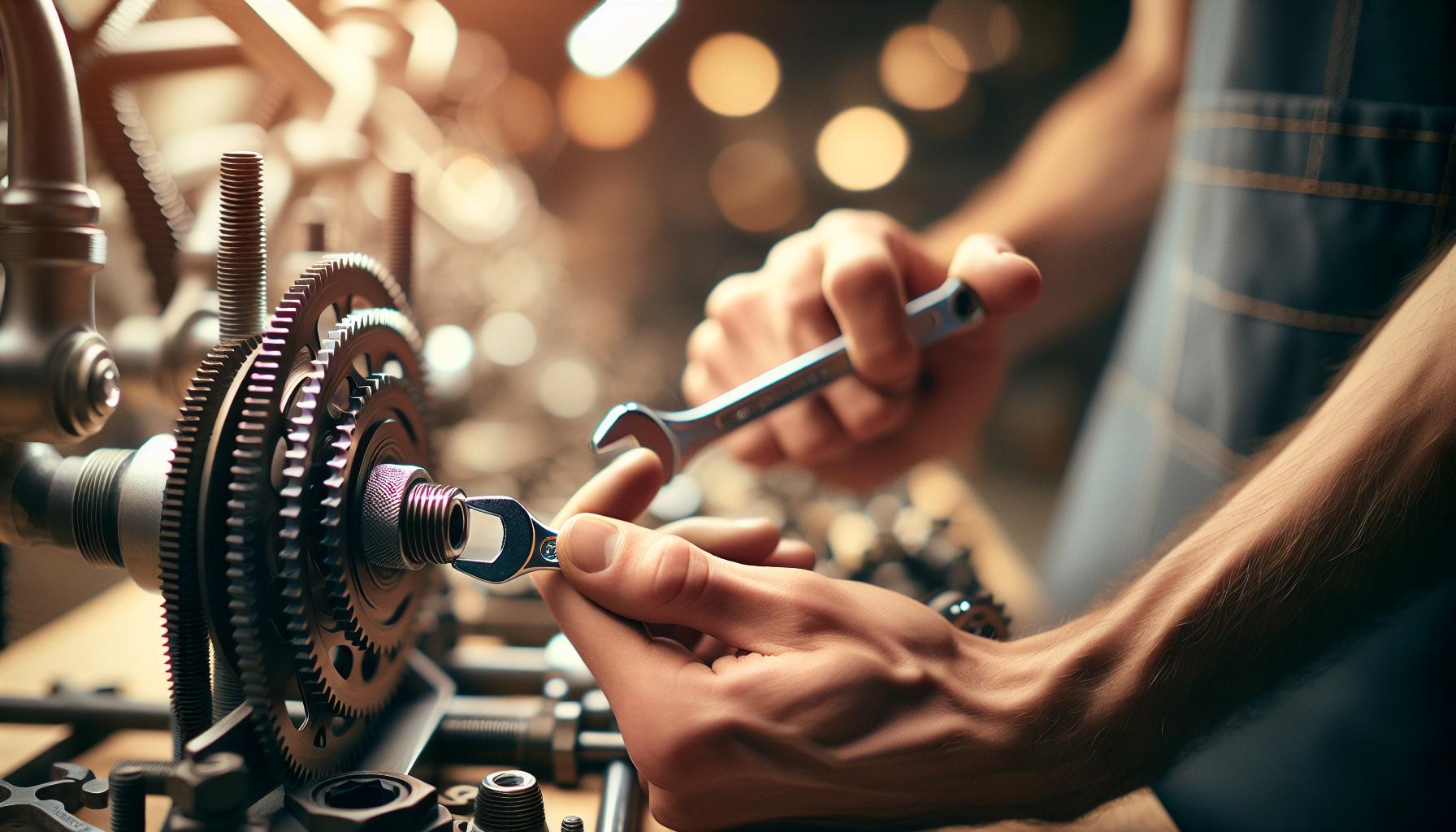
Every Swiss Army Knife is a masterpiece of engineering, packed with versatility and functionality. However, multiple uses can lead to loose tools that may compromise not just the knife’s performance but also your safety. Luckily, tightening the mechanisms of your Swiss Army Knife can be a straightforward process, allowing you to restore its usability in just a few minutes. Here’s a clear roadmap to tighten up any loose tools effectively.
Start by gathering your supplies. You will need a small screwdriver, typically a flathead or Phillips, depending on your Swiss Army Knife model. Optionally, a pair of pliers or a wrench can assist in tightening particularly stubborn screws. With your tools at the ready, begin by opening all the tools on your knife. Assess which one feels loose, as it’s crucial to ensure you’re focusing on the right mechanism.
Next, locate the screws or rivets that hold the loose tool in place. Using your screwdriver, tighten the screws carefully; avoid overtightening, which could damage the mechanisms. In cases where rivets are used, they may not be adjustable, so gently pressing them with pliers can restore some grip. If you’re dealing with a pivot point, adding a drop of lubricant can help ease movement while providing additional support against wear.
After tightening, test the functionality of the tool to ensure it operates smoothly without excessive wobbling or resistance. Repeat this maintenance on all tools that need attention, and consider checking the knife’s alignment again after a few uses to prevent future issues. Regular care not only extends the lifespan of your Swiss Army Knife but also ensures it remains a reliable companion for all your adventures.
Essential Tools Needed for Effective Repairs
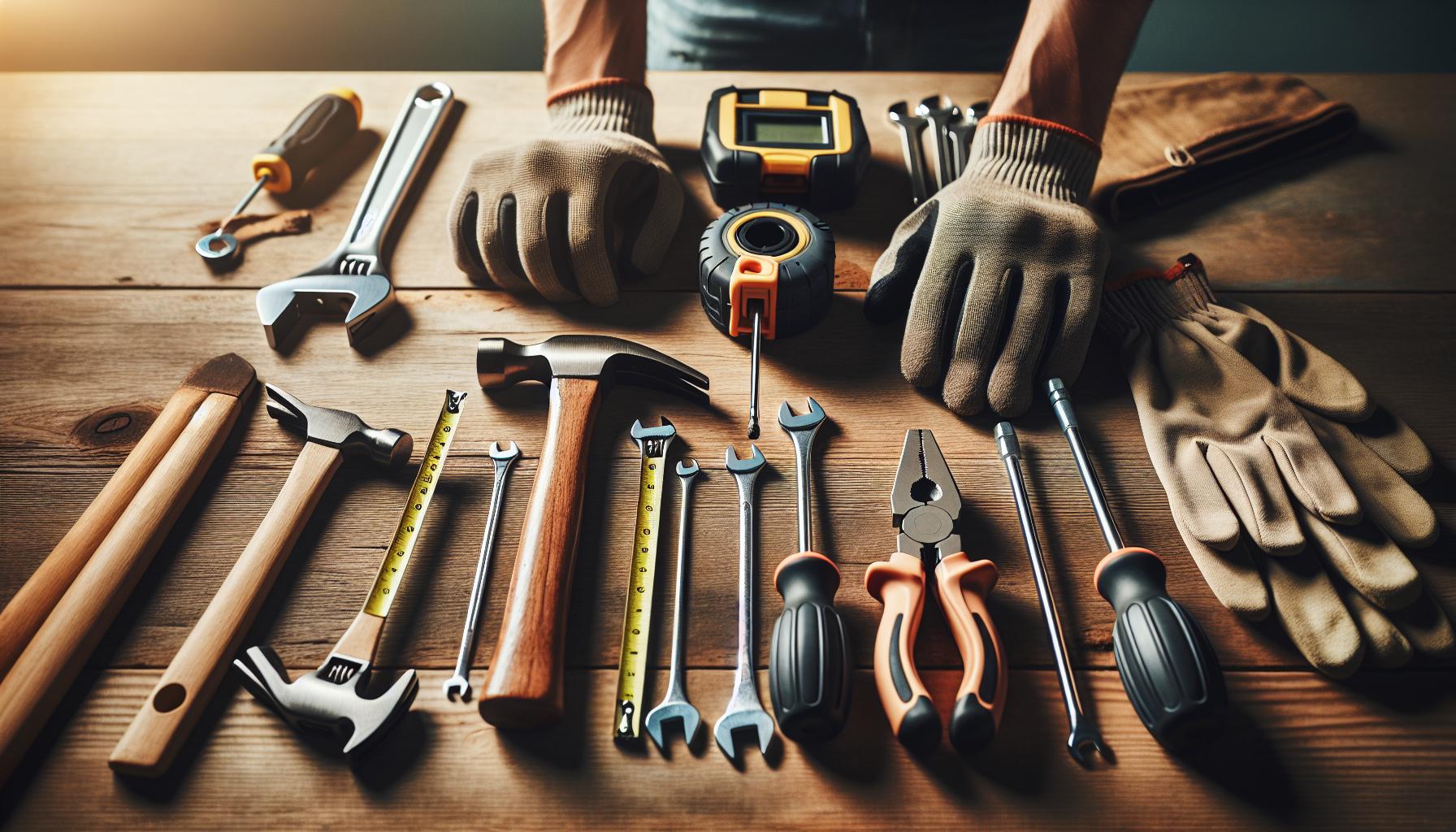
The effectiveness of your Swiss Army Knife repair largely hinges on having the right tools at your disposal. While the iconic multi-tool is renowned for its versatility, keeping it in top shape requires thoughtful preparation. First and foremost, a quality screwdriver is essential-whether flathead or Phillips will depend on your knife model. These will allow you to access the screws that may be causing tool looseness.
In addition to the screwdriver, a pair of pliers can be invaluable. They come in handy for gripping and manipulating stubborn screws or rivets and can provide the additional torque needed for effective tightening. It’s also a good idea to have a wrench on hand if you encounter hex screws or need extra leverage. If your Swiss Army Knife has pivoting tools, a drop of lubricant can enhance the functionality of these mechanisms while protecting them against wear.
For those who like to be prepared for any situation, consider investing in a multi-tool repair kit that includes various tips, a small saw for cutting through tougher materials, and even a miniature sharpening stone. This kind of setup ensures you’re ready not just for tightening but for a range of maintenance tasks, helping to extend the life of your Swiss Army Knife. Remember, though, that your workspace plays a role too; keeping a cloth or magnetic tray nearby can help manage small screws and components, preventing them from being lost during the repair process.
Common Issues Causing Tool Loosening
When using a Swiss Army Knife, one of the most common frustrations involves tools becoming loose. This can occur for a variety of reasons, often leading to diminished functionality or even injury if not addressed promptly. A loose tool not only hinders the performance of your multi-tool but can also create a safety hazard. Understanding the frequent culprits behind tool loosening can empower you to maintain your knife more effectively.
Firstly, wear and tear is a significant factor in tool loosening. Over time and with continuous use, the screws and pivot points can gradually wear down, leading to a lack of stability. Dirt, grime, and moisture can exacerbate this issue by causing corrosion around the screws, increasing friction, and making it harder for the tools to stay in place. Routine cleaning and lubrication can help mitigate these effects and prolong the life of your knife.
Additionally, improper usage often contributes to the problem. Applying excessive force or using the tools for purposes other than their intended design can cause misalignment and looseness. For instance, using the screwdriver functionality as a lever tool may not only damage the mechanism but can lead to the screws loosening over time. By using each tool correctly and responsibly, you can help preserve their integrity and functionality.
Lastly, environmental conditions play a crucial role. Extreme temperatures, especially heat, can lead materials to expand and contract unpredictably, which may cause screws to loosen. Exposure to humidity can also lead to rusting and degradation of the materials used in your knife. Storing your Swiss Army Knife in a cool, dry place when not in use can significantly reduce these risks, allowing you to maintain its usability for years to come.
By being aware of these common issues, you can take proactive steps to keep your Swiss Army Knife in prime condition, ultimately ensuring that it remains a reliable companion for all your adventures.
Quick Fixes: Tightening Without Disassembly
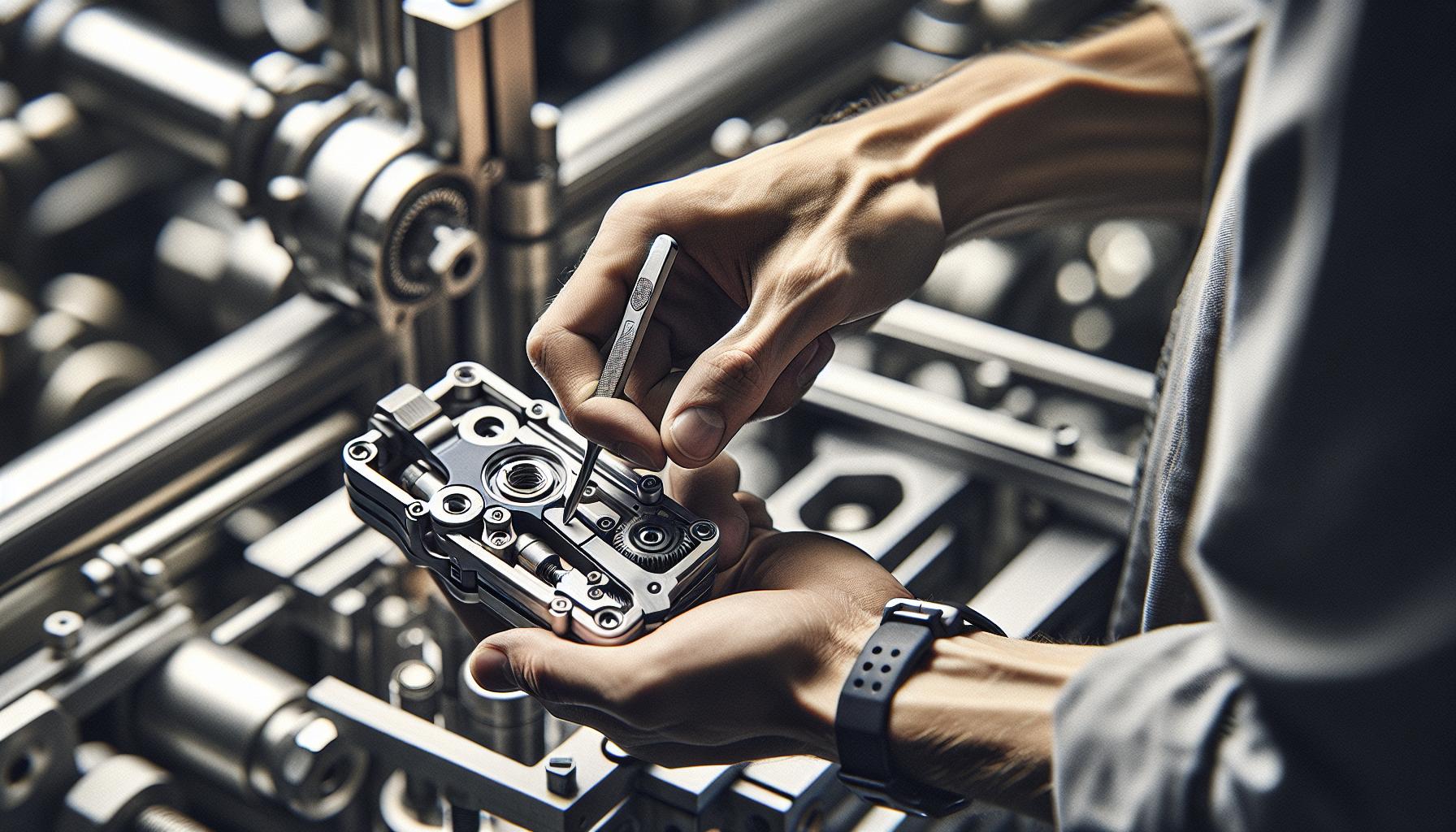
To maintain your Swiss Army Knife in optimal condition, addressing loose tools can often be done without the need for disassembly. Many users may not realize that simple techniques can remedy the situation quickly and efficiently. One of the quickest approaches involves the use of standard household items, like toothpicks or super glue, to create a tighter fit for loose tools. If a particular tool doesn’t fully lock into place, gently inserting a toothpick into the pivot point can help fill small gaps, creating friction that keeps it secure.
Another effective method is applying a few drops of thread-locking adhesive, such as Loctite, to the screws or pivots that are becoming loose. This adhesive works by filling the gaps and hardening to hold the screws securely in place, preventing them from loosening further during use. Remember to use it sparingly-a little goes a long way. Additionally, ensure you allow the adhesive to cure as per the product instructions before putting your knife back into action.
Regular cleaning is also vital for ensuring tool stability. When dirt or grime accumulates, it can disrupt the locking mechanism. A quick clean with compressed air can remove debris around the pivot points that might contribute to looseness. After cleaning, applying a light lubricant, such as WD-40 or silicone spray, can help enhance smooth operation and reinforce the mechanisms that keep the tools secure.
For knives with slip joint designs, simply adjusting the tension by gently bending the spring clip can also help improve the grip on the tools without needing to take the knife apart. This technique allows you to maintain functionality while ensuring your knife is ready for whatever task lies ahead. Always remember to exercise caution and respect when using such tools, as improper handling can lead to accidents-something no multi-tool user wants.
Advanced Techniques for Complete Restoration
Restoring a Swiss Army Knife to optimal condition may seem daunting, but with the right techniques and tools, it can be a rewarding DIY project. One of the first steps in advanced restoration involves thoroughly cleaning the knife. Accumulated dirt and grime can lead to tool loosening, so use a gentle cleaning solution-preferably one that’s safe for metal-and a soft cloth or toothbrush to remove grime from the surfaces and pivot points. Rinse and dry carefully, as moisture can promote rust and corrosion.
Once clean, inspect the knife closely for any worn or damaged parts. Pay special attention to the pivot points where tools rotate. If you find any worn washers or bushings, consider replacing them with new, high-quality alternatives to restore smooth functionality. These replacement parts can often be found online or at specialty knife retailers. Use a precision screwdriver set to remove screws without stripping them, and always keep track of tiny parts that can easily be lost.
In some cases, utilizing a home workshop may be necessary for more extensive repairs. If tools are misaligned or the frames are distorted, a vise can secure the knife while you carefully bend the frame back into shape. Remember to use minimal force to avoid breaking any components. Additionally, applying a small amount of high-quality lubricant to the moving parts post-restoration will help reduce friction and wear, enhancing the longevity and performance of your knife.
Finally, it’s critical to regularly check the tightness of screws and the integrity of locking mechanisms even after restoration. A proactive maintenance regimen can prevent future issues, ensuring your Swiss Army Knife remains a reliable companion for years to come. With a bit of patience and attention, you’ll not only restore your knife but also deepen your appreciation for this classic tool’s design and mechanics.
Preventive Maintenance to Avoid Future Issues
Maintaining the longevity and performance of your Swiss Army Knife hinges largely on proactive care. A few simple practices can significantly reduce the risk of tools loosening over time, ensuring that your trusty companion remains reliable during all your adventures. Regular cleaning is non-negotiable; accumulated dirt and grime can not only hinder function but also lead to wear and tear on the internal mechanisms. After each use, wipe down the tools, especially around the pivot points, with a soft cloth. For deeper cleans, consider using a gentle metal-safe detergent and a soft brush to scrub away stubborn debris.
Another critical aspect of preventive maintenance is lubrication. Applying a small amount of high-quality lubricant to moving parts can help reduce friction, preventing components from sticking and becoming misaligned. It’s advisable to use a penetrating oil or silicone-based lubricant, which helps protect against rust and corrosion. Additionally, regularly tighten the screws and check the integrity of locking mechanisms, even if they appear secure. A simple visual inspection can save you from future headaches; look for any signs of wear or looseness and address them immediately to prevent further damage.
To enhance the lifespan of your Swiss Army Knife, always store it in a dry place away from moisture, which can lead to rusting and deterioration of internal workings. Utilizing a protective case or pouch can also provide an extra layer of security. Moreover, familiarize yourself with the specific construction of your knife model; understanding how the tools fit together will empower you to identify potential issues before they manifest. By integrating these straightforward preventive measures into your routine, you’ll ensure that your knife remains a dependable tool, ready for action whenever you need it.
When to Seek Professional Help for Repairs
Maintaining a Swiss Army Knife can be a rewarding pursuit, but there comes a time when DIY repairs may not suffice. While you might feel confident tightening a loose tool or addressing minor maintenance issues, recognizing when to consult a professional can save your valuable gear from further damage. If you notice significant wear on the springs, blades that don’t close properly, or broken locking mechanisms, it’s crucial to seek expert help. A skilled repair service can evaluate issues that you might not easily see, and they’ll have the right tools to ensure that your knife operates optimally.
Another key reason to consider professional assistance is the potential for more complex structural problems. If you’ve attempted repairs but have found that the tools still feel loose or wobbly, it could be an indication of internal misalignment. A technician specializing in Swiss Army Knives will have the expertise to appropriately disassemble the knife, inspect internal components, and address underlying issues with precision. Moreover, if your knife is a collector’s item or holds sentimental value, a professional’s experience can prevent further deterioration and protect your investment.
Keep in mind that some issues are best handled by knowledgeable hands. Attempting to repair mechanisms that require specific replacement parts or specialized tools can often lead to more extensive damage or completely non-functional tools. If you find yourself in a situation where the repairs seem beyond your current skill set-or if you’re uncertain of the necessary steps-it’s wise to turn to professionals who understand these intricate systems. Ensuring your Swiss Army Knife is in peak condition often requires a balance of DIY maintenance and professionally guided repairs.
Lastly, if your Swiss Army Knife has encountered an accident, such as a drop or an impact, it’s essential to assess it thoroughly. A slight bend in a tool or jammed mechanism might look trivial, but unseen internal damage can compromise the overall functionality. In these scenarios, don’t hesitate to consult an expert. By knowing when to seek professional help, you not only protect your Swiss Army Knife but also enhance its longevity and performance.
Comparing Popular Swiss Army Knife Models for Maintenance
Choosing the right Swiss Army Knife not only enhances your outdoor adventures but also impacts the ease of maintenance and repairs. Different models come with various tools and mechanisms, which can influence how often you need to perform maintenance and how straightforward those tasks are. For instance, several models feature the iconic Swiss multi-tool design, yet they possess unique attributes that may affect tool stability and wear.
Consider the Victorinox Swiss Army Classic. This compact model is favored for its simplicity and effectiveness, making it accessible to beginners. With fewer moving parts, it often requires less frequent maintenance. However, if a tool becomes loose, tightening can typically be done with a small screwdriver. Conversely, the Victorinox Swiss Army Explorer packs a more extensive toolkit, including a range of screwdrivers, scissors, and various blades. While it offers versatility, the increased number of tools can lead to more potential points of loosening, demanding a more careful maintenance approach.
Another popular choice is the Victorinox Swiss Army Huntsman, blending functionality with durability. Its robust construction makes it less likely to suffer from loose tools; however, if you do encounter loosening, maintenance techniques would involve disassembly to access the internal structure more easily. For users who are enthusiastic about their knives, investing time in familiarizing themselves with the distinct assembly and disassembly methods of their preferred model can pay off in easier repairs and prolonged tool life.
In summary, whether you’re drawn to the straightforward design of the Classic or the multifaceted capabilities of the Explorer and Huntsman, understanding each model’s nuances will guide you in preventive maintenance and effective repair strategies. By selecting the right tool for your needs and regularly checking for loose mechanisms, you help ensure that your Swiss Army Knife remains a reliable companion in all your endeavors.
Safety Tips When Using a Swiss Army Knife
Using a Swiss Army Knife can be an empowering experience, providing you with a versatile tool for countless tasks, from outdoor survival to everyday fixes. However, with great power comes great responsibility, particularly when it comes to safety. Whether you’re using it to slice through a camping meal or tighten a loose mechanism, understanding safety protocols is crucial to avoiding accidents.
Always ensure the knife is properly locked into position before use. Many models have a locking mechanism that secures the blade or tool in place, preventing it from closing unexpectedly on your hand. For models without this feature, be mindful of your grip and how you direct the tool. When tightening loose tools, it’s essential to work in a well-lit area and maintain a stable surface; this will help you better control the tools and avoid slipping. Moreover, consider wearing safety glasses to protect your eyes from any unexpected debris if you are working on particularly tough components.
When working with any tool, including your Swiss Army Knife, adopting the right posture is key. Keep your fingers and other body parts clear of moving parts and blades. It’s also wise to use the correct tool for the job-using the wrong head of a screwdriver or applying excessive force can lead to injuries or further damage to your knife. Regular maintenance checks should include inspecting the tools for signs of wear or damage, which can pose a safety hazard during use. If any part appears compromised, consider replacing or repairing it before continuing use.
Finally, remember to respect the local laws regarding knife carry and use. In some areas, there are stringent regulations governing the size and type of knives that can be carried. Familiarizing yourself with these laws ensures that you can use your Swiss Army Knife responsibly and avoid legal issues. Embracing these fundamental safety practices not only enhances your experience but also extends the life of your beloved multi-tool, allowing it to serve you well for years to come.
User Experiences: Success Stories and Tips
The stories of Swiss Army knife users often highlight the adaptability and durability of these tools in various situations, reflecting the craftsmanship behind every model. One memorable account comes from a camping enthusiast who found himself struggling with a loose screwdriver during an essential tent setup. With a few simple adjustments using a tiny screwdriver from his pocket repair kit, he managed to tighten the mechanism right there in the woods instead of facing hours of discomfort. His quick fix not only saved the day but also sparked a newfound appreciation for timely maintenance. Stories like his emphasize the importance of carrying a basic toolkit or even learning a few DIY repair techniques.
Many users emphasize preventative care as a best practice after learning from experiences where neglect led to frustrating situations. A hiker shared that after a day spent resealing a roof after a heavy rain, her Swiss Army knife’s can opener loosened due to moisture and wear. Since that incident, she started implementing a routine checkup of her knife before and after major outings. For her, this has resulted in never having a tool fail in the field again, underscoring how even a few minutes dedicated to maintenance can prevent more significant issues later.
Including others in your repair journey can also provide invaluable insights. There are numerous online forums and communities where seasoned Swiss Army knife users share tips and tricks for tightening mechanisms effectively. Engaging with these groups can provide unique perspectives, such as the use of specific lubricants to protect moving parts or advice on alternative tools that can be helpful in a pinch. Often, fellow enthusiasts may also have recommendations for the right maintenance schedule depending on the model and usage frequency, further enhancing the longevity of one of your most trusted companions.
Whether you’re an occasional user or rely on your Swiss Army knife daily, community experiences and personal anecdotes can significantly contribute to your knowledge base. Embrace these lessons with an open mind, and you will not only enhance your skills but will also keep your multi-tool in peak condition for any adventure that lies ahead.
Q&A
Q: How can I tell if my Swiss Army Knife tools are loose?
A: You can check for looseness by attempting to wiggle each tool away from the handle. If any tool moves more than a slight amount or feels wobbly during use, it may be loose and require tightening.
Q: What are the best tools for tightening a Swiss Army Knife?
A: Essential tools for tightening include a small screwdriver (preferably a flat-head or Phillips), pliers, and a lubricant like WD-40. These will help you adjust screws and maintain the pivot points effectively.
Q: Are there quick fixes for a loose Swiss Army Knife tool?
A: Yes, a quick fix involves applying a drop of lightweight lubricant at the pivot point, then gently tightening any visible screws with a screwdriver. This can temporarily improve the tool’s stability without complete disassembly.
Q: Can I tighten my Swiss Army Knife without disassembling it?
A: Absolutely! Many Swiss Army knives allow for adjustments by simply tightening screws or bolts on the outside, ensuring you can restore tool security without full disassembly. Refer to the “Quick Fixes” section of the main article for detailed steps.
Q: Why do tools on my Swiss Army Knife keep getting loose?
A: Common causes include regular wear and tear, dirt accumulation, or improper storage. Regular use can loosen screws, and moisture or grime can contribute to tool instability as well, so maintenance is essential.
Q: When should I seek professional help for my Swiss Army Knife?
A: If your attempts to tighten the tools fail after multiple tries, or if you notice signs of damage, it’s time to consult a professional. Persistent looseness can indicate that components need repair or replacement, especially for high-value knives.
Q: Is preventive maintenance necessary for a Swiss Army Knife?
A: Yes, preventive maintenance is crucial. Regularly cleaning, lubricating moving parts, and checking for tightness can extend the life of your Swiss Army Knife and prevent loose tools.
Q: Do all Swiss Army Knife models have the same maintenance needs?
A: While many Swiss Army knives share similar components, specific models may have unique mechanisms. Always refer to the user manual or the “Comparing Popular Swiss Army Knife Models for Maintenance” section of the article for tailored advice.
Concluding Remarks
Now that you know how to tighten a Swiss Army knife and fix those loose tools in just minutes, don’t let your essential gear gather dust! Regular maintenance not only keeps your tools functional but also extends their lifespan. If you’re eager to learn more about everyday carry essentials or advanced knife care techniques, check out our detailed guides on pocket knives and backpack maintenance.
Act now and ensure your Swiss Army knife is always ready for action-sign up for our newsletter for exclusive tips and tricks tailored to outdoor enthusiasts like you. Have comments or experiences to share? Join the conversation below! Your feedback helps us create even more content that you’ll love. Explore related topics found here to enhance your gear knowledge and empower your adventures today!