Did you know that a well-maintained Swiss Army knife can last a lifetime and become a cherished companion in your daily adventures? However, over time, even the most reliable tools can lose their smooth action, making them less effective and enjoyable to use. In this guide, we’ll explore the essential steps to oil your Swiss Army knife, restoring its fluid functionality and preserving its value. Whether you’re an outdoor enthusiast or simply looking to keep your trusty pocket tool in top shape, understanding how to care for your Swiss Army knife is key to unlocking its full potential. Keep reading to discover practical tips and detailed techniques that will empower you to confidently maintain your gear for years to come.
Understanding the Importance of Oil in Knife Maintenance
Regular maintenance of your Swiss Army Knife not only extends its life but also ensures it performs optimally when you need it most. Oil plays a critical role in this maintenance routine, acting as a lubricant that facilitates smooth operation of moving parts, helps repel moisture, and protects against rust and corrosion. Without proper lubrication, the knife can become stiff, difficult to operate, and more prone to wear and tear, ultimately diminishing its functionality and longevity.
When you apply oil to your knife, you’re also safeguarding its structural integrity. Over time, dirt and debris can accumulate within the pivot points and joints, causing friction. This can lead to a breakdown of components, resulting in a potential failure during use. By incorporating a routine oiling process, you help remove contaminants and reduce friction, allowing your Swiss Army Knife to perform at its best, whether it’s opening a package or whittling wood.
Moreover, using the right type of oil is essential. Some oils are designed specifically for tools, featuring properties that resist breakdown under heat and have excellent adhesive qualities. These specialized oils ensure that your knife remains well-lubricated through various conditions, from rainy hikes to dry, dusty environments. Choosing the right oil and applying it correctly not only enhances smooth operation but also minimizes the risk of damaging your knife over time.
Ultimately, empowers you as a user to maintain your Swiss Army Knife effectively. Regular attention to this detail can transform your experience, allowing you to focus on your tasks rather than dealing with a cumbersome tool. Implementing a simple oiling routine can enhance the overall performance and reliability of your knife, making it an indispensable companion for all your adventures.
Choosing the Right Oil for Your Swiss Army Knife
is pivotal in ensuring its longevity and performance. While it may seem like any oil will do, specific properties of different lubricants can significantly impact how smoothly your knife operates. A well-chosen oil can prevent rust, reduce wear, and keep your tools functioning optimally during both everyday tasks and outdoor adventures.
For standard maintenance, consider using lightweight oils such as mineral oil, which is effective for most types of knives. It doesn’t become gummy over time, ensuring your knife maintains its agility. Alternatively, specialty knife oils-often designed for use on tools-offer great resistance to breakdown due to heat and come with added compounds that inhibit rust formation. Look for those that are non-toxic, especially if you plan to use your knife for food preparation.
When selecting oil, avoid WD-40 or similar multi-purpose sprays, as they often leave a residue that can attract dirt and grime, leading to more friction over time. Instead, focus on options that provide a thin, protective layer without the heavy buildup. A few drops are usually sufficient; remember, too much oil can easily collect dust, which can impede the knife’s smooth function. Regular maintenance with the right oil will not only enhance the performance of your Swiss Army Knife but also expand its lifespan, making it a reliable companion for all your outdoor activities.
Step-by-Step Guide to Oiling Your Swiss Army Knife
To keep your Swiss Army Knife operating smoothly, it’s essential to know how to oil it properly. Regular maintenance not only enhances the functionality of your knife but also extends its lifespan, making it a reliable tool for all your adventures. Follow this step-by-step guide to ensure your knife remains in peak condition.
Start by gathering the necessary supplies. You will need your Swiss Army Knife, the right oil (like mineral oil or a specialty knife lubricant), a clean cloth, and perhaps a small brush or toothpick for any tight spaces. Before you apply oil, make sure your knife is clean. Use a soft cloth to wipe down the exterior and remove any dirt or debris that could interfere with the oiling process.
Next, carefully open all the tools on your Swiss Army Knife. This allows for a thorough oiling of all moving parts. With your chosen oil, apply a few drops directly to the pivot points where the blades and tools fold in and out. Be mindful to use just enough oil; too much can attract dust and grime, leading to potential issues down the line. If you notice any excess, use your cloth to wipe away the residue.
After applying the oil, manipulate the various tools and blades in and out several times. This action helps distribute the oil evenly throughout the moving parts, ensuring that every hinge and pivot is well-lubricated. Finally, give your knife a once-over with a clean cloth to remove any remaining oil from the external surfaces, leaving your Swiss Army Knife looking clean and polished and ready for use.
Maintaining your Swiss Army Knife with regular oiling not only enhances its functionality but also instills a sense of pride in ownership. A well-cared-for knife is not just a tool; it’s a trusted companion in your everyday adventures.
Common Mistakes to Avoid When Oiling
Maintaining your Swiss Army Knife through proper oiling is crucial for ensuring its longevity and smooth operation. However, even seasoned enthusiasts can fall prey to common mistakes that can negate their good efforts. One of the most significant errors is using the wrong type of oil. Opting for regular household oils or lubricants that are not specifically designed for knives can lead to sticky residues and attract dirt, ultimately harming the functionality of your tool. Instead, always choose a high-quality knife lubricant or food-safe mineral oil to provide the best results without adverse effects.
Another frequent misstep is applying excessive oil. While it might seem logical that more oil equals better lubrication, the truth is that too much oil can create a build-up that attracts dust and debris, leading to more problems. Aim for a few drops applied directly to the pivot points and make sure to wipe off any excess promptly. It’s also vital to skip the step of manipulating the tools after oiling, as this action helps distribute the oil evenly. Neglecting to do so can leave certain moving parts without adequate lubrication, leading to wear and tear.
Cleaning your knife before oiling is just as important as the oiling process itself. Many users overlook this step and apply oil on a dirty knife, which can trap grit and grime, promoting corrosion and damaging the metal components over time. Always take the time to wipe down your Swiss Army Knife with a soft cloth, paying particular attention to the joints and crevices where dirt may accumulate. This simple precaution can enhance the effectiveness of your oiling routine.
Finally, don’t forget about frequency. Regular oiling is essential, but some might oil their knives too infrequently or excessively without setting a consistent schedule. A good rule of thumb is to oil your Swiss Army Knife every few months or after heavy use-defining a personal routine based on your specific use case ensures optimal performance. By avoiding these common pitfalls, you can enjoy a well-maintained knife that stands the test of time, ready for any challenge that comes your way.
How Often Should You Oil Your Swiss Army Knife?
Regular maintenance is key to ensuring that your Swiss Army Knife performs optimally, and oiling it is a crucial part of that care. The frequency of oiling largely depends on how often you use your knife and the conditions it faces. For general users, a good practice is to oil your Swiss Army Knife every 3-6 months. However, if you engage in more intensive activities, or if the knife has been exposed to moisture, dust, or dirt conditions, you may need to oil it more frequently.
Many enthusiasts suggest paying attention to the performance of your knife as a guide. If you notice that the blades are not opening and closing smoothly or if the action feels stiff, it’s a clear sign that it’s time to add some lubricant. Similarly, if you use your knife for heavy-duty tasks like camping, woodworking, or other rugged activities, consider a routine that includes oiling after each significant outing to ensure that it remains in top condition.
Another consideration is the type of oil you’re using. High-quality knife lubricants tend to last longer and require less frequent application compared to standard oils. Regular inspection and maintenance not only extend the life of your tool but also enhance its safety and efficiency. By integrating a consistent oiling routine into your knife care practices, you’ll ensure smooth operation, keeping it reliable and ready for any task you encounter.
Signs Your Swiss Army Knife Needs Oiling
Recognizing when your Swiss Army Knife requires oiling is crucial for its longevity and performance. A well-maintained knife operates smoothly, while neglect can lead to frustrating jams or even permanent damage. One of the clearest indicators that it’s time for a refresh is when you notice the blades and tools are not opening and closing effortlessly. If you find yourself exerting extra force just to operate a function, it’s a sure sign that oiling is overdue.
Another key symptom is the presence of corrosion or rust, which may appear as discoloration on the metal. This can occur if the knife has been exposed to moisture without proper care. In such cases, it’s vital to clean the knife before applying any oil. Additionally, pay attention to sounds during operation; if you hear squeaking or grinding noises, this indicates friction between moving parts and a need for lubrication.
Finally, if you’ve recently used your knife in particularly dusty or dirty environments, it’s a good practice to inspect it for residue that might hinder performance. Regular maintenance hinges on your knife’s usage. If the action feels stiff or sluggish after any significant activities like camping or outdoor work, don’t hesitate to perform an oiling session. Keeping your Swiss Army Knife in prime condition not only enhances its functionality but ensures that it’s always ready for any task at hand.
Cleaning Your Swiss Army Knife Before Oiling
Before applying oil to your Swiss Army Knife, it’s crucial to clean it thoroughly. A clean knife ensures that the oil can penetrate and lubricate the moving parts effectively, enhancing performance and longevity. Neglecting this step can lead to dirt and debris trapping moisture, which can cause rust and corrosion over time. Establishing a routine cleaning practice, ideally before each oiling, will keep your knife in prime condition, ready for any adventure.
Start by disassembling the knife, if possible. Open all tools and blades to expose as much of the interior as you can. This will allow you to access hidden crevices where grime tends to accumulate. Use a soft brush or an old toothbrush to gently scrub away dirt and debris from the blades, springs, and pivots. For stubborn grime, a small amount of mild soap mixed with warm water can be helpful; just ensure you dry everything thoroughly afterward to prevent moisture from lingering.
Next, inspect the knife for rust or corrosion. If you find any, use a specialized metal polish or a mixture of vinegar and baking soda to treat the affected areas. Apply the polish using a soft cloth, buffing gently until the rust is removed. Be careful not to scratch or damage the blade surface. Once the rust is addressed, wipe down the entire tool with a clean, dry cloth to remove any cleaning residue.
Another common practice is to use compressed air to blow out dust from hard-to-reach areas, particularly around the pivot points. This step is especially important for outdoor enthusiasts who often expose their knives to dirt and moisture. With everything clean and dry, your knife will be ready for a fresh application of oil, ensuring smooth action and optimal performance for years to come.
Restoring Stiff Action: Advanced Oiling Techniques
Restoring a Swiss Army Knife to its smooth operational state can transform your everyday carry tool from a frustrating experience into a reliable companion. Often, friction and resistance arise from the accumulation of dirt, dust, or lack of lubrication in the pivot points and mechanisms. By utilizing advanced oiling techniques, you can effectively restore its action, ensuring that each blade and tool deploys with the precision and ease that the Swiss Army Knife is renowned for.
One of the first steps in this advanced restoration process is to select the right lubricant. While traditional oils may work, synthetic oils such as Teflon-based or silicone spray lubricants offer superior performance. These types of oil penetrate deeper into difficult-to-reach areas, providing long-lasting lubrication without attracting unnecessary grime. When applying the oil, use a precision applicator or a toothpick to target specific joints and pivots. This method prevents excessive oil buildup, which can lead to a slipping action rather than a smooth glide.
Once the oil is applied, you may need to work the blade or tool through its motion. Open and close each part several times, allowing the lubricant to spread evenly throughout the mechanism. If your Swiss Army Knife is exceptionally stiff, consider applying heat gently using a hairdryer on low setting. Heat can expand metal slightly and may help the oil penetrate crevices more effectively. After applying oil and working the tools, wipe away any excess with a clean cloth to prevent residue accumulation.
Regular upkeep is key to maintaining your Swiss Army Knife’s responsiveness. Stiff action can be a sign not only of needed lubrication but also of accumulated moisture or debris that can lead to rust. Consider setting a regular maintenance schedule that includes cleaning and oiling your knife every few months, or more frequently if you use it often in rugged conditions. This proactive approach not only preserves the functionality and longevity of your knife but also enhances your overall experience, making it a trusty tool you can rely on for all your adventures.
Tips for Maintaining Your Swiss Army Knife Longevity
Maintaining a Swiss Army Knife is not just about keeping it functional; it’s about preserving a piece of craftsmanship that has served adventurers and everyday users for generations. A well-cared-for knife can last a lifetime, becoming a reliable companion on countless journeys. Adopting a few best practices can ensure your knife remains in peak condition, ready for whatever tasks come your way.
One of the key aspects of longevity is regular cleaning. After each use, especially in dirty or wet conditions, take a moment to wipe down the knife with a soft cloth to remove debris and moisture. This simple step prevents grime from building up in the joints and mechanisms, which can lead to rust or stiff action over time. For deeper cleaning, disassemble the knife (if you’re comfortable doing so) and use a small brush to reach all nooks and crannies. It’s essential to avoid harsh chemicals; instead, opt for mild soap and water, followed by thorough drying.
Moreover, establishing an oiling routine is crucial. As previously mentioned, apply the right lubricant selectively to avoid excess buildup. Aim for a schedule of every few months or after heavy use. Additionally, paying attention to your knife’s environmental exposure can help determine how frequently it should be oiled. Using it in humid or salty conditions, for example, may necessitate more frequent oiling due to increased risk of corrosion.
Finally, store your Swiss Army Knife in a dry, cool place, ideally in a protective case or sheath that prevents accidental damage. Avoid leaving it in damp areas, like the garage or near water sources, to minimize the chance of rust. Developing good storage habits paired with regular maintenance not only extends the lifespan of your knife but also enhances your everyday carry experience, turning it into an invaluable tool at your side. By carefully tending to your knife, you ensure it remains as dependable as the day you first laid hands on it, ready to face the adventures ahead.
Tools and Supplies Needed for Effective Oiling
Maintaining a Swiss Army Knife not only enhances its performance but also prolongs its life, ensuring it remains a trusty companion on every adventure. To achieve optimal results during the oiling process, having the right tools and supplies is essential. Armed with the appropriate equipment, you can easily keep your knife in peak working condition, ready to tackle any task.
Start with high-quality lubricants specifically designed for knives. Look for oils that penetrate deeply without leaving a sticky residue. Options such as mineral oil or specialized knife oil provide excellent protection against rust and facilitate smooth blade action. Some enthusiasts recommend products like silicone spray or Teflon-based lubricants for specific applications due to their superior longevity and performance.
In addition to oil, having the following supplies on hand will make the maintenance process hassle-free:
- Soft Cloth: A lint-free cloth is perfect for applying oil and wiping down your knife before and after maintenance.
- Small Brush: Use a toothbrush or a small cleaning brush to remove dirt and debris from the nooks and crannies of your knife.
- Pocket Knife Pivot Lubricant Applicator: A precision applicator can help you apply oil directly into the pivot points without overdoing it.
- Cleaning Solution: Mild soap and water for cleaning, as strong chemicals can damage the knife’s finish.
- Protective Case or Sheath: To store your knife safely and prevent damage when not in use.
Before oiling, it’s beneficial to have a clean workspace where you can disassemble your knife if needed. This ensures that you can easily access all parts without the risk of losing small components. Keeping your tools handy and organized will streamline the maintenance process, allowing you to focus on properly taking care of your Swiss Army Knife. Proper oiling, supported by the right tools, not only enhances functionality but also transforms your knife into a well-oiled machine, guaranteeing reliable use when you need it most.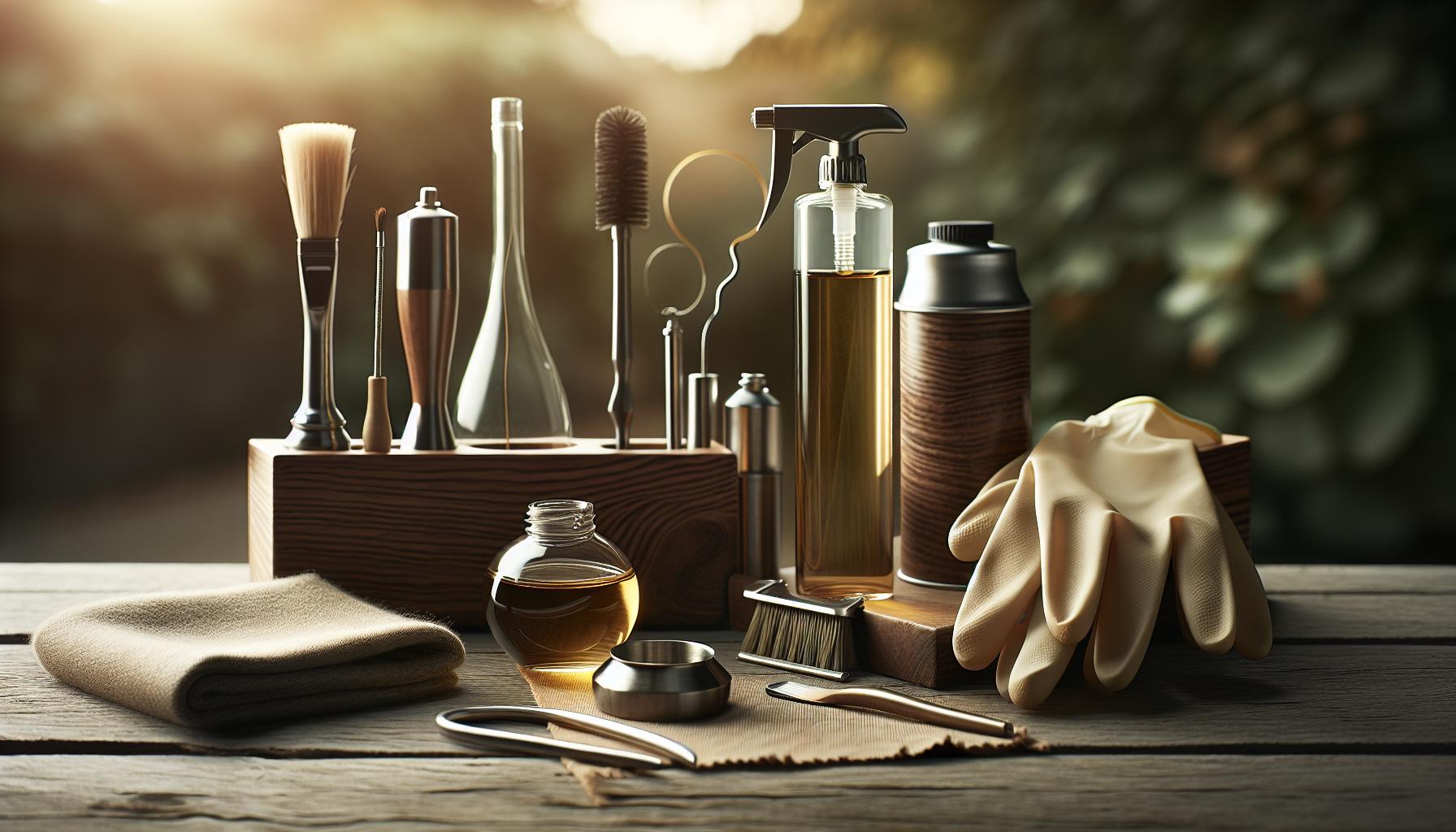
A Preventative Maintenance Routine for Your Pocket Knife
Maintaining your pocket knife through a consistent preventative maintenance routine can significantly enhance its longevity and performance. A well-cared-for knife not only performs more effectively but also feels more reliable in your hand, making it a trustworthy companion for any task. Regular checks and maintenance help prevent issues that could lead to costly repairs or even the need to replace your knife altogether.
To start, develop a routine that incorporates a thorough cleaning and lubrication schedule. It’s recommended to clean your knife after each use, especially if you’ve been cutting through food or working in dirty environments. Use a soft cloth and a small cleaning brush to remove debris, followed by a gentle rinse with mild soap and water. Ensure all parts are completely dry before proceeding to oiling to prevent trapping moisture inside the mechanism.
In addition to regular cleaning, oiling your knife is crucial. Establish a frequency that suits your usage-every month for regular use or every few months for infrequent users. Apply the chosen oil to the pivot points, blades, and any moving components using a precision applicator, ensuring that you use just the right amount to avoid residue buildup. A few drops of knife oil can make a significant difference in the action and smoothness of the blade.
Here are a few maintenance practices you shouldn’t overlook:
- Inspect Regularly: Check for signs of wear or damage, such as rusting or loosening screws, which can indicate it’s time for service.
- Store Properly: Always store your knife in a protective case or sheath when not in use, as this prevents accidental damage and protects the blade from moisture.
- Keep It Sharpened: A dull blade can lead to increased wear on the hinge and may require more oiling. Regularly sharpen your knife to maintain its edge.
Developing these habits will not only keep your Swiss Army Knife functioning smoothly but also make every adventure that much more enjoyable, knowing you have a reliable, well-maintained tool at your side.
Troubleshooting: What to Do When Oiling Doesn’t Work
If your Swiss Army Knife isn’t responding positively to oiling, it can be frustrating, especially when you’re relying on it for daily tasks or outdoor adventures. Understanding why your oiling efforts may fall short is key to restoring the tool’s smooth action. There are multiple factors to consider when troubleshooting, and recognizing these can help you quickly rectify the issue.
First, consider the type of oil you’re using. Not all oils are created equal; some can actually gum up mechanisms instead of lubricating them effectively. For optimal performance, use oils specifically designed for knives, such as mineral oil or dedicated knife oils. These oils provide a thin layer of lubrication that won’t attract dirt or dust. If you’ve used a household oil, it’s possible that it has created a residue that’s hindering the knife’s movement. In this case, a thorough cleaning may be necessary to eliminate any sticky build-up.
Another aspect to examine is the cleanliness of the knife’s pivot points. Dirt, grime, and old oil can accumulate over time, causing friction and impeding movement. If oiling doesn’t help, disassemble the knife carefully (if you’re comfortable doing so) and clean each component with a soft cloth or a small brush. Pay particular attention to the hinges and any crevices where debris may hide. A clean mechanism will allow the new oil to penetrate effectively.
Furthermore, if the knife still feels stiff after oiling, it could be that the internal components are damaged or worn out. Check for any signs of rust or misalignment. Sometimes, simple adjustments or replacement parts are all that’s needed to restore functionality. If you’ve checked oil and cleanliness but the issue persists, it may be time to consult a professional repair service or the manufacturer’s recommendations for servicing.
By diagnosing the potential causes and addressing them systematically, you’ll be well on your way to restoring your Swiss Army Knife to its former ease of use. Regular maintenance checks can help catch issues early, ensuring your treasured tool serves you well for many adventures to come.
FAQ
Q: How often should I apply oil to my Swiss Army Knife?
A: You should apply oil to your Swiss Army Knife every few months, or more frequently if you use it regularly or notice stiffness. Regular maintenance ensures smooth operation and longevity. For detailed steps, refer to the “How Often Should You Oil Your Swiss Army Knife?” section in our guide.
Q: What type of oil is best for lubricating Swiss Army Knives?
A: The best type of oil for lubricating Swiss Army Knives is a light mineral oil, such as 3-in-1 oil or sewing machine oil. These oils provide adequate lubrication without attracting dirt. Explore the “Choosing the Right Oil for Your Swiss Army Knife” section for more options.
Q: Can I use WD-40 to oil my Swiss Army Knife?
A: While WD-40 can be used for cleaning, it is not recommended for regular lubrication as it can attract dirt and grime. Stick to mineral oils for best performance. For effective techniques, see “Step-by-Step Guide to Oiling Your Swiss Army Knife.”
Q: What are the signs that my Swiss Army Knife needs maintenance?
A: Signs your Swiss Army Knife needs maintenance include stiff movement, rust, or misalignment of tools. If you notice any of these issues, it’s time to clean and oil it. More insights are available in the “Signs Your Swiss Army Knife Needs Oiling” section.
Q: How should I clean my Swiss Army Knife before oiling?
A: Before oiling, thoroughly clean your Swiss Army Knife with warm, soapy water, and dry it completely. Pay special attention to the pivot points and tool joints. For a detailed cleaning method, refer to the “Cleaning Your Swiss Army Knife Before Oiling” section.
Q: What should I do if my Swiss Army Knife is still stiff after oiling?
A: If your Swiss Army Knife remains stiff post-oiling, try disassembling and cleaning it to remove any debris. Then, reapply oil and work the tools in and out. See “Troubleshooting: What to Do When Oiling Doesn’t Work” for further guidance.
Q: Are there any specific techniques for oiling a Swiss Army Knife?
A: Yes, for effective oiling, apply a few drops of oil to pivot points and work each tool several times to distribute evenly. Avoid over-oiling to prevent dirt accumulation. Check the “Restoring Stiff Action: Advanced Oiling Techniques” section for more tips.
Q: Is regular maintenance necessary for my Swiss Army Knife?
A: Yes, regular maintenance is crucial for maintaining the performance and appearance of your Swiss Army Knife. A consistent cleaning and oiling routine helps prevent rust and ensures smooth operation. For a preventative maintenance routine, refer to the relevant section in our guide.
Insights and Conclusions
Now that you’ve unlocked the secret to smoothly oiling your Swiss Army knife, don’t let the journey stop here! Regular maintenance not only preserves the functionality of your beloved tool but also enhances its longevity and performance. If you’d like to dive deeper into maintaining similar tools, be sure to check out our guides on sharpening pocket knives and restoring karambits for optimal performance.
Ready to take your outdoor gear knowledge to the next level? Subscribe to our newsletter for exclusive tips on everyday carry essentials and gear selection that suits all your adventures. Have questions or your own tips to share? We encourage you to leave a comment below-your experience matters! Remember, the more you care for your tools, the more you empower yourself for any situation. Keep exploring and enhancing your gear skills with us!