

In basketball, the term “Swiss Army Knife” epitomizes a player who showcases remarkable versatility, adapting to different roles and game situations effortlessly. Just as a Swiss Army knife combines multiple tools for various tasks, a Swiss Army knife player can excel at scoring, defending, and playmaking, making them invaluable assets to their teams. This versatility not only enhances their team dynamics but also presents a strategic advantage that can determine the outcome of close games. Understanding the traits and impact of these exceptional players can inspire aspiring athletes and coaches alike. As we explore the concept further, you’ll discover why being a Swiss Army knife in basketball is not just an asset-it’s a vital component of success on the court.
What Defines a Swiss Army Knife in Basketball?
A Swiss Army Knife in basketball represents a player who embodies versatility, adaptability, and an extensive skill set, making them invaluable to their team. This unique designation highlights athletes capable of excelling in various roles on the court, whether as a scorer, defender, playmaker, or rebounder. These players are often the backbone of their teams, filling in the gaps where needed and enhancing overall team performance.
Essentially, the characteristics that define these players include proficiency in multiple positions, the ability to execute critical plays under pressure, and a high basketball IQ that allows for effective decision-making in diverse game situations. Players likened to Swiss Army Knives not only contribute in ways that go beyond conventional scoring or defense but are also known for their prowess in facilitating teamwork, understanding offensive and defensive schemes, and adjusting their playstyle to suit the team’s needs.
For example, Josh Hart has been recognized as one of the best Swiss Army Knife players in the NBA due to his all-around abilities, showcasing how crucial a multifaceted skill set is in modern basketball. Similarly, Tre White aspires to bring his varied talents to the college level, seeking to contribute across different facets of the game. The significance of these versatile players lies not just in their individual abilities but also in how they can elevate their team’s dynamics and competitiveness through their flexibility on the court.
Key Traits of the Ultimate Versatile Player

The essence of a truly versatile player in basketball can often be likened to the multifaceted design of a Swiss Army knife. These individuals possess not just a single skill but an impressive toolkit of abilities that enable them to adapt and thrive across various roles on the court. Critical traits that define such players include high basketball IQ, which allows them to read the game effectively and make quick decisions under pressure. They understand not only their responsibilities but also how to complement their teammates’ styles, enhancing overall team cohesion.
Moreover, physical attributes play a significant role in versatility. A perfect Swiss Army knife player often exhibits a combination of size, speed, and agility, enabling them to guard multiple positions and switch seamlessly between offensive roles. Players like Josh Hart have demonstrated excellence in this area, showcasing how their all-around skill set allows them to contribute significantly on both ends of the floor, be it as a scorer, playmaker, or defender [3[3].
Another key aspect is resilience and adaptability. Versatile players are often called to step into crucial moments, whether it’s taking a last-second shot or making a defensive stand against an opposing star. Their experience in handling various game scenarios equips them with the confidence to thrive in high-pressure situations. Ultimately, these traits enable Swiss Army knife players to fill multiple roles by evolving their influence according to the team’s needs, becoming essential assets in the ever-dynamic landscape of modern basketball.
Top Skills that Make a Swiss Army Knife Player
The versatility of a Swiss Army knife player in basketball hinges on a unique blend of skills that allows them to excel in multiple areas of the game. These players can seamlessly transition between different roles depending on the team’s needs, contributing effectively on both offense and defense. Here are key skills that define such exceptional players:
- Ball Handling: A Swiss Army knife player often possesses exceptional dribbling skills that allow them to create their own shot, facilitate plays, or effectively navigate through defenses. Good ball handlers can control the pace of the game and create opportunities for teammates.
- Shooting Proficiency: Versatile players typically have a reliable shooting touch from various distances, whether it’s a mid-range jumper, three-pointer, or free throws. This ability keeps defenses honest and opens up scoring opportunities both for themselves and for others.
- Defensive Versatility: Top versatile players can guard multiple positions due to their agility, quickness, and understanding of defensive schemes. Effective defenders can switch on screens and contain a variety of offensive threats, enhancing the team’s overall defensive strategy.
- Passing and Vision: A player’s ability to read the game and make quick, accurate passes is crucial. This includes not only traditional assists but also the ability to create plays out of the pick-and-roll or find open teammates in transition.
- Rebounding Ability: The capability to secure rebounds on both ends of the court allows versatile players to initiate fast breaks, extend possessions, and contribute to their team’s physical play. Being able to contribute in this area is critical for a player’s overall effectiveness.
- Basketball IQ: A high basketball IQ enables players to anticipate opponents’ movements, make smart decisions, and adjust their play in real-time. This understanding enhances their ability to execute game plans and adapt as situations develop during a game.
These skills not only help the player themselves but also elevate the performance of their teammates, making them invaluable assets to any roster. For instance, players like Kevin Durant and Draymond Green exhibit these multifaceted abilities, demonstrating how a diverse skill set can impact a team’s success in various ways.
Historical Evolution of Versatile Players in Basketball
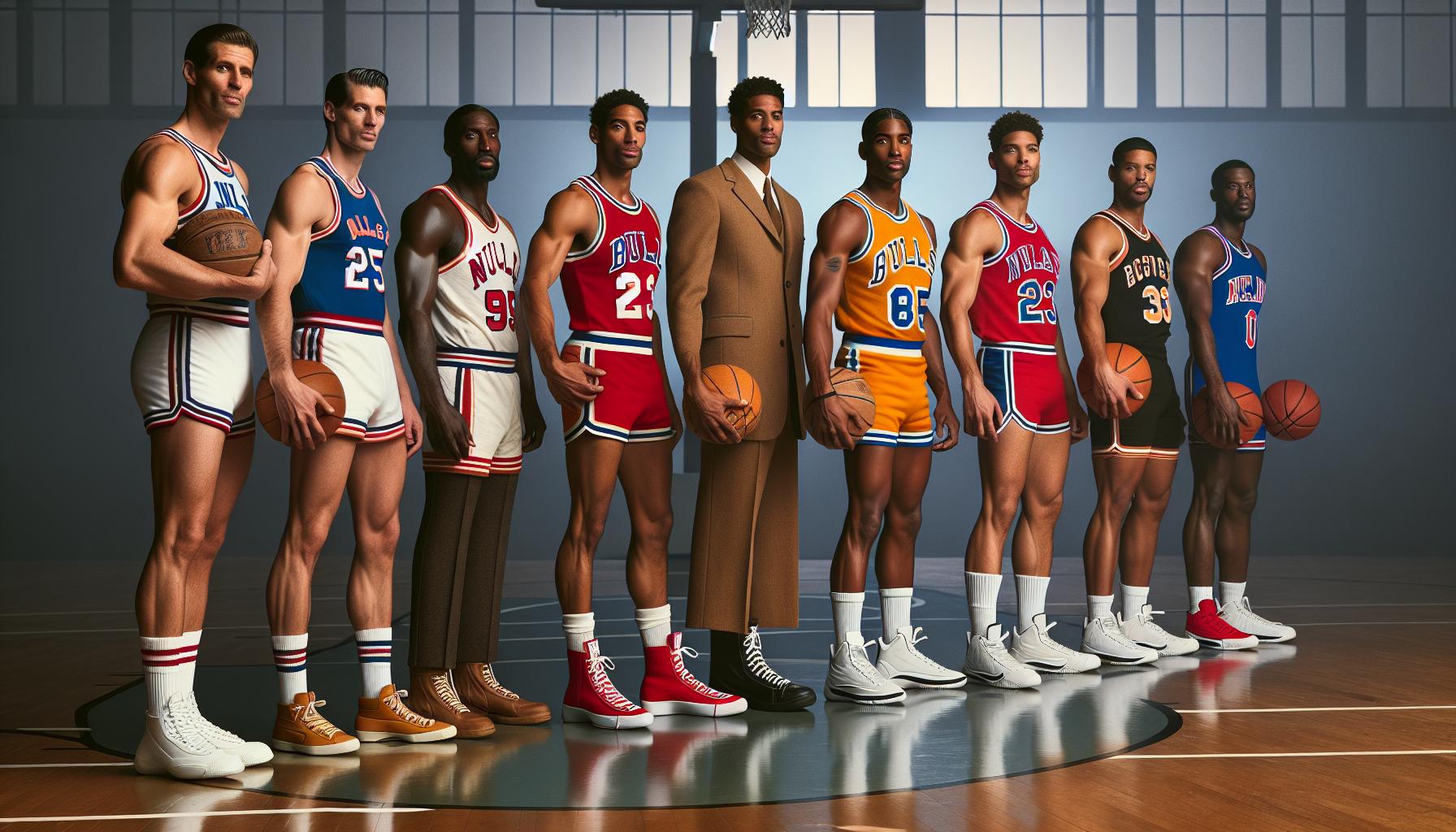
The concept of a versatile player in basketball, often referred to as a “Swiss Army Knife,” has evolved significantly since the game’s inception. In the early days of basketball, players typically specialized in specific roles-shooters, rebounders, or playmakers. However, as the game progressed, the demand for multi-skilled athletes increased, transforming the role of versatile players into critical components of any successful team.
Throughout the 1970s and 1980s, the NBA witnessed the emergence of more athletic and dynamic players who could do more than just one thing well. Icons like Magic Johnson and Larry Bird redefined what it meant to be an all-around player. Johnson’s ability to play multiple positions as a 6’9″ point guard and Bird’s unparalleled vision and basketball IQ allowed them to impact the game in numerous ways. This transition laid the groundwork for the modern Swiss Army Knife, where versatility became a coveted trait for any player.
The late 1990s and early 2000s further solidified this shift as players like Scottie Pippen and Kobe Bryant showcased the ability to defend multiple positions, distribute the ball, and score efficiently. Pippen, often noted for his defensive prowess and ability to facilitate the Chicago Bulls’ offense, exemplified the ideal of a versatile player who could adapt to different game situations and opponent strategies.
In recent years, the rise of positionless basketball has revolutionized player roles. Teams are increasingly valuing players capable of switching defensive assignments, facilitating plays, and scoring from beyond the arc, reflecting a broader trend toward skill over size. Today’s players, such as Luka Doncic and Draymond Green, epitomize the Swiss Army Knife archetype, as they can seamlessly fill various roles on the court. This evolution not only highlights the changing landscape of basketball but also emphasizes the importance of adaptability in a player’s skill set, which continues to shape team dynamics and strategies across the league.
Examples of NBA Players Who Exemplify This Role
The modern basketball landscape is increasingly defined by versatile players who can seamlessly adapt to various roles on the court. Players like Luka Dončić and Draymond Green epitomize this Swiss Army Knife approach, showcasing their multifaceted skill sets to elevate their teams’ performances. Dončić, a guard who can orchestrate the offense, score effectively, and rebound, often serves as a point guard, small forward, and even power forward, depending on the game situation. His ability to read defenses and make quick decisions under pressure demonstrates the hallmark of a true versatile player.
Similarly, Draymond Green exemplifies defensive versatility, capable of guarding all five positions. His high basketball IQ allows him to facilitate plays, rebound, and contribute scoring when needed. Green’s defensive prowess and ability to communicate effectively on the court have made him an invaluable asset to the Golden State Warriors, showcasing how a Swiss Army Knife player can change a game without always being the top scorer.
Just as impactful are players like Josh Hart, whose all-around ability contributes to his team’s success in various ways on both ends of the floor. Hart’s capability to rebound, defend multiple positions, and provide secondary scoring shows the increasing demand in the NBA for multi-talented players who can fill in gaps wherever necessary.
The emergence of the positionless basketball era has allowed these players to thrive, demonstrating that a player’s value can extend beyond traditional roles. Their collective impact proves that versatility is not simply a desirable trait but a strategic advantage that can ultimately determine a team’s success.
How to Identify a Swiss Army Knife Player in Your Team
Identifying a Swiss Army Knife player on your basketball team can significantly enhance your strategies and overall performance. These versatile players embody multiple skills and can adapt to various roles, making them indispensable assets in different game situations. To pinpoint a player with this unique versatility, there are certain traits and skills to evaluate.
First and foremost, observe how a player performs across multiple positions. A true Swiss Army Knife will effortlessly transition from guard to forward or even center, showcasing a unique blend of skills. For instance, a player might initiate plays as a point guard, then guard the opposing team’s best scorer as a small forward, before crashing the boards as a power forward. Their ability to handle diverse responsibilities without missing a beat is a hallmark trait.
Next, examine the player’s basketball IQ. High-IQ players are adept at reading the game, understanding defensive schemes, and making quick, intelligent decisions on the fly. They know when to score and when to facilitate, and they effectively communicate with teammates to orchestrate complex plays. This cognitive adaptability often sets Swiss Army Knife players apart from their peers.
Additionally, consider the player’s defensive capability. A versatile player should possess the skills to guard multiple positions successfully. Look for players who can switch seamlessly on defense, challenging opponents regardless of their size or skill set. Their impact on both ends of the floor can elevate the team’s performance significantly.
Finally, assess their contributions to the team’s overall dynamics. Players who embody the Swiss Army Knife mentality often boost team morale and cohesiveness. Their willingness to take on varied roles, whether it’s diving for loose balls, providing key assists, or defending top scorers, encourages a team-oriented approach. Watching how a player interacts with teammates and uplifts the overall play can provide insight into their versatility.
Recognizing these qualities will help you gauge a player’s potential to thrive in a positionless basketball landscape, ultimately fostering a stronger, more adaptable team.
The Impact of Versatile Players on Team Dynamics
Versatile players are often the backbone of successful basketball teams, fundamentally shaping team dynamics in myriad ways. These athletes can easily adapt to various roles on the court, which allows coaches to experiment with different lineups and strategies. For example, a player who can play both guard and forward not only fills the gaps left by injuries or foul trouble but also enables a more fluid transition between offensive and defensive schemes. This level of flexibility is invaluable, particularly in a fast-paced game where mismatches can arise at any moment.
One of the most profound impacts of versatile players is how they foster team chemistry. When teammates witness a player willing to take on multiple responsibilities-be it playmaking, rebounding, or defending the opposing team’s star-their commitment to the team’s success is often heightened. Such players set a tone of selflessness and adaptability, encouraging others to step up and contribute in whatever ways necessary. As a result, the entire team benefits from enhanced morale and cohesiveness, translating into improved on-court synergy.
Moreover, the presence of a Swiss Army Knife player can elevate a team’s defensive identity. Players who can guard multiple positions effectively allow teams to implement aggressive defensive strategies, including switching on screens without losing effectiveness. This capability creates a challenging environment for opponents, breaking their rhythm and increasing the chances for turnovers. Consequently, versatile defenders not only contribute to the scoreboard through their own efforts but also generate scoring opportunities for teammates.
In modern basketball, where the lines between positions are increasingly blurred, recognizing and utilizing versatile players can be a game-changer. Coaches who cultivate this talent, ensuring players are well-rounded and ready to take on different roles, can maximize their team’s potential. The ripple effect of versatile players on overall performance not only manifests through wins but also in developing a resilient, competitive culture that embraces adaptability. By prioritizing the integration of these versatile athletes, teams pave the way for sustainable success both now and in the future.
Training Tips to Develop Versatility in Young Players
To create a well-rounded basketball player who can adapt to various roles on the court, comprehensive training strategies are essential. Fostering versatility in young athletes can significantly enhance their on-court performance and increase their value to any team. A focus on developing a range of skills will prepare them to take on multiple positions and responsibilities, embodying the true essence of a Swiss Army Knife player.
One effective approach is to incorporate multifaceted drills into practice routines. For instance, sessions should include a mix of shooting drills focusing on different types of shots-such as layups, mid-range jumpers, and three-pointers-combined with ball-handling exercises that encourage players to use both hands. Additionally, integrating defensive drills that involve guarding players of various sizes and skill sets can enhance their adaptability on that end of the court.
Encouraging position-switching during practice can also help players gain experience in different roles. Coaches can design scrimmage scenarios where athletes are required to play various positions, prompting them to learn the distinct responsibilities and skills needed for each. This exercise not only fosters understanding of the game from multiple perspectives but also promotes teamwork and communication, reinforcing the importance of collaboration on the floor.
Finally, mentorship and film study should not be overlooked. Pairing younger players with experienced teammates who exemplify versatility can ignite a passion for developing a broader skill set. Additionally, analyzing game footage of versatile players in the NBA can provide valuable insights into how they perform various roles effectively. Discussing strategies and decision-making processes shown in the footage allows young players to internalize these lessons while staying engaged with the game at a higher level.
By focusing on comprehensive skill development, fostering an adaptable mindset through positional flexibility, and utilizing mentorship and film study, coaches can effectively nurture the next generation of versatile basketball players poised to make a significant impact on their teams.
Coaching Strategies for Maximizing Versatile Talent
To develop players who can seamlessly shift between roles and elevate their teams’ performance, coaches must embrace specific strategies focused on fostering versatility. Recognizing that a true “Swiss Army Knife” player enhances not only their own game but also the overall dynamics of the team, here are some actionable coaching strategies.
One of the most effective methods is to implement position-specific drills that challenge players to hone various skills relevant to different roles on the court. For instance, designing drills that require a guard to practice post moves and a forward to work on ball-handling can stretch their comfort zones. This cross-training approach promotes an understanding of multiple positions, allowing players to intuitively respond to game situations regardless of where they are positioned.
Additionally, fostering a culture of collaboration and communication within the team is vital. Encourage players to discuss their experiences and insights after scrimmages or practices. For example, a player who trained as a forward might share valuable tips with guards on perimeter defense techniques. This exchange not only builds trust but also enriches the team’s collective knowledge, enhancing performance across all positions.
Utilizing video analysis and feedback is another powerful tool. By reviewing game footage, coaches can point out examples of versatility in action, showcasing how players like Paul Millsap exemplify the Swiss Army Knife role in the NBA[[3]](https://www.reddit.com/r/nba/comments/4e6iiz/what_nba_player_is_a_swiss_army_knife/). Discussing specific plays where versatility made a difference can inspire players to adopt similar approaches in their own games. This critical examination keeps players engaged and helps them internalize lessons relevant to their development.
Lastly, incorporating a flexible game strategy that allows for on-the-fly adjustments during games is crucial. Coaching players to read the flow of the game and adapt their roles accordingly can build confidence and a sense of ownership over their contributions. For instance, if a center is dominating inside, guards should prioritize facilitating that success, while forward players might step out to create perimeter opportunities. This real-time adaptability is a hallmark of versatile players and enhances overall team cohesion and effectiveness.
By consciously implementing these strategies, coaches can maximize the talent of their players, ensuring that they not only thrive individually but also propel their teams to success through their versatility.
Comparing Versatile Players: Strengths and Weaknesses
When assessing versatile players, often referred to as “Swiss Army Knife” players, it’s essential to analyze their strengths and weaknesses to understand how they can best contribute to a team. These players are invaluable due to their ability to fill multiple roles on the court, allowing coaches greater flexibility in strategy and lineups. However, alongside their multifaceted skill sets, certain challenges may arise that can impact team dynamics and individual performance.
Strengths of Versatile Players
- Adaptability: Versatile players can quickly adjust to various situations within a game, responding to matchups or game flow changes without hesitation. For instance, a player like Draymond Green is renowned for seamlessly transitioning between defense, playmaking, and scoring, which keeps opponents guessing.
- Increased Team Depth: When a single player can cover several positions, bench depth becomes less of a concern. A versatile player can step in when teammates are sidelined due to injury or foul trouble, maintaining team performance levels.
- Strategic Flexibility: Coaches can customize game plans around versatile players, adjusting tactics based on an opponent’s strengths and weaknesses. This versatility allows teams to create mismatches and exploit defensive vulnerabilities.
Weaknesses of Versatile Players
- Jack of All Trades, Master of None: While versatility is valuable, players may lack specialization in critical areas like shooting or rebounding. This can limit their effectiveness compared to more focused players who excel in specific skills.
- Role Confusion: With the ability to play multiple positions, a player might struggle with identity or role clarity within the team. This confusion can hinder their confidence and contribute to inconsistent performance.
- Overextension: Coaches may rely too heavily on versatile players, leading to fatigue or burnout, particularly during long seasons. It’s crucial to manage their minutes to ensure they maintain peak performance when needed.
In conclusion, while versatile players bring numerous advantages to a roster, it’s vital for coaches to be aware of their limitations. Balancing the benevolent chaos of versatility with clear roles and responsibilities can help optimize their contributions, allowing teams to leverage the best of both worlds. By strategically utilizing these players, teams can enhance overall dynamics, keeping opponents on their toes while maintaining a clear sense of order within their system.
The Future of Versatility in Basketball: Trends and Predictions
The evolution of basketball has been characterized by a growing emphasis on versatility, with players who can seamlessly transition between multiple roles becoming increasingly valuable. In the years to come, we can expect this trend to intensify, influenced by changes in playing styles, coaching strategies, and player development paradigms.
One significant development is the rise of positionless basketball, a concept that blossomed in the wake of teams prioritizing speed, adaptability, and skill over traditional positional play. This shift encourages players to develop a broader range of skills, allowing them to contribute in various capacities. The ability to shoot from long range, execute complex plays, and defend multiple positions is becoming a standard expectation, leading to a new breed of players who exemplify the Swiss Army Knife archetype. This evolution broadens the tactical options available to coaches and enhances the overall fluidity of the game.
Additionally, advancements in training methodologies and technology are enabling players to cultivate versatile skill sets from a younger age. With the rise of analytic tools that assess player performance in real time, coaches can identify individual strengths and weaknesses more effectively, tailoring training programs to enhance versatility. Players are being trained not just for their specific positions but to be multifaceted contributors who can thrive under various circumstances.
Moreover, as teams continue to pursue faster-paced, high-scoring strategies, the demand for versatile players will only increase. Teams will likely prioritize acquiring athletes who can excel both offensively and defensively, creating mismatches and adapting to different opponent strategies. With players like Josh Hart being highlighted as prime examples of this versatility today, we can anticipate a growing roster of future stars who redefine what it means to be a Swiss Army Knife in basketball.
In conclusion, the future of versatility in basketball is bright, promising a dynamic landscape where players are not just specialists but multifaceted athletes. As the game evolves, so too will the skill sets of these players, making them indispensable assets for any team looking to achieve success in this competitive arena.
Building a Team Around Versatile Players: Best Practices
Building a team that capitalizes on versatile players is fundamental in today’s evolving basketball landscape. A well-structured team around Swiss Army Knife players can greatly enhance overall performance, adaptability, and strategic depth. These multi-skilled athletes can seamlessly switch between roles, providing a tactical advantage and keeping opponents on their toes. To harness the full potential of versatile players, consider the following best practices:
- Assess Skill Sets: Conduct thorough evaluations of each player’s skills, focusing on their strengths and areas for improvement. This assessment helps in defining roles and uncovering unique capabilities that can be leveraged during games.
- Embrace Positionless Play: Encourage a positionless basketball approach that prioritizes flexibility. This system allows versatile players to fulfill multiple roles on the court, whether it’s running plays as a point guard or defending as a power forward. Teams like the Golden State Warriors have successfully implemented this strategy, resulting in dynamic offensive and defensive schemes.
- Foster Team Chemistry: Build strong relationships among players. Versatile athletes often excel in communication and teamwork; fostering chemistry can lead to better on-court collaboration. Encourage practices that emphasize passing and movement without the ball to enhance synergy.
- Utilize Rotations Wisely: Design rotations that take advantage of players’ versatility. For example, if a player excels in different positions, rotate them based on the opponent’s weaknesses. This keeps teams unpredictable and creates mismatches that can be exploited.
- Implement Tailored Training: Develop training programs that focus on enhancing versatility. Incorporate drills that emphasize ball handling, shooting from various positions, and defensive techniques. This holistic training ensures players are well-rounded and can adapt to the team’s changing needs.
By focusing on these approaches, coaches can create an environment where versatility flourishes. This not only improves individual player capabilities but also strengthens the team’s collective performance, providing a comprehensive toolkit that can adjust to any opponent or game situation. As the basketball landscape continues to evolve, those teams that effectively integrate versatile players will inevitably find greater success on the court.
Frequently Asked Questions
Q: What does it mean to be a “Swiss Army Knife” player in basketball?
A: A “Swiss Army Knife” player in basketball is someone who demonstrates exceptional versatility, capable of excelling in multiple roles like scoring, passing, defending, and rebounding. This adaptability allows teams to utilize them in various positions and situations, enhancing overall team performance.
Q: How can I identify a Swiss Army Knife player on my basketball team?
A: To identify a Swiss Army Knife player, look for someone with a diverse skill set, including shooting, playmaking, defensive abilities, and a strong basketball IQ. They should excel in multiple positions and adapt seamlessly to different game scenarios.
Q: Why are Swiss Army Knife players important in modern basketball?
A: Swiss Army Knife players are crucial in modern basketball because they increase tactical flexibility, allowing teams to adjust strategies based on opponents. Their multi-faceted skills can change game dynamics and provide significant advantages during tight matchups.
Q: Can you give examples of current NBA players who fit the Swiss Army Knife mold?
A: Current NBA players like Kevin Durant and Draymond Green exemplify Swiss Army Knife attributes. Durant’s scoring, passing, and rebounding ability, paired with Green’s defensive versatility and playmaking skills, demonstrate the impact of such players on their teams.
Q: What key skills should a player develop to become a Swiss Army Knife?
A: To become a Swiss Army Knife, players should focus on improving their shooting, ball-handling, passing, defensive techniques, and understanding of the game. A well-rounded skill set allows them to contribute in various ways during games.
Q: How do Swiss Army Knife players affect team dynamics?
A: Swiss Army Knife players positively impact team dynamics by providing flexibility in strategy, enhancing communication, and often improving chemistry among teammates. Their versatility allows coaches to experiment with lineups, maximizing each player’s strengths.
Q: What training tips can help develop versatility in young basketball players?
A: Encouraging diverse training experiences, such as playing different positions, practicing various skills like dribbling, shooting, and defense, and participating in competitive environments can help young players develop versatility. This helps them adapt to any role on the court.
Q: What coaching strategies can maximize the talent of versatile players?
A: Coaches can maximize versatile players’ talents by creating systems that leverage their skills, encouraging them to take on multiple roles, and fostering a culture where players share knowledge and abilities. This cultivates an environment that rewards adaptability and creativity.
The Conclusion
As we wrap up our exploration of what defines a Swiss Army Knife in basketball, it’s clear that versatility is a game-changer. Whether it’s players like Paul Millsap or Kevin Durant, the ability to adapt and excel in multiple roles is invaluable on the court. Don’t miss out on enhancing your basketball knowledge further-check out our articles on the top versatile players in the NBA and tips for improving your game strategy.
Ready to become a basketball Swiss Army Knife yourself? Dive deeper into broader topics like effective shooting drills or mastering defensive skills on our site. Don’t forget to subscribe to our newsletter to stay updated on the latest insights and player analyses. Your journey towards versatility begins now-get involved, share your thoughts in the comments, and explore more content to elevate your basketball IQ!