
Did you know that the angle at which you sharpen your pocket knife can dramatically affect its performance? Finding the perfect edge angle not only enhances cutting efficiency but also prolongs the life of your blade. Whether you use your knife for everyday tasks, outdoor adventures, or emergency situations, understanding how to sharpen to the right degree is essential for optimal performance and safety. This guide will break down the importance of edge angles and provide you with practical tips to sharpen your pocket knife effectively. Armed with this knowledge, you’ll be well-equipped to keep your blade razor-sharp and ready for any challenge that comes your way. Let’s dive into the nuances of perfecting your sharpening technique!
Understanding Blade Angles: What You Need to Know
Blade angles are a fundamental aspect of knife performance, influencing how well a blade cuts, slices, or carves. Understanding the intricacies of blade angles not only enhances your knife’s efficiency but also empowers you to make informed choices about sharpening your pocket knife. Typically, the edge angle determines the sharpness and durability of the blade; the sharper the angle, the finer the cutting capability, though it may compromise edge retention over time.
When considering the ideal angle for a pocket knife, it’s important to weigh the tasks you primarily perform. For general utility and outdoor use, a more versatile angle between 20 and 25 degrees can offer a good balance between sharpness and durability. In contrast, specialized tasks like skinning or food preparation may benefit from a sharper angle, often between 15 and 20 degrees, allowing for greater precision in cutting. A compromised angle may lead to premature dulling and affect performance, making understanding and selecting the right degree essential.
To accurately gauge and adjust your knife’s edge angle, innovative tools and techniques are available. Some sharpeners come equipped with angle guides to help maintain consistency, while more advanced techniques, such as using a whetstone or guided sharpening systems, allow for precise control over the sharpening process. Regularly measuring your knife’s edge and making small adjustments can keep your blade performing at its best.
Ultimately, knowing how blade angles function empowers you to keep your knife in optimal shape, ensuring you get the most out of every cut. Taking the time to learn about this essential aspect of knife care will enhance not just the longevity of your tool, but also the quality of your work, from everyday tasks to more specialized uses.
Choosing the Right Angle for Your Pocket Knife
Choosing the right sharpening angle for your pocket knife can significantly enhance its cutting performance and longevity. Did you know that the angle at which your blade is sharpened can determine its suitability for various tasks? For instance, a sharper blade can slice through materials with precision, making it ideal for intricate tasks, while a broader angle provides better durability, making it suitable for more rugged use. Understanding these distinctions is crucial when considering how to maintain and optimize your favorite pocket knife.
When it comes to selecting an angle, most pocket knives fall within the range of 20 to 25 degrees for general-purpose use. This range offers a solid balance between sharpness and edge retention, perfect for everyday tasks like opening packages or preparing food. If your pocket knife is primarily used for light outdoor activities or as part of your everyday carry (EDC) gear, sticking to this angle is often sufficient. Conversely, if you’re working on more precise tasks, like skinning game or delicate slicing, a sharper angle of around 15 to 20 degrees could be more effective.
Another factor to consider is the blade material and design. High-carbon stainless steel blades may hold a sharper edge longer than softer steels, enabling you to maintain a finer angle without sacrificing durability. On the other hand, ceramic blades, known for their sharpness, can be more brittle, making a slightly wider angle advisable to prevent chipping. Evaluate the materials and design of your knife, and remember that adjusting the angle might also change the way you use the knife-what feels comfortable in your hand while performing tasks will steer your decision on the optimal angle.
By paying attention to these factors and regularly assessing the performance of your blade, you can confidently choose the right angle tailored to your specific needs. Regular maintenance and understanding your knife’s characteristics will empower you to maintain its peak performance for a wide array of tasks, whether you’re at home, in the wilderness, or on the go.
Common Edge Angle Types and Their Uses
Understanding the various edge angles of pocket knives is essential for optimizing their performance in different tasks. Each angle serves a specific purpose-providing either precision for intricate work or durability for tougher applications. The blade’s geometry can drastically affect how well it performs based on the task at hand.
The most common edge angles range from 15 to 30 degrees, with different applications for each. For instance, a 15 to 20-degree angle is indicative of knives designed for precision cutting, ideal for tasks requiring sharpness, such as filleting fish or skinning game. This angle allows you to make clean, accurate cuts without excessive force. On the flip side, a 20 to 25-degree angle is the sweet spot for general-purpose knives, offering a balance between sharpness and durability. This range is suitable for everyday carry (EDC) tasks like opening packaging or preparing food.
For more rugged uses, such as camping or bushcrafting, a broader angle of 25 to 30 degrees may be advisable. Knives sharpened to this angle excel in durability, making them resistant to damage during heavy slicing or prying tasks. It’s particularly important when dealing with tough materials or when the knife is likely to encounter hard surfaces.
In conclusion, selecting the right edge angle can significantly enhance your knife’s efficiency and longevity. Understanding the types of edge angles available and their practical applications enables both beginners and seasoned users to make informed choices about their tools, ensuring that each knife performs optimally for its intended use. As you consider your pocket knife needs, remember that the versatility of your sharpening angle directly impacts your cutting experience and overall satisfaction.
Effects of Different Sharpening Angles on Performance
Understanding the effect of sharpening angles on knife performance is crucial for anyone seeking to optimize their blade for specific tasks. Every angle affects not only how efficiently a knife cuts but also impacts its durability, edge retention, and overall usability. For example, a knife sharpened at a low angle, around 15 degrees, will deliver exceptional sharpness, making it ideal for precision tasks like slicing through delicate materials. This angle allows the blade to glide through the material with minimal resistance, but it comes at a cost: the edge is more vulnerable to chipping and dulling, especially when used for tougher jobs.
Conversely, a knife with a broader edge angle, such as 25 to 30 degrees, provides increased durability, making it suitable for heavy-duty tasks that involve cutting tougher materials or performing prying actions. While it may not slice as effortlessly as its sharper counterpart, this angle holds up better under stress, ensuring that the blade remains useful even after prolonged use in rigorous environments. This is particularly important for outdoor enthusiasts who may rely on their knives for various survival tasks, where durability is paramount.
Each sharpening angle also brings with it unique maintenance needs. Knives honed to a finer angle may require more frequent touch-ups to maintain their cutting edge, while those with wider angles can often withstand longer periods between sharpenings. This can affect your overall knife care routine and the tools you choose to keep your blade in tip-top shape. By understanding these dynamics, you can tailor your sharpening techniques and maintenance practices to align with your specific cutting needs, enhancing both performance and longevity.
In summary, the choice of sharpening angle significantly influences a knife’s operational capabilities. By recognizing the trade-offs between sharpness and durability, you can make informed decisions when it comes to selecting, sharpening, and using your pocket knife effectively. Knowing the performance characteristics of different edge angles empowers users to confidently tackle a variety of tasks, from delicate slicing to robust, heavy-duty work.
How to Measure and Adjust Your Knife’s Edge Angle
Measuring and adjusting your knife’s edge angle with precision can significantly enhance its cutting performance, ensuring you get the most out of your blade. One effective method to accurately gauge this angle involves the use of a protractor or angle gauge, which can help you visualize the edge’s angle relative to the cutting edge. Begin by cleaning the blade thoroughly, ensuring there’s no residue that might skew your measurements. Once your knife is clean, simply place the protractor against the blade where the bevel meets the edge. For a more tech-savvy approach, you can also use a digital angle finder, which offers easy readings and is highly user-friendly.
For those looking to adjust their knife’s edge angle, it’s similar to fine-tuning an instrument for peak performance. If you’ve decided that a different angle will serve your needs better-be it for slicing or durability-subtle adjustments can be made during the sharpening process. When utilizing a sharpening stone, it’s important to maintain consistency in your angle throughout the sharpening stroke. A guide, such as a jig or angle platform, can greatly enhance your accuracy, helping you achieve the desired bevel without unnecessary guesswork.
Practical Tips for Angle Adjustment
- Start with the Right Angle: For slicing tasks, aim for a finer edge angle (around 15 degrees). For tougher tasks requiring durability, consider a wider angle (20-30 degrees).
- Use Consistent Pressure: When sharpening, maintain even pressure along the blade to avoid creating uneven angles.
- Test Your Edge: After sharpening, perform a simple paper test-slice through a sheet of paper. If it cuts smoothly, you’ve likely found the right angle.
Incorporating these techniques will provide you with greater control over your knife’s performance. Regularly measuring and adjusting the angle not only helps in maintaining optimal sharpness but also extends the life of your knife, ensuring it remains a reliable tool for all your outdoor adventures and everyday tasks. By understanding how to measure and modify your knife’s edge angle, you empower yourself to enhance both its functionality and your overall experience.
Step-by-Step Guide: Sharpening Your Pocket Knife
Getting your pocket knife sharpened correctly can transform its performance, turning a dull tool into a reliable companion for both everyday tasks and outdoor adventures. The process demands attention to detail and proper technique, but with a few steps, you can achieve a razor-sharp edge that suits your cutting needs perfectly.
Start by gathering your tools: a quality sharpening stone or system, honing oil (if using oil stones), and a clean cloth. First, ensure your knife is clean and free from debris that could interfere with the sharpening process. Then, choose the right angle depending on the blade type-typically between 15 and 30 degrees. This choice depends on the knife’s intended use; finer angles offer sharpness for slicing, while wider angles provide better edge retention for heavy-duty work.
Begin sharpening by holding the knife firmly and placing the blade against the stone at your chosen angle. Use smooth, consistent strokes, moving from the heel of the blade to the tip, and alternate sides to maintain symmetry. Sharpen each side approximately 10-15 times, or until you notice a burr forming along the edge, which indicates the steel has been pushed over and requires more honing. After achieving the desired sharpness, flip the blade and carefully hone it on the opposite side.
Finally, wipe away any metal filings and test the edge’s sharpness. A simple paper cut test can reveal the effectiveness of your sharpening effort. If the knife slices cleanly through paper, congratulations-your pocket knife is now ready for action! Regular sharpening and maintenance can vastly improve the performance of your blade, ensuring it remains an essential tool you can trust for any task.
Tools and Equipment for Optimal Knife Sharpening
When it comes to sharpening your pocket knife, the right tools and equipment can make a world of difference. Having the proper setup not only enhances the sharpening process but also ensures that you achieve the optimal edge angle that suits your knife’s intended use. Whether you’re regularly maintaining your everyday carry or prepping for an outdoor adventure, a well-equipped sharpening station will empower you to keep your blades in peak condition.
A quality sharpening stone is fundamental to achieving a precise edge. Options include water stones, oil stones, and diamond stones, each offering distinct benefits. Water stones are particularly popular for their ability to sharpen quickly, while oil stones provide a smooth finish and are effective for harder steels. Diamond stones, on the other hand, excel with fast cutting and longevity but can be less forgiving on softer metals. Depending on your knife’s steel and your sharpening preferences, consider having at least two types of stones on hand to tailor the sharpening experience.
In addition to sharpening stones, incorporating sharpening guides can help maintain the right angle throughout the process. These guides can be particularly beneficial for beginners who are still honing their skills or for those who want to ensure consistent edge angles across multiple sharpenings. Furthermore, a honing rod is excellent for maintaining an edge between sharpenings, allowing for quick touch-ups that keep your knife slicing smoothly during daily use.
Lastly, investing in a versatile sharpening system might be worth considering. Systems like guided sharpeners or electric models provide tailored solutions that can simplify the process, especially for those who may struggle with manual sharpening techniques. Regardless of the tools you choose, remember that maintaining a clean and organized workspace will enhance both your efficiency and safety while sharpening your knives.
Advanced Techniques for Sharpening Pocket Knives
One of the keys to mastering the art of knife sharpening is understanding and applying advanced techniques that can elevate your precision and effectiveness. While basic sharpening skills can get your pocket knife functional, engaging in more sophisticated methods can significantly enhance performance, longevity, and tailored usability for specific tasks. These practices not only polish your technique but also deepen your respect for the craftsmanship involved in maintaining quality blades.
Utilizing a Sharpening System
Investing in a sharpening system can transform your sharpening experience. Guided sharpeners help maintain the correct angle consistently, which is critical for achieving that perfect edge. Many systems come with angle settings typically ranging from 15 degrees (for slicing tasks) to 30 degrees (for durability in heavy-duty use). By allowing you to focus solely on pressure and stroke techniques, these systems free you from the anxiety of keeping your angles consistent. If you’re sharpening a pocket knife meant for fine cutting, opt for a lower angle, and for heavier applications, consider a steeper angle.
Switching Between Grits Effectively
A common mistake many novices make is not shifting between different grit stones efficiently. When sharpening, start with a coarser grit to establish the primary edge angle, and progressively move to finer grits to refine the edge. This method not only ensures a sharp finish but also reduces the amount of material removed from the blade, preserving its lifespan. A sequence example could involve starting with a 200-grit stone, then moving to a 600-grit, and finally finishing with a 1000-grit or finer for polishing. This gradual transition aids in achieving a mirror-like finish that cuts smoothly.
Employing the Burr Technique
One of the most effective advanced techniques is the burr technique. As you begin honing the edge, you’ll create a small, raised portion of metal called a burr on the opposite side of the blade. You’ll know you’re creating a burr when you feel a slight resistance as you stroke the blade. This tiny ridge signifies that you’ve removed enough material to establish a proper edge. Once the burr appears, switch sides and sharpen until a similar burr forms on the other side. This approach ensures even sharpening and allows you to develop a better control over your knife’s edge.
Regular Maintenance through Honing
An advanced aspect of knife care that’s often overlooked is the importance of regular honing. Using a honing rod to maintain the edge prevents nicks and keeps the blade aligned without removing significant material. It’s best to hone your knife after heavy use and before you start cooking or preparing food. For pocket knives, which may see varied usage, honing can make a noticeable difference in the longevity of your edge.
By incorporating these advanced techniques into your sharpening routine, you not only improve your skills but also deepen your understanding of knife care. Whether used for daily tasks or challenging outdoor adventures, a well-maintained edge enhances both performance and safety, reaffirming the value of investing time in the art of sharpening.
Maintaining Your Knife Edge: Tips and Tricks
A well-maintained knife edge is crucial not only for its performance but also for safety and longevity. Keeping your pocket knife sharp involves more than just an occasional touch-up; it requires a proactive approach that includes regular maintenance and the right techniques. Understanding how to maintain your knife edge can save you time, money, and frustration in the long run.
To start, adopting a consistent honing routine is essential. Utilizing a honing rod after each use helps align the blade’s edge and maintains sharpness without excessive material removal. This practice is especially important for pocket knives, which may encounter various types of cutting tasks. The ideal time to hone is after heavy use or before a significant task, ensuring that your knife is always ready for action.
Another key aspect of maintenance is cleaning. After each use, make sure to wipe down the blade to remove any debris or moisture that could lead to corrosion. A simple solution of warm water and mild soap is often sufficient, followed by thorough drying with a soft cloth. For added protection against rust, consider applying a light coat of food-safe mineral oil to the blade.
Pay attention to the storage of your knives as well. Keeping your pocket knife in a dedicated pouch or sheath protects the blade from accidental damage and prevents it from dulling against other objects. If your knife includes a locking mechanism, be sure to engage it when storing, preventing any accidental openings that could lead to injury.
Lastly, be mindful of how you use your knife. Using your pocket knife for tasks it wasn’t designed for, such as prying or twisting, can chip or damage the edge. Remember that a knife’s edge angle has a significant impact on its performance; therefore, understanding your specific knife’s purpose and using it appropriately can extend the life of your sharp edge.
By implementing these maintenance tips, you can ensure that your pocket knife remains a reliable tool for any task, blending functionality with safety and longevity. Regular care not only enhances performance but also fosters a deeper respect for your tools, celebrating the craftsmanship that goes into producing quality blades.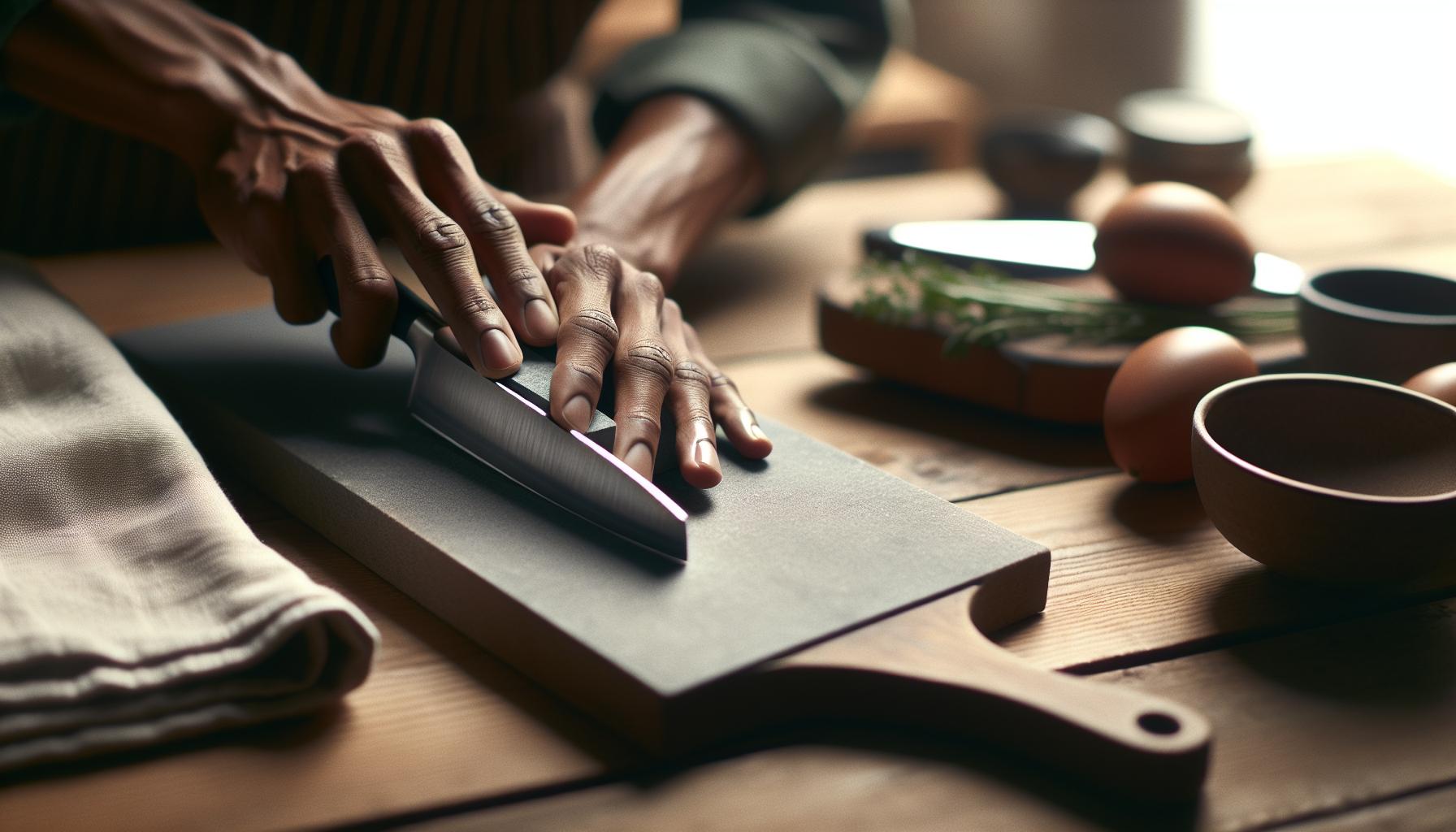
When to Seek Professional Knife Sharpening Services
Seeking professional knife sharpening services can often be a game-changer, especially when you find yourself faced with excessive wear on your pocket knife’s edge or a particularly stubborn dullness that home methods simply can’t resolve. An experienced professional not only understands the nuances of blade types and materials but also possesses advanced tools and techniques that ensure a precise and consistent edge. For anyone who regularly uses their knife for demanding tasks, knowing when to consult a pro could save not just the blade but also enhance overall cutting performance.
A good rule of thumb is to consider professional sharpening if you encounter any of the following situations:
- Severe Damage: If your knife has chips, nicks, or a warped blade, home methods may risk further damage. Professionals can assess and restore your knife properly.
- Extreme Dullness: If your blade seems resistant to even the most diligent home sharpening efforts, it may require specialized equipment for grinding and honing.
- Complex Edge Types: Knives with unique shapes or edge configurations, such as serrated or curved blades, often need expert handling for optimal results.
- Time Constraints: If you’re pressed for time or lack the necessary tools at home, turning to a professional ensures a swift and effective sharpening process.
Additionally, routine maintenance through professional services can be beneficial, especially for high-quality knives or those with sentimental value. While many knife enthusiasts may become adept at maintaining their tools, there’s no substitute for the precision and craftsmanship a qualified sharpener brings. In many cases, professional services even offer reprofile services, allowing you to adjust your knife’s edge angle to better suit specific tasks, something that’s often difficult to achieve at home without the right tools or skills.
Remember, investing in professional knife sharpening can significantly prolong the life of your tool and enhance your overall experience, whether you’re using your pocket knife for everyday carry, outdoor adventures, or specialized tasks. The payoff is a blade that performs like new, ready to tackle any cutting challenge life presents.
Safety Tips for Sharpening Pocket Knives at Home
Sharpening a pocket knife can be a rewarding task, enhancing your tool’s performance while also offering a sense of accomplishment. However, it’s essential to prioritize safety to avoid injuries and damage to your knife. Accidents can happen quickly when dealing with sharp blades, so taking the right precautions can make all the difference. Here are some effective safety tips to consider when sharpening your pocket knife at home.
First and foremost, always work on a stable and clean surface. A well-lit area reduces the chances of slips and ensures you maintain a clear view of your knife’s edge. Use a sturdy table or workbench and avoid any clutter around your sharpening station. An uncluttered space helps you focus and lowers the risk of distractions that could lead to accidents.
Next, ensure you have the right grip and posture. Hold your knife firmly with one hand, and if you’re using a sharpening tool, apply pressure with your non-dominant hand to keep the knife steady. Position your body to avoid reaching too far or twisting awkwardly, which can lead to losing control of the blade. Remember, your thumb should always remain behind the sharpening edge-never in front of it.
Proper Equipment and Techniques
Using the appropriate sharpening equipment is critical for both efficiency and safety. Whether you opt for a sharpening stone, honing rod, or electric sharpener, ensure that you are comfortable with its operation. Start with a lower angle and gradually adjust it as you gain confidence. Utilizing a guide for angle consistency can provide additional safety, ensuring that you’re sharpening with the right technique and pressure.
Lastly, always wear protective gear. A pair of cut-resistant gloves can shield your hands from accidental slips, while safety goggles can protect your eyes from metal shavings or other debris created during the sharpening process. Investing in this safety equipment can save you from minor injuries that can happen in the blink of an eye.
By following these essential safety tips, you can sharpen your pocket knife confidently and effectively, enhancing its performance while keeping yourself and your tools safe from harm.
Common Mistakes to Avoid When Sharpening Knives
When it comes to sharpening a pocket knife, even seasoned users can fall prey to common mistakes that hinder the effectiveness of their sharpening efforts. One significant misstep is not considering the appropriate blade angle. Each knife is designed with a specific angle that determines its purpose, from slicing to chipping. Ignoring this can result in a blade that is either too dull or too fragile, significantly impacting its functionality. For example, a typical pocket knife requires an angle between 15 to 20 degrees; anything steeper may lead to a brittle edge, while a flatter angle could sacrifice cutting power.
Another frequent error is rushing through the sharpening process. Enthusiasts often overlook technique in favor of speed, leading to uneven edges. A well-crafted blade demands patience: maintain consistent strokes and pressure for even sharpening. Additionally, failing to properly check for burrs-the raised metal on the opposite side of the edge you’re sharpening-can also lead to a poorly performing knife. Neglecting to remove these burrs can cause the knife to feel sharp but deliver disappointing performance.
- Using the wrong tool: Selecting a sharpening tool that doesn’t match your knife type can add unnecessary frustration. For many pocket knives, a whetstone or sharpening rod offers superior control compared to electric sharpeners.
- Ignoring maintenance: Regular honing is just as crucial as sharpening; it keeps the edge aligned and ready for use, extending the intervals between sharpening sessions.
- Over-abrasion: Sharpening too frequently or too aggressively can lead to premature wear, diminishing the life of your knife.
To sharpen effectively, remember to use the appropriate angle for your knife, take your time, and regularly maintain your blade. Avoiding these pitfalls will help you keep your pocket knife sharp, functional, and ready for any outdoor challenge or everyday task.
Q&A
Q: What is the best angle to sharpen a pocket knife for everyday use?
A: The best angle to sharpen a pocket knife for everyday use typically ranges from 20 to 25 degrees. This angle provides a good balance between sharpness and durability, ensuring your knife can perform daily tasks efficiently without dulling quickly.
Q: How does the sharpening angle affect knife performance?
A: The sharpening angle significantly influences knife performance; sharper angles (10-20 degrees) allow for finer cuts, while wider angles (25-30 degrees) offer more durability for tougher jobs. Selecting the right angle is essential for meeting your specific cutting needs.
Q: Can I use a different sharpening angle for different materials?
A: Yes, it’s advisable to use different sharpening angles for various materials. For softer materials, a sharper angle (15-20 degrees) is effective, while harder materials benefit from a more robust angle (20-30 degrees) to maintain edge strength.
Q: What tools do I need to sharpen a pocket knife accurately?
A: To sharpen a pocket knife accurately, you will need a sharpening stone or a guided sharpening system, honing oil (if using a stone), and a leather strop for polishing. These tools help maintain the desired edge angle and finish.
Q: How do I maintain the sharpness of my pocket knife edge?
A: To maintain your pocket knife’s sharpness, regularly hone the edge with a ceramic rod or strop between sharpenings, and store the knife in a protective sheath or case. Avoid cutting on hard surfaces that can quickly dull the blade.
Q: What are the common mistakes to avoid when sharpening a knife?
A: Common mistakes include using the wrong angle, applying uneven pressure, and neglecting to periodically change the angle as you sharpen. Avoid these to ensure a more effective sharpening process and extend the life of your knife edge.
Q: When should I consider professional sharpening services for my pocket knife?
A: Consider professional sharpening services when your knife has significant chips, is difficult to sharpen accurately, or if you’re unsure about your sharpening technique. A professional can restore the edge to its optimal performance level.
Q: How often should I sharpen my pocket knife?
A: Sharpening frequency depends on usage; for regular use, sharpen your pocket knife every few months, or as soon as you notice a decline in performance. Regular maintenance can prevent the need for more extensive sharpening efforts.
Closing Remarks
Now that you’ve learned about the optimal degrees for sharpening your pocket knife, it’s time to put that knowledge into action! Achieving the perfect edge angle plays a crucial role in enhancing your knife’s performance, whether for everyday tasks or outdoor adventures. Remember, maintaining your knife is just as important as sharpening it. For further insights, explore our guides on Swiss Army knives and gear selection for various scenarios.
Don’t hesitate to share your sharpening experiences in the comments below-your feedback could help fellow knife enthusiasts! If you’re ready to take your knife skills to the next level, consider signing up for our newsletter for more tips and exclusive offers. Stay sharp and confident in your tool use, and don’t forget to check out our articles on knife maintenance and safety tips. Your perfect edge is just a few clicks away!