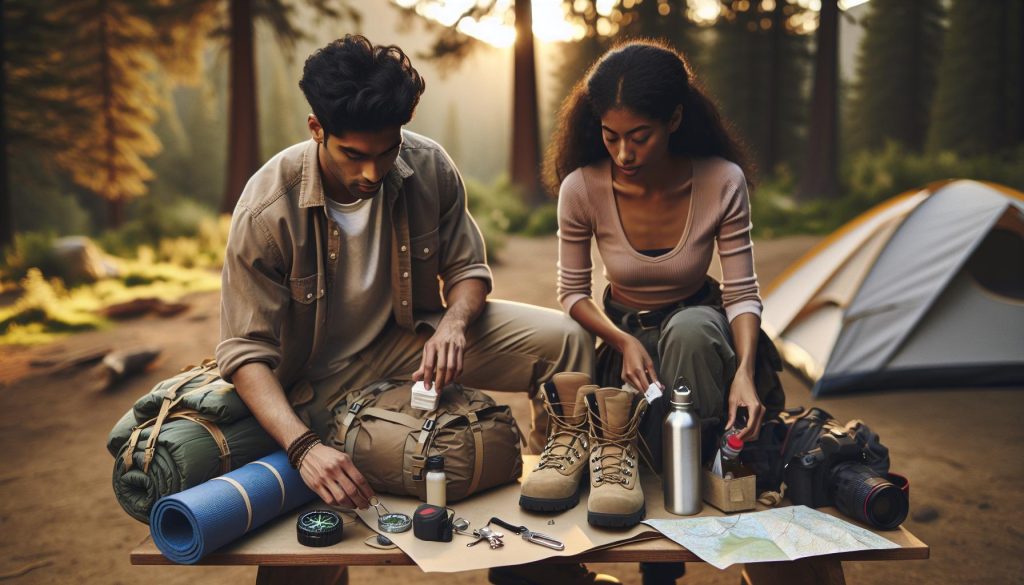
Embarking on a backpacking trip can be both exhilarating and daunting-especially when it comes to figuring out what to bring along. Did you know that packing the right gear can make or break your adventure? Whether you’re a seasoned hiker or a first-time backpacker, having an effective checklist can ease the stress of preparation and ensure you’re ready for whatever nature throws your way. From essential tools and camping gear to the little luxuries that enhance your experience, making informed choices is key. This ultimate checklist offers not just a list of items, but insights into their importance and utility, helping you balance weight and necessity. So, let’s dive into what you truly need to maximize your outdoor experience and conquer the trails with confidence.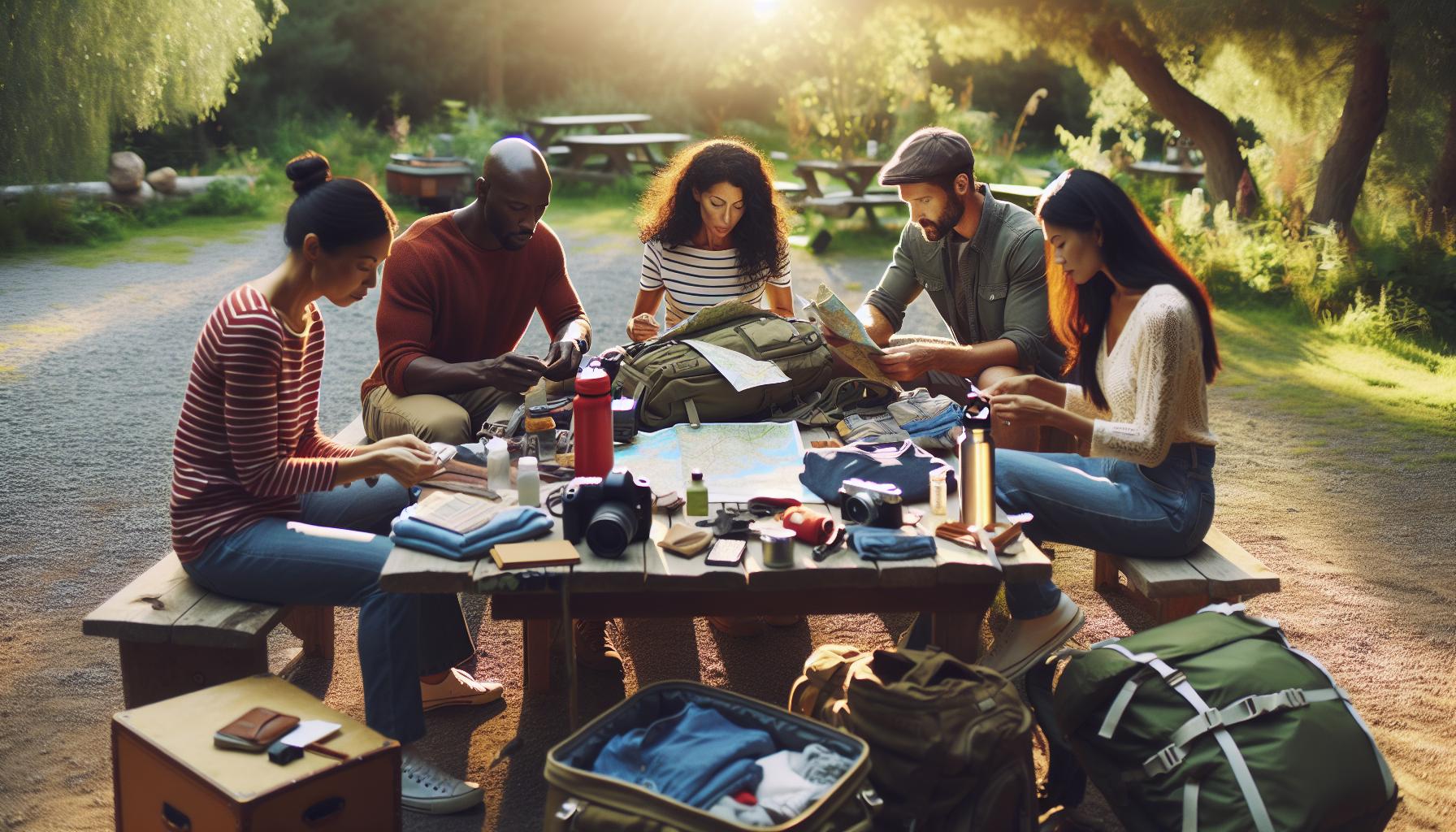
What to Consider Before Packing Your Backpack
Before you dive into packing for your backpacking trip, there are several critical factors to consider to ensure your adventure is both enjoyable and safe. The first step involves understanding the terrain, climate, and duration of your hike. These elements will directly influence the type of gear you need. For instance, a multi-day trek through a mountainous region requires different equipment compared to a weekend excursion on a flat trail. Researching your destination can help you anticipate weather changes and plan accordingly.
Another important aspect to think about is weight management. Every ounce matters when you’re carrying everything on your back. Prioritize ultralight gear where possible, such as a lighter tent or stove, but ensure it’s still durable enough for your needs. A practical approach is to create a checklist of essentials and eliminate non-essentials-ask yourself if you truly need each item. This will help you avoid overpacking and ensure you only carry what you need.
Additionally, consider personal comfort and safety. Packing should not just be about functionality but also about making sure you have items that enhance your experience. What comforts can you bring along without overloading your pack? Maybe it’s a lightweight camping pillow, extra socks, or even a book to relax with at the end of the day. Balancing comfort items with essential gear can make a significant difference in your overall satisfaction on the trip.
Lastly, remember the principle of leave no trace. As a responsible adventurer, it’s crucial to plan how to pack food and waste. Opt for biodegradable products where possible, and ensure you have a solid plan for trash disposal. Leaving nature as you found it is paramount for sustaining the trails you enjoy. By taking the time to consider these factors, you will not only enhance your own hiking experience but also contribute positively to the environment and community.
Essential Gear for First-Time Backpackers
For those venturing into the world of backpacking for the first time, equipping yourself with the right gear can transform your experience from overwhelming to exhilarating. The key to a successful trip is not just about having lots of items but having the essentials that cater to your needs without weighing you down. A carefully curated selection of gear can enhance your comfort, safety, and enjoyment throughout your journey.
Begin with a well-fitted backpack, designed specifically for the duration of your trip. For day hikes, a 20-30 liter pack might suffice, while multi-day excursions often necessitate a larger, 50-70 liter backpack to accommodate extra gear and provisions. Look for features such as adjustable straps and a padded hip belt, which are crucial for weight distribution and comfort.
Equipping yourself with a quality tent and sleeping arrangement is also vital. Lightweight, compact tents designed for backpacking are preferable, providing adequate protection against the elements. Your sleeping system should include a sleeping bag rated for the lowest temperature you expect to encounter and a sleeping pad that offers insulation and comfort.
Next, consider your cooking needs. A compact stove along with a fuel canister and a lightweight pot will suffice for most meals. Also, pack a reliable utensil set, a multi-tool for versatility, and a collapsible sink for easy washing up. Don’t forget food storage; a bear-proof canister might be necessary in certain areas to keep wildlife at bay.
Ensure you also have essential safety gear, including a first-aid kit, a multi-tool, and a headlamp or flashlight for visibility during darker hours. A reliable water filtration system or purification tablets should be part of your kit to ensure you have access to safe drinking water along the trail. Finally, a map and compass, or GPS device, combined with a fully charged smartphone with applicable apps can aid in navigation and provide peace of mind in unfamiliar terrain.
By focusing on these essential items and choosing equipment tailored to your specific trip, you’ll empower yourself to immerse in nature confidently and comfortably. Remember, quality and functionality often outweigh quantity when it comes to gear selection.
Clothing Essentials for Varied Weather
When setting off on a backpacking adventure, the clothing you choose can significantly impact your comfort, performance, and enjoyment of the journey. A well-thought-out clothing system not only protects you from the elements but also helps regulate your body temperature and reduces the risk of injury or discomfort. Here’s what to consider when packing your conditions.
Start with a solid base layer, as this will be your first line of defense against moisture and cold. Look for moisture-wicking fabrics like merino wool or synthetic blends that keep sweat away from your skin. For example, a lightweight long-sleeve shirt and thermal leggings are excellent choices for cool weather, while a breathable short-sleeve option works well in milder conditions.
Mid and Outer Layers
Your mid-layer, usually consisting of fleece or insulated jackets, plays a vital role in trapping body heat. Depending on the season, you might opt for a lightweight down sweater for colder climates or a versatile hoodie for transitional weather. For outer layers, a durable, waterproof, and breathable shell is crucial for protecting against rain and wind. Look for jackets with adjustable cuffs and hems to seal out elements effectively.
In terms of bottoms, consider packing both lightweight and warm options. Convertible pants provide flexibility, allowing for ventilation during warm days while also offering protection when temperatures drop. It’s also wise to include a pair of waterproof pants to shield against unexpected showers.
Accessories to Keep You Comfortable
Don’t underestimate the importance of accessories in varied weather. A wide-brimmed hat can shield your face from the sun, while a wool beanie offers warmth when the temperature drops. Gloves or mittens are essential for maintaining dexterity during colder months. Additionally, high-quality hiking socks can make a significant difference; they should be moisture-wicking, cushioned, and fit snugly to prevent blisters.
Lastly, choose footwear appropriate for the terrain and conditions you’ll encounter. Waterproof hiking boots are ideal for wet or muddy trails, while breathable trail runners may be sufficient for drier routes. Always break in new shoes before your trip to prevent discomfort on the trail.
By carefully selecting the right clothing for your backpacking trip, you’ll ensure that you stay comfortable, dry, and protected, allowing you to fully immerse yourself in the experience of the great outdoors.
Cooking Equipment and Food Storage Tips
When it comes to backpacking, what you eat can significantly influence your energy levels and overall experience on the trail. Packing the right cooking equipment and food storage solutions not only ensures you can prepare meals but also helps you make the most of limited space in your backpack. Lightweight, functional items are essential, especially for first-time backpackers who may feel overwhelmed by the choices available.
To start, consider bringing a compact stove, like a canister or alcohol stove. Canister stoves are user-friendly and boil water in a matter of minutes, making them ideal for quick meals like instant oatmeal or soups. If you’re looking for a more versatile option, an alcohol stove is not only lightweight but can also be used with various types of cookware. Don’t forget to pack a reliable lighter or waterproof matches to ensure you can get your fire going, even in damp conditions.
Food Storage Essentials
Food storage is a critical element of your cooking setup. Opt for resealable bags or lightweight, BPA-free containers to keep your food items organized and protected. If you’re planning to bring perishable items, invest in a small, insulated cooler bag or use freeze-dried meals, which save space and weight while providing good nutrition. Be sure to carry out any leftover food from your campsite to adhere to Leave No Trace principles.
For utensils, a spork can serve dual purposes and save space. Carry a lightweight pot or pan for cooking, along with a portable cutting board and knife for meal prep. Additionally, don’t forget a small sponge or cloth and minimal dish soap for clean-up. Remember to pack a cloth bag for any waste you generate; it’s essential for maintaining cleanliness on the trail.
Hydration and Additional Tips
Staying hydrated is equally important when cooking outdoors. A collapsible water container can make it easy to transport water from the source to your cooking area. Pair this with a filtration system, if necessary, to ensure you have access to clean drinking water.
As a final note, try to plan your meals in advance. This strategy not only clarifies what cooking equipment you’ll need but also helps you avoid overpacking. Preparing your food at home and packaging it appropriately can make a significant difference in your overall backpacking experience.
By thoughtfully selecting your cooking gear and food storage methods, you’ll enhance your time spent in nature and ensure your energy levels stay high, allowing you to fully enjoy every moment of your backpacking adventure.
Key Safety Items to Include
When venturing into the great outdoors, safety should always be your top priority. The wilderness can be unpredictable, and having the right safety items can make all the difference in ensuring a safe and enjoyable backpacking experience. Carrying essential safety gear not only prepares you for emergencies but also boosts your confidence as you explore nature.
To start, it’s vital to include a first aid kit tailored to your needs. A compact kit should at minimum contain adhesive bandages, antiseptic wipes, gauze pads, adhesive tape, pain relievers, and any personal medications. Depending on your destination and activities, you might also want to add items like tweezers (for splinters or ticks), blister pads, and a triangular bandage for slings. A quick assessment of your group’s health history can help identify any additional items you might need.
Navigation tools are equally crucial when traversing unfamiliar terrain. While traditional maps and compasses are often laughed at in favor of modern technology, they can prove indispensable if your GPS device fails or if you lose signal. A lightweight map of the area along with a reliable compass will ensure you can orient yourself in case of an emergency. Consider investing in a portable GPS device or using navigation apps that work offline, but remember to bring an external charger to prevent battery drain.
Emergency gear, such as a whistle, emergency blanket, or space blanket, is important for signaling for help if you find yourself in a precarious situation. A whistle can be heard much farther than the human voice, making it a vital tool if you become separated from your group or find yourself injured. An emergency blanket, which is tiny and lightweight, can help retain body heat in unexpected weather changes or injuries.
Additionally, don’t overlook fire-starting tools. A lighter, waterproof matches, or a fire starter kit should always be in your pack. These tools not only aid in cooking but can also provide warmth and a means to signal for help if needed. Paired with this, a multi-tool or knife can be a versatile tool for various tasks, from food prep to emergency repairs.
Lastly, while preparing, be aware of the environmental risks like wildlife encounters and harsh weather. Having bear spray accessible in bear country or insect repellent for mosquito-prone areas can be the difference between a pleasant hike and a harrowing experience. Make sure to review local guidelines and regulations regarding wildlife interactions as well.
By thoughtfully choosing these key safety items and making them easily accessible in your backpack, you’ll not only enhance your preparedness for unexpected situations but also gain peace of mind as you enjoy the beauty and adventure of backpacking.
Must-Have Personal Items for Comfort
Comfort can significantly influence your overall backpacking experience, transforming a strenuous trek into a memorable adventure. Packing the right personal items is essential not just for survival but for enhancing your enjoyment in the great outdoors. After all, when you’re miles away from home, little comforts can make all the difference, allowing you to relax and appreciate your surroundings.
Begin with a quality sleeping gear setup. A lightweight sleeping bag, suitable for the season, along with a comfortable sleeping pad can enhance your rest after a long day of hiking. Look for sleeping pads with insulation for colder conditions to keep you warm and cushioned from the hard ground. For an extra touch of comfort, consider bringing a lightweight travel pillow or even a stuff sack filled with clothes for head support.
Next, pay attention to hygiene and personal care. Items like biodegradable soap, a microfiber towel, and a compact toothbrush and toothpaste can help you feel refreshed even in the wilderness. Don’t forget insect repellent and sunscreen, which are crucial for protecting your skin from the elements. A small pack of wipes can also go a long way for quick clean-ups, especially when water sources are limited.
Incorporating entertainment can also elevate your camping experience. Whether it’s a lightweight book, a deck of cards, or a journal to document your journey, having a way to unwind after a day of exploration is invaluable. Additionally, a portable power bank ensures your devices stay charged, allowing you to capture memories with photos or communicate if necessary.
Finally, consider the little luxuries that can boost morale. A small lightweight camping chair can provide a cozy spot to sit around the campfire, while a compact hammock offers a perfect place to relax and take in your natural surroundings. Simple items like a good thermos for hot drinks or even a small portable speaker for music can make evenings in the great outdoors feel much more enjoyable. By combining practical gear with these personal comforts, you’ll create an enjoyable and memorable backpacking trip that you’ll want to repeat.
Navigating with Technology: Apps and Devices
Incorporating technology into your backpacking adventure can significantly enhance your experience and ensure a safer journey. Today’s smartphones are packed with features and applications that can help navigate unfamiliar terrain, monitor weather conditions, and even allow you to share your adventures in real time. Understanding which apps and devices to carry can make all the difference between a confusing trek and a well-guided exploration.
Essential Apps
Choosing the right applications can transform your smartphone into a powerful tool for navigation and safety. Here are some must-have apps for your backpacking trip:
- AllTrails: This app provides detailed trail maps and user reviews, helping you find the best routes and stay oriented.
- Gaia GPS: Great for offline navigation, this app allows you to download detailed topographic maps and track your route, crucial for areas with poor service.
- Weather Underground: Stay updated with hyper-local weather forecasts to avoid unexpected storms or temperature drops.
- Google Maps: While it’s not fully offline, it can be useful for initial trip planning and to get a general sense of your surroundings.
- First Aid by American Red Cross: An essential guide for emergencies, this app provides step-by-step instructions for various situations you might encounter in the wild.
Portable GPS Devices
While smartphones are incredibly capable, a dedicated GPS device can be invaluable, especially in remote areas where service may drop out. Devices like the Garmin inReach allow two-way satellite messaging and emergency SOS capabilities, providing peace of mind when venturing far off the grid. This is particularly important for solo hikers or in areas known for limited connectivity.
Power and Connectivity
To keep these technologies running, including a reliable power bank is a key consideration. Opt for a lightweight solar charger if you plan on longer treks, as it can keep your devices charged without the need for external sources. Ensure your power bank has enough output to charge your devices multiple times if necessary.
In addition to navigation and safety, many backpackers find it helpful to use social media or blog apps to document their journeys. Capturing moments along the way not only adds a reflective component to your trip but can also inspire others in the backpacking community. Just remember to practice responsible sharing by respecting the natural environment and adhering to local regulations. By embracing the right technology, you can elevate your backpacking experience, making it not just about survival, but about connection-with nature, with fellow adventurers, and with your own personal narrative.
Understanding the Importance of Hydration
Staying properly hydrated is one of the most critical factors for a successful backpacking trip. While it’s often easy to overlook in the excitement of planning your gear and itinerary, dehydration can quickly turn an enjoyable adventure into a dangerous situation. In fact, even a 2% decrease in body water can lead to reduced physical performance, cognitive function, and increase the risk of injury or illness. This means that understanding hydration is not just beneficial-it’s essential for both your safety and enjoyment in the great outdoors.
To maintain adequate hydration, consider both the quality and quantity of water you consume. Carry a reliable water filtration system, such as a pump filter, squeeze filter, or chemical purification tablets. These tools enable you to source water from streams or lakes, ensuring you have access to safe drinking water without the added weight of carrying it all from the start. It’s also wise to plan your route with identified water sources, as this can significantly lighten your pack.
It’s important to recognize that hydration needs can vary depending on weather conditions, altitude, and your level of exertion. A common guideline is to drink about half a liter (17 ounces) of water per hour during moderate activity in cooler conditions. However, as temperatures rise or with increased physical exertion, this amount may need to be adjusted. Carry a reusable water bottle or a hydration reservoir easily accessible within your pack, allowing you to sip water regularly rather than waiting until you feel thirsty, which is often too late.
Hydration Tips
- Drink Regularly: Don’t wait until you’re thirsty. Make it a habit to drink small amounts frequently throughout the day.
- Monitor Your Urine: A light straw color typically indicates proper hydration, while dark urine can be a sign of dehydration.
- Electrolyte Balance: Incorporating electrolyte powders or tablets can enhance hydration, especially during strenuous activity.
- Adjust for Climate: Increase your water intake in hot or dry conditions, and consider carrying extra water on longer, remote stretches.
Lastly, remember that hydration is just as crucial when you begin to fatigue or adjust to higher altitudes. As your body acclimates, maintain focus on your fluid intake to support performance and recovery. By prioritizing hydration as a cornerstone of your outdoor adventures, you’ll not only enhance your physical capabilities but also enrich your overall experience in nature.
Understanding Lightweight vs. Heavy-Duty Gear
When embarking on a backpacking trip, one of the most critical decisions you’ll make is whether to invest in lightweight or heavy-duty gear. Choosing the right type can significantly affect your hiking experience, from overall comfort to endurance on the trail. Lightweight gear often prioritizes portability and ease of use, allowing backpackers to cover long distances without the burden of excess weight. On the other hand, heavy-duty gear is typically crafted from more robust materials, designed to withstand harsh conditions and provide maximum durability, albeit at the cost of added weight.
Lightweight gear is ideal for those who aim for speed and efficiency. For instance, lightweight tents can weigh as little as two pounds, making them easy to pack and carry. Similarly, ultralight backpacks, sleeping bags, and jackets optimize materials to keep weight down while still offering adequate shelter and warmth. This type of gear is particularly advantageous on long hikes or multi-day treks, where every ounce matters. The trade-off, however, can be in durability; lighter materials may not hold up as well against rocky terrain or harsh weather conditions.
In contrast, heavy-duty gear should be considered if your adventure involves extreme weather, rugged terrain, or lengthy trips in potentially challenging environments. Items like a more robust tent and extra-thick sleeping pads offer king-size comfort and protection at the expense of weight. While heavy-duty gear can provide the peace of mind that comes with knowing your equipment won’t fail you, it can make long days on the trail more taxing, especially if you’re carrying everything on your back.
Understanding your specific needs and preferences is essential when making this decision. As a seasoned backpacker, you may opt for lightweight gear for short, fast-paced trips but choose heavy-duty options for extended excursions into uncharted territory. Here are some considerations to keep in mind:
Factors to Consider
- Duration of Trip: For longer treks, lightweight gear can reduce your overall fatigue.
- Terrain: If navigating rocky paths or wooded areas, heavy-duty gear may better withstand wear and tear.
- Weather Conditions: In unpredictable weather, durable gear can offer critical protection.
- Personal Comfort: High-quality gear can enhance your experience, regardless of weight.
Ultimately, the best choice depends on balancing the weight you’re willing to carry with the level of protection and comfort you desire. Many backpackers find success using a hybrid approach, mixing lightweight and heavy-duty items that work best based on the specific demands of their journey. This strategic selection ensures you’re prepared for anything, whether it’s a sunny day hike or an unexpected storm in the backcountry.
Packing Techniques for Maximum Space
When you’re packing for a backpacking trip, maximizing the space in your backpack can dramatically improve your comfort and efficiency on the trail. Understanding how to utilize every inch of your pack not only makes it easier to carry but can also enhance your access to needed items, ensuring they are organized and well-protected. Here are some effective packing techniques that can help you optimize space in your backpack.
Start by laying out all your gear and categorizing it into essentials, clothing, cooking supplies, and personal items. This preliminary step allows you to see what you have and decide what will fit in your pack. When choosing your backpack, employing a bag with multiple compartments can enhance organization, allowing you to distribute weight evenly and keep frequently used items accessible.
Separating heavy and bulky items, such as your tent and sleeping bag, from lighter gear is also crucial. Place heavier items at the bottom of the backpack, which helps maintain a low center of gravity; this is essential for maintaining balance on uneven terrain. Use compression sacks for clothing and sleeping bags to reduce bulk-these sacks can minimize space significantly by compacting the material tightly.
Utilizing every available pocket is key in achieving space efficiency. Stash small items like snacks, maps, and first-aid kits in side pockets or the top lid of your pack for easy access. For especially tight packs, consider using external attachment points to carry items like sleeping pads or lightweight trekking poles, freeing up internal space for more crucial gear.
Another technique to employ is the “packing cube” method. By packing smaller items into cubes, you can quickly slide these cubes in and out, making it easier to find what you need without digging through the entire pack. This not only helps with organization but also minimizes the hassle of repacking when you take items out during your hike.
Finally, be mindful of the weight distribution. Ensure the weight is evenly distributed across your back to prevent strain and fatigue. An evenly packed backpack will feel lighter and allow for easier maneuverability. By applying these packing techniques, you’ll be prepared for your adventure, making the most of the space you have while ensuring that your essentials are within reach when you need them most.
Eco-Friendly Packing Tips for Outdoor Enthusiasts
Taking care of the environment while adventuring outdoors is more crucial than ever, and eco-friendly packing plays a significant role in responsible backpacking. As you prepare for your journey, being mindful of your gear and supplies can help minimize your impact on nature. Here are some practical strategies to ensure your backpacking trip is both enjoyable and sustainable.
One effective way to reduce waste is by choosing reusable items over disposable ones. Opt for a water bottle instead of single-use plastic bottles and pack your meals in reusable containers. If you’re going to use cooking equipment, select biodegradable soap for cleaning dishes and utensils. Additionally, consider bringing a lightweight, portable solar charger for your electronics, reducing the need for batteries and providing energy in a sustainable manner.
In terms of materials, prioritize gear made from recycled or eco-friendly materials. For example, many brands now offer backpacks made from recycled plastics and sustainable fabric options. This choice not only supports the environment but also often results in durable products that can withstand the rigors of outdoor adventures. When selecting clothing, look for breathable and moisture-wicking fabrics that also use environmentally conscious manufacturing processes.
Before you head out, it’s essential to think about your food choices as well. By selecting local, organic, and plant-based foods, you can minimize your carbon footprint. Pre-packaged meals may be convenient, but they often come with excess waste. Instead, consider creating your own lightweight meals using items like dehydrated fruits and vegetables, which are easy to carry and prepare.
Finally, ensure you leave no trace. Bring a trash bag to collect any waste generated during your trip, including food scraps that may not decompose as easily in certain environments. Familiarize yourself with regulations and guidelines specific to the area you’re visiting to ensure you adhere to the Leave No Trace principles, which emphasize respect for wildlife, minimizing campfire impact, and respecting other visitors.
By being intentional about your packing choices and incorporating sustainable practices, you can enjoy the beauty of nature while ensuring it remains pristine for generations to come.
Common Backpacking Mistakes to Avoid
Many first-time backpackers are eager to hit the trails, but common mistakes can quickly turn an adventure into a frustrating experience. One of the most critical errors is overpacking, which can lead to fatigue and discomfort. Beginners often think they need to bring everything “just in case,” but carrying extra weight can make a hike significantly harder. Aim to bring only the essentials; a well-organized list and gear checklist can make this process easier and more efficient.
Another frequent pitfall is neglecting to test gear before embarking on a trip. New users might find themselves struggling with unfamiliar equipment or uncomfortable clothing once on the trail. It’s crucial to break in hiking boots and adjust backpacks before the journey, allowing you to identify any potential discomfort or fit issues. Practice using cooking gear and setting up tents in your backyard to familiarize yourself with the tasks and tools needed for a smoother camping experience.
Moreover, many backpackers underestimate the importance of planning. Failing to research the selected route, weather conditions, and campsite regulations can lead to unexpected challenges. Always check the weather forecast before departure and consider potential hazards like difficult terrain or wildlife. It’s also wise to inform a friend or family member of your plans, including your intended route and expected return time, for safety.
Inadequate hydration is another common mistake. Newcomers might forget to drink enough water or fail to carry sufficient supplies. Hydration packs can help, as they offer easy access to water without adding significant weight. Aim for a hydration strategy that adjusts based on activity levels and weather conditions.
Finally, it’s important not to neglect personal safety items. First-aid kits, a map and compass, and a whistle should always be included, even on day hikes. Preparing for emergencies can make a significant difference in ensuring a safe and enjoyable experience. By keeping these common missteps in mind, backpackers can enhance their trips and immerse themselves in the wonders of the outdoors.
Frequently asked questions
Q: What are the top essentials to pack for a backpacking trip?
A: The top essentials include a reliable tent, sleeping bag, cooking equipment, food, adequate clothing, a first-aid kit, and navigation tools. Ensuring you have lightweight and durable gear will enhance your overall experience. For more details, check the sections on essential gear and safety items.
Q: How do I decide what gear to take on a long backpacking trip?
A: Choose gear based on the trip’s length, weather conditions, and terrain. Prioritize lightweight but durable items that serve multiple purposes. A packing checklist can help streamline this process. Refer to the sections on packing techniques for maximum space and understanding gear types.
Q: What cooking equipment is necessary for backpacking?
A: Essential cooking equipment includes a portable stove, fuel, pots, utensils, and food storage containers. Ensure the setup is lightweight. It’s beneficial to pack efficient meal options. For tips on food storage, see the cooking equipment section.
Q: How can I stay hydrated while backpacking?
A: Staying hydrated requires packing enough water or a reliable filtration system. Carry a hydration reservoir or reusable bottles for convenience. Learn more about hydration strategies in the specific section dedicated to this topic in the article.
Q: What should I include in my first-aid kit for backpacking?
A: A basic first-aid kit should include bandages, antiseptic wipes, pain relievers, blister treatment, and any personal medications. Tailor it to your needs and the nature of the trip. For a comprehensive safety approach, refer to the key safety items section.
Q: What mistakes should I avoid when packing for a backpacking trip?
A: Avoid overpacking, as this leads to unnecessary weight. Don’t forget essential safety items, and ensure gear is functioning. Review the common mistakes section for detailed guidance.
Q: How can I pack efficiently for a backpacking trip?
A: Utilize packing cubes or stuff sacks to organize gear by type. Distribute weight evenly in your backpack and keep frequently used items accessible. For detailed techniques, see the packing techniques for maximum space section.
Q: What are environmentally friendly practices to follow while backpacking?
A: Use biodegradable products, minimize campfire use, and pack out all waste to leave no trace. Consider eco-friendly gear and avoid single-use plastics. Explore more on eco-friendly packing practices in the corresponding article section.
Closing Remarks
As you prepare for your next adventure, remember the essential gear outlined in “What to Take on a Backpacking Trip: Ultimate Checklist.” Each item plays a crucial role in ensuring safety and comfort on your journey. Don’t wait-start organizing your backpack today to maximize your outdoor experience! If you’re unsure about the best gear options, check out our articles on Swiss Army knives and pocket knives for expert insights and comparisons.
Ready to dive deeper? Explore our guides on camping essentials and travel safety tips, carefully crafted for both beginners and seasoned backpackers. Your feedback is invaluable to us, so feel free to share your thoughts in the comments below or join our newsletter for the latest tips and tricks. Equip yourself with the right knowledge and tools, and make your next backpacking trip a memorable one!