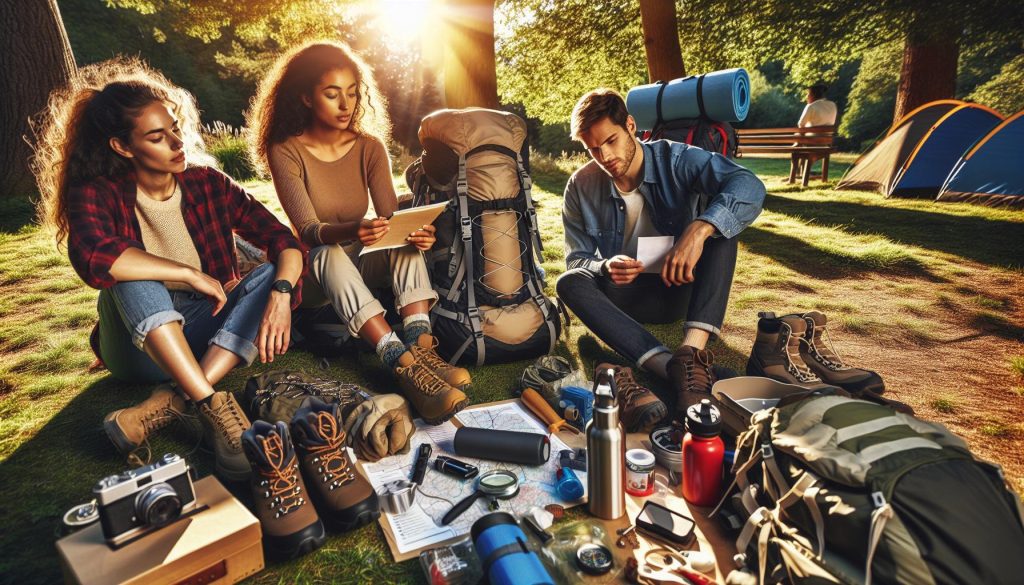
Packing for a backpacking trip can be both exciting and daunting, especially if you’re unsure of what to bring. Did you know that the right gear can enhance your outdoor experience and even ensure your safety? Whether you’re a seasoned adventurer or a first-time hiker, having a complete checklist can be your best ally in avoiding common pitfalls, such as overpacking or forgetting crucial items. In this guide, we’ll break down essential gear, tailored to your individual needs, ensuring you’re well-prepared for your adventure. So, let’s dive into what you truly need to pack to make your journey enjoyable and stress-free!
What to Consider Before Packing for Your Trip
Before you dive into the exhilarating world of backpacking, it’s crucial to take a step back and consider a few critical elements that can profoundly impact your experience. Backpacking is not just about what you pack; it’s about planning and understanding your environment, your route, and your personal needs. Each of these factors plays a significant role in ensuring you are adequately prepared for the adventure ahead.
First, evaluate the destination and climate. Understanding the environment you’ll be trekking through is essential. Research weather patterns for the time of year you plan to go and be aware of any unique terrain characteristics. For instance, if you’re heading to a mountainous area, be prepared for rapidly changing weather conditions. Comprehensive scouting will allow you to select gear suited for both the predicted weather and potential emergencies.
Next, take into account the duration of your trip. Are you planning an overnight jaunt or a week-long expedition? This will dictate the amount and type of food to pack, as well as your sleeping arrangements. Always overestimate your needs slightly; it’s crucial to be prepared for the unexpected. For shorter trips, lightweight and compact gear might suffice, but for longer treks, endurance and comfort should guide your packing choices.
Don’t forget to assess your physical condition and hiking experience. If you’re a novice, it’s wise to start with lighter loads and simpler trails. Conversely, experienced hikers may want to challenge themselves with more complicated routes. Tailoring your gear and provisions to match your skill level will not only enhance your enjoyment but also ensure your safety.
Lastly, consider packing for self-sufficiency and safety. This means bringing essential items that can support you in case of emergencies. From navigation tools to first-aid supplies, being prepared can make a world of difference. Investing a little time in planning what to pack will empower you to tackle those trails with confidence and curiosity, transforming your backpacking trip from daunting to delightful.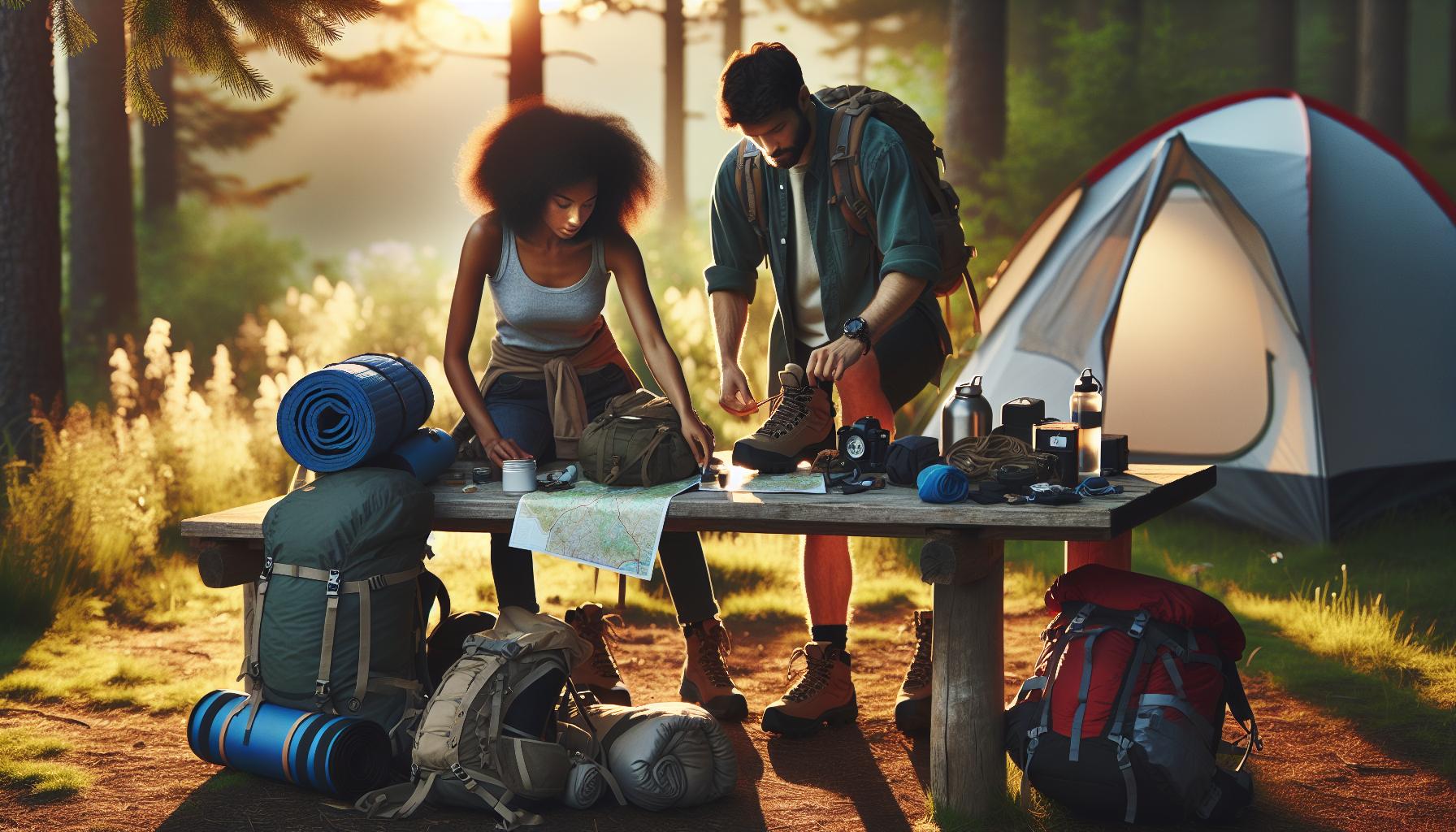
Essential Gear for Backpacking Adventures
When embarking on a backpacking adventure, choosing the right gear is as crucial as the journey itself. The landscape can shift unpredictably, and the gear you carry can either provide comfort or become a burden. Focusing on essential equipment is key to enhancing your outdoor experience, ensuring you stay prepared for the challenges that lie ahead.
Start with a durable backpack that fits comfortably. A well-fitted 50-70 liter backpack is ideal for multi-day trips, featuring adjustable straps and a padded hip belt for better weight distribution. Look for compartments or pockets for easy access to frequently used items. Additionally, a waterproof rain cover will protect your gear from the elements.
Next, invest in a quality sleeping system. A lightweight sleeping bag rated for the coldest temperatures you expect may be essential, paired with a sleeping pad for insulation and comfort. For shelter, consider a tent that balances weight with durability. Weight-conscious backpackers might opt for a bivy sack or hammock if conditions allow.
Don’t overlook cooking gear, as warm meals are a backpacker’s delight. A compact stove that runs on canisters or liquid fuel can streamline meal preparation, paired with lightweight pots or a mess kit. Remember to pack a water filtration system or purification tablets for safe drinking water, along with a reusable water bottle or hydration reservoir.
Finally, safety gear is a must-have. Equip yourself with a first-aid kit, a multi-tool (like a Swiss Army knife), and a reliable navigation system (like a map and compass or GPS device). Consider carrying a lightweight emergency blanket and a fire-starting kit as well-providing peace of mind when you least expect it.
By prioritizing these essential items, you’ll create a solid foundation for a successful backpacking trip, allowing you to focus on the journey rather than the gear!
Clothing Must-Haves for Any Weather
When traversing the unpredictability of the great outdoors, having the right clothing is just as essential as your other gear. Weather can shift rapidly-what starts as a sunny day can quickly turn into rain or even snow. This makes it vital to pack versatile clothing items that offer protection against various conditions while allowing for comfort and breathability.
Start with a quality base layer made from moisture-wicking materials such as merino wool or synthetic fabrics. This layer helps regulate your body temperature by drawing sweat away from your skin. Pair this with a durable mid-layer like a fleece or insulated jacket, which provides warmth without adding excessive bulk. Opt for a jacket that can be easily compressed to save space in your pack and can serve dual roles, such as a light rain jacket, known for their packability and water-resistance.
Essential Clothing Items
- Moisture-Wicking Base Layer: Long-sleeve or short-sleeve tops and bottoms to keep you dry.
- Insulation Layer: A fleece jacket or down vest for warmth.
- Waterproof Outer Layer: A breathable rain jacket or windbreaker designed to protect against moisture.
- Hiking Pants: Lightweight, quick-drying pants, or shorts that can handle rugged terrain.
- Wool or Synthetic Socks: To keep your feet warm and dry, even in damp conditions.
- Hat and Gloves: Lightweight, packable options to protect against chilly winds and the sun.
Footwear choice is another crucial factor. Adequate hiking boots or shoes that offer good fit, support, and traction are fundamental. Consider options that provide water resistance if you anticipate wet conditions. Don’t forget to pack several pairs of socks and a repair kit for unexpected shoe emergencies.
Adaptability is key; layering your clothing allows for easy adjustment to changing temperatures. Crossing a stream or warming up during a climb? You can quickly remove or add layers as needed. Always account for activities you plan to engage in and the specific weather forecast, fine-tuning your clothing selection accordingly.
In essence, by focusing on moisture management, insulation, and protection from the elements, you can confidently traverse through various climates. A well-thought-out clothing strategy will maximize your comfort and safety, enabling you to fully immerse yourself in the adventure waiting ahead.
Food and Cooking Essentials for Backpackers
When it comes to backpacking, food and cooking essentials can significantly impact not just your energy levels but also your overall experience in the wild. Proper nutrition is key to keeping your morale high and ensuring you can tackle those rugged trails. Packing wisely means finding a balance between the types of food you bring and the gear you need to prepare them, all while minimizing weight.
To start, consider your cooking method. Many backpackers choose lightweight stoves, such as canister stoves or multi-fuel options. These stoves are compact and easy to set up, making them ideal for boiling water and preparing simple meals in minutes. Pair your stove with a lightweight cooking pot, preferably made from titanium or aluminum for optimal heat conductivity. A pot with a lid not only speeds up cooking time but also allows you to conserve fuel.
Food Choices
When selecting food, think lightweight, calorically dense options that don’t require refrigeration. Freeze-dried meal packs or dehydrated foods are popular because they provide balanced nutrition while being easy to prepare with just boiling water. Snack items like nuts, trail mix, energy bars, and jerky are great for quick boosts between meals. Here’s a quick list of essential food items to consider:
- Dehydrated Meals: Quick to prepare and lightweight.
- Instant Oatmeal: A hearty breakfast that’s easy to pack.
- Protein Snacks: Jerky or energy bars to keep your strength up.
- Trail Mix: A combination of nuts, dried fruit, and chocolate for quick fuel.
- Cooking Oil: A small bottle of olive or vegetable oil can enhance flavors.
Don’t forget utensils! A spork can do the job of a spoon and a fork, while a small knife is handy for food prep. Pack a lightweight, collapsible sink or a small pot for washing dishes, as cleanliness is crucial during multi-day treks. You may also want to carry a small camping stove with a reliable fuel source, which can significantly improve your cooking capabilities and broaden your meal options.
Hydration Essentials
Adequate hydration is just as important. Carrying a good water filter or purification tablets ensures you can access clean water from streams or lakes, reducing the weight of bringing bottled water. Having a durable water bottle or hydration reservoir makes it easy to stay hydrated on the go.
In summary, careful planning of your food and cooking essentials can maximize not only the enjoyment of your meals but also the efficiency and success of your backpacking trip. Be sure to choose lightweight, energy-dense foods, pack the right cooking gear, and stay hydrated to keep your spirits high while you explore the great outdoors.
Personal Hygiene and First Aid Supplies
When venturing into the great outdoors, personal hygiene and medical preparedness are often overlooked but are crucial for both comfort and safety. Maintaining hygiene not only helps prevent health issues but also enhances your overall experience during the trip. Backpacking brings you closer to nature, but it can also expose you to various environmental factors that make it essential to pack wisely in these areas.
Personal Hygiene Essentials
Staying clean while backpacking is vital to prevent infections and enhance your comfort. Here’s a list of hygiene items that should find a place in your pack:
- Biodegradable Soap: Ideal for washing dishes and your body without harming the environment.
- Hand Sanitizer: Keep a small bottle handy for quick cleaning when soap and water aren’t available.
- Toothbrush and Toothpaste: Maintaining oral hygiene can boost morale and prevent issues later on.
- Wet Wipes: An excellent alternative for a quick clean-up when water is scarce.
- Toilet Paper: Don’t forget to pack this essential, but also consider a trowel to dig a proper cat hole for disposal.
- Personal Care Items: Feminine hygiene products, deodorant, and a compact towel can make your trip more comfortable.
First Aid Supplies
Accidents can happen regardless of how cautious you are, so being prepared with a comprehensive first aid kit is essential. Ensure your kit includes:
- Adhesive Bandages and Gauze: For minor cuts and blisters.
- Antiseptic Wipes: Helps clean wounds effectively.
- Pain Relievers: Non-prescription medications like ibuprofen or acetaminophen can relieve discomfort during your trek.
- Medical Tape: Useful for securing bandages and for other emergency purposes.
- Allergy Medication: Antihistamines for those prone to allergic reactions.
- Prescription Medications: If you take any regular medications, pack an ample supply.
Finally, consider additional items such as a small pair of scissors, tweezers for splinter removal, and a comprehensive outdoor first aid manual. Tailoring your hygiene and first aid gear based on the length and type of your backpacking trip will help you stay prepared. By focusing on these aspects, you can ensure a healthier and more enjoyable adventure in the wilderness.
Backpacking Tech and Navigation Tools
In an era where technology seamlessly intertwines with outdoor adventures, the right tools can make all the difference when navigating the wilderness. not only enhance your safety but also ensure that you can explore the great outdoors with confidence. Whether you’re a novice or a seasoned trekker, equipping yourself with the right devices can lead to a more enjoyable experience and help you avoid getting lost.
Essential Navigation Tools
One of the most critical tools for any backpacking trip is a reliable navigation system. While traditional maps and compasses are timeless and efficient, modern adventurers often benefit from GPS devices and smartphone apps. GPS handheld units, like the Garmin etrex series, are durable and provide precise locations even in remote areas. Smartphone applications like AllTrails or Gaia GPS can also be game-changers, offering topographic maps, trail information, and even offline navigation capabilities, ensuring that you remain oriented without the need for cell service.
Multi-Purpose Devices
Consider packing a multi-tool or a Swiss Army knife; these versatile devices can serve countless functions, from opening cans to making quick repairs on your gear. Many modern multi-tools also feature specialized components, such as screwdrivers, scissors, or pliers, that can be lifesaving in certain situations. Additionally, portable power banks are essential for keeping your devices charged. Look for solar-powered options to ensure that you’re never left without power in the great outdoors.
Emergency Communication
In addition to traditional navigation tools, having a method of emergency communication is paramount. Satellite communicators, like the Garmin inReach, allow you to send messages and share your location with pre-set contacts even when out of cell range. This device can be a literal lifesaver in case of emergencies and can also serve as an SOS signal that connects you with rescue services.
Important Considerations
When selecting tech for your backpacking adventure, think about weight, durability, and battery life. Every ounce counts when packing for a multi-day hike, so opt for compact and lightweight options where possible. Moreover, always test your equipment before your trip; familiarize yourself with the operation of your GPS or communication devices at home to ensure swift usage in the field. By thoughtfully integrating technology into your backpacking gear, you can enhance your navigation capabilities and have peace of mind while embracing the wild.
Packing for Safety: Tools and Strategies
In the wilderness, safety should always be a top priority, and your packing strategy can significantly influence your preparedness for any unexpected situation. Being equipped with the right tools can make a tremendous difference between a minor inconvenience and a potentially dangerous scenario. From essential first-aid kits to useful multi-tools, understanding what to bring along is key for any backpacking trip.
Essential Safety Tools
To start, a well-stocked first-aid kit is crucial. This kit should include items such as sterile bandages, antiseptic wipes, gauze, adhesive tape, tweezers, and any personal medications. Consider adding a small emergency blanket for warmth, as well as pain relievers like ibuprofen or acetaminophen. Tailor your kit to the specific needs of your group and the environment you’re exploring, ensuring that it’s compact yet comprehensive.
Multi-Tools for Versatility
Investing in a high-quality multi-tool, such as a Swiss Army knife, can greatly enhance your ability to address various situations outdoors. These tools typically offer functions like cutting, screwing, and even opening cans, making them invaluable for everyday tasks on the trail. Brands like Leatherman and Gerber produce excellent, lightweight options designed to withstand the rigors of outdoor use. Always familiarize yourself with the tool’s functions before your trip to ensure you can use it efficiently when needed.
Emergency Communication Devices
Communication devices like satellite messengers and personal locator beacons can be lifesavers in remote areas. Devices such as the Garmin inReach allow you to send texts or alert emergency services even when cell signals are absent. Before heading out, research the coverage areas for these devices to ensure reliability. A portable battery charger is also essential to keep your devices powered throughout your journey.
Fire and Light Sources
Additionally, never underestimate the importance of fire-starting tools. A waterproof match case, a reliable lighter, or fire starter cubes can help you create warmth and cook food if needed. Complement these tools with a headlamp or flashlight for navigation and tasks around your campsite after dark. Ensure to pack extra batteries or opt for rechargeable models to maintain ample illumination.
By approaching your packing strategy with a focus on safety, you can empower yourself for a variety of situations, ensuring a more confident and enjoyable backpacking experience. Always remember to practice the use of your safety tools and share important information about your plans or route with someone who will remain behind, thereby enhancing your safety even further.
Lightweight Packing Tips for Efficiency
When it comes to backpacking, every ounce counts. Many trekkers find themselves weighed down by gear that just isn’t necessary, detracting from the overall experience of enjoying nature and exploring new landscapes. Efficient packing not only lightens your load but also enhances your mobility, making every step easier and more enjoyable. Here are some practical tips to keep your pack lightweight without sacrificing essential items.
To start, carefully scrutinize your gear and eliminate any redundancies. For instance, can you combine items or leave behind tools you might not need? Instead of packing a separate utensil set, consider a spork or a multi-tool that includes a knife, fork, and spoon. Furthermore, opt for lightweight materials when selecting gear. Look for tents, sleeping bags, and backpacks made from ultralight materials, which don’t compromise on durability. Many reputable brands, like REI and Big Agnes, offer excellent options designed specifically for minimizing weight while maximizing functionality.
Another effective strategy is to consider the volumetric space of your items. A robust compression sack for your sleeping bag can dramatically reduce its size, allowing you to fit more in your pack while saving space. Additionally, utilize every nook and cranny of your backpack for efficiency. For example, pack your cooking pot inside your food bag and store small items like a first-aid kit or toiletries in the gaps between the larger items.
Don’t overlook the importance of planning meals that minimize weight as well. Dried fruits, lightweight nuts, and freeze-dried meals provide excellent nutrition without adding much bulk. A well-considered menu can keep you energized without the need for heavy cans or excess cooking gear, so think ahead when shopping for backpacking supplies.
Lastly, remember that packing techniques can further optimize your load. Layering heavier items like your cooking gear or food at the bottom can help maintain your center of gravity, allowing for better balance while walking. When you pack efficiently, you empower yourself to traverse diverse terrains and enjoy your journey to the fullest, ensuring that your focus stays on the adventure ahead rather than the weight on your back.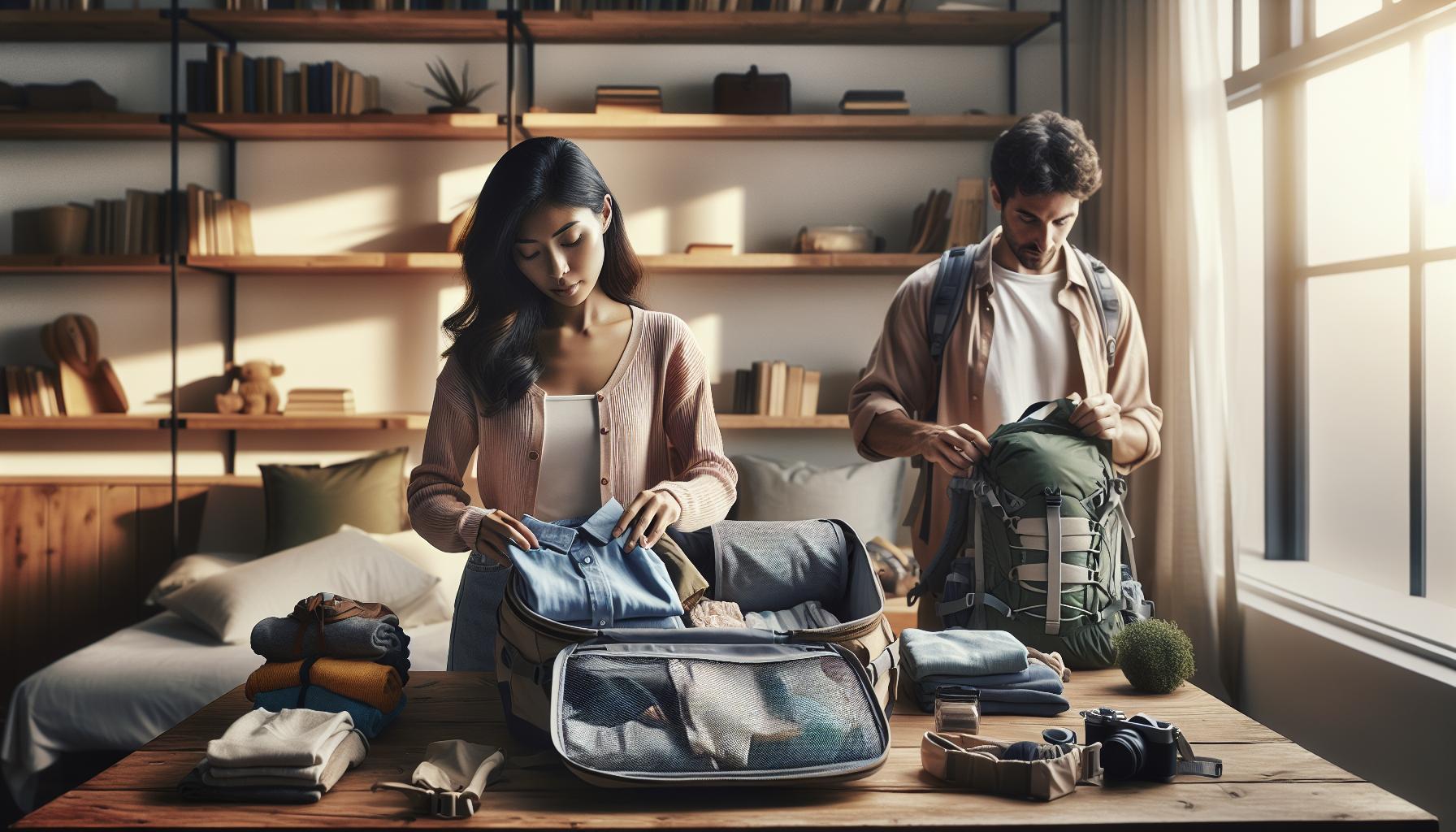
How to Organize Your Backpack Like a Pro
When it comes to organizing your backpack, strategic packing can make the difference between a smooth outdoor experience and a frustrating one. A well-organized pack not only enhances accessibility but also improves comfort on the trail. Here are some expert strategies to optimize your packing game.
Sort and Categorize Your Gear
Start by classifying your items into categories such as shelter, cooking, clothing, and first aid. This method helps you understand what you have and where it should go in your backpack. For instance, keep your cooking items and food together to streamline meal preparation.
Utilize Packing Cubes or Stuff Sacks
Consider using packing cubes or stuff sacks to separate different categories within your pack. These bags help maintain order and prevent gear from shifting around during transit. Use different colored cubes for easy identification-one for clothing, another for food, and yet another for electronics or toiletries.
Center of Gravity Matters
When loading your backpack, always place heavier items towards the bottom and closest to your back. This approach lowers your center of gravity, improving balance and making it easier to walk, especially on uneven terrains. Place lighter and bulkier items, like sleeping bags, on top or towards the outer edges.
Maximize Space and Accessibility
Use every available space in your pack. For example, stuff small items like snacks or a first aid kit into your cooking pot or shoes. Attach frequently used items, such as water bottles or a camera, to the outside of your pack using external pockets or gear loops for quick access during hikes.
Moreover, maintaining a consistent packing structure allows you to easily locate your items, enabling you to pack and unpack more efficiently throughout your trip. Remember, a well-organized backpack not only improves your hiking experience but can also enhance your overall mood while exploring the great outdoors.
Multi-Use Items to Save Space and Weight
Including multi-use items in your backpacking kit not only conserves space but also significantly reduces the overall weight you carry. For example, multi-tools are a versatile companion for any outdoor enthusiast; a high-quality Swiss Army knife can serve as a knife for food preparation, a screwdriver for quick gear repairs, and even a can opener. This single tool can replace several individual items, making it a staple for backpackers looking to lighten their load.
Another excellent option is a lightweight, packable rain jacket that doubles as a windbreaker or an emergency layer. Many modern rain jackets are designed to be breathable while still providing adequate protection from the elements. Look for jackets that can be compressed into their own pocket for added convenience. Additionally, items like trekking poles can be adjusted for height and serve dual purposes as tent poles when needed, providing not just support during hikes but also acting as structural elements for your shelter.
When it comes to cooking gear, opt for a cooking pot that can serve multiple functions. A single pot can be used for boiling water, cooking meals, and even mixing ingredients. Consider lightweight, durable options that can nest components, like a mug and a bowl, within each other to save even more space. Think creatively about combining your gear: a bandana can work as a moisture-wicking headband, a face cover against dust, or even a towel for drying your hands.
Finally, remember that clothing can serve dual purposes as well. For instance, a versatile pair of hiking pants can convert into shorts, allowing you to adapt to changing weather conditions without carrying extra items. By carefully selecting and incorporating multi-use items into your packing strategy, you can significantly enhance your backpacking experience-making it lighter, simpler, and more efficient on the trail.
Adjusting Your Pack for Comfort and Balance
When it comes to backpacking, the importance of a well-adjusted pack cannot be overstated. A properly fitted and balanced backpack not only enhances comfort but can also prevent injuries and increase your overall enjoyment of the journey. An estimated 80% of backpackers experience discomfort due to improper pack adjustment, which can lead to fatigue during long treks. To prevent this, understanding how to manipulate the various adjustments on your pack is crucial.
Start by ensuring that the hip belt sits comfortably on your hips, not just your waist. Your body’s weight should be distributed predominantly through your hips, allowing your shoulders to bear less weight. Adjust the straps to ensure that the belt wraps snugly around your hips, with the padding resting on your ilium bone for optimal support. A well-fitted hip belt stabilizes your load and minimizes unnecessary swaying as you move.
Next, pay attention to the shoulder straps. They should be tight enough to keep the pack close to your back but not so tight that they lift the pack off your hips. Use the sternum strap to further stabilize the pack-this keeps it anchored and prevents it from shifting during your hike. A pack that moves around can be uncomfortable and may lead to muscle strain as you adjust to its shifting weight. Additionally, adjust the load-lifter straps, usually located above the shoulder straps, to bring the top of the pack closer to your shoulders. This adjustment promotes proper weight distribution and helps maintain an upright posture, reducing strain on your back.
Lastly, regularly check that your load is balanced both side to side and front to back. Uneven packing can lead to muscle fatigue and injury. Place heavier items, such as food and water, closer to your body and near your center of gravity. This positioning helps you maintain better stability and control, especially when navigating rugged terrain. Frequent adjustments may be necessary as you consume supplies throughout your trip, so take a moment at rest stops to re-evaluate and adjust your pack as needed.
By taking the time to properly adjust your backpack, you’ll not only protect yourself from potential discomfort and injury but also enhance your overall backpacking experience. Happy trails!
Frequently asked questions
Q: What are the most important items to include on a backpacking checklist?
A: The most essential items on a backpacking checklist include a durable backpack, tent or shelter, sleeping bag, cooking equipment, food supplies, and personal hygiene products. These ensure that you are prepared for various conditions and can comfortably support your needs during the trip.
Q: How can I pack my backpack efficiently?
A: To pack your backpack efficiently, organize items by weight and frequency of use. Place heavier items close to your back and center of gravity, while lighter and less used items go on top or in outer pockets. This helps with balance and accessibility during your hike.
Q: What type of food should I pack for a backpacking trip?
A: Pack lightweight, high-energy foods such as dehydrated meals, nuts, granola bars, and dried fruits. Focus on non-perishable items that are easy to prepare, like instant oatmeal or freeze-dried meals, providing necessary nutrition without weighing down your pack.
Q: How do I choose the right clothing for backpacking?
A: Choose moisture-wicking, quick-drying fabrics that can layer effectively. Consider the climate and season; include items that provide warmth and protection from wind and rain, such as a waterproof jacket and thermal underlayers, which allow you to adjust to varying conditions.
Q: What essentials should I bring for personal hygiene when backpacking?
A: For personal hygiene, pack biodegradable soap, a toothbrush, toothpaste, a quick-dry towel, and toilet paper. Also, carry a small first aid kit to address minor injuries and ensure sanitation while respecting the environment.
Q: How do I handle safety and emergencies while backpacking?
A: Always carry a first aid kit, a whistle, a map, compass, or GPS device. Familiarize yourself with common emergency procedures and share your itinerary with someone at home. Preparedness can make a significant difference in unexpected situations.
Q: Why is it important to use multi-use items when backpacking?
A: Using multi-use items minimizes weight and maximizes space in your backpack. For example, a bandana can serve as a towel, a sunshade, or even a water filter. This versatility helps you stay organized while ensuring you have essential tools without carrying extra items.
Q: What tips can help me adjust my backpack for comfort?
A: Adjust your backpack by properly fitting the shoulder straps and hip belt; they should support your body without excessive pressure points. Additionally, balance the load by arranging items so the weight is distributed evenly, which enhances comfort during long hikes.
Concluding Remarks
Ready to hit the trails? With your “What to Pack for a Backpacking Trip: Complete Checklist,” you’re equipped to enjoy the great outdoors with confidence. Remember, thorough preparation enhances your experience and safety, so double-check your gear and prioritize packing smartly. If you have any questions or need more guidance, don’t hesitate to dive deeper into our comprehensive resources on essential backpacking gear and tips for novice backpackers.
For those looking to refine their adventures, check out our Ultimate Backpacking Checklist for more in-depth insights on what to bring and leave behind [[2]]. And don’t miss our Beginner’s Guide to Backpacking, packed with valuable advice for first-timers [[3]].
Don’t let uncertainty hold you back-explore our expert guides today, and gear up for your next journey! Feel free to share your thoughts or questions in the comments below; your outdoor adventures start with informed choices!