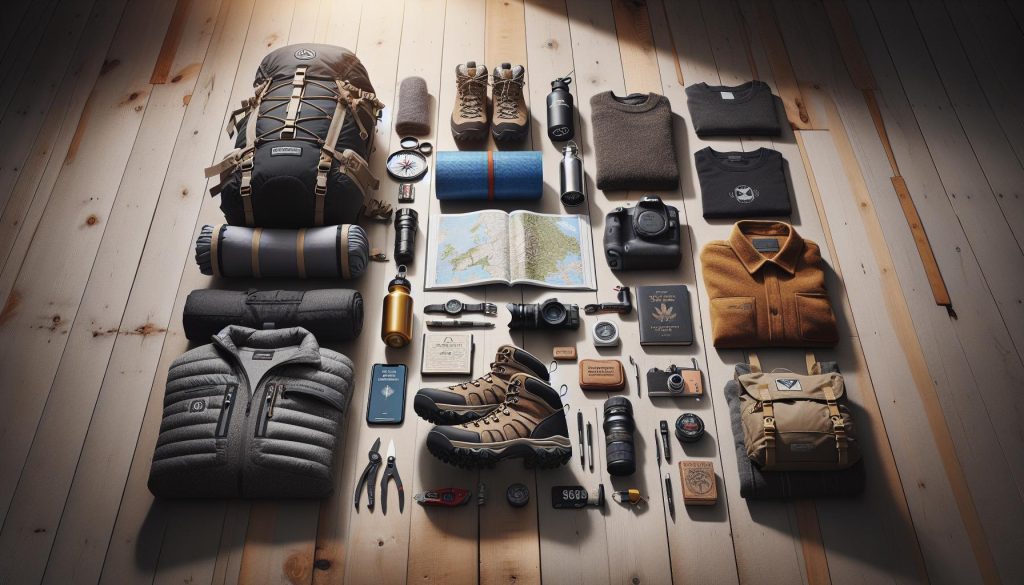
Packing for a backpacking trip can make or break your adventure in the wild. Did you know that the right gear not only enhances your comfort but also ensures your safety? Whether you’re a first-time hiker or a seasoned adventurer, understanding what to bring is crucial. This ultimate packing checklist will guide you through the essentials, from shelter and cooking supplies to clothing and safety gear, ensuring you’re prepared for whatever nature throws your way. As you dive into planning your next expedition, consider your unique needs and the challenges of the terrain. With the right preparation, you can confidently hit the trails, knowing you have everything you need for an unforgettable experience. Let’s explore the must-have items that will keep you comfortable and safe in the great outdoors!
Essential Gear for Backpacking Adventures
When planning a backpacking adventure, having the right gear is crucial to ensure comfort, safety, and enjoyment in the wild. Essential gear can significantly impact your experience on the trail, providing you with everything needed to tackle various conditions and challenges. Whether you’re a seasoned backpacker or a beginner setting out on your first journey, understanding what to bring can make all the difference.
Backpack
Your backpack is the cornerstone of your packing strategy, providing the means to carry all your gear. Opt for a lightweight and durable model with enough capacity to hold your essentials without being cumbersome. Look for features such as adjustable straps, a breathable back panel, and pockets for easy access to smaller items. Brands like Osprey and Gregory offer high-quality options for hikers of all levels.
Tent or Shelter
A reliable shelter will protect you from the elements and ensure a good night’s sleep. Choose a tent that suits the number of people in your group and the conditions you’ll face. A lightweight, three-season tent is often a great choice, striking a balance between weight and durability. Alternatively, consider a hammock with a rainfly for ultralight trips where trees are ample.
Sleeping System
Your sleeping system should prioritize comfort and insulation. A sleeping bag rated for the lowest temperature you expect to encounter is essential, as is an insulated sleeping pad to insulate you from the cold ground. Products like down-filled quilts can also be lightweight options, providing warmth with reduced bulk.
Cooking Gear
Cooking essentials will vary based on your culinary preferences, but a lightweight stove, fuel, and cook pot are must-haves. If you’re looking to save weight, consider a compact alcohol stove or a simple campfire setup. Additionally, don’t forget utensils, a lightweight cutting board, and a cleaning sponge to keep your cooking area tidy.
Hydration System
Staying hydrated is non-negotiable on the trail. Carry a water filtration system, such as a filter pump or purification tablets, to ensure you can safely drink from natural water sources. Using a hydration reservoir or water bottles ensures easy access to water while hiking. Popular brands like CamelBak offer versatile hydration options.
In addition to these core categories, you should also consider clothing layers suitable for various weather conditions, first aid kits, and tools like multi-use knives. Having a checklist tailored to your specific backpacking trip will help you avoid missing essential items and enhance your overall experience in the great outdoors. Embrace the journey with the right gear, and you’ll find yourself ready to tackle any adventure that comes your way.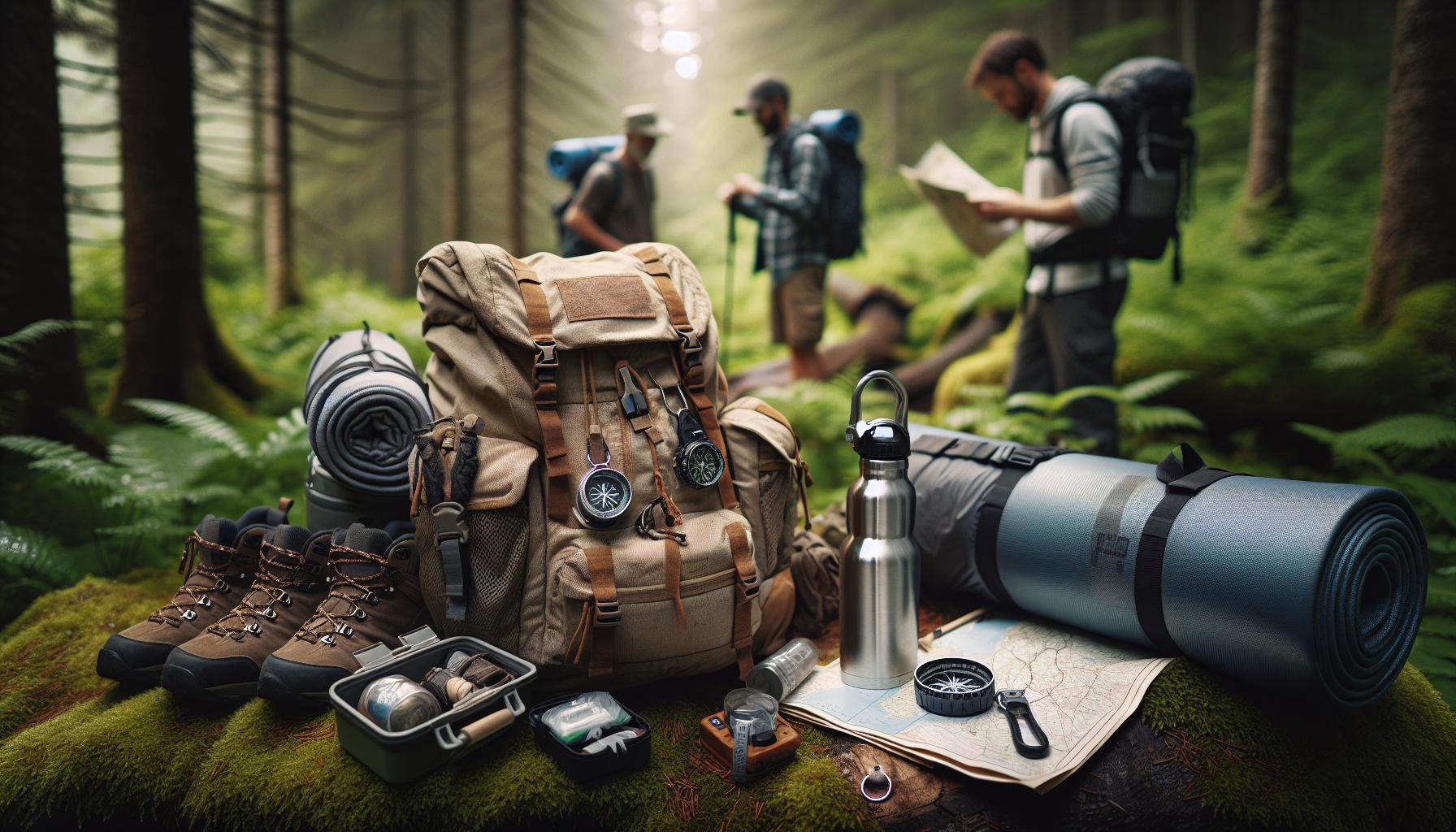
Clothing: Dress for Success on the Trail
Choosing the right clothing for a backpacking adventure can make a significant difference in your comfort and performance on the trail. The right attire not only regulates your body temperature but also protects you from the elements, minimizes chafing, and allows you to move freely. With unpredictable weather and varying terrains, layering is essential, enabling you to adapt to changing conditions swiftly.
Layering System
A successful wardrobe strategy for backpacking revolves around the layering system that typically includes three main layers: a base layer, a mid-layer, and an outer layer.
- Base Layer: This layer is crucial for moisture management. Choose materials like merino wool or synthetic fabrics that wick sweat away from your skin, keeping you dry and warm. Avoid cotton, as it retains moisture and can lead to chills.
- Mid-Layer: The mid-layer provides insulation to retain body heat. Fleece jackets or insulated jackets made from synthetic materials are excellent choices. The goal is to maintain warmth while allowing breathability. If conditions are particularly cold, consider adding an additional layer for extra warmth.
- Outer Layer: The outer layer acts as your shield against wind, rain, and snow. Look for waterproof and windproof jackets made from materials like Gore-Tex or similar offerings that also allow breathability. Ensure that your outer layer has features like adjustable hoods and cuffs to seal out the elements.
Footwear
Investing in the right footwear is just as vital as your clothing choices. A good pair of hiking boots or shoes will provide stability, support, and traction on various trails. When selecting footwear, consider:
- Fit: Ensure your shoes are comfortable with enough room to wiggle your toes but snug enough to prevent slippage.
- Waterproofing: Depending on your destination, waterproof boots can help keep your feet dry in wet conditions.
- Traction: Choose soles with ample grip, especially if you anticipate navigating rocky or slippery terrain.
Accessories
Don’t forget about accessories that enhance your comfort and protection. A great hat can shield you from sun exposure while a pair of lightweight gloves can add warmth when temperatures drop. A buff or neck gaiter is versatile for both warmth and sun protection.
Ultimately, your choice in clothing should focus on functionality, comfort, and the specific conditions you expect to encounter. Packing the right clothing layers and accessories will ensure you are prepared to face any challenges mother nature throws your way, allowing you to fully enjoy your backpacking adventure.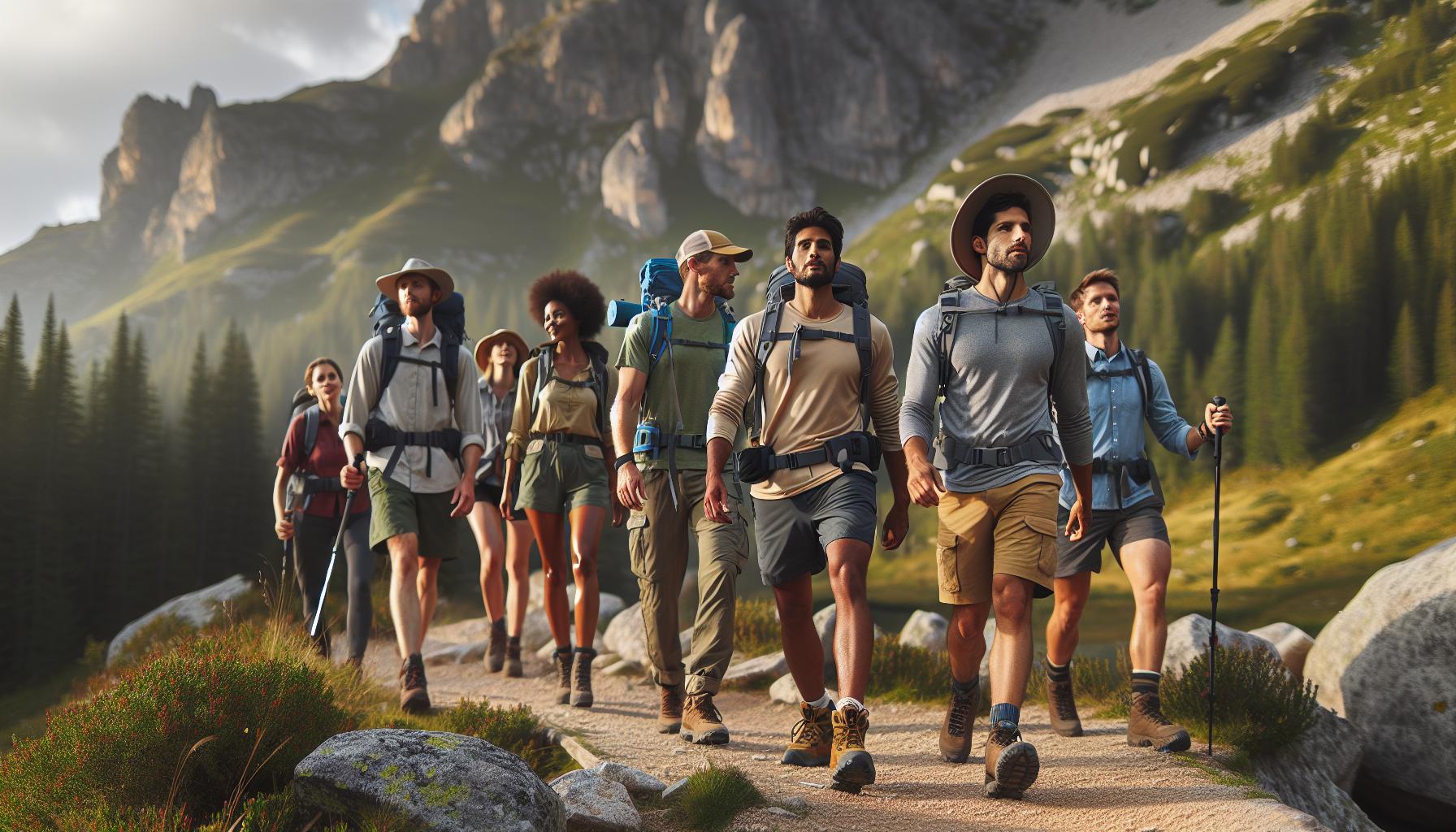
Food and Cooking Essentials for Backpackers
When venturing into the great outdoors, packing the right food and cooking essentials can transform your backpacking experience from a challenging survival mission into a delightful culinary adventure. Choosing lightweight, nutritious meals that are easy to prepare ensures you’ll have both the energy and satisfaction needed to explore and enjoy nature. From dehydrated meals to portable cooking gear, let’s dive into the essentials you should consider for your next backpacking trip.
Start by selecting a portable cooking system tailored for backpacking. Compact stoves such as canister stoves or multi-fuel options are favored for their efficiency and ease of use. Canister stoves are particularly popular due to their lightweight design and quick boiling times, allowing you to set up camp and start cooking in minutes. Don’t forget to pack a set of lightweight cooking utensils; a small pot for boiling water, a spatula, and a compact cutting board should efficiently cover most meal prep needs. Consider using a pot that doubles as a bowl for eating to save on weight and space in your pack.
In terms of food, consider investing in freeze-dried or dehydrated meals, which are specifically designed for backpackers. These meals are often rich in calories and nutrients, providing the necessary fuel for your adventures without adding unnecessary bulk to your pack. Brands like Mountain House or Backpacker’s Pantry offer a range of options, catering to various dietary preferences, including vegetarian and gluten-free choices. Alternatively, you can create your own backpacking meals by dehydrating fruits, vegetables, and proteins at home – just make sure to test them for flavor and cooking time in advance.
Hydration is crucial during any hike, and packing a lightweight water filter can ensure you have safe drinking water. Compact filters, such as the Sawyer Mini or Katadyn BeFree, can easily fit into your pack and are capable of filtering out bacteria and protozoa from natural water sources. Combine this with collapsible water containers for easy storage when not in use.
Finally, consider packing some snacks for sustained energy throughout the day. Lightweight options like energy bars, trail mix, and nut butter packets provide quick energy boosts and are easy to carry. Not only are these items high in calories, but they also help to keep your spirits high on long hikes.
By prioritizing lightweight yet nutritious options and efficient cooking gear, you ensure that your backpacking trip is not only about the journey but also about enjoying satisfying meals amidst the beauty of nature. Happy trails and bon appétit!
Camping Technology: Must-Have Gadgets and Tools
When embarking on a backpacking adventure, having the right technology at your fingertips can significantly enhance your experience by improving safety, comfort, and efficiency on the trail. In an age where outdoor gadgets are becoming increasingly sophisticated, you can find innovative tools designed specifically for the unique challenges of backcountry travel. Whether you’re a novice or an experienced hiker, incorporating some essential camping technology can take your outdoor adventures to the next level.
One of the most valuable gadgets you can carry is a compact multi-tool. Tools such as the Swiss Army knife or the Leatherman not only save space but provide you with a variety of implements like knives, screwdrivers, and pliers, making them invaluable in various situations-from setting up camp to repairing gear. Additionally, tools like the Gerber Bear Grylls Parang Machete can be useful for clearing paths or preparing firewood. For a more specialized task, consider a dedicated knife designed for camping, which often offers features like serrated edges for cutting rope or fish, enhancing your ability to handle different scenarios.
Battery life is critical during longer trips, so a reliable power source for your devices is essential. Look for portable solar chargers that can easily attach to your backpack. Anker’s solar chargers or RAVPower’s options not only keep your smartphones charged for navigation but can also power other devices like satellite communicators for those remote areas where cell service fails. Enclosed in rugged, weather-resistant designs, these solar chargers are built to withstand outdoor conditions, making them perfect companions for multi-day hikes.
Beyond tools and power sources, modern camping technology offers solutions for staying connected and secure. Consider packing a GPS device or a personal locator beacon (PLB). These devices provide precise location tracking and can send emergency signals if you find yourself in distress. While smartphones can serve as GPS devices, dedicated units often offer superior battery life and durability. Moreover, devices like the Garmin InReach not only provide GPS tracking but also allow for two-way communication through satellite, ensuring your safety while giving loved ones peace of mind.
Lastly, integrating smart gear like lightweight, high-efficiency LED headlamps can significantly improve nighttime comfort. Models such as the Black Diamond Spot or the Petzl Actik provide hands-free lighting, allowing you to navigate your campsite or prepare meals after dark. Opt for headlamps with adjustable brightness and longer battery life to suit your needs, and you’ll quickly discover they become indispensable tools throughout your trip.
Investing in proper camping technology doesn’t just make your trip easier; it can improve your safety and enjoyment in the great outdoors. By selecting high-quality multi-tools, portable chargers, GPS devices, and efficient lighting, you’ll empower yourself to tackle whatever your backpacking journey throws your way.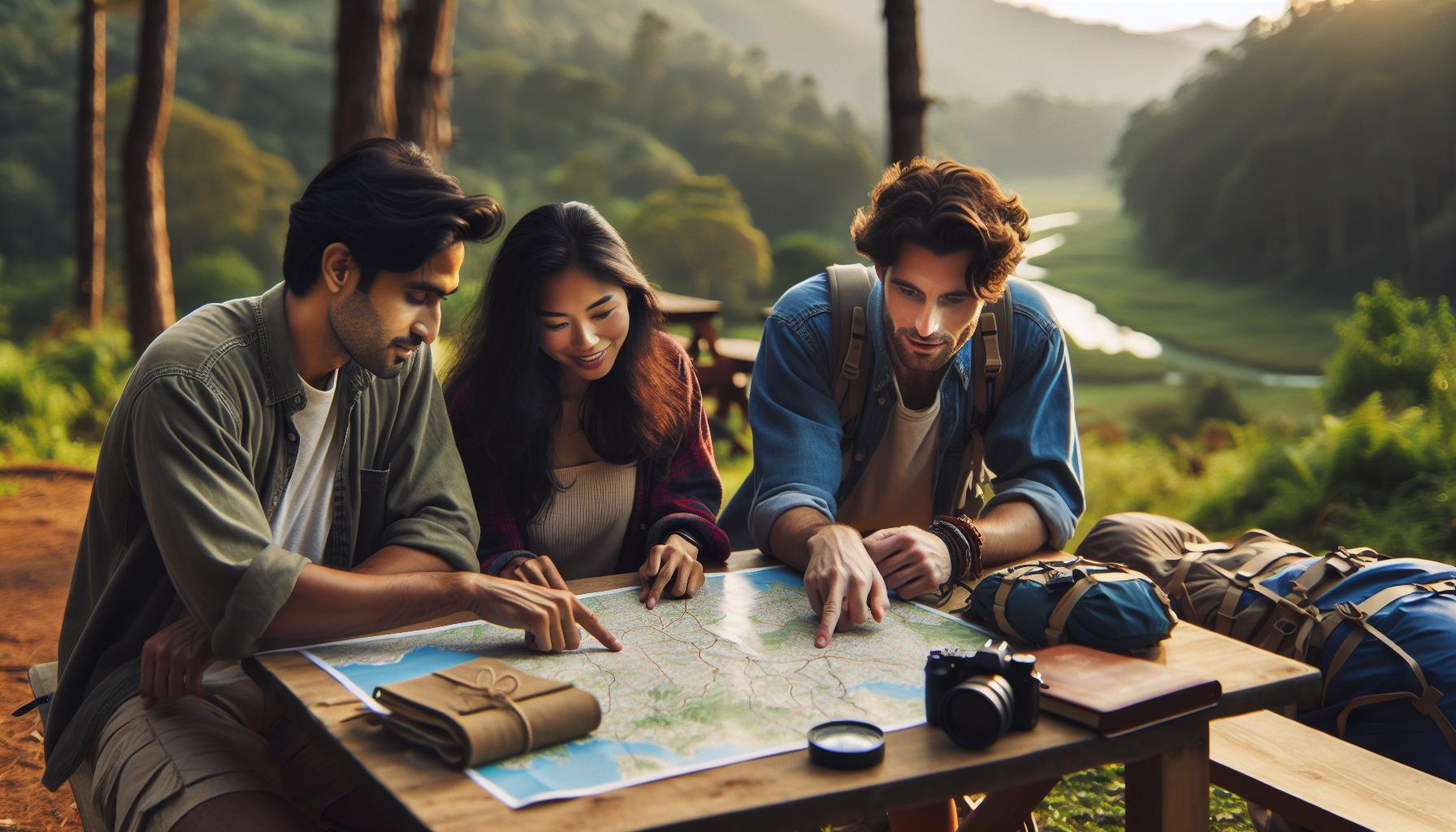
Safety and First Aid Supplies for the Trail
When venturing into the great outdoors, the last thing anyone wants is to be caught unprepared in an emergency. The unpredictable nature of backpacking makes it crucial to have the right safety and first aid supplies on hand. Whether you’re facing a minor scrape, an insect bite, or more serious injuries, having a well-stocked first aid kit can make all the difference in a stressful situation.
A comprehensive first aid kit should include the fundamentals that cover a range of common outdoor ailments and injuries. Start with the basics: adhesive bandages of various sizes, antiseptic wipes, gauze pads, and adhesive tape are essential for treating cuts and scrapes. Consider adding items like blister pads, pain relievers (such as ibuprofen or acetaminophen), and any personal medications needed for chronic conditions. If you’re in bear country or areas where animal encounters might occur, it’s wise to include bear spray as a precaution.
Essential Safety Items
In addition to first aid supplies, there are specific safety items that every backpacker should carry:
- Emergency blanket: A lightweight and compact solution that helps retain body heat in case of hypothermia.
- Whistle: A loud signaling device that can attract attention in case of emergencies.
- Headlamp or flashlight: For navigating in the dark and improving visibility during nighttime incidents.
- Fire-starting kit: Waterproof matches or a lighter can be invaluable in emergency situations where warmth and signaling are crucial.
- Multi-tool: This versatile implement can assist with various tasks, including performing minor repairs to gear or even first aid scenarios.
As you plan your backpacking adventure, customizing your first aid kit to your specific destination and group health needs is important. For instance, if you’re hiking in an area known for poison ivy, including an antiseptic specifically for that rash can be wise. It’s equally important to equip yourself with knowledge. Understanding how to use each item properly can be as vital as having the supplies themselves. Consider taking a wilderness first aid course to become familiar with treating injuries effectively in a remote setting.
To sum it up, preparing adequately with the right first aid and safety supplies not only enhances your confidence while backpacking but also plays a critical role in ensuring your adventure remains enjoyable. With the right gear and knowledge, you’ll be better equipped to handle whatever nature throws your way.
Water Purification: Keeping Hydrated in the Wild
When you’re out in the wilderness, staying hydrated is crucial, yet finding clean water isn’t always straightforward. Studies show that dehydration can impair performance and mood, making the ability to purify water on the go essential for any backpacker. Whether you’re hiking through lush forests or arid mountains, understanding water purification options can keep you safe and refreshed.
A variety of water purification methods exist, and the best choice often depends on your specific needs, travel style, and the environment you’ll encounter. Here are some popular methods to consider:
Popular Water Purification Methods
- Filters: Lightweight and portable, water filters can quickly remove bacteria and protozoa. Look for those with a filter size of 0.2 microns or smaller to ensure maximum protection. Brands like Sawyer and Katadyn are known for their reliability.
- Purification Tablets: Chlorine or iodine tablets are easy to carry and perfect for emergency situations. Simply add them to your water source and wait for the recommended time. While effective, keep in mind they may impact taste.
- Boiling: This age-old method is one of the most effective ways to kill pathogens. Bring water to a rolling boil for at least one minute (three minutes at higher elevations) to ensure it’s safe to drink. However, keep in mind this requires a source of heat and takes time.
- UV Light Purifiers: Compact and convenient, UV purifiers like the SteriPEN use ultraviolet light to eliminate harmful microorganisms. They are speedy and effective but require batteries, so plan accordingly.
Best Practices for Water Collection
Finding a good source of water is as important as treating it. Here are a few tips for locating clean water in the wild:
- Stream Water: Running water is usually safer than stagnant sources. Aim for clear, fast-moving streams for the best quality.
- Avoid Contaminated Areas: Stay clear of areas near animals, outflows from latrines, or industrial sites to minimize contamination risks.
- Cloudy Water: If you find murky water, let it settle or filter it first before treating to ensure cleaner drinking water.
To make your backpacking experience as safe as possible, always pack multiple purification methods. This redundancy ensures you have backup options in case one fails or is not suitable for a particular situation. Staying hydrated not only keeps you well, but it also enhances your performance and enjoyment during your outdoor adventures. By understanding your options and being prepared, you can venture into the wild with confidence, knowing you’ll have access to clean water whenever you need it.
Backpacking Packing Strategies for Efficiency
Maximizing efficiency when packing for a backpacking trip can significantly enhance your experience on the trail. Knowing how to balance essential items without overpacking not only lightens your load but also streamlines your hiking process, making it more enjoyable. A well-organized backpack saves you time in finding needed gear and allows for easier access while on the move.
One effective strategy is the use of a packing list tailored to your specific trip duration and environment. Consider categorizing items into essentials, semi-essentials, and luxuries, prioritizing those you will rely on most. For example, in the “essentials” category, include your tent, sleeping bag, water purification tools, cooking gear, and food. As you progress to “semi-essentials,” think of items like camp chairs or extra clothing layers. An easy way to visualize this organization is through color coding or checkboxes next to each item on your list, ensuring you remember everything without packing unnecessary weight.
Weight Distribution Matters
Distributing weight wisely within your pack can make a noticeable difference in your comfort level. The heaviest items should be packed as close to your back and centered as possible to maintain balance. Keep lighter items toward the outer sections of your pack, which aids in stability and lessens fatigue over long distances. Using packing cubes or dry bags can help consolidate items and keep everything organized, allowing quick access to your gear without creating a mess inside.
Trial Runs are Key
Before embarking on your adventure, consider doing a trial run with your packed backpack. Take it on a day hike to assess comfort, weight distribution, and accessibility. This allows you to identify any items that may be unnecessary or need rearranging before your actual trip, giving you fine-tuned preparation for your journey ahead.
By employing these strategies, you can pack efficiently and responsibly, ready to tackle whatever adventure lies ahead with ease and confidence. A thoughtfully packed backpack will not only enhance your overall experience but will also ensure that you are well-prepared for the unpredictable elements of nature.
Navigating the Outdoors: Maps and Navigation Tools
When it comes to outdoor adventures, knowing how to navigate your surroundings can make the difference between a memorable experience and a stressful ordeal. It’s essential to equip yourself with the right maps and navigation tools that can guide you safely through various terrains. While GPS devices and smartphone apps are popular choices, traditional maps and compasses remain invaluable, particularly in remote areas where technology may fail.
Essential Navigation Tools
Before heading out, ensure you have a solid set of navigation tools. Here are the key items to pack:
- Topographic Maps: These maps provide detailed elevation information and are crucial for understanding the terrain. Always carry a physical copy in addition to digital versions.
- Compass: A classic tool that doesn’t rely on batteries. Familiarize yourself with its operation, and practice using it alongside your map.
- GPS Device: Handheld GPS units can provide real-time location tracking, but make sure to download maps offline in case you lose cell service.
- Smartphone Apps: Apps like AllTrails or Gaia GPS offer robust navigation features. Just remember to bring a portable charger, as these apps can drain your battery quickly.
Mastering Map Reading and Compass Skills
Familiarizing yourself with reading topographic maps is essential. Understand the symbols and contour lines, which indicate elevation changes and terrain features. Similarly, using your compass involves a few basic steps: orienting the map to the north, identifying your destination, and using the compass to establish a bearing.
Practice these skills before your trip. You can take a class or utilize online resources to enhance your understanding. The more comfortable you are with these tools, the more confidently you can navigate even in challenging environments.
Staying on Course: Creating Waypoints
Establish waypoints along your intended route. These are specific locations you plan to reach, making it easier to track your progress and adjust your path if necessary. Marking them on your map and inputting them into your GPS can ensure you stay oriented, especially when trails become indistinct or if weather conditions change.
Incorporating these navigation strategies and tools prepares you for unforeseen circumstances. By combining traditional skills with modern technology, you’ll enhance your confidence and experience in the great outdoors, ensuring you can relish every moment of your backpacking adventure.
Camping Comfort: Sleep Gear and Essentials
Getting a good night’s sleep while backpacking can be the difference between an enjoyable journey and a grueling one. After a long day on the trail, the right sleep gear can help you rest, recharge, and prepare for another day of adventure. Planning your camping comfort begins with understanding the core components of sleep gear: sleeping bags, sleeping pads, and pillows. Each plays a critical role in ensuring you wake up refreshed and ready to hit the trail once more.
Sleeping Bags: Choose Wisely
When selecting a sleeping bag, consider the temperature rating, weight, and size. Down-filled bags provide excellent warmth-to-weight ratios, making them ideal for minimalist backpackers. For those in wet climates, synthetic options are more moisture-resistant and easier to maintain. Additionally, ensure your sleeping bag fits your body type snugly to trap heat effectively while allowing for comfortable movement.
Sleeping Pads: Essential for Comfort
The ground can be unforgiving, which is why a quality sleeping pad cannot be overlooked. Air pads tend to be lighter and more compact when packed, but foam pads offer durability and insulation from cold ground. Look for a pad with an R-value suitable for the temperature conditions of your trip; this factor determines how well the pad insulates you from the ground’s chill.
Pillows: Don’t Skimp on Your Rest
While compressing your clothes into a stuff sack can create a makeshift pillow, investing in an inflatable travel pillow offers better support and comfort. Some backpackers also prefer a camp pillow, which is ergonomically designed and can significantly enhance your sleeping experience.
Additional Comforts
To further improve your sleeping setup, consider adding a lightweight blanket or a sleeping bag liner for added warmth and cleanliness. Packable camp pillows designed for travel can also elevate your head comfortably, ensuring restful sleep. Lastly, maintain hygiene with compact, quick-dry towels and consider earplugs and sleep masks to block out light and sound, allowing you to fall asleep more easily, regardless of your surroundings.
Ultimately, camping comfort hinges on choosing the right sleep gear tailored to your specific needs and conditions. A well-thought-out sleeping setup not only enhances your experience but also ensures that you’re rejuvenated for all the adventures that lie ahead.
Multi-Use Tools: Optimal Choices for Backpackers
When it comes to backpacking, packing smart means opting for tools that can serve multiple purposes. Choosing the right multi-use tools can save space, reduce weight, and enhance your overall experience in the great outdoors. Welcoming these versatile implements into your gear collection not only streamlines your setup but also prepares you for a variety of challenges along the trail.
One of the quintessential multi-use tools for any backpacker is the Swiss Army knife. Renowned for its compact size and array of functionalities, this tool typically includes a knife blade, screwdriver, can opener, and scissors, among other tools. Its enduring popularity can be attributed to its lightweight frame and durability, making it suitable for various outdoor tasks, from meal preparation to quick repairs. Another excellent option is the pocket knife, which can be customized with features that suit your specific needs, such as a serrated blade for cutting through tough materials or a corkscrew for enjoying a beverage after a long day’s hike.
Karamits and Other Blades
Karambits, while often viewed as tactical tools, can serve a broader purpose on the trail as well. Their curved blades are excellent for specific cutting tasks, such as food prep or slicing through tough ropes. However, some locales have legal restrictions on such knives, so ensure your choice complies with local laws. For this reason, always do your research before packing these specialty blades.
Advanced Tools and Gadgets
For the tech-savvy backpacker, consider multi-tool gadgets that integrate multiple functionalities into a compact design. Options like Leatherman multi-tools provide pliers, wire cutters, multiple knife blades, and even additional tools such as bottle openers and file tools. These gadgets can be invaluable for gear maintenance or minor repairs on the go. Furthermore, specialized multi-tools designed for camping often incorporate fire starters and peelers, catering specifically to wilderness needs.
With each item you choose, consider its weight and volume-key attributes for maintaining an efficient and manageable backpacking load. Look for high-quality brands known for durability, like Victorinox for Swiss Army knives or Leatherman for multi-tools. Ultimately, the right multi-use tools not only enhance your outdoor efficiency but also allow you to focus more on enjoying nature and the journey ahead.
Budget-Friendly Packing: Affordable Gear Options
Finding quality gear without breaking the bank is essential for both novice and seasoned backpackers. With the right planning, you can gather all necessary equipment for your adventures while sticking to a budget. Here’s how to pack wisely without overspending, ensuring you have everything you need for a memorable experience in the wilderness.
One effective strategy is to research and select affordable alternatives to high-end gear that still offer durability and performance. Websites like REI Outlet or Backcountry often have seasonal sales and member discounts that can significantly reduce costs. Consider opting for less-known brands that still provide reliable products. For example, while popular brands like MSR and Therm-a-Rest are well-respected, brands like Sea to Summit and Big Agnes can offer similar functionality at lower price points.
Second-Hand Gear and Rentals
Another budget-friendly avenue is to explore used gear and rental options. Many outdoor gear shops and online marketplaces (e.g., eBay, Craigslist, or Facebook Marketplace) feature gently used equipment at a fraction of the new price. Additionally, if you’re only planning a single trip or infrequent outings, renting equipment from local outdoor shops can be an economical choice. This option allows you to test various types of gear before committing to a purchase.
DIY Solutions and Smart Packing
Don’t overlook the potential of DIY gear and clever packing methods. For instance, you can create a personal first-aid kit using items from your home, saving costs on pre-assembled kits. Similarly, packing a simple tarp instead of a costly tent can be an effective way to save space and weight while providing sufficient shelter. By carefully planning your packing list and prioritizing multifunctional items, you can significantly cut down on unnecessary expenditures.
Ultimately, backpacking on a budget involves a mix of strategic shopping, utilizing community resources, and being open to creative solutions. Making informed choices not only enhances your experience but ensures that you can fully enjoy the journey without financial strain.
Eco-Friendly Packing: Sustainable Backpacking Choices
Embracing sustainable practices while backpacking not only enhances your outdoor experience but also helps protect the natural beauty of the environments we cherish. As awareness of environmental issues grows, many backpackers are seeking ways to minimize their impact. One effective approach is to carefully select the gear and supplies you bring along, focusing on eco-friendly options that reduce waste and promote sustainability.
Using gear made from recycled or biodegradable materials is a vital step toward reducing your ecological footprint. Consider items like backpacks crafted from recycled fabrics or cookware that is free from harmful chemicals. Additionally, support brands that are committed to sustainable manufacturing practices. Researching brands that prioritize environmental responsibility can help you make informed choices. Look for certifications such as Fair Trade or those that adhere to responsible sourcing practices.
Pack to minimize waste: avoid single-use plastics by opting for reusable containers for food and drinks. A solid approach is to assemble a lightweight, collapsible bowl and a durable utensil set that you can use for multiple trips. When it comes to food, consider dehydrating your meals at home, which reduces packaging waste and allows you to control ingredients. You might also want to invest in a compact, reusable coffee filter or tea infuser for your morning brews.
Finally, remember that every piece of gear counts. From eco-friendly toiletries (such as biodegradable soaps) to clothes made from sustainable materials, every choice contributes to a tradition of respect for nature. As you plan your next adventure, let your packing decisions reflect a commitment to preserving the very landscapes that offer you so much joy. Embracing eco-friendly practices enhances not only your hiking experience but also the well-being of the trails you tread.
Faq
Q: What are some must-have items for first-time backpackers?
A: First-time backpackers should prioritize essentials like a reliable backpack, weather-appropriate clothing, a sleeping bag, a first aid kit, and water purification methods. These items ensure safety and comfort on the trail. For a comprehensive packing list, refer to the section on Essential Gear for Backpacking Adventures.
Q: How do I choose the right backpack size for my trip?
A: Choose a backpack size based on the trip duration and gear requirements. For weekend trips, a 40-50L backpack is sufficient, while longer treks may require 60L or more. Make sure to adjust the pack according to your torso length for optimal comfort. Visit our Backpacking Packing Strategies for more guidance.
Q: What food should I pack for a multi-day backpacking trip?
A: Pack lightweight, high-energy foods like nuts, dried fruits, freeze-dried meals, and energy bars. Plan meals that require minimal cooking and can be rehydrated quickly. Check the Food and Cooking Essentials for Backpackers section for more meal ideas.
Q: How can I effectively pack my backpack for a balanced load?
A: To achieve a balanced load, pack heavier items close to your back and near the center of the backpack. Distribute weight evenly and adjust straps for stability. This technique enhances comfort while hiking. Learn more in our Backpacking Packing Strategies for Efficiency section.
Q: What types of clothing are best suited for backpacking in varying weather?
A: Layering is key for backpacking clothing. Choose moisture-wicking base layers, insulating mid-layers, and waterproof outer layers. This allows you to adapt to changing temperatures and conditions easily. Explore the Clothing: Dress for Success on the Trail section for detailed tips.
Q: What safety gear should I include in my backpack?
A: Essential safety gear includes a first aid kit, a whistle, a multi-tool, and a headlamp. Additionally, pack a map and compass for navigation. This gear prepares you for emergencies and helps ensure a safe adventure. Refer to the Safety and First Aid Supplies for the Trail section for more insights.
Q: How do I ensure my packing is eco-friendly?
A: Opt for reusable containers, biodegradable soap, and minimize single-use plastics. Choose eco-friendly products and opt for natural surroundings over manufactured items. For more sustainable backpacking choices, check out our Eco-Friendly Packing: Sustainable Backpacking Choices section.
Q: What are the benefits of using multi-use tools while backpacking?
A: Multi-use tools save space and weight by combining several functions into one gadget, making them ideal for backpacking. They can serve as knives, screwdrivers, or pliers, enhancing convenience and efficiency. Visit our Multi-Use Tools: Optimal Choices for Backpackers section for recommendations.
Insights and Conclusions
As you gear up for your next adventure, remember that the right packing can make all the difference. Equipped with our “What to Bring Backpacking: Ultimate Packing Checklist,” you’re one step closer to creating unforgettable memories in the great outdoors. Don’t forget to explore our articles on essential gear recommendations and expert tips for planning your trip effectively.
Ready to dive deeper? Check out our guides on Swiss Army knives or pocket knives, which are invaluable for any backpacking journey. If you have questions or want to share your experiences, drop a comment below or connect with us on social media! Your adventure starts now-let’s embark on it together, ensuring you’re fully prepared every step of the way. Sign up for our newsletter for the latest insights and offers, so you never miss out on the gear that can elevate your outdoor experience. Adventure awaits!