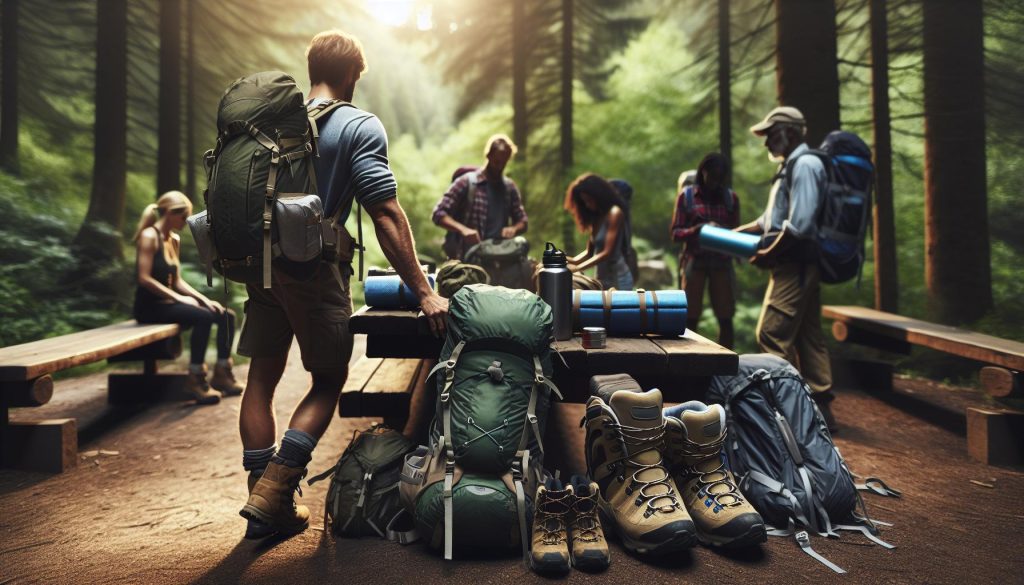
Choosing the right backpack size for a three-day hike is crucial for a successful outdoor adventure. Did you know that an improperly sized backpack can lead to discomfort and fatigue, hindering your journey? Whether you’re a seasoned hiker or just starting, finding the perfect fit can make all the difference in your experience. The right backpack not only accommodates your gear but also ensures that weight is distributed evenly, allowing for easier mobility on the trails. In this guide, we’ll explore trail-tested recommendations to help you select the ideal backpack size for your next excursion. Get ready to uncover tips that will empower you to hike confidently and comfortably, making your investment worthwhile.
Choosing the Right Backpack Size for 3-Day Hikes
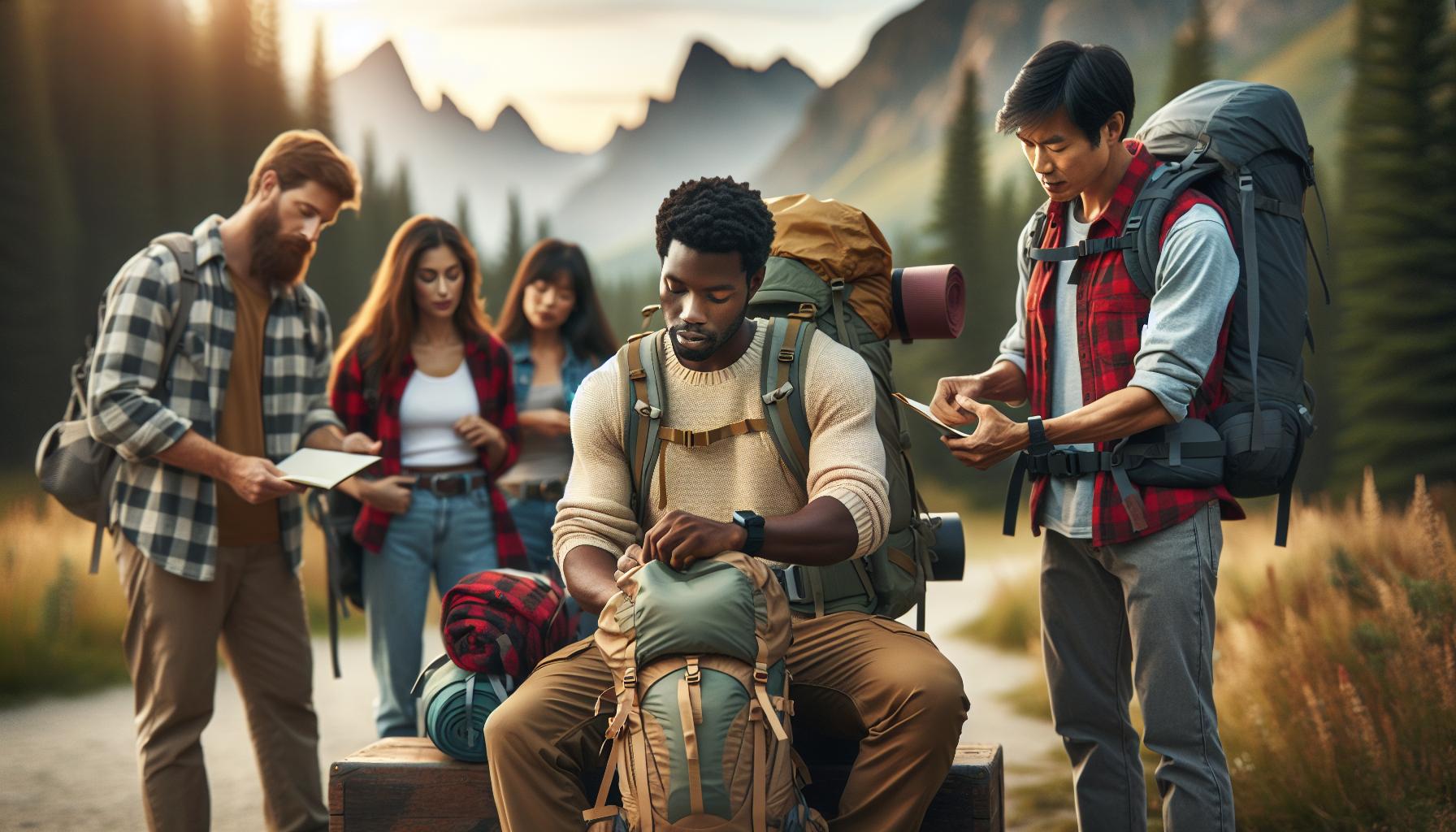
When embarking on a 3-day hike, selecting the right backpack size is crucial not only for comfort but also for practicality. A pack that is too small will leave you scrambling to fit essential gear, while one that is overly large may result in unnecessary weight, fatigue, and instability on the trail. Most experts recommend a backpack with a capacity ranging from 50 to 70 liters for multi-day hikes. This range strikes a balance between sufficient space for gear and manageable weight.
Understanding Volume Needs
To determine the right size for your specific needs, consider the following factors:
- Sleeping Gear: If you’re bringing a tent, sleeping bag, and pad, these items can take up significant space. Organizing them efficiently will help you maximize your pack’s capacity.
- Food and Cooking: For a 3-day trip, you’ll need enough food and possibly a cooking system, which adds weight and volume.
- Clothing: Weather can change quickly in the outdoors, so pack extra layers and consider insulation needs based on the season.
Ultimately, choosing the right size involves understanding your personal packing style and the type of terrain you’ll be traversing. Some hikers prefer a minimalist approach, while others like to bring along comforts from home. Knowing the dimensions of the gear you’ll carry is fundamental for selecting a backpack that seamlessly accommodates your essentials while keeping you agile on the trail.
Weight Distribution and Comfort
In addition to volume, pay attention to how the backpack distributes weight. A well-fitted pack makes a significant difference in comfort, especially when loaded. Aim for a fit that allows the pack to sit close to your body, minimizing sway and providing better balance. Adjustable straps, a hip belt that supports your torso, and breathable fabrics enhance both comfort and performance. Ultimately, your choice should reflect not just your gear requirements but also your personal comfort and the overall hiking experience you’re aiming for. Keep in mind that the right size can significantly influence your enjoyment of the great outdoors.
Key Features to Look for in Hiking Backpacks
Selecting a hiking backpack for a multi-day trek involves more than merely assessing size; it’s crucial to consider key features that enhance comfort, functionality, and durability. A poor choice can turn a grand adventure into a painful ordeal. For instance, an effective ventilation system is essential, as it helps reduce moisture build-up during sweaty hikes. Look for backpacks equipped with mesh back panels and adjustable airflow systems that keep you dry and cool, especially on warmer days.
Another important feature is the harness system, which should be adjustable for a custom fit. A well-designed harness distributes weight evenly across the shoulders and hips, alleviating pressure points. Opt for padded shoulder straps and a wide hip belt, as these elements play a vital role in carrying heavier loads comfortably. Not only should these straps be adjustable, but they should also allow for movement without restricting your range of motion. Consider features like load-lifter straps and sternum straps to further enhance stability and balance.
Storage options are equally important. Multi-day hikes require various gear, so a good backpack should offer multiple compartments and pockets for organization. Look for external pockets for quick access to items like water bottles, snacks, or rain gear. Some packs also include sleeping bag compartments and compression straps that help keep your load stable and compact. Lastly, ensure the backpack is hydration-compatible, featuring a sleeve or pouch for a hydration reservoir, making it easy to stay hydrated while on the move.
In summary, focus on ventilation, a customizable harness system, and smart storage solutions when selecting a hiking backpack. These features collectively ensure that your gear is accessible, balanced, and comfortable, ultimately enhancing your outdoor experience and enabling you to enjoy the journey ahead.
Tailoring Your Backpack Choice to Your Body Size
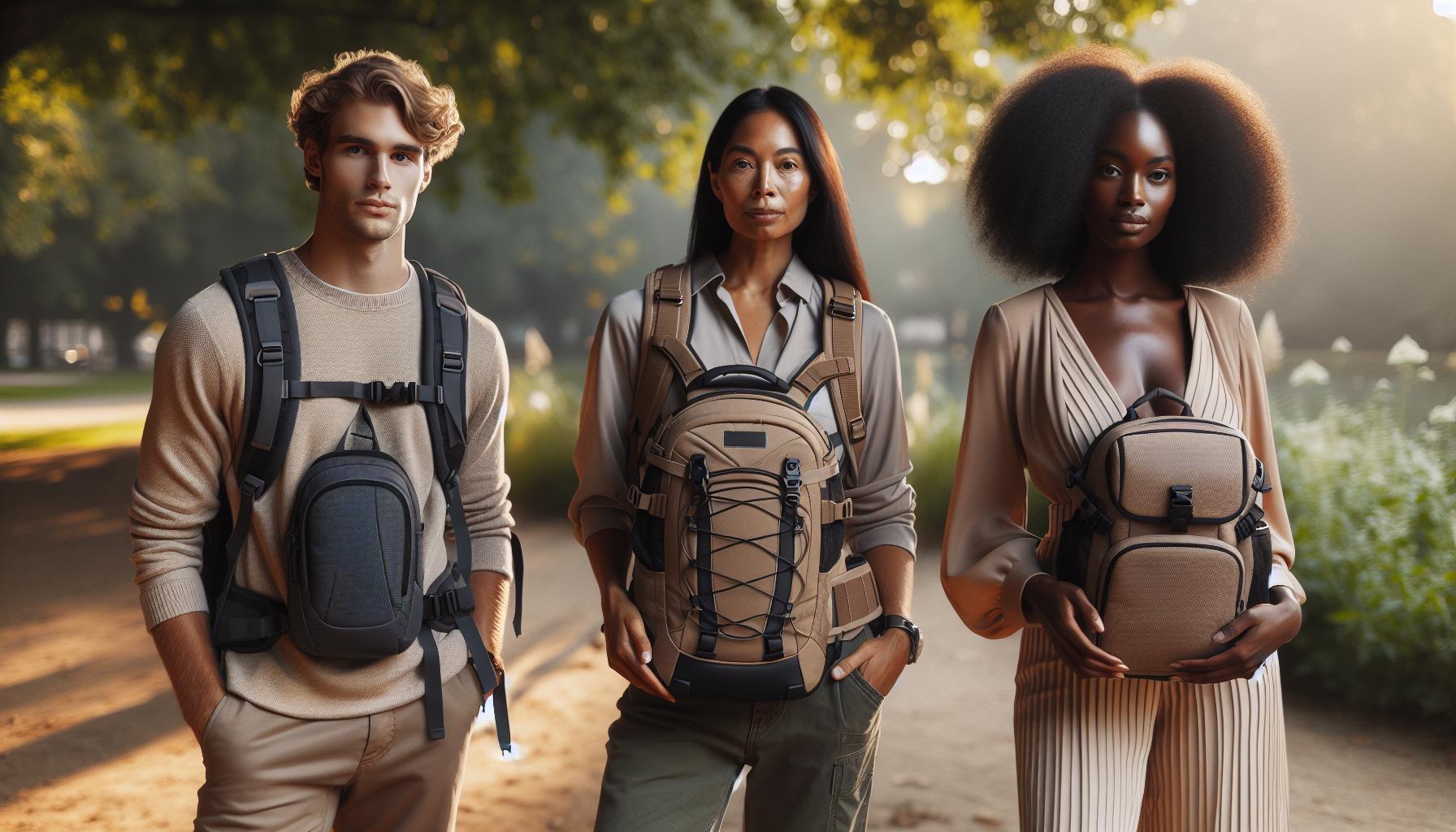
Selecting the right backpack size isn’t just about capacity; it’s paramount to fashion your choice to fit your body size. A poorly fitting backpack can lead to discomfort and even injury, especially over the course of a three-day hike. Research suggests that a backpack should not only fall within the appropriate volume range but should also complement the hiker’s torso length and body shape to ensure optimal comfort and weight distribution.
To start with, measuring your torso length is crucial. This measurement is taken from the bony protrusion at the base of your neck (the C7 vertebra) to the top of your hip bone. The length dictates whether you’ll need a small, medium, or large frame pack. Most manufacturers provide sizing charts that correlate torso length with specific backpack models, so be sure to consult these guides. Additionally, many packs include adjustable harness systems, allowing for some personalization to achieve a better fit.
Other Body Considerations
Your body shape also influences your choice. Individuals with broader shoulders may prefer packs that feature wider shoulder straps, while those with slimmer builds might benefit from more narrow profiles that prevent excessive bulk. Furthermore, the hip belt should fit snugly around the hips and not ride up or dig into your sides; backpacks often come with adjustable belts and wide options to cater to different body types.
Additionally, consider your weight distribution preferences. A well-balanced backpack should position the weight of your gear close to your center of gravity. For those with shorter torsos, choosing a backpack with a lower profile can help maintain stability on the trail, reducing the risk of strain on the back. Conversely, taller hikers might prefer a taller pack to ensure ample space for all necessary gear.
By taking the time to tailor your backpack choice to your specific body size, you’ll not only improve your comfort during your hike but also enhance your overall outdoor experience, letting you focus on the stunning scenery rather than any physical discomfort.
Essential Packing Tips for a 3-Day Hiking Trip
When embarking on a 3-day hiking trip, packing efficiently is key to both comfort and enjoyment on the trail. Inadequate packing can lead to unnecessary weight, discomfort, and even safety risks, while a well-packed backpack can empower you to tackle the journey with ease. Start by employing the “three-bag system”: essentials fit into the first bag, clothes into the second, and food and kitchen items into the third. Organizing items this way not only simplifies access but also helps distribute weight evenly.
To maximize space and maintain organization, utilize packing cubes or compression sacks. These tools can condense bulky items like sleeping bags and jackets, creating more room for everything you’ll need. Prioritize lightweight gear-consider investing in high-quality, lightweight equipment tailored for backpacking. For instance, choose a sleeping bag rated for your expected conditions, and a lightweight tent that’s easy to set up quickly.
It’s also crucial to pack food strategically, focusing on high-calorie, lightweight options that are easy to prepare. Trail mix, energy bars, and dehydrated meals offer ample nutrition and are light on the back. Don’t forget to bring a compact cooking system, if necessary, that combines weight savings with functionality. When packing your liquid supplies, such as water bottles or hydration bladders, consider your water sources on the trail and the weight involved; opt for a filtration system if clean water is available.
Finally, pay close attention to the arrangement of your gear within the backpack. Place heavier items, such as your cooking system and food, close to your back and at the mid-level for better weight distribution and center of gravity. Make sure to keep essential items like maps, first aid kits, and snacks easily accessible, preferably in exterior pockets or at the top of your pack. By adhering to these packing tips, you can significantly enhance your hiking experience, focusing more on the beauty of nature and less on the burdens of your load.
Trail-Tested Backpack Recommendations for Every Type
When it comes to planning a 3-day hiking trip, choosing the right backpack can be the difference between a joyful adventure and an exhausting struggle. There are numerous designs and styles available, each suited for different types of trekkers and terrains. Based on extensive user feedback and expert reviews, we’ve compiled a list of trail-tested recommendations that cater to various needs and preferences.
One standout option is the Osprey Atmos AG (Men) / Osprey Osprey Osprey Orian AG (Women). Known for its innovative Anti-Gravity suspension system, this backpack provides exceptional comfort even when fully loaded. The mesh back panel promotes airflow, keeping you cool on warmer days. With a capacity of 50-65 liters, it offers ample space for a 3-day trip without being cumbersome. The multiple access points, including a large front panel opening, make it easy to grab items quickly without having to dig through your gear.
For ultralight enthusiasts, the Hyperlite Mountain Gear 3400 Southwest is a favorite. Weighing just over 2 pounds, this backpack is crafted from durable Dyneema fabric, ensuring it withstands tough conditions while remaining light as a feather. Its minimalist design is intentional, focusing on essential features like a roll-top closure for waterproofing and a simple, straightforward organizational system. With a capacity of around 55 liters, it’s perfect for those aiming to minimize weight without sacrificing functionality.
If you’re a budget-conscious hiker, the REI Co-op Flash 55 offers great value without skimping on quality. This pack is highly adjustable, catering to different torso lengths, making it a versatile option for various body types. With a 55-liter capacity, it strikes a nice balance between ample storage and lightweight design. The Flash also includes pocket options for easy accessibility, which is ideal for quick retrieval of snacks or gear during your hike.
Finally, for family hikes or those needing to carry extra gear, the Deuter Futura Vario 50 + 10 provides excellent storage with a smart organization system. Its unique Aircomfort Sensic Vario back system promotes airflow while ensuring weight is transferred efficiently to your hips for better stability. With a 60-liter capacity, plus the ability to extend an additional 10 liters, this backpack is perfect for multi-day outings with additional gear.
Selecting the right backpack may seem daunting, but understanding your needs can simplify the choice. Prioritize comfort, capacity, and your individual hiking style to ensure you find the perfect fit for your next adventure.
Material Matters: Best Fabrics for Durability and Comfort
Choosing the right materials for your hiking backpack is crucial for achieving a balance between comfort, durability, and weight. The fabric you select will not only impact the overall weight of your pack but also its longevity and performance in various weather conditions. In the world of hiking gear, certain fabrics have proven themselves time and again, making them go-to options for outdoor enthusiasts.
One of the most popular choices for durability is Ripstop Nylon. This fabric is woven with a special technique that reinforces it, making it resistant to tearing and ripping. It’s lightweight yet rugged, making it an ideal choice for backpacks that will see heavy use on the trails. Brands like Osprey and Deuter often utilize this material for their high-quality packs, ensuring that they withstand the wear and tear of multi-day hikes.
Another excellent option is Dyneema (formerly known as Cuben Fiber), which is incredibly lightweight and waterproof. While it can come with a higher price tag, its strength-to-weight ratio is unmatched, making it a favorite among ultralight backpackers. These backpacks are not only designed for minimalism but also help to keep your gear dry during unexpected rain.
When considering comfort, Polyester fabric backpacks are also noteworthy. They are more affordable and can repel water effectively, although they may not be as durable as nylon or Dyneema. Polyester fabrics often come with DWR (Durable Water Repellent) coatings, enhancing their performance in wet conditions. Notable brands like REI incorporate polyester in their budget-friendly models while still prioritizing comfort and storage.
In summary, when selecting your next backpack for a 3-day hike, understanding the advantages and disadvantages of various materials will assist you in making an informed choice. Whether prioritizing weight, durability, or budget, the right fabric can elevate your outdoor experience and ensure you are well-equipped for your adventures. Selecting a high-quality material not only enhances your comfort but also contributes significantly to the pack’s longevity, which is a consideration every hiker should keep in mind.
Understanding Internal vs. External Frame Packs
Understanding the difference between internal and external frame packs can significantly enhance your hiking experience, especially on multi-day trips where comfort and capacity are paramount. Both types of packs are designed to distribute weight effectively, but they achieve this in different ways, catering to various hiking styles and needs.
Internal frame packs feature a supportive framework that is built inside the backpack itself. This design allows the pack to contour closely to your body, providing a streamlined silhouette. The lower center of gravity promotes better balance, especially on rugged terrains, making these packs ideal for steep climbs or technical hikes. Because they sit closer to your back, they generally provide greater stability, reducing the chances of sway that can happen with heavier loads. Internal frame packs are usually lighter and have a variety of compartments that enhance organization.
On the other hand, external frame packs have a traditional design that showcases a visible frame on the outside. This style can offer an impressive capacity, making it easier to carry bulky items like sleeping bags or tents. The frame itself can allow for better air circulation, which is a notable advantage in hot weather conditions. However, external frame packs may feel bulkier and less agile in tight spaces, so they are better suited for hiking on well-defined trails where maneuverability is less of a concern.
When choosing between the two, consider the nature of your hike. For example, if you often venture into challenging mountain areas or unpredictable terrain, an internal frame pack may be your best bet due to its balance and weight distribution. Conversely, if you prefer a more leisurely hike with ample gear and appreciate the airflow provided by an external frame, you may find this style suits your needs better. Ultimately, your choice should align with your personal comfort preferences and the specific demands of your hiking adventures.
Weight Considerations: Balancing Comfort and Capacity
Packing for a 3-day hike requires a careful balance between comfort and capacity, as the weight you carry directly impacts your energy levels and overall hiking experience. Did you know that the general rule of thumb is to keep your backpack’s weight to 20-25% of your body weight? Striking the right balance will not only help you maintain stamina but also prevent injury, allowing you to enjoy the beauty of nature without the fatigue that comes from an overloaded pack.
When selecting a backpack, consider its capacity in relation to the weight of your gear. The typical range for a 3-day trip backpack is between 50-70 liters. Within this range, ensure that you distribute items wisely to optimize weight and comfort. For instance, place heavier items like your tent or sleeping bag low in the pack and close to your back to maintain your center of gravity. This positioning can significantly affect your stability and mobility on the trail, particularly when traversing uneven terrain.
Weight Saving Strategies
To make your backpack lighter, consider these tips:
- Choose lightweight gear: Invest in ultralight tents, sleeping bags, and cooking gear.
- Limit non-essentials: Pack only what you need; avoid bringing multiple items that serve the same function.
- Food optimization: Consider lightweight, calorie-dense options like dehydrated meals and compact snacks.
- Hydration strategies: Use a water filter or purification tablets instead of carrying large volumes of water.
Remember, every ounce counts. As you fine-tune your packing list, think critically about each item’s utility and weigh the benefits against the additional weight. By focusing on essential gear that maximizes comfort and minimizes load, you’ll enhance your hiking experience, allowing you to tackle the trails with confidence and ease.
Distributing Weight: Packing Strategies for Balance
Achieving the perfect balance in your backpack can make or break your hiking experience. Weight distribution plays a critical role in maintaining comfort and efficiency on the trail. For a three-day hike, where endurance is key, understanding how to strategically place your gear is essential. When packing, start with the heaviest items, such as your tent and sleeping bag, which should be positioned low in the pack and as close to your back as possible. This positioning helps keep your center of gravity aligned and minimizes strain on your body, particularly during uphill climbs or uneven terrain.
Next, fill in your pack with medium-weight items like cooking gear and clothing. These should be placed in a way that they nestle around the heavier gear, creating a stable and cohesive load. Lighter items, such as snacks or a jacket, should be tucked into the top or side pockets for easy access without disrupting your weight balance. Furthermore, be mindful of how items shift as you move; consider using compression straps to help stabilize your load and prevent shifting that can lead to discomfort.
Utilizing Pack Features for Balance
Modern backpacks come equipped with various features designed to enhance weight distribution. Look for packs that include a hip belt; this redistributes weight from your shoulders to your hips, significantly easing fatigue on long hikes. Adjustable straps allow you to fine-tune the fit for your body shape, ensuring that the load sits evenly and comfortably. Additionally, external attachment points can be used to secure bulky items like sleeping pads or trekking poles, keeping your main compartment streamlined and well-balanced.
Carefully planning your packing strategy not only enhances your comfort but also minimizes the risk of injury. By ensuring that the weight is evenly distributed, you can hike longer and enjoy more of what the great outdoors has to offer. Ultimately, the goal is to create a feeling of lightness as you move, allowing you to focus on the journey rather than the burden.
Must-Have Accessories for Your Hiking Backpack
To elevate your hiking experience, equipping your backpack with essential accessories can make a significant difference in convenience, comfort, and safety on a three-day trek. While the backpack itself is crucial for carrying gear, the right accessories can enhance functionality and ensure that you’re well-prepared for the unpredictable nature of the outdoors.
One of the most valuable accessories is a hydration system, such as an integrated water reservoir or a hydration bladder, which allows for hands-free drinking. Staying hydrated is vital for any hike, especially over several days. Opt for systems with a robust bite valve and a capacity that meets your water needs without excessive weight. Additionally, water purification tablets or a portable water filter can be lifesavers if water sources are limited along the trail.
Another indispensable accessory is a first aid kit tailored to outdoor activities. Stock it with bandages, disinfectants, antihistamines, and any personal medications. A compact, lightweight first aid kit will fit neatly in your pack while providing peace of mind. You might also consider carrying a multi-tool or Swiss Army knife, which can serve multiple purposes, from food preparation to simple repairs, ensuring you’re ready for a variety of scenarios.
For organization and efficiency, invest in packing cubes or compression sacks. These can help you manage different types of gear, keeping clothing, food, and equipment organized and accessible. They also allow for a more compact packing job, maximizing space in your backpack. Don’t forget a headlamp for night-time visibility; a lightweight, hands-free option can be critical for setting up camp after dark or navigating safely.
Lastly, smartly chosen accessory pouches for items like snacks, electronics, or sunscreen can improve accessibility and prevent clutter within your main compartment. Look for ones that attach externally to keep frequently used items within easy reach. Together, these accessories foster a seamless and enjoyable hiking experience, letting you focus on the adventure ahead rather than on what you’ve left behind.
Maintaining Your Backpack for Longevity and Performance
To maximize the lifespan and functionality of your backpack, regular maintenance is crucial. A well-cared-for backpack not only performs better but can also make your hikes safer and more enjoyable. Did you know that minor upkeep can prevent significant repairs down the road? Whether you’re hitting the trails for a weekend adventure or planning an extended trip, taking a few simple steps will ensure your backpack remains in top condition.
Start by routinely inspecting your backpack before each hike. Check for wear and tear, especially in high-friction areas like the straps, seams, and zippers. Addressing these signs early-such as stitching loose threads or replacing broken buckles-can help prevent more extensive damage. Additionally, after your hike, it’s a good practice to clean your backpack. Remove all items, shake out any debris, and wipe the fabric with a damp cloth. For a deeper clean, use mild soap and warm water to wash the material without damaging its waterproof coating. Just be cautious not to machine wash or dry your backpack unless expressly permitted by the manufacturer.
Storage also plays a key role in maintaining your backpack’s performance. When not in use, store it in a cool, dry place away from direct sunlight to prevent UV damage that can weaken the fabric and color. Avoid folding it tightly; rather, hang it or stuff it lightly to help retain its shape. If your backpack features a waterproof liner or coating, periodically check for any holes or deterioration, and consider reapplying a water repellent treatment if needed.
Lastly, familiarize yourself with any specific care recommendations from the backpack’s manufacturer. Some brands offer repair services or sell replacement parts, which can extend the life of your gear significantly. By incorporating these practices into your routine, you can ensure that your backpack continues to serve you well on every adventure, year after year. An informed and diligent approach to maintenance not only enhances performance but also allows you to focus on enjoying the great outdoors without worry.
Common Mistakes in Backpack Selection and Usage
Selecting the right backpack for a three-day hike can greatly influence your comfort and enjoyment on the trail, yet many outdoor enthusiasts fall into common pitfalls that can lead to discomfort or even ruin an adventure. One frequent mistake is underestimating the necessary capacity. A small backpack may save weight, but cramming gear into a tight space can lead to inefficient packing and quick access issues. Ideally, aim for a pack between 50 to 70 liters; this size is suitable for comfortably carrying sleeping gear, food, and clothing without forcing you to sacrifice essentials.
Another misstep is neglecting fit and adjustments. Even the most well-reviewed backpack can fail to perform if it doesn’t fit your body properly. Failing to try on different models-not just sizes-can lead to issues down the line. Look for a pack that offers adjustability in the torso length and padded hip belts, which help distribute weight evenly and reduce strain. Also, many users overlook the importance of properly adjusting the load to their back after initially packing. Before hitting the trails, make sure to distribute heavier items closer to your back and around the center of gravity for better weight management.
It’s also crucial to consider the specific features of your backpack. Many hikers make the mistake of buying a pack solely based on aesthetics without evaluating practical elements like pockets, hydration reservoirs, and access points. A well-thought-out design can significantly enhance your hiking experience by providing easily reachable compartments for frequent-use items such as snacks, maps, or first-aid kits. For instance, top-loading packs may be great for deep storage, but side access can save you time and hassle when you need to grab something quickly.
Finally, preparation can be undermined by packing inconsiderately. Common errors include overpacking for the sake of “just in case” or forgetting critical items due to disorganization. To avoid these mistakes, create a detailed checklist based on your itinerary and review it before the hike. By understanding your needs-specific weather conditions, terrain, and daily activity-you can pack smartly, ensuring you have what you need without the extra weight that can make a trek unnecessarily burdensome.
Frequently Asked Questions
Q: What size backpack is ideal for a 3-day hike?
A: An ideal backpack size for a 3-day hike ranges from 50 to 70 liters. This capacity allows you to carry enough gear, food, and water while ensuring comfort during your trek. Consider checking our section on “Choosing the Right Backpack Size for 3-Day Hikes” for more details.
Q: How do I choose the best backpack for my body size?
A: To choose the best backpack for your body size, measure your torso length and hip size. A well-fitting backpack should distribute weight evenly across your shoulders and hips. Review the section on “Tailoring Your Backpack Choice to Your Body Size” for more guidance.
Q: What features should I look for in a hiking backpack?
A: Look for essential features like adjustable straps, ventilation, pockets for organization, and hydration compatibility in a hiking backpack. Prioritize comfort and support to prevent fatigue during long hikes. Check out the “Key Features to Look for in Hiking Backpacks” section for more insights.
Q: How much weight should I carry in a backpack for a 3-day hike?
A: Aim for your backpack’s weight to be around 20-25% of your body weight when fully packed for a 3-day hike. This balance helps maintain comfort and energy. Refer to our “Weight Considerations: Balancing Comfort and Capacity” section for additional tips.
Q: What packing strategies can help ensure balance in my backpack?
A: Distribute weight evenly by placing heavier items close to your back and at the bottom of the pack. Utilize compression straps to secure and stabilize your load. Our “Distributing Weight: Packing Strategies for Balance” section offers more detailed strategies.
Q: How can I maintain my hiking backpack for longevity?
A: To maintain your hiking backpack, regularly clean it, check for wear and tear, and store it properly when not in use. Proper care can significantly extend the lifespan of your gear. Explore our “Maintaining Your Backpack for Longevity and Performance” section for specific tips.
Q: What are common mistakes when selecting a hiking backpack?
A: Common mistakes include choosing the wrong size, neglecting to test the fit, and overlooking essential features. Always try on backpacks loaded with weight to assess comfort before purchasing. Discover more about this in our section on “Common Mistakes in Backpack Selection and Usage.”
Q: Why is material important when choosing a hiking backpack?
A: The material impacts your backpack’s durability, weight, and comfort. Look for high-quality fabrics that resist wear and weather elements. Our “Material Matters: Best Fabrics for Durability and Comfort” section highlights the best options for your needs.
To Conclude
Now that you have a clearer understanding of selecting the right backpack size for a three-day hike, it’s time to gear up for your adventure! Remember, choosing a backpack that suits your specific needs can make all the difference in your outdoor experience. If you’re still unsure which features to prioritize, be sure to check out our guide on “Essential Gear for Day Hikes” and explore our tips on “Packing Light for Longer Trails” – your future self will thank you!
Don’t wait too long to make your decision; the great outdoors is calling! For a stress-free hiking experience, consider signing up for our newsletter to receive exclusive insights, product recommendations, and gear reviews right to your inbox. Engage with us-share your thoughts in the comments below or connect with fellow outdoor enthusiasts on our community forum. Let’s keep the conversation going as you prepare for your next hike, and happy trails!