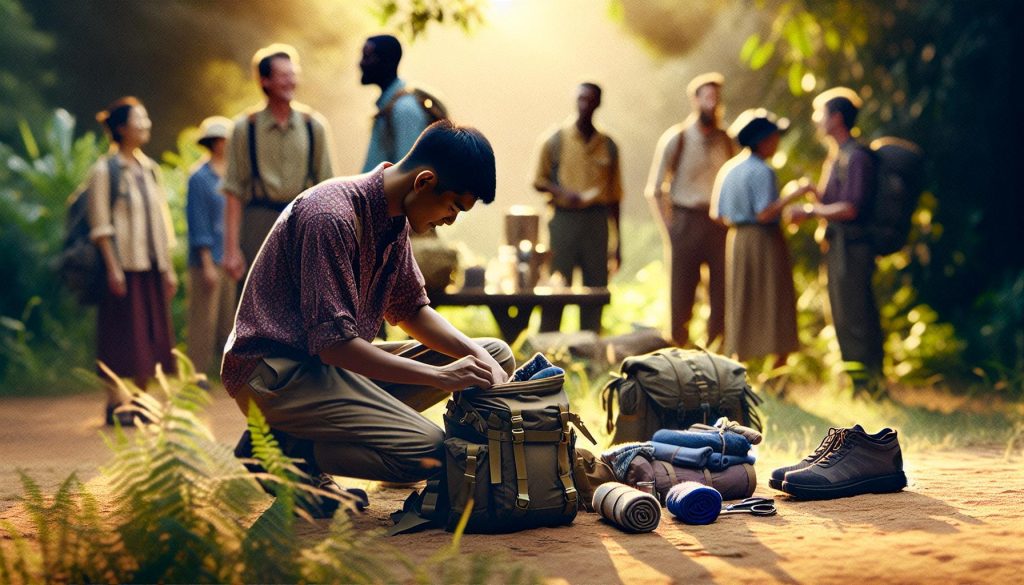
In a world where efficient packing can make or break your travel experience, the Backpack Method has emerged as a revolutionary strategy for organizing your gear. This technique is designed to maximize space, streamline accessibility, and enhance your overall mobility. Whether for a weekend getaway, a hiking trip, or your daily commute, the Backpack Method provides practical solutions to common packing dilemmas.
Imagine effortlessly finding your essentials without rummaging through a disorganized bag, or having the freedom to explore without the weight of unnecessary items holding you back. This method empowers you to think critically about what you pack, aligning your carry with your specific needs and goals. As we delve deeper into this innovative approach, you’ll discover how to turn ordinary packing into a strategic advantage that simplifies your life and enhances your adventures. Get ready to redefine your packing game!
Understanding the Backpack Method: Key Concepts Explained
To effectively utilize the backpack method, it’s essential to understand its core principles and strategic advantages. This packing technique emphasizes the systemic organization of items based on their size, weight, and accessibility, which not only streamlines the packing process but also enhances comfort during transport. Central to the backpack method is the idea of distributing weight appropriately. Heavier objects are placed near the back (closest to your body) and lower in the pack, while lighter, bulkier items can be positioned higher up and further out from the back. This arrangement helps maintain balance and stability while walking or hiking, preventing strain on your body.
Moreover, the backpack method takes into consideration the type of activities you intend to engage in. For instance, when preparing for a hiking trip, it is crucial to assess which items will be needed most frequently and place them in easily accessible areas of the pack. This might include snacks, water bottles, or a rain jacket. Understanding the priorities of your journey ensures that essential items are within reach, thus reducing disruption and promoting a smoother outdoor experience.
Another key concept is the practice of compartmentalization. Utilizing various pouches and sections within the backpack allows for greater organization. For example, employing a dry sack for clothing or a specific pocket for food can prevent chaotic rummaging when you need something urgently. By categorizing items, not only do you save time but you also minimize the risk of forgetting important gear.
In summary, the backpack method is about more than just fitting everything into a bag; it’s a thoughtful approach to packing that enhances your mobility and preparedness in outdoor settings or travel scenarios. Implementing these principles will significantly improve your efficiency and comfort, making every adventure a more enjoyable experience.
Benefits of the Backpack Method for Efficient Packing
The advantages of utilizing the backpack method go far beyond mere packing efficiency; they represent a transformational approach to carrying gear that enhances both your experience and comfort during travel or outdoor adventures. This method is particularly beneficial as it allows for a systematic distribution of weight and the organization of gear, which significantly mitigates physical strain and maximizes accessibility.
One of the primary benefits is the enhanced balance and stability it provides. By placing heavier items close to your center of gravity, you’ll find that maneuverability increases, whether on a hiking trail or navigating through an airport. This careful weight distribution helps maintain posture and reduces fatigue, particularly on extended journeys. For example, a day of hiking with a well-packed backpack reduces the likelihood of back pain and enhances overall stamina, allowing you to fully engage in your surroundings.
Additionally, the backpack method promotes quick accessibility to essential items. In scenarios like hiking or traveling by public transport, having snacks, a water bottle, or your rain jacket readily available can save time and keep your energy up. By organizing your pack based on frequently used items, you avoid the hassle of sifting through layers of gear, thus enhancing your overall efficiency and enjoyment. Incorporating specific compartments or external pockets for everyday carry items ensures immediate access when it matters most.
Another compelling reason to adopt this method is the level of customization it allows. Each individual travels differently; therefore, the backpack method can be adapted to specific needs. For instance, a weekend backpacking trip requires different gear compared to an urban exploration. By segmenting your gear according to purpose-such as clothing, cooking utensils, or personal items-you create a tailored system that reflects your unique travel style. This adaptability is especially useful for busy lifestyles, as it supports efficient packing whether you’re heading out for a day hike or a week-long vacation.
Overall, the backpack method offers a comprehensive framework that transforms the way you approach packing. By fostering thoughtful organization and mindful selection of gear, it not only improves comfort and accessibility but also enhances your overall traveling experience. Embracing this method empowers you to be better prepared, stay organized, and enjoy your adventures to the fullest.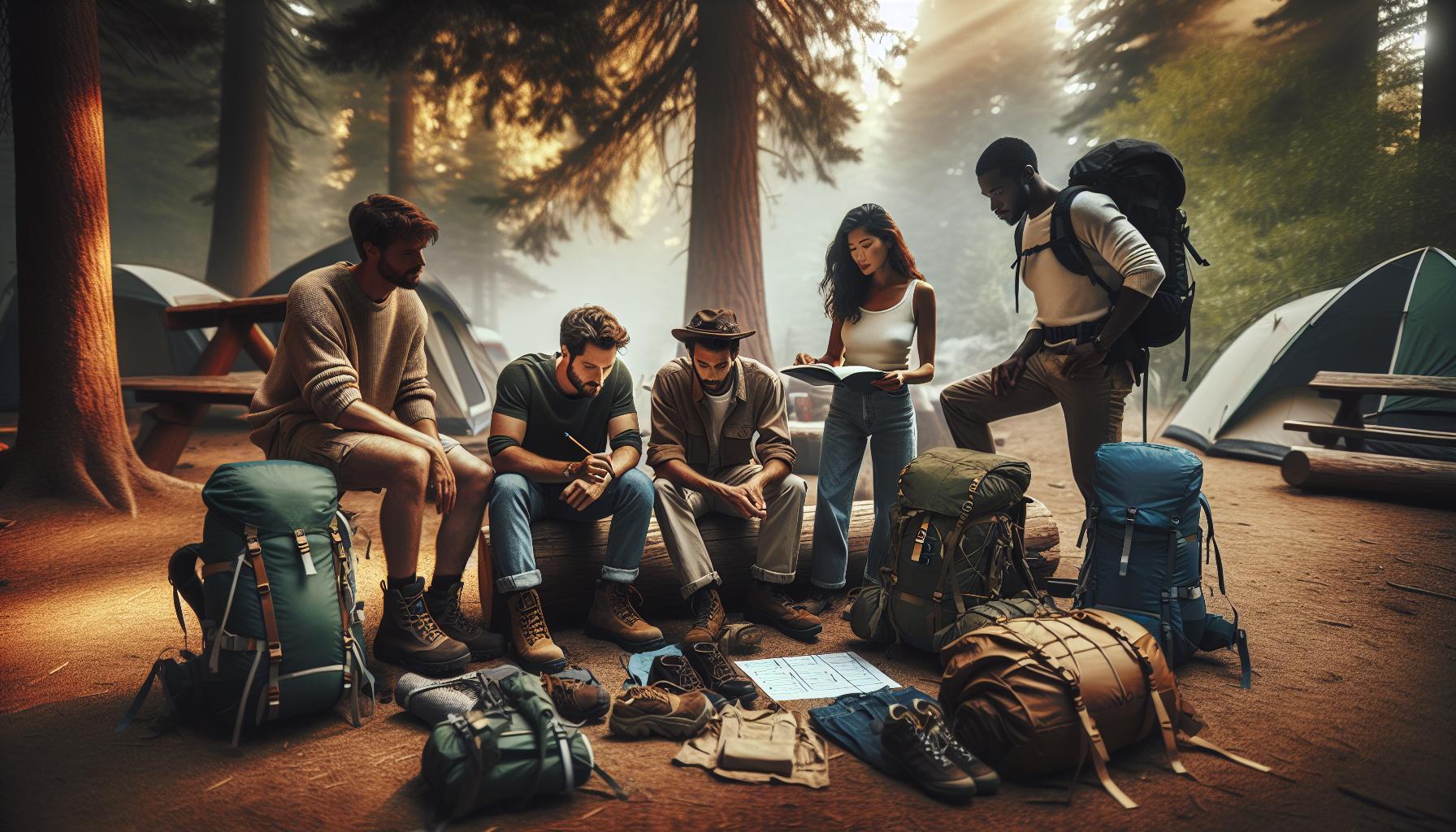
Step-by-Step Guide to Implementing the Backpack Method
To effectively implement the backpack method for packing, you can follow a straightforward, yet organized approach that will optimize your experience, whether for travel, hiking, or daily commuting. The essence of this method lies in thoughtful organization and weight distribution, ensuring that you maintain comfort and accessibility throughout your journey.
Start by selecting a suitable backpack that matches your specific needs. Consider the size, compartments, and features such as hydration reservoirs or padded compartments for electronics. Once you have your backpack, it’s crucial to assess and categorize your gear. Begin by laying out all the items you plan to bring, and sort them into distinct groups, such as clothing, food, first aid supplies, and electronics. This will help you understand what you have and identify any unnecessary items that can be left behind.
Next, focus on how to pack your gear. Begin with the heaviest items like cooking gear or water bottles, placing them at the bottom of the backpack and closest to your back for optimal weight distribution. Follow this by adding in lighter items, spacing them efficiently to fill nooks and crannies within the pack. Utilize compartments wisely: store frequently accessed items, like snacks and a rain jacket, in outer pockets or at the top of the pack. This allows for quick accessibility without disrupting the order of other packed items.
Lastly, double-check your setup. Ensure that the weight feels balanced when you lift the backpack. Adjust straps and settings to ensure it fits comfortably on your back, reducing strain on your shoulders and hips. With practice, this method not only enhances the packing process but also transforms your travel experience, making it pleasurable and efficient. By learning to pack in a structured manner, you equip yourself to adapt to any journey ahead.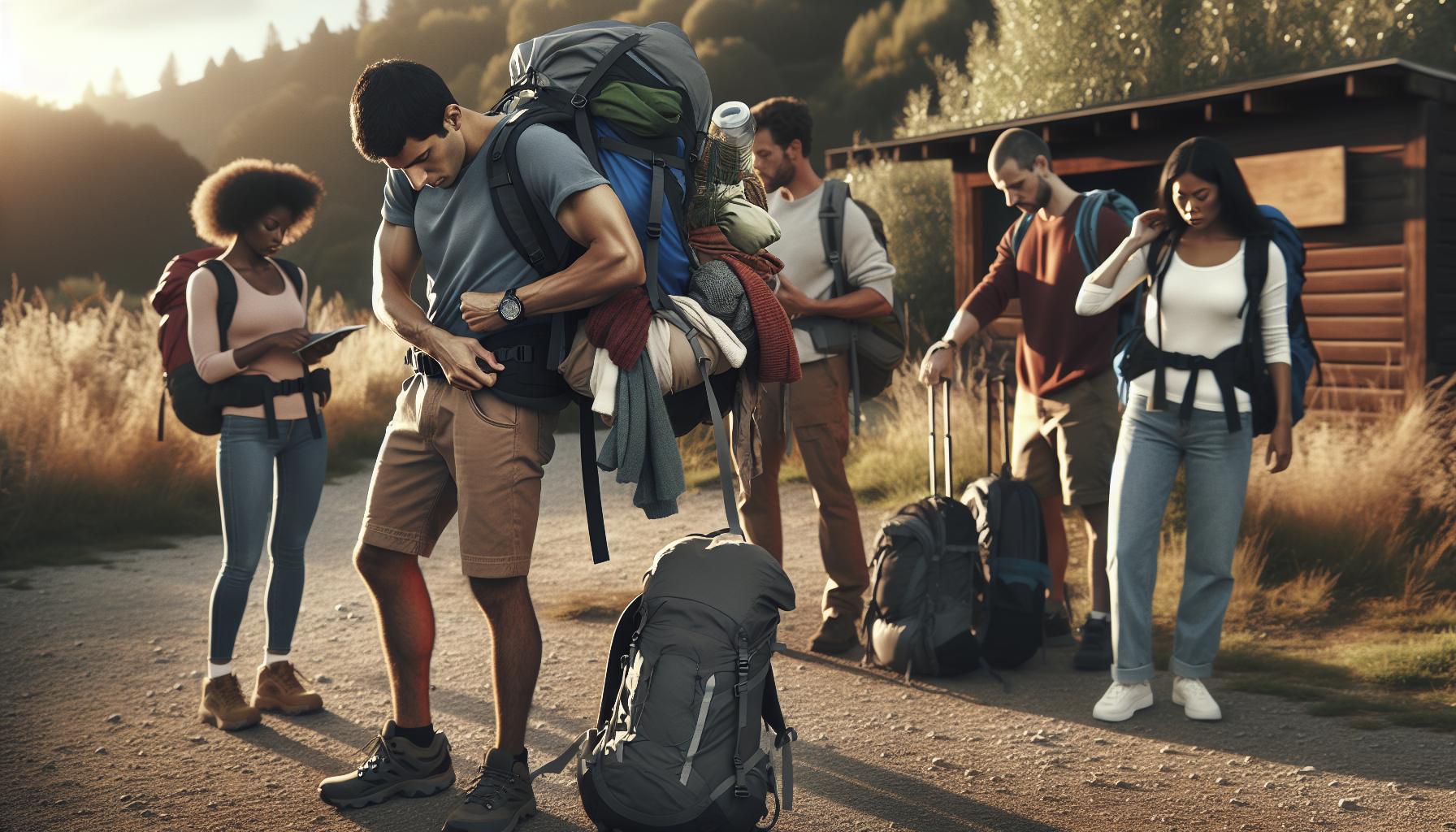
Common Mistakes to Avoid When Using the Backpack Method
When embarking on a journey with the backpack method, avoiding common pitfalls can significantly enhance your experience. While this innovative packing strategy encourages efficiency and comfort, certain missteps can derail your intentions and lead to discomfort or disorganization.
One prevalent mistake is neglecting the importance of weight distribution. Many tend to toss items into their packs haphazardly, leading to an imbalanced load that can cause back strain and fatigue. To combat this, always place heavier items at the bottom and close to your back. This position lowers the center of gravity, ensuring better stability and making it easier to carry your load over long distances. Additionally, failing to utilize the pack’s compartments effectively can lead to disarray. Frequently accessed items should be stored in external pockets or at the top for easy retrieval, preventing you from digging through your pack and upsetting the organization of your gear.
Another noteworthy error is overpacking. It’s tempting to bring along “just in case” items, but this can quickly lead to a bulky, unwieldy backpack. Before packing, assess your gear critically; consider what you genuinely need and what can be left behind. Making a checklist based on your destination and planned activities can be helpful in focusing your packing efforts and avoiding unnecessary items.
Lastly, neglecting to adjust your backpack after packing can result in discomfort. Once you’ve constructed your load, take a moment to adjust the straps and ensure the backpack sits snugly on your hips and shoulders. A well-fitted backpack will distribute weight evenly, enhancing comfort and preventing injury during your journey. By steering clear of these common mistakes, you’ll harness the full potential of the backpack method, leading to a more enjoyable travel experience.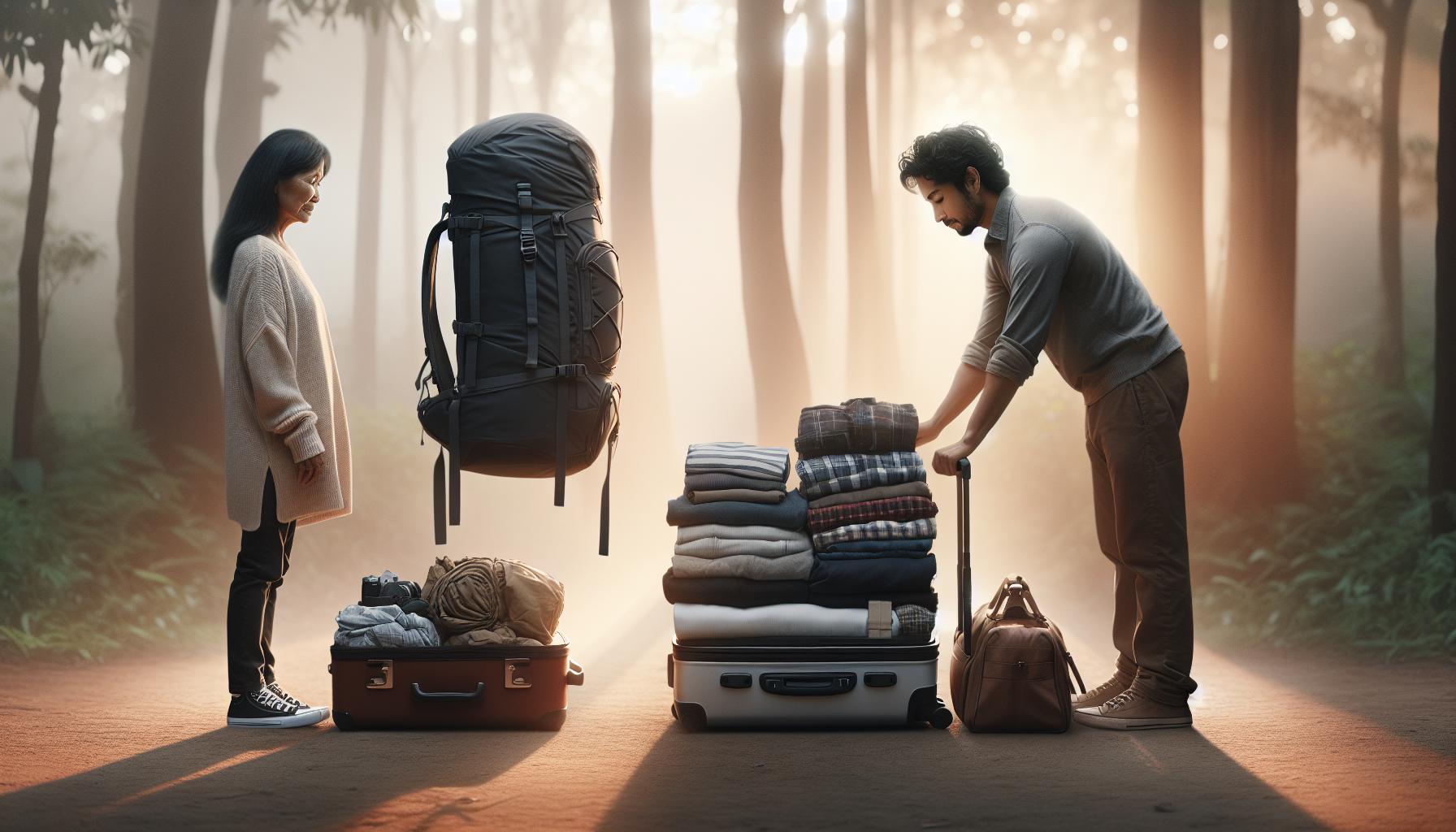
Backpack Method vs. Traditional Packing Methods
When considering backpack organization, it’s enlightening to look at how the Backpack Method diverges from traditional packing strategies. Traditional methods often involve packing items into a suitcase or bag without much thought to weight distribution or accessibility. This can result in an imbalanced load, causing discomfort when carrying, especially over long distances. In contrast, the Backpack Method emphasizes optimal weight distribution, placing heavier items close to the back and bottom of the pack. This positioning helps lower the center of gravity, improving stability and making it easier for the wearer to move comfortably, particularly during extended travel or outdoor activities.
In traditional packing, users may prioritize merely fitting items into the bag, leading to frantic searches for essential gear buried at the bottom. The Backpack Method counters this with a thoughtful approach to compartmentalization. By utilizing external pockets for frequently accessed items and organizing the interior with a deliberate layering system, the Backpack Method not only enhances accessibility but also keeps the packing process efficient. As a result, this method significantly reduces the time spent rummaging through a bag, allowing for a more streamlined and enjoyable experience.
Another critical difference lies in the adaptability of these methods. Traditional packing often requires a suitcase or larger bag, making it less practical for diverse environments such as hiking or traveling through urban areas. The Backpack Method, on the other hand, is inherently flexible, accommodating various gear types and quantities while still maintaining comfort and ease of movement. This adaptability is particularly beneficial for travelers who want to transition from outdoor excursions to urban settings without needing to repack or switch bags.
Ultimately, while traditional packing tends to focus on simple space utilization, the Backpack Method offers a revolutionary approach that prioritizes ergonomic design, accessibility, and adaptability. Embracing these strategies can lead to a more enjoyable and effective packing experience, empowering users to explore their surroundings with confidence and ease.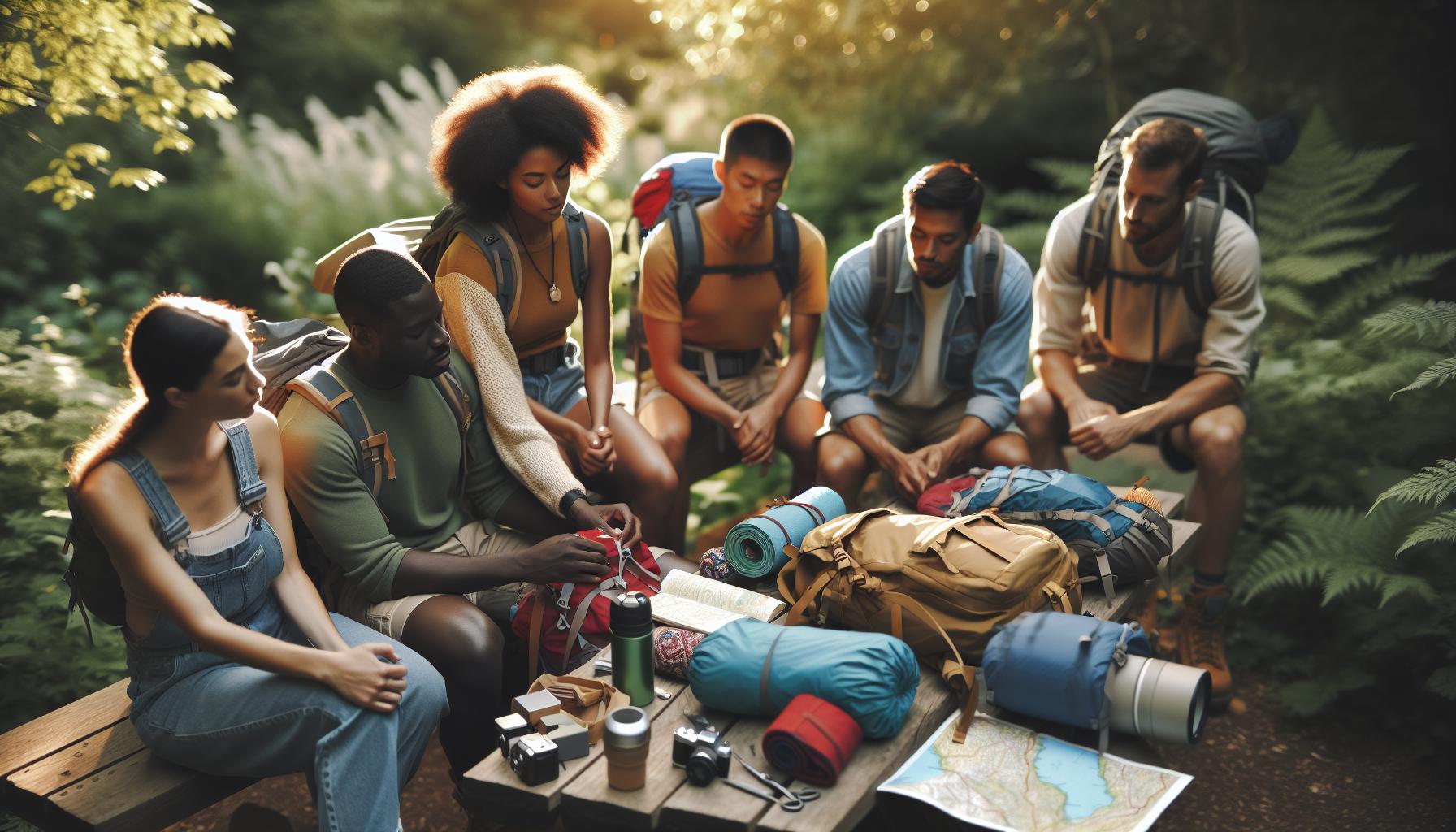
Essential Tips for Mastering the Backpack Method
Mastering the art of packing can significantly enhance your travel experience, allowing you to navigate effortlessly through bustling airports or rugged trails. To effectively utilize the Backpack Method, consider the following essential tips that can transform your packing strategy from chaotic to efficient.
Start by planning your packing list around the specific trip you are taking. Categorize items into essentials, clothes, gear, and personal items. This method not only helps prevent overpacking but also ensures that you have everything you need. Lay out your gear and perform a “mock pack” a few days before departure to gauge what fits best in your backpack. A critical point is to prioritize lightweight, multipurpose items; consider clothing that can serve multiple functions and equipment that can be used in various scenarios.
When packing, the arrangement inside your backpack is crucial. Adhere to the weight distribution principle-place heavier items, such as your sleeping bag or cooking gear, at the bottom of the pack and closest to your back. This positioning lowers the center of gravity, making your load feel lighter and enhancing stability during movement. Use organizational tools like packing cubes or compression bags to maximize space and keep your items accessible. Additionally, keep frequently used items, like snacks or a water bottle, in external pockets for quick access.
Maintenance is another aspect to consider-take time to ensure that your backpack itself is in good condition before utilization. Check for any wear and tear, clean it thoroughly, and ensure that all zippers and buckles function properly. Once your backpack is loaded, make adjustments to the straps for a comfortable fit, ensuring they are snug yet not overly tight. This small step can significantly reduce discomfort while you’re on the go.
Lastly, when it comes to real-life applications, remember that practice makes perfect. The more you use the Backpack Method, the better you’ll understand your personal preferences and packing style. Engage in local hikes or weekend trips to refine your technique and increase your packing confidence. The Backpack Method is not just about fitting everything in; it’s about creating a personalized approach that meets your travel needs while promoting ease of movement and accessibility.
Real-Life Applications: Travel, Hiking, and Daily Use
The Backpack Method shines in real-life scenarios, transforming how you approach packing for a range of activities-from travel adventures to daily commutes. By strategically organizing your gear, this method enhances the experience whether you’re navigating through crowded airports, trudging along a scenic hiking trail, or simply carrying your everyday essentials.
When it comes to travel, the Backpack Method allows you to maximize space and minimize weight. Start by selecting versatile clothing that can adapt to different settings; for instance, a scarf can serve as a fashion accessory, a blanket, or a sun shield. Packing cubes can further streamline your organization, making it easy to access different sections of your bag without sifting through everything. Imagine disembarking from a long flight and seamlessly stowing your backpack in an overhead compartment while still having access to your travel documents and snacks from the outer pockets. This degree of accessibility fosters a sense of calm and control throughout your journey.
In hiking scenarios, the principles of the Backpack Method truly come into play. Balancing your pack with heavier items at the base helps to lower your center of gravity, enhancing stability over uneven terrain. Properly placing essentials like a first aid kit, snacks, and water bottles in external compartments not only keeps them easy to reach but also prevents you from having to dig through your bag mid-trail. Additionally, using waterproof packing techniques can protect your gear from unexpected weather changes, ensuring a safe adventure.
Beyond travel and hiking, the Backpack Method is equally effective for daily use. Whether you’re commuting to work or heading to class, adopting this method enables you to carry everything from your laptop to lunch efficiently. Consider a transition to a more minimalist approach; by identifying your core daily essentials and categorizing them for easy access, you minimize clutter and increase productivity. For example, utilize a small front pocket for items like your phone and keys, making them easy to grab as you head out the door.
Incorporating the Backpack Method into your lifestyle not only simplifies the packing process but also encourages a sense of readiness and adaptability, making it a practical choice for various scenarios. Whether you’re an avid traveler, an outdoor enthusiast, or just someone looking to streamline daily routines, mastering this method can enhance your packing and carrying experience.
Packing Essentials: What to Include in Your Backpack
When embarking on any adventure, whether it’s a weekend getaway, a day hike, or just your daily commute, deciding what to pack can be daunting. The Backpack Method emphasizes thoughtful packing that maximizes space and efficiency, ensuring you have everything you need without unnecessary bulk. To truly master this method, consider the essential items that should always find a place in your backpack.
Essential Packing Items
The key to a successful packing strategy is to include versatile and functional items. Here are crucial essentials that cover the basics of daily needs, travel, and outdoor activities:
- Clothing: Opt for lightweight, moisture-wicking fabrics that can be layered. Include garments that serve multiple purposes, such as a dress that can double as swimwear cover-up or pants that convert into shorts.
- Travel Documents: Always keep your passport, ID, and any necessary tickets or reservations at the top or in an accessible pocket for easy retrieval.
- Safety and First Aid Kit: A compact first aid kit with band-aids, antiseptic wipes, pain relievers, and any personal medications is essential. This preparation helps you handle minor injuries immediately.
- Tech Gear: Include your phone, power bank, charger, and headphones. A lightweight laptop or tablet may also be vital if you’re working on the go.
- Water and Snacks: Staying hydrated is crucial, so pack a reusable water bottle that can fit in your bag’s side pocket. Healthy snacks such as nuts or protein bars provide quick energy boosts during hikes or travel.
- Multi-tool or Swiss Army Knife: These handy tools can solve various problems, from opening packages to repairing gear or even preparing snacks.
Real-World Examples and Adaptations
In practice, adapting your backpack content according to your destination transforms the packing experience. For instance, a day hike requires sturdy footwear, a hat, and sunscreen, while urban travel might highlight more clothing options and personal items for accessibility. Always remember to pack heavier items close to your back for better balance and to fill any gaps with smaller items like socks or toiletries.
The smart use of packing cubes can further enhance organization, allowing you to categorize items, making it simpler to find essentials quickly without unpacking your entire bag. Consider also investing in eco-friendly, lightweight gear to support sustainable travel habits.
By aligning your packing strategy with the unique needs of your journey, you can minimize stress and enhance your travel experience, making the Backpack Method an invaluable approach for all who value efficiency and readiness.
How to Choose the Right Backpack for the Method
Choosing the right backpack is paramount for successfully implementing the Backpack Method, as the ideal bag can make a substantial difference in both comfort and efficiency. One fundamental aspect to consider is capacity. Depending on the duration of your trip-be it a quick day hike or a week-long adventure-selecting a backpack with the appropriate volume is essential. Daypacks typically range from 15 to 30 liters, making them suitable for short excursions, while larger backpacks (40 liters and above) are ideal for extended journeys, offering ample space for additional gear and supplies.
Another key factor is fit. A well-fitting backpack distributes weight evenly, reducing strain on your back and shoulders. Look for adjustable features such as padded shoulder straps and a hip belt for enhancing comfort and stability. When trying on backpacks, ensure that the weight is evenly distributed and that it sits snugly against your back without bulging away from your body, especially with heavier items packed at the base, as recommended [[1]](https://www.stubbleandco.com/blogs/travel-with-stubble-co/how-to-pack-a-backpack-like-a-pro?srsltid=AfmBOoqIrGDQwg68jb6jl5yt5fNR47ZxxYeR7P1cqXxREZQbaUXoAohH).
The design details also play a significant role in optimizing your packing experience. Features such as multiple compartments, external pockets, and hydration reservoirs can significantly enhance accessibility and organization, aligning perfectly with the systematic approach of the Backpack Method. For instance, packing cubes or designated pockets for small items ensure that essentials like first aid supplies and tech gear can be swiftly reached without the hassle of digging through your backpack [[2]](https://backpackinglight.com/forums/topic/70173/).
Furthermore, consider the material and durability of the backpack. If you anticipate rugged use, look for water-resistant, high-denier fabrics reinforced with ripstop technology. Also, consider eco-friendly options as part of a growing trend towards sustainable gear. Ensuring your backpack aligns with your lifestyle and travel habits isn’t just about functionality but also about personal values and preferences, making your pack a true reflection of your needs on the go.
Success Stories: Users Share Their Backpack Method Experiences
In the world of efficient packing, the Backpack Method has garnered a diverse community of enthusiasts who can’t stop sharing their transformative stories. From spontaneous weekend getaways to meticulously planned long-distance hikes, users have discovered that this innovative approach to packing revolutionizes their travel experience.
Many travelers recount instances where they went from chaotic, lengthy packing sessions to a streamlined process that takes only minutes. For instance, Jamie, a frequent backpacker, describes her initial struggles with overpacking. After adopting the Backpack Method, she learned to visualize her packing process by laying everything out beforehand. “By seeing it all together, I realized I didn’t need five pairs of shoes for a weekend trip,” she explains. This not only lightened her load but also made her feel more organized and prepared for her adventures.
Another user, Michael, shared his experience utilizing the Backpack Method on a recent hiking trip through the Appalachian Trail. He found that packing strategically into specific compartments allowed him to access snacks and gear quickly without unpacking his entire bag. “It felt liberating,” he said, noting that the method also enhanced his sense of security and well-being on the trail. He appreciated how the organized setup encouraged him to carry only essentials and eliminated the frustration of rummaging through an overstuffed backpack.
Moreover, families have discovered the benefits of the Backpack Method when traveling with children. Lisa, who frequently travels with her kids, noted that packing each child’s items separately in designated compartments transformed their travel days. “No more digging through a massive pile of stuff,” she remarked. Instead, each child knows where to find their gear, making the process smoother and allowing for more enjoyable family trips.
As these stories illustrate, the Backpack Method provides practical solutions that resonate across various lifestyles, empowering users to shift from disarray to harmonious travel experiences. Whether for work, exploration, or leisure, the remarkable feedback from users highlights the efficiency and ease this method brings, making it a popular choice among those looking to enhance their travel and outdoor adventures.
Adapting the Backpack Method for Different Lifestyles
Adapting the Backpack Method to fit various lifestyles can significantly enhance your packing efficiency and overall travel experience. Whether you’re a frequent business traveler, an adventurous hiker, or a parent packing for a family trip, the Backpack Method’s principles can be tailored to your unique needs.
For the business traveler, the focus should be on organization and accessibility. Use a structured approach by designating compartments for documents, tech gear, and clothing. Consider packing cubes to keep clothing wrinkle-free, and use a separate pocket for chargers and cables. This ensures that you can quickly grab what you need without sifting through your entire bag. Tip: Pack a small, lightweight briefcase or folder within your backpack for easy access to essential business documents.
If you’re an outdoor enthusiast, the Backpack Method thrives on strategic packing based on activity. When hiking, separate items based on use: place heavier items near your back for better weight distribution, while keeping lighter, frequently accessed gear-like snacks and a first aid kit-near the top or in external pockets. Use water-resistant bags to protect items from moisture and choose a pack with designated areas for hydration systems. Tip: Incorporate a packing list specifically for each type of hike (e.g., day hikes versus weekend camping) to streamline your preparation process.
Parents can also greatly benefit from the Backpack Method when traveling with children. Assign each child a specific packing compartment within a larger family backpack, ensuring they know exactly where their items are. Use colorful packing cubes to help kids recognize their gear and promote responsibility in keeping track of their belongings. Tip: Involve your children in the packing process to teach them about organization and encourage them to pack their favorites, ensuring they’ll be comfortable and entertained during travel.
No matter your lifestyle, the key to effectively adapting the Backpack Method lies in customizing the system to suit your objectives and personal packing habits. By recognizing what works best for your activities and needs, you can transform your next packing session into an efficient, stress-free experience.
Future of Packing: Innovations and Trends in Travel Gear
As travel continues to evolve, so too does the gear we use to navigate through it. The future of packing is being shaped by innovative design and technology, enabling travelers to pack more efficiently and with enhanced functionality. Modern advancements in materials, compartmentalization, and smart design are revolutionizing how we view packing and luggage options.
One major trend is the rise of smart backpacks equipped with built-in charging capabilities and Bluetooth tracking. Travelers can now keep their devices charged on the go while ensuring their gear is never lost. Pack manufacturers are making strides with modular systems, allowing users to add or remove compartments based on their needs for any trip. This adaptability is invaluable, especially for those who frequently transition between business travel and weekend adventures.
Sustainability is another key focus driving change in travel gear. Brands are increasingly utilizing eco-friendly materials, such as recycled plastics and organic fabrics, which appeal to environmentally conscious consumers. Packable and lightweight designs are also gaining popularity, as they reduce bulk and weight without sacrificing durability. Materials like ripstop nylon offer strength while remaining lightweight, perfect for the minimalistic packer.
Lastly, advancements in organizational tools, such as packing cubes and compression bags, provide better space management within backpacks. These solutions allow users to maximize every inch of their bag and keep essentials neatly sorted. By adopting these innovations, travelers-whether trekking through rugged terrains or navigating airport terminals-can enhance their packing strategy, making every journey smoother and more enjoyable.
In conclusion, the future of packing gear lies in smart, adaptable designs that not only meet the demands of modern travel but also promote sustainability. By focusing on efficiency, organization, and eco-conscious materials, the next generation of backpacks is set to redefine how we prepare for our adventures.
Frequently Asked Questions
Q: What is the Backpack Method and how does it work?
A: The Backpack Method is a strategic packing approach designed to optimize space and organization in your backpack. It involves categorizing items, using packing cubes, and prioritizing essential gear, ensuring easier access and better weight distribution during travel.
Q: How can I adapt the Backpack Method for different trips?
A: To adapt the Backpack Method, consider the trip duration and activities. For a weekend hike, pack essential clothing and gear efficiently. For a longer journey, group items based on use, such as clothing, toiletries, and electronics, allowing for easy access and management.
Q: What common mistakes should I avoid with the Backpack Method?
A: Common mistakes include overpacking, ignoring weight distribution, and not organizing items properly. Avoid these by sticking to essentials, balancing the load, and using packing organizers to keep everything accessible, as detailed in the “Common Mistakes to Avoid” section of the article.
Q: Why is the Backpack Method more effective than traditional packing?
A: The Backpack Method is more effective than traditional packing because it emphasizes organization and accessibility. By categorizing items and prioritizing essentials, travelers can quickly find what they need, minimize bulk, and enhance overall packing efficiency.
Q: How can I choose the right backpack for the Backpack Method?
A: Choosing the right backpack involves considering capacity, comfort, and organizational features. Look for a lightweight design with multiple compartments to facilitate the Backpack Method. The “How to Choose the Right Backpack” section provides further insights.
Q: What are the benefits of using the Backpack Method for daily use?
A: The Backpack Method simplifies daily packing by promoting organization and efficiency. Whether commuting or running errands, this method helps you prioritize necessary items and keeps your backpack tidy, making it easy to find what you need at any moment.
Q: How do I determine what to pack using the Backpack Method?
A: To determine what to pack, start by listing essentials based on your trip’s duration and activities. Use a packing checklist to prioritize items, ensuring you include only necessary gear, as discussed in the “Packing Essentials” section of the article.
Q: Can the Backpack Method be used for non-travel situations?
A: Yes, the Backpack Method can be applied to various non-travel situations, like school or work. By organizing supplies and materials using this strategy, individuals can enhance productivity and access their items more easily throughout the day.
The Conclusion
Now that you’ve uncovered the revolutionary Backpack Method, it’s time to put these packing strategies into action and transform the way you travel. Imagine making your next adventure smoother and more efficient by mastering the art of organized packing-don’t wait; start implementing these insights today. For more great tips and resources, check out our articles on essential gear choices and packing lists for different adventures.
Ready to dive deeper? Explore our comprehensive guide on optimizing travel gear and ensuring your packing is not only effective but also fits your unique style. Have questions or a packing tip of your own? We’d love to hear from you in the comments below! Don’t forget to subscribe for more expert advice, and stay tuned for more content designed to enhance your travel experience. Remember, every journey begins with smart preparation-let’s make yours unforgettable!