When it comes to choosing the right backpack, understanding standard sizes can make a huge difference in your day-to-day adventures. A standard size backpack typically offers a capacity of 20 to 30 liters, making it ideal for school, hiking, or travel. Knowing the dimensions helps you find the perfect balance of space and portability, ensuring you can carry just what you need without feeling burdened. In this guide, we’ll explore the key dimensions and features of standard size backpacks, empowering you to make informed choices for your unique lifestyle. So whether you’re a student, a commuter, or an outdoor enthusiast, read on to discover how to select a backpack that not only meets your needs but elevates your everyday experiences.
What is a Standard Size Backpack?
A standard size backpack is an essential companion for a wide range of daily activities, from school commutes to weekend hikes. Typically, these backpacks possess a volume capacity between 20 to 30 liters, making them spacious enough to carry books, electronic devices, clothes, and personal items without being overly bulky. The dimensions often vary, but many standard backpacks are designed to fit comfortably on the back and maintain a streamlined silhouette while distributing weight evenly. Aiming for an ideal blend of functionality and comfort, a standard size backpack strikes a balance that satisfies both casual users and outdoor enthusiasts.
When selecting a standard size backpack, consider the specific needs it must fulfill. For school use, look for compartments that can accommodate a laptop, textbooks, and stationery, while outdoor ventures might require water bottle pockets and weather-resistant materials. Additionally, features such as padded shoulder straps, chest straps, and hip belts contribute to enhanced comfort and support, especially when carrying heavier loads over longer distances. Understanding these characteristics allows users to make informed choices that align with their lifestyle.
The context of how you plan to use your backpack will also play a significant role in determining what constitutes “standard.” For instance, a standard backpack for elementary students may differ significantly from those designed for college students or hikers. Look for design elements such as adjustable straps, breathable fabrics, and organization pockets, all of which can enhance the overall experience and utility of the backpack. By selecting the right standard size backpack, individuals can ensure they are well-equipped to meet their daily demands.
Key Dimensions for Standard Backpacks
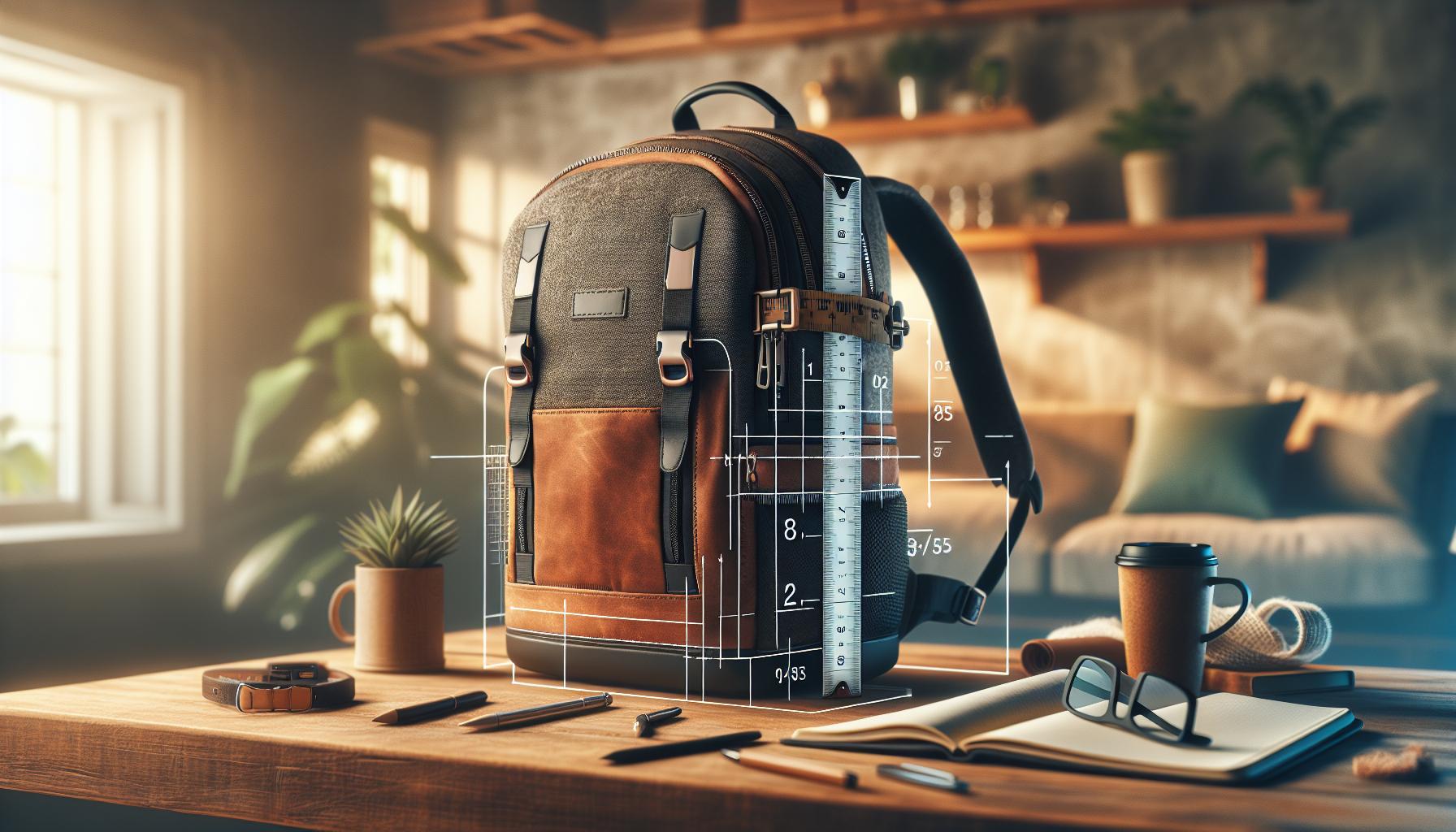
When selecting a standard size backpack, understanding the dimensions is crucial for ensuring it meets your needs without causing discomfort. Standard backpacks typically fall into the volume range of 20 to 30 liters, a capacity that strikes a balance between compactness and functionality. This measurement allows for enough space to store essentials like textbooks, laptops, a change of clothes, or outdoor gear while avoiding the bulkiness associated with larger packs.
In terms of physical dimensions, standard backpacks usually measure between 15 to 20 inches in height, 10 to 15 inches in width, and 5 to 10 inches in depth. These dimensions are optimal for fitting snugly against the back, providing comfort and support during extended wear. To accommodate various user preferences and body types, many designs include adjustable straps, padded back panels, and breathable materials that enhance airflow and reduce sweat, making them suitable for both casual outings and more demanding activities.
Something to keep in mind is the suspension system of the backpack. This might include a frame that helps distribute weight evenly across the shoulders and hips. Features such as sternum straps and hip belts further assist in stabilizing the load, which is particularly vital when carrying heavier items for long periods. By focusing on these key dimensions and features, users can confidently choose a standard backpack that meets their daily needs while promoting healthy posture and comfort.
For a visual overview, consider the following table summarizing standard backpack dimensions:
| Dimension | Measurement (inches) |
|---|---|
| Height | 15 – 20 |
| Width | 10 – 15 |
| Depth | 5 – 10 |
| Volume Capacity | 20 – 30 liters |
By familiarizing yourself with these dimensions, you can make an informed choice while shopping for your next backpack, ensuring it not only meets your aesthetic preferences but also your functional requirements.
How to Choose the Right Backpack Size

Choosing the right backpack size is essential for comfort and usability, whether you’re heading to class, embarking on an outdoor adventure, or simply running errands. A well-fitted backpack can make the difference between a pleasant experience and one that’s fraught with back pain or inconvenience. To ensure that you select a backpack that suits your needs, start by considering a few key factors.
First, understand how you plan to use the backpack. For school or work, a standard size backpack (with dimensions typically 15 to 20 inches in height, 10 to 15 inches in width, and 5 to 10 inches in depth) can accommodate items like textbooks, electronics, and personal items comfortably. If you’re engaging in outdoor activities, consider what gear you will carry. A capacity of 20 to 30 liters allows you to pack essentials like a water bottle, snacks, or a light jacket without being cumbersome.
Next, assess your body type and fit preferences. Stand up straight and have someone measure the distance from your lower back to your shoulders; this will help you identify the ideal strap length and overall fit of the backpack. Remember, a properly fitting backpack should rest evenly between your shoulder blades without extending too high or low on your back. Adjustable straps are a tremendous advantage, allowing you to customize how the pack sits on your body.
Additionally, consider the contents you will carry on a daily basis. If you frequently utilize bulky items, you may need a larger capacity or a bag that offers expandable compartments. Evaluate interior organization, such as padded laptop sleeves or separate organizational pockets, to facilitate easy access to items without creating a cluttered feel.
Lastly, don’t overlook the importance of comfort features, such as padded back panels and breathable materials to keep your back cool. Trying the backpack on with some weight added can also simulate a more realistic experience of how it will feel when fully loaded. By taking into account your lifestyle, body size, and carrying needs, you can confidently select a backpack that supports your daily activities while ensuring comfort and practicality.
Comparing Sizes: Standard vs. Large Backpacks
When it comes to selecting the right backpack, understanding the differences between standard and large backpacks is crucial for ensuring comfort and practicality. Standard backpacks generally measure between 15 to 20 inches in height, 10 to 15 inches in width, and 5 to 10 inches in depth, making them ideal for everyday use like school, work, or short outings. These dimensions typically allow enough space for books, a laptop, and personal items without overwhelming the user. In contrast, large backpacks extend beyond these dimensions, often reaching heights of 20 inches or more and offering a capacity of 30 liters or greater. This additional size enables travel enthusiasts to carry bulkier items such as extra clothing, outdoor gear, or equipment for longer excursions.
One of the key advantages of a large backpack is its volume, as the increased space allows for versatile packing and organization. For instance, large backpacks often have multiple compartments that help segregate gear-be it laptop sleeves, hydration pockets, or even specific compartments for sleeping bags or tents for camping expeditions. These features make them a go-to choice for adventurers or anyone planning extended trips. However, it’s important to recognize that the added size can also lead to discomfort if not utilized correctly. While a standard backpack may easily balance on a user’s back-minimizing strain-a large backpack might require additional adjustment features, such as hip belts or load lifters, to distribute weight evenly and avert back pain.
When deciding which size is better for you, consider your typical usage patterns. If daily journeys involve carrying textbooks and a laptop between classes, a standard backpack suffices. Conversely, if your adventures lead you to hike trails or embark on weekend getaways, investing in a large backpack might enhance your overall experience. Be mindful of your carrying capacity; a pack that is too large can lead to overpacking, which not only increases weight but can also lead to discomfort during travel.
Ultimately, the choice between standard and large backpacks comes down to usage intent. Matching the backpack’s size to your needs ensures that you stay comfortable and organized, whether you’re conquering city streets or exploring the great outdoors.
Understanding Backpack Volume and Capacity
Understanding how to assess backpack volume and capacity is crucial for making an informed choice that suits your lifestyle. Backpack volume is typically measured in liters, which indicates how much space the bag offers for your items. A standard size backpack usually holds between 20 to 30 liters, providing ample room for everyday essentials without becoming cumbersome. This capacity is generally adequate for carrying textbooks, notebooks, a laptop, and personal items for school or work.
When evaluating capacity, consider not only the volume but also how it is organized within the backpack. The design and number of compartments can significantly affect how efficiently you can use the available space. Standard backpacks often come with multiple pockets, including main compartments, front pockets for quick access items, and specialized sleeves for devices like laptops or tablets. These features allow for better organization, ensuring you can quickly find what you need without rummaging through your bag.
Another important aspect is the weight distribution. A backpack’s volume can guarantee that you have enough space to carry your items, but a poorly designed or overloaded pack can lead to discomfort. When your backpack is too full or improperly packed, it can strain your back and shoulders, leading to fatigue during your daily travels. It’s essential to strike a balance between capacity and weight, ensuring that the contents do not exceed what you can comfortably carry.
Lastly, as you assess volume and capacity, keep in mind the nature of your activities. If you frequently switch between classes, a lighter standard backpack with a smaller capacity may be ideal. However, if outdoor adventures or extended travel is on your agenda, you might find greater versatility in larger packs that accommodate all your gear. By understanding these aspects, you can choose a backpack that not only fits your needs but also enhances your comfort and efficiency.
Standard Backpack Features You Should Know
A well-designed standard backpack is more than just a container for your belongings; it’s a versatile tool that enhances your mobility and organization while keeping comfort in mind. Here are some essential features to look for when choosing the right standard backpack that aligns with your daily needs and activities.
One of the primary features is the ergonomic design. A quality backpack will have padded shoulder straps and a cushioned back to reduce strain during extended wear. Look for straps that are adjustable to fit your body properly, ensuring that weight is evenly distributed. Some backpacks also offer a sternum strap, which helps stabilize the load and minimizes swaying while you move.
Another critical feature is the organization system. A standard backpack typically includes multiple compartments, such as a main compartment for larger items and smaller pockets for keeping essentials handy. For students or professionals, a dedicated laptop sleeve is crucial, providing protection and easy access. Additionally, exterior pockets for water bottles and quick-access items can be very practical for on-the-go convenience.
Moreover, materials and durability play an important role in the lifespan of a backpack. Look for backpacks made from water-resistant fabrics which can protect your items from unexpected weather changes. Reinforced seams and heavy-duty zippers can also significantly enhance durability, allowing the backpack to withstand daily wear and tear.
Lastly, consider the style and aesthetics of the backpack. Since backpacks often become a part of your daily gear, choosing one that reflects your personality is important. From sleek and professional designs to playful patterns and colors, finding a backpack that looks great while serving practical purposes can elevate your everyday carry experience.
In summary, when selecting a standard backpack, pay attention to its ergonomic features, organization capabilities, material quality, and overall style. These aspects can make a significant difference in both functionality and comfort, catering to your individual needs and preferences.
Top Backpack Brands and Their Sizes
The world of backpacks is abundant with brands that cater to various needs, from school and office use to outdoor adventures. Understanding the sizes each brand offers can help you make an informed decision when selecting a standard size backpack that fits your lifestyle.
Popular Brands and Their Sizes
Several leading backpack brands have carved out their niches, each with distinct sizing variations that can suit different purposes. Here’s a closer look at some of the top brands and the standard sizes they commonly offer:
- North Face: Known for their durability and outdoor performance, North Face backpacks typically range from 25 to 50 liters in volume. A standard size would generally be around 30 liters, suitable for daily commuting and light hiking.
- Patagonia: This sustainable brand offers backpacks in sizes varying from 20 to 40 liters, with 28 liters being a common choice for standard use, balancing capacity and comfort.
- Osprey: Famous for their ergonomic designs and innovative features, Osprey’s standard-sized backpacks often range between 30 to 40 liters. The Osprey Daylite series, for instance, is a popular model at about 20 liters, ideal for day hikes and casual outings.
- JanSport: A favorite among students, JanSport typically offers backpacks in the 25 to 35-liter range, with models like the SuperBreak usually around 25 liters to fit everyday school needs comfortably.
- Adidas: For a blend of style and functionality, Adidas backpacks generally have a capacity of 25 to 30 liters, making them great for both gym and school settings.
Determining Size Based on Use
When selecting a backpack, consider your specific needs. For students, a pack around 25-30 liters is often sufficient to carry books and supplies, while outdoor enthusiasts might look for a size closer to 35-50 liters to accommodate gear and essentials for longer trips.
Additionally, it’s important to account for factors such as the pack’s weight distribution, strap adjustments, and overall comfort, which can significantly impact your experience carrying the backpack. Each brand offers various features and fits that cater to these users, ensuring that you can find a backpack that meets your practical needs and aligns with your personal style.
Understanding the basic dimensions and features offered by these top brands can empower you to make a choice that enhances your daily carry experience-whether you’re heading to class, traveling, or embarking on an outdoor adventure.
Travel Considerations for Standard Backpacks
When planning travel with a standard size backpack, understanding its capacity and features can enhance your experience significantly. A well-chosen backpack-typically ranging from 25 to 35 liters-provides ample space for essentials while remaining manageable, unlike larger models that can quickly become cumbersome. This compact size is ideal for day trips, weekend getaways, or even as carry-on luggage for air travel.
One critical travel consideration is packing efficiency. Utilize packing cubes or compression sacks to organize gear and clothing; these tools maximize space and help maintain organization during your journey. Additionally, opt for a backpack with multiple compartments or pockets for easy access to frequently used items like water bottles, snacks, or travel documents. A dedicated laptop compartment can also be invaluable for business trips or school-related travel, ensuring your electronics stay secure.
Weight distribution is another significant factor. Look for backpacks with padded, adjustable straps and a supportive back panel. These features not only make carrying heavy loads more comfortable but also help distribute weight evenly across your back, reducing strain during long walks or hikes. If your travels include outdoor adventures, consider a backpack with hydration options, such as a reservoir sleeve, to ensure you stay hydrated while on the go.
Moreover, assess the durability and weather resistance of your backpack. Traveling can expose your gear to various elements, and having a water-resistant or weatherproof backpack will protect your belongings from rain or spills. Lastly, be mindful of airline regulations regarding carry-on sizes; a standard backpack is often designed to fit within these restrictions, allowing for a hassle-free travel experience. By considering these elements, you can select a backpack that not only meets your capacity needs but also enhances your travel efficiency and comfort.
Best Uses for Standard Size Backpacks
When considering the best uses for a standard size backpack, it’s essential to recognize its versatility. Typically designed for daily adventures, these packs are perfect for a range of activities-from school and commuting to outdoor excursions and travel. With a capacity often between 25 to 35 liters, they strike a balance between ample storage and convenience, making them a reliable choice for various scenarios.
One of the most popular uses for standard size backpacks is for students. These bags can easily accommodate textbooks, notebooks, and laptops, ensuring that learners are prepared for a full day of classes. Look for models with padded laptop sleeves and organizational pockets to keep supplies neatly arranged. For daily commutes, a standard backpack can also be an excellent companion, providing enough space for work essentials like a lunch box, water bottle, and any personal items, all while being light enough to carry during rush hours.
For outdoor enthusiasts, standard size backpacks are ideal for day hikes or picnics. They can hold snacks, hydration systems, and first-aid kits without overwhelming the user. Choosing a pack with water-resistant material is beneficial here; it helps protect your gear against unexpected weather changes. Similarly, these backpacks are well-suited for travel, especially as carry-ons for weekend getaways or short business trips. Their size typically meets airline regulations, making airport security less of a hassle.
Practical Tips for Using Standard Backpacks
To maximize your standard size backpack’s potential, consider these tips:
- Organization: Utilize internal pockets for better organization of smaller items, such as chargers and pens.
- Comfort: Adjust the straps properly to ensure a comfortable fit; look for padded straps to minimize strain on your shoulders.
- Compact Packing: When preparing for a hike or trip, use packing cubes to keep clothing sorted, making access easier.
In summary, a standard size backpack offers a blend of functionality and convenience, making it suitable for students, commuters, outdoor adventurers, and travelers alike. Whether tackling a busy school day or exploring the trails, these backpacks provide reliable storage solutions without compromising on comfort or style.
Common Mistakes When Selecting a Backpack
Selecting the right backpack can transform your daily routine, yet many stumble into common pitfalls that can lead to discomfort, inefficiency, or outright dissatisfaction. One crucial mistake is not considering the fit relative to body size and proportions. A standard size backpack may appear universally suitable, but if it’s too large or small for your frame, it can misalign your center of gravity, leading to back pain or shoulder strain. Always try on a backpack when possible and adjust the straps to ensure it sits snugly against your back without excessive weight on your upper shoulders.
Another frequent misstep is overlooking the importance of compartments and organization. Many backpacks come with a variety of pockets and sections designed to help you stay organized. Failing to account for your specific needs (like a padded laptop sleeve, quick-access pockets for your phone, or a hydration section) can leave you rummaging through your bag to find essentials. Reflect on your daily haul before purchasing; do you need a space for a charger, water bottle, or perhaps a separate compartment for stowing away dirty clothes after a gym session?
Additionally, many shoppers neglect to assess the backpack material and durability. While the price of a backpack may be enticing, opting for cheaper, low-quality materials can result in early wear and tear, leading to tears, uneven weight distribution, or failure to hold up against the elements. Invest in a backpack made from high-quality, weather-resistant fabric if you plan to use it outdoors or during various weather conditions.
Finally, don’t forget about the potential for future needs. A common error is choosing a backpack solely based on current usage without considering versatility. While a standard size often caters well to daily tasks, think about how it can evolve with your lifestyle. Whether you’re considering weekend hiking trips, traveling, or simply needing more storage, selecting a pack that allows for expansion or additional features can save you from needing to invest in a new one sooner than expected. In essence, being mindful of fit, functionality, fabric quality, and future adaptability can significantly enhance your experience with a standard size backpack.
Maintaining and Adjusting Your Backpack for Comfort
A well-maintained backpack is essential for comfort and efficiency, especially if you’re relying on it for daily tasks or outdoor adventures. The ergonomic design of a standard size backpack is intended to distribute weight evenly, preventing discomfort and strain. However, to truly harness its capability, proper adjustments and maintenance are key. A backpack that fits you well can prevent back pain, shoulder strain, and other issues that come from poor weight distribution.
When adjusting your backpack, start with the shoulder straps. They should be snug but not overly tight, sitting about one inch below your collarbone. Ideally, you want to have a small amount of space at the top of your shoulder to avoid restricting movement. Once the shoulder straps are set, adjust the load-lifter straps located at the top of the backpack. These straps should pull the upper part of the pack closer to your back, helping to align the weight over your center of gravity, which is crucial for maintaining balance.
Another important aspect of comfort is the hip belt, which should wrap snugly around your hips. Adjusting the hip belt correctly allows a substantial amount of the backpack’s weight to rest on your hips rather than your shoulders, minimizing fatigue during extended wear. Ensure that the padding is well-distributed and sits comfortably against your body; a well-fitted hip belt can make a notable difference on long hikes or commutes.
Maintenance also plays a crucial role in ensuring your backpack remains comfortable. Regularly check for wear and tear, paying special attention to stitching and zippers, which are often the first elements to fail. To clean your backpack, follow the manufacturer’s instructions, but generally, using a damp cloth and mild soap is effective for most materials. For deeper cleaning, remove all contents and hand-wash the bag, air-drying it completely away from direct sunlight to avoid color fading.
By making these small adjustments and keeping up with maintenance, you can greatly enhance the comfort and longevity of your standard size backpack, allowing it to serve you well through various activities and daily demands.
Future Trends in Backpack Sizing and Design
As we look towards the future of backpack sizing and design, it’s clear that innovation is increasingly driven by the evolving needs of users in various scenarios. Today’s backpacks must not only accommodate a range of materials and gear but also adapt to lifestyles that merge casual, professional, and recreational activities. The trend is moving toward modular designs that allow individuals to customize their packs according to specific needs, which is particularly appealing to urban commuters and outdoor enthusiasts alike.
Personalization and Customization
One notable trend is the rise of personalization. Manufacturers are leveraging technology to create modular backpacks that can be adjusted or expanded based on individual preferences. This can include interchangeable components such as pocket systems, hydration reservoirs, and even solar panels for charging devices on the go. This flexibility allows users to adapt their backpacks for different activities, whether it’s a day hike, a business trip, or a casual outing. Personalized color options and patterns also cater to users looking to express their individuality.
Eco-Friendly Materials
Sustainability is another significant factor shaping future designs. Backpack brands are increasingly adopting eco-friendly materials, such as recycled plastics and organic fabrics, in their production processes. As consumers become more environmentally conscious, backpacks made from sustainable resources will not only appeal to their values but also contribute to a greener planet. This shift is not merely a trend but a movement towards responsible consumption and manufacturing.
Smart Technology Integration
Furthermore, the integration of smart technology is revolutionizing backpack design. Features such as built-in USB charging ports, Bluetooth connectivity, and intelligent weight distribution systems are becoming increasingly commonplace. These enhancements cater to the tech-savvy consumer, enabling them to stay connected while on the move. As this technology evolves, we may see even more sophisticated functionalities, such as GPS tracking and performance analytics, appealing to outdoor enthusiasts and travelers.
Comfort and Ergonomics
Lastly, comfort and ergonomic design remain paramount. The future of backpacks will prioritize human-engineered features that enhance wearability. This includes adjustable straps that cater to various body types, improved back panel ventilation, and lightweight, durable materials that reduce strain. Enhanced comfort will ensure that regardless of the size of the backpack, it can be worn for extended periods without compromising the user’s experience.
In summary, the future of backpack sizing and design encompasses personalization, sustainability, smart technology, and comfort. As these trends continue to evolve, they will combine to create backpacks that not only meet practical needs but also resonate with the values and lifestyles of users in 2025 and beyond.
Frequently asked questions
Q: What are the ideal dimensions for a standard size backpack?
A: A standard size backpack typically measures around 16 to 20 inches in height, 12 to 15 inches in width, and 6 to 12 inches in depth. These dimensions are suitable for daily use, accommodating school books or a laptop while maintaining comfort.
Q: How much weight can a standard size backpack hold?
A: A standard size backpack can comfortably hold between 10 to 25 pounds. It’s important not to overload it to avoid strain on your back and shoulders, especially if you’re carrying it for long periods.
Q: What features should I look for in a standard size backpack?
A: Key features to consider in a standard size backpack include padded shoulder straps, multiple compartments for organization, a padded laptop sleeve, and durable materials for improved longevity. These features enhance comfort and functionality for daily use.
Q: When should I consider upgrading to a larger backpack?
A: Consider upgrading to a larger backpack if you frequently carry more weight or larger items, such as sports gear or travel essentials. If your current backpack feels cramped or uncomfortable, it’s a sign that a larger size may be necessary.
Q: What are the best brands for standard size backpacks?
A: Popular brands known for quality standard size backpacks include North Face, Patagonia, Osprey, and JanSport. These brands offer a variety of styles designed for durability, comfort, and functionality suitable for different needs.
Q: How do I choose a standard size backpack that fits me?
A: Choose a standard size backpack that fits your torso length and body type. Adjust the shoulder straps and hip belt for proper support. Trying on multiple options while loaded with weight can help ensure a comfortable fit.
Q: Where can I buy a reliable standard size backpack?
A: Reliable standard size backpacks can be purchased at outdoor specialty stores, major retailers like Amazon, Walmart, or sporting goods stores. Check for user reviews and warranty policies for added assurance before making a purchase.
Q: Why is backpack volume important when choosing a standard size?
A: Backpack volume, measured in liters, is crucial as it indicates how much you can carry comfortably. A standard size backpack usually ranges from 20 to 30 liters, ideal for daily needs. Selecting the right volume ensures your essentials fit without overcrowding.
Concluding Remarks
Thank you for exploring our comprehensive guide on standard size backpacks. Now that you understand the dimensions and key factors to consider, it’s the perfect time to find the right backpack that fits your needs. Don’t miss out-check out our related articles on choosing the best hiking backpacks and tips for packing effectively for your next adventure.
Ready to make a decision? Visit our product recommendations to compare top brands and models that suit various activities. If you have any questions or want to share your own backpacking tips, drop a comment below! We value your insights and aim to create a community of informed outdoor enthusiasts.
Keep exploring our site for more valuable content, including maintenance tips for your gear and advice on outdoor essentials. Subscribe to our newsletter for the latest updates and exclusive resources to enhance your outdoor experience. Your adventure starts here!