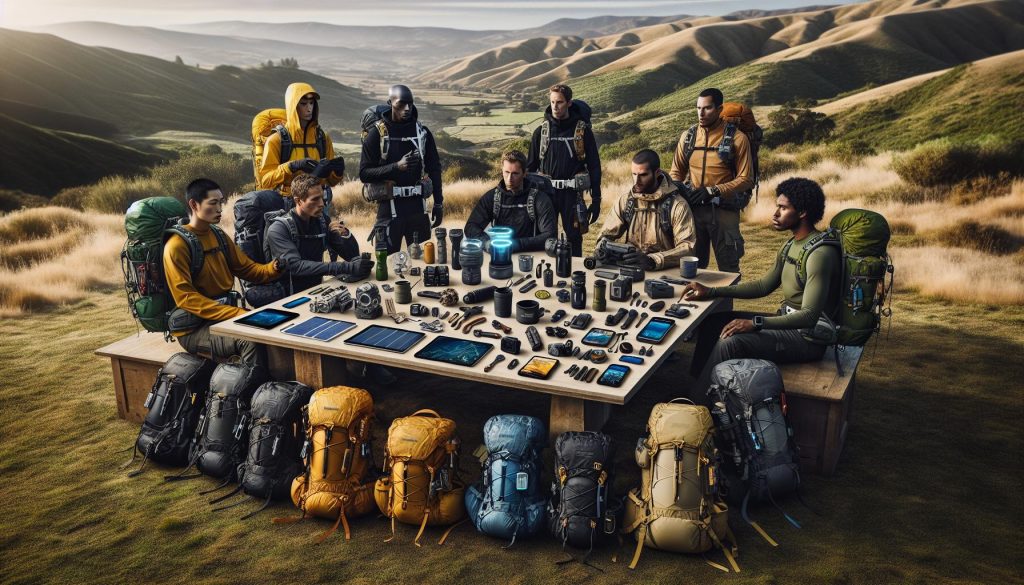
Backpacking remains one of the most exhilarating ways to connect with nature, but having the right gear can make or break your experience. In 2025, the essential gear list is more important than ever, blending lightweight comfort with practicality, ensuring you stay prepared for whatever the wilderness throws your way. Whether you’re a seasoned explorer or just starting your journey, knowing what to pack can help you maximize your adventure while minimizing weight and hassle. In this guide, we’ll explore the must-have items for any backpacker looking to elevate their outdoor experience. Get ready to gear up and discover the best strategies to make your next trek unforgettable!
Essential Items Every Backpacker Needs in 2025
Every backpacker knows the difference between a great trip and an unforgettable adventure often comes down to the essentials packed in their gear. In 2025, the landscape of backpacking gear has evolved, with an emphasis on lightweight, versatile, and multipurpose items that maintain comfort without compromising on functionality. As you prepare for your outdoor adventure, here’s a curated list of essential items you shouldn’t leave behind.
First and foremost, a reliable backpack is critical. Look for options like the Hyperlite Mountain Gear 3400 Windrider, known for its ultralight design and durability, accommodating the vast range of gear while ensuring comfort over long hikes. Pair this with a high-quality tent, such as a three-season option that balances weight and space, allowing you to stay comfortably protected against harsh weather without weighing you down.
When it comes to comfort at night, an inflatable sleeping pad is essential, providing insulation and cushioning from the hard ground. Similarly, a compact, portable camping stove, like the Jetboil, allows you to cook efficiently without hauling heavy equipment. Complete your cooking setup with a collapsible pot and utensils, which can easily fit into your backpack’s side pockets.
While gear matters, nutrition plays a pivotal role in keeping you energized on the trail. Pack lightweight, high-calorie food options such as dehydrated meals or energy bars that can sustain your energy levels for extended hikes. Water purification systems or filtration bottles also deserve attention; ensuring access to clean water is crucial for hydration and overall health during your journey.
As you assess your gear list, ensure you include safety essentials such as a first-aid kit, multi-purpose tools, and a reliable navigation system or app to avoid getting lost in unfamiliar territories. While high-tech gadgets, like solar chargers for electronics and smart watches for tracking fitness, can add convenience, establishing that foundational set of essential items will set the tone for a successful backpacking outing in 2025.
The Ultimate Clothing Guide for Backpackers
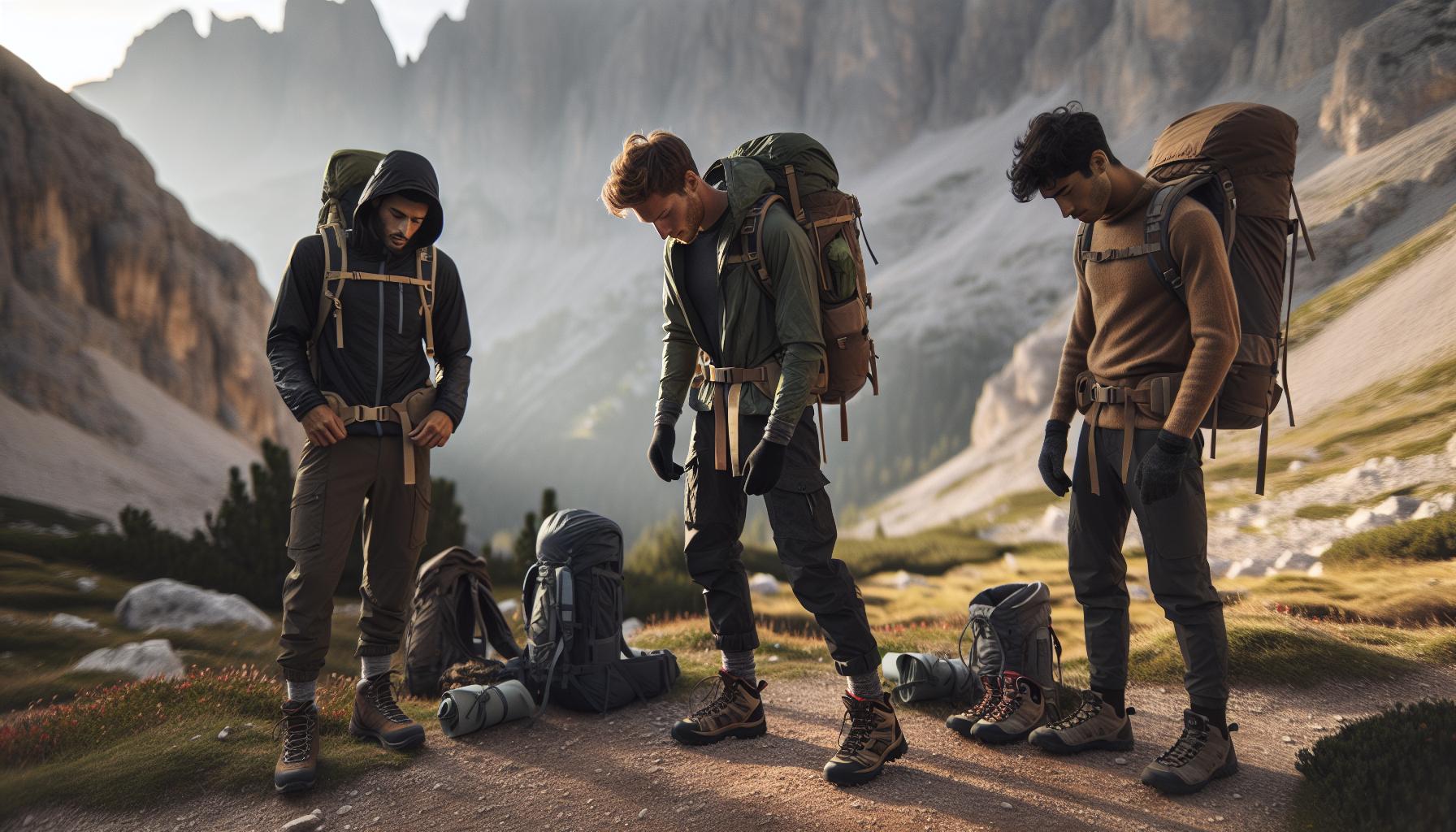
When preparing for a backpacking trip, clothing is more than just a matter of style; it significantly impacts your comfort, safety, and overall experience. In 2025, the focus remains on lightweight, breathable, and multifunctional clothing that can adapt to varying weather conditions and activities. Here’s a breakdown of essential clothing items every backpacker should consider when curating their gear list.
- Base Layers: Start with moisture-wicking base layers made from materials like merino wool or synthetic fibers. These fabrics keep sweat away from your skin, helping to regulate body temperature and prevent chills during cold evenings. Look for long-sleeve shirts and thermal leggings for added warmth during chilly nights.
- Mid Layers: An insulating mid-layer, such as a fleece or down jacket, is crucial for trapping heat without adding significant weight to your pack. Ensure your mid-layer is compressible so it can easily fit into your bag when not in use.
- Outer Layers: Weatherproof jackets made from breathable materials (like Gore-Tex) are essential for protection against rain and wind. Look for options with ventilation zips to ensure proper airflow during high-energy activities.
- Pants and Shorts: Versatile hiking pants that convert into shorts can save space and offer flexibility. Choose lightweight, quick-drying materials that provide comfort and durability over long hikes.
- Footwear: The right hiking boots can make or break your trekking experience. Select lightweight, waterproof boots that offer good grip and ankle support. It’s advisable to break them in before your trip to avoid blisters.
- Accessories: Don’t forget functional accessories such as a wide-brimmed hat for sun protection, lightweight gloves for warmth, and moisture-wicking socks that accommodate long distances.
Investing in good-quality clothing is vital not just for comfort but also for safety during unpredictable conditions. When choosing your clothing, consider the layering system-each layer serving its purpose while allowing you to regulate heat. For instance, when the sun is blazing, you can remove a layer without having to worry about carrying unnecessary bulk. Always pay attention to the fabric, opting for those that offer breathability and quick-drying properties, especially for socks and base layers.
By carefully selecting your clothing for backpacking in 2025, you can optimize your comfort and performance on the trail, allowing you to focus on the adventure ahead. Remember, the right gear isn’t just about having the best items; it’s about choosing those that function best for your specific journey and environment.
Top Hiking Boots to Consider for Your Trip
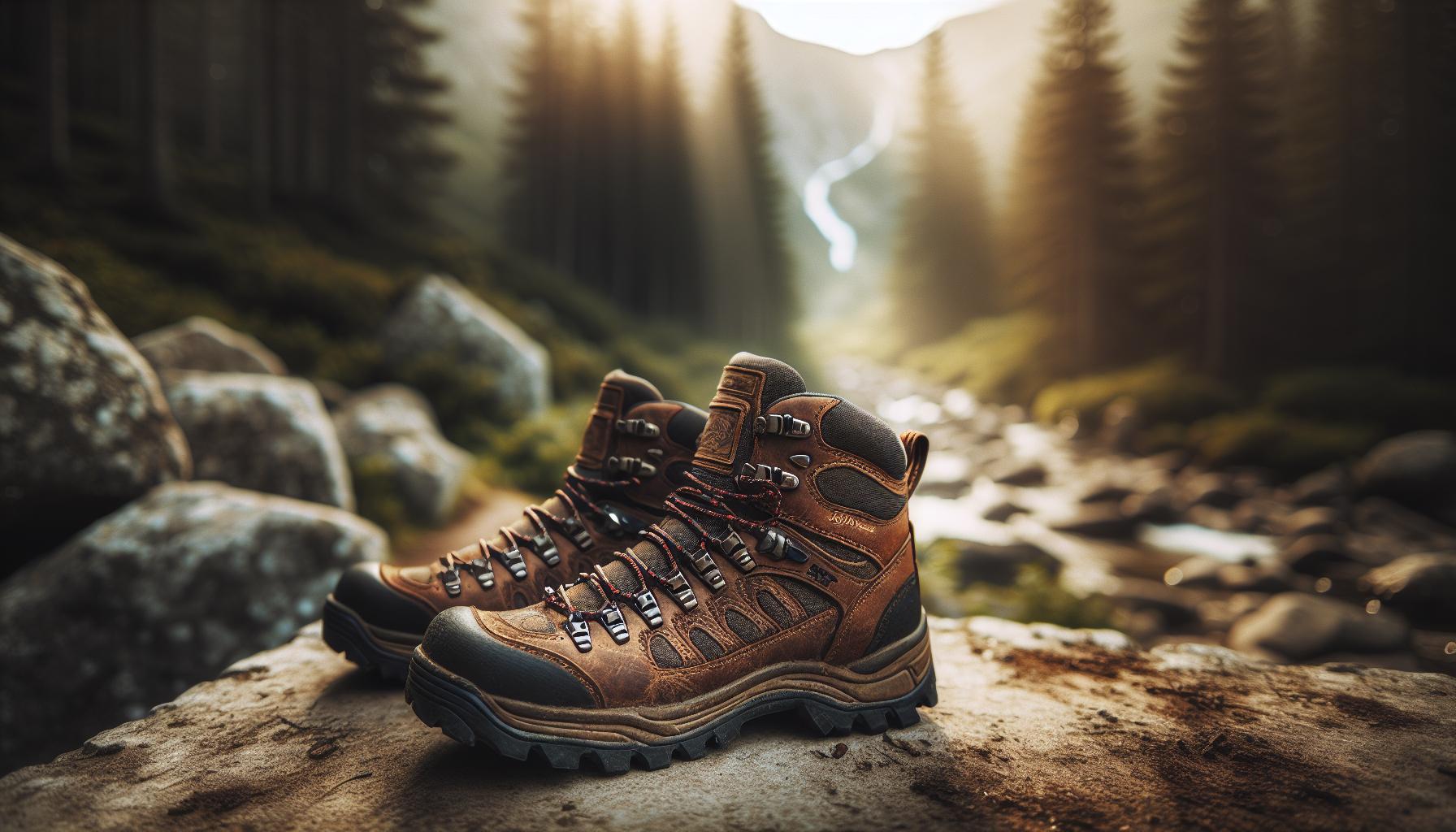
Finding the right hiking boots can drastically transform your backpacking experience, turning a potentially agonizing trek into a comfortable adventure. Globally recognized for their importance in maintaining foot protection and comfort, hiking boots have evolved significantly, integrating advanced materials and technologies designed specifically for outdoor exploration. In 2025, it’s essential to consider the various types of boots available and their unique features to ensure you select the ideal pair for your journey.
When choosing hiking boots, prioritize factors such as terrain, weather conditions, and your personal hiking style. For rocky, rugged trails, opt for sturdier boots with a robust sole and ample ankle support. Lightweight, breathable options are suitable for multi-day trips in dry climates or well-maintained paths, providing comfort without unnecessary bulk. It’s advisable to look for boots made with waterproof materials such as Gore-Tex, which will keep your feet dry in wet environments. Additionally, breathable mesh panels can enhance comfort during strenuous hikes, allowing moisture to escape while keeping debris out.
Fit and Break-In Period
No matter how advanced the technology, a boot’s fit remains paramount. A poor fit can result in blisters and discomfort, leading to a miserable experience on the trail. Make sure to try on boots at the end of the day when your feet are slightly swollen to ensure a comfortable fit. Consider boots with adjustable features like laces and ankle straps that allow personalization for your foot shape and size. Most importantly, take the time to break in your boots before heading out on a long trek; wear them on shorter hikes or around the house to help mold them to your feet.
Top Brands to Explore
Several brands stand out in the hiking boot market that cater to different needs and preferences:
- Merrell: Known for their comfort and versatility, Merrell boots offer excellent traction and support for various terrains.
- Salomon: Their boots are celebrated for lightweight designs, making them perfect for fast hikes and long distances.
- La Sportiva: Ideal for technical hiking, these boots provide stability and grip for serious adventurers tackling challenging landscapes.
- KEEN: Famous for their toe protection, KEEN boots combine durability with a roomy fit, perfect for wide feet.
Choosing the right hiking boots is crucial as they affect not only your comfort but also your performance and safety on the trail. By prioritizing fit, material, and purpose, you can enhance your outdoor adventures and ensure every step is taken with confidence. Whether you’re embarking on a short day hike or an extended journey through rugged landscapes, the right pair of boots can make all the difference in your overall enjoyment of the great outdoors.
Lightweight Tents That Don’t Sacrifice Comfort
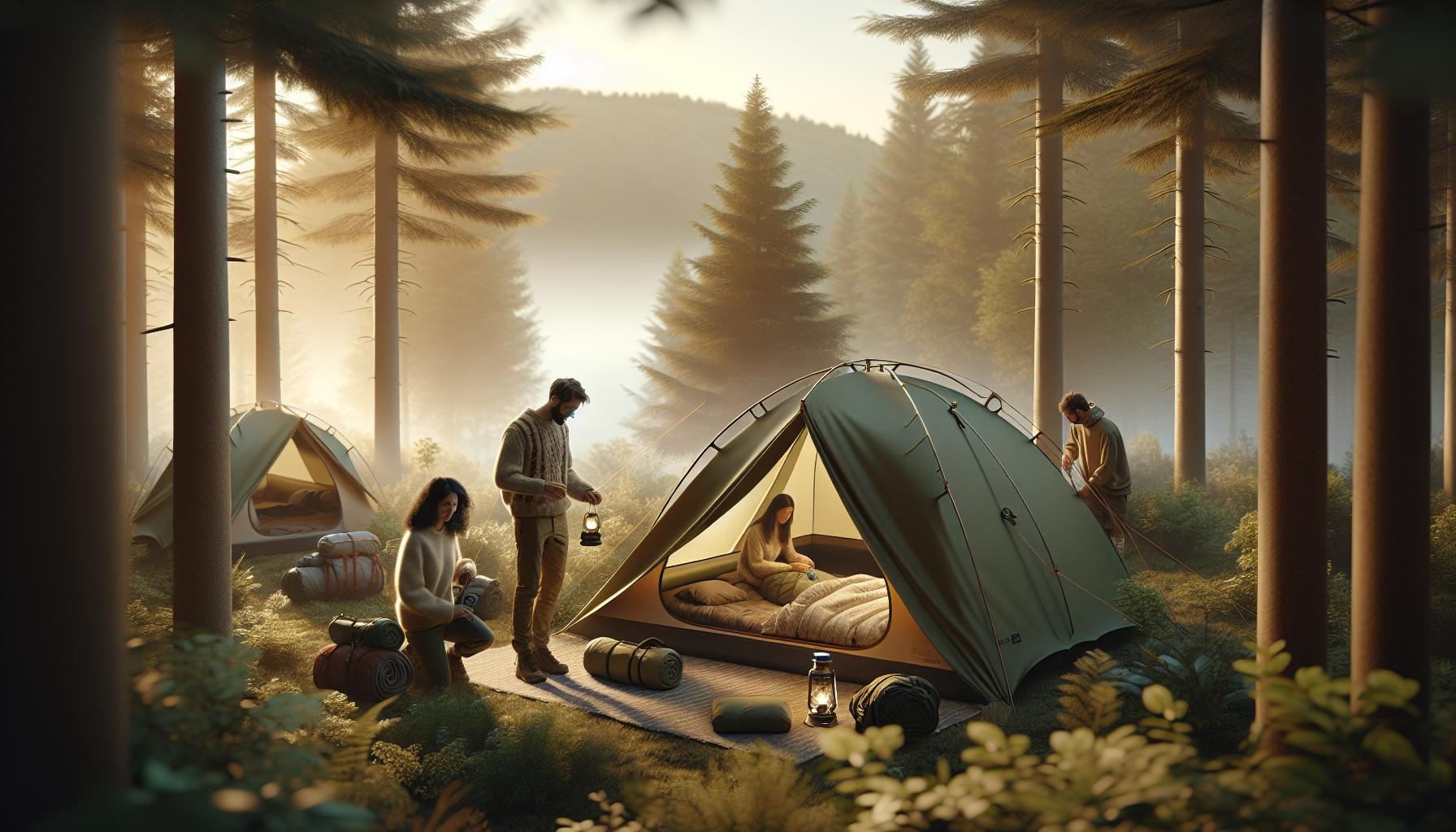
Finding the perfect tent can make or break your backpacking experience, especially when balancing lightweight needs with comfort. In 2025, the market boasts tents designed to be easy on your back without skimping on the creature comforts that make nights in the great outdoors enjoyable. Today’s best lightweight tents prioritize durability, packability, and user-friendly features, ensuring that you wake up refreshed and ready to tackle the trail.
When selecting a lightweight tent, look for options that utilize high-quality, water-resistant materials that provide protection without adding excess weight. For example, tents made from ripstop nylon or polyester with silicone coatings are not only strong but also compress down small for easy transport. Furthermore, consider the tent’s setup process; many modern tents come equipped with color-coded poles and intuitive assembly designs, allowing for a quick pitch after a long day of hiking.
Top Lightweight Tent Recommendations
- Big Agnes Copper Spur HV UL2: This popular two-person tent weighs around 3 lbs and offers ample room and headspace, making it ideal for those who appreciate a bit of extra comfort without the bulk.
- Sea to Summit Telos TR2: A versatile and innovative choice, this tent includes features like a tension ridge for increased headspace and ventilation, all while weighing just 3.7 lbs.
- MSR Hubba NX 2: Weighing in at 3.5 lbs, this freestanding model is renowned for its durability and livability, making it great for both solo and duo backpacking trips.
Consider also the tent’s interior space. Look for features like vestibules for gear storage and interior pockets for organization, enhancing your camping experience by keeping your essentials close. For those who want even more lightweight options, ultralight tarp setups provide a minimalist approach, allowing you to explore with the least gear while still staying protected from the elements.
Ultimately, finding the right tent is about balancing weight and comfort to suit your unique backpacking style. With advancements in materials and design, lightweight tents in 2025 cater to every need-from weekend warriors to seasoned adventurers-ensuring you can rest well after a day of exploration.
Must-Have Cooking Gear for Backpacking Adventures

Cooking while backpacking can be both a rewarding and crucial aspect of your outdoor experience. The right cooking gear not only sustains your energy levels through the day’s adventures but also adds enjoyment to your evenings under the stars. When selecting cooking equipment for 2025, it’s essential to find a balance between functionality, weight, and compact design, ensuring that every item you carry enhances your culinary experience without being a burden.
One of the top essentials is a lightweight stove. Look for options like canister stoves, which are known for their efficiency and ease of use. The MSR PocketRocket Deluxe is a great example, weighing only 2.6 ounces and providing a reliable flame for cooking meals quickly. Alternatively, alcohol stoves like those from Trangia offer the advantage of having fewer moving parts and can be very compact, perfect for minimalists.
Equally important is your cookware. A durable, packable pot set is beneficial for preparing meals and boiling water for drinks. The GSI Outdoors Pinnacle Base Camper Set includes non-stick pots with a lightweight yet sturdy design. Remember to choose materials like titanium or aluminum, which offer excellent heat distribution while keeping the weight down. For a more comprehensive setup, a small grill or collapsible skillet can add versatile cooking options.
Don’t overlook the necessity of utensils. A multi-tool with a designated knife, fork, and spoon can save space and ensure you have all you need for your meals. Additionally, consider a compact cutting board, which can double as a plate for easy serving. Finally, a reliable method for cleaning up is paramount. Biodegradable soap and a lightweight sponge or cloth should do the trick while being environmentally friendly.
Here’s a concise list of must-have cooking gear for your backpacking adventures in 2025:
- Stove: MSR PocketRocket Deluxe or Trangia Alcohol Stove
- Cookware: GSI Pinnacle Base Camper Set (aluminum or titanium)
- Utensils: Multi-tool with knife, fork, and spoon
- Cleaning Supplies: Biodegradable soap and lightweight sponge
By equipping yourself with the right cooking gear, you ensure that your meals can be enjoyed no matter where your backpacking journey takes you. Not only will this enhance your outdoor culinary skills, but it also creates a comforting and essential part of your daily routine in the wild.
Navigating Nutrition: Food Options for Backpackers
Planning your meals for a backpacking trip can greatly influence your energy levels, mood, and overall experience on the trail. The right nutrition not only fuels your adventures but also brings comfort to the often rugged lifestyle of the outdoors. In 2025, it’s essential to consider food options that are lightweight, nutrient-dense, and easy to prepare, allowing you to keep your pack as light as possible.
One of the best strategies is to focus on dehydrated or freeze-dried meals, which have become increasingly popular among backpackers. Brands like Mountain House and Backpacker’s Pantry offer a variety of meals that simply require boiling water and a little time to rehydrate, making them quick and convenient. Furthermore, these meals are designed to provide a good balance of carbohydrates, proteins, and fats crucial for hiking. For a hearty breakfast, consider oatmeal with added nuts or dried fruits, which packs easily and provides sustained energy.
For snacking on the trail, energy-dense options are ideal. Think along the lines of trail mix, which combines nuts, seeds, dried fruits, and perhaps a few chocolate pieces for a morale boost. Bars like Clif Bars or RXBARs are excellent sources of nutrition that fit neatly in your pack. Additionally, Jerky provides a good protein source without the bulk, making it another favorite among trekkers.
Don’t underestimate the importance of hydration. In addition to water, consider packing electrolyte powders which can help replenish minerals lost during sweaty hikes. Portable options like GoStak containers allow you to carry a variety of essential items like herbs, spices, or powdered drink mixes without weighing you down. Keeping your meals interesting and flavorful can also improve your dining experience in the great outdoors.
Here’s a concise list of nutritious food options to consider for your backpacking journeys in 2025:
- Dehydrated Meals: Mountain House, Backpacker’s Pantry
- Breakfast: Instant oatmeal with nuts and dried fruits
- Snacks: Trail mix, Clif Bars, RXBARs, Jerky
- Hydration: Electrolyte powders, GoStak containers for spices
By prioritizing nutrition and convenience, you can enjoy delicious and energizing meals while embracing the adventure of backpacking. Remember to tailor your food choices to your personal preferences and dietary needs, ensuring a fulfilling and enjoyable outdoor experience.
Smart Technology for Modern Backpacking Trips
In today’s digital age, backpackers are increasingly integrating smart technology into their gear setups, making trips not only more manageable but also more enjoyable. From navigation to communication, these technological advancements offer invaluable support for modern adventurers. Portable GPS devices and smartphone apps are now essential for anyone hitting the trails, enabling hikers to track their routes, monitor their distance, and stay updated on weather conditions, ensuring safety and allowing for spontaneous detours.
Smartwatches equipped with GPS and heart rate monitors have gained popularity among backpackers. These devices can log your activity level, calories burned, and even offer compass functionality. Many models, such as those by Garmin or Suunto, feature topographic maps that help you navigate through remote areas without relying solely on your phone or printed maps, which can be less reliable in dead zones. Additionally, some smartwatches have built-in emergency features such as SOS alerts, giving peace of mind while venturing into less traveled terrains.
Portable Power Solutions
As outdoor adventures can drain batteries quickly, having a reliable power source is paramount. Solar chargers are an excellent option for backpackers looking to stay connected without weighing down their packs with heavy batteries. Modern solar chargers are lightweight, foldable, and designed for efficiency, promising to deliver enough energy to keep your devices charged while you’re on the go. For those who don’t want to rely on sunlight, power banks with fast charging capabilities offer a compact alternative, allowing you to recharge your gear overnight or during rests.
Smart Cooking Gear
Another trend in smart technology for backpackers is the emergence of intelligent cooking equipment. Portable camp stoves equipped with Bluetooth connectivity can sync with smartphone apps. These apps can monitor temperature, give cooking times, and ensure your meals come out just right, even in the wilderness. Brands like BioLite offer such options that not only simplify meal preparation but also enhance the overall cooking experience under the stars.
Integrating smart technology into your backpacking gear doesn’t mean compromising on the outdoor experience; instead, it can enhance it. Embracing these innovations allows you to focus on the adventure while being prepared and connected, making your hiking trips in 2025 and beyond safe, enjoyable, and memorable.
Safety Essentials: Gear for Emergency Situations
In the unpredictable world of the great outdoors, safety should be top of mind for backpackers in 2025. An emergency can strike without warning, making it crucial to equip yourself with the right gear to navigate any situation confidently. Investing in essential safety items not only enhances your peace of mind but can also be life-saving in critical situations. Below are must-have safety essentials to consider for your next adventure.
First Aid Kit
A comprehensive first aid kit tailored to your specific activities is non-negotiable. Opt for an ultralight first-aid kit incorporating essential items like bandages, antiseptic wipes, tape, and a triangular bandage. Brands that focus on outdoor needs often include specific kits aimed at hikers, with added components such as blister treatment and splinting materials. Remember to regularly check and refresh your supplies, ensuring that medications have not expired and items are in good condition.
Multi-Tool or Knife
Your choice of a multi-tool or knife can make all the difference in a pinch. These versatile tools are invaluable for basic repairs, meal prep, and first aid. A well-equipped Swiss Army knife offers various functions-scissors, screwdrivers, and a can opener-ensuring you’re ready for whatever comes your way. For serious hikers, a robust survival knife with a fixed blade can also serve double duty as a tool for cutting rope or creating shelter.
Emergency Shelter
An emergency bivvy or a lightweight tarp can shield you from the elements if you find yourself stranded overnight. These portable solutions are compact and take up minimal space in your pack, ensuring you’re prepared for the unexpected without compromising on weight. Reflective emergency blankets can also be useful, as they retain body heat and can be applied to a casualty in shock or severe hypothermia.
Navigation Aids
While smart technology plays a pivotal role in hiking, basic navigation tools can be equally crucial when navigating in low-signal areas. A quality topographic map and a compass should complement your GPS device, ensuring you can find your way even if your technology fails. Familiarize yourself with these tools before heading out, as skills in manual navigation can elevate your safety in the backcountry.
Communication Device
In remote locations, staying connected can be a challenge, making alternative communication devices essential. A satellite phone or a personal locator beacon (PLB) can allow for distress signals even when cellular service is unavailable. These devices often have built-in GPS capabilities as well, providing an additional safety net in emergencies.
Investing in these safety essentials can significantly enhance your backpacking experience, helping to mitigate risks associated with outdoor adventures. By preparing adequately and ensuring you have the right gear on hand, you can focus on enjoying the beauty of nature while remaining vigilant and ready for any challenge that may arise.
Staying Hydrated: Water Bottles and Systems
When trekking through diverse terrains and climate conditions, staying hydrated is crucial for peak performance. A well-thought-out water system ensures you have access to clean drinking water while minimizing weight and bulk in your backpack. In 2025, the options for hydration have expanded, providing travelers with a range of water bottles, filtration systems, and hydration packs designed to suit various hiking needs and preferences.
One popular choice for outdoor enthusiasts is reusable water bottles made from lightweight materials like stainless steel or BPA-free plastic. These bottles not only keep your water cool but come equipped with features such as wide mouths for easy filling and cleaning. Brands such as Nalgene and Hydro Flask also offer insulated options to maintain temperature, making them suitable for both hot and cold drinks. When selecting a water bottle, consider one with a capacity that fits your daily hydration needs, frequently optimally ranging from 0.5 to 1 liter.
For those venturing into backcountry areas with potentially unreliable water sources, portable water filtration systems are indispensable. Compact filters, such as the Sawyer Squeeze or Katadyn BeFree, make it easy to fill up from streams or lakes while removing harmful bacteria and protozoa. An important feature to look for in these filters is versatility, allowing you to drink directly from the source or fill your water bottles for future use. Additionally, some systems include UV purifiers, like the SteriPEN, which use light technology to kill 99.9% of waterborne pathogens, ensuring peace of mind when drinking from uncertain sources.
Moreover, hydration packs have gained popularity as they allow for hands-free drinking during hikes. These packs feature a bladder with a hose that lets you sip water without stopping to retrieve your bottle. Brands like CamelBak and Osprey offer various options with different capacities, helping you stay hydrated while keeping your hands free for trekking poles or managing gear.
Lastly, consider carrying a few hydration tablets or electrolyte powders, especially for long hikes or warmer climates. These can easily be mixed with water to replenish lost minerals and enhance hydration efficiency. Maintaining hydration not only prevents fatigue but also improves overall well-being during your outdoor adventures. By choosing the right combination of water bottles, filtration systems, and hydration packs, you’ll be well-equipped to tackle the trails with confidence in 2025.
Powering Your Adventure: Solar Chargers and Batteries
In an era where our reliance on technology permeates even the great outdoors, staying powered up during backpacking adventures in 2025 has become essential. With advancements in solar charging technology and portable battery solutions, hikers can now maintain connectivity, capture memories, and navigate trails without sacrificing their wilderness experiences. As the demand for sustainable energy sources increases, solar chargers and power banks emerge as indispensable gear.
Solar chargers are particularly useful for long trips, especially in remote areas where conventional power sources are unavailable. These devices come equipped with solar panels that harness sunlight to recharge batteries or direct devices. Key features to look for include durability-most models are built to withstand harsh weather conditions-and portability, ensuring they can easily attach to backpacks for convenience. Some recommended brands, such as Anker and BigBlue, offer foldable designs that maximize surface area and efficiency while remaining lightweight for your pack.
When it comes to battery packs, selecting the right type hinges on balancing capacity and weight. High-capacity power banks, like those from RAVPower, can charge devices multiple times, but they can be bulky. It’s important to gauge your power needs based on your devices and trip length. Look for power banks that support fast charging and are compatible with your gear. Additionally, many modern power banks now come equipped with features such as wireless charging and solar recharging capabilities, allowing you to combine both technologies for even greater convenience.
Finally, always consider redundancy in your power solutions. Relying solely on a solar charger might not suffice during overcast conditions or extended periods without direct sunlight. Carrying a compact, fully charged battery bank as a backup ensures your essential devices remain powered, whether you’re navigating through dense forests or sharing the stunning views with friends back home. Integrating a mix of solar chargers and portable batteries into your backpacking gear will empower you to stay connected and safe as you explore the wilderness, redefining what it means to live adventurously in 2025.
Packing Tips: How to Maximize Space in Your Backpack
Packing efficiently for a backpacking trip can be the difference between a burdensome trek and a smooth adventure. Mastering the art of maximizing space in your backpack doesn’t just make it easier to carry your gear; it also assists in organizing your essentials for quick access, essential for both short hikes and extended journeys. Here’s how you can make the most of the limited space in your backpack as you gear up for your outdoor escapades in 2025.
A crucial tip for effective packing is to utilize compression. Invest in compression sacks for your sleeping bag and clothing. These specialized bags reduce bulk by compressing air out of the materials, allowing you to fit more into your pack. Place heavier items at the bottom of your pack, which not only helps stabilize the weight but also makes it easier to reach lighter items when needed. When packing clothing, consider rolling your clothes instead of folding them; this method not only saves space but also helps minimize wrinkles.
Strategic Organization
Another effective strategy is to compartmentalize your gear using packing cubes or pouches. This allows for a more organized approach, making it easier to find and access gear without having to dig through your entire backpack. Labeling these cubes can further streamline the retrieval process, especially when you’re in a hurry or when it’s dark outside. Ensure fragile or essential items are easily accessible by placing them in outer pockets or at the top of your pack for swift retrieval.
Multi-functional Gear
Consider investing in multi-functional tools and gear. For instance, bring a trekking pole that doubles as a camera monopod or a jacket that can transform into a backpack. By opting for items that fulfill multiple roles, you can significantly reduce the total number of items you need to carry, subsequently saving space.
Finally, practice the art of packing light. Assess every item in your gear list to determine its necessity. Ask yourself if each item serves a purpose and eliminate the non-essentials. A simplified gear list not only lightens your load but also promotes a sense of freedom as you navigate the wilderness.
By packing wisely and efficiently, your backpack can become a vessel of organization rather than a weighty burden, allowing you to enjoy the beauty of your outdoor adventure to the fullest.
Budgeting for Backpacking: Gear on a Budget
A transformative landscape for budget-conscious travelers has emerged, where high-quality gear doesn’t have to equate to high prices. Today, it’s possible to equip yourself for a memorable backpacking adventure without draining your wallet. A multitude of strategies exist that can help you acquire the essentials while watching your spending closely.
To kick off, exploring used gear options can yield significant savings. Many outdoor enthusiasts sell gently used items that are still in great condition. Websites geared towards outdoor gear exchanges and local buy-and-sell groups can be treasure troves for finding everything from backpacks to tents at a fraction of retail prices. Additionally, waiting for seasonal sales-like end-of-summer clearance-can reveal steep discounts on new gear. Signing up for newsletters from outdoor retailers often provides first-order discounts or exclusive online promotions that can help you save even further.
Another savvy approach is to adopt a minimalist view when selecting gear. Each item in your pack should serve multiple functions. For example, look for a multi-tool that combines a knife, scissors, and a screwdriver, or choose a sleeping pad that can double as a seat cushion during breaks. Not only does this reduce the amount of gear you need to purchase, but it also minimizes weight, making your hikes more enjoyable.
Lastly, consider the big picture when budgeting-set a gear budget and stick to it. Divide your total budget into categories such as shelter, cooking, and clothing. Prioritize buying the items that will offer the most utility and longevity first. Off-brand items can often provide similar quality to big-name brands, so don’t shy away from comparing products based on performance rather than just brand reputation. By employing these strategies, you can confidently embark on your backpacking journey with the essential gear you need-without breaking the bank.
Faq
Q: What are the best lightweight sleeping bags for backpackers in 2025?
A: In 2025, look for lightweight sleeping bags like the Sea to Summit Spark UL series or the Therm-a-Rest Hyperion. These bags balance insulation, weight, and packability, making them ideal for long hikes. Always check temperature ratings to match your adventure needs.
Q: How do I choose a backpack for multi-day trips?
A: Choose a backpack with a capacity of 50-70 liters for multi-day trips. Look for features like adjustable straps, a breathable back panel, and multiple compartments to organize gear. Brands like Osprey and Gregory provide excellent options designed for comfort and functionality.
Q: What should be included in a first-aid kit for backpacking?
A: Essential items for a backpacking first-aid kit include adhesive bandages, antiseptic wipes, gauze, pain relievers, and any personal medications. Consider adding a snake bite kit and splint materials for emergencies. Customize your kit according to the trip duration and location.
Q: How do I pack food efficiently for a backpacking trip?
A: Pack lightweight, high-calorie foods such as dehydrated meals, nuts, and energy bars. Utilize resealable bags to minimize bulk and waste. Plan meals ahead to avoid carrying excess food; consider a meal planning tool to optimize your food choices.
Q: What technology gear is essential for modern backpacking in 2025?
A: Essential technology gear includes a GPS device, satellite communicator, and a solar charger for your devices. Apps for navigation and weather updates can enhance safety and planning. Look for lightweight options that integrate easily with traditional camping setups.
Q: When is the best time to shop for backpacking gear?
A: The best time to shop for backpacking gear is during end-of-season sales, typically in late summer or early fall, or around major holidays like Black Friday. Look for discounts on last year’s models as new inventory arrives.
Q: Why is water filtration important for backpackers?
A: Water filtration is crucial for backpackers to ensure safe drinking water from natural sources. Portable water filters, such as those from Katadyn or Sawyer, effectively eliminate harmful bacteria and protozoa, reducing the risk of illness during your trip.
Q: How can I save money on backpacking gear?
A: To save money on backpacking gear, consider buying used equipment, renting for occasional trips, and shopping during clearance sales or off-season. Joining outdoor groups for gear swaps can also provide access to essential items without spending much.
Future Outlook
As you gear up for your next adventure, remember that having the right essentials can make all the difference in your experience on the trail. Our “Backpacker’s Essential Gear List for 2025” has highlighted the critical items you need to stay safe, comfortable, and prepared, from lightweight tents to essential cooking gear. Don’t wait to equip yourself with top-quality gear that ensures your trip is both enjoyable and successful.
Dive deeper into our recommendations and related articles, like tips for maintaining your gear or a guide on the best hiking shoes. Ready to explore further? Sign up for our newsletter to stay updated on the latest outdoor gear and expert advice that keeps your adventures thriving. Share your favorite gear tips in the comments below, and keep the conversation going! Your next journey awaits, so let’s hit the trail prepared and confident!