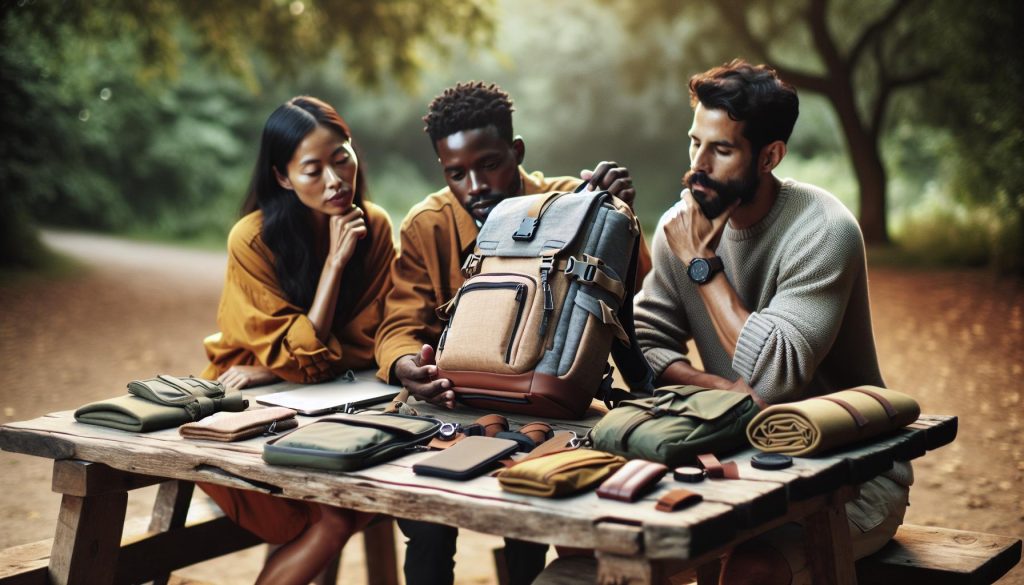
Backpacks are more than just carriers for our essentials; they’re crucial companions in our daily adventures, from school to the great outdoors. Understanding what goes into making a durable and reliable backpack can significantly influence your buying decisions. With materials like nylon, Kevlar, and Dyneema leading the way in strength and durability, the right choice can prevent wear and tear while ensuring your gear stays protected. As you read on, you’ll discover how these materials withstand the test of time and the elements, ultimately enhancing your experience whether you’re commuting to work or embarking on a hiking trip. Delve into the world of backpack materials, and learn how to make informed choices that meet your needs and adventurous spirit.
Types of Materials Used in Backpacks
When it comes to the materials used in backpack construction, the options can greatly influence durability, comfort, and overall performance. Each material brings its own unique set of benefits, which can be crucial depending on your outdoor activities. Understanding these materials can help you make informed choices when selecting the right backpack for your needs.
Nylon is a predominant material in many high-quality backpacks due to its impressive durability and resistance to wear and tear. Known for being lightweight yet strong, nylon also offers water-resistant properties, making it ideal for various outdoor conditions. Different grades of nylon, such as 210D and 420D, indicate varying levels of strength and resilience. Polyester is another popular fabric, valued for its durability and color retention. While not as strong as nylon, it often comes at a more affordable price point, making it a great choice for casual users or those on a budget.
For those in search of eco-friendly options, recycled materials are gaining traction in the backpack industry. These materials, often derived from post-consumer waste, provide sustainable alternatives without compromising on performance. Some brands are now producing backpacks made from recycled PET (rPET) bottles, merging environmental consciousness with practicality. Moreover, innovative advancements like hemp and organic cotton are also emerging, providing natural, biodegradable choices.
Inside the backpack, padding and support materials are equally important. EVA foam is commonly used for cushioning, offering both comfort and shock absorption, while different mesh materials enhance breathability. Seam construction plays a crucial role in a bag’s durability. Reinforced stitching techniques, such as double-stitching or bar-tacking, can significantly increase the lifespan of the backpack and its ability to bear heavy loads. Selecting materials with these considerations in mind will not only enhance your comfort during hikes but will also ensure that your backpack withstands the rigors of frequent use.
Durability vs. Comfort: Finding the Right Balance

The quest for the perfect backpack often revolves around a delicate balance between durability and comfort. Every hiker, traveler, or everyday commuter knows that materials play a crucial role in how a backpack performs. Using strong materials like nylon or polyester can enhance longevity, making them resistant to tears and harsh weather conditions. However, these same materials, when used excessively or without consideration for design, can lead to discomfort during long treks or daily use.
When selecting a backpack, consider the specific activities you’ll be undertaking. For instance, while a heavier-duty, thickly padded backpack may be perfect for rugged terrain, it might not be ideal for a simple day hike or urban commute where a lighter, more breathable option could suffice. Look for features like adjustable straps and ergonomic shapes that conform to your body, as these can mitigate the weight of the materials used and enhance overall comfort.
Additionally, the placement of weight in a backpack is critical. A well-distributed load can make even a sturdier pack feel lighter than it is. Features like hip belts and sternum straps can help anchor the backpack more comfortably against your body, transferring some weight to your hips and reducing strain on your shoulders. By focusing on both material choice and design features, it’s possible to enjoy the benefits of durability without sacrificing comfort.
Ultimately, experimenting with different backpacks in real-world scenarios is one of the best ways to find what works for you. Take the time to adjust straps, test the weight distribution, and walk around with your pack loaded. This hands-on approach will help you understand how various materials and designs affect your comfort over time, allowing you to make a more informed decision that meets your durability and comfort needs.
Water-Resistant Fabrics: Keeping Your Gear Dry
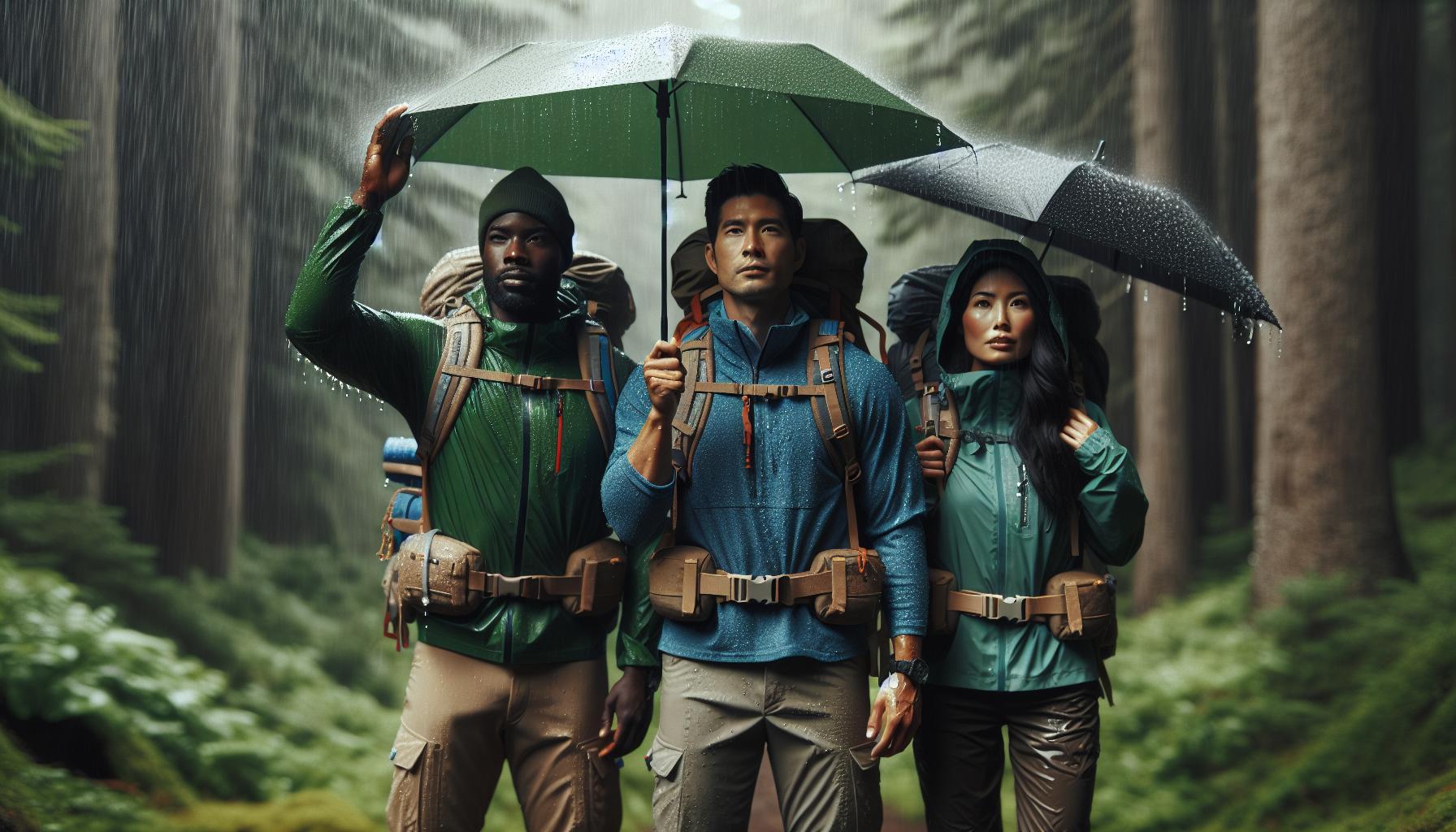
When it comes to choosing a backpack, the importance of water-resistant fabrics cannot be overstated. Imagine heading out on a long hike with everything packed perfectly, only to encounter unexpected rain. The right materials can be the difference between soggy gear and a comfortable adventure. Water-resistant backpacks are crafted from advanced fabrics that repel moisture, ensuring your equipment stays dry even in less-than-favorable weather conditions.
Nylon and Polyester are the most common water-resistant materials found in backpacks. These fabrics can be treated with water-resistant coatings, providing a level of protection against rainfall and splashes. However, they are not completely waterproof, meaning prolonged exposure to water or heavy rain may compromise their integrity. To improve their performance, look for backpacks with additional features like sealed seams that further prevent water from seeping in. According to sources, while nylon and polyester are resilient and maintain a balance between lightweight and durability, treatments are necessary for enhanced water resistance.[[2]]
For those who need a higher level of protection, consider materials like Dyneema, which offers inherent waterproof qualities. This innovative fabric is lightweight and incredibly strong, making it a favorite among ultralight backpackers. Dyneema does not require additional treatment to withstand water, making it a versatile choice for those venturing into changing environments. Additionally, backpacks made from X-Pac fabric feature a combination of nylon and polyester with a waterproof membrane, granting excellent tear resistance alongside water protection, making it ideal for various outdoor activities.[[3]]
To maximize the effectiveness of a water-resistant backpack, consider adding a rain cover for extra protection during heavy downpours. Additionally, always opt for backpacks that feature water-resistant zippers, as even the smallest openings can allow moisture to creep in. Understanding the specifics of backpack materials and their water-resistant capabilities will help you make a more informed decision, ensuring that your gear remains safe and dry no matter what nature throws your way.
Eco-Friendly Backpack Materials: Sustainable Options
When it comes to choosing a backpack that aligns with eco-conscious values, an increasing number of manufacturers are offering sustainable materials that minimize environmental impact while maintaining durability. Eco-friendly backpack materials are often made from recycled plastics, organic cotton, or biodegradable options that help reduce waste and resource depletion. One noteworthy example is the use of recycled polyester (rPET), commonly derived from plastic bottles, which not only decreases plastic waste but also conserves energy compared to virgin polyester production.
Recycled Materials and Their Benefits
Using recycled materials in backpacks significantly contributes to reducing the carbon footprint associated with new fabric production. For instance, brands like Patagonia and The North Face utilize rPET in their products, demonstrating that sustainability and high performance can go hand in hand. Additionally, these materials often retain the same level of durability as their non-recycled counterparts, ensuring that the investment in a sustainably made backpack will last for years.
Organic and Biodegradable Options
In addition to recycled fabrics, some companies are opting for organic cotton and other biodegradable textiles. Organic cotton is grown without synthetic pesticides or fertilizers, making it a safer choice for the environment and those who use it. Biodegradable materials, such as those derived from hemp or jute, break down more naturally when they reach the end of their life cycle, reducing landfill contributions. Brands increasingly highlight these materials, appealing to environmentally conscious consumers who prioritize sustainable practices in their purchasing decisions.
Ultimately, selecting eco-friendly backpack materials not only supports a healthier planet but also encourages a shift in industry standards. As consumers increasingly demand responsibly made products, the market for sustainable backpacks continues to expand, offering more options for those who wish to make a positive impact with their gear choices. Whether you’re venturing into the wilderness or navigating city streets, opting for a backpack made from sustainable materials allows you to carry your essentials while supporting environmentally friendly practices.
Padding and Support: Ensuring Comfort on Long Hikes
Comfort is paramount when choosing a backpack for long hikes, and effective padding and support systems play a crucial role in this aspect. A well-cushioned and strategically designed backpack can significantly enhance your hiking experience, reducing fatigue and discomfort over time. The right combination of materials used in padding can help distribute weight evenly across your back and shoulders, alleviating pressure points that often lead to aches during extended outdoor adventures.
When evaluating padding options, look for high-density foam or gel inserts that adapt to the contours of your back. These materials not only provide comfort but also help with moisture management-essential for warm, sweaty hikes. Many advanced backpacks now feature ventilated mesh padding that keeps airflow high while ensuring you stay dry, enhancing comfort and minimizing chafing. Additionally, thicker padding may contribute to reducing the load’s impact, allowing you to carry heavier gear without overwhelming strain on your muscles.
Equally important is the backpanel design of the backpack, which should support natural spine alignment. Traditional designs often focus solely on padding, but contemporary models incorporate molded frames or internal structures that enhance support while maintaining flexibility. This design dynamic allows the backpack to move with you rather than against you, which can be particularly beneficial when navigating uneven terrain. Look out for adjustable shoulder straps and hip belts, which can further customize fit, promoting comfort and stability throughout your hike.
Choosing a backpack with the right padding and support features not only enhances your comfort but can also prevent injuries during long excursions. As you embark on your hiking adventures, consider rigorously testing any potential backpack for fit and feel before committing to it. Check how it sits on your back, ensuring the weight feels balanced and secure. Investing time now in this pivotal aspect will ultimately lead to more enjoyable, pain-free journeys in the wild.
Reinforced Stitching and Seams: Importance for Longevity
When it comes to the longevity of a backpack, the quality of its stitching and seams plays a crucial role that is often overlooked. Think of these elements as the backbone of your backpack; without strong seams, even the most durable materials can falter under pressure. Reinforced stitching not only enhances the overall structure but also provides resilience against the wear and tear that comes with outdoor adventures, ensuring the backpack can handle everything from rugged hikes to daily commutes.
To ensure maximum durability, look for backpacks that feature techniques such as double stitching, bar tacking, and the use of heavy-duty thread. These methods reinforce the critical stress points of the backpack, such as where straps attach to the bag or where weight is concentrated. High-quality backpacks often employ a combination of these methods, significantly reducing the risk of seams giving way under heavy loads or intense activity. In addition, stress points that are prone to ripping or tearing should be reinforced with extra fabric or webbing, which can absorb tension and minimize wear.
Moreover, the type of material used for the seams should not be disregarded. Materials such as nylon or polyester threads are commonly used for their toughness and resistance to fraying. Waterproof seams and taped seams offer further protection by preventing water from seeping through the stitching during wet conditions, keeping your gear dry and protected. This level of assurance is particularly beneficial for outdoor enthusiasts who may encounter unpredictable weather, making seam integrity a non-negotiable aspect of backpack design.
In conclusion, investing in a backpack with reinforced stitching and seams is a smart choice for anyone looking to maximize longevity and reliability in their gear. When shopping for your next backpack, take the time to inspect these critical features. A backpack that boasts strong, well-constructed seams not only promises durability but also enhances the overall functionality of your pack, allowing you to focus on your adventures without worrying about the strength of your gear.
Weight vs. Durability: Making Smart Material Choices
Choosing the right material for a backpack is a balancing act between weight and durability, crucial for anyone who spends substantial time outdoors or relies on their pack in daily life. With a variety of materials available, understanding how each affects your load can significantly enhance your experience.
Typically, lighter materials such as rip-stop nylon and polyester are favored for their agility and ease of transport. They allow for swift movements and reduce overall load, essential for day hikes or fast-paced trekking. However, these lightweight fabrics may sacrifice some durability in highly abrasive environments. For instance, a rip-stop nylon may handle light rain but won’t endure sharp branches or rough terrains as well as more robust options like Cordura or heavy-duty canvas.
On the other hand, while sturdier materials tend to add weight, they often provide superior resistance to wear and tear. Cordura, known for its high tensile strength and resistance to punctures, is an ideal choice for long-term durability even if it results in a heavier pack. This added weight can be a worthwhile trade-off when considering the longevity and protection they offer, especially for those who frequently load their backpacks to the brim.
When selecting a backpack, consider your primary use and personal preferences. Asking yourself a few questions can guide your decision:
- What types of activities will I be doing? If you plan on rugged hikes or climbing, prioritize durability.
- How often will I carry this backpack? Frequent use might warrant a more durable (and slightly heavier) pack.
- Am I comfortable carrying extra weight? If not, lightweight options may suit your needs better.
Ultimately, the best choice reflects a balance between your specific needs and the environments you’ll encounter. You’ll not only want a pack that can withstand whatever conditions come your way, but also one that’s easy to carry for extended periods. Exploring these trade-offs will empower you to pick a backpack material that complements your lifestyle and adventure goals.
Top Brand Comparisons: Which Materials Last Longest?
When selecting a backpack, understanding which brands excel in material durability can significantly influence your purchasing decision. Some of the longest-lasting fabrics come from well-known manufacturers that prioritize quality in their products. For instance, brands like *The North Face*, *Osprey*, and *Arc’teryx* are renowned for using high-quality materials specifically chosen for their resilience and longevity.
Cordura Fabric: A Benchmark for Durability
Many top brands utilize Cordura fabric, recognized for its impressive strength and abrasion resistance. For example, *Osprey’s* backpacks often feature variations of this fabric, providing a rugged performance that stands up to tough conditions, whether you’re trekking through the woods or navigating urban environments. The durability of Cordura helps these backpacks resist tears and punctures, greatly extending their lifespan.
Nylon and Polyester: Lightweight Yet Sturdy
*The North Face* frequently employs rip-stop nylon in their production, which combines lightweight attributes with enhanced durability due to its crosshatch design that inhibits tearing. This makes their packs ideal for hikers who want to minimize weight without sacrificing durability. Similarly, *Patagonia* uses recycled polyester, offering a balance of weight and robustness that appeals to environmentally conscious consumers without compromising on quality.
Innovative Waterproofing
When it comes to waterproofing, *Arc’teryx* often leads the field with their use of Gore-Tex technology, ensuring that your gear remains dry even in the harshest conditions. This attention to detail not only protects your belongings but also enhances the overall lifespan of the backpack by preventing moisture damage, which is vital for anyone who frequently ventures into wet environments.
Cost vs. Longevity
While these brands may come with a higher price tag, the long-term investment often pays off as their materials withstand considerable wear and tear. Choosing a more durable backpack can save you money over time, as you won’t need to replace cheaper options that fail under strenuous use. Additionally, many of these brands offer repair services or warranties, reinforcing their commitment to lasting quality.
In conclusion, aligning your needs with the right brand known for durable materials will equip you with a backpack that not only meets your current demands but will also stand the test of time, enhancing your adventures for years to come.
Innovative Backpack Technologies: What’s on the Horizon?
As outdoor adventures evolve, so too do the technologies behind the gear we rely on, particularly backpacks. Innovations in materials and design are setting new standards for functionality and performance, ensuring that backpacks not only endure rigorous conditions but also enhance user experience. Current developments are focusing on multi-functional materials and intelligent designs that cater to the needs of diverse activities, from everyday commuting to extreme hiking.
One of the most exciting advancements is the emergence of smart fabrics, which can adjust to environmental conditions. These fabrics respond to temperature and moisture levels, providing breathability when it’s hot and insulation when it’s cold. Some brands are incorporating temperature-regulating materials that can help keep the wearer comfortable on long treks. For instance, special coatings can be applied to backpacks that repel dirt and moisture, simplifying maintenance while enhancing long-term durability.
Moreover, modular backpack designs are gaining traction. These allow users to customize their packs according to the specific requirements of their outing. Attachments or compartments can be added or removed based on the gear needed for the day, providing flexibility and convenience. This adaptability suits both travelers who might need a different setup for city exploration compared to hiking and outdoor enthusiasts who require specialized storage for their gear.
Naturally, sustainability is a key factor driving innovations in backpack technologies. Brands are increasingly turning to recycled materials and eco-friendly production methods. New polymers made from recycled plastics are being developed, resulting in high-quality and durable fabrics that minimize environmental impact without sacrificing performance. This shift not only appeals to environmentally conscious consumers but also pushes manufacturers towards circular economies.
In conclusion, advancements in backpack technology are promising a future that balances durability, comfort, and functionality. Engaging with these innovations means choosing packs that are not only resilient but also equipped with capabilities tailored to today’s adventurous lifestyle. Keeping an eye on these trends not only enhances personal gear choices but also embraces broader movements towards sustainability and improved user experience in outdoor equipment.
Maintenance Tips to Extend Backpack Life
Taking care of your backpack extends its life and ensures it performs optimally through various adventures. Whether you’re hiking in the wilderness or commuting daily, a well-maintained backpack can make all the difference. Here are some practical maintenance tips that can help you care for your gear effectively.
Regular Cleaning and Care
The first rule of thumb for maintaining your backpack is to clean it regularly. Dirt and grime can wear down materials and impact water resistance. Here’s how to do it:
- Empty and Shake: Remove all items and shake your backpack to get rid of any loose dirt or debris.
- Spot Clean: Use a soft brush or cloth dampened with mild soap to spot clean any stains or areas with heavy dirt.
- Wash If Needed: Check the manufacturer’s instructions-many backpacks can be machine washed. If so, use a gentle cycle, cold water, and mild detergent.
- Air Dry: Never put your backpack in the dryer; instead, hang it upside down in a well-ventilated area.
Inspecting for Damage
Routine inspections are essential to identify and address wear and tear before they worsen:
- Check Seams and Zippers: Examine stitching and zippers for frays or breaks. Repair any loose threads immediately to prevent further damage.
- Assess the Straps: Look for signs of fraying in shoulder straps and buckles. A quick repair can save you from a complete replacement.
Storage Best Practices
How you store your backpack matters greatly. Avoid creating problems by following these guidelines:
- Keep It Dry: Always store your backpack in a cool, dry place. Moist environments can lead to mold growth.
- Avoid Overpacking: Continuously overloading your backpack can warp its structure. Adhere to weight limits for lasting performance.
By incorporating these maintenance tips into your care routine, you’ll set yourself up for a longer-lasting, more reliable backpack that keeps its shape, functionality, and aesthetic appeal. Whether you’re out in nature or on the urban grind, a well-maintained backpack can be your trusty companion for many adventures to come.
How to Choose the Right Backpack Material for Your Needs
Selecting the right material for your backpack can significantly impact its performance and longevity. With many options on the market, understanding the specific qualities of each fabric is essential for making an informed choice. For instance, durable materials such as nylon or Cordura are often favored for their strength, making them suitable for heavy-duty use in outdoor adventures. If you’re planning to hike in rugged terrain, a backpack made from rip-stop nylon will provide not only toughness but also lightweight convenience, allowing for ease of movement without sacrificing durability.
Consider your activities: Different adventures call for different materials. If you need a backpack for urban commuting, a stylish model crafted from polyester or cotton canvas may suit your needs just fine, offering a combination of aesthetic appeal and moderate durability. On the other hand, if your pursuits lean toward extreme outdoor activities, look for performance fabrics like Dyneema, known for its exceptional strength-to-weight ratio and resistance to tears and abrasions. These materials can withstand harsher conditions, ensuring your gear remains intact.
Water Resistance Matters
Water resistance is another critical factor. Fabrics like PVC or waterproof nylon can keep your gear dry during sudden downpours, making them an excellent choice for hiking or biking. If you frequently find yourself caught in the rain, seek backpacks that feature water-resistant coatings or sealed seams to enhance protection against moisture.
Lastly, consider the eco-friendly aspect of materials when choosing your backpack. Many brands are now adopting sustainable practices by using recycled PET (rPET) produced from plastic bottles. These options not only reduce landfill waste but also offer durable performance comparable to traditional materials. Selecting eco-friendly materials aligns your choice with a more sustainable lifestyle while ensuring you have a reliable backpack for all your adventures.
By taking into account durability, comfort, water resistance, and sustainability, you can confidently select the right material for your backpack that suits your needs and exceeds your expectations.
Faq
Q: What are the best materials for a long-lasting backpack?
A: The best materials for a long-lasting backpack include high-denier nylon and polyester, which offer excellent durability and resistance to abrasions. Additionally, materials like Cordura and ripstop fabrics enhance strength, making them ideal for rugged use. For a deeper understanding, refer to the “Types of Materials Used in Backpacks” section.
Q: How can I tell if a backpack is durable?
A: Look for backpacks made from high-quality, heavy-duty fabrics and reinforced stitching. Check features like waterproofing and strong zippers that contribute to durability. Also, read customer reviews focusing on long-term wear to gauge overall quality.
Q: Are eco-friendly materials as durable as conventional ones for backpacks?
A: Yes, eco-friendly materials, such as recycled polyester and organic cotton, can be quite durable. Brands often engineer these materials to withstand wear and tear, providing a sustainable yet resilient option. More information can be found in the “Eco-Friendly Backpack Materials” section.
Q: What type of stitching is best for backpack durability?
A: Double or reinforced stitching is best for ensuring backpack durability, as it minimizes the risk of seam splitting. Look for brands that highlight their construction techniques for longevity, particularly in high-stress areas.
Q: What factors should I consider when choosing a backpack material?
A: Consider durability, weight, water resistance, and comfort when choosing backpack material. Assess your specific needs, such as the type of activities you’ll engage in, to find the right balance for your backpack. The section “How to Choose the Right Backpack Material for Your Needs” offers additional insights.
Q: How do weather conditions affect backpack material performance?
A: Weather conditions can significantly impact backpack performance. Materials that are water-resistant or waterproof will protect your gear in wet conditions, while breathable fabrics help in hot weather. Refer to “Water-Resistant Fabrics” for detailed information.
Q: Can heavy-duty materials affect backpack comfort?
A: Yes, heavy-duty materials can impact comfort. While they provide excellent durability, they may add weight or rigidity. Look for features such as padding and ergonomic designs to enhance comfort without compromising durability. More on this can be found in “Durability vs. Comfort: Finding the Right Balance.”
Q: What maintenance helps extend the life of a backpack?
A: Regular cleaning and proper storage play vital roles in extending a backpack’s life. Use mild soap for cleaning, avoid machine washing, and allow it to dry fully before storing. For specific maintenance tips, see the “Maintenance Tips to Extend Backpack Life” section.
Concluding Remarks
Now that you understand the enduring materials that make up quality backpacks, it’s time to ensure you select one that’s right for you. Whether you’re planning a hiking adventure or just need a reliable bag for everyday use, the right material can make all the difference. Don’t miss our in-depth guides on choosing the perfect Swiss Army knife or exploring the benefits of karambits-both essentials for outdoor enthusiasts.
Feeling uncertain about what will work best for your needs? Our helpful resources are just a click away, and we encourage you to sign up for our newsletter for the latest tips and exclusive offers. Dive deeper into the world of gear selection, as each decision brings you closer to mastering your outdoor experiences. Leave a comment below to share your personal backpack experiences, or let us know if you have any questions. Your journey toward informed gear choices starts here-let’s explore together!