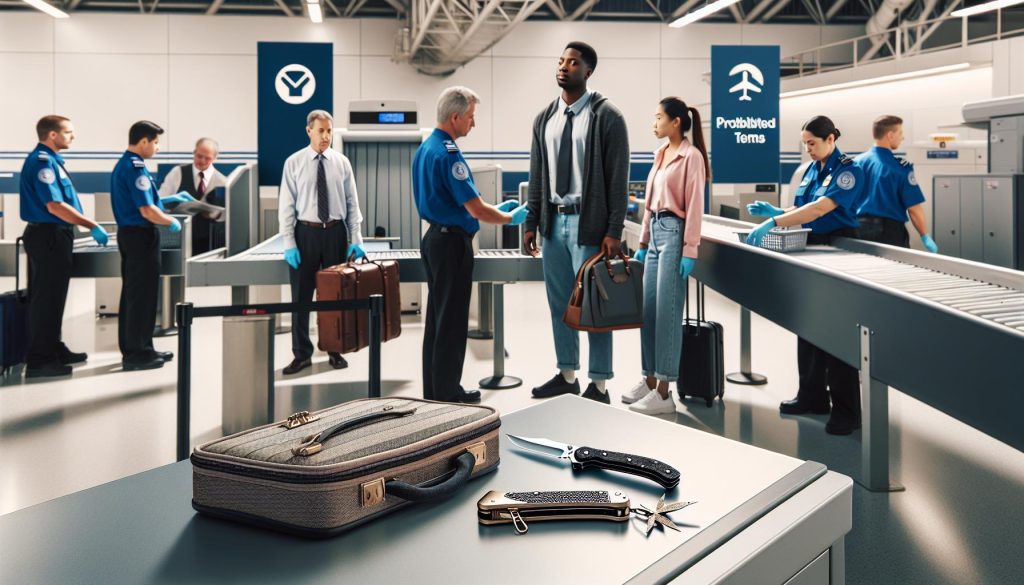
Have you ever wondered if you can bring your trusty pocket knife on a flight? This simple yet essential tool can be a lifesaver during outdoor adventures or daily tasks, but airport security regulations can be confusing. Understanding the Transportation Security Administration (TSA) rules regarding pocket knives is crucial for travelers who want to avoid unpleasant surprises at the checkpoint. In this article, we’ll break down what’s allowed, what’s not, and why it matters for your travel plans. Whether you’re a seasoned traveler or planning your first trip, knowing the ins and outs of TSA guidelines will help you pack confidently and travel stress-free. Keep reading to discover the security facts you need for a smooth journey!
Can You Bring a Pocket Knife on a Plane?
When traveling by air, the question of whether you can bring a pocket knife on a plane is not just about personal preference-it involves understanding strict TSA regulations designed to ensure passenger safety. As of now, the TSA prohibits any knife with a blade that is longer than 2.36 inches. This means that while small, non-locking knives are technically allowed in your checked luggage, attempting to carry them onto the aircraft in your carry-on bag is a surefire way to have them confiscated at security.
Furthermore, it’s important to recognize that even if your pocket knife technically meets the size regulations, its design might still lead to complications. For example, specific types of knives, like switchblades or butterfly knives, are not permitted regardless of blade length. This can create confusion for travelers who believe their knife conforms to the rules. A simple rule of thumb is to always check the up-to-date list of prohibited items on the TSA’s website before you travel, as policies can change.
In addition, context matters. In some airport terminals, there might be more stringent security measures due to heightened concerns or specific events, which could lead to stricter enforcement of knife regulations. It’s a good practice to consider alternatives to pocket knives for travel, such as multi-tools or folding scissors, which can perform many of the same functions without running afoul of TSA rules.
For those determined to carry a pocket knife, always pack it in your checked luggage. If your knife is confiscated at a security checkpoint, you will typically not receive any compensation or the chance to retrieve it once it has been taken. To avoid disappointment, consider the travel implications and opt for appropriate alternatives that keep you and other passengers safe while still catering to your needs.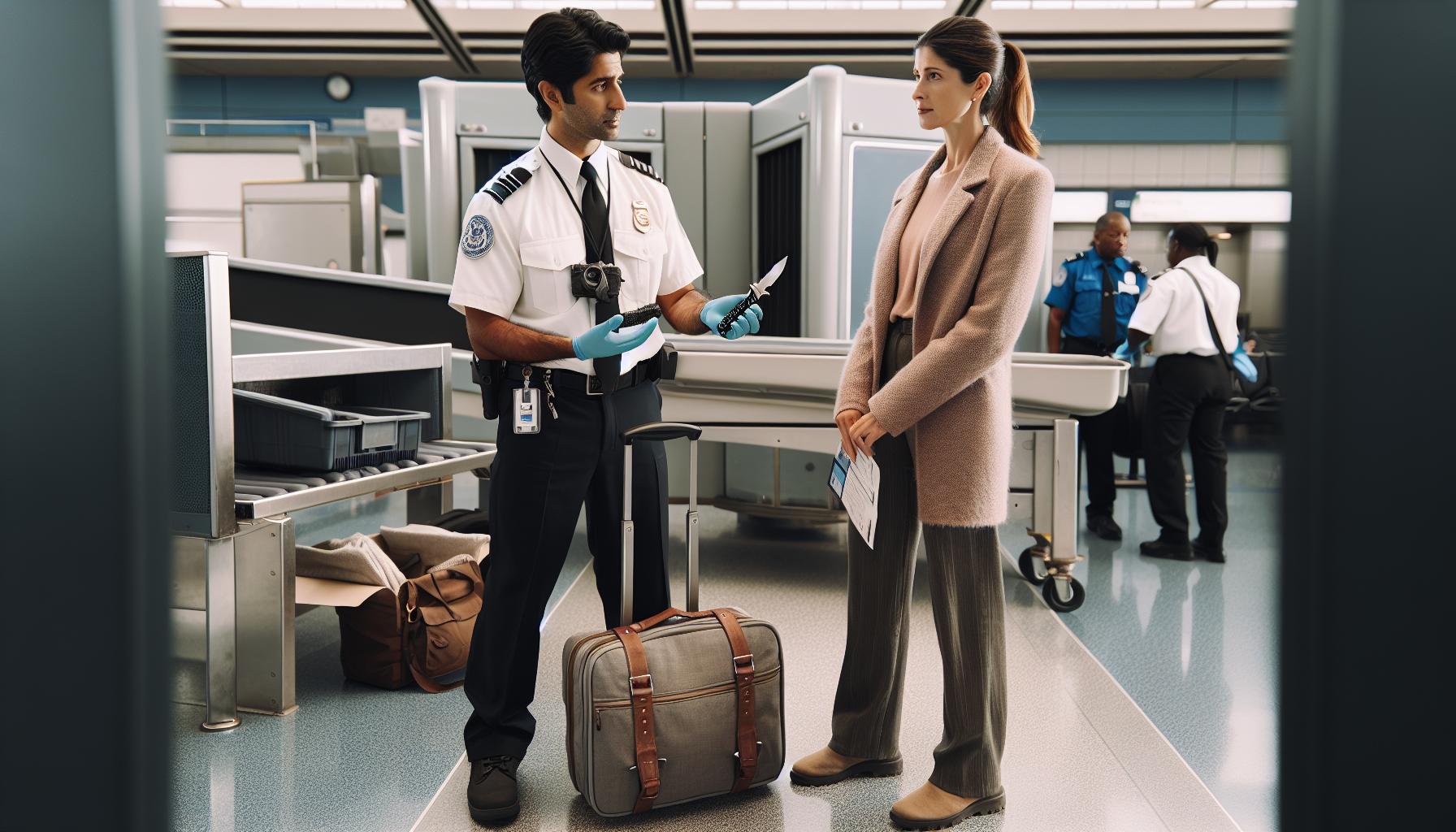
Understanding TSA Regulations for Knives
Traveling with a pocket knife can be a vexing endeavor, especially given the stringent rules set by the Transportation Security Administration (TSA). As the regulatory body designed to ensure safety in U.S. aviation, the TSA has specific limitations concerning knives. Understanding these regulations is essential for any traveler hoping to carry a knife securely and lawfully on their journey.
According to TSA guidelines, knives with blades longer than 2.36 inches are strictly prohibited in carry-on luggage. This rule underscores a commitment to passenger safety while allowing for some flexibility with smaller, non-locking knives that can be transported in checked baggage. However, this is where confusion often arises. Not all knives are created equal; certain types, such as switchblades, gravity knives, and any knife that can open with one hand (e.g., flick knives), are banned across all forms of luggage, regardless of size. Knowing the precise design of your knife is crucial before you pack it for travel.
It’s also essential to keep in mind that security practices can vary not only from one airport to another but can also change based on events or heightened threat levels. For example, during heightened security measures-like those following significant national incidents-screening processes can become more stringent, and what may have been permissible in one instance might be questioned or prevented entirely at another time. To ensure compliance and peace of mind, travelers are strongly encouraged to check the TSA’s list of prohibited items online before their trip.
As you consider your options, packing your pocket knife in your checked baggage is a viable solution. Should your knife be confiscated at a security checkpoint, you typically will not have the opportunity for retrieval or reimbursement. Hence, it’s wise to weigh your need for a knife against these regulations and potential risks, potentially exploring alternatives such as multi-tools or small, folding scissors that can serve similar purposes without the same regulatory concerns. Ultimately, understanding and respecting TSA regulations will empower you to travel more confidently and safely.
Common Misconceptions About Pocket Knives
Traveling with pocket knives often invites a whirlwind of misconceptions that can lead to frustrating experiences at security checkpoints. For many, the assumption is that any small or folding knife is permissible in carry-on luggage, but this isn’t entirely accurate. The TSA regulations specify that knives with blades longer than 2.36 inches are not allowed in the cabin, and many people mistakenly believe that if a knife is small or appears harmless, it will pass through security. However, each knife is scrutinized not just by its size but also its design and function.
Another common misunderstanding is the belief that specific types of knives, like Swiss Army knives, are always allowed. While these versatile tools can indeed be handy, the critical factor is the blade length and locking mechanism. Knives with locking mechanisms, regardless of their size, are prohibited in carry-on luggage. Furthermore, many travelers think that checking a knife eliminates all risk, but even checked bags face scrutiny; items can still be denied if they are deemed dangerous.
Some people also think that as long as they declare their knife at security, they can carry it aboard. This is not the case; declaring a knife doesn’t guarantee it will be allowed. The TSA emphasizes that it’s ultimately up to the discretion of the screening officer, making careful awareness of the rules essential. Travelers often assume that security procedures are uniform, but they can vary not only by airport but also on specific days, influenced by changing security alerts. Therefore, checking TSA guidelines ahead of travel is crucial.
Lastly, many believe that there are absolutes when it comes to carrying knives; they forget that personal responsibility plays a significant role. It’s essential for travelers to educate themselves about their equipment, both for compliance and to prepare for the unexpected. Having the right mindset about what’s acceptable can make a significant difference in having a smooth travel experience, avoiding surprises, and ensuring your adventure starts without hassle.
TSA-Prohibited Items: A Comprehensive List
Traveling can be exciting, but navigating TSA regulations regarding prohibited items, especially pocket knives, can be daunting. Understanding what you cannot bring on a plane is just as crucial as knowing what you can. The TSA has a comprehensive list of items that are banned in carry-on luggage to maintain safety; this includes not just knives, but a variety of other items that could pose a threat or nuisance.
First and foremost, it is important to note that all knives are prohibited in the cabin of the aircraft if they have a blade longer than 2.36 inches, regardless of the type or design. This includes pocket knives, with or without locking mechanisms, as well as multi-tools that feature a knife blade. Even seemingly harmless tools like Swiss Army knives fall under this restriction when their blades exceed the allowed length. Additionally, items like razor blades, box cutters, and certain cutting tools must also go in checked luggage if permitted at all.
Here are some other categories of items typically prohibited in carry-on bags:
- Sharp objects (e.g., scissors with blades longer than four inches, ice picks)
- Sporting goods (e.g., baseball bats, golf clubs, and ski poles)
- Self-defense items (e.g., pepper spray, batons)
- Explosives or flammable items (e.g., fireworks, flares, lighter fluid)
- Tools that could be used as weapons (e.g., crowbars, hammers, wrenches over seven inches)
It’s not only the blade length that matters; many everyday objects might be scrutinized based on context and perceived threat. Travelers who are unsure about specific items should always consult the TSA’s official guidelines or utilize their online tool to verify whether a particular item is allowed. Staying informed not only helps avoid delays but also ensures a smoother and more pleasant travel experience. Remember, when in doubt, it’s best to leave potentially problematic items at home or check them in with your luggage.
Exceptions: When You Can Carry a Pocket Knife
While the TSA has strict regulations regarding pocket knives, there are specific exceptions that can allow you to carry a knife under certain conditions. Understanding these exceptions not only helps you plan effectively for your travels but can also enhance your outdoor experiences.
One notable exception involves the design and usage context of the knife. Certain types of knives, such as those classified as tools rather than weapons, may be allowed if they meet specific guidelines. For instance, knives used in conjunction with specific sporting activities, like fishing or camping, may be permitted when securely packed in checked luggage. Always ensure that any knife you intend to bring does not exceed the blade length restriction of 2.36 inches if you’d like to carry it into the passenger cabin-this rule typically applies, even to multi-tools with knife blades.
Additionally, the TSA does have special provisions for international travel. Some countries may allow you to carry pocket knives within their borders, even if the knife would typically be prohibited in the U.S. However, it’s crucial to verify the knife regulations of your destination country, as these laws can vary significantly.
Moreover, if you are attending specific events-like a camping trip where specific tools are essential-the knife should be packed in checked luggage. For any essential gear that you plan on traveling with, the key is proper packing and awareness of all regulations. Consider using a hard case to store pocket knives to prevent any accidental exposure during your journey, which ensures both compliance with TSA regulations and safety during transit.
In summary, knowing when you can carry a pocket knife involves a combination of understanding design specifications, packing methods, and jurisdictional laws. Always double-check the TSA’s guidelines and your specific travel plans to stay informed and compliant.
Traveling with Pocket Knives Internationally
Traveling internationally with a pocket knife can be a nuanced task, filled with varying regulations and potential surprises. Different countries have distinct laws regarding the possession of knives, and what might be legal in one location could lead to serious complications in another. For example, while many European countries allow small pocket knives, certain Asian destinations may have stringent restrictions, making it essential to research local laws before your trip.
Before you embark on your journey, check the destination’s knife laws. Some countries have specific blade length limits, while others prohibit certain types of knives altogether, like tactical or assisted-opening knives. A simple web search or consultation with your local embassy can provide clarity on what is permissible. For instance, the European Union offers guidelines that, while generally permissive, still vary by member state, prompting travelers to dig deeper into local regulations.
When considering how best to transport your pocket knife, it’s advisable to pack it in your checked luggage rather than carry it onboard. This not only ensures compliance with both TSA and international regulations but also reduces the likelihood of encountering an issue during security checks. To prevent accidental damage or exposure, use a sturdy case that keeps the blade secure and protected.
In instances where you might explore outdoor activities like camping or hiking at your destination, having a legal knife can enhance your experience. However, remember that laws can change, so keeping your information up-to-date during your travels is crucial. In summary, vigilance and preparation are key when traveling internationally with a pocket knife; understanding local laws, choosing the right packing method, and staying informed will help you enjoy your trip with confidence.
Tips for Packing Your Pocket Knife Safely
Packing a pocket knife for air travel can be a careful balancing act of practicality and security compliance. With TSA regulations prohibiting knives in carry-on luggage, it’s crucial for travelers to know how to pack their tools safely and effectively to avoid any issues. One method to ensure compliance is to always place your pocket knife in checked luggage. This not only meets TSA regulations but also mitigates the risk of your knife being confiscated at the security checkpoint.
When preparing your pocket knife for travel, consider using a dedicated knife case or sturdy protective sleeve. This can prevent any accidental openings during transit and keep the blade secure, which is especially important if you’re packing multiple items in a single bag. Materials like hard plastic or padded fabric can provide an extra layer of safety. Furthermore, make sure the case is identifiable, so it’s easy to locate during baggage handling or retrieval.
Secure Packing Tips:
- Keep the pocket knife in a separate compartment of your checked luggage to avoid accidental exposure.
- Wrap the knife in a cloth or bubble wrap to cushion it and prevent damage to other items in your bag.
- Consider removing any personal or sentimental items from the knife for travel, as these can be a source of anxiety if lost or damaged.
Lastly, familiarize yourself with the laws regarding knife possession in your destination location. Once you have arrived, make sure to store your pocket knife in a safe place where it won’t be exposed, especially in areas where local laws might restrict its use. By preparing your pocket knife correctly for air travel, you can focus on your adventures without the hassle of unexpected encounters at security checkpoints.
How Pocket Knife Design Influences TSA Decisions
The shape, size, and functionality of a pocket knife are significant factors that influence how the Transportation Security Administration (TSA) assesses its risk level during airport security screenings. While generally, any knife is prohibited in carry-on luggage, the design characteristics can impact perceptions of threat and whether a knife might be allowed in checked baggage. For example, a small, multi-tool Swiss Army knife may be seen as less threatening than a larger tactical knife with a fixed blade, even though both might technically be classified as knives.
One of the primary design factors considered is the blade length. Knives with shorter blades-generally under 2.5 inches-are often viewed more favorably, especially if they serve practical purposes like assistive tools or features commonly found in camping gear. In contrast, longer blades can raise red flags during screening, leading to immediate confiscation. Beyond knife length, the blade’s width and thickness can also affect TSA’s decisions. A slim, lightweight folding knife might be overlooked, while a heftier one with a thick blade could draw more scrutiny simply due to its robust appearance.
The blade locking mechanism can play a role as well. Knives that feature a locking mechanism, which secures the blade in an open position, may signal intentionality and potential risk. In contrast, non-locking blades that fold seamlessly into their handles might be perceived as tools designed for benign usage. Additionally, knives designed with multiple tools-like scissors or screwdrivers-often fall under the category of utility tools, which could be a consideration in the TSA’s evaluation.
Ultimately, the design of the pocket knife not only influences TSA’s decisions regarding carry-on luggage but also informs travelers’ understanding of how best to approach traveling with these tools. Selecting a knife that prioritizes utility while being compliant with regulations can make your travel experience smoother and more enjoyable. When in doubt, checking the specific TSA guidelines or erring on the side of caution by placing any pocket knives in checked baggage is always a wise strategy.
What to Do If Your Knife Gets Confiscated
If you find yourself in the unfortunate situation where your pocket knife gets confiscated at a TSA checkpoint, the best approach is to remain calm and know your options. While it can be disheartening to part with a tool you may have relied on, there are steps you can take to manage the situation effectively.
First, it’s important to understand that once a knife is confiscated, it typically becomes the property of the TSA. Depending on the circumstances, you might be able to recover the knife if you return it to your vehicle or check it in your luggage before passing through security. However, if you missed your chance to retrieve it, you can file a comment or request further information through the TSA’s official channels.
Consider whether the knife has any significant monetary or sentimental value. In cases of valuable customs, it might be worth asking a TSA officer about retrieval options. Remember that some airports have specific lost and found procedures, so don’t hesitate to ask for assistance.
Reflecting on this experience can also be valuable for future travel. Use it as an opportunity to review TSA regulations regarding prohibited items, particularly pocket knives, so you’re better prepared next time. Instead of allowing this setback to hinder your travel plans, consider investing in travel-friendly alternatives. Multi-tools and utility knives designed with travel in mind can often be a practical substitution that complies with TSA guidelines.
In the end, learning from the situation can enhance your travel strategies. Stay informed about the latest TSA regulations regarding knives and plan accordingly by keeping any essential tools in your checked baggage or researching utility tools that offer similar function without the risk of confiscation. This way, you can travel confidently and enjoy your journey without worries over your gear.
Best Alternatives to Pocket Knives for Travelers
While pocket knives are often seen as a handy tool for everyday tasks, they can lead to hassles when flying due to TSA regulations. Fortunately, there are plenty of alternatives that can provide similar utility while ensuring compliance with security norms. Opting for these alternatives not only keeps your travel experience smooth but also equips you with functional tools that won’t raise any red flags at checkpoints.
One of the best substitutes is the multi-tool, which combines several functions in one compact device. These tools often include pliers, screwdrivers, bottle openers, and sometimes non-blade cutting tools, making them incredibly versatile for a range of tasks without the risks associated with knives. Brands like Leatherman and Gerber offer models specifically designed to be travel-friendly, ensuring you can access multiple functionalities without carrying a traditional knife.
Another great option is the utility knife that features a retractable blade. Many utility knives have blades that can be easily replaced or retracted, making them safer and compliant with TSA regulations. Look for designs marketed for travel, as they often adhere to safety standards while maintaining utility for packaging and lightweight cutting tasks.
Scissors are also a viable alternative. Small, foldable travel scissors are acceptable by the TSA, provided that the blades are less than four inches long. They can handle tasks ranging from opening packages to trimming loose threads, offering the convenience of cutting tools without the issues associated with knives.
Finally, consider specialty travel gear like tactical pens or credit card tools that contain various handy features. Tactical pens can serve as both a writing instrument and a self-defense tool, while credit card multi-tools often incorporate small screwdrivers, scissors, and even bottle openers without the risk of being flagged as a weapon.
Incorporating these alternatives into your travel kit not only complies with TSA regulations but also ensures that you’re prepared for a variety of situations you might encounter on your journey. Always verify the latest TSA guidelines before your trip to ensure smooth sailing at checkpoints.
Legal Implications of Carrying a Knife
Carrying a knife, even a seemingly innocuous pocket knife, can pose significant legal implications, especially when traveling. Different jurisdictions have varied laws regarding the possession and transportation of knives, making it essential to understand the regulations that apply to your specific route. In many cases, what is acceptable in one state or country may be strictly prohibited in another. For instance, some places have specific length restrictions on blades, while others may classify knives under different categories, such as weapons or tools.
The Transportation Security Administration (TSA) maintains strict regulations on items allowed in carry-on luggage, with all pocket knives being prohibited on flights. This policy is rooted in safety and security concerns. When traveling, it’s crucial to recognize that the TSA is not the only authority involved. State laws also play a critical role; for example, some states might allow you to carry a pocket knife in your checked baggage, while others may impose restrictions even on those. Failure to comply with these regulations can lead to confiscation, fines, or even more severe legal consequences, depending on the circumstances.
Understanding Local Laws
Before packing a knife for travel, do thorough research on both federal and local laws. Here are some factors to consider:
- Blade Length: Many places enforce limits on how long a knife’s blade can be. Check local laws for specifics.
- Type of Knife: Some knives, such as switchblades or gravity knives, may be classified as illegal weapons in various jurisdictions.
- Intent of Use: Carrying a knife for a legitimate purpose, such as camping, may be viewed differently than carrying it under suspicious circumstances.
In addition to understanding local laws, it’s wise to consult resources like the Knife Rights organization or local law enforcement if you’re uncertain about current regulations. Being well-informed can prevent unwanted legal complications and ensure that your travel experience remains enjoyable and worry-free.
Ultimately, while carrying a knife can serve practical purposes, staying compliant with legal guidelines is paramount. Opt for alternative tools that meet your needs without breaching the law or TSA regulations. This can keep your travel experience smooth, avoiding the hassle of dealing with confiscation or potential legal issues.
Choosing the Right Pocket Knife for Travel
involves more than just selecting a multifunctional tool; it’s about ensuring compliance with regulations, usability, and practicality in various scenarios. For travelers, the challenge is navigating strict TSA regulations, which prohibit all pocket knives in carry-on luggage while allowing them in checked bags, provided they align with local laws at your destination.
When selecting a pocket knife for travel, consider your primary needs. Will you use it for camping, everyday tasks, or simply as a backup tool? A Swiss Army knife is an excellent all-rounder due to its versatility, featuring tools like scissors, screwdrivers, and can openers, all in a compact form. If you’re looking for something lightweight and discreet, a folding knife with a blade length under three inches can be a practical choice, balancing safety and functionality.
Factors to Consider
- Blade Style: Opt for a straight-edge blade for versatility or a serrated blade if you anticipate needing it for cutting rope or tough materials.
- Locking Mechanism: A reliable locking mechanism is crucial for safety, especially when using the knife in various tasks.
- Weight and Size: Choose a lightweight model that can easily fit in your pocket or backpack without adding unnecessary bulk.
Ultimately, the best knife for travel is one that adheres to safety regulations, meets your specific needs, and feels comfortable in your hand. Research the legal implications of carrying knives in your destination area, and ensure that your choice reflects both practical use and compliance to avoid issues while exploring new places. By understanding what works best for your travel style, you can confidently carry a pocket knife that enhances your experience without the hassle of legal complications.
Frequently Asked Questions
Q: Can I carry a pocket knife in my checked luggage?
A: Yes, you can carry a pocket knife in your checked luggage when flying. Ensure it is securely packed and complies with your airline’s policies. For specific guidelines, refer to the TSA regulations for checked items.
Q: What types of knives are allowed on planes?
A: Only specific types of knives, like certain folding knives without exposed blades, are allowed in carry-on baggage. Generally, knives with blades longer than 2.36 inches are prohibited in the cabin. Always check with TSA for the latest guidelines.
Q: How does TSA decide if a knife is prohibited?
A: TSA assesses knives based on blade length, design, and intended use. Knives that can be easily deployed or concealed are typically classified as prohibited. Consult the TSA’s comprehensive list of prohibited items for clarity on specific designs.
Q: What should I do if my pocket knife is confiscated at security?
A: If your pocket knife is confiscated, you will not receive it back. It’s crucial to check TSA regulations before traveling to avoid this situation. Consider using alternatives or ensuring your knife is placed in checked luggage.
Q: Are there international differences in knife regulations at airports?
A: Yes, airport knife regulations can vary significantly by country. Always check the destination country’s customs and airport security guidelines before traveling with a pocket knife to ensure compliance.
Q: What are the consequences of bringing a prohibited knife on a plane?
A: Bringing a prohibited knife on a plane may result in confiscation by security and potential fines. In worst cases, it could lead to legal action or arrest. Always adhere to TSA rules to avoid complications.
Q: Can I store a pocket knife in my personal item?
A: No, you cannot store a pocket knife in your personal item if you’re carrying it in the cabin. It must be in checked baggage. Always double-check TSA guidelines before travel to prevent security issues.
Q: What are some alternatives to pocket knives for travel?
A: Consider carrying multi-tools or keychain tools that comply with TSA regulations. These can offer similar functionality without the risk of confiscation. Look for tools clearly designed for travel to ensure they meet security standards.
Wrapping Up
As you prepare for your next trip, remember that understanding TSA regulations around items like pocket knives can save you time and hassle at the checkpoint. While pocket knives aren’t allowed in carry-on bags, they can often be packed in checked luggage. For more travel tips, check out our guides on everyday carry essentials and the best practices for packing your gear safely.
Don’t let the uncertainty hold you back-ensure you’re up-to-date by visiting our site regularly for the latest updates in travel security. Feel free to leave a comment below if you have any more questions or experiences to share about traveling with tools. Your next adventure awaits, so let’s gear up smartly and confidently!