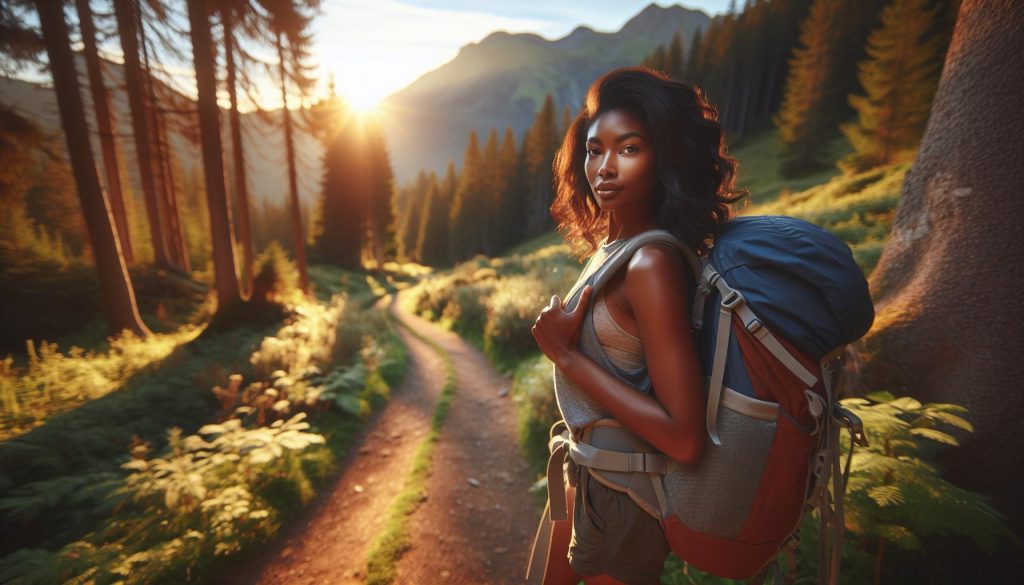
Did you know that more than 40 million Americans embark on backpacking adventures each year, experiencing the thrill of exploring nature firsthand? Whether you’re seeking solitude in the wilderness or bonding with friends under a starlit sky, backpacking opens the door to new experiences and personal growth. However, starting out can feel overwhelming, with many questions about gear, planning, and safety. This complete adventure guide is designed specifically for beginners, tackling common concerns like what to pack and how to navigate unfamiliar trails. By the end, you’ll feel empowered to take your first steps into the great outdoors. So grab your gear and let’s dive into the essentials of backpacking, setting you on a path towards unforgettable adventures!
Understanding Backpacking: What Beginners Need to Know
Backpacking is not just an adventure; it’s a pathway to self-discovery and a deeper connection with the great outdoors. Whether you are looking to escape the hustle of daily life or simply seeking a new way to experience nature, understanding what backpacking entails is the first step towards an enriching journey. Beginners often wonder about the essentials, safety measures, and the skills required to navigate the wilderness effectively, and addressing these concerns is crucial for a successful adventure.
To start, it’s important to recognize that backpacking goes beyond traditional hiking or camping. Instead of a quick day trip or a stay in a campground, backpacking involves carrying everything you need on your back for potentially several days. This means learning how to pack wisely, selecting versatile gear, and being prepared for various weather conditions. It’s an opportunity to challenge yourself physically while also enjoying the serenity of the wild away from the noises of civilization. Understanding your limits and gradually building your endurance through practice hikes will also set a solid foundation for your backpacking experience.
Another key aspect to explore is safety. Beginners should familiarize themselves with essential skills such as first aid, reading maps, and identifying the local flora and fauna. Being aware of potential hazards-like wildlife encounters or sudden weather changes-can significantly impact your enjoyment and safety during your trip. It’s advisable to take a backpacking class or join a group with experienced backpackers for your first outings, as this hands-on experience is invaluable. Additionally, embracing the Leave No Trace principles will not only help preserve our wild spaces but will also ensure that you can continue to enjoy nature with minimal impact.
In summary, understanding backpacking encompasses a mix of knowledge, preparation, and respect for nature. Focus on learning the basics, invest in the right gear, and embrace the adventure with an open and curious mindset. Your first backpacking trip could be the beginning of a lifelong passion and a deeper appreciation of the natural world around you.
Essential Gear for First-Time Backpackers
To embark on your first backpacking journey, the right gear is crucial for both comfort and safety. Imagine this: You’re miles from civilization, enjoying the peace of nature, but your backpack is too heavy, or your gear is not suited to the conditions. Choosing the right equipment can mean the difference between a memorable adventure and a challenging experience. Below is a breakdown of essential gear every first-time backpacker should consider.
Backpack
Selecting the right backpack is foundational. Look for one that carries comfortably and fits your body type. A general rule of thumb is to choose a pack with a capacity of 40-65 liters for multi-day trips. Ensure it has padded shoulder straps, a hip belt for weight distribution, and multiple compartments for organization.
Tent and Sleeping Gear
A lightweight, easy-to-setup tent is essential for providing shelter against the elements. Look for one rated for three seasons for versatility. Pair it with a sleeping bag suited for the expected temperatures, and a sleeping pad for comfort and insulation. A sleeping pad also helps in preventing heat loss to the ground.
Clothing
Dress in layers to accommodate changing weather conditions. It’s advisable to use moisture-wicking base layers, insulating mid-layers (like fleece), and a waterproof outer layer. Key clothing items include:
- Hiking boots: Choose boots that offer good ankle support and are broken in to prevent blisters.
- Hiking socks: Invest in a few pairs of high-quality, moisture-wicking socks to keep your feet dry.
- Hat and gloves: Pack these for extra warmth, especially in cooler climates.
Cooking and Hydration
A portable camp stove and appropriate fuel are necessary for meal preparation in the wild. Opt for lightweight cookware, and don’t forget to bring a water filtration system or purification tablets to ensure safe drinking water. Carry a durable water bottle or hydration reservoir for easy access to water while hiking.
Navigation and Safety Gear
Skill in navigation is critical. Equip yourself with a reliable map and compass, or a GPS device. Always have a basic first-aid kit on hand for medical emergencies, and consider tools like a multi-tool or Swiss Army knife for various tasks. A headlamp is also indispensable for hands-free lighting at night.
Personal Items
Lastly, bring personal items such as sunscreen, insect repellent, and a lightweight towel. Don’t forget toiletries, opting for biodegradable soap to minimize your environmental impact.
With the right gear, you can focus on enjoying the adventure of backpacking. Remember, it’s more about quality and functionality than quantity. Make thoughtful choices and your first backpacking experience can pave the way for many more amazing journeys ahead.
Planning Your First Backpacking Trip: A Step-by-Step Guide
Planning your first backpacking trip is an exciting venture that requires careful consideration to ensure a smooth experience. Knowing how to strategize properly can make the difference between a memorable adventure and an overwhelming endeavor. Start by choosing a suitable destination based on your current fitness level and the season. Research local trails, park regulations, and weather conditions. Websites like the U.S. National Park Service provide valuable insights into backcountry camping regulations and highlights, helping you select a route that aligns with your skills and expectations [2[2].
Once the destination is set, it’s crucial to craft a detailed itinerary. This should include your daily mileage, potential campsites, and water sources along the trail. Communicate your plans with someone who isn’t going with you, ensuring they have a copy of your itinerary and intended return date. A well-planned route mitigates risks and ensures a safer experience, particularly for beginners who may not yet be comfortable with spontaneous trail navigation.
Next, focus on logistics such as transportation and provisions. Determine how you’ll get to the trailhead-whether via personal vehicle, public transport, or shuttle services. Then allocate enough time to gather supplies and gear. Create a checklist that considers food, water, clothing, and safety equipment. Consider meal planning in advance, opting for lightweight, nutritious options that are easy to prepare on the go. Make sure to include double the amount of food you think you’ll need, as an extra energy boost is always helpful on the trail.
Lastly, familiarize yourself with essential skills like map reading, compass use, and basic first-aid techniques. Knowing how to read topographic maps will enable you to navigate effectively, while a solid understanding of first aid can prepare you for unexpected situations. Consider attending a backpacking workshop or taking an online course to build confidence in these areas. This proactive approach-combined with thorough planning-will pave the way for an enjoyable and successful first backpacking experience.
Navigating Trails: Map Reading and Navigation Skills
Understanding how to navigate trails is a fundamental skill every backpacker should master. The wilderness can be unpredictable, and relying solely on electronic devices may not always be a feasible option, especially in areas with poor reception or drained batteries. Thus, an understanding of map reading and basic navigation principles not only builds confidence but significantly enhances your safety in the great outdoors.
To begin with, familiarize yourself with topographic maps, which use contour lines to depict the terrain’s elevation changes. These maps are invaluable as they illustrate the landscape’s natural features like rivers, mountains, and valleys, as well as trails and campsites. Here are steps to approach reading a topographic map effectively:
- Orient the Map: Align the map with the landscape. Use a compass to find true north and rotate the map until it matches your view.
- Understand Symbols: Familiarize yourself with the map’s key, which indicates what various symbols represent (trails, water sources, campsites, etc.).
- Identify Terrain Features: Pay attention to contour lines. Close lines indicate steep slopes, while wider spaces suggest gentler terrain.
- Plan Your Route: Highlight your planned route on the map, considering elevation changes and potential hazards. Aim to choose paths that align with your fitness level.
In addition to reading maps, acquiring compass skills is equally important. A compass can help determine your heading and maintain your direction, particularly in dense forests or at night. By combining map reading with compass navigation, you’ll develop a robust system for staying oriented, even when the trail markers are unclear.
To further enhance your navigation skills, consider practicing in your local parks or recreation areas. Set a small goal, like navigating to a specific landmark, using only a map and compass. This real-world practice helps reinforce the principles you’ve learned and provides an opportunity to troubleshoot any challenges you encounter. Over time, these skills will become second nature, empowering you to explore more confidently and consciously in the wilderness.
Building Your Backpacking Skills: Tips for Safety and Comfort
The essence of a satisfying backpacking experience lies in building your skills for safety and comfort. As you step into the great outdoors, the unpredictability of nature can be both thrilling and daunting. To navigate this balance, focus on mastering specific techniques and adopting good habits that ensure a safe and enjoyable adventure.
Practice Essential Skills
Start by familiarizing yourself with basic first aid. Accidents can happen, and knowing how to treat common injuries such as cuts, sprains, or bites is invaluable. Carry a compact first aid kit that includes band-aids, antiseptics, pain relievers, and any personal medications. Additionally, understanding how to signal for help using whistles or mirrors can be critical in emergencies.
Besides first aid, learn how to correctly pitch a tent and start a fire. These foundational skills can significantly increase your comfort level while camping. Practice these at home or in your backyard before hitting the trail. When you arrive at your campsite, choosing level ground away from potential hazards, like falling branches or flooding, can enhance your safety immensely.
Stay Hydrated and Nourished
Maintaining hydration is essential, especially during vigorous activities. Always carry a reliable water filtration system or purifying tablets to ensure you have access to clean drinking water. Dehydration can lead to severe fatigue and impair your decision-making abilities. Alongside hydration, plan your meals carefully. Opt for lightweight, nutrient-dense food that is easy to prepare, such as dehydrated meals or energy bars, to keep your energy levels up without weighing down your pack.
Learn to Read Your Environment
Your ability to interpret the signs of nature can protect you from hazards. Familiarize yourself with local wildlife and learn to differentiate between safe and unsafe animals, plants, and weather patterns. Understanding how to recognize approaching storms or changes in temperature will allow you to adapt your plans proactively. This knowledge can turn potentially dangerous situations into manageable experiences.
Building your backpacking skills is not just about gaining outdoor knowledge; it’s about fostering a deeper connection with the environment around you. As you practice and enhance these skills, you will undoubtedly find greater confidence and joy in your backpacking journey. Embrace each challenge as a learning opportunity, and remember that the more you prepare, the more you’ll be able to enjoy the breathtaking beauty of the wilderness.
Choosing the Right Campsite: Best Practices for Newcomers
Selecting the ideal campsite can significantly enhance your backpacking experience. An adequate spot not only provides comfort but also plays a critical role in your safety and enjoyment of the outdoors. To this end, being mindful of location and environmental conditions when setting up camp is key. A smartly chosen campsite can mean the difference between a restful night under the stars and a hazardous encounter with nature.
Begin your search by considering the terrain and ground conditions. Aim for a flat, dry area that is free from rocks, roots, and any other objects that may disrupt your sleep. Look for a site away from trails to maintain privacy and avoid disturbances, but not so remote that you are left vulnerable should an emergency arise. Moreover, avoiding low-lying areas can protect you from unexpected weather changes, such as rain accumulating from sudden downpours.
It’s equally important to factor in proximity to water sources. While camping too close may risk flooding or contamination, being within a comfortable walking distance ensures you have easy access to fresh water. Plan on setting your campsite at least 200 feet away from lakes and streams to minimize environmental impact and preserve natural habitats. Choose well-drained locations to reduce the risk of waking up in a waterlogged tent after a rainstorm.
Finally, be aware of your surroundings. Keep an eye out for potential hazards, such as overhanging branches (widowmakers), wildlife trails, or proximity to animal habitats. These can become safety concerns that might disturb your peace or create dangerous situations. Before settling down, take a moment to familiarize yourself with your vantage point-it helps gauge how exposed you are to wind and other elements as well as how to best appreciate the scenic views.
Remember, the right campsite can transform your outdoor adventure from simple to extraordinary, allowing you to focus on what matters most: immersing yourself in nature and enjoying the journey.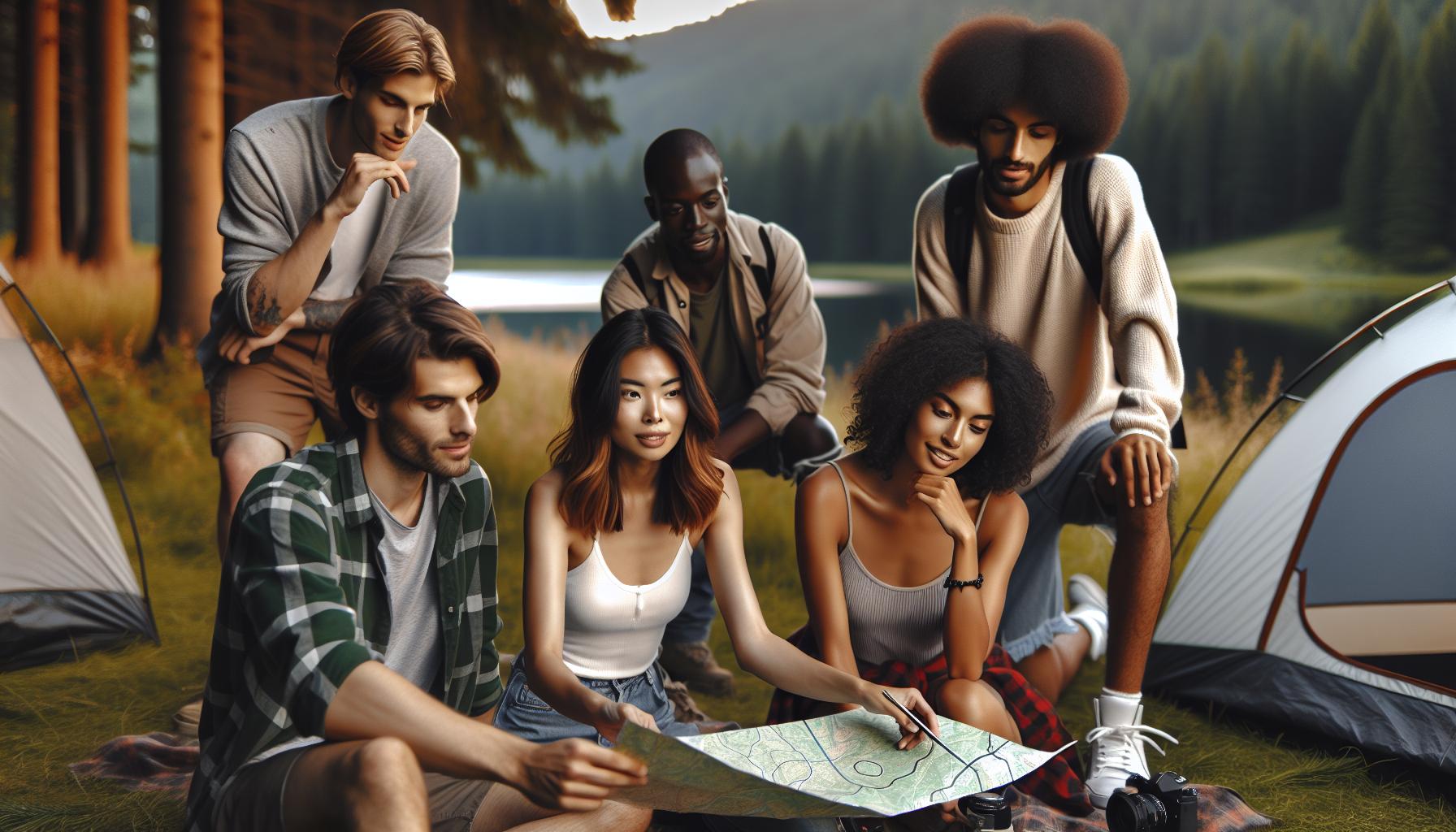
Cooking in the Wild: Simple Backpacking Meal Ideas
Cooking while backpacking is not just about sustenance; it’s an integral part of the experience that can elevate your adventure. Imagine sitting around a warm meal with friends, the aroma of cooked food blending with the fresh scent of the wilderness. However, planning meals that are easy to prepare, energizing, and packable is essential for first-time backpackers. Here’s how to make cooking in the wild both simple and enjoyable.
To get started, consider a few key principles when planning your backpacking meals. Focus on lightweight, non-perishable staples like freeze-dried ingredients, instant oats, or rice. These are easy to carry and simple to cook with minimal equipment. A compact camp stove, or even a lightweight portable grill, can make a big difference, and don’t forget a pot for boiling water or cooking quick meals. Also, pack a multi-tool that includes a knife for food prep and opening packaging.
Simple Meal Ideas
Here are some easy meal ideas perfect for the trail:
- Breakfast: Instant oatmeal packs combined with dried fruits and nuts are filling and nutritious. Just add hot water, stir, and enjoy!
- Lunch: Wraps made with tortillas filled with peanut butter and banana make for a great energy boost during the day. They are lightweight and won’t spoil easily.
- Dinner: A one-pot pasta dish using dehydrated vegetables and quick-cooking pasta can be prepared in under 15 minutes. Simply cook the pasta, toss in the dehydrated veggies, add water, and let sit until hydrated.
- Snacks: Trail mix, energy bars, or jerky provide easy, protein-packed options that won’t weigh you down.
It’s essential to think ahead and consider cleanup as well. Bring along a small sponge or cloth for washing dishes and a small trash bag to pack out your waste. Keeping your cooking area clean not only makes for a more pleasant experience but is also crucial for protecting the environment.
While cooking might seem intimidating at first, with these simple meal ideas and planning strategies, you’ll find that preparing food in the wild can be rewarding and fun. Bon appétit, and happy trails!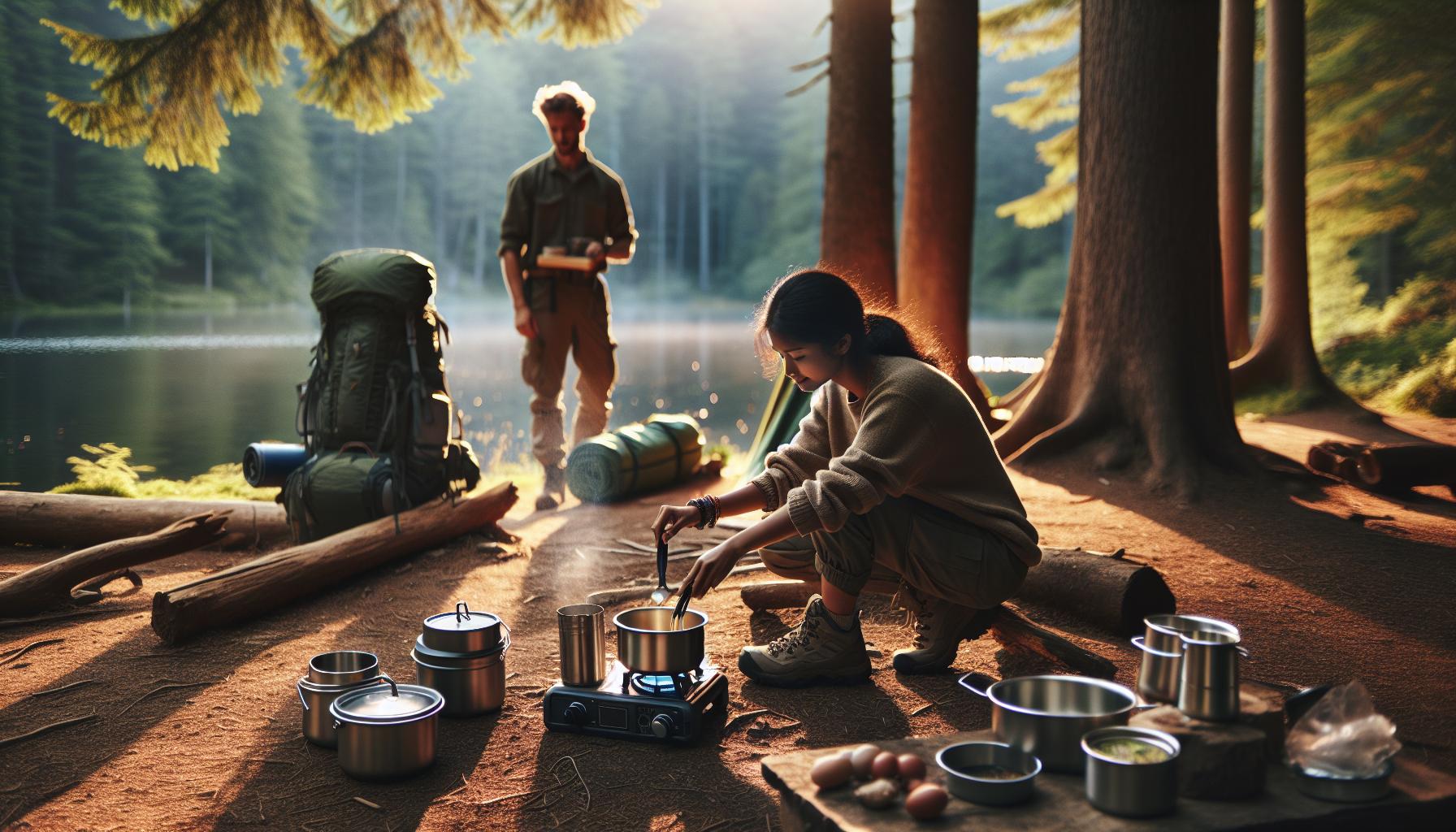
Backpacking Etiquette: Leave No Trace Principles
Respecting the great outdoors is not just about enjoying nature-it’s about preserving it for future generations. As a responsible backpacker, understanding and practicing Leave No Trace principles is essential to minimize your impact on the environment while maximizing your experience in the wild. These principles serve as guidelines to help you appreciate nature without altering it or harming wildlife, and they foster a mindset of stewardship that every outdoor enthusiast should adopt.
To adhere to these principles, it’s crucial to plan ahead and prepare. Research your destination to understand its rules and unique challenges, ensuring that your visit aligns with local conservation efforts. When you pack your gear, consider lightweight and eco-friendly options that leave less of a footprint. Following this, while on the trail, travel and camp on durable surfaces. Stick to existing paths and campsites to prevent erosion and protect fragile vegetation. If you venture off the beaten path, choose rock, gravel, or dry grass to tread lightly.
Another key aspect is to dispose of waste properly. Always pack out what you bring in, including trash, leftover food, and hygiene products. Create a waste management plan prior to your trip. Use biodegradable soap and minimize your environmental impact by keeping waste to a manageable level. Additionally, when it comes to leaving what you find, avoid picking plants, removing rocks, or disturbing historic sites. Take photos instead; this allows you to capture the beauty without impacting the environment.
Wildlife encounters enrich the backpacking experience, but it’s vital to respect animals from a distance. Feeding wildlife can disrupt their natural behaviors and harm them. Instead, observe and enjoy their presence while keeping food secured. Finally, be considerate of other visitors by maintaining noise levels, not sharing personal items, and allowing others space to enjoy nature peacefully. By embodying these Leave No Trace principles, you contribute to a collective effort to safeguard wilderness areas, ensuring that they remain untouched for years to come.
Packing Smart: How to Optimize Your Backpack
Packing efficiently is an art that can make or break your backpacking experience. Did you know that the way you pack your backpack can significantly affect your comfort and stability while you navigate the trails? Packing smartly involves not just fitting all your essentials into your pack, but also ensuring that the weight distribution enhances your movement and reduces fatigue.
To get started, choose the right backpack size for your trip length. For overnight trips, a pack with a capacity of 50 to 70 liters is usually suitable, while a day hike requires only 20 to 30 liters. Once you have your pack, carefully consider how to distribute the weight. Heavier items, such as food and water, should be placed close to your back and centered to maintain a balanced center of gravity. Lighter gear can be packed toward the outer pockets for easy access, such as a first aid kit or a rain jacket.
A systematic approach to packing can optimize space and accessibility. Use compression sacks for clothing and sleeping bags, as these not only save space but also help keep your items dry. Organize your gear in stuff sacks by category: cooking utensils, personal items, food, and clothing. This makes it easier to find what you need without rummaging through your entire pack.
Essential Packing Tips
- Prioritize Multitasking Gear: Choose items that can serve multiple purposes, such as a Swiss Army knife or a pot that can double as a bowl.
- Keep Essentials Accessible: Pack snacks, a water bottle, and navigation tools in easy-to-reach pockets to avoid slowing down during breaks.
- Layer Your Gear: Place heavier items at the bottom, followed by items you need frequently throughout the day, ensuring that your lighter items are at the top or in side pockets.
Utilizing these techniques will not only make your backpack more manageable but can significantly enhance your overall experience outdoors. As you gain experience, you’ll discover personal preferences that cater to your unique style of backpacking, leading to even greater efficiency in your packing strategy. Optimize your setup, and enjoy the journey with minimal hassle!
Overcoming Common Challenges: Tips for New Backpackers
Starting a backpacking journey can be exhilarating yet overwhelming. Many newcomers face a steep learning curve, battling everything from physical challenges to logistical hurdles. One common obstacle is the feeling of isolation or vulnerability in the wilderness. Understanding that you’re not alone in these feelings and equipping yourself with knowledge can make all the difference. Preparation and realistic expectations are key to overcoming these initial challenges and enjoying the adventure.
When facing physical fatigue, maintaining a steady pace is vital. New backpackers often start too quickly, leading to exhaustion early into a hike. Practice taking regular breaks to hydrate and enjoy your surroundings. Incorporating stretches during these breaks can help alleviate muscle tension. It’s crucial to listen to your body; if you’re too tired, it’s okay to call it a day. Further enhancing your stamina involves gradual preparation-consider training hikes on local trails to build up your endurance before a big trip.
Weather can be another significant challenge. New hikers frequently underestimate the impact of changing conditions. Always check forecasts ahead of your trip and pack accordingly. Investing in high-quality, weather-appropriate gear like waterproof jackets, durable footwear, and thermal layers can safeguard against sudden storms or chilly nights. Familiarize yourself with weather patterns in your chosen area; knowing what conditions to expect can help you better plan your gear and itinerary.
Navigational issues often plague first-timers, leading to disorientation and anxiety. Start by learning basic map reading and GPS skills before heading out. Use apps or traditional maps to familiarize yourself with the trails and surroundings. Ensure you have a reliable compass and know how to use it-you don’t want to depend solely on your phone’s battery life. Taking the time to practice these skills at home can boost your confidence once you’re in the wild.
Lastly, understanding the importance of community and support cannot be overstated. Engaging with local hiking groups or online forums can provide advice, shared experiences, and friendship. Not only does this create a support network, but it can also lead to new partnerships for future hikes, enhancing both safety and enjoyment. Backpacking is as much about building connections as it is about the journey itself, so don’t hesitate to reach out to other enthusiasts.
Exploring Different Backpacking Styles: From Day Hikes to Multi-Day Trips
Every backpacking trip offers a unique blend of adventure and exploration, but the experiences can vary significantly depending on the style of backpacking you choose. From leisurely day hikes to ambitious multi-day treks, understanding these different styles will help you select the best approach for your experience level, physical fitness, and personal preferences.
Day Hikes
Day hikes are the perfect entry point for beginners, allowing you to enjoy the outdoors without the need for extensive preparation or special gear associated with overnight trips. Typically lasting anywhere from a couple of hours to a full day, these hikes can range from easy trails in local parks to more challenging routes in mountainous regions. For first-time hikers, it’s advisable to choose well-marked paths that offer scenic views and manageable elevation changes. Remember to bring essentials like water, snacks, a first-aid kit, and a map of the area, even for short excursions.
Weekend Backpacking Trips
For those ready to take the plunge into overnight backpacking, weekend trips provide an excellent opportunity to hone your skills. This style may involve carrying all your gear, including a tent, sleeping bag, and food, which requires a carefully planned packing strategy. Choose routes with reliable water sources and established campsites to minimize your load and ensure your safety. Weekend trips also allow for a trial run with your gear, helping you determine what works for you and what needs adjustment before tackling longer excursions.
Here are some tips to make your weekend trips successful:
- Plan your route: Familiarize yourself with the trail, noting entry and exit points, water sources, and difficulty levels.
- Practice packing: Make sure your pack is well-organized and not overly heavy, ideally not exceeding 20-25% of your body weight.
- Set up camp early: Arrive at your campsite with plenty of daylight left, allowing time to build a fire, prepare your meal, and relax.
Multi-Day Adventures
Once you’ve gained confidence and experience through day hikes and weekend trips, multi-day backpacking excursions await. These adventures often require more comprehensive planning, including adherence to Leave No Trace principles, as you’ll be covering significant distances and potentially traversing remote areas. When planning a multi-day hike, consider the following:
- Itinerary: Outline your daily target miles, stopping points, and campsites. Be realistic about your abilities and the terrain.
- Food and Water: Calculate how much food you’ll need for each day and plan meals that are lightweight and easy to prepare, such as dehydrated meals or energy bars.
- Weather Preparedness: Monitor weather forecasts and be ready for changing conditions. Always have an emergency plan in place.
Choosing the right backpacking style can elevate your experience in nature. Whether you prefer a leisurely day hike to enjoy stunning views or an immersive multi-day trek through breathtaking landscapes, each style offers its own rewards and challenges. Embrace the journey and enjoy the camaraderie of fellow hikers, and remember that every style of backpacking contributes to your growth and enjoyment of the wild.
Resources for Continued Learning: Books, Podcasts, and Communities
The journey into backpacking can be greatly enhanced by turning to various resources that offer guidance, inspiration, and community. Whether you’re looking for in-depth knowledge through books, engaging conversations via podcasts, or connections with like-minded adventurers in communities, these tools can elevate your outdoor experiences from novice to expert.
Books
Diving into literature focused on backpacking can provide invaluable insights into techniques, safety, and gear selection. Consider titles like “The Ultimate Hiker’s Gear Guide” by Andrew Skurka, which details essential equipment choices and strategies for efficient packing. Another must-read is “A Walk in the Woods” by Bill Bryson, blending humor with valuable lessons about hiking the Appalachian Trail. For beginners, “Backpacking 101” by Dave Wolf offers a straightforward approach to preparing for your first trip, covering everything from gear recommendations to essential skills.
Podcasts
Podcasts are an excellent way to absorb information while on the go. Shows such as “The Dirtbag Diaries” provide stories and tips from the outdoor community, offering real-world experiences that can inspire and inform. Another great option is “Backpacking Light,” which focuses on lightweight backpacking techniques, gear reviews, and expert interviews, making it accessible for newcomers and seasoned hikers alike. Tune in during your daily commute or while hiking to enrich your understanding and preparedness for your next adventure.
Communities
Joining a backpacking community, whether online or in-person, can be a game-changer for your journey. Websites like Reddit’s r/backpacking offer forums where you can ask questions, seek advice, and share experiences with fellow hiking enthusiasts. Additionally, consider local outdoor clubs or group hikes, which can provide mentorship and camaraderie, making those daunting first trips feel more manageable. Engaging with these communities will not only enhance your knowledge but also help forge friendships and connections that can lead to memorable adventures.
Utilizing these resources can significantly enhance your backpacking journey, empowering you to make informed decisions about your gear, routes, and personal safety. Embrace the wealth of information available and remember that the outdoor community is here to support you every step of the way.
FAQ
Q: What are the best beginner-friendly backpacking trails?
A: Some of the best beginner-friendly backpacking trails include the Appalachian Trail’s easy sections, popular routes in national parks like Shenandoah, and local nature reserves. Start with well-marked trails, such as those recommended in regional guides, to build your confidence and skills before tackling more challenging hikes [2].
Q: How can I improve my backpacking fitness before my trip?
A: To improve your backpacking fitness, incorporate regular cardiovascular activities like hiking, jogging, or cycling into your routine. Strength training for your core and legs, along with flexibility exercises like yoga, will help prepare your body for the rigors of backpacking. Start with shorter hikes and gradually increase distance and weight for optimal results.
Q: What food should I take on my first backpacking trip?
A: For your first backpacking trip, choose lightweight, high-calorie foods that are easy to prepare, such as dehydrated meals, trail mix, energy bars, and instant oatmeal. Plan for a balance of carbohydrates, proteins, and fats to sustain your energy throughout the trip. Consider meal planning as addressed in the ‘Cooking in the Wild’ section for more ideas.
Q: How do I choose the right backpack for beginners?
A: When choosing a backpack, consider a capacity of 40-50 liters for weekend trips. Look for adjustable straps, a padded hip belt, and breathable materials for comfort. Make sure it fits snugly on your torso without excessive movement, which is essential for carrying weight efficiently. More details on this can be found in the ‘Essential Gear for First-Time Backpackers’ section.
Q: What should I know about weather conditions while backpacking?
A: Understanding weather conditions is crucial for safety. Check forecasts before your trip and be prepared for changes by bringing layers and waterproof gear. Learning to adapt to different weather conditions ensures comfort and safety on your backpacking adventure.
Q: How can I stay safe while backpacking alone as a beginner?
A: For solo backpacking safety, inform someone of your itinerary, carry a first-aid kit, and be aware of your surroundings. Familiarize yourself with basic navigation skills and stay on well-trafficked trails. Consider joining beginner backpacking groups for initial trips to enhance confidence and knowledge.
Q: What are the best practices for minimizing impact while backpacking?
A: Minimizing impact while backpacking involves following Leave No Trace principles, such as staying on trails, camping at least 200 feet from water sources, and disposing of waste properly. Educating yourself on these practices ensures the preservation of natural areas for future generations [1].
In Conclusion
Now that you’re equipped with the essential knowledge to kickstart your backpacking journey, it’s time to plan your first adventure! Remember, every expert was once a beginner, so don’t hesitate to embrace the learning curve and make those unforgettable memories in the great outdoors. If you found this guide helpful, check out our detailed packing checklist to ensure you have all the essentials covered and explore our beginner tips for safe and enjoyable hiking.
As you prepare, consider joining our community by signing up for our newsletter. This way, you’ll stay updated with the latest backpacking insights, gear recommendations, and exclusive tips tailored just for you. Ready to gear up? Don’t let doubts hold you back-start your backpacking journey today and discover the freedom of nature! Feel free to share your experiences and questions in the comments, and let’s grow together in this adventure. Your next extraordinary journey awaits!