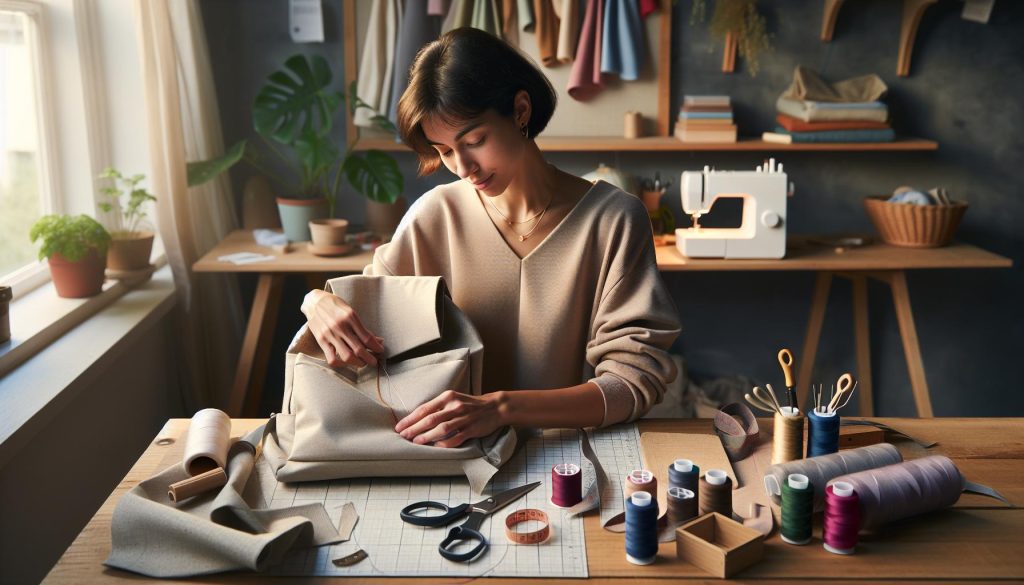
Sewing your own backpack not only allows for customization tailored to your style and needs but also equips you with a valuable skill. Did you know that making your own gear can save you money while ensuring quality and durability? Whether you’re a beginner looking to learn or a seasoned maker wanting a project, this tutorial will guide you through the process step-by-step. You’ll gain confidence as you create a functional piece of gear that meets your everyday carry or outdoor adventure requirements. Let’s dive into the world of backpack making and discover just how rewarding it can be for your crafting journey!
Choosing the Right Fabric for Your Backpack
can dramatically influence its functionality, durability, and overall aesthetic. With an array of materials available, making the right choice is crucial not only for the look of your backpack but also for how well it performs under various conditions. Let’s explore some practical options and considerations to help you make an informed decision.
First, consider the intended use of your backpack. For everyday carry or school use, fabrics like cotton canvas offer a lightweight and fine texture, making it comfortable and easy to handle. However, if you plan to use your backpack for hiking or outdoor adventures, you might want to opt for more robust materials such as nylon or polyester, which provide higher durability and water resistance. Both options can withstand the rigors of outdoor environments while repelling moisture and offering effective protection for your belongings.
Next, think about the weight and thickness of the fabric. Heavier fabrics tend to be more resilient but may add unnecessary bulk to your backpack. A mid-weight fabric strikes a balance between durability and manageability. Additionally, consider fabric treatments, such as water repellency or UV resistance, which can enhance the longevity of your backpack under harsh conditions. Fabrics like Cordura are a fantastic choice for their strength and resistance to abrasions, making them popular in high-performance outdoor gear.
Lastly, consider the color and print of your chosen fabric. A vibrant fabric may add personality to your design, but also think about practicality-darker colors hide stains better, while light fabrics can show wear and tear more easily. If you’re venturing into creative embellishments like embroidery, ensure that your chosen fabric will complement these designs without overshadowing them. Each fabric type comes with its own set of characteristics that can affect the final outcome of your backpack, so take the time to examine swatches and envision how each material fits within your overall design goals.
By carefully selecting the right fabric, you’ll not only enhance the utility of your backpack but also create a piece that reflects your personal style and meets your specific needs.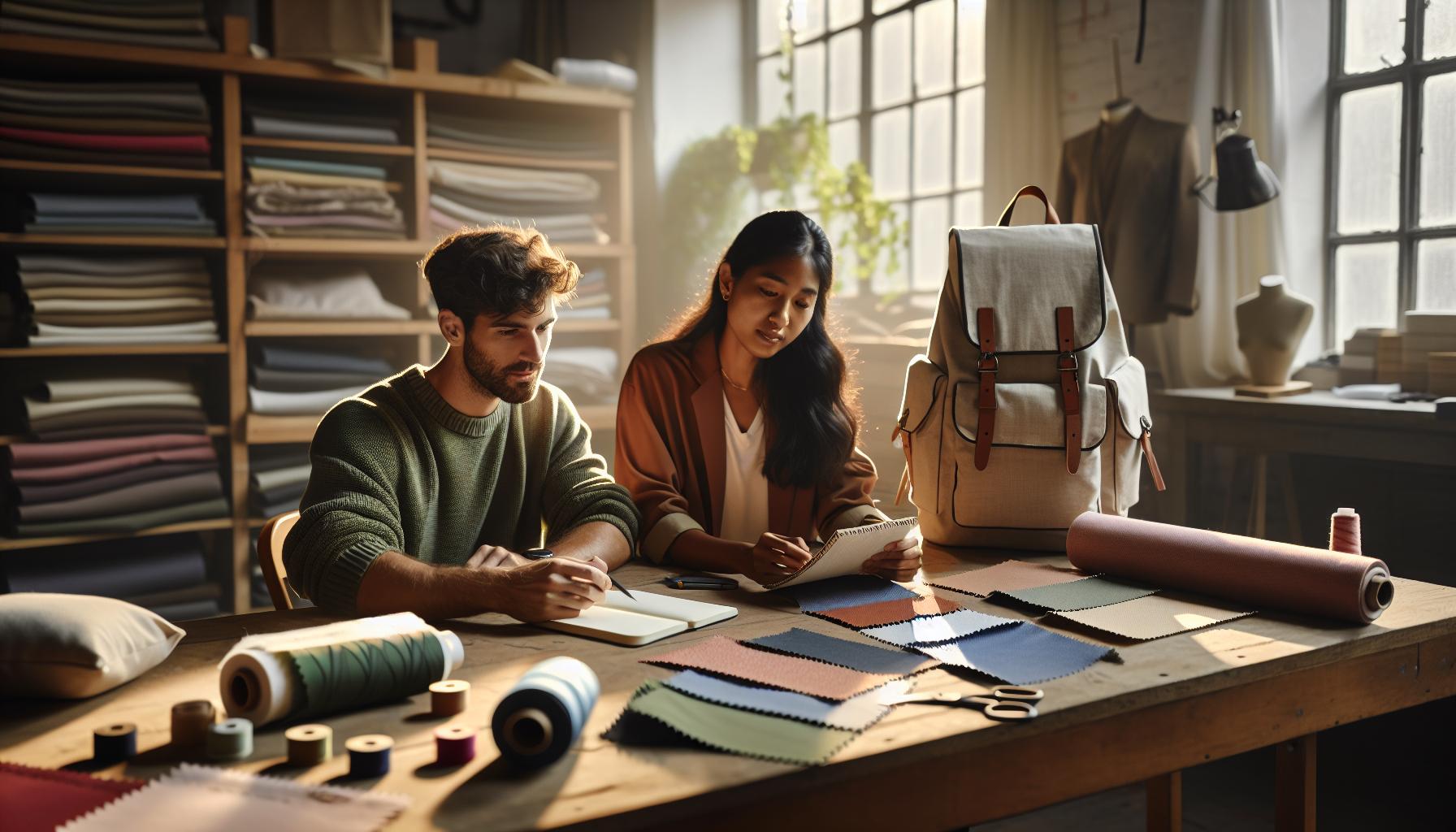
Essential Sewing Tools Every Beginner Needs
When embarking on your sewing journey to create a backpack, having the right tools at your disposal can make a significant difference in both your experience and the quality of your finished product. Whether you’re a complete novice or just dusting off your sewing skills, equipping yourself with essential tools can help ensure that your project moves along smoothly.
- Sewing Machine: A dependable sewing machine is arguably the most crucial tool. Beginners should opt for a machine that is user-friendly and has basic features for straight and zigzag stitching. Machines with adjustable stitch lengths and widths can also provide greater flexibility.
- Fabric Scissors: Invest in a good pair of fabric scissors. They are designed to cut through sewing materials cleanly and accurately. Remember, cutting fabric with regular scissors can dull them quickly, so keep your fabric scissors separate for sewing projects.
- Measuring Tools: Accurate measurements are essential in sewing. A fabric measuring tape and a clear ruler will allow you to take precise dimensions of both the fabric and your backpack pattern. Don’t forget a marking tool, such as fabric chalk, which can help mark cutting lines and sewing guides without permanently damaging the fabric.
- Pins and Clips: As you prepare to sew, you’ll need to hold your fabric pieces together. Pins are standard, but for thicker materials, fabric clips may work better to prevent damaging the fabric. A pin cushion can also help keep your work area organized.
- Iron and Ironing Board: Pressing seams and fabric before and during sewing can improve your results significantly. An iron helps remove creases from fabric, ensuring that your pieces align correctly and giving your finished backpack a professional appearance.
- Thread and Needles: Choose high-quality polyester thread, known for its durability and resistance to fraying. You’ll also need a varied needle selection. A universal needle works well for most fabrics, while heavier needles are required for thicker materials like canvas or denim.
- Backpack Hardware: Don’t forget any additional components such as buckles, straps, or zippers that you may need for your backpack design. Ensure that the hardware complements your fabric choice to create a cohesive look.
By gathering these essential tools, you’ll be well-prepared to tackle the sewing of your backpack. Not only will they enable you to execute your design with precision, but they will also make your sewing experience more enjoyable. As you grow more confident in your skills, you’ll find that each of these tools has a role in enhancing both functionality and creativity in your projects.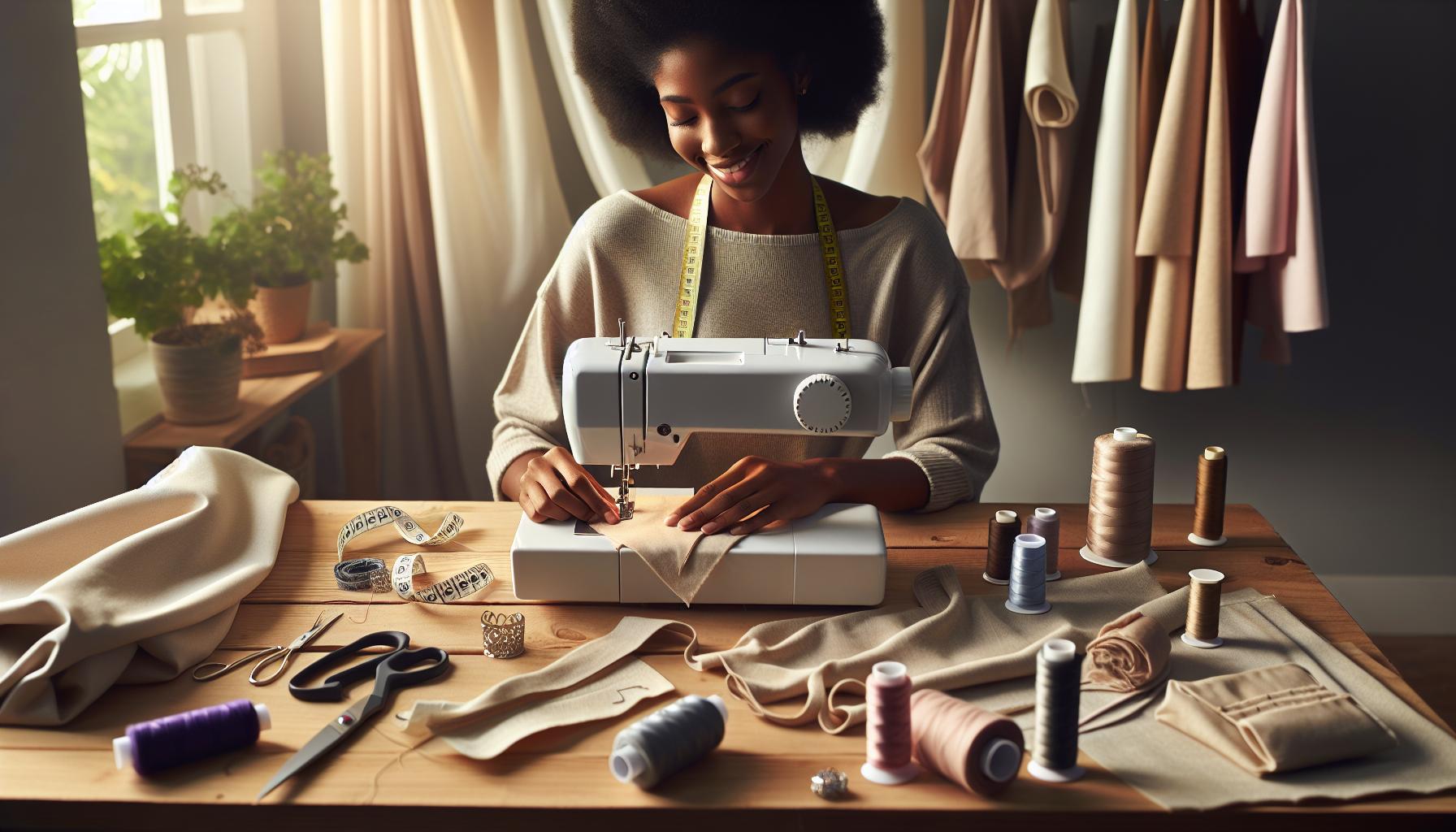
Step-by-Step Guide to Cutting Your Backpack Pattern
To achieve a well-constructed backpack, mastering the technique of cutting your pattern accurately is paramount. This crucial step not only ensures that your pieces fit together perfectly but also sets the foundation for an aesthetically pleasing finish. Let’s break down the process into manageable steps, enhancing your confidence and ensuring precision in your DIY backpack project.
Begin by selecting a flat, spacious area to lay out your fabric and pattern pieces. This will allow you to see everything clearly and minimize the risk of cutting mistakes. First, prepare your fabric by washing and ironing it, which helps to pre-shrink and removes any wrinkles that could distort your measurements. Once your fabric is smooth and flat, gather your pattern pieces, scissors, measuring tools, and pins or clips.
Next, carefully align your pattern pieces on the fabric, following any specific grainline guidelines to ensure stability and proper hang. Use fabric chalk or a marking tool to trace around your patterns, making sure to include any seam allowances specified in your pattern instructions. When marking, take your time-this is what will guide your cuts, and precision here can save you from errors later in the sewing process.
After tracing, it’s time to cut. Use fabric scissors to cut along your traced lines, being mindful to keep a steady hand. If you encounter thicker materials or layers, consider using a rotary cutter for cleaner cuts. As you cut, ensure that you don’t lift the fabric; instead, move the scissors smoothly to avoid jagged edges. Once you’ve cut all your pieces, double-check that you have all necessary components before moving on to the sewing stage, including any linings or pocket additions.
Taking these steps will not only guide you in producing clean and professional-looking components for your backpack but also strengthen your overall sewing skills. Each careful cut lays the groundwork for a structured and personalized design that you’re sure to be proud of when completed.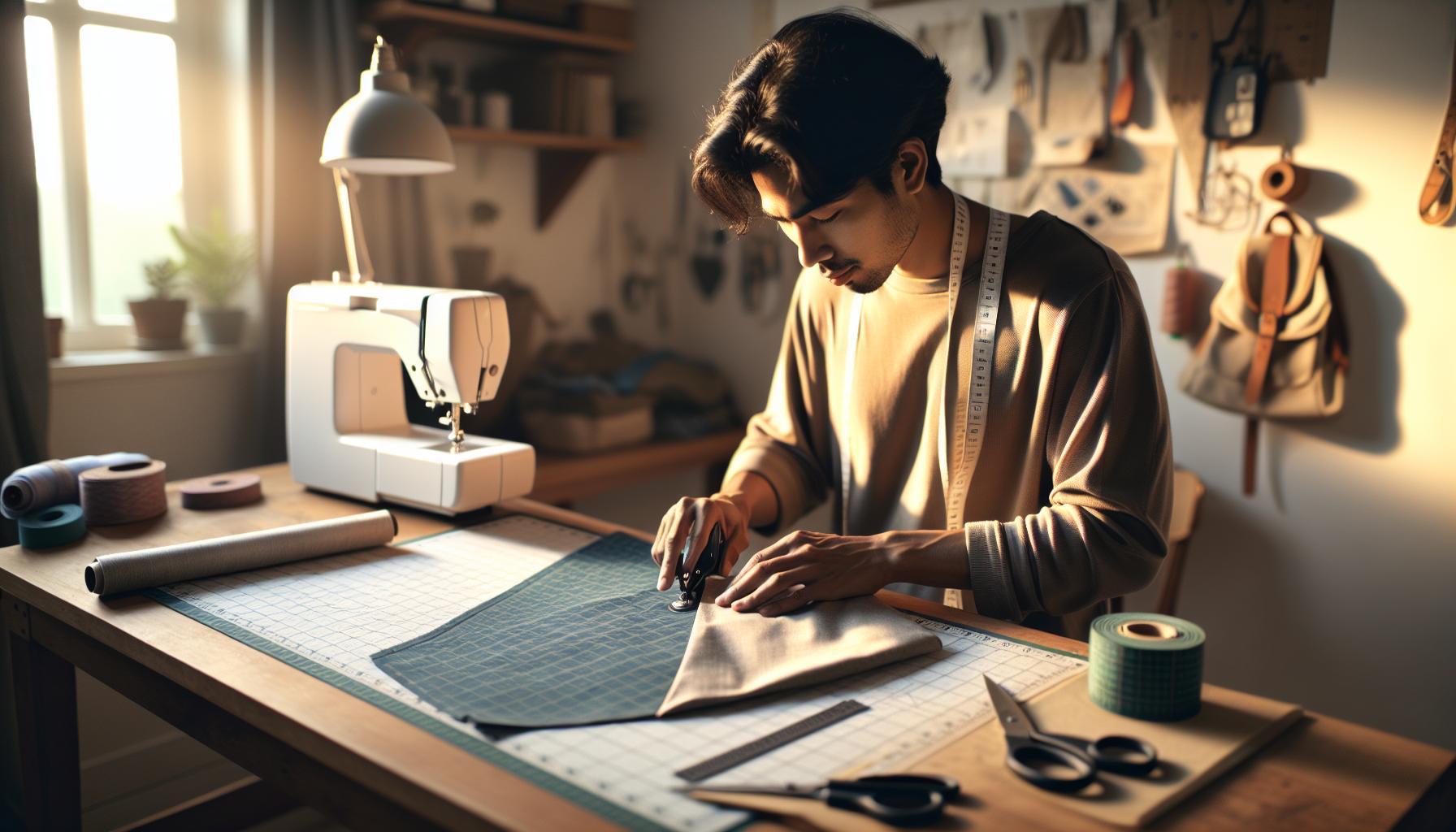
Sewing Techniques for Beginners: Mastering the Basics
Mastering the basics of sewing is essential for anyone looking to embark on the rewarding journey of making a backpack. Whether you’re starting from scratch or simply tweaking a store-bought pattern, understanding key techniques will significantly enhance the outcome of your project. One of the first skills to acquire is the proper way to operate your sewing machine, as this will be your main tool throughout the process. Familiarize yourself with its various stitches and settings, as well as how to troubleshoot common issues, like thread jams or tension problems.
Next, practice consistent seam allowances, typically ranging from ¼ inch to ½ inch unless otherwise specified in your pattern. Keeping your seams even not only adds to the aesthetic appeal but also contributes to the durability of your backpack. A good rule of thumb is to use your machine’s guide or a piece of tape on the throat plate to maintain consistent distance. Remember also to backstitch at the beginning and end of each seam to secure your stitches, ensuring that your hard work withstands the test of time.
Another fundamental sewing technique is understanding and using pressing tools. Investing time in pressing seams open or to one side can make a marked difference in the overall finish of your backpack. Use an iron to shape your fabric pieces after sewing – this step often makes your seams crisper and the fabric easier to handle when assembling. This simple technique prevents bulk and shapes your backpack’s components, making them easier to sew together and giving your finished product a more professional appearance.
Lastly, don’t overlook the importance of finishing seams. Techniques such as zigzagging the edges or using a serger can prevent fraying and add durability to your backpack, especially if you plan on using it in rugged conditions. By mastering these fundamental techniques, you’ll build a strong foundation that allows you to tackle more complex designs with confidence and creativity, transforming fabric into a practical and stylish backpack that you can be proud of.
Adding Pockets and Compartments to Your Design
Crafting your own backpack opens up a world of possibilities, particularly when it comes to creating pockets and compartments tailored to your needs. Pockets not only enhance the functionality of your backpack but also help keep your belongings organized and easily accessible. Whether you’re making a backpack for commuting, school, or outdoor adventures, strategically placed pockets can make a significant difference.
To begin, consider what items you will typically carry. For example, a dedicated pocket for your laptop or tablet is essential for students or professionals, while a smaller, easily reachable pocket for your phone can be a game-changer for outdoor enthusiasts. Think about the dimensions and depths of these pockets as you design them. Using lightweight interior fabric, such as ripstop nylon, for the pocket linings can save weight without sacrificing durability.
Types of Pockets to Consider
There are various styles of pockets you can integrate into your backpack design, including:
- External Pockets: These are ideal for items you need quick access to, such as a water bottle, snacks, or keys. Consider side pockets with elastic openings for a snug fit.
- Zip Pockets: Great for keeping valuables secure. Position these within the main compartment or on the exterior for added security.
- Front Flap or Organizer Pockets: Perfect for small items and ensuring essentials like pens, notebooks, and electronics are organized and easy to reach.
- Mesh Pockets: Useful for holding and seeing items such as chargers or cables, allowing for breathability and visibility at a glance.
When cutting your fabric, remember to pattern all pockets to allow for seams and hems. Reinforce areas where pockets connect to the main structure to ensure they can withstand heavy loads. Adding interfacing where needed can provide extra support and maintain shape, especially for larger pockets.
Incorporating these thoughtful designs adds personal flair while enhancing the functionality of your backpack. Not only does this create a unique and customized piece of gear, but it also ensures that you have room for everything you need, keeping your life organized whether you are hitting the trails or heading to class. By planning effectively and using quality materials, your DIY backpack can stand the test of time while meeting all your daily carry needs.
Adjusting the Backpack Pattern for Custom Fit
Making a backpack that fits perfectly is not only about choosing the right fabric and design but also about customizing the pattern to suit your body and needs. Adjustable patterns allow you to tailor the dimensions to your height, shoulder width, and carrying preferences, ensuring maximum comfort and ease of use. This adaptation process can make a significant difference, reducing strain on your back and shoulders while enhancing your overall experience.
To start customizing your backpack pattern, take precise measurements of your torso and shoulders. Measure the distance from the base of your neck to the waist for torso length and the shoulder width across your back. These measurements will guide the adjustments on both the body of the backpack and the straps. If you want a snugger fit, consider shortening the length of your pattern; to create a more spacious design, lengthen it as needed. Make sure to adjust the strap length accordingly, as a well-fitted strap helps distribute weight evenly.
Next, evaluate the width and depth of the bag. If you plan to carry larger items, you might want to widen the main compartment. You can achieve this by adding inches to the side seams in your pattern. Conversely, for a more compact design, simply trim down the width. This method allows for practical customization while still maintaining the structural integrity of your bag. Don’t forget to consider the depth; if your bag is going to be used for heavy items, a deeper base will help in stability.
For added personal comfort, consider modifying the straps and back panel. Wider straps can alleviate pressure on your shoulders, while a padded back panel can enhance comfort for long days of wear. Incorporating adjustable straps will provide flexibility, allowing you to alter the length based on your clothing or the items you’re carrying. Adding features like a sternum strap can also help in stabilizing the load and enhancing your trekking experience.
By investing time in adjusting your backpack pattern, you’re not just creating a custom piece of gear; you are fundamentally enhancing your carrying experience. A well-fitted backpack can transform the way you carry your essentials, whether you’re on a hike, at school, or just commuting. The confidence that comes from knowing your DIY backpack is perfectly tailored to your needs empowers you to explore without limits.
Finishing Touches: Straps, Zippers, and More
The finishing touches of your backpack can greatly enhance its functionality and style, turning a simple piece of sewing into a standout accessory. Selecting the right straps and zippers can transform your DIY project from basic to professional-grade. When finished correctly, these elements not only contribute to the aesthetics but also provide critical support during use.
Choosing straps that are both comfortable and sturdy is paramount. Consider using materials like nylon webbing for their durability and adjustable characteristics. Wider straps can distribute weight more evenly across your shoulders, reducing the discomfort that often comes from carrying heavy loads. You can also personalize your straps with padding or contrasting colors to make your backpack stand out. An important feature to consider is adjusting the strap length, allowing for a versatile fit for various body types and clothing layers.
When it comes to zippers, choose high-quality options that can withstand frequent use. YKK zippers are a well-regarded choice among sewing enthusiasts for their durability and reliability. Ensure that zippers are sewn in securely with a reinforced stitching pattern to handle the stress applied during use. Adding zipper pulls can help make opening and closing easy, especially when wearing gloves or for quick access to your essentials. Consider using a two-way zipper for main compartments, which offers versatility in how you access your gear.
Don’t overlook adding other small details like loops for attaching keys or carabiners, reinforced base for added stability, and interior pockets for organized storage. Each of these features can make a significant difference in the usability of your backpack. Embellishing your design with unique patches or embroidery not only personalizes your backpack but can also be a fun way to express your creativity.
By carefully selecting and finishing these elements, you can ensure that your DIY backpack is not only functional and comfortable but also uniquely yours. These thoughtful details will enhance your overall carrying experience, making your creation stand out in both form and function.
Personalizing Your Backpack with Creative Embellishments
Adding unique touches to your backpack not only personalizes your creation but can also transform it into a reflection of your individual style. There are countless ways to spice up your design through creative embellishments that go beyond basic colors and patterns. This engagement with craft can make your backpack feel more like “you” and can even inspire others with your creativity.
One popular method to personalize your backpack is through patches and embroidery. Patches offer a playful way to incorporate personal interests, such as favorite bands, hobbies, or travel memories. Simply sew or iron-on these patches in strategic locations, like the flap or side pockets, to instantly elevate your backpack’s appeal. Embroidery allows for even greater customization; you can add your initials or a favorite quote, giving your bag a more bespoke feel. Utilizing embroidery floss in vibrant colors can add a tactile dimension, making your backpack not just a carrier but a canvas for self-expression.
Fabric Paint and Stencils
Another method to creatively enhance your backpack is with fabric paint and stencils. This technique is perfect for those who enjoy painting or wish to explore artistic designs. You can use stencils to create intricate patterns or words that align with your personal style. Consider investing in permanent fabric paints, which are designed to withstand wear and washing, helping your design last through many adventures. Whether it’s geometric designs, florals, or abstract art, this approach provides endless possibilities for creating a one-of-a-kind backpack.
Accessorizing with Functional Elements
Beyond aesthetics, think about incorporating functional embellishments that serve a purpose. For instance, you can add keychain loops or hooks on the exterior for easy access to your keys or a water bottle. You might even attach a small carabiner for holding extra gear such as a flashlight or a mini-tool. These additions not only enhance practicality but can also be styled with colors and themes that match your backpack’s look, creating a cohesive design throughout.
By thoughtfully choosing embellishments that resonate with your personality and needs, you can transform a simple sewing project into a standout accessory that carries both style and sentiment. Embrace the creative journey and enjoy the process of making your backpack uniquely yours!
Troubleshooting Common Sewing Challenges
Sewing your own backpack can be an exciting and rewarding project, but like any creative endeavor, it comes with its share of challenges. From fabric choice to machine mishaps, understanding how to troubleshoot can make all the difference. Addressing these common issues head-on not only improves your skills but also boosts your confidence in handling future projects.
One prevalent issue is fabric slipping while sewing. This can lead to misaligned seams, especially when working with slippery materials like nylon or polyester. To combat this, consider using a walking foot attachment on your sewing machine, which helps to evenly feed multiple layers of fabric through the machine. Additionally, using fabric clips instead of pins can provide a more secure hold without distorting the fabric. If your sewing machine is struggling to handle thicker materials, be sure to use a needle that is appropriate for the weight of your fabric, such as a heavy-duty needle for canvas or denim.
Another challenge many beginners face is dealing with broken threads or skipped stitches. This can be incredibly frustrating, especially when it occurs midway through sewing. Start by checking the tension settings on your machine; if they are too tight or too loose, it can lead to thread breakage. Also, ensure that you are using the correct thread type-polyester or nylon threads usually work well for backpacks due to their strength and durability. If you encounter skipped stitches, it might be worth replacing the needle or cleaning your machine, as lint build-up can often impede the sewing process.
When adding features like zippers or pockets, it’s common to misalign these elements. To avoid this, always iron your fabric beforehand, which yields crisp edges that are easier to work with. Use tailor’s chalk to mark where the zippers should be placed, and test on a scrap piece of fabric before committing to your main project. This approach minimizes mistakes and helps ensure a clean finish.
Lastly, don’t be discouraged by small imperfections. Sewing is as much about the journey as the destination. Even experienced sewers encounter problems, so practicing patience and persistence is key. Keep a sewing journal to document challenges and solutions you’ve encountered, which can serve as a helpful reference for future projects. Embracing mistakes as learning opportunities will not only improve your skills but also enhance your overall sewing experience.
Maintenance Tips for Your DIY Backpack
Taking care of your DIY backpack is essential to ensure its longevity and maintain its functionality. Whether you’ve structured your bag for everyday use or outdoor adventures, proper maintenance is crucial. By following these straightforward practices, not only will your backpack look its best, but it will also withstand daily wear and tear.
To start, it’s important to regularly clean your backpack. If your bag is machine washable, remove any loose items and secure any closures before throwing it in the washer on a gentle cycle. For hand washing, try a mixture of warm water and mild detergent on a soft cloth or sponge. Pay special attention to areas that accumulate dirt, such as the bottom of the bag and straps. Dry the backpack completely in a well-ventilated area, avoiding direct sunlight which can cause fading.
Inspect Your Backpack regularly for signs of wear, such as fraying threads, loose seams, or damaged zippers. Catching these issues early can save you from more extensive damage down the line. If you notice any loose threads, use a pair of scissors to snip them away gently. For zippers, a bit of lubricant can go a long way in keeping them running smoothly.
Another key aspect of maintenance is proper storage. When it’s not in use, store your backpack in a cool, dry place away from direct sunlight. If your backpack is made from sensitive materials, consider keeping it inside a dust bag or breathable storage container. This prevents dust accumulation and protects it from environmental factors that could lead to degradation.
Finally, treat your backpack with care during use. Avoid overloading it beyond its intended capacity, as excessive weight can strain the seams and zippers. When placing it down, try to avoid rough surfaces that might scratch or scuff the fabric. Our backpacks are built for adventure, but a little TLC will keep them ready for many more journeys ahead.
Inspiration: Unique Backpack Designs to Try Next
Imagining a backpack that perfectly reflects your personality and needs can be incredibly inspiring. With a few creative twists and thoughtful designs, your DIY backpack project can transform from a simple functional item into a unique piece of art. Here are some innovative design ideas to spark your creativity and get your sewing machine ready.
One popular trend is the drawstring backpack, which combines simplicity with style. Using lightweight, colorful fabrics, you can create a bag that cinches at the top, making it perfect for quick outings or gym sessions. Add a contrasting fabric or patterned lining to give it a personalized touch. You can also incorporate a small pocket on the outside for essentials like keys or a phone.
Another exciting option is the reversible backpack. This two-in-one design allows you to switch up your look without needing multiple bags. By sewing different fabrics on each side, you can cater to your mood or outfit. The inner pocket can be stitched securely to one side, ensuring functionality remains intact while allowing for versatile styles.
For outdoor enthusiasts, consider crafting a hiking backpack equipped with pockets specifically designed for water bottles, snacks, and maps. Using weather-resistant materials enhances durability, while strategic padding provides comfort during long treks. Design features such as adjustable straps and a breathable back panel not only boost functionality but also improve the overall carrying experience.
Additionally, appliqué and embroidery techniques offer a fantastic way to add flair to your backpack. You can personalize your creation with favorite quotes, symbols, or even patches that reflect your interests. This not only makes your bag one-of-a-kind but also turns it into a conversation starter.
Lastly, explore the world of upcycling by using old materials like jeans, canvas, or even repurposed fabric from thrifted items to create a sustainable backpack. This eco-conscious approach not only reduces waste but also offers a unique narrative to your design, turning your backpack into a statement of style and environmental awareness.
Incorporating these ideas into your DIY backpack project empowers you to create something that is not just functional, but also uniquely yours. Happy sewing!
Resources for Further Sewing Skills Development
Expanding your sewing skills can significantly enhance your ability to create unique and functional backpacks. Whether you’re a novice or someone looking to refine your expertise, there are countless resources available to help you on your journey. Online platforms, books, and local workshops can open new doors to creativity and technical know-how.
To start, consider diving into video tutorials available on sites like YouTube. Many sewing enthusiasts and professionals share comprehensive guides, offering visual step-by-step instructions that can clarify complex techniques. For instance, channels dedicated to sewing projects often cover specific backpack patterns or modifications, making it easy to follow along.
Additionally, sewing blogs can be an invaluable resource. Many bloggers provide detailed written guides along with images that showcase their process. This often includes tips on fabric selection, sewing techniques, and mistakes to avoid. Engage with sewing communities on platforms like Instagram or Pinterest; you’ll find a wealth of inspiration and may even connect with other sewing enthusiasts who share your passion.
For a more structured approach, you might explore online courses or workshops focusing on sewing techniques. Websites like Skillshare or Craftsy offer courses ranging from beginner to advanced, teaching everything from basic patterns to intricate embellishments. Participating in local community colleges or quilting shops might also provide hands-on experience, enhancing both your skills and your confidence in creating your designs.
Finally, don’t forget the power of books. Many sewing books cater specifically to making bags and backpacks, providing insight into not just techniques but also design principles. Look for titles that focus on DIY projects or sustainable sewing practices to align with your goals. In this wealth of information lies the key to elevating your sewing skills and ensuring your DIY backpack is truly one-of-a-kind.
FAQ
Q: What materials are best for sewing a beginner’s backpack?
A: The best materials for a beginner’s backpack are sturdy fabrics like canvas or denim for the exterior, and a lightweight cotton for the lining. These provide durability and ease of sewing, making them ideal choices for new sewers looking to create a functional backpack. Refer to the “Choosing the Right Fabric for Your Backpack” section for more details.
Q: How do I choose the right size for my backpack pattern?
A: To choose the right size for your backpack pattern, consider the intended use-school, travel, or hiking. Measure key items you plan to carry and compare these dimensions to your pattern. This ensures a custom fit. Check the “Adjusting the Backpack Pattern for Custom Fit” section for helpful tips.
Q: What type of sewing machine do I need to sew a backpack?
A: A standard sewing machine with a heavy-duty needle and straight stitch capabilities is sufficient for sewing a backpack. Features like adjustable stitch length and a walking foot can also help manage multiple layers of fabric, providing a smoother sew. Explore the “Essential Sewing Tools Every Beginner Needs” for a complete list.
Q: How can I make my backpack waterproof?
A: To make your backpack waterproof, consider using waterproof fabric or applying a waterproof spray to your chosen materials. Additionally, sealing seams with tape can prevent water entry. For more waterproofing techniques, look into the “Finishing Touches” section for detailed guidance.
Q: What common challenges do beginners face when sewing a backpack?
A: Beginners often struggle with handling thick fabrics, aligning pieces accurately, and sewing in straight lines. It’s crucial to take your time, use proper techniques, and practice on scraps. The “Troubleshooting Common Sewing Challenges” section provides specific solutions to these issues.
Q: How do I properly care for and maintain my DIY backpack?
A: To maintain your DIY backpack, regularly clean it with mild soap and water, avoiding harsh chemicals. If made from washable fabrics, machine wash on a gentle cycle, and air dry. Check the “Maintenance Tips for Your DIY Backpack” section for more maintenance advice.
Q: Can I personalize my backpack design? If so, how?
A: Yes, you can personalize your backpack design using patches, embroidery, or fabric paint. Consider adding unique pockets or embellishments to express your style. The “Personalizing Your Backpack with Creative Embellishments” section offers various creative ideas to enhance your design.
Q: What features should I include in my beginner’s backpack pattern?
A: Ideal features for a beginner’s backpack pattern include adjustable straps, a drawstring closure, and a front pocket. These elements not only enhance functionality but also add a personalized touch. For design inspiration, check the “Inspiration: Unique Backpack Designs to Try Next” section.
To Conclude
Congratulations on completing your first backpack sewing project! You’ve taken a significant step towards mastering your sewing skills with this beginner’s pattern tutorial. Remember, the joy of creating your own gear is just the beginning-imagine the countless adventures you can embark on with your custom-made backpack. If you’re eager to take your sewing to the next level, check out our guides on sewing advanced patterns or explore essential tips for maintaining your sewing tools.
Don’t forget to subscribe to our newsletter for exclusive tips and resources that will help you conquer every sewing project that comes your way. Have any questions or thoughts about this tutorial? Share them in the comments below; we love hearing from our community! Lastly, delve deeper into related topics like fabric selection and sewing techniques to keep your creativity flowing. Happy sewing, and let’s keep crafting together!