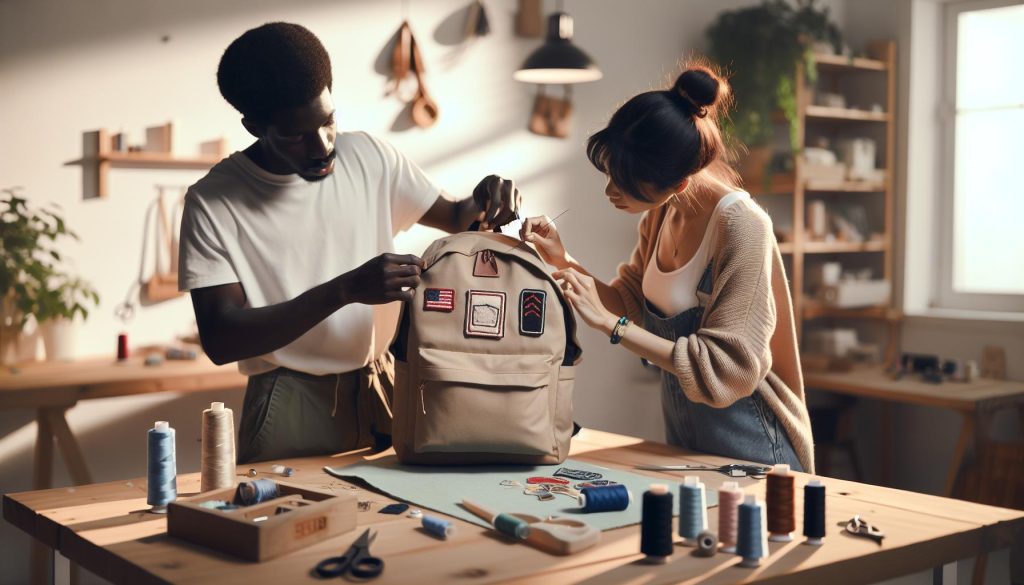
Have you ever noticed how a simple backpack can tell a story of adventures, but a small tear can quickly detract from its charm? Patching up your backpack not only preserves its durability but also allows you to express your personal style. This easy DIY method will guide you through the process of adding a patch to your backpack, ensuring it remains a reliable companion for all your journeys. By learning this skill, you’ll not only extend the life of your gear but also feel accomplished, knowing you’ve personalized your belongings in a unique way. Let’s dive into the step-by-step procedure that will transform your backpack and elevate your travel experience!
Choosing the Right Patch for Your Backpack
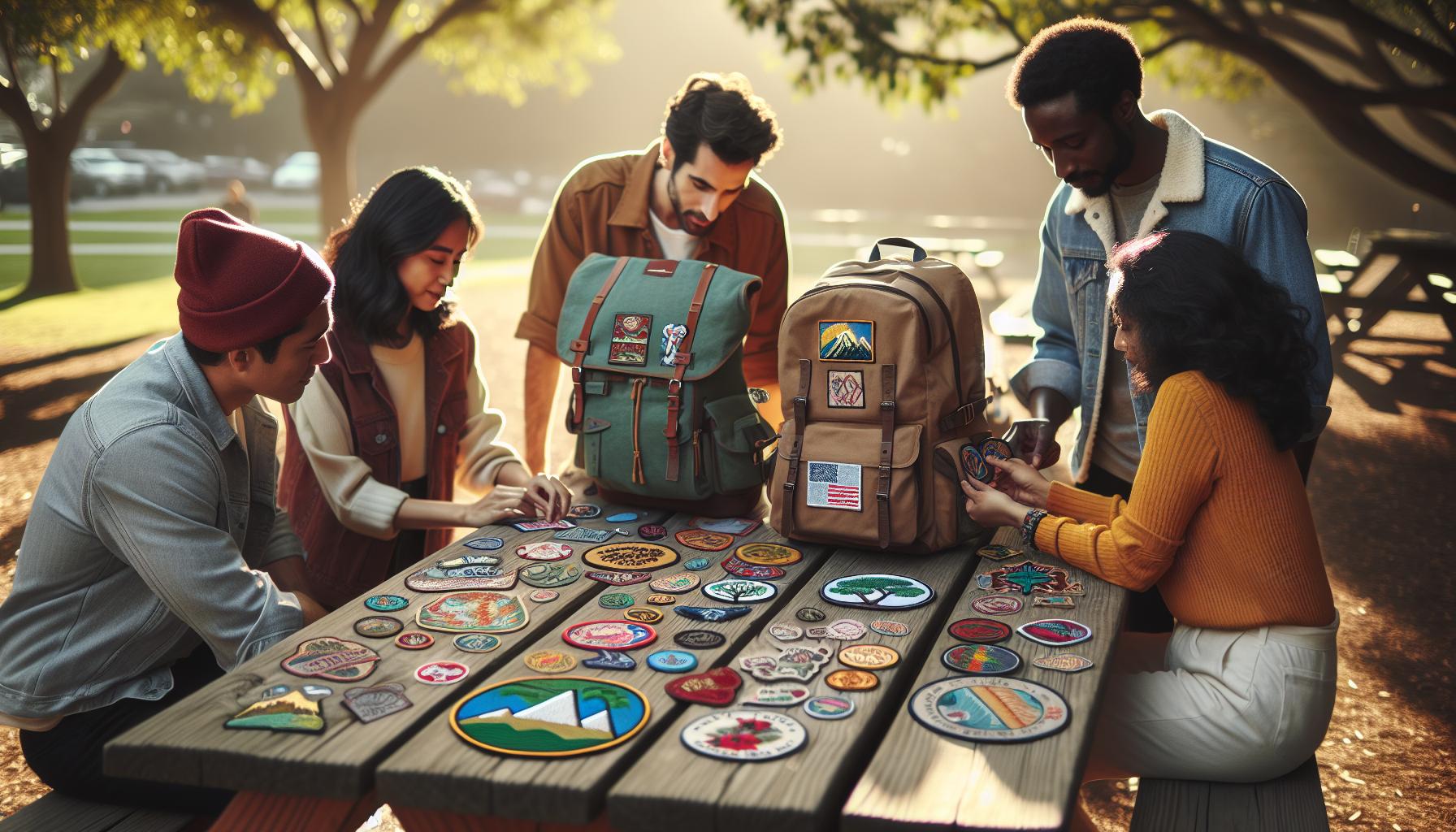
can transform it from a simple piece of gear into an expression of your style and personality. With countless options available, your choice should reflect not just aesthetics but also functionality. Consider the material of your backpack; for instance, a durable canvas might require a heavier fabric patch, while a lightweight nylon backpack may be suited for lighter, embroidered patches. Opt for patches that resonate with your interests-whether they feature your favorite band, a beloved animal, or a memorable quotation, the right patch can spark conversations and showcase your uniqueness.
As you browse through available patches, pay attention to the attachment method. Some patches come with adhesive backing for easy application, while others might need sewing or ironing. If you’re a frequent adventurer, select high-quality, weather-resistant patches that can withstand the elements. To ensure longevity, seek patches made from materials like PVC or durable fabric that are resistant to fading and fraying over time. For a cohesive look, choose a color palette that complements your backpack’s design; this holistic approach can create a more polished appearance.
Another factor to consider is the size of the patch in relation to your backpack. Larger patches can serve as bold statements, whereas smaller ones can be used for a more subtle decorative touch. When in doubt, mix and match sizes for a layered effect that showcases diversity. Whether you want to cover a tear or add a new favorite piece, choosing the right patch involves balancing your personal style with these practical considerations for a truly customized backpack experience.
Preparing Your Backpack for Patching
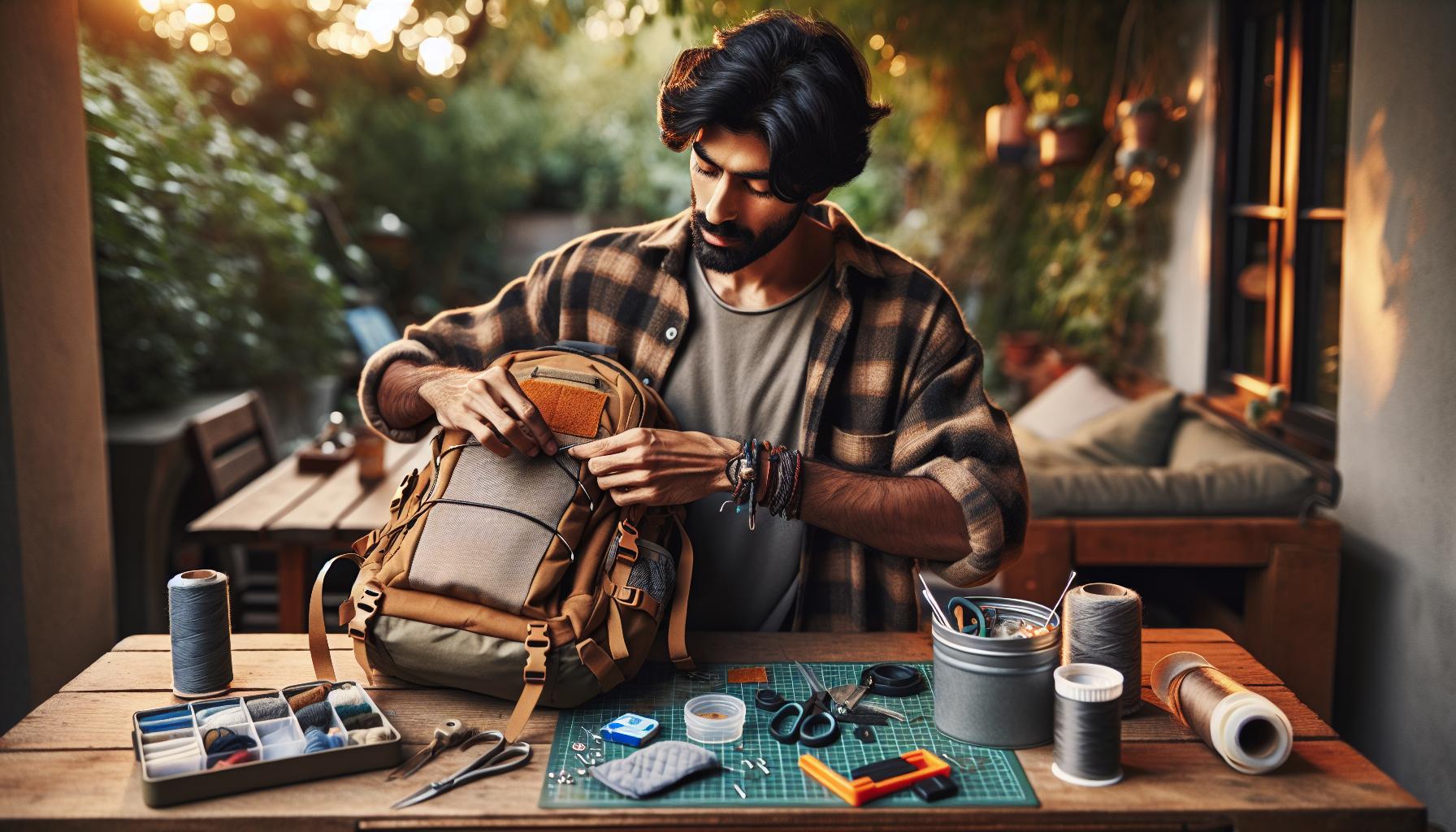
is a crucial step in ensuring that your patches adhere properly and look great once applied. Before you begin, it’s essential to assess the area where you want to place the patch. Make sure the fabric is clean and free from dust or moisture, as these can prevent the patch from sticking effectively and compromise its durability.
Start by gently wiping the chosen area of the backpack with a damp cloth to remove any dirt or debris. If your backpack has significant wear or damage, it’s advisable to do some minor repairs first to provide a stable base for the patch. Use a needle and thread or fabric glue to fix any loose threads or tears. This will not only make the patch application smoother but also enhance the overall longevity of your backpack.
Once the area is clean and prepped, consider the patch placement. Hold the patch over the desired spot to visualize its placement before committing. For large patches, centering is usually best, while smaller patches can be strategically placed for a more dynamic look. Use a fabric marker or chalk to lightly mark the edges of the patch, ensuring you know exactly where to apply it. Finally, it’s crucial to have the right tools on hand, such as an iron if you’re using an iron-on patch or sewing materials if you opt for stitching, making the process seamless and enjoyable.
Remember, the goal is not just to apply a patch, but to do so in a way that enhances the aesthetics of your backpack while providing additional flair and character. Taking these initial steps will help you achieve a polished and custom look that reflects your style.
Essential Tools and Materials Needed

To successfully add a patch to your backpack, having the right tools and materials is essential. This can elevate a simple DIY project into a rewarding experience, ensuring your patch not only looks great but lasts through all your adventures. Here’s a rundown of what you’ll need to get started.
First, consider the type of patch you want to apply. If it’s an iron-on patch, your primary tool will be an iron. Look for a standard iron with a flat surface, ensuring it can reach the required temperature for strong adhesion. You’ll also need a flat, heat-resistant surface to work on-this could be an ironing board or a sturdy table. If you choose to sew on your patch instead, gather sewing materials such as a needle, thread (preferably in a color that matches your backpack), and scissors.
Make sure to have some protective materials like parchment paper or a thin cloth to place between your iron and the patch. This prevents direct heat contact, which can scorch the fabric or affect the patch’s finish. If you’re dealing with a more challenging fabric like leather or nylon, a fabric adhesive may be necessary as well. In such cases, choose a strong, flexible adhesive specifically designed for fabrics to ensure a secure hold.
Lastly, grab some marking tools like fabric chalk or a washable marker to outline where the patch will go. This step is crucial for precise placement and can make a noticeable difference in the overall appearance once the patch is applied. With these tools at your disposal, you’ll be well-equipped to enhance your backpack with custom patches that reflect your unique style and personality.
Step-by-Step Guide to Ironing on a Patch
Applying a patch to your backpack can transform it into a unique piece of self-expression. Iron-on patches are particularly popular due to their ease of application. This method is not only straightforward but also gives your backpack a personalized touch without requiring advanced sewing skills. Follow this detailed guide to successfully iron on a patch, ensuring that your new accessory stays firmly in place throughout your adventures.
Begin by preparing your workspace. Place a flat, heat-resistant surface in front of you, ideally an ironing board or a sturdy table. Lay your backpack flat and position the patch where you want it to go, using fabric chalk or a washable marker to mark the spot if necessary. This makes it easier to achieve precise placement. Before you turn on the iron, make sure to read the care label on your backpack. Some materials may require special temperatures or may not be suitable for direct heat at all.
Once you’re set up, plug in your iron and turn it to the appropriate setting for the fabric of your backpack-usually a medium to high heat works well for cotton or polyester materials. Place a piece of parchment paper or a thin cloth over the patch to shield it during the ironing process. This protective layer prevents direct contact and minimizes the risk of scorching both the backpack fabric and the patch itself. Firmly press the iron onto the patch for about 10-30 seconds, depending on the patch’s instructions and the fabric type, applying consistent pressure but avoiding excessive movement.
After heating, carefully lift the iron and allow the area to cool for a moment. Gently check the edges of the patch; if they lift, reapply the iron for a little longer. For added security, you can sew around the edges of the patch once it’s cooled and set. This step is ideal for ensuring your patch withstands the rigors of outdoor use or frequent handling. Finally, to keep your patch looking fresh, avoid washing your backpack with heavy agitation and hang it to dry-this will help preserve both the patch and the fabric it adorns.
By following these steps, you can confidently attach an iron-on patch to your backpack, creating a personalized item that showcases your style while ensuring it’s durable for all your adventures.
Sewing a Patch: Techniques for Durability
Sewing on a patch might seem daunting at first, but mastering this technique can greatly enhance the durability and aesthetics of your backpack. Unlike iron-on patches that may peel off with time and wear, hand-sewn patches offer a stronger hold, ensuring they stay put during all your adventures-whether you’re hiking rugged terrains or commuting through city streets. A well-sewn patch not only fortifies the patch itself but can also add an appealing texture and dimension to your backpack, making it truly one-of-a-kind.
To effectively sew a patch, start with the right tools. You’ll need needle and thread, scissors, and possibly a thimble for greater control and comfort. Choose a thread color that complements the patch or your backpack, as it can either blend in or create a more pronounced outline. Using a wider, heavier thread can provide extra durability-look for upholstery or heavy-duty thread designed for canvas if your backpack is made from such materials.
Once you have your materials, position the patch securely on your backpack. To avoid shifting while you sew, use safety pins or a fabric adhesive to temporarily hold it in place. Start your sewing process by making small, even stitches around the edges of the patch. A simple running stitch or a whip stitch technique can work well; the latter involves looping the thread around the edge of the patch, creating a stronger seam. Aim for stitches that are about 1/8 inch apart, as this spacing strikes a balance between a clean look and the necessary durability. If you’re sewing through multiple layers of fabric, consider using a larger needle to prevent damaging the materials.
After completing the sewing process, make sure to secure the thread with a knot on the inside of the backpack to prevent any unraveling. For added style and protection, you could even consider applying a fabric sealant around the edges of the patch post-sewing to add an extra layer of waterproofing. Not only does this enhance the longevity of your patch, but it also keeps the fabric underneath safe from wear and tear. By investing a bit of time and care into sewing your patches, you’ll ensure they withstand the elements and elevate the overall look of your backpack for years to come.
Creative Ways to Style Your Backpack with Patches
Adding patches to your backpack is not just a practical way to cover up wear and tear; it’s also an incredible opportunity for self-expression. With a little creativity, you can transform an ordinary backpack into a standout piece that tells your story. When it comes to styling your backpack with patches, the possibilities are virtually endless, allowing you to showcase your personality and interests.
One engaging way to style your backpack is by creating a patch collage. Instead of placing a single patch, why not go for an assortment of designs? Choose patches that reflect your hobbies, travels, or favorite bands, and arrange them in a visually appealing way. Consider mixing different shapes, sizes, and orientations to create depth and interest. You might even layer smaller patches over larger ones to add dimension. A patch collage not only looks dynamic but also allows for versatility-feel free to switch out patches as your interests change.
Don’t forget about the strategic placement of your patches. Instead of only adhering them to the exterior, consider applying patches to less obvious areas for a unique twist. For example, sewing a patch inside a pocket or on the straps can create a personalized touch that secretively showcases your style. Additionally, you can use patches to enhance the functionality of your backpack. A patch with a built-in pocket can hold small items like keys or cards, cleverly merging style with utility.
For an even more customized look, create your own patches! This can be as simple as using fabric paint to design something completely original. Cut fabric into your desired shape and use fabric paint or markers to add your design. Then, explore the sewing options to attach your handmade patch securely. This approach not only guarantees that your patch will be one-of-a-kind but also gives you the satisfaction of knowing you crafted it yourself, making it even more special.
Ultimately, the art of styling your backpack with patches allows you to bring your personal flair into everyday carry gear. By considering your interests, experimenting with placements, and even venturing into creating your own patches, you will have a backpack that is truly distinctive. Enjoy the creative process and wear your backpack with pride, knowing it reflects who you are.
Repairing Damaged Areas Before Patching
Before applying a patch to your backpack, it’s essential to assess and repair any damaged areas. This foundational step not only enhances the longevity of your backpack but also ensures that the patch adheres properly, maintaining both aesthetics and function. Small tears, fraying edges, or worn spots can compromise not just the look of your backpack but its overall integrity. Addressing these issues beforehand can turn your DIY project into a success story rather than a temporary fix.
Start by inspecting the damaged area closely. If the fabric is fraying, consider using a fray check solution to seal the edges and prevent further unraveling. For small tears, a strong fabric glue can provide a quick fix. Simply apply the glue along the edges of the tear and press the fabric together. Allow it to dry completely before proceeding. In cases where the damage is more significant, patching the area internally with an iron-on fabric or sewing it closed might be necessary. These methods can provide a sturdy base for your patch, ensuring it adheres securely.
Common Repair Techniques
- Fraying Edges: Use a fray check or a lighter to seal edges.
- Small Tears: Apply fabric glue to hold edges together temporarily.
- Larger Damages: Sew or use an iron-on fabric patch to reinforce the area.
It’s crucial to let any repairs fully set before adding patches. This will give your backpack the stability it needs, making your patch application smoother and more durable. Moreover, ensuring that the underlying fabric is robust can prevent future wear and tear, extending the life of your beloved backpack. Taking the time to repair and strengthen damaged areas transforms it into a canvas for your expressive patches, allowing you to showcase your personal style while keeping your backpack functional and ready for adventure.
How to Personalize Your Patches for Unique Style
Personalizing patches for your backpack can transform a generic item into a vibrant representation of your personality. Not only do patches serve as an eye-catching accessory, but they also provide an opportunity to express your interests, travels, and memories. By customizing your patches, you can create a unique look that not only enhances your backpack but also sparks conversation and reflects your identity.
One creative approach to personalizing patches is through the incorporation of various themes. For instance, consider selecting patches that depict hobbies, favorite bands, or memorable travel destinations. Mixing different styles-embroidery, woven designs, or iron-on patches-adds visual interest. You can also try layering patches; place smaller patches over larger ones to create depth and dimension. Experiment with placement too; aligning patches asymmetrically or clustering them in a designated area can create an eclectic look.
In addition to thematic selection, you can further customize your patches by adding personal touches. Use fabric markers to write names, dates, or quotes on plain patches, or sew on small accessories like buttons or beads for added flair. If you’re crafty, consider making your own patches from fabric scraps or by upcycling old clothes into recognizable shapes and symbols. This not only gives you a one-of-a-kind item but also makes your backpack more sustainable.
Maintaining your customized patches is equally important. To ensure longevity, hand wash your backpack when needed and avoid harsh chemicals. If a patch begins to fray or peel, reinforce it with fabric glue or stitching to keep it intact. By following these practices, you can enjoy your personalized patches for years to come, each one telling a unique story about your adventures and experiences.
Care and Maintenance for Long-lasting Patches
Caring for your patches not only enhances their lifespan but can also keep your backpack looking fresh and vibrant. Over time, dirt, wear, and tear can diminish the visual appeal of your patches, especially if your backpack regularly undergoes outdoor adventures. By implementing some straightforward care and maintenance practices, you can ensure that your patches remain a proud representation of your personality and style.
To keep patches looking their best, start with routine inspections. Check for any fraying edges or loosened threads; catching these issues early can prevent bigger problems down the line. For fabric patches, regular hand washing is recommended. When washing your backpack, turn it inside out to protect the patches. Use a gentle cycle with cold water and mild detergent, and refrain from using bleach or harsh cleaning agents that could damage the fabric and colors.
For patches that might still show signs of wear, a little crafting glue or fabric adhesive can go a long way in reinforcing their connection. If a patch begins to peel at the edges, carefully apply a thin line of glue underneath and press it down. Allow it to dry completely before using the backpack again to ensure a strong bond. Additionally, if you notice any areas where threads are starting to loosen, a simple hand stitch can provide lasting support.
Proper storage is another critical aspect of maintenance. When not in use, store your backpack in a cool, dry place away from direct sunlight, as prolonged exposure can fade colors and weaken fabric. If your backpack becomes heavily soiled, consider more thorough cleaning methods, such as spot cleaning with a damp cloth and mild detergent, rather than frequent washes. By following these care techniques, your patches can continue to enhance your backpack, telling stories of adventures while maintaining their vibrant appearance.
Troubleshooting Common Patching Issues
When it comes to customizing your backpack with patches, occasional issues can arise, leaving you frustrated and unsure how to proceed. Whether you’re dealing with peeling edges, misaligned placement, or stubborn adhesive residue, addressing these challenges effectively can enhance both the look and functionality of your patches.
One common issue is the patch lifting at the corners. This is often due to insufficient heat or pressure during application. If you notice this happening, using a hot iron on the edges for a few extra seconds can help re-secure the patch. For added durability, consider applying a thin layer of fabric glue along the edges; just be careful not to overdo it, as excess glue can create a messy appearance. Additionally, always check the manufacturer’s instructions on the patch, as some may require specific temperature settings or techniques for best results.
Another frequent concern is the patch shifting position after application. If this happens, it’s best to gently remove the patch (if still possible) and reapply it. Cleaning any leftover adhesive with rubbing alcohol can prepare the surface for a fresh start, ensuring a strong bond when you secure it again. If your patch is particularly stubborn when it comes to adhesion, reinforcing it with stitching can be a great alternative, providing both visual appeal and durability.
Lastly, you might encounter discoloration or fading on patches due to wear and tear, especially from exposure to sun and elements. To combat this, consider applying patches that have UV-resistant properties. Protecting your backpack with a spray-on fabric protector can also help mitigate fading and keep your patches looking vibrant longer. When you prioritize these troubleshooting tips, you can enjoy a customized backpack that not only expresses your unique style but also withstands the test of time.
Alternative Patching Methods for Different Fabrics
When you’re customizing your backpack with patches, the fabric type plays a crucial role in determining the best attachment method. Different materials require different techniques to ensure that your patches stay securely in place while maintaining the integrity of the fabric. Understanding these nuances will empower you to showcase your personal style effectively.
For example, cotton and canvas backpacks are ideal candidates for iron-on patches. The heat from the iron adheres the patch securely to the fabric, providing a neat finish. However, be cautious with synthetic materials like nylon or polyester; these fabrics can melt under high heat. In such cases, a sew-on method or fabric glue is recommended. For a sew-on patch, ensure you use a sharp needle and thread that complements the patch’s color, which not only reinforces the patch better but also adds an aesthetic touch.
H3: Alternatives for Specialty Fabrics
- Leather: When attaching patches to leather backpacks, avoid using iron-on methods due to the risk of damaging the leather. Opt for fabric glue or hand-stitching for a secure fit. Use a leather needle and special thread designed for leather to prevent tearing.
- Denim: Denim is robust and can handle both ironing and sewing methods. A popular method is to incorporate contrasting thread colors which can enhance the patch’s visibility while giving it a stylish edge.
- Faux Fabrics: For polyester blends or faux leather, using a strong, clear fabric adhesive is often effective. Ensure the adhesive cures well to avoid any peeling or lifting during use.
Ultimately, experimenting with different techniques based on your backpack’s fabric will lead to a successfully customized look while preserving the bag’s functionality. Understanding how various fabrics interact with heat and adhesive will help you choose the best method for your patches, ensuring they withstand the rigors of daily adventures and continue to represent your unique style for years to come.
Where to Find Quality Patches for Your Backpack
Quality patches can transform your backpack from a standard carry item into a unique expression of your style or brand. Whether you’re looking for fun designs to express your personality or custom logos for a group, sourcing the right patches is crucial for a successful DIY project.
A great starting point for finding patches is online retailers specializing in customizable designs. Websites like Monterey Company offer durable custom backpack patches that allow you to turn your backpack into a mobile advertisement or a personal expression piece. You can choose designs that resonate with you, whether for business purposes, sports teams, or simply for aesthetic appeal.
Additionally, retailers such as Ninja Patches provide a wide selection of patch types including embroidered, 3D embroidered, and leather patches. Their offerings come with the promise of quality craftsmanship, ensuring you get a product that not only looks good but is also made to withstand everyday wear and tear.
Don’t overlook local craft stores either; they often carry a selection of adhesive patches that can be great for customizing your backpack quickly. For example, Target offers an array of designs that are easy to apply and durable. This makes them an excellent choice if you’re looking for a quick and straightforward way to personalize your gear.
When selecting patches, consider your backpack’s fabric and the method of application you intend to use. Quality materials and adhesives will ensure that your patches adhere properly and remain in excellent condition over time. Always read reviews and check the material specifications to choose patches that match your style and usage needs!
Frequently Asked Questions
Q: Can I put a patch on a nylon backpack?
A: Yes, you can put a patch on a nylon backpack. Use an iron-on patch for a quick method or sew it on for durability. Ensure the area is clean and dry for the best adhesion. Refer to the “Step-by-Step Guide to Ironing on a Patch” section for detailed instructions.
Q: How do I make sure a patch stays on my backpack?
A: To ensure a patch stays on your backpack, securely iron or sew it following the manufacturer’s instructions. For added durability, reinforce with fabric glue around the edges and avoid overloading the area with heavy items. Check “Sewing a Patch: Techniques for Durability” for techniques.
Q: What type of patch is best for a canvas backpack?
A: The best type of patch for a canvas backpack is a fabric patch that can be sewn on for stronger adherence. Look for patches made from durable materials to withstand wear and tear. You can find recommendations in the “Choosing the Right Patch for Your Backpack” section.
Q: How can I add patches without damaging my backpack?
A: To add patches without damaging your backpack, opt for iron-on patches and follow the recommended temperature settings. For sewn patches, use a needle and thread carefully without piercing through multiple layers. Look into the “Repairing Damaged Areas Before Patching” section for more tips.
Q: Where can I find unique patches for my backpack?
A: You can find unique patches for your backpack at craft stores, online marketplaces like Etsy, or specialty stores that focus on outdoor gear. Check the “Where to Find Quality Patches for Your Backpack” section for more detailed options.
Q: Is it better to sew a patch or use an iron-on method?
A: It depends on your needs. Sewing a patch offers extra durability, while iron-on patches are quicker and easier. Consider sewing for patches that will experience frequent stress and check the “Sewing a Patch: Techniques for Durability” section for effective methods.
Q: How do I remove a patch from my backpack?
A: To remove a patch from your backpack, carefully cut the threads if sewn on, or use a heat source to loosen an iron-on patch. Use a fabric adhesive remover to clean any residue left behind. For further assistance, consult “Troubleshooting Common Patching Issues” in your article.
Q: Can I customize the size of a patch for my backpack?
A: Yes, you can customize a patch’s size by cutting it to fit your design needs, especially if you use fabric patches. Ensure you use sharp scissors for clean edges and check the “How to Personalize Your Patches for Unique Style” for creative ideas.
The Way Forward
Congratulations on learning how to put a patch on your backpack using this easy DIY method! By following these simple steps, you can not only customize your pack but also ensure its longevity. If you’re looking for more tips on backpack maintenance or gear selection for your next adventure, check out our guides on “Best Backpack Care Techniques” and “Choosing the Right Tools for Outdoor Activities.”
Ready to take your DIY skills further? Subscribe to our newsletter for exclusive tips, project ideas, and special offers, or explore our product pages for the best tools to tackle your next project. Remember, personalizing your gear not only expresses your style but also enhances your outdoor experience. Don’t hesitate to leave a comment below if you have any questions or share your own DIY projects with us!